BRASIL-EUROPA
GLOBAL STUDIES
CULTURE/NATURE

BRASIL-EUROPA
GLOBAL STUDIES
CULTURE/NATURE
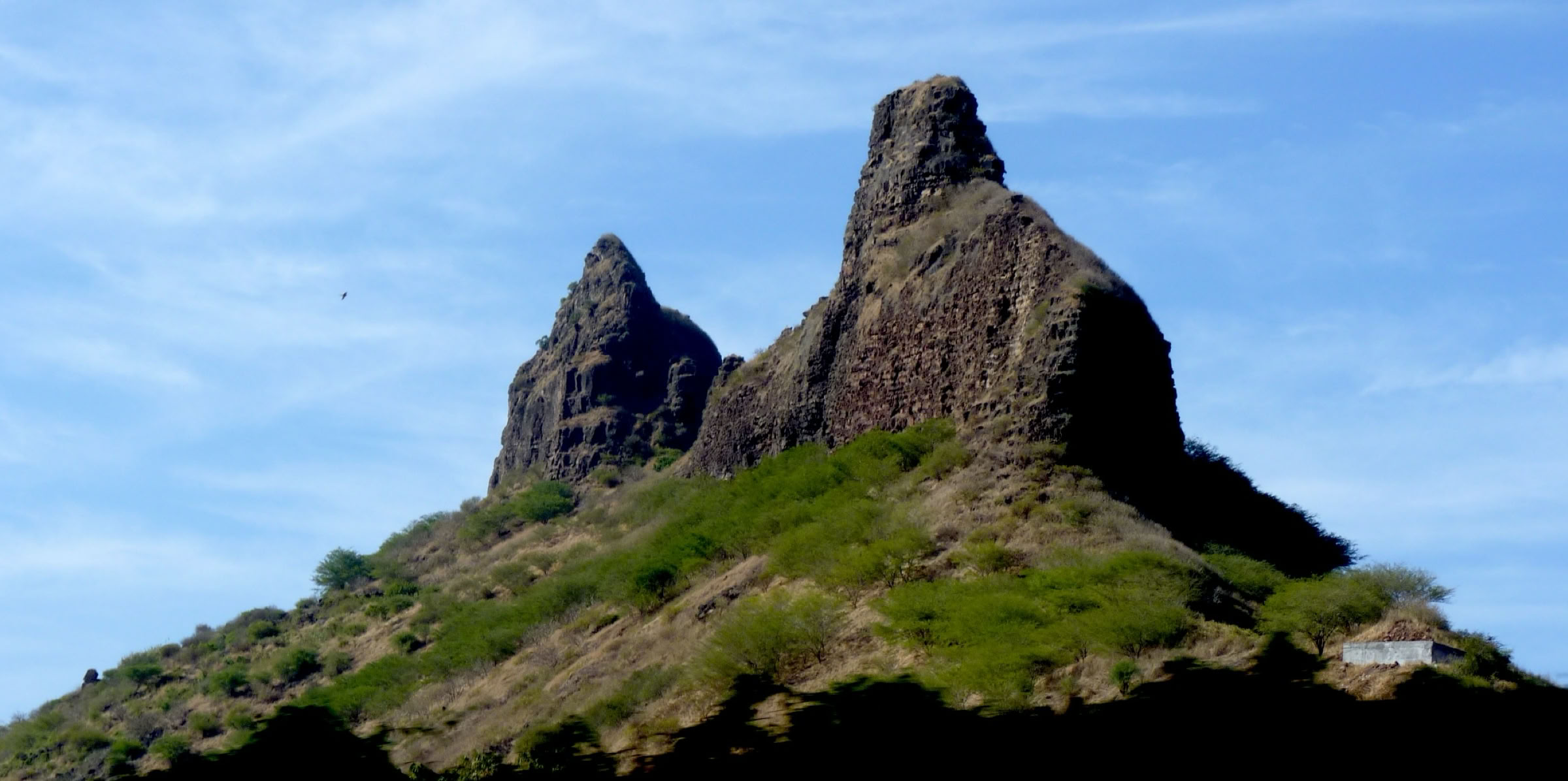
Cape Verde. Santiago Island 2013
Culture/Nature - Global Studies
under the perspective of euro-brazilian Studies
Photo: A.A.Bispo©
2013
Studies of cultural processes in global contexts
using Euro-Brazilian relations as a frame of reference
The year 2013 in studies focused on the relationship between Culture and Nature or the environment in global contexts began with reflections and studies in Berlin on the occasion of the Union Europea-CELAC 2013 Summit. Relations between Germany and Latin America, particularly Brazil, were addressed through a reinterpretation of the literature, which required the gathering and consideration of rare or forgotten publications. Among the aspects considered, issues related to the perception of Brazil in Germany at different times, the image and representation of Brazil in diplomacy and in colonization projects were highlighted. Among the German-Brazilian undertakings and their environmental implications, those related to the São Francisco region in the 19th century and the interior of São Paulo in the 20th century were considered, among others.
Three main programs of observations, meetings, and studies were carried out in Cape Verde, the Baltic, and Turkey.The Culture/Nature relationship in the history and present of the islands of São Vicente and Santiago, their settlement, and their interactions with Europe and the American continent were the focus. From the perspective of cultural studies in global contexts, particular consideration was given to Cape Verdean dance and music traditions in their relations with Brazil. The links between Cape Verdean and Brazilian thinkers and researchers of traditions were to be updated and intensified. The program of studies and colloquia was made possible by the support of government agencies, universities, and museums, and was the result of previous meetings with Cape Verdean immigrants in Europe.
The Germany-Brazil theme in global studies of 2013 continued in the "Amber" project, where attention was directed primarily to the Baltic and Pomerania regions, leading to study sessions in Eastern European countries. Here too, bibliographic studies and dialogues focused mainly on issues of colonization. Conceptions from past colonial studies, particularly those concerning the acclimatization of Europeans in the tropics, were discussed. Transatlantic relations in German colonial history, particularly between present-day Namibia and Santa Catarina, were given particular consideration. Issues of acclimatization from an environmental perspective were addressed, especially in relation to colonies in Brazil. Among the topics discussed, those relating to identity and feelings of "Germanness" among colonists, in their political and cultural implications, stood out.
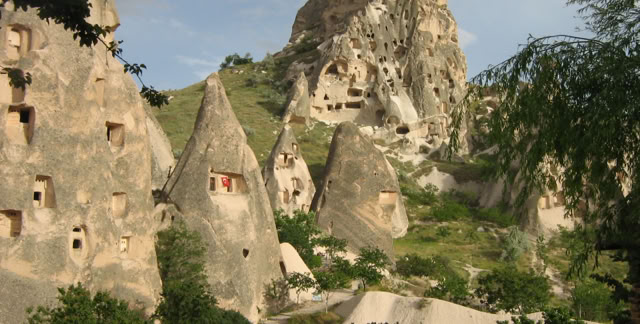
A larger cycle of studies was dedicated to Turkey, particularly Cappadocia, from the perspective of Euro-Brazilian studies. Attention was focused primarily on conceptions and images of worldviews and humankind of ancient origins that have persisted through the centuries, present in hagiography and the cult of saints. The main focus of studies on culturally oriented religious traditions was Saint George. Connections were established with the Amber Project in Eastern Europe, where Saint George is particularly venerated, assuming emblematic characteristics. Studies in Turkey considered aspects of Islamic mysticism in its relationship with Christian mysticism and its cultural implications, including aspects of the symbolism of musical instruments. Relationships between Turkish and Brazilian personalities in Turkish-French and Turkish-Austrian contexts in the 20th century were also addressed.
The celebration of Marseille as European Capital of Culture in 2013 prompted a series of studies in France. These studies focused primarily on the relationship between Culture and Nature in different contexts, particularly those concerning water in thermal spas and their repercussions in Brazil. In nature reserves, among others in the Cévennes region, environmental protection issues in France and Brazil were addressed. Among the various aspects of the Franco-Brazilian studies, those relating to Brazilian studies in France, as well as the missionary history of the 19th century, stood out.
The year concluded in Danzig, where studies related to German-Brazilian relations and the Baltic Amber Project were interconnected. Eastern Europe and regions of Central and Northern Europe were primarily addressed from the perspective of studies on the relationship between Culture and Nature in science, culture, and the arts within global contexts. A particularly considered work was Georg Markgraf's *Historia Naturalis Brasiliae*. The work of E. Hildebrand shaped studies concerning the image of Brazil and the interactions arising from travels around the world in the 19th century. These issues were revisited in Berlin, considering Th. K. Grünberg's watercolor treatment of photographs of indigenous people in the Uaupés region.
Berlin 2013
Culture/Nature in the Global Studies
under the Perspective of Euro-Brazilian Studies.
Sessions in Parks and Museums
Photo: A.A.Bispo©
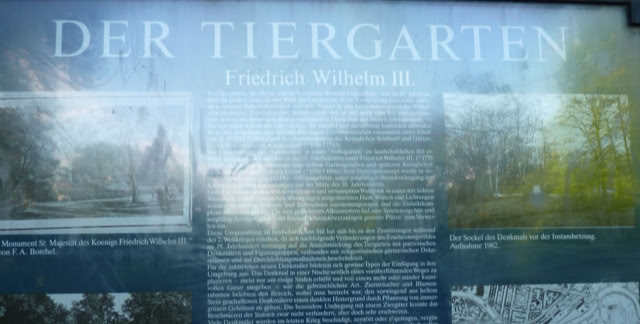
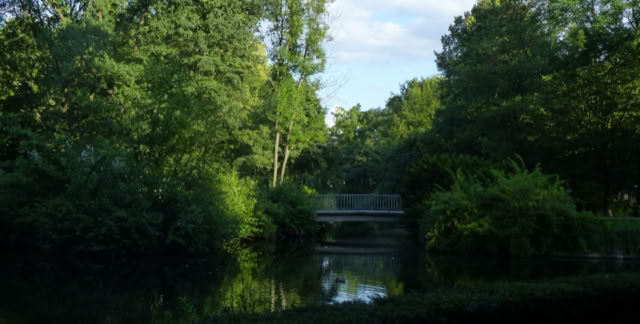
Berlin 2013. Tiergarten
Culture/Nature in the Global Studies
under the Perspective of Euro-Brazilian Studies.
Sessions in Parks and Museums
Photo: A.A.Bispo©
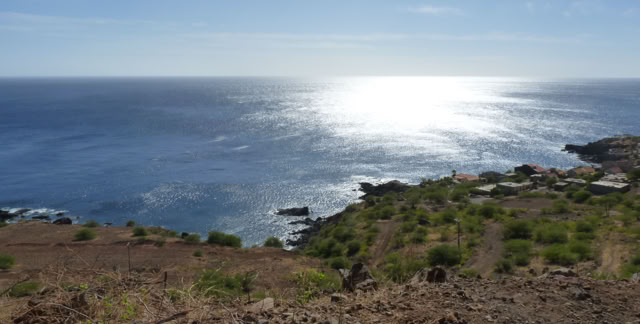
Cape Verde 2013
Culture/Nature in the Global Studies
under the perspective of euro-brazilian Studies
Photo: A.A.Bispo©
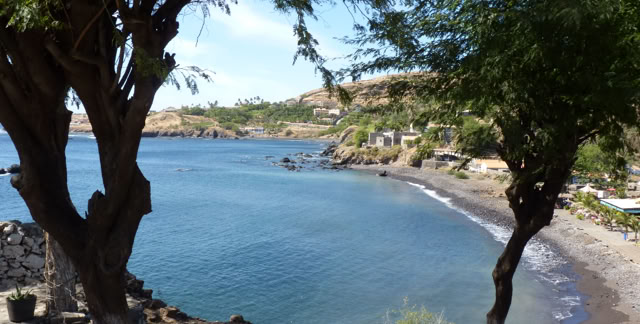
Cape Verde - Cidade Velha 2013
Culture/Nature in the Global Studies
under the perspective of euro-brazilian Studies
Photo: A.A.Bispo©
Cappadocia/Turkey 2013
Culture/Nature in the Global Studies
under the perspective of euro-brazilian Studies
Photo: A.A.Bispo©
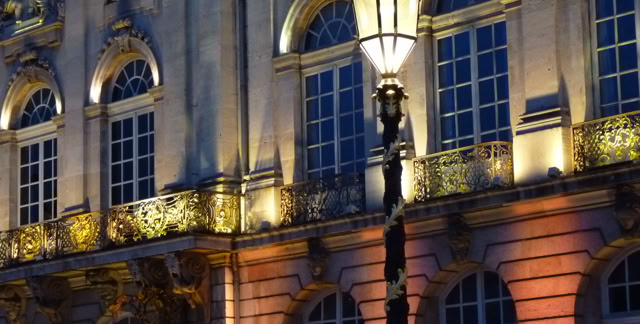
Nancy 2013
Culture/Nature in the Global Studies
under the perspective of euro-brazilian Studies
Photo: A.A.Bispo©
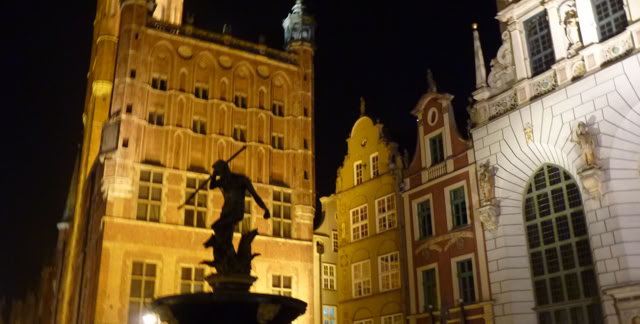
Gdansk Poland 2013
Culture/Nature in the Global Studies
under the perspective of euro-brazilian Studies
Photo: A.A.Bispo©
Voyage of the German Empire's Navy to the Atlantic and Pacific | "Brazil and Germany" (1923) as a landmark of a new era in bi-national relations | On Art and Humanity - Arthur Iberê de Lemos | Jingoism as an expression of cultural processes of German-Brazilians | The perception of Brazil as an industrial country in Germany. Mark Neven DuMont | Imports in Brazil and German exports and their environmental implications | Changes in the assessment of German emigration to Brazil in the years following the First World War | Free trade in the history of relations between Germany and Latin American countries: - From the liberation of the Amazon to commercial navigation in its reception in 19th-century Germany; - From the Purus River in the connection of Peru to the Atlantic through Brazil in its reception in Germany; - The São Francisco River and the barrier to navigation represented by the Paulo Afonso waterfall | From Rio Grande do Sul to Alagoas. The diary of a German officer/engineer on the São Francisco River: - Contrasts in conceptions and lifestyles of Germans and Portuguese-Brazilians; - The Piranhas to Jatobá railway and its cultural implications; - The São Francisco River cascading between the rocks of Paulo Afonso: Brazilian photographs and German romantic landscaping | Chile-Germany-Brazil. Political and cultural history of commercial, military and diplomatic relations: - From the national spirit of student corps to the politics of military advisors; - Joinville, the "most German city" in Brazil - the Alldeutscher Verband; - Cultural contrasts between regions of German immigration and cities of former Portuguese-Brazilian colonial formation | The fascination of Germans with the nature of Rio de Janeiro
***
Folklore and the Reception of Brazilian Literature in Cape Verde | Formative Processes and Development in the Field of Education. Contributions of Oral History | Analysis of Images from the Humanistic Tradition Relating to Cape Verde. The Hesperides Islands and the Gorgades
Of Immaterial Values in the Poverty of the Material | Our Lady of the Rosary of Ribeira Grande | Ruins of the Cathedral of Ribeira Grande and the Splendor of the Cult | The Failure of the Jesuits' Action in Cape Verde and Guinea | Religious-Cultural Foundations of Cape Verdean Sadness and Pain |São Vicente Island
Urban history of Porto Grande in its relations with Brazil: - The Church of Nossa Senhora da Luz as the religious center of Porto Grande: - The attempt to populate São Vicente Island with Madeirans and Azoreans; - Leopoldina: the city named after the First Empress of Brazil in Cape Verde; - Mindelo: the city designated according to the historical act of D. Pedro I/IV; -The Belém Tower in Lisbon and Mindelo. The "whole of Portugal" in colonial Cape Verde
Cesária Évora (1941-2011) and the "post-Cesária" period | Rhythm as a cognitive factor and innovation in Cape Verdean musical culture
***
Brazil in the travel diaries of E.K. H. Schmysingk von Korff, a native of East Prussia: - "How small man is before the grandeur of this nature!"; - Criticism by a Prussian officer of the Brazilian imperial family for their distance from Germany | Africa in German colonial history and its implications for Brazil - the role of Mecklenburg: - From Windhoek to Blumenau. K.A. Wettstein in Southwest German Africa (Namibia) and in Santa Catarina; - "Germanness Abroad is our most important colony." K. A. Wettstein and H. von Hayek | Acclimation of Europeans in the tropics and the Pomeranians in Brazil: - Studies of German colonies in Espírito Santo; - Settlements and depopulations, German colonization in Espírito Santo; - From the mountains of Europe and the plains of Pomerania to Santa Leopoldina/Tyrol; - The housing and environment of Germans in Espírito Santo; - Customs and traditions of Germans in Espírito Santo; - The character of the German-Brazilian in light of Graça Aranha's Canaã | German colonization in the Alta Sorocabana region in the 1930s: - Baltic port cities as "gateways to the world" and colonization expansion in Brazil; - Colonial activities of the São Paulo-Matto Grosso Transportation Company; - The colonization strategy of the São Paulo-Matto Grosso Transportation Company and its environmental impact
***
Cappadocia in the study of visual language | From historical-narrative hagiography to the study of images in Asia Minor: - St. George and his white horse in the "church of the serpents"; - St. Theodore Tiro and Theodore Stratelates, blacksmith and warrior; - St. Barbara in the darkness of the Cappadocian underworld | St. George and the Baltic | Foundations of Sufi conceptions: - Konya as the center of Islamic mysticism and Ikonyon of the Acts of the Apostles; - Roses of Turkey and roses of Brazil; - The Mevlana ritual. Intercultural studies of mysticism and (ethno-)musicological research; - The ney and the mentor developed in the Mevlevi tradition; - The spinning (Semazen) in the mystical ascension (Miraç) to Perfection (Kemal); - Loving the Supreme Beauty of the Beloved in the beloved |Turkish-European relations in music with a Brazilian reference | Band music and opera by Giuseppe Donizetti Paşa (1788-1856) in the Europeanization of Turkey | France in musical relations between Turkey and Brazil: Cemal Reşit Rey, Yekta Teksel and J. de Souza Lima | Germans in the musical life of the Osman Empire and emigration to the New World | Turks in the German-speaking world. Necil Kâzim Akses and the "Turkish Melodies" of M. Braunwieser | Links between the Wilhelmine Empire and the Osman Empire from the perspective of colonial studies concerning Brazil: - Life experiences of Hans von Hattorf; - German expansion. The Baghdad Railway
***
Nancy. Renaissances and Enlightenment through the centuries - impulses from Lorraine/Lotríngia | Langres. Approaches to the spirit of the Encyclopédie in Diderot's birthplace | Dijon. Relations between the Old and New Worlds in the historiography of Romanticism. Paul Gaffarel | Paray le Monial. Divine Love in the French Catholic restoration of the 19th century | Vittel. Culture in the revitalization of hydro-mineral resorts and the museology of thermalism | Vichy. Aquae calidae in France and Virtuous Waters of Minas | Riom. Hoots, whistles and the Vierge à l'Oiseau | Clermont-Ferrand. "Brésil volcanique". Brazilians in Central France and Memory | Hyelzas/Tarn. Ecomuseums: Alcogida in Fuerteventura and the Cévennes National Park | Carcassonne. Romantic Visions of the Past in the Heritage Debate | Béziers and Naurouze. The Canal du Midi and the Division of Waters to the Mediterranean and the Atlantic | Narbonne. Latinization of Southern Gaul in its Links with the Iberian World | Nîmes. Resurgences of the Past of Southern France in Romanticism | Avignon: I. "Sur le pont d'Avignon" in Reflections on Education; II. Recalling the Constitutio Docta Sanctorum Patrum of John XXII (1245/9-1334) | Castelnaudary. The Société des Missions Africaines and Brazilians in Dahomey/Benin | Lyon I. Lyon as a Center for Geographical Studies: Louis Desgrand and Peter II; II. The Catholicism of Lyon. F. Terrien and Brazil's support for missionary activities in Africa
***
Georg Markgraf and the Historia Naturalis Brasiliae: - Erzgebirge, Saxon Switzerland and Brazil in Christmas traditions in regions with a German colonial; - Medicine and Sciences in Pomerania in references to Brazill; - Astronomy in navigation centers marked by Dutch East India and Brazill; - The medical tradition of Rostock in its links with Brazil; - Flora Danica: History of Sciences in its links with Brazill | Danzig/Gdańsk and the image of Brazil in E. Hildebrandt | Silesia-Brazil. Approximations from former German regions in present-day Poland: - Elisabeth Lesske (Krickeberg) of Liebenau; - Women in the appreciation of indigenous art; - The watercolors of the painter and violinist Curt Agthe; - The watercolor rendering of Tuyuka's photograph of the Uaupés River by Th. Koch-Grünberg, by Curt Agthe; - German identity in the German colonies in Brazil: Die Gartenlaube; - The German-Brazilian singer Hedy Iracema-Brügelmann (Hänsel)