BRASIL-EUROPA
GLOBAL STUDIES
CULTURE/NATURE

BRASIL-EUROPA
GLOBAL STUDIES
CULTURE/NATURE
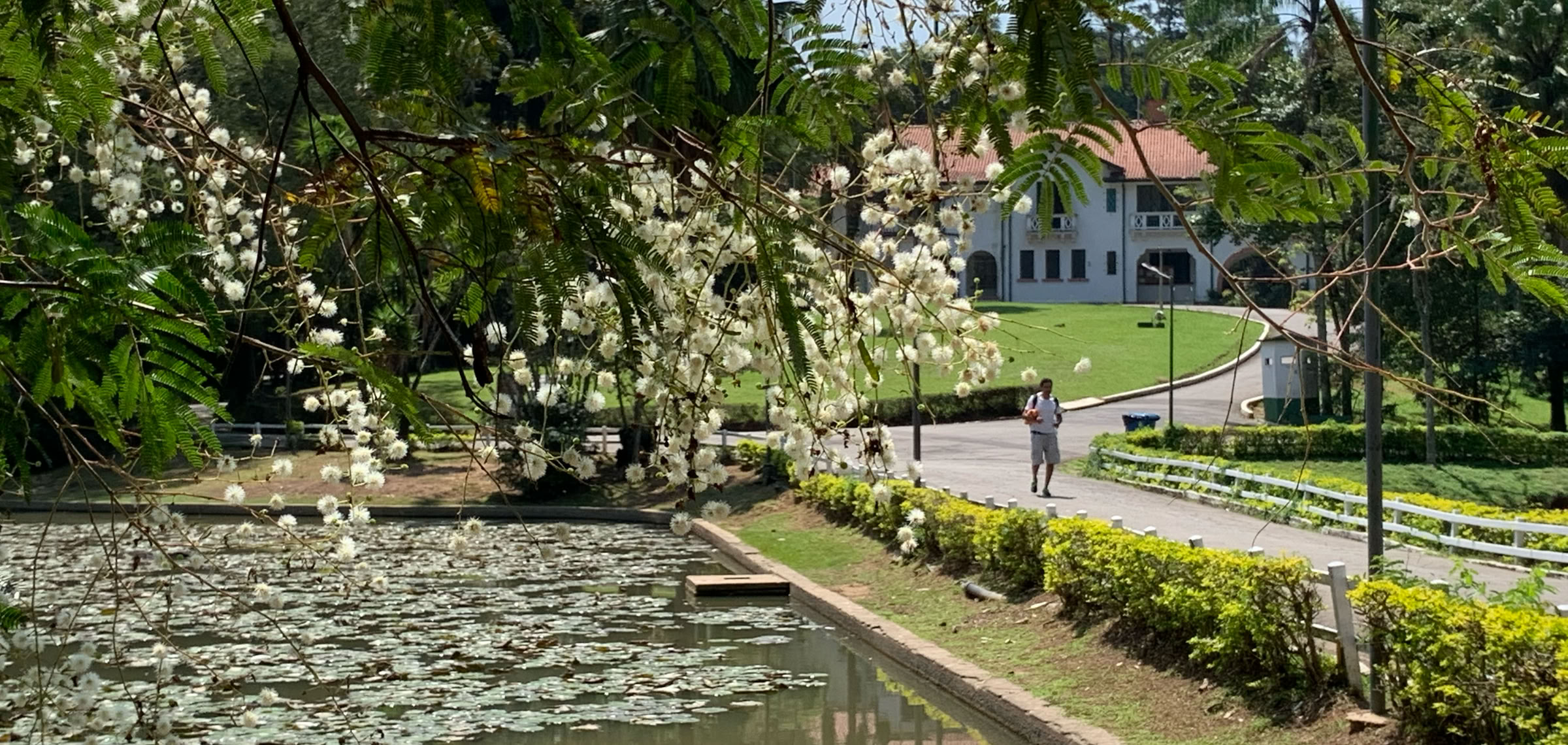
Horto Florestal. São Paulo 2020
Culture/Nature - Global Studies
Photo: A.A.Bispo©
2020
Studies of cultural processes in global contexts
using Euro-Brazilian relations as a frame of reference
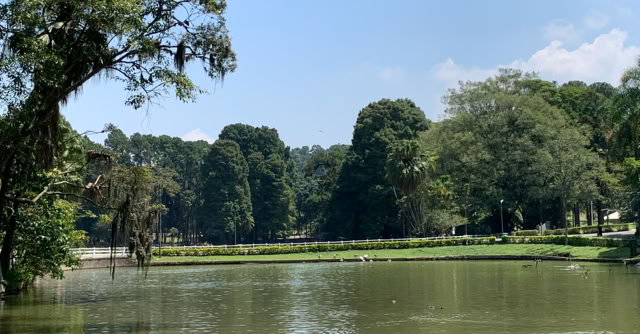
Horto Florestal. São Paulo 2020
Culture/Nature - Global Studies
Photo: A.A.Bispo©
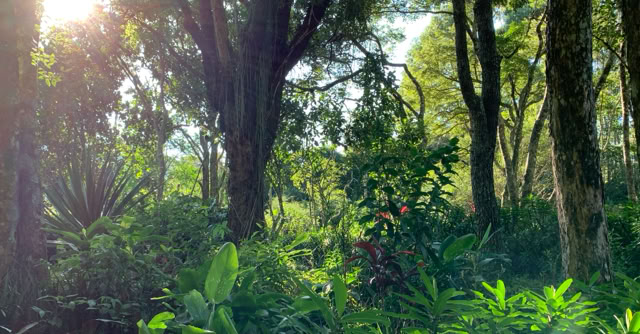
Joanopolis.São Paulo 2020
Culture/Nature - Global Studies
Photo: A.A.Bispo©
Joanopolis.São Paulo 2020
Culture/Nature - Global Studies
Photo: A.A.Bispo©
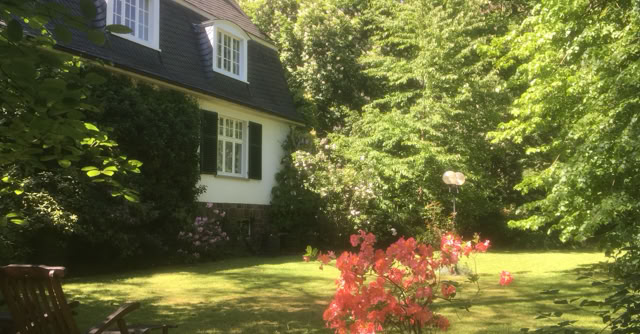
Walchensee. Bavaria 2020
Culture/Nature - Global Studies
Photo: A.A.Bispo©
Eng. Bavaria 2020
Culture/Nature - Global Studies
Photo: A.A.Bispo©
Wallgau. Bavaria 2020.
Culture/Nature - Global Studies
Photo: A.A.Bispo©
Garmisch-Partenkirchen. Bavaria 2020. Culture/Nature - Global Studies
Photo: A.A.Bispo©
Garmisch-Partenkirchen. Bavaria 2020
Culture/Nature - Global Studies
Photo: A.A.Bispo©
Mittenwald. Bavaria 2020
Culture/Nature - Global Studies
Photo: A.A.Bispo©
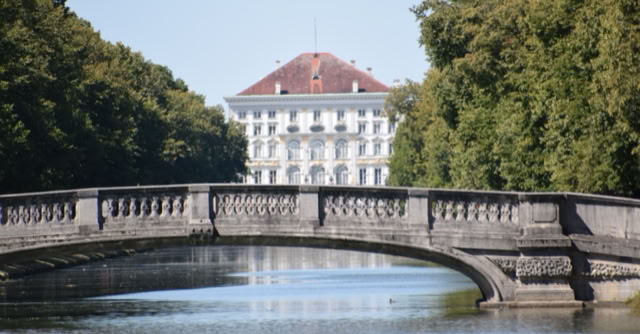
Munich 2020
Culture/Nature - Global Studies
Photo: A.A.Bispo©
Dieringhausen. North Rhine-Westphalia
Studies Center Brazil-Europe
Photo: A.A.Bispo©
Gardens of Brazil-Europa
Study Center Mantiqueira mountais. São Paulo 2020
Culture/Nature - Global Studies
Photo: A.A.Bispo©
The year 2020 was marked by the COVID-19 pandemic and the resulting lockdowns, which had profound consequences for cultural studies within a global context. The COVID-19 recession largely prevented the holding of events and the implementation of study cycles in various regions and cities. It not only impacted activities in 2020 but also shaped the studies of the following years. The lockdowns and the prohibition of public gatherings and meetings led to a shift in archival work. Collections were reviewed and organized, library and sound archives were cataloged, and reports on past studies and events were written. The digitization of manuscripts and other documents from decades of research was initiated and continued in the following years.
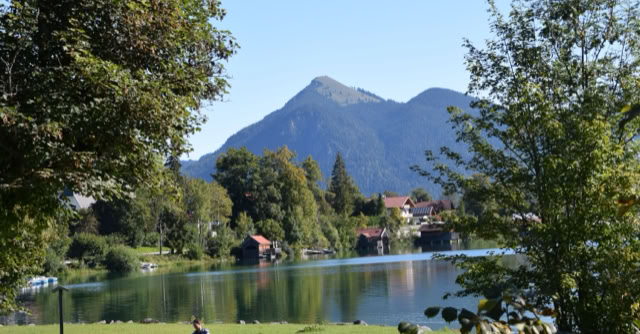
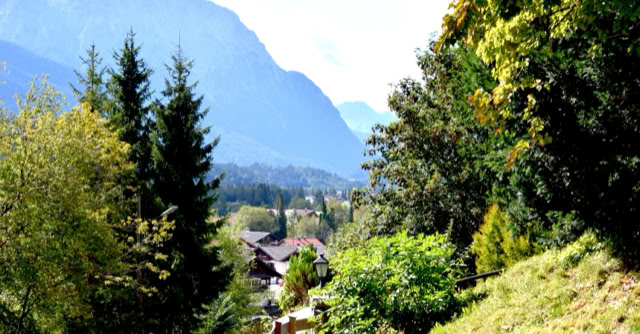
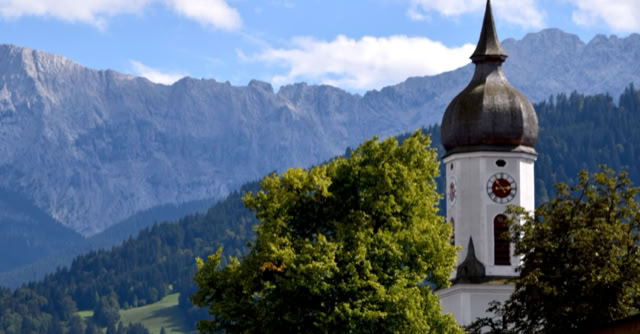
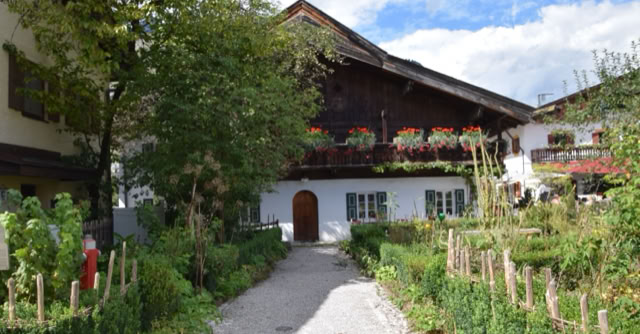
The year began with the development and discussion of projects in Bavaria, where studies from a Euro-Brazilian perspective were conducted in concentrated seclusion during the winter months. These considerations and deliberations took place at Lake Walchensee in the municipality of Kochel am See, as well as in neighboring towns such as Krün, Mittenwald, and Garmisch-Partenkirchen. However, the developed projects had to be abandoned in March due to the coronavirus crisis.
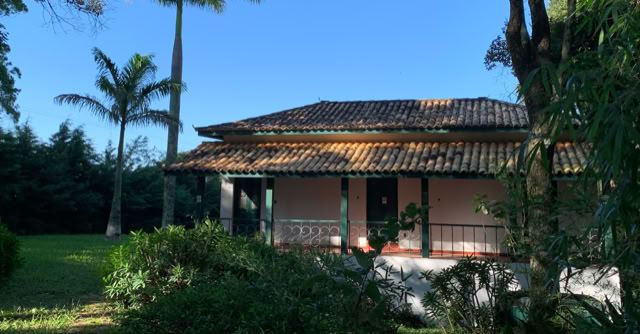
A previously planned event was able to take place in March at the Study Center of the Academy of Brazil-Europe and the Institute for the Study of Music Culture of the Portuguese-Speaking World in Joanópolis at the region of the Mantiqueira mountains, São Paulo, albeit on a limited scale. At sessions held there in October 2019, the achievements of the Nova Difusão movement and its Center for Musicological Research in São Paulo 50 years ago were commemorated. These achievements were fundamental to the development of cultural studies in many respects. They determined the theoretical direction of the research and considerations that have continued internationally since 1974.
In 2020, particular emphasis should be placed on commemorating the São Paulo Autumn Festival, organized in 1970 by the interdisciplinary movement Nova Difusão and its Research Center for Musicology, with the support of the São Paulo Cultural Secretariat. This festival marked a milestone in the history of reflection and initiatives in the field. Inspired by the internationally renowned Warsaw Autumn Festival, which was featured at the Museum of Contemporary Art at the University of São Paulo, the São Paulo Autumn Festival explored contemporary developments, albeit from very different perspectives. While the Warsaw Autumn Festival focused on contemporary music and the musical avant-garde, the São Paulo Autumn Festival represented a distinct view of contemporaryity.
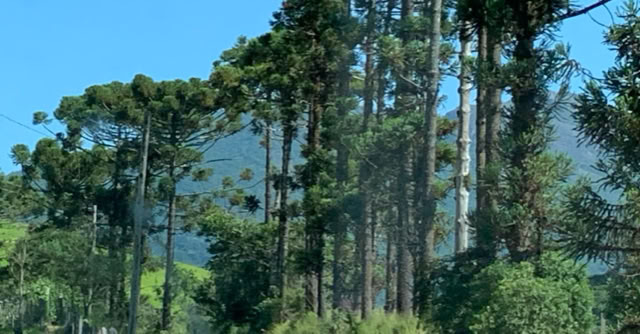
Attention should be focused on cultural processes in their entirety and in all their aspects. In line with current thinking among architects and urban planners at the University of São Paulo, the reading and perception of space in urban contexts should serve to enhance the quality of neighborhoods, foster their development, and deepen the experience and identification of their inhabitants with their environment. Accordingly, the festival program included events in institutions, public parks, and gardens in 20 districts and residential areas of São Paulo. The guiding principle was to orient cultural studies toward the human environment and, more broadly, toward the relationship between culture and nature, nature and animal rights, natural heritage, botany, the preservation of endangered forests, and reforestation. With the aim of raising awareness and sensitivity towards nature, events were held in many parks and squares in São Paulo, including the Botanical Garden, the Horto Florestal forest, the Acclimation Gardens, the Jardim da Luz, and in more distant neighborhoods such as the Plaza de la Freguesia do O. These events were conducted with the support of experts from various institutions, cultural researchers, and landscape architects.
The theoretical and practical aspects of this 1970 initiative were revisited in 2020, focusing on its significance for the Culture/Nature program. This revisit was based on documentation found in the archives of the study center in the Mantiqueira Mountains. These aspects were discussed against the backdrop of later events, such as the study series "Poetics of Urbanity" for São Paulo's 450th anniversary in 2004, which culminated in an international colloquium at the Sitio Burle Marx in Guaratiba, Rio de Janeiro. To commemorate the 1970 festival, a visit was made to the Horto Florestal of São Paulo, where, 50 years prior, a public lecture and open-air concert had taken place, performed by Madrigal das Arcadas, a choir of graduates from the São Paulo Faculty of Law. The central theme of these reflections was a non-anthropocentric perspective on the relationship between culture and nature. This should include not only the concept of the environment, but also of law, the law of living beings, and thus the ethical duty of man to respect them, to renaturalize them, and to revise and paradigmatically change views on culture.
The materials collected and the results of the discussions in Brazil served as the basis for further analysis at the Study Center of the Academy of Brazil-Europe in Germany. These analyses were complemented by visits to nature parks and urban gardens in cities of the Oberberg region. Among these, the open-air museum in Lindlar and the gardens of Heiligenhof Castle stood out.
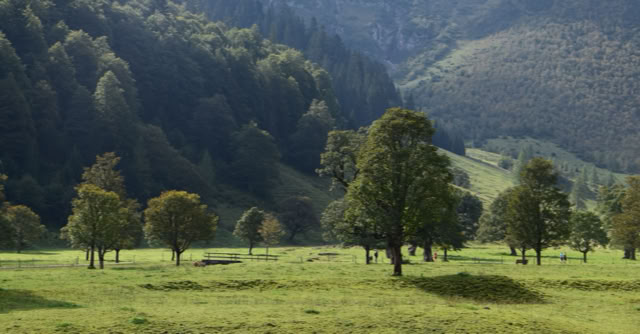
The studies and visits continued in Bavaria, starting from the Study Center for Euro-Brazilian Studies at Walchensee. Under the conditions of the stricter lockdown, areas of interest in the relationship between culture and nature were explored in protected natural areas and gardens in and around Munich, as well as in cities of the Alpine foothills.