BRASIL-EUROPA
GLOBAL STUDIES
CULTURE/NATURE

BRASIL-EUROPA
GLOBAL STUDIES
CULTURE/NATURE
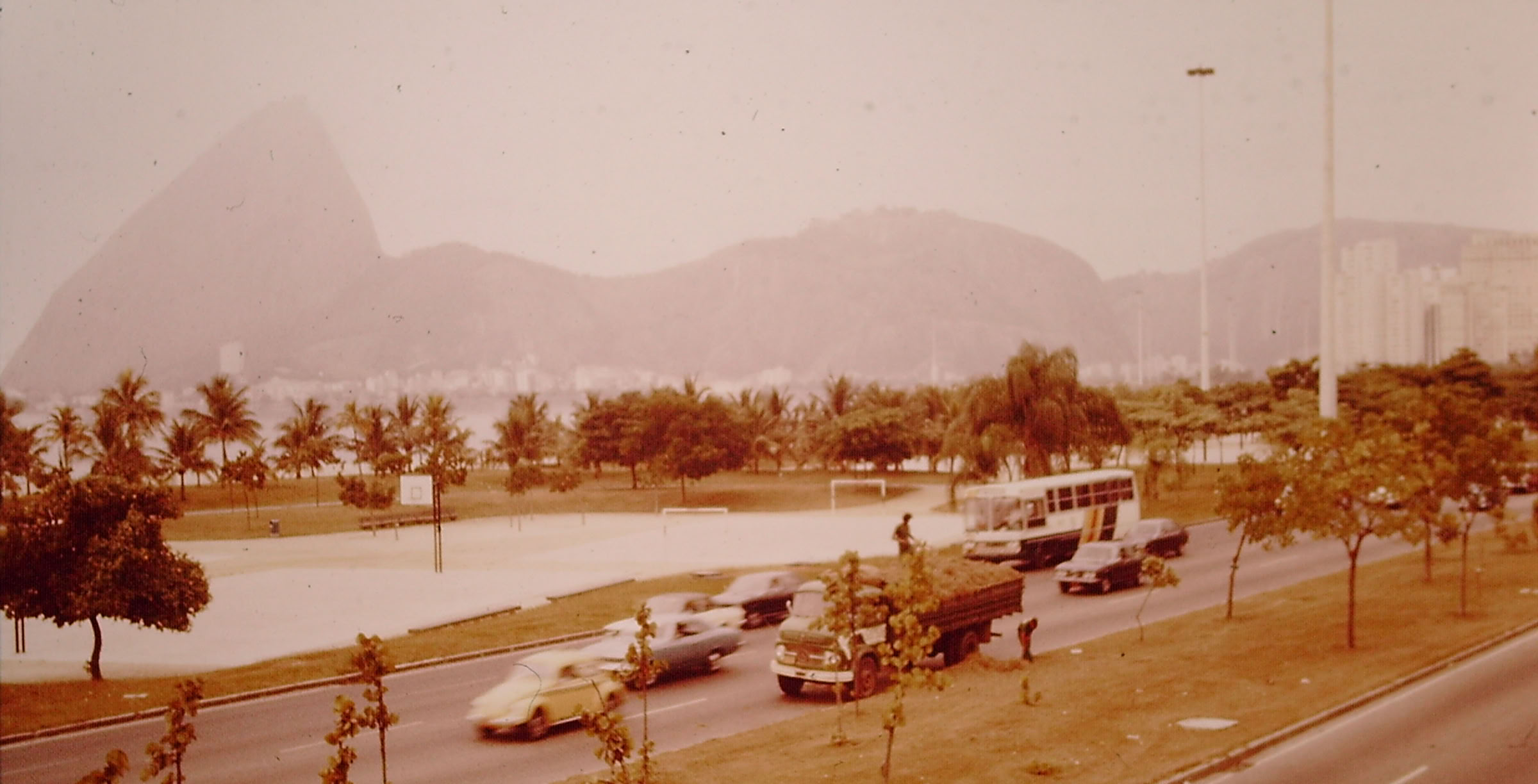
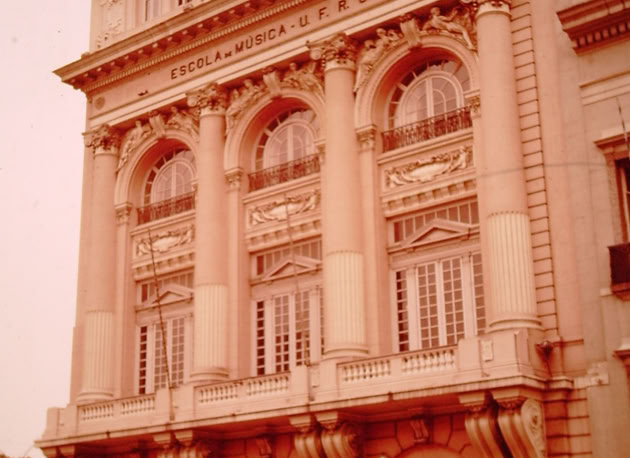
Rio de Janeiro 1970
Global Studies: Culture/Nature
Photo: A.A.Bispo©
1970
Studies of cultural processes in global contexts
using Euro-Brazilian relations as a frame of reference
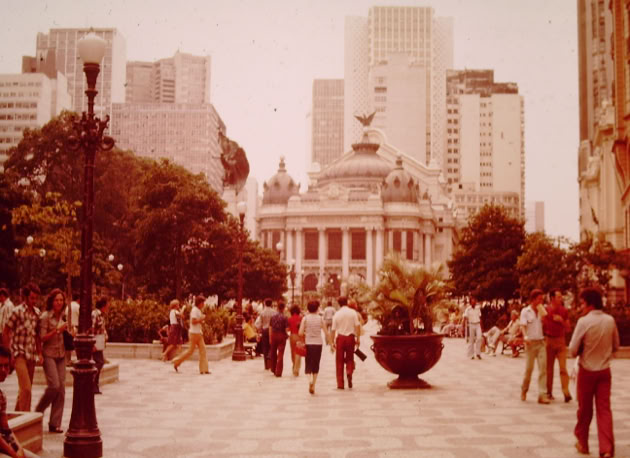
Rio de Janeiro 197
Global Studies: Culture/Nature
Photo: A.A.Bispo©
Rio de Janeiro 197
Global Studies: Culture/Nature
Photo: A.A.Bispo©
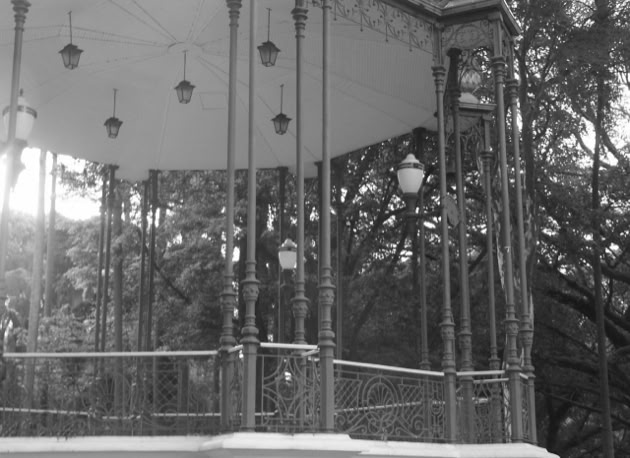
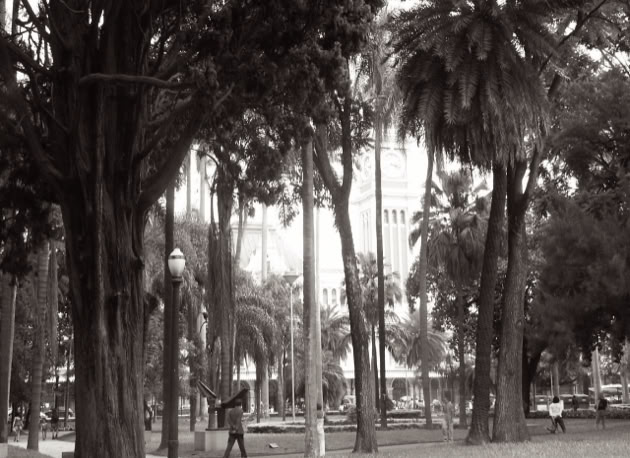
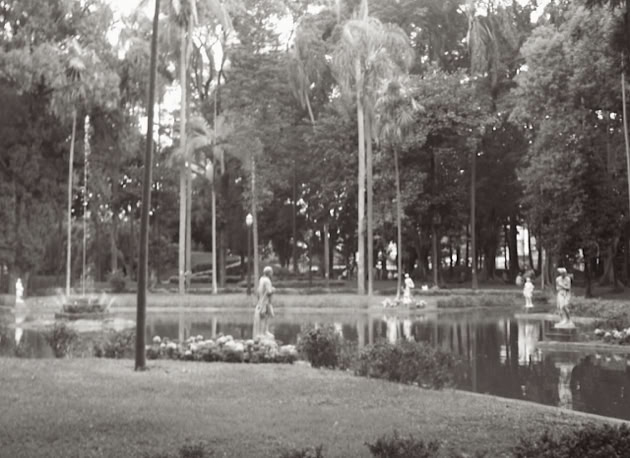
Jardim da Luz. São Paulo
Global Studies: Culture/Nature
Photo: A.A.Bispo
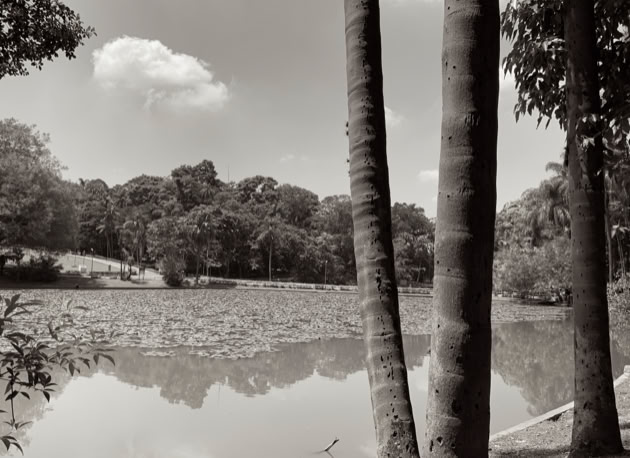
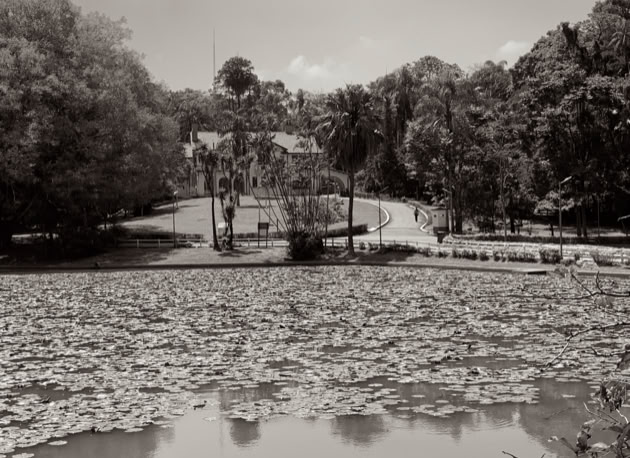
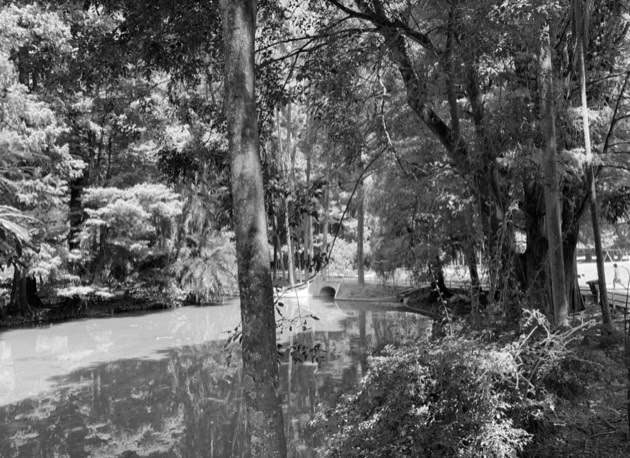
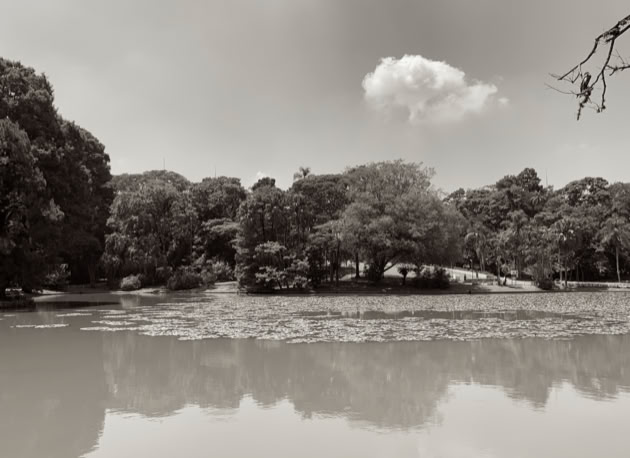
Horto Florestal. São Paulo
Global Studies: Culture/Nature
Photo: A.A.Bispo©
Jardim da Luz. São Paulo
Global Studies: Culture/Nature
Photo: A.A.Bispo
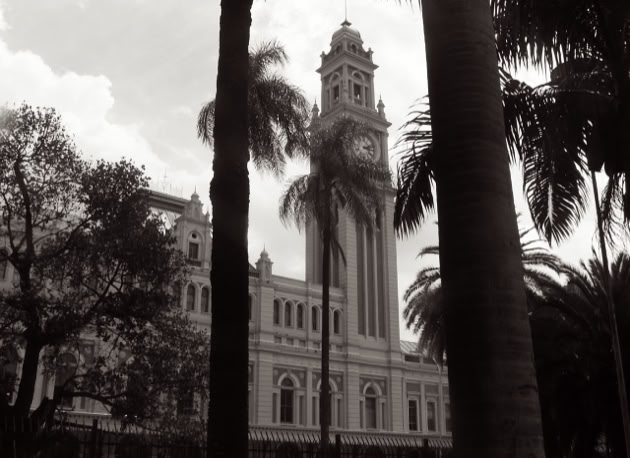
Jardim da Luz. São Paulo
Global Studies: Culture/Nature
Photo: A.A.Bispo
Horto Florestal. São Paulo
Global Studies: Culture/Nature
Photo: A.A.Bispo©
Jardim da Luz. São Paulo
Global Studies: Culture/Nature
Photo: A.A.Bispo
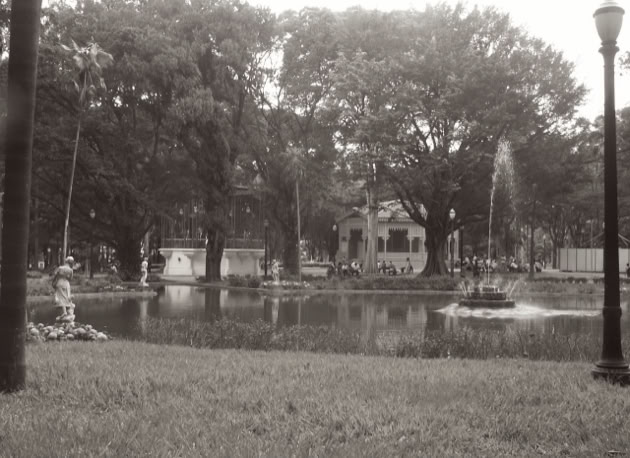
Jardim da Luz. São Paulo
Global Studies: Culture/Nature
Photo: A.A.Bispo
Jardim da Luz. São Paulo
Global Studies: Culture/Nature
Photo: A.A.Bispo
Horto Florestal. São Paulo
Global Studies: Culture/Nature
Photo: A.A.Bispo©
Jardim da Luz. São Paulo
Global Studies: Culture/Nature
Photo: A.A.Bispo
Horto Florestal. São Paulo
Global Studies: Culture/Nature
Photo: A.A.Bispo©
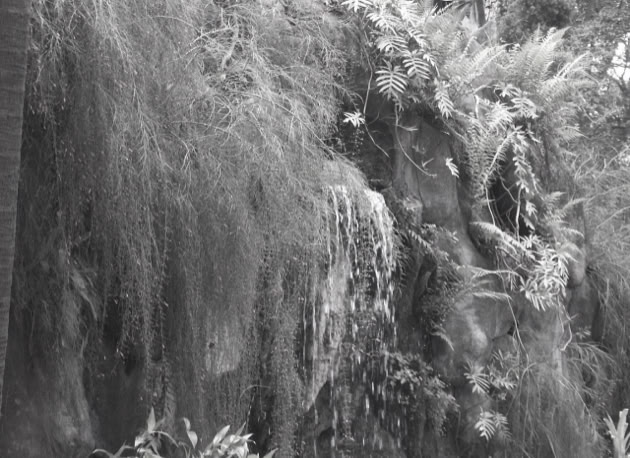
Horto Florestal. São Paulo
Global Studies: Culture/Nature
Photo: A.A.Bispo©
São Paulo
São Paulo, São Caetano do Sul, Lins, Ribeirão Preto, São Carlos, São José do Rio Preto, Santos, Taubaté, Pindamonhangaba, Guaratinguetá, Aparecida do Norte, São Luís do Paraitingua, Alagonhas, Cunha, Jacareí, Bragança Paulista, Atibaia, Itu, Santana do Parnaíba Cabreúva, Itu, Salto, Campinas, Jundiaí, São João da Boa Vista
Minas Gerais
São João del Rei, Tiradentes, Sabará, Ouro Preto, Mariana
Rio de Janeiro
Rio de Janeiro
Cultural studies of the interior of São Paulo | Metropolitan studies | Neighborhood cultural studies | Institutional cultures and music | Cultural dissemination and research | Avant-garde and contemporary music | Instrumental teaching and socio-cultural contexts | Musical creation and animal voices | Renewal of Luso-Brazilian studies | Paleography and Semiology in Brazilian studies | Historical sources and Holy Week traditions in Minas Gerais | Historical methodology and empirical research | Archival science and dissemination of musical scores | Written sources and sound production | Reading urban spaces and music | Sacred architecture and music in São Paulo
* * *
1970 was a year of highly significant events for cultural studies using music as a guiding principle developed in São Paulo, particularly those concerning the culture and identity of neighborhoods and their institutions, as well as the Culture/Nature relationship.
It was a year marked by extraordinary dynamism in the activities of the Nova Difusão movement and its Center for Musicological Research. The movement, officially recognized as a public utility cultural society in 1968, had the support of the Department of Culture of the Municipality of São Paulo. The meetings, colloquia, and projects were carried out in cooperation with various bodies and institutions. Among them, support from state government bodies was particularly significant, including the Secretariat of Education and Culture and other state agencies. The activities were developed with the collaboration of professors and university students from faculties of the University of São Paulo, especially the Faculty of Architecture and Urbanism and the Faculty of Philosophy, Sciences and Letters, as well as high school teachers and researchers from museums and cultural associations. These events included intellectuals, architects, historians, folklorists, sociologists, educators, artists, and musicians. In 1970, relations with personalities and institutions from abroad were intensified.
The theoretical orientation of the New Diffusion movement determined the studies and initiatives. Reflections and projects focused on cultural processes, using music as a starting point for analysis. It began with the observation that music is not only an expression, but also an agent that moves affections and psycho-mental states of man and society. The organization's scope was to review criteria for cultural diffusion and contribute to the dissemination of perspectives and ways of thinking and acting in compartments, overcoming boundaries and delimitations in different senses. The relationships between culture and nature, between urban space and cultural life with the natural environment, and between man and his surrounding environment were themes primarily considered by university students and professors from the Faculty of Architecture and Urbanism at the University of São Paulo in collaboration with cultural researchers and historians from São Paulo. Among these, the historian Leonardo Arroyo, a specialist in religious architecture in São Paulo and director of the Department of Culture, stood out. The meetings with him held at the City Hall in Ibirapuera Park were decisive for the theoretical and practical cultural initiatives in various neighborhoods of the capital.
The year 1970 began with reflections, studies, and colloquia in Paraná. Within the context of the Music Festival and other events in Curitiba, the theoretical orientation and initiatives of the Nova Difusão movement were discussed with conductors, composers, and researchers, including Roberto Schnorrenbeerg, Renata Braunwieser, Ernst Widmer, Ernst Mahle, Osvaldo Lacerda, Jaime Diniz, Pierre Klose, and Almeida Penalva, and, among the international participants, the pianist Michael Beroff with studies of works by O. Messiaen and the conductor Maurice Leroux. These dialogues and meetings, focused on theoretical-cultural and musicological issues in international contexts, marked the developments that followed in Brazil and Europe. Among the personalities who most intensely participated in the reflections, debates, and initiatives, the Portuguese composer Jorge Peixinho stood out, and he has remained associated with the Nova Difusão movement ever since. In February 1970, Peixinho gave a lecture promoted by the movement at the Casa de Portugal, which was decisive for the renewal and intensification of Luso-Brazilian studies, leading to the realization, in 1973/74, of the first cycle of Luso-Brazilian cultural and musicological studies in Portugal.
In 1970, musicological studies and research continued at the Center for Musicological Research of the New Diffusion. Archives in São Paulo and in cities in the interior, particularly in the Paraíba Valley, were consulted. Studies of Gregorian chant with a cultural orientation continued in regular sessions at the former Colégio Des Oiseaux, in collaboration with the Faculdade Sedes Sapientiae and the Studium Theologicum of Curitiba.
During Holy Week of 1970, a cycle of cultural and musicological studies was held in cities in Minas Gerais. This cycle was prepared to mark the centenary of the José Maria Xavier Conservatory and its objective was to strengthen relationships and conduct archival and empirical cultural research. Based on experiences participating in the celebrations and sacred musical performances during Holy Week in São João del Rei, dialogues with conductors, musicians, and those responsible for archives, as well as active participation in musical performances by the Lira Sanjoanense and the Ribeiro Bastos Orchestra, archival studies and observations of performance practices of traditional works were conducted. The knowledge gained led to the recognition of the need to consider sound realization based on the results of empirical research and not only on the literal reading of scores, which determined reflections concerning the historical-musical performance practice of the years that followed. The cycle of studies continued with meetings held in Tiradentes, Ouro Preto and Mariana. At the Mariana Music Museum, then in the process of being established, archival issues were addressed from different perspectives, initiating relationships that have since marked musicological studies in Brazil and Europe. A high point of these relationships would be an international conference held in Mariana in 1981 following the founding of the Brazilian Society of Musicology.
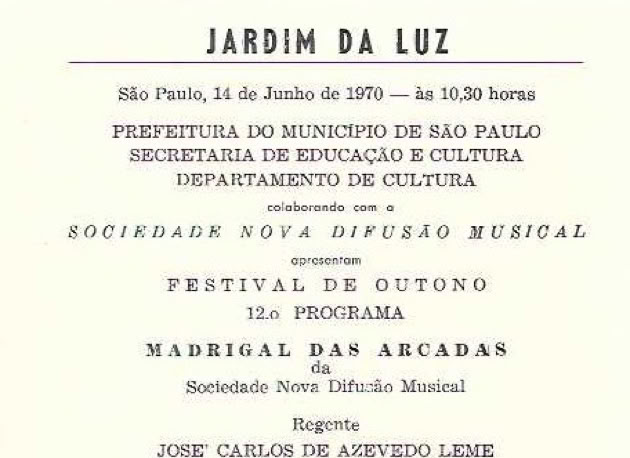
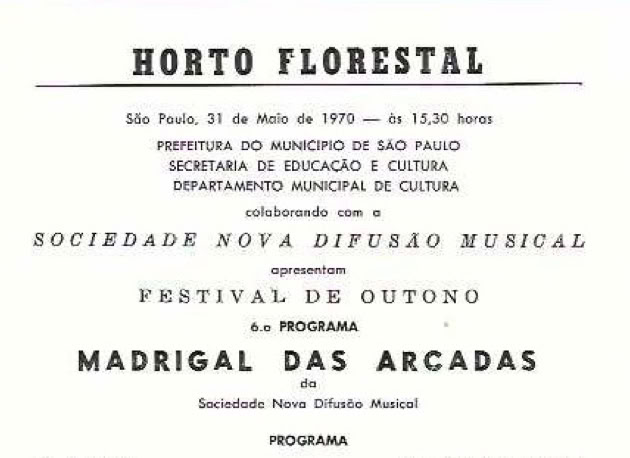
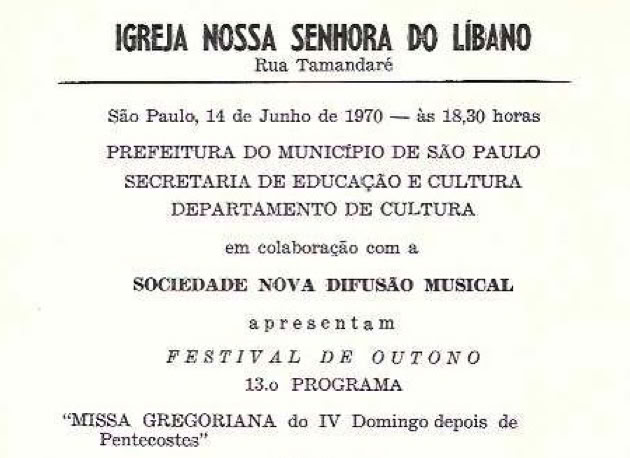
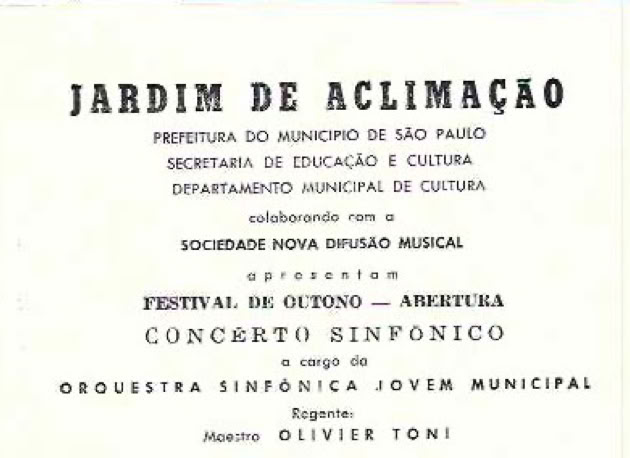
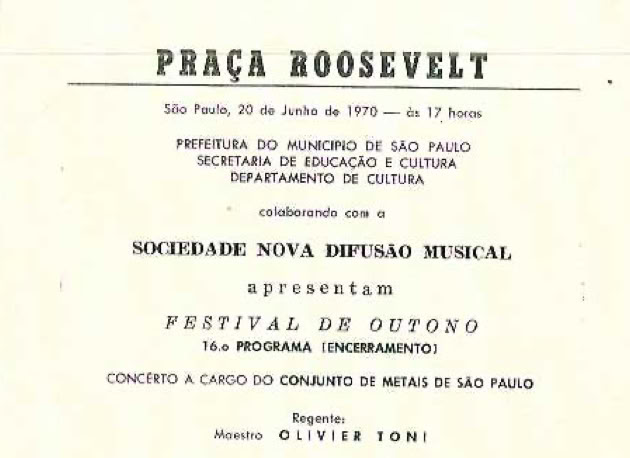
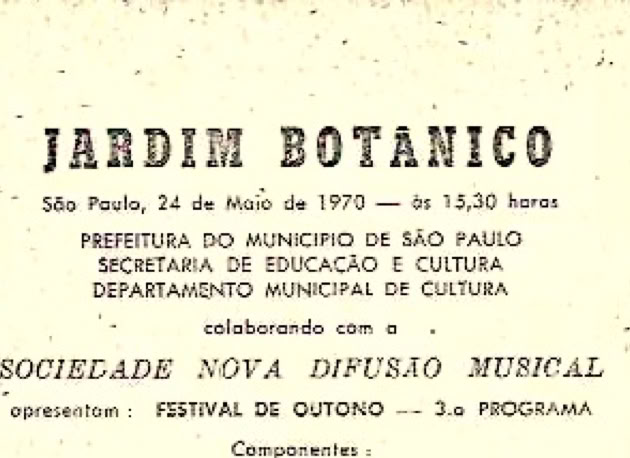
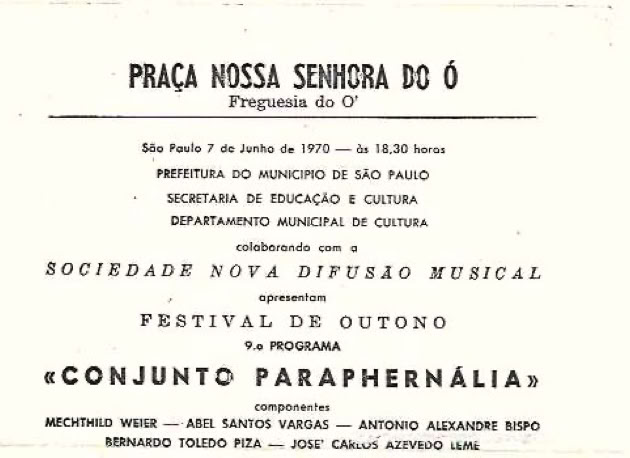
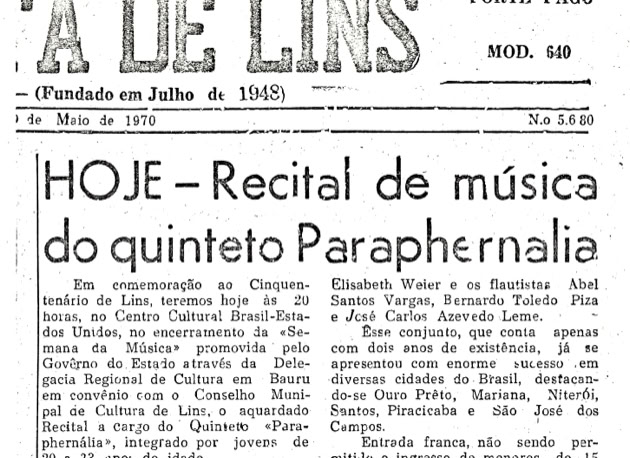
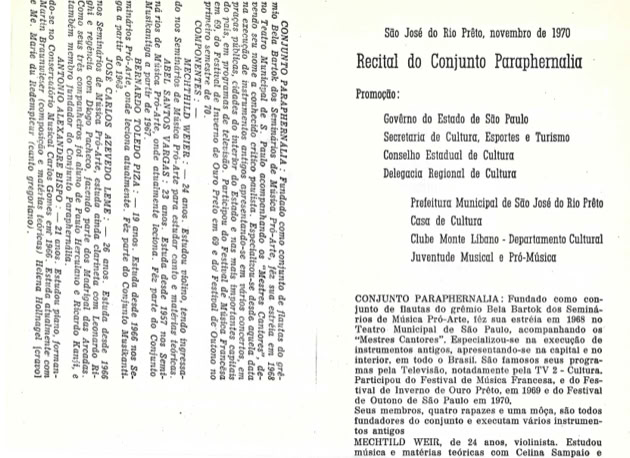
The São Paulo Autumn Festival, held in May and June of 1970, was the main event of the year. Comprising approximately 20 sessions in different zones, districts, neighborhoods, squares, and parks of São Paulo, it was a landmark in the development of urban cultural studies and the Culture/Nature relationship that would continue in the following decades.
The concept of diffusion acquired a guiding function in these reflections. These reflections stemmed from a critique of a concept of cultural diffusion understood in the sense of educating the people or mass education through the promotion of concerts and other shows, as promoted by official bodies, political-cultural movements, and various institutions. The ideal of bringing classical music to the people through popular concerts, choral movements, a policy of cultural expansion in the city and the countryside, or promoting folkloric performances with instructive and formative intentions, was the subject of critical revisions regarding its principles. The New Diffusion movement was understood as the diffusion of a new way of thinking and acting, marked by the overcoming of categorizations of objects, cultural spheres, the erudite, popular and folkloric, and other qualifications, social classes and separations of groups in society through a focus on processes and their interactions. It was not the propagation of repertoires based on conceptions of popular education that revealed positions marked by self-consciousness of superiority, but rather the sharpening of sensitivity to the perception of values already existing in the cultural expressions of the way of life in the various contexts of the metropolis that became the objective of the New Diffusion movement.
Focusing attention on processes in different contexts of daily life, on the environment, and on the surrounding natural and social environment, would enable a new awareness of belonging to community contexts and urban spaces, fostering mental and affective links with zones and neighborhoods. These links would have implications for the care and sensitive development of neighborhoods in their image, preventing their loss of character, as well as for the development of neighborhood identities. The undertaking of neighborhood history studies, as then promoted, was necessary but not sufficient for establishing affective, emotional, and psycho-mental links with the surrounding world of its inhabitants.
The name São Paulo Autumn Festival referenced the internationally known Warsaw Autumn Festival, highlighting the difference between the guiding principles of both events. The Warsaw Autumn Festival, commemorated in São Paulo as part of an exhibition of Polish art at the Museum of Contemporary Art of the University of São Paulo, emerged as the main world event for contemporary music, exemplary in its aim to disseminate avant-garde music with the goal of renewing concert repertoires and teaching. This desire to propagate contemporary music corresponded to progressive intentions, reflecting, albeit in an updated way, concepts of cultural diffusion of an educational nature from the criticized popular concert movements, choral movements, and cultural expansion. Unlike the Warsaw festival, the São Paulo festival was not aimed at disseminating new repertoires, new trends in musical creation, or aesthetic currents. The São Paulo festival aimed to promote a mentality of openness to diversity in the metropolis, to the interest in and appreciation of expressions from different social groups in their relationships with the urban spaces of São Paulo.
This objective primarily required studies concerning the recognition of regional and neighborhood contexts, the determination of zones, and expansive and transformative processes in the metropolis. These studies were driven by Urban Geography courses at the Faculty of Philosophy, Letters and Sciences, as well as Architecture and Urbanism at the University of São Paulo. The problem of city zoning was discussed from different perspectives, revealing important differences in approaches and guiding concepts. Distinctions between zones according to cardinal points – North, South, East, West – in São Paulo, as well as their intermediate zones – Northeast and Northwest, Southeast and Southwest – were recognized from the beginning as overly schematic and even primitive. Not only did they raise problems regarding the attribution of certain intermediate contexts between one zone or another, of neighborhoods to be considered, for example, in the north or northwest zone, but also the failure to consider natural conditions and historical processes of formation and expansion of the metropolis led to analytical problems and underpinned technocratic procedures that disregarded situations and developments, mischaracterizing and distorting relationships and interactions.
This type of abstract and schematic thinking gave rise to other administrative distinctions and subordinations, such as regional prefectures or sub-prefectures, districts, and neighborhoods. Educational and cultural bodies within these artificial subdivisions necessarily faced difficulties in adequately considering institutions and developments that, due to their origins and relationships, belonged to contexts entirely different from those defined by abstract zoning. How could mental and emotional connections with neighborhoods be fostered, promoting their image and identities, if the administrative order, due to its artificiality, was inadequate to the contexts? In discussions conducted within the field of Architecture and Urbanism, the question of revising criteria for addressing zoning problems or distinctions in administrative subordinations was thus raised. The theoretical-cultural perspective, not urban planning but rather urbanistic, should be considered. From this perspective, music could play an important role. In its ability to evoke affections and emotions, music, while embedded in contexts and an agent in establishing links with the surrounding space, could contribute to raising awareness of diversity in society and in the configuration of spaces.
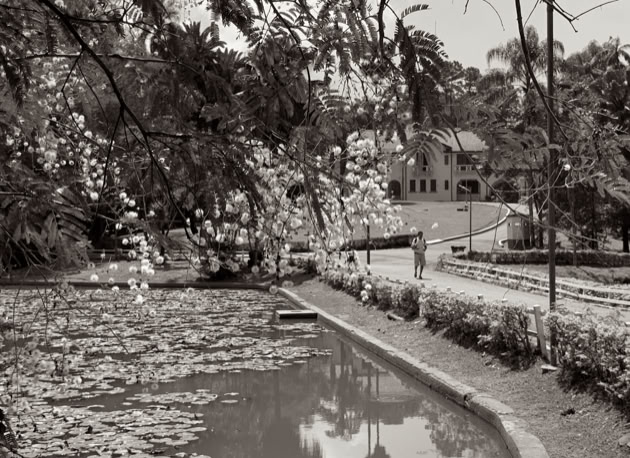
In the different units of the program, urban issues related to the perception and experience of urban spaces, their topographical and natural preconditions, their origins and historical developments were addressed in a contextualized manner, focusing above all on daily life and ongoing processes. The different thematic complexes were marked by musical events. These encounters took the form of concerts and afternoon conferences during the week, on Wednesdays and Fridays. On Sundays, experimental outdoor events were held in parks in the capital, where issues of relationships between cultural processes and nature were considered.
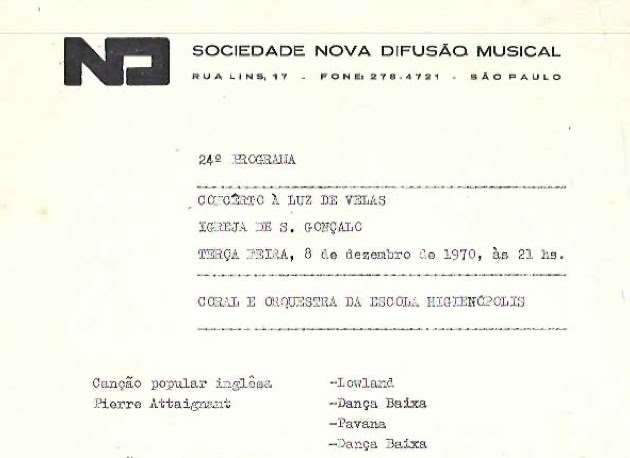
The historical studies of São Paulo churches developed with Leonardo Arroyo in 1970 concluded with a consideration of the significance of the Feast of the Immaculate Conception on December 8th, one of the most important from a religious and cultural point of view in São Paulo during the colonial past and in the decades following independence. It was a festival of extraordinary significance for its processions, festive practices, and sacred music, as documented by works found in archives. Consideration was given to the relationship of this cult with nature, particularly with the waters of rivers, including the Itororó and the Anhangabaú. The studies concluded with a candlelit concert in the church of São Gonçalo Garcia, or Nossa Senhora da Conceição e São Gonçalo, where the life and significance of the cult of this missionary and martyr of Japan were also studied for socio-cultural and immigration studies. The studies were developed in relation to the urban situation of the church's location and its context determined by the Igreja dos Remédios and its square, the old prison, and the gallows square. The concert was performed by the choir and orchestra of the Higienópolis School of the Rudolf Steiner Association, reflecting the significance of the Anthroposophical studies intensified in 1970. These studies were part of the broader context of spiritualism and theosophy, particularly those of the Esoteric Center of the Communion of Thought, in the development of musical and cultural studies in São Paulo, among others dedicated to Mozart in the 1930s.