BRASIL-EUROPA
GLOBAL STUDIES
CULTURE/NATURE

BRASIL-EUROPA
GLOBAL STUDIES
CULTURE/NATURE
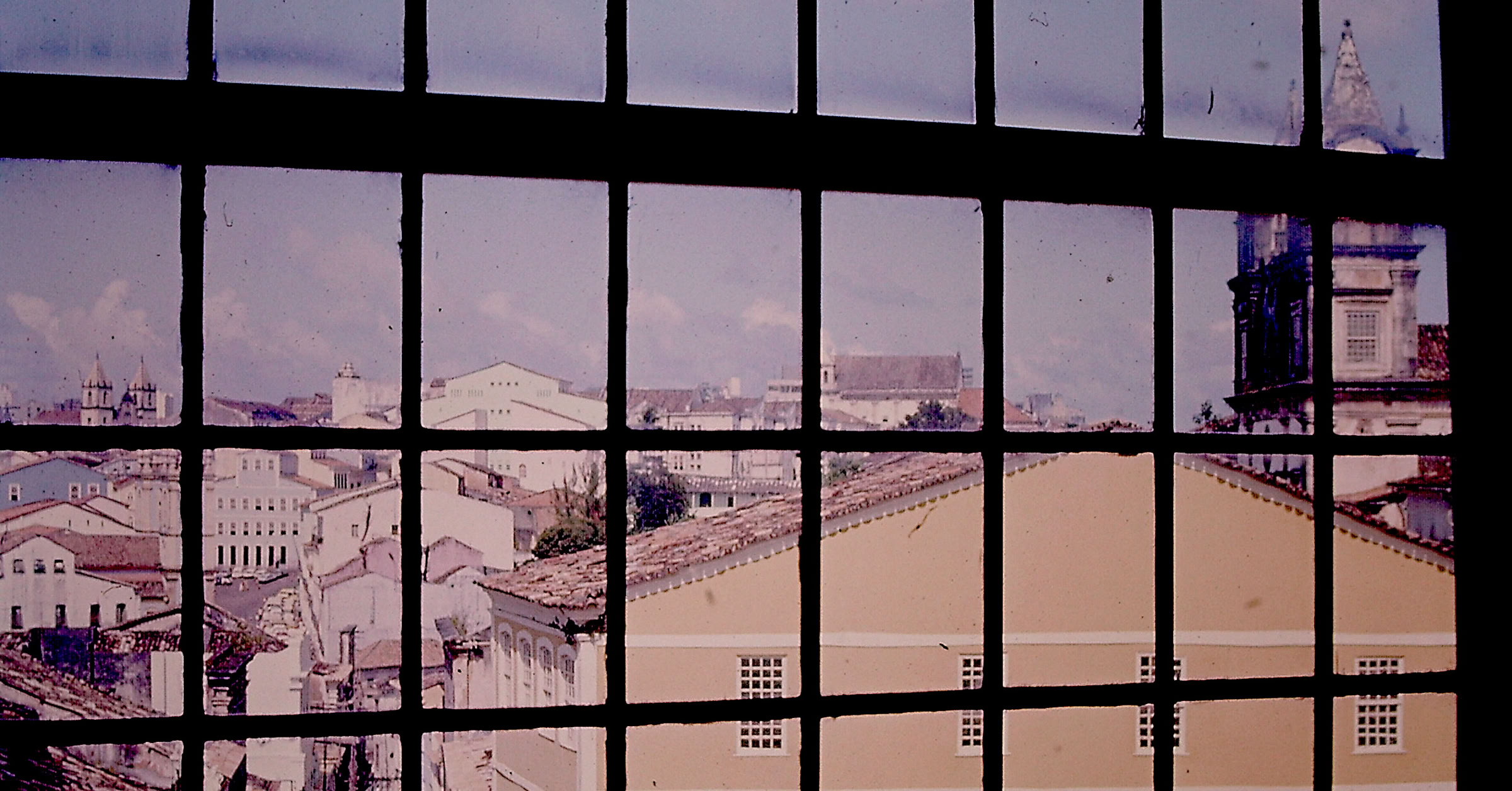
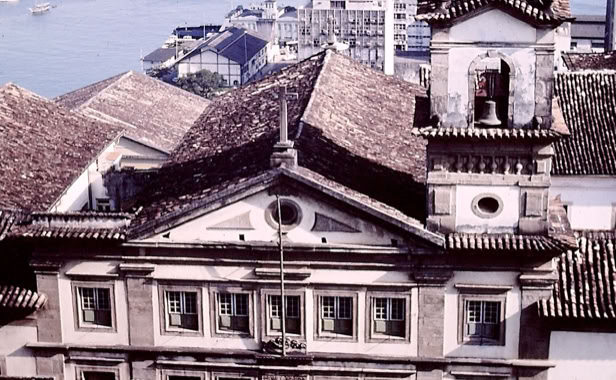
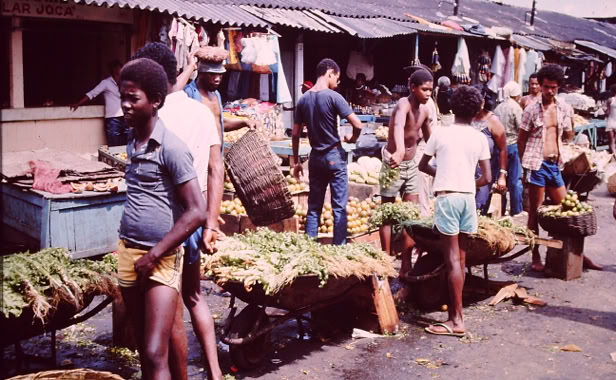
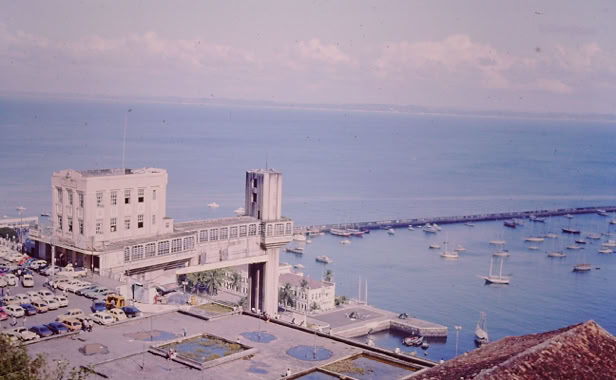
Salvador. Bahia 1972.
Global Studies: Culture/Nature
Photo A.A.Bispo©
1972
Studies of cultural processes in global contexts
using Euro-Brazilian relations as a frame of reference
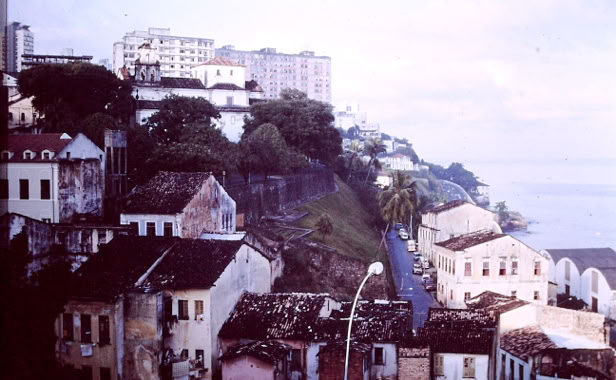
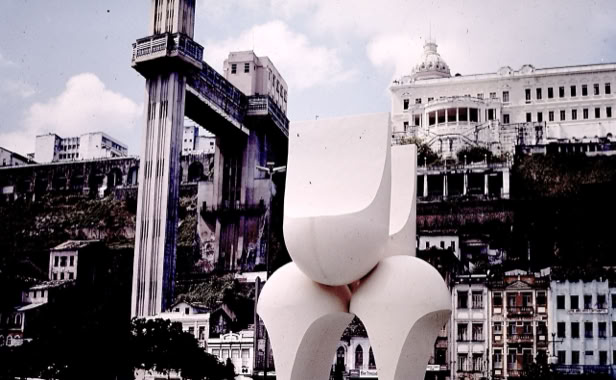
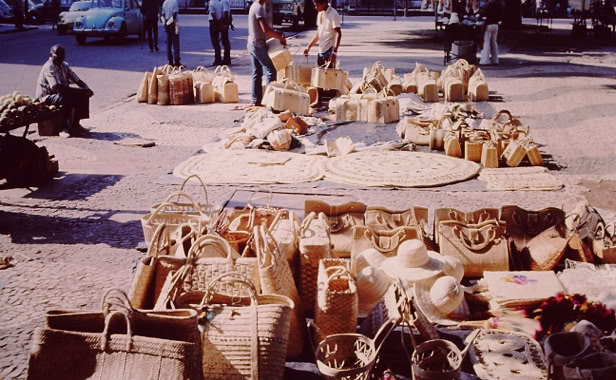
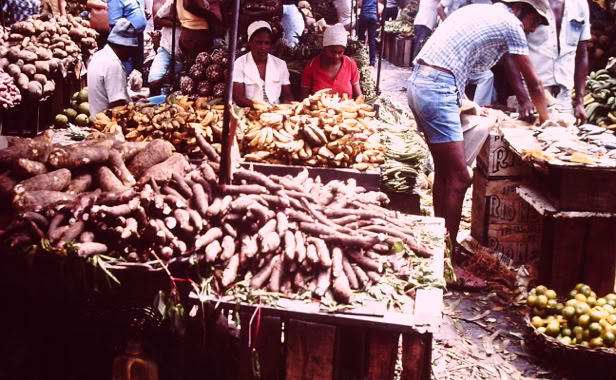
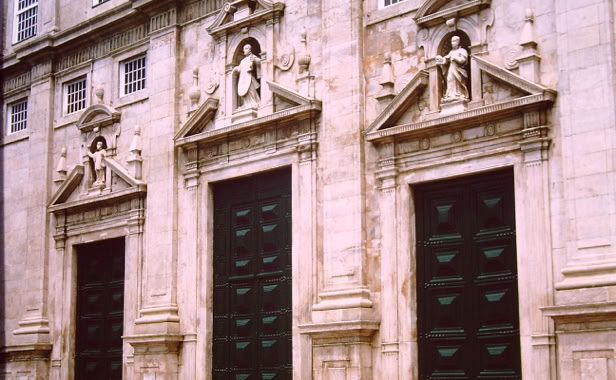
Salvador, Bahia 1972
Global Studies: Culture/Nature
Photo: A.A.Bispo©
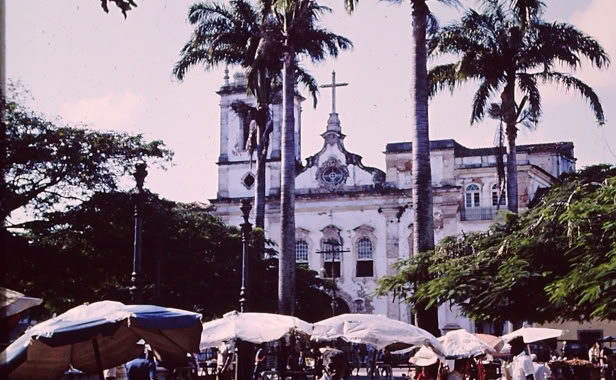
Salvador, Bahia 1972
Global Studies: Culture/Nature
Photo: A.A.Bispo©
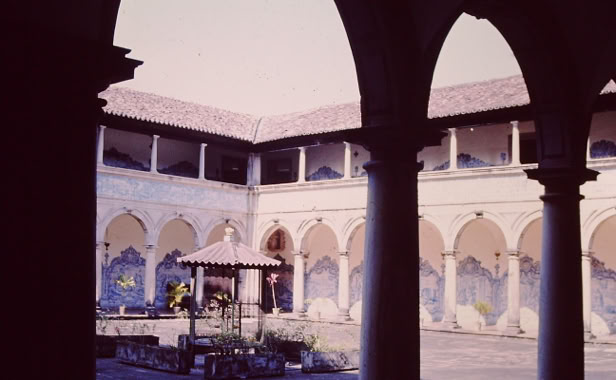
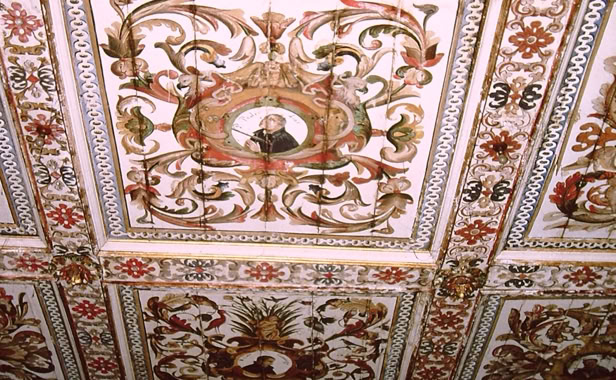
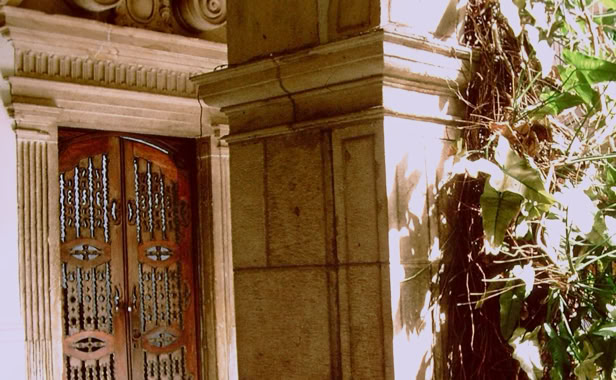
Salvador, Bahia 1972
Global Studies: Culture/Nature
Photo: A.A.Bispo©
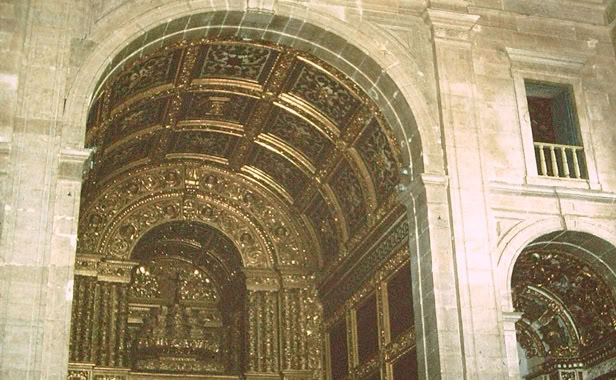
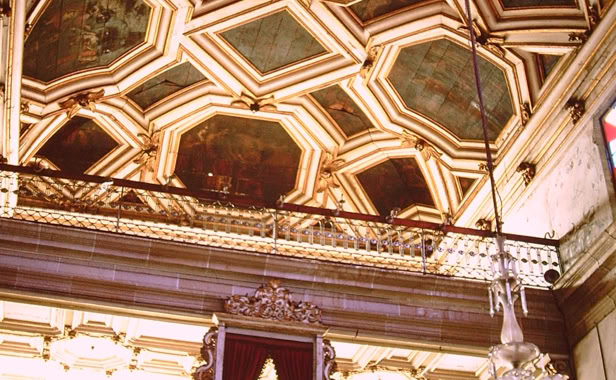
Salvador, Bahia 1972
Global Studies: Culture/Nature
Photo: A.A.Bispo©
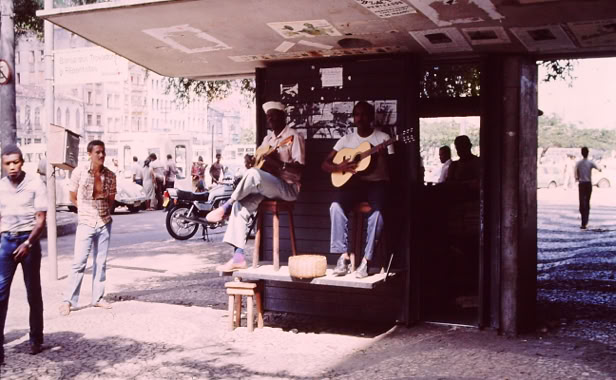
Salvador, Bahia 1972
Global Studies: Culture/Nature
Photo: A.A.Bispo©
Salvador, Bahia 1972
Global Studies: Culture/Nature
Photo: A.A.Bispo©
Salvador, Bahia 1972
Global Studies: Culture/Nature
Photo: A.A.Bispo©
Salvador, Bahia 1972
Global Studies: Culture/Nature
Photo: A.A.Bispo©
Salvador, Bahia 1972
Global Studies: Culture/Nature
Photo: A.A.Bispo©
Salvador, Bahia 1972
Global Studies: Culture/Nature
Photo: A.A.Bispo©
Salvador, Bahia 1972
Global Studies: Culture/Nature
Photo: A.A.Bispo©
Salvador, Bahia 1972
Global Studies: Culture/Nature
Photo: A.A.Bispo©
Salvador, Bahia 1972
Global Studies: Culture/Nature
Photo: A.A.Bispo©
Salvador, Bahia 1972
Global Studies: Culture/Nature
Photo: A.A.Bispo©
Salvador, Bahia 1972
Global Studies: Culture/Nature
Photo: A.A.Bispo©
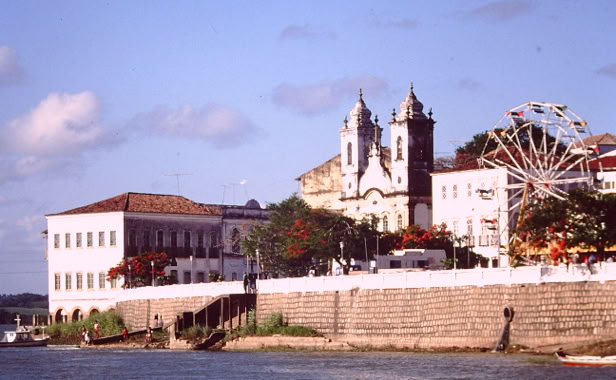
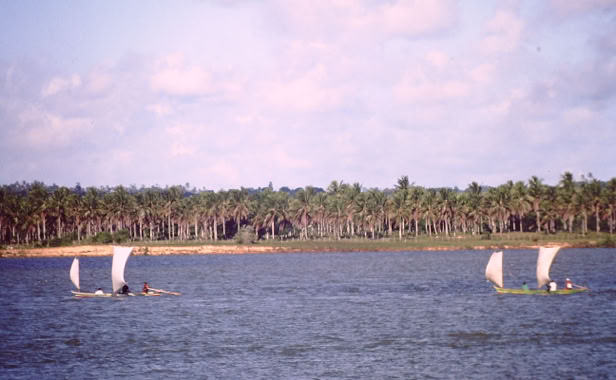
Penedo, Alagoas. 1972
Global Studies: Culture Nature
Photo: A.A.Bispo©
Penedo, Alagoas. 1972
Global Studies: Culture Nature
Photo: A.A.Bispo©
Penedo, Alagoas. 1972
Global Studies: Culture Nature
Photo: A.A.Bispo©
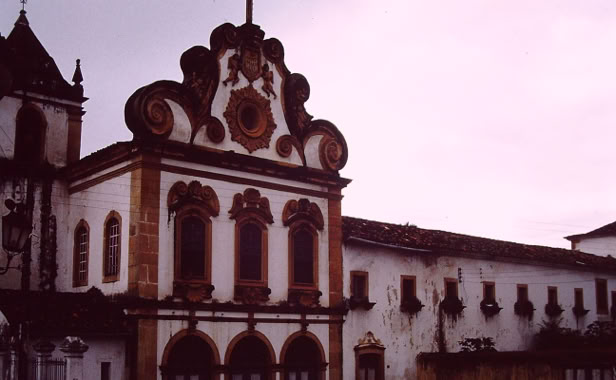
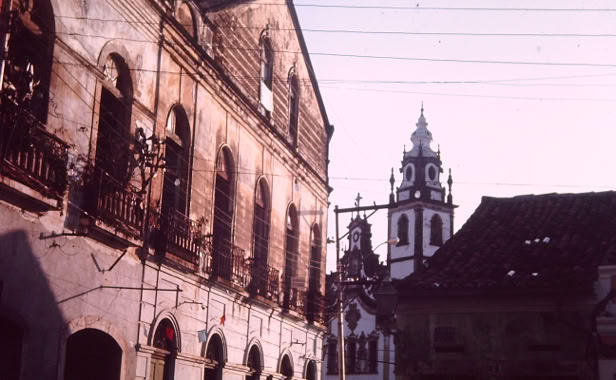
Recife. Pernambucp 1972
Global Studies: Culture/Nature
Photo A.A.Bispo©
Cities visited on events and studies circuits
Rio de Janeiro
Rio de Janeiro, Macaé
Espírito Santo
Vitória, Linhares, São Mateus, Conceição da Barra
Bahia
Comacanã, Prado, Canavieiras, Santa Cruz Cabrália, Porto Seguro, Belmonte, Uruçuca, Feira de Ssantana, Cachoeira de São Félix, São Félix, Santo Amaro da Purificação, Candeias, Salvador, Alagoinhas
Sergipe
Aracajú, Maruim, Laranjeiras, São Cristóvão, Neópolis
Alagoas
Maceió, Penedo, Santa Luzia, Coqueiro Seco, Barra de São Miguel, Maragogi, Marechal Deodoro, Porto Calvo, São Miguel dos Campos
Pernambuco
Recife, Olinda, Sirinhaem, Igarassu
São Paulo
São Paulo, Santos, Itú, Santana do Parnaíba, Campinas, Atibaia, Bragança Paulista, Jundiaí, Cabreüva, Piracicaba, Salto, Presidente Prudente, Itapetininga, São José dos Campos, São Luís do Paraitinga, Taubaté, Guaratinguetá, Pindamonhangaba, Aparecida do Norte, Cunha, Mogi das Cruzes, Bragança Paulista, Itatiba, São José do Rio Preto, Lins
Topics considered
50th Anniversary of the Centenary of Independence | 50th Anniversary of the Week of Modern Art | Study Cycle in Eastern and Northeastern Brazil | Opening of the Rio-Bahia Highway along the Coast and Environmental Communication Routes, Changes in Social Networks and Cultural Interactions | History and Cultural Studies | Historical-Musical Studies and Ethnomusicology | Oral and Festive Traditions of the Christmas Cycle | Sacred and Band Music in the Recôncavo and Northeast | Urban and Environmental Changes in the Recôncavo | Traditions in Bahia and Northeastern| Historical-Musical and Archive Studies in Bahia | São Francisco River in the Cultural Studies | Archive Studies and Encounters in Penedo | Archives and Dialogues in Recife and Olinda | Folklore and Ethnomusicology | History and empirical research - redefinitions | Culturally oriented musical performance practice | 18th- and 19th-centuries the Paraíba Valley | Bahians and Northeasterners in São Paulo: Ethnomusicology and Education
* * *
1972 was marked by the 50th anniversary of the Centenary of Brazil's Independence (1822) and the 1922 Modern Art Week in São Paulo. It was a year in which research was conducted in various regions of São Paulo, in the East and Northeast of Brazil, and in which collaborations were established or intensified with institutions and researchers from various cities across the country, as well as organizations and institutions abroad.
The year began with a cycle of cultural studies in Rio de Janeiro, Espírito Santo, Bahia, Sergipe, Alagoas, and Pernambuco. This was carried out by a delegation of researchers, musicians, and professors from São Paulo, from different fields of study, including architects, musicians, conductors, cultural researchers, and artists. He was supported and guided by several researchers and institutions, including professors from the Faculty of Architecture and Urbanism and historians and geographers from the Faculty of Philosophy, Letters and Sciences, as well as historians from the Paulista Museum of the University of São Paulo, members of the Nova Difusão movement and its Center for Research in Musicology, researchers of traditions and folklore from the Museum of Popular Arts and Techniques, and the professor responsible for the areas of Ethnomusicology, Aesthetics and History of Music at the Faculty of Music and Music Education of the Musical Institute of São Paulo.
In different cities and regions, the studies were supported by municipal bodies, museums, schools, churches, musical societies, folklore groups, and other institutions, notably the Folklore Commissions of Espírito Santo, Bahia, Sergipe, and Alagoas, the Music Seminars of the University of Bahia, and the Olinda Seminar. Among the events considered were the Christmas festivities and the washing of the Bonfim church in Bahia, the Folklore Festival in Marechal Deodoro in Alagoas, and the celebrations and festivities of the Feast of Saint Amaro of the Purification.
The aim of the cycle was to update knowledge and observe cultural processes resulting from the opening of the Rio-Bahia highway along the coast, as well as new means of communication. The itinerary included the cities of Macaé in Rio de Janeiro, Vitória, Linhares, São Mateus and Conceição da Barra in Espírito Santo, Camaçã, Prado, Canavieiras, Santa Cruz Cabrália, Porto Seguro, Belmonte, Alcobaça and Ilhéus on the coast of Bahia, Feira de Santana, Nazaré das Farinhas, Cachoeira de São Félix, São Félix, Santo Amaro da Purificação, Candeias and São Francisco do Conde in the Recôncavo region, Salvador, Alagoinhas, Aracajú, Maruim, Laranjeiras and São Cristóvão in Sergipe, Penedo, Santa Luzia do Norte, Marechal Deodoro and Maceió in Alagoas, Recife and Olinda in Pernambuco. The historical sources gathered, musical manuscripts, and results of interviews and field observations were considered in work presented in courses at the Faculty of Music and Musical Education of the Musical Institute of São Paulo, and in a conference at the Folklore Museum in São Paulo. Manuscript musical works from the 18th and 19th centuries, recovered from archives, were treated from different perspectives of analyses of cultural processes in diverse contexts in the years that followed, including in the first cycle of Luso-Brazilian studies in Portugal in 1973.
The year 1972 was also marked by debates about the concepts and objectives of empirical cultural studies under the new social and socio-cultural conditions of large cosmopolitan cities like São Paulo in the era of mass communication. The question, which had been pressing for years, concerned the conceptualization and object of folklore studies by researchers at the Folklore School of the Brazilian Folklore Association Museum. The discussion on the Science of Folklore – Folklorology – marked the reflections and debates led by Rossini Tavares de Lima and Julieta de Andrade. In 1972, the Literary Supplement of O Estado de São Paulo promoted a debate on folklore in the metropolis, in which a large number of cultural researchers participated. It considered the concept of spontaneous culture as a sphere distinct from that of erudite and popular culture. The objective of folklore studies would not be limited to traditions, even if these were recognized as mutable or dynamic. This proposed reconceptualization, however, differed from that developed in the New Diffusion movement.
The process-oriented approach also meant overcoming ways of thinking and proceeding according to categorized spheres of the object of study, compartments, and thus the erudite and the popular. In this sense, the interest in the study of cultural processes of sound performances of 19th-century choral and orchestral works in São João del Rei, which differed from what was written in scores, was considered as an example. This debate led to reflections on the practice of historical-musical performance, which should not only be based on data from past treatises but also consider the results of empirical research.
These considerations motivated the institutionalization of the discipline of Musical Performance Practice oriented according to cultural processes in the curriculum of higher education courses in music and music education at the Instituto Musical de São Paulo and in the teaching of choral singing at the Escola Técnica de Música Ernesto Nazareth de São Paulo. This conceptualization regarding the sound performance of past works began to be considered experimentally in the newly created Coro e Orquestra de Música Sacra Paulista (Choir and Orchestra of Sacred Music of São Paulo). As the inaugural work, an anonymous Te Deum from the Paraíba Valley was chosen, whose musical language indicated it originated from the 18th or early 19th century. This work, discovered through research in the 1960s, was performed for the first time in a celebration at the Church of Our Lady of Mount Carmel in Aclimação.
In 1972, contacts and collaborations with researchers from abroad intensified. Within the scope of Structuring studies, courses at the São Paulo Musical Institute were guided by courses from the Sorbonne, University of Paris, based on a translation of Jacques Chailley's work on the evolution of musical language, in which systematic considerations are associated with historical developments. In the area of Ethnomusicology, works by, among others, Alain Danièlou and Marius Schneider were considered. These studies and the relationships with their authors marked the studies that would develop in the following years.
The commemoration of the 50th anniversary of the Centenary of Independence and the Week of 1922 motivated the creation of the course "Music in the Evolution of São Paulo," a pioneer in its interdisciplinary characteristics and its implementation in spaces within the city of São Paulo. This course revisited themes previously considered by architects, cultural researchers, and music scholars within the New Diffusion movement, which led to the creation of the São Paulo Autumn Festival with events in neighborhoods, parks, gardens, and squares. The study of urban spaces and their experience through music was marked by reflections on relationships with the environment, topography, and vegetation throughout history. This course, offered as part of the Music Education degree program at the São Paulo Musical Institute, was conducted in collaboration with the Paulista Museum and the Faculty of Architecture and Urbanism of the University of São Paulo, as well as official bodies and conservatories.