BRASIL-EUROPA
GLOBAL STUDIES
CULTURE/NATURE

BRASIL-EUROPA
GLOBAL STUDIES
CULTURE/NATURE
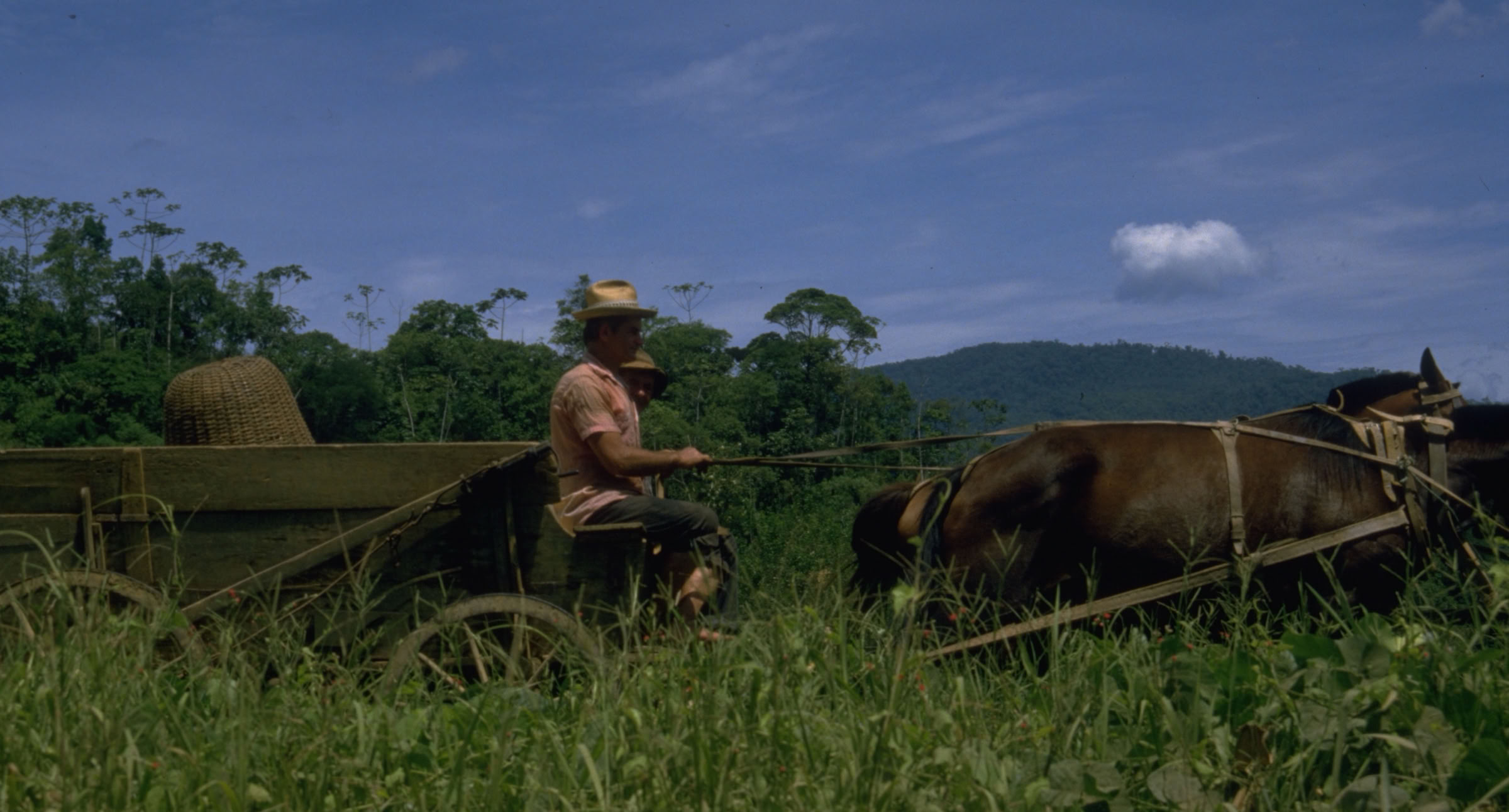
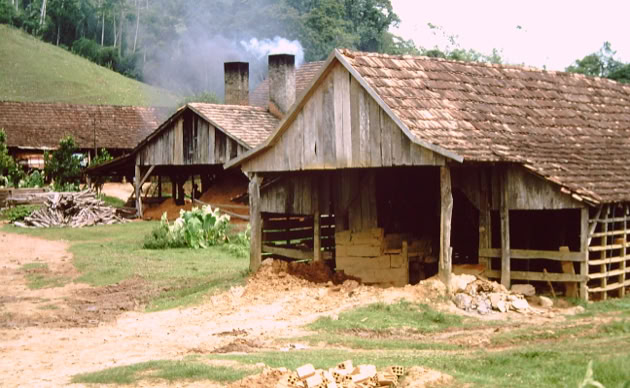
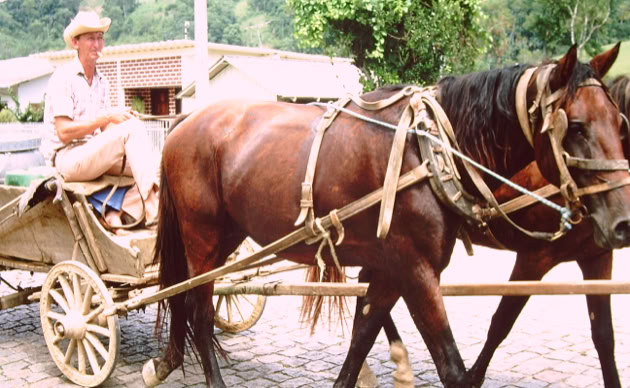
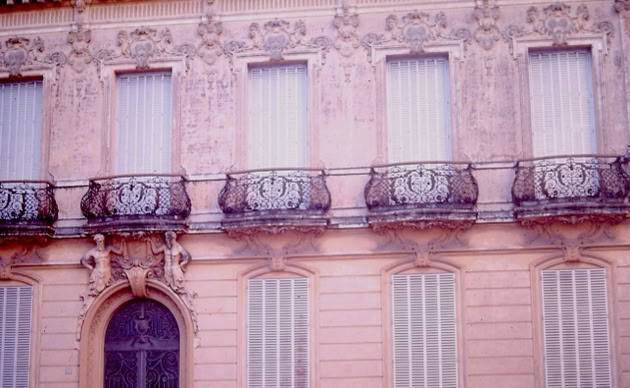
Santa Catarina , Brazil 1973
Global Studies: Culture/Nature
Photo: A.A.Bispo©
1973
Studies of cultural processes in global contexts
using Euro-Brazilian relations as a frame of reference
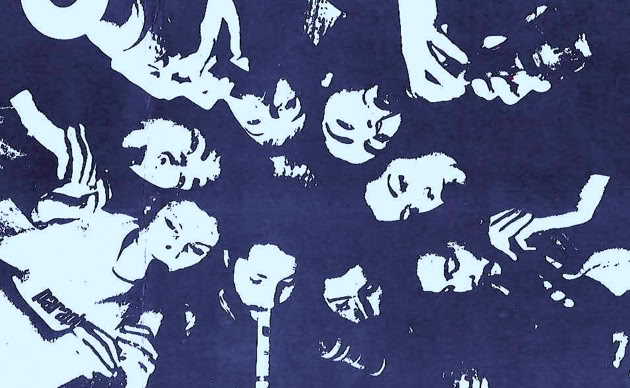
Paraphernalia 1973
Global Studies: Culture/Nature
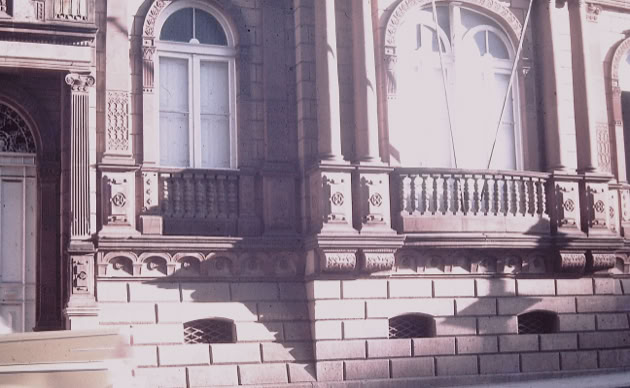
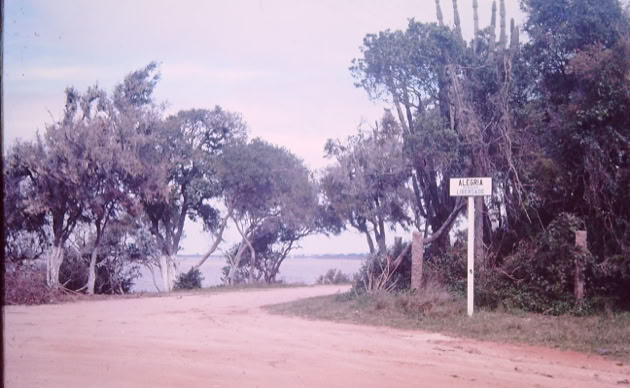
Santa Catarina 1973
Global Studies: Culture/Nature
Photo A.A.Bispo©
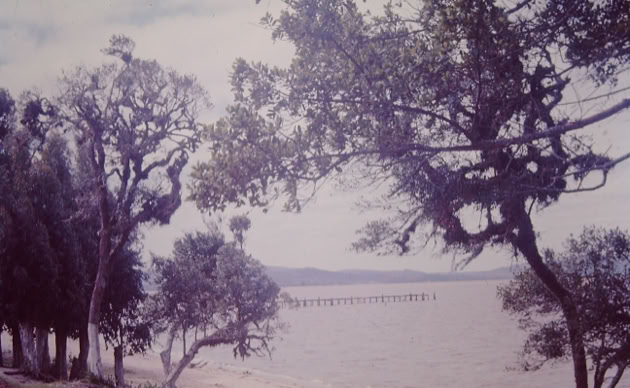
Santa Catarina 1973
Global Studies: Culture/Nature
Photo A.A.Bispoi©
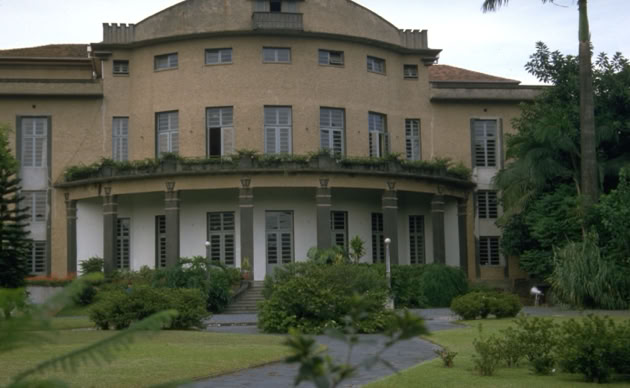
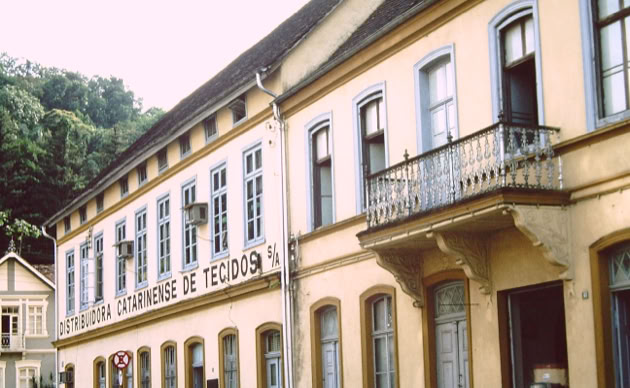
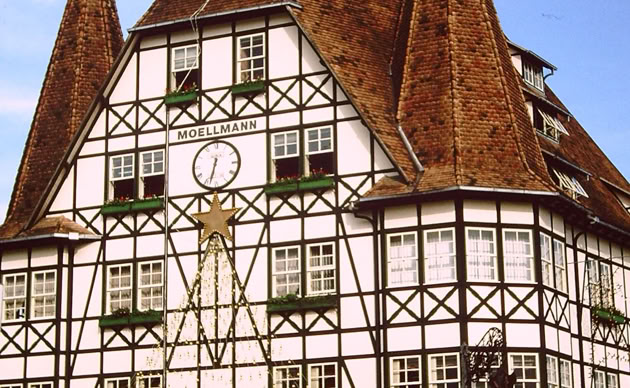
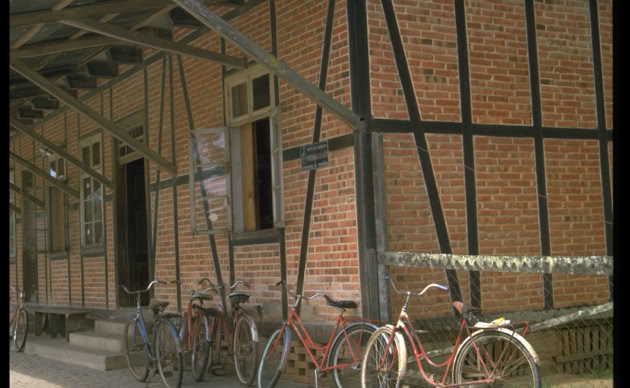
Blumenau, Santa Catarina 1973
Global Studies: Culture/Nature
Photo A.A.Bispoi©
Blumenau, Santa Catarina 1973
Global Studies: Culture/Nature
Photo A.A.Bispoi©
Blumenau, Santa Catarina 1973
Global Studies: Culture/Nature
Photo A.A.Bispoi©
Blumenau, Santa Catarina 1973
Global Studies: Culture/Nature
Photo A.A.Bispoi©
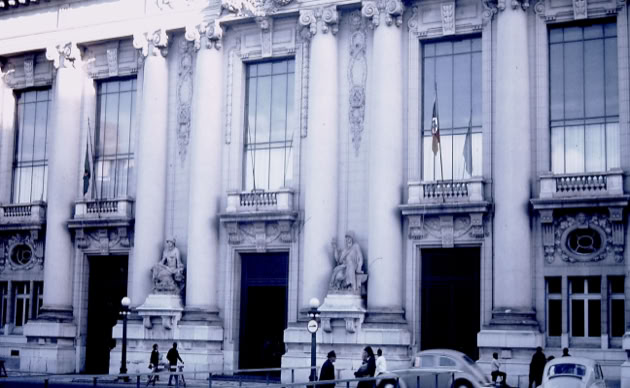
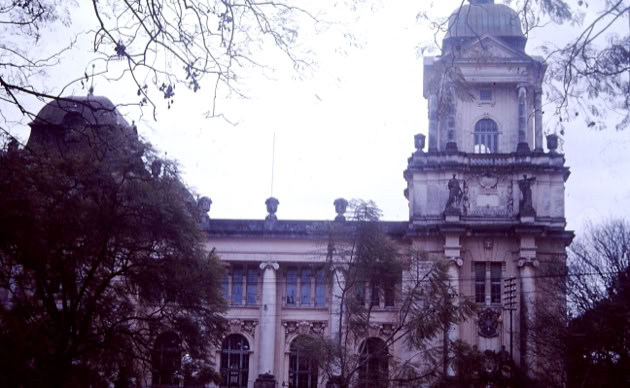
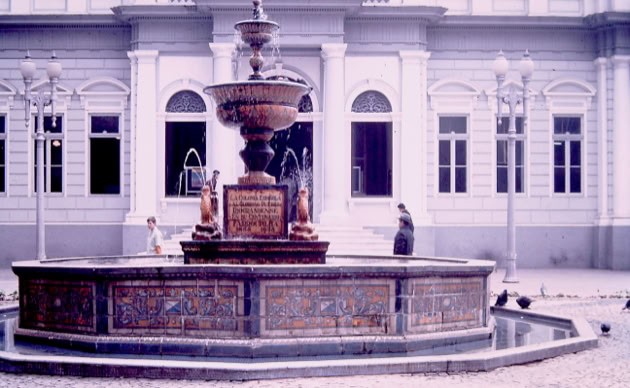
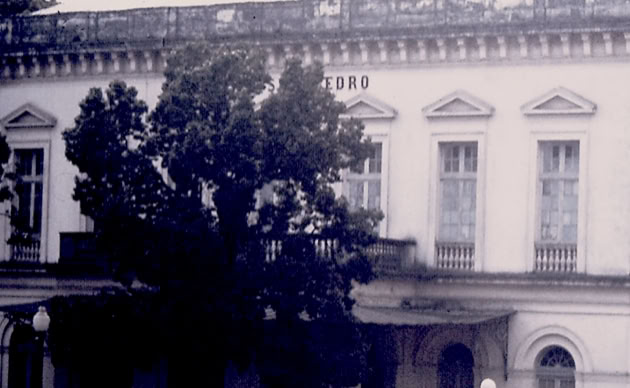
Porto Alegre, Rio Grande do Sul 1973
Global Studies: Culture/Nature
Photo: A.A.Bispo©
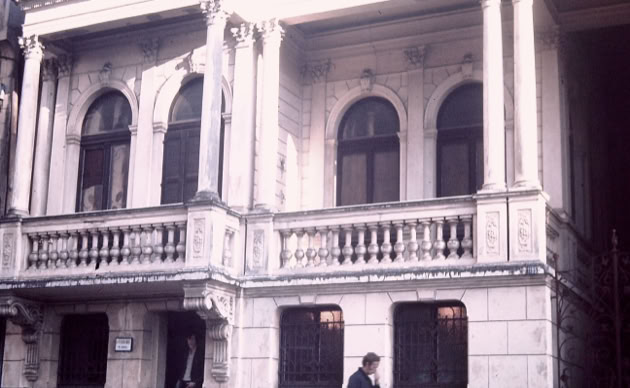
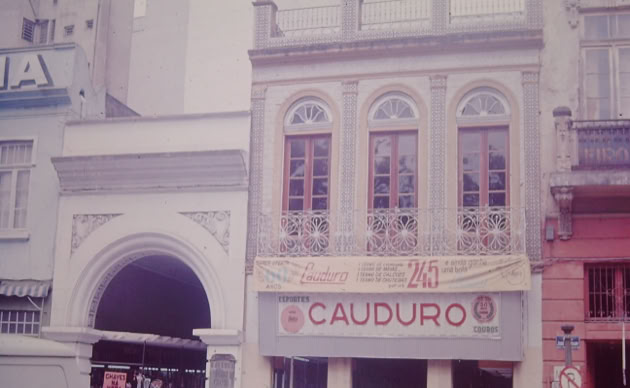
Porto Alegre, Rio Grande do Sul 1973
Global Studies: Culture/Nature
Photo: A.A.Bispo©
Porto Alegre, Rio Grande do Sul 1973
Global Studies: Culture/Nature
Photo: A.A.Bispo©
Porto Alegre, Rio Grande do Sul 1973
Global Studies: Culture/Nature
Photo: A.A.Bispo©
Porto Alegre, Rio Grande do Sul 1973
Global Studies: Culture/Nature
Photo: A.A.Bispo©
Porto Alegre, Rio Grande do Sul 1973
Global Studies: Culture/Nature
Photo: A.A.Bispo©
Porto Alegre, Rio Grande do Sul 1973
Global Studies: Culture/Nature
Photo: A.A.Bispo©
Porto Alegre, Rio Grande do Sul 1973
Global Studies: Culture/Nature
Photo: A.A.Bispo©
Porto Alegre, Rio Grande do Sul 1973
Global Studies: Culture/Nature
Photo: A.A.Bispo©
Porto Alegre, Rio Grande do Sul 1973
Global Studies: Culture/Nature
Photo: A.A.Bispo©
Cities visited on events and studies circuits
Brazil
Paraná
Curitiba, Lapa, Vila Velha, Morretes, Paranapiacaba
Santa Catarina
São Francisco do Sul, Blumenau, Joinville, Camboriú, Pomerode, Criciúma, Jaraguá do Sul, Lages, Brusque, Gaspar, Rio do Sul, São Bento do Sul, São Joaquim, Tubarão, Torres
Rio Grande do Sul
Porto Alegre, Caxias do Sul, Canoas, Pelotas, Camaquã, Cambará do Sul, Gramado, Jerval, Maquiné, Novo Petrópolis, Palmares do Sul, Rio Grande do Sul, São Francisco de Paula, Viamão
São Paulo
São Paulo, Santo Amaro, Santos, São Vicente, Campinas, Pindamonhangaba, Taubaté, Guaratinguetá, São Luís do Paraitinga, Cunha, Redenção da Serra, Natividade da Serra, Lagoinhas, Aparecida do Norte, Itu, Santana do Parnaíba Cabreúva, Jundiaí, Atibaia, Bragança Paulista
Uruguay
Montevideo, Punta del Este
Topics considered
Aesthetics and Ethnomusicology | German-Brazil Studies | Immigration and colonization in Santa Catarina and Rio Grande do Sul | Inter-Americanism | ANatural Sciences and Cultural Studies | Brazil in the Ethnomusicology in Latin America | Music and polivalency on arts | Informal education and music in cultural research | Musical structuring and cultural processes | Gregorian chant in higher education | Gregorian Chant and Cultural Studies | Study of early music and cultural studies | Renaissance and Renewal of Perspectives and Studies
* * *
1973 was a year marked by events of special significance in the development of cultural studies with a musicological orientation and musicology focused on the analysis of cultural processes within higher education. It was a year of intense debates about the appropriate teaching of musicological subjects in higher music courses and music teacher training programs, and by the continuation of the discussion on the proper integration of scientifically oriented musicological studies into the university, a discussion that had been ongoing since the 1960s.
According to the theoretical orientation developed within the New Diffusion movement and its Center for Musicological Research, musicology as a science should be institutionalized within the Humanities and not in an Institute of Arts or a School of Communication and Arts. This discussion continued within theoretical-cultural and musicological courses developed at the Faculty of Music and Music Education of the Musical Institute of São Paulo, determining the orientation and research in the areas of Aesthetics, Ethnomusicology, Structuring, and Performance Practice. The subject, considered serious due to its consequences, was addressed interdisciplinarily with researchers, cultural figures, historians, artists, and architects, seeking to understand opinions and obtain insights. Relationships were established with researchers from institutions in Europe and other Latin American countries, culminating in a meeting with Francisco Curt Lange, director of the Inter-American Institute of Musicology in Montevideo, to discuss the issue within international contexts in the Americas.
The year 1973 began with a series of studies in cities in southern Brazilian states and Uruguay. The group consisted of architects, musicians, conductors, and professionals from other fields of knowledge and education. The initiative came from circles dedicated to early and contemporary music and education, as well as philosophical questions and Anthroposophy. Participants were affiliated with various institutions, including the Nova Difusão movement with its Center for Research in Musicology, the Higienópolis School of the Rudolf Steiner Association, the Faculty of Architecture and Urbanism of the University of São Paulo, the Museum of Arts and Popular Traditions of the Brazilian Folklore Association, and the Faculty of Music and Music Education of the Musical Institute of São Paulo. The previous year, a series of studies had been conducted in Espírito Santo, Bahia, and other northeastern states; in 1973, attention turned to the southern states of Brazil.
The objectives of the undertaking were multiple. Contacts with researchers and institutions needed to be updated and intensified, libraries and archives visited, the state of cultural research and teaching observed, and the situation of cultural life in regions and cities with a colonial past of German-speaking immigrants investigated, thus continuing studies of immigration, colonization, and relations between German-speaking Europe and Brazil previously conducted in São Paulo. Contacts with European colonists and their descendants in Santa Catarina and Rio Grande do Sul were obtained through German-speaking circles in São Paulo.
Contacts with folklore researchers were facilitated by the Brazilian Folklore Association, as well as in the preparation of meetings in the respective state folklore commissions. Attention was directed to cultural processes, the permanence and cultivation of traditions and awareness of origins, cultural changes, assimilations and integrations. This interest corresponded to the current relevance of acculturation issues in sociological, cultural and ethnomusicological studies, which were very current at the time.
The extension of the study cycle to Uruguay by two of the participants in the delegation stemmed from the debate on the adequate institutionalization of musicology as a Human Science in the university and the necessary renewal of Musical Inter-Americanism, which should be considered at the Inter-American Institute of Musicology in Montevideo. Meetings with personalities from musical life and research took place in Punta del Este. In these meetings in Uruguay, new perspectives in Baroque studies were considered in relation to colonial processes, as discussed at the New Diffusion Baroque Festival in São Paulo in 1970. This interest in integrating the Ethnomusicology established in São Paulo within the context of Latin American research stemmed from cooperation projects through the Organization of American States (OAS) and the Ministry of Culture of Ethnomusicology at the Musical Institute of São Paulo with the Institute of Ethnomusicology of Caracas.
In dialogues with the researcher Alberto Soriano, whose book *Imanências Etnomusicológicas* was studied in Ethnomusicology courses in São Paulo, his systematic conceptions, focused on relationships with the natural sciences, were to be discussed. An important aim of the studies was the observation of relationships between culture and nature, of cities and their location, of spaces, of urban and road developments in their relationship with the environment, and the changes resulting from the opening of new roads and new means of communication.
This urbanistic theme, which had marked the cycle of studies in the East and Northeast of Brazil in 1972, continued in the South of the country. The cultural analysis of urban spaces, communication routes, and land occupation in Santa Catarina and Rio Grande do Sul followed a project developed at the Faculty of Architecture and Urbanism of the University of São Paulo in 1969 and the studies of neighborhoods and institutional cultures in their relations with the geographical and vegetal environment, as well as parks and gardens of the São Paulo Autumn Festival of the Nova Difusão movement in 1970. Urban studies based on music continued the course "Music in Urban Evolution" in the area of Music History at the Musical Institute of São Paulo in 1972. One of the aspects addressed concerned the urban and architectural differences between historical regions and cities of old Portuguese foundations and those of regions colonized by Europeans in the 19th century, including São Francisco do Sul and cities such as Blumenau, Itajaí, and Brusque. Among the institutions visited, the Carlos Gomes Theater and the Blumenau School of Music, then undergoing renovation, stood out. Oscar Zander, the Immigration and Colonization Museum of Joinville, the Gaúcho Institute of Traditions and Folklore, and the Public Library of Porto Alegre.
Significant for the development of cultural studies in global contexts was the Congress on Artistic Education held at the Paulista Faculty of Music by the Brazilian Society of Musical Education, whose president was attending the Ethnomusicology course at the Musical Institute of São Paulo. It was prepared with consultation from European personalities who maintained connections with musicological courses at the Musical Institute of São Paulo, including Jacques Chailley, a professor at the Sorbonne. The congress considered the links and differences between conceptions marked by the overcoming of delimitations of areas and spheres in different senses, elaborated in the New Diffusion movement, and those of polyvalence that would lead to the replacement of Musical Education by Artistic Education in secondary education. Among the themes considered, the results of research conducted in Eastern and Northeastern Brazil in 1972 regarding cultural changes and the need to consider informal teaching methods and musical and artistic practice by popular masters were discussed. Reflections on Musical/Artistic Education should thus consider the results of historical research based on sources and empirical research.
Aesthetics was addressed in higher education courses not only from a philosophical perspective but also from the perspective of cultural studies, being conducted in relation to Ethnomusicology and systematic musicology in the Structuring course. One of the topics considered was that dedicated to aesthetic conceptions in their relation to performance practice in the 19th century, particularly in the context of Historicism and the ecclesiastical Restoration. These studies dealt, among other aspects, with Gregorian aesthetics, paleographic studies, and rhythmic conceptions of the Solesmes school, highlighting the need for their contextualized consideration. These studies culminated in the performance of a Gregorian mass prepared and sung by four hundred students in the Church of Santa Ifigênia in São Paulo, celebrated and conducted by renowned representatives of sacred music in Brazil.
The study and cultivation of early music continued with the achievements of the Paraphernália ensemble and choirs, notably the Collegium Musicum of São Paulo, both closely linked to the musicological courses of the São Paulo Musical Institute. These studies and events corresponded to the extraordinary interest in early music in São Paulo during the 1960s and 1970s. Paraphernália defined itself as a group of young people searching for a lost sonic world. From the popular music of small towns in medieval Germany to the first Baroque experiences, without forgetting the refined art of the Elizabethan court. An important concert dedicated to English music of the 16th and 17th centuries was held in the Fêgêvê auditorium of the EAESP at the Getúlio Vargas Foundation on October 10th. The interest in the Renaissance had broader socio-cultural and humanistic dimensions, as the concert program recorded: "With the Renaissance, man began to cultivate earthly interests, naturalistic and individualistic attitudes and values, assuming a posture of systematic optimism and self-affirmation in the face of life. In short, humanism, the cultural climate of the new times. And in this scenario, music was a central element, the vital essence of the spirit, sometimes equated with a divine gift, an indispensable discipline for the education and development of the individual, whether noble or commoner. And because it was experienced intensely, music stimulated the best critical qualities of people, contributing strongly to the unmasking of the vices of the aristocracy and the priestly hierarchy. // This social function of music reached its peak in the 16th and 17th centuries, particularly in France, Italy, and England."