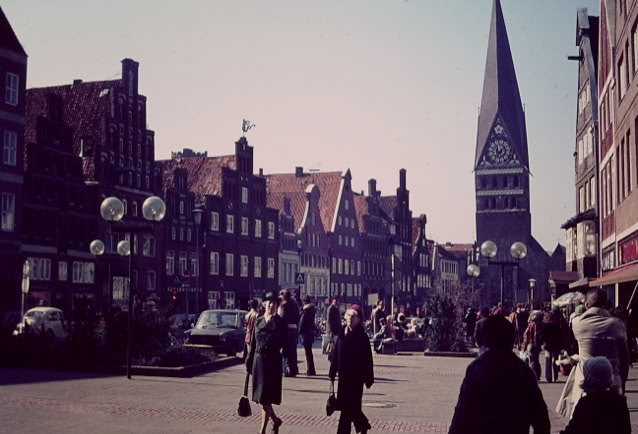
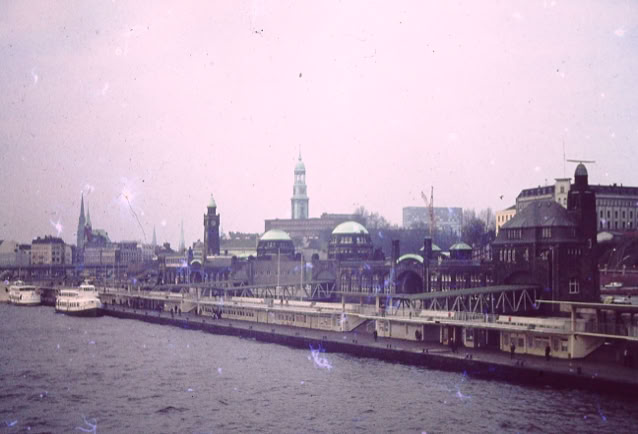
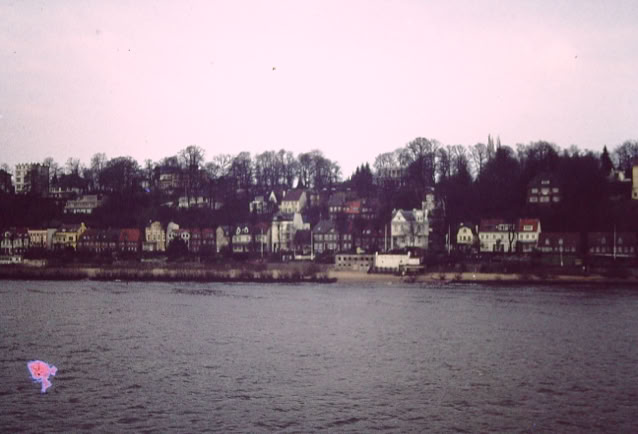
BRASIL-EUROPA
GLOBAL STUDIES
CULTURE/NATURE

BRASIL-EUROPA
GLOBAL STUDIES
CULTURE/NATURE
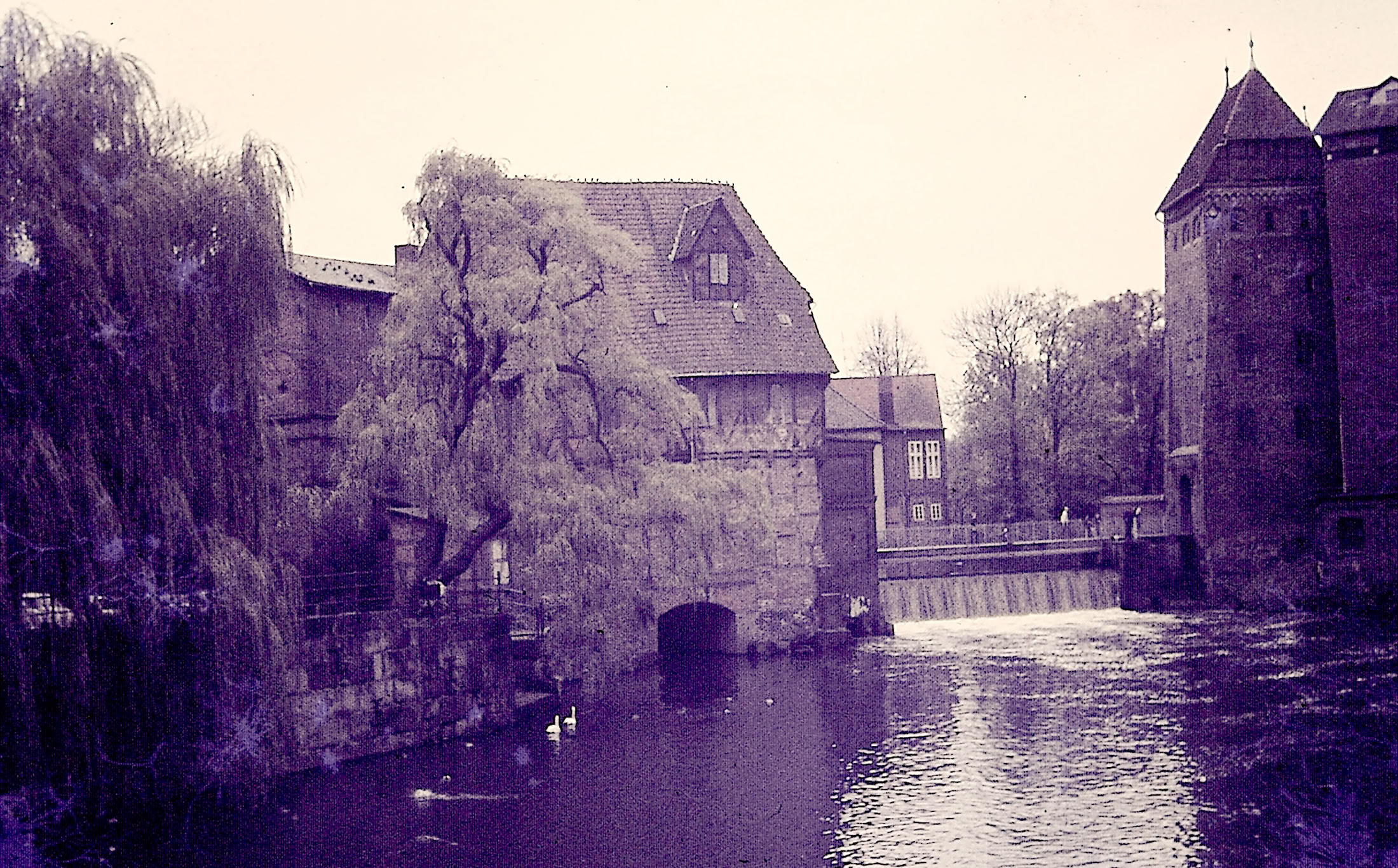
Lüneburg, Germany 1974
Global Studies: Culture/Nature
Photo: A.A.Bispo©
1974
Studies of cultural processes in global contexts
using Euro-Brazilian relations as a frame of reference

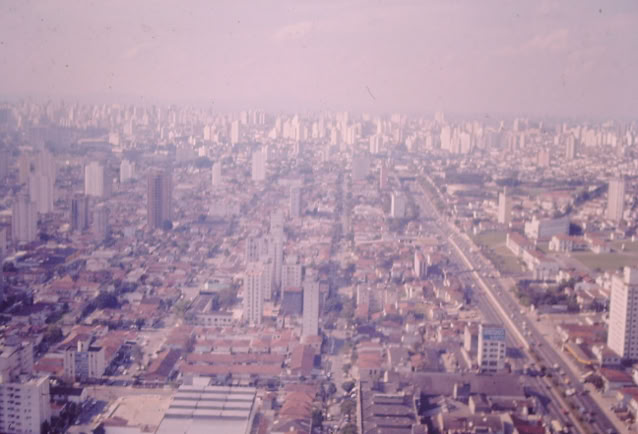
São Paulo. 1974
Global studies: Culture/Nature
Photo: A.A.Bispo©
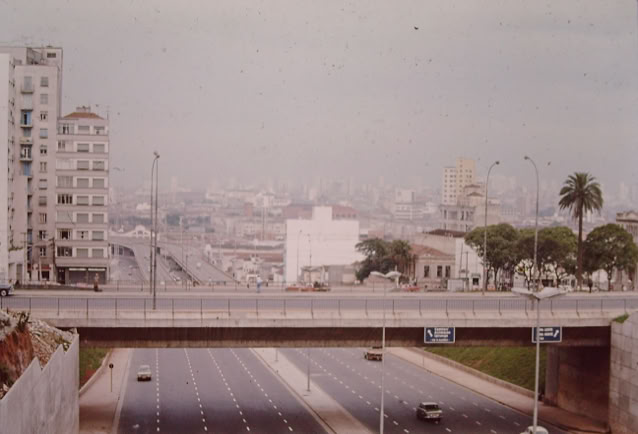
São Paulo. 1974
Global studies: Culture/Nature
Photo: A.A.Bispo©
São Paulo. 1974
Global studies: Culture/Nature
Photo: A.A.Bispo©
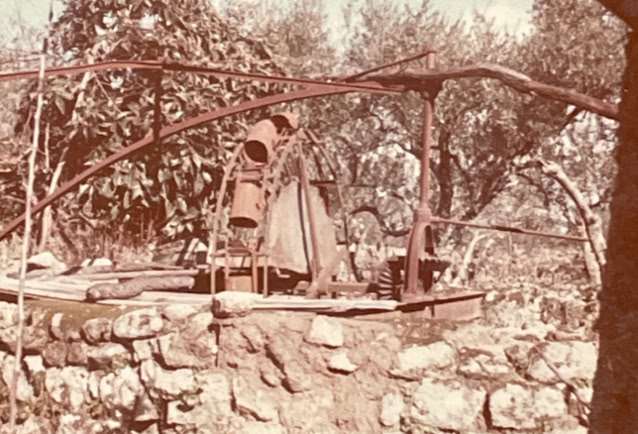
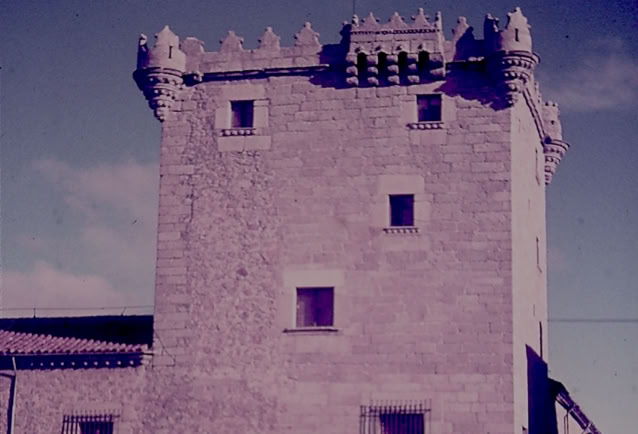
Portugal 1974
Global Studies: Culture/Nature
Photo: A.A.Bispo©
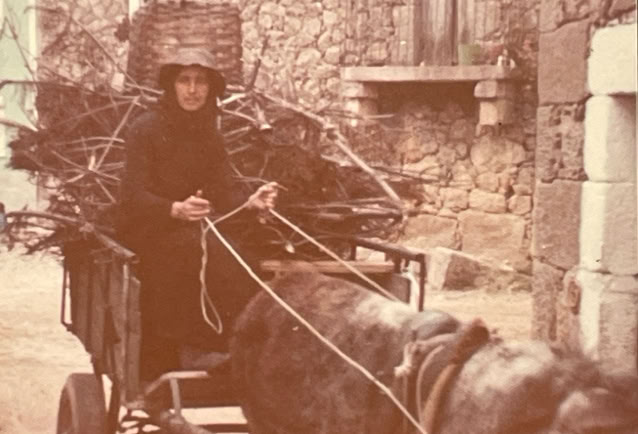
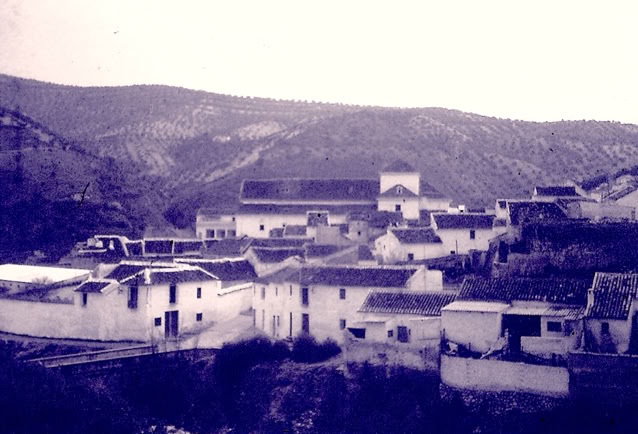
S. Vicente da Beira. Portugal 1974
Global Studies: Culture/Nature
Photo: A.A.Bispoi©
S. Vicente da Beira. Portugal 1974
Global Studies: Culture/Nature
Photo: A.A.Bispoi©
Portugal 1974
Global Studies: Culture/Nature
Photo: A.A.Bispo©
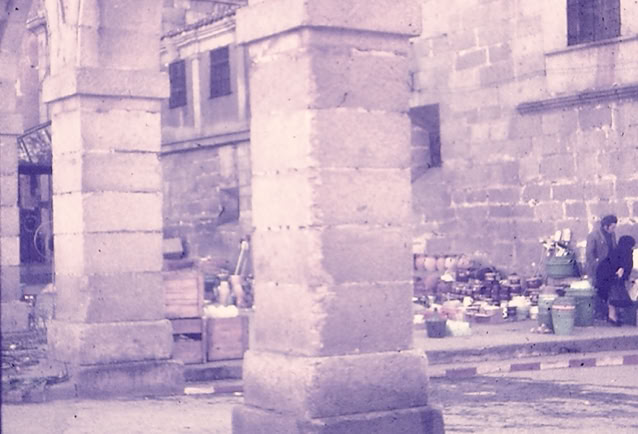
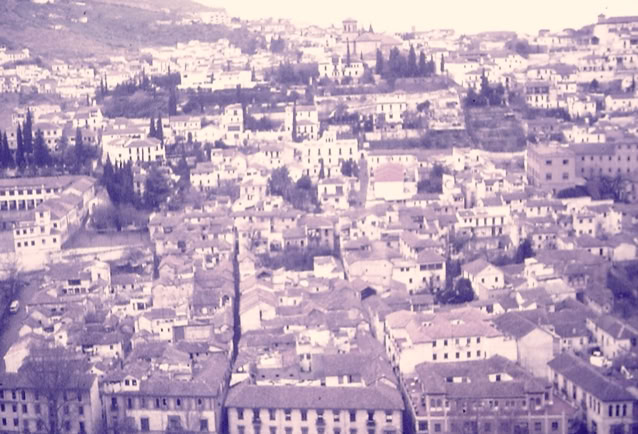
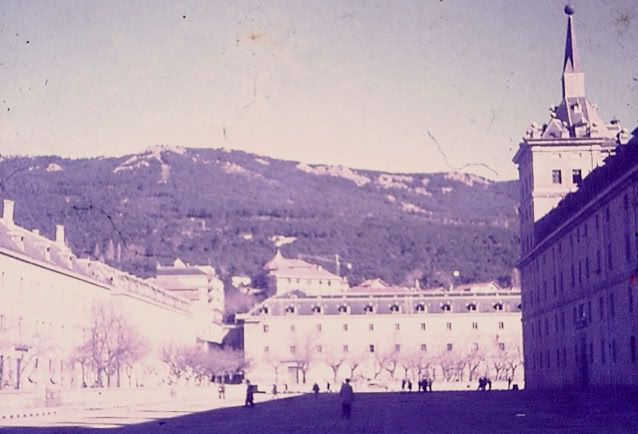
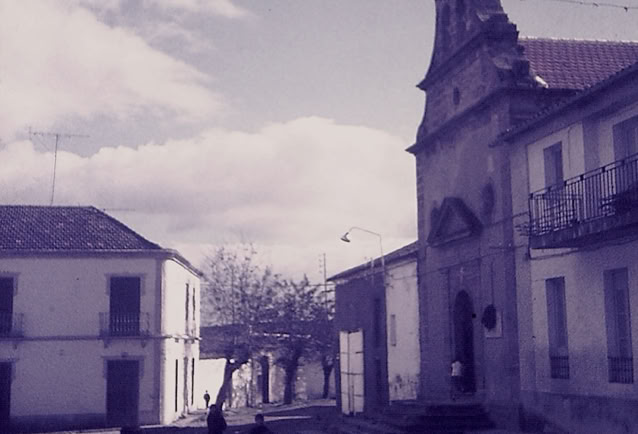
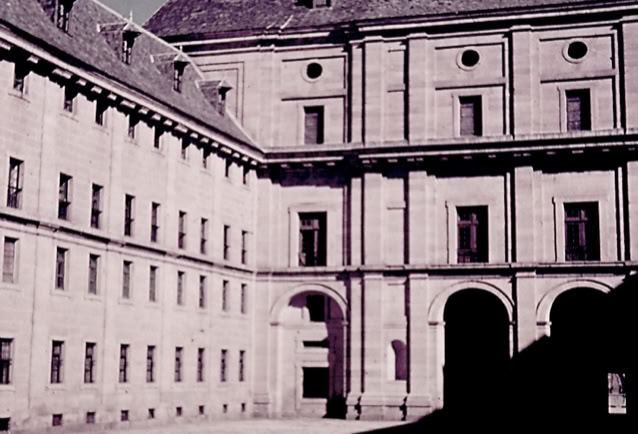
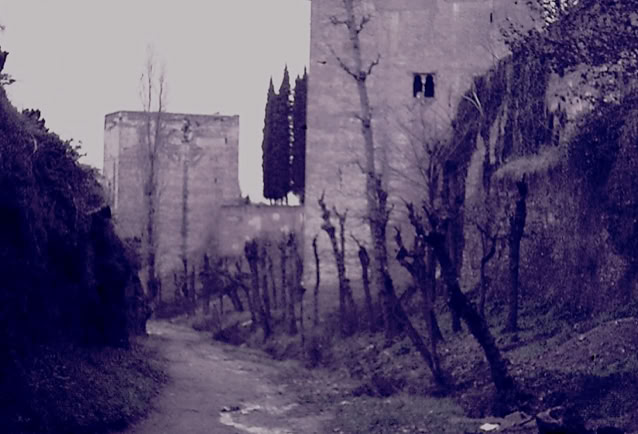
Spain 1974
Globall Studies: Culture/Nature
Photo: A.A.Bispo©
Portugal 1974
Global Studies: Culture/Nature
Photo: A.A.Bispo©
Portugal 1974
Global Studies: Culture/Nature
Photo: A.A.Bispo©
Spain 1974
Globall Studies: Culture/Nature
Photo: A.A.Bispo©
Spain 1974
Globall Studies: Culture/Nature
Photo: A.A.Bispo©
Portugal 1974
Global Studies: Culture/Nature
Photo: A.A.Bispo©
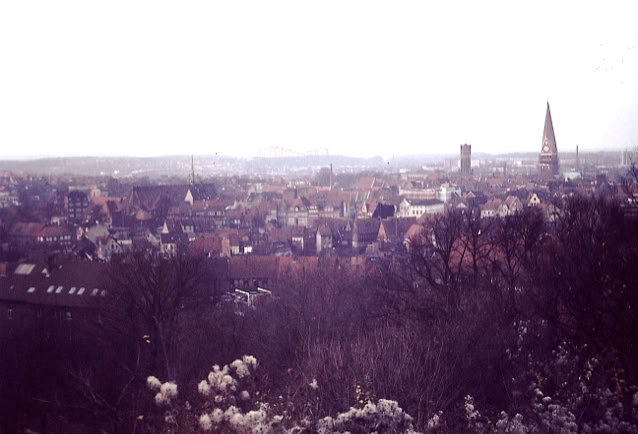
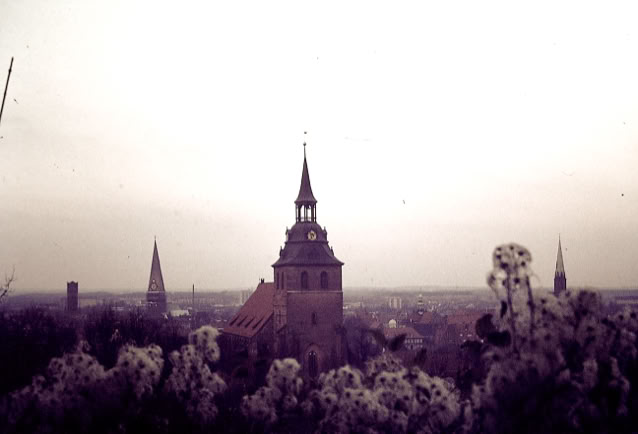
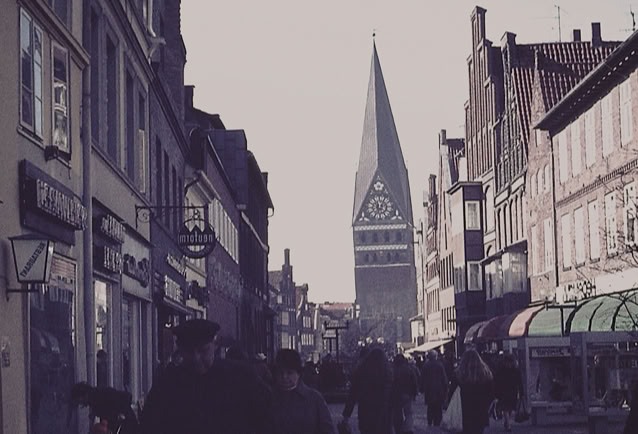
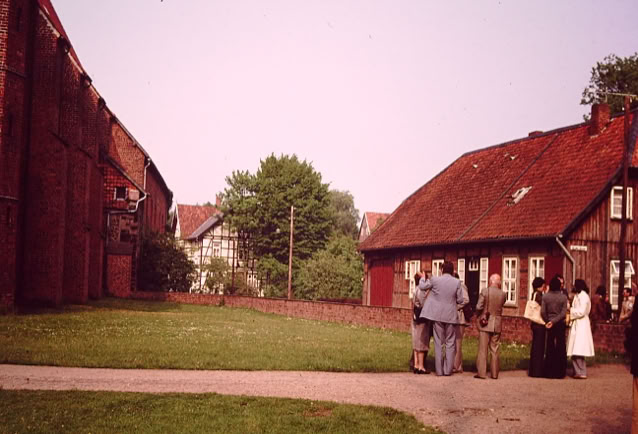
Lueneburg. Germany 1974
Global Studies: Culture/Nature
Photo A.A.Bispo©
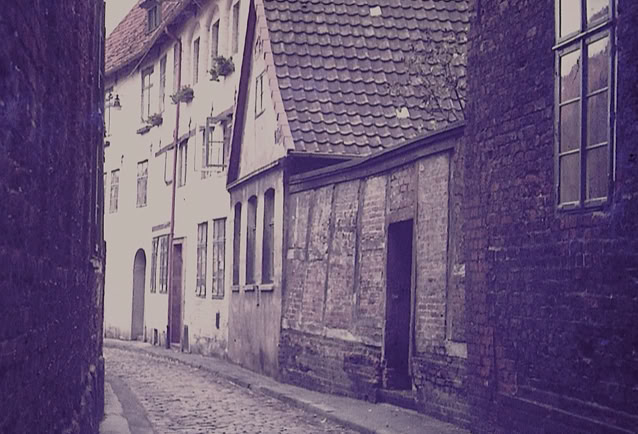
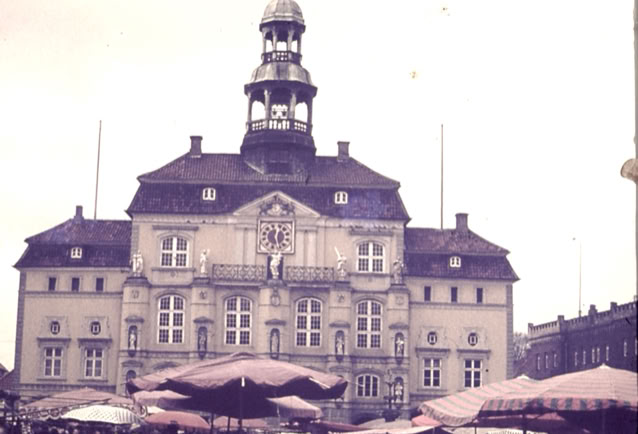
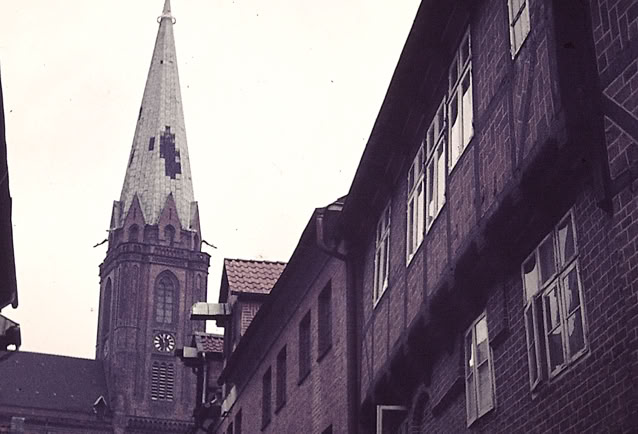
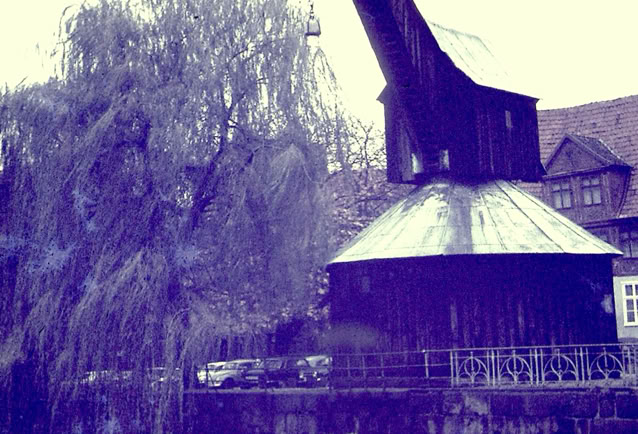
Lueneburg. Germany 1974
Global Studies: Culture/Nature
Photo A.A.Bispo©
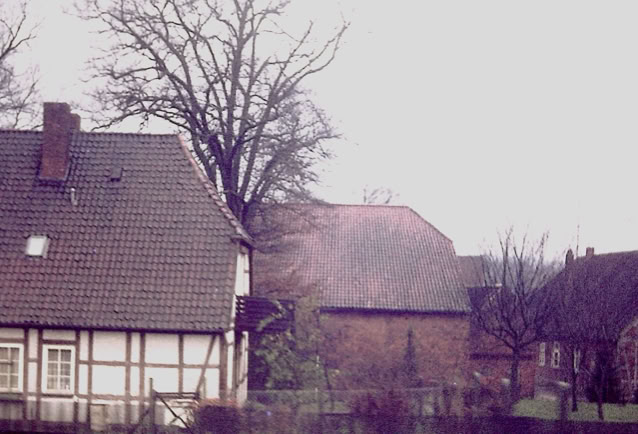
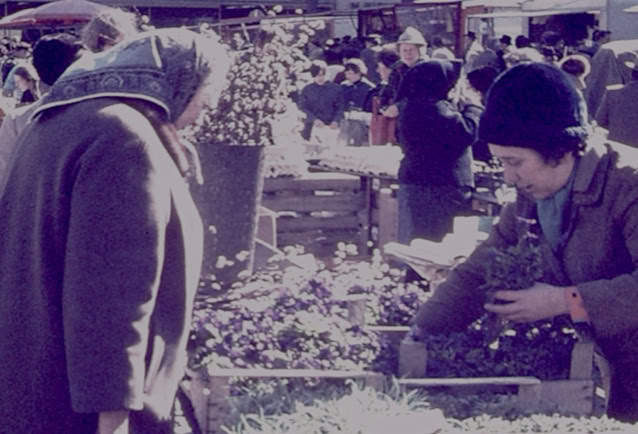
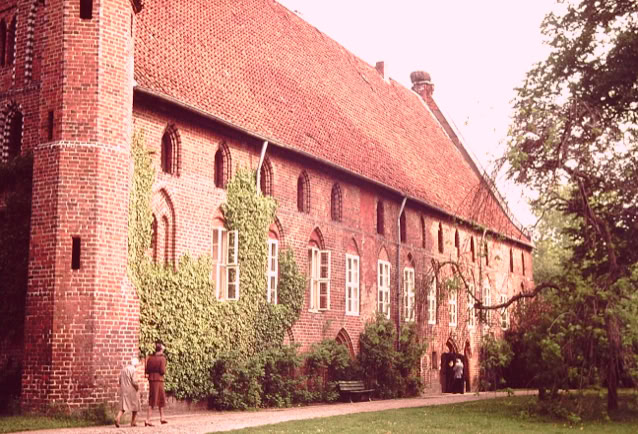
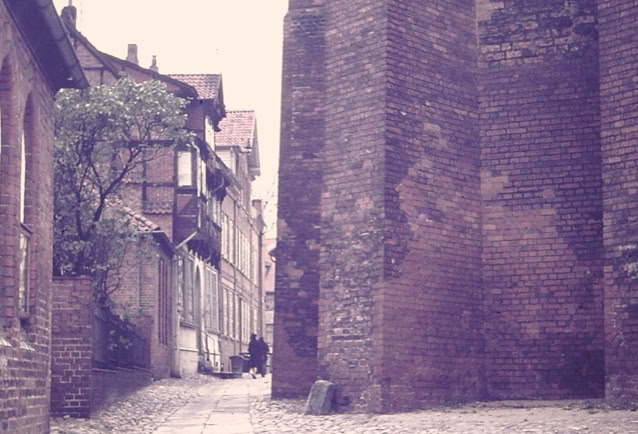
Lueneburg. Germany 1974
Global Studies: Culture/Nature
Photo A.A.Bispo©
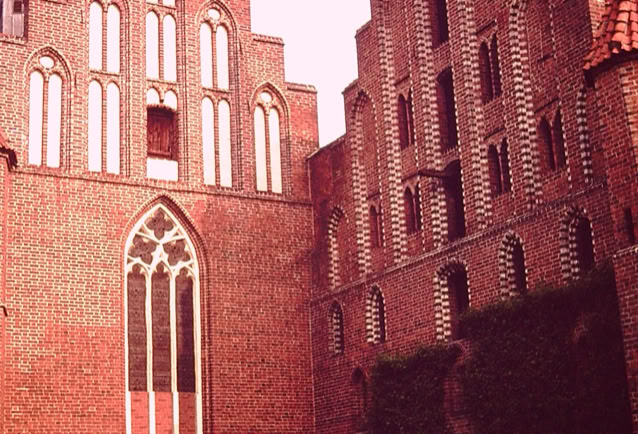
Lueneburg. Germany 1974
Global Studies: Culture/Nature
Photo A.A.Bispo©
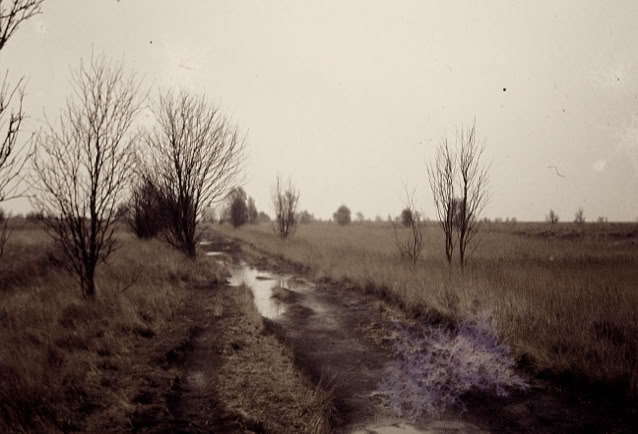
Luenebur Heath. Germany 1974
Global Studies: Culture/Nature
Photo A.A.Bispo©
Lueneburg. Germany 1974
Global Studies: Culture/Nature
Photo A.A.Bispo©
Lueneburg. Germany 1974
Global Studies: Culture/Nature
Photo A.A.Bispo©
Lueneburg. Germany 1974
Global Studies: Culture/Nature
Photo A.A.Bispo©
Lueneburg. Germany 1974
Global Studies: Culture/Nature
Photo A.A.Bispo©
Lueneburg. Germany 1974
Global Studies: Culture/Nature
Photo A.A.Bispo©
Lueneburg. Germany 1974
Global Studies: Culture/Nature
Photo A.A.Bispo©
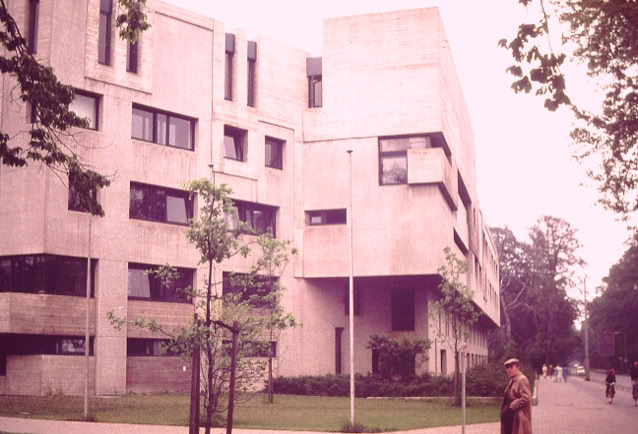
Hannover. Germany 1974
Global Studies; Culture/Nature
Photo: A.A.Bispo©
Hannover. Germany 1974
Global Studies; Culture/Nature
Photo: A.A.Bispo©
Hannover. Germany 1974
Global Studies; Culture/Nature
Photo: A.A.Bispo©
Hannover. Germany 1974
Global Studies; Culture/Nature
Photo: A.A.Bispo©
Lueneburg. Germany 1974
Global Studies: Culture/Nature
Photo A.A.Bispo©
Lueneburg. Germany 1974
Global Studies: Culture/Nature
Photo A.A.Bispo©
Lueneburg. Germany 1974
Global Studies: Culture/Nature
Photo A.A.Bispo©
Hamburg. Germany 1974
Global Studies: Culture/Nature
Photo: A.A.Bispo©
Hamburg. Germany 1974
Global Studies: Culture/Nature
Photo: A.A.Bispo©
Cities visited on events and study circuits
Portugal
Estremadura: Lisbon, Sintra, Mafra, Óbidos, Nazaré, Batalha.
Ribatejo: Tomar
Beira Interior (Beira Baixa and Beira Alta): Castelo Branco, São Vicente da Beira, Guarda, Viseu.
Beira Litoral: Aveiro, Coimbra, Leiria. Douro: Porto
Spain
Madrid
Castilla León. Ávila
Castilla-La Mancha. Toledo. Ciudad Real
Andalucia. Córdoba. Granada
Brazil
São Paulo, Itu, Pirapora do Bom Jesus, Sant’Ana do Parnaíba, Cabreúva, Jundiaí, Campinas, Atibaia, Santos
Germany
Lower Saxony: Lüneburg, Cele, Hitzacker, Soltau, Hanover, Bremen
Hamburg
Schleswig Holstein: Lübeck, Kiel, Westerland, Heligoland
Polyvalence | Urban Ethnomusicology | Immigration Studies | Ethnomusicology and Religion | Music in São Paulo in the 19th Century | Cecilianism in cultural processes | Problematics of post-conciliar sacred music |Musical Performance Practice and Empirical Research | Luso-Brazilian Studies in Brazil and Portugal | Hispanic-Brazilian Studies in Brazil and Spain | Cecilianism and Church Music in theBach-Brazil | Reception of Bach in Brazil | Bach Movement, State of Bach research, German male choirs, Bach in Lüneburg, Analysis of Bach's works, Collegium Musicum - Hamburg and Brazil, Reception of Monteverdi in Brazil, Carl Orf, Pedagogy and cultural studies, German folklore and folklore in Brazil, North Sea and Atlantic Studies
***
1974 was a decisive year in the internationalization of cultural studies developed in Brazil. The year began with a cycle of Luso-Brazilian studies in Portugal and Spain. From October onwards, these studies were conducted in Europe, based in Germany.
Since the 1960s, the need to analyze processes that transcend borders and delimitations in different senses had been recognized in São Paulo. Focusing attention on processes should contribute to opening minds and ways of seeing and acting. Visions and procedures resulting from compartmentalized ways of thinking, in categorized spheres and areas, had to be overcome.
From the outset, the studies were inter- and transdisciplinary. The theoretical conceptions were characterized by starting from music in the conduct of analyses of cultural processes. It was considered that music is not only an expression of individuals and societies, but also an agent that moves the inner self, triggering psycho-mental processes and developments. Music as a guiding principle for cultural analyses of
The analyses thus conducted should serve to clarify the cultural conditioning of humankind. Attention should be directed to the foundations of a system of conceptions and visions of the world and of humankind underlying cultural expressions. The relationships between culture and nature, between humankind and the environment acquired priority.
In January 1974, the first cycle of Luso-Brazilian cultural and musicological studies took place in Portugal and Spain. It had been prepared in previous years based on suggestions from Portuguese and Luso-Brazilian researchers. It was necessary to update knowledge and contacts, as well as to observe developments during a critical period in the overseas territories and amidst political changes in Portugal. The 1974 study cycle was supported by official bodies and various institutions. It was promoted by professors from the Faculty of Music and Artistic Education of the Musical Institute of São Paulo, with the participation of representatives of the Luso-Brazilian community, as well as cultural researchers, and architects.
Studies and research results were to be presented and considered. Libraries, cultural centers, and musical institutions were visited. The colloquia were to lay the groundwork for international cooperation in the study of cultural processes in global contexts. Several cities and institutions were visited, primarily focusing on the Culture/Nature relationship, including Lisbon, Sintra, Óbidos, Castelo Branco, São Vicente da Beira, Serra da Estrela, Porto, Coimbra, Caldas da Rainha, Aveiro, Leiria, Torres Vedras, Covilhã, Fundão and Alcobaça.
The cycle in Portugal was followed by studies and the establishment of contacts in Spain. Here too, cultural studies within Spanish immigrant circles in Brazil were to be presented and discussed as a starting point for those on Spain/Brazil relations to be developed through cooperation. Institutions in several cities were visited, including Madrid, Ávila, Toledo, Córdoba, and Granada.
An important event in São Paulo was the Arts Week at the Faculty of the Musical Institute of São Paulo. It took place during a period marked by debates centered on the concept of polyvalence in musical and artistic education, which was expected to lead to the replacement of Music Education with Art Education in higher education courses. The week involved groups and representatives from diverse areas of knowledge, the arts and education, choirs and ensembles of theater and dance, and popular traditions. Students from the fields of Ethnomusicology, Aesthetics, and Music History actively participated in its organization, as did the São Paulo Sacred Music Orchestra, created with the intention of developing a socio-culturally oriented historical-musical performance practice.
At the close of the Week, a Mass was celebrated with the performance of works by 19th-century composers from São Paulo, selected from research conducted in the 1960s at the Center for Musicological Research of the New Diffusion movement. This research stemmed from the recognition of the need to revise historiographical views of the 19th century. The attention to sacred music of the past arose from the current liturgical-musical issues of the years following the Second Vatican Council. The rediscovery and revaluation of 19th-century works demanded their consideration in international debates, which determined the attention they received in preparations for the start of the project of cultural studies in global contexts in Europe. Their re-presentation in concert in a historic church in São Paulo marked the beginning of the internationalization of studies developed in Brazil.
In Europe, the studies were initially based in Lüneburg, a city in the Lower Saxony region of Northern Germany, and were to continue in 1975 from Cologne, a city on the North Rhine/Westphalia. Lüneburg was recommended by the Bach Society of São Paulo as it is one of the German cities particularly marked by the life of J.S. Bach. Other important "Bach cities" were located in East Germany, then the German Democratic Republic. The study program and themes were discussed and supported, among others, by the Center for Research in Musicology, the Society of Sacred Music of São Paulo, the Collegium Musicum of São Paulo, and circles dedicated to early music.
The contacts and dialogues marked the beginning of Bach-Brazil studies on German/Brazilian cultural relations. The links between the Bach movement in Germany and Brazil needed to be updated and intensified from the perspective of their insertion into historical-cultural, religious, and political processes. These were conducted in cooperation with the Johannes-Kantorei of Lüneburg under the direction of the organist and composer Volker Gwinner, professor at the Hanover University of Music, where meetings were held.
The significance and function of university choirs in higher education in general, and in musicology in particular, was a topic addressed in collaborations with the Collegium Musicum of São Paulo and the Monteverdi Choir of the University of Hamburg. The role of male choirs as a starting point for Germany/Brazil studies, based on documentation gathered in research in São Paulo, was a topic discussed in traditional singing associations in Lüneburg. Studies of Culture/Nature relations were marked by excursions in the Lüneburg Heide and, above all, by the consideration of the natural environment, its waterways and ports that enabled commercial links and communications in international contexts.
Studies of Culture/Nature relations were developed in Lübeck and, to the west, in Sylt and Halgoland. The significance of the Baltic Sea and the North Sea in global studies was considered for the first time from the perspective of global studies related to Brazil. Brazilian students and students from other countries of the Goethe Institut participated in these studies. At the suggestion of Brazilian folklore researchers, a study of parallels and connections between German and Brazilian popular traditions was initiated through dialogues held at the Übersee-Museum in Bremen.
On December 2nd, the first meetings took place at the Institute of Musicology of the University of Cologne to consider the Brazilian project for the development of cultural studies in global contexts based on music, to be implemented from 1975 onwards. These meetings addressed the documentation gathered in research in Brazil, considering in particular the significance of Antonio Carlos Gomes for musicological and cultural studies in Euro-Brazilian contexts. Among other topics, the significance of Antonio Carlos Gomes was recalled.
The 1974 Lueneburg study program concluded with a colloquium with members of the Johannes-Kantorei due to Brazilian participation in the staging of J.S. Bach's Christmas Oratorio. This was followed by a cycle of studies in England and Scotland, initiating studies on Great Britain/Brazil relations.