BRASIL-EUROPA
GLOBAL STUDIES
CULTURE/NATURE

BRASIL-EUROPA
GLOBAL STUDIES
CULTURE/NATURE

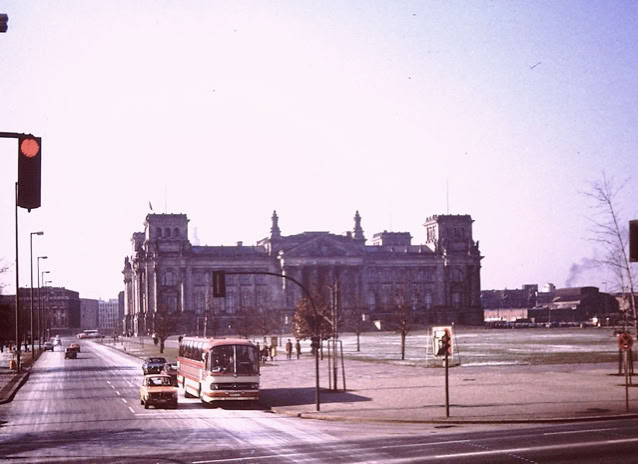
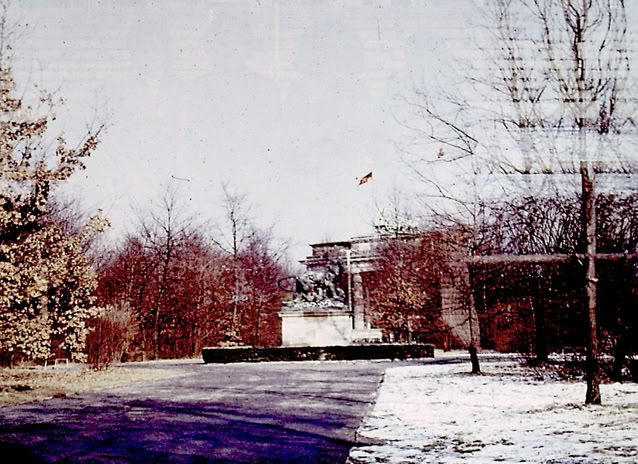
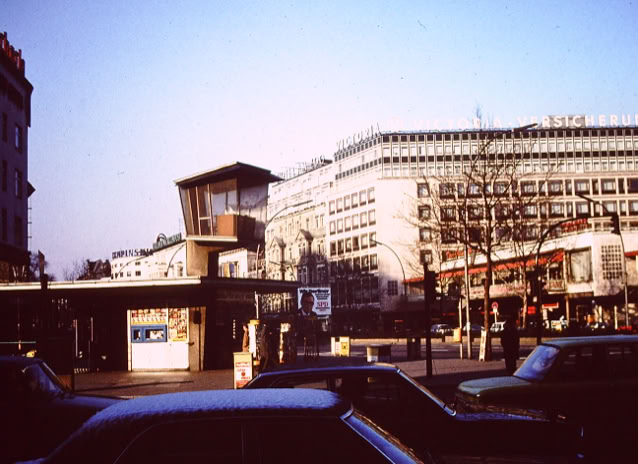
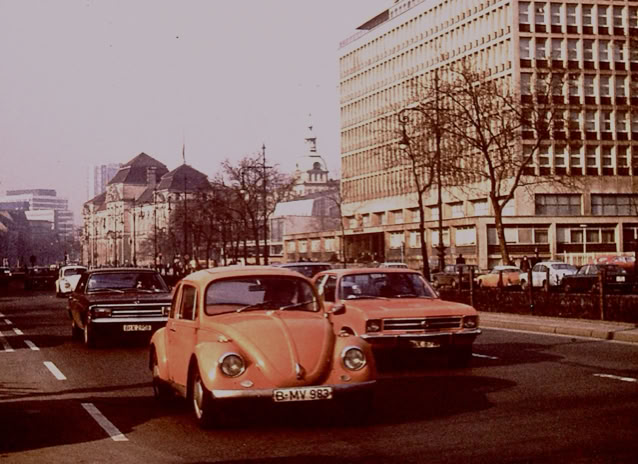
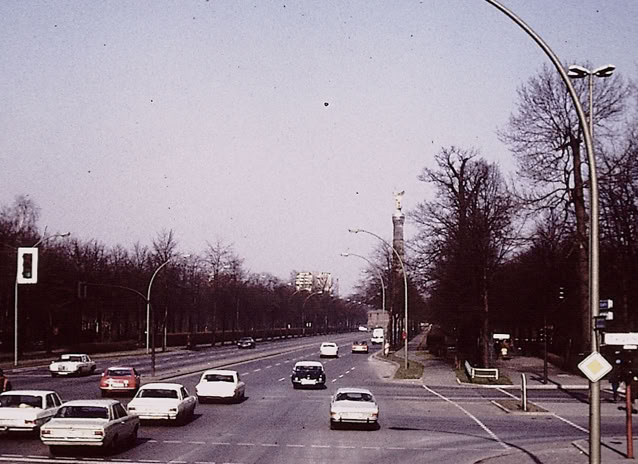
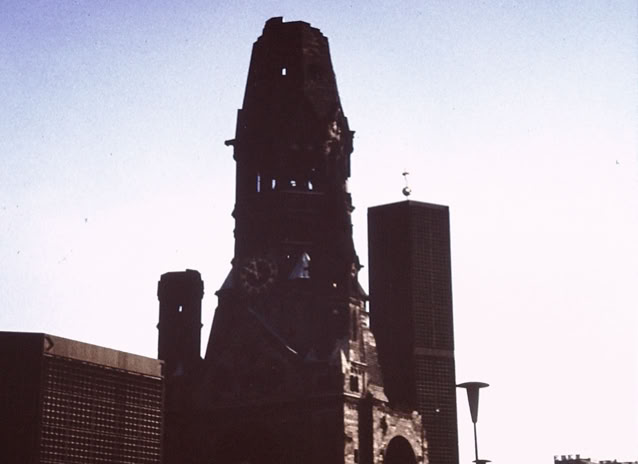
Berlin - February 1975
Global Studies: Culture/Nature
Photo: A.A.Bispo©
1975
Studies of cultural processes in global contexts
using Euro-Brazilian relations as a frame of reference
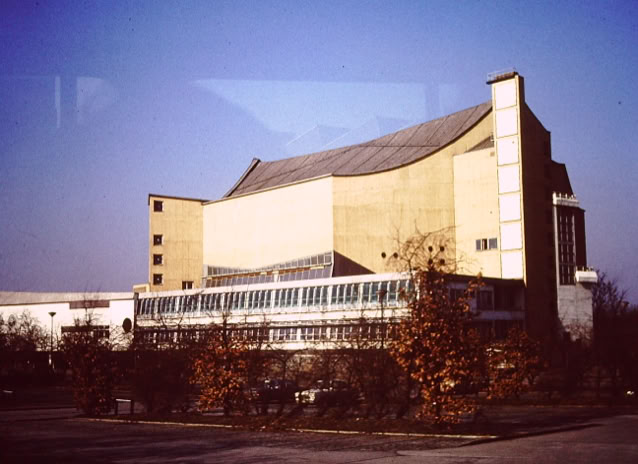
Berlin. Germany 1975
Global Studies: Culture/Nature
Photo: A.A.Bispo©
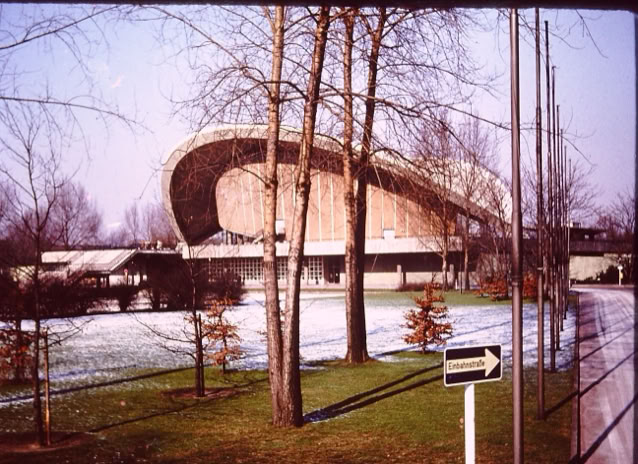
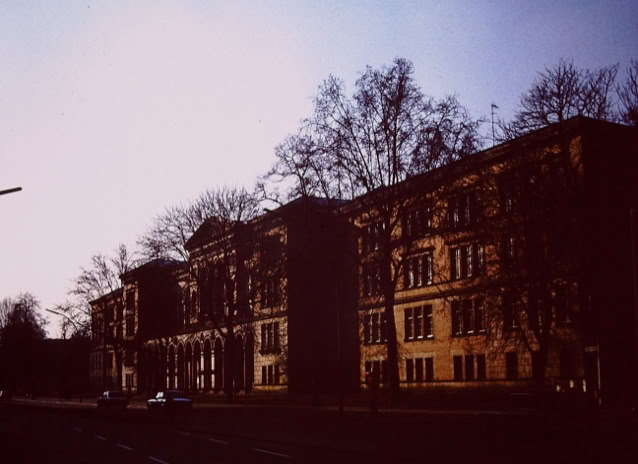
Berlin. Germany 1975
Global Studies: Culture/Nature
Photo: A.A.Bispo©
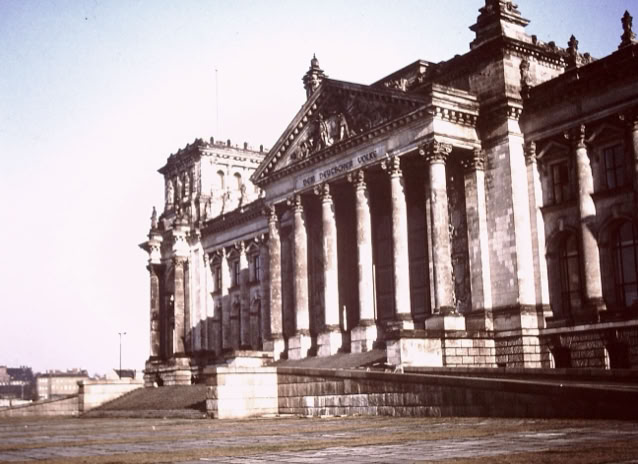
Berlin. Germany 1975
Global Studies: Culture/Nature
Photo: A.A.Bispo©
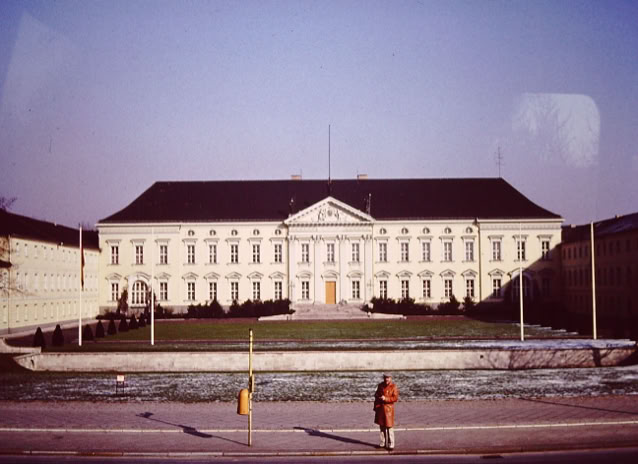
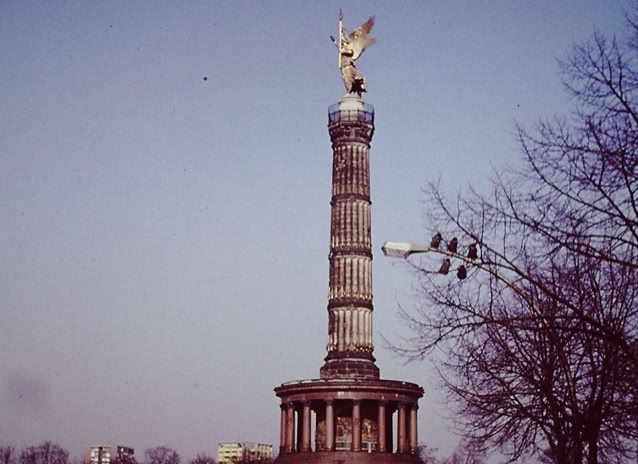
Berlin. Germany 1975
Global Studies: Culture/Nature
Photo: A.A.Bispo©
Berlin. Germany 1975
Global Studies: Culture/Nature
Photo: A.A.Bispo©
Berlin. Germany 1975
Global Studies: Culture/Nature
Photo: A.A.Bispo©
Berlin. Germany 1975
Global Studies: Culture/Nature
Photo: A.A.Bispo©
Berlin. Germany 1975
Global Studies: Culture/Nature
Photo: A.A.Bispo©
Berlin. Germany 1975
Global Studies: Culture/Nature
Photo: A.A.Bispo©
Berlin. Germany 1975
Global Studies: Culture/Nature
Photo: A.A.Bispo©
Berlin. Germany 1975
Global Studies: Culture/Nature
Photo: A.A.Bispo©
Berlin. Germany 1975
Global Studies: Culture/Nature
Photo: A.A.Bispo©
Berlin. Germany 1975
Global Studies: Culture/Nature
Photo: A.A.Bispo©
Berlin. Germany 1975
Global Studies: Culture/Nature
Photo: A.A.Bispo©
Berlin. Germany 1975
Global Studies: Culture/Nature
Photo: A.A.Bispo©
Berlin. Germany 1975
Global Studies: Culture/Nature
Photo: A.A.Bispo©
Berlin. Germany 1975
Global Studies: Culture/Nature
Photo: A.A.Bispo©
Berlin. Germany 1975
Global Studies: Culture/Nature
Photo: A.A.Bispo©
Berlin. Germany 1975
Global Studies: Culture/Nature
Photo: A.A.Bispo©
Berlin. Germany 1975
Global Studies: Culture/Nature
Photo: A.A.Bispo©
Berlin. Germany 1975
Global Studies: Culture/Nature
Photo: A.A.Bispo©
Berlin. Germany 1975
Global Studies: Culture/Nature
Photo: A.A.Bispo©
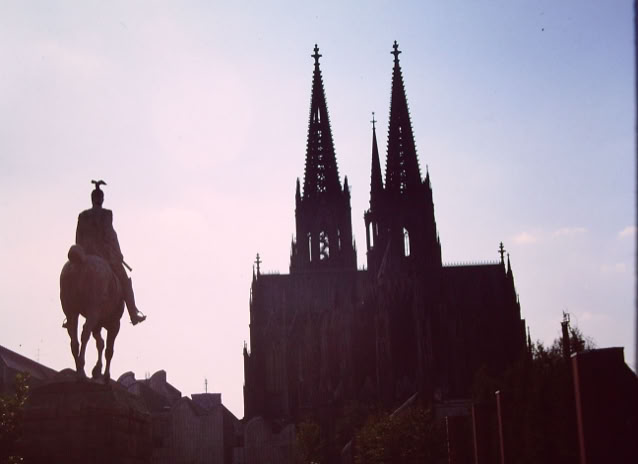
Cologne. Germany 1975
Global Studies: Culture/Nature
Photo: A.A.Bispo©
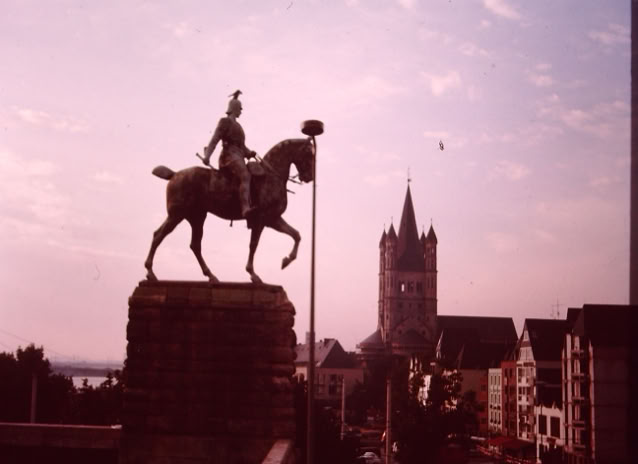
Cologne. Germany 1975
Global Studies: Culture/Nature
Photo: A.A.Bispo©
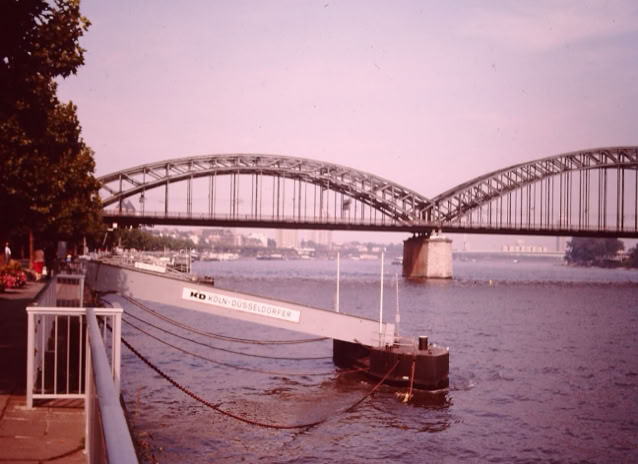
Cologne. Germany 1975
Global Studies: Culture/Nature
Photo: A.A.Bispo©
Cologne. Germany 1975
Global Studies: Culture/Nature
Photo: A.A.Bispo©
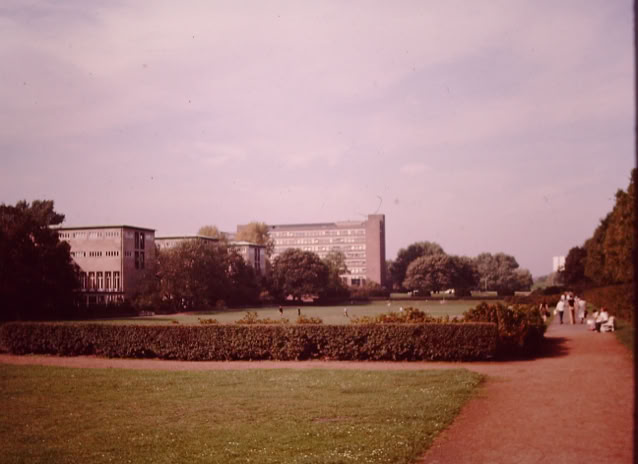
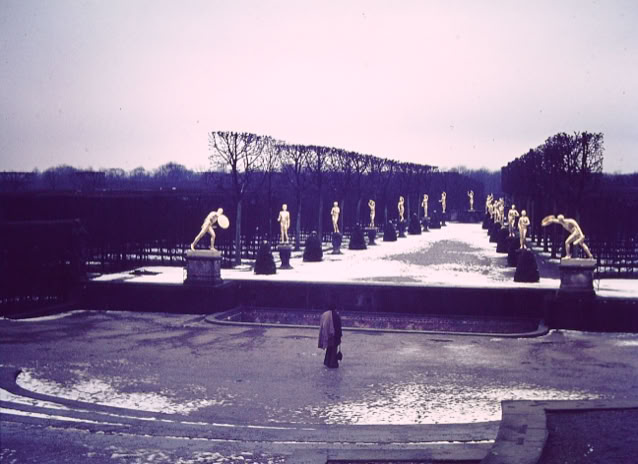
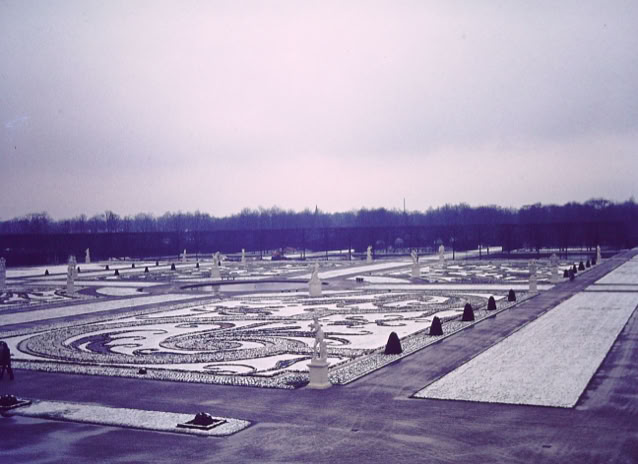
Herrenhauser gardens. Hannover. Germany 1975
Global Studies: Culture/Nature
Photo: A.A.Bispo©
Herrenhauser gardens. Hannover. Germany 1975
Global Studies: Culture/Nature
Photo: A.A.Bispo©
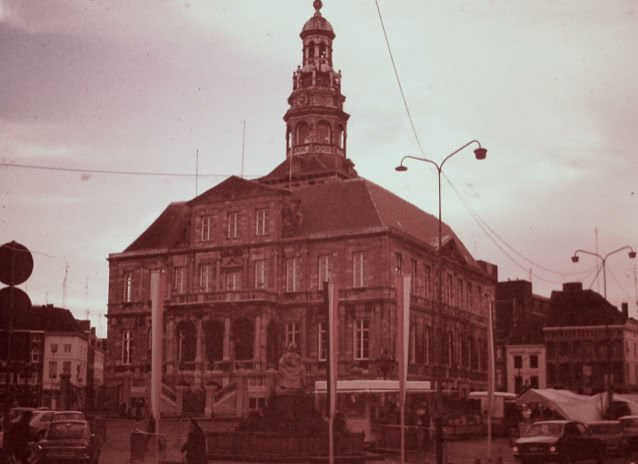
Holland 1975
Global Studies: Culture/Nature
Photo: A.A.Bispo©
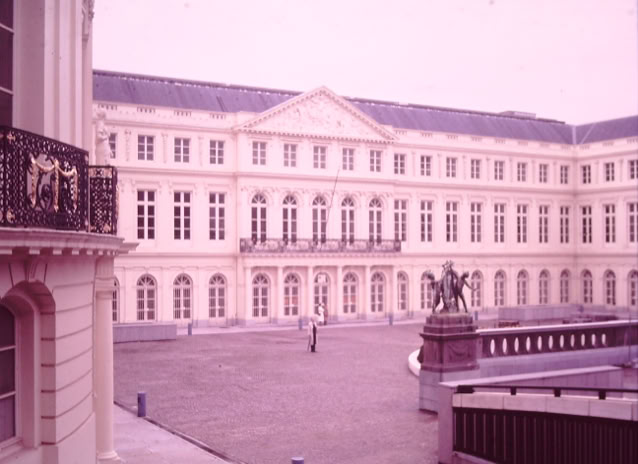
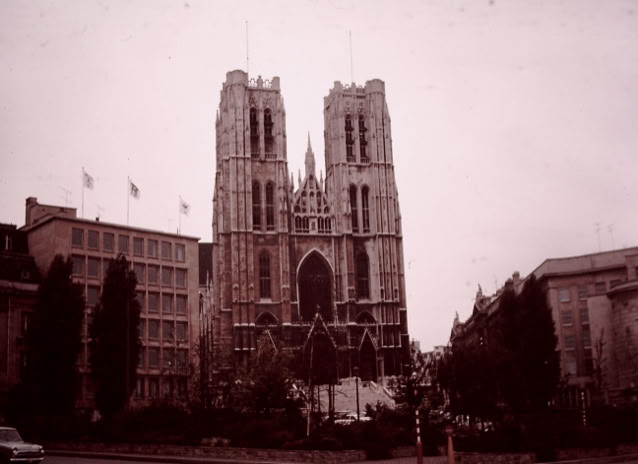
Brussels, Belgium 1975
Global Studies: Culture/Nature
Photo: A.A.Bispo©
Brussels, Belgium 1975
Global Studies: Culture/Nature
Photo: A.A.Bispo©
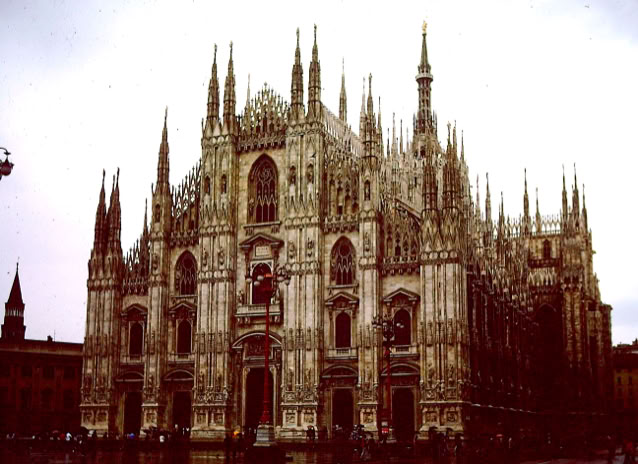
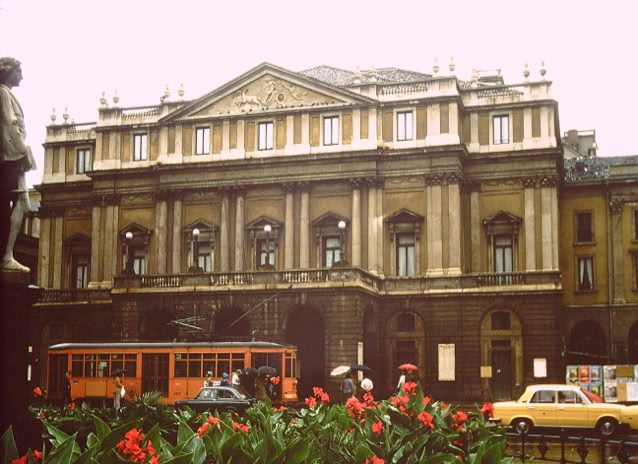
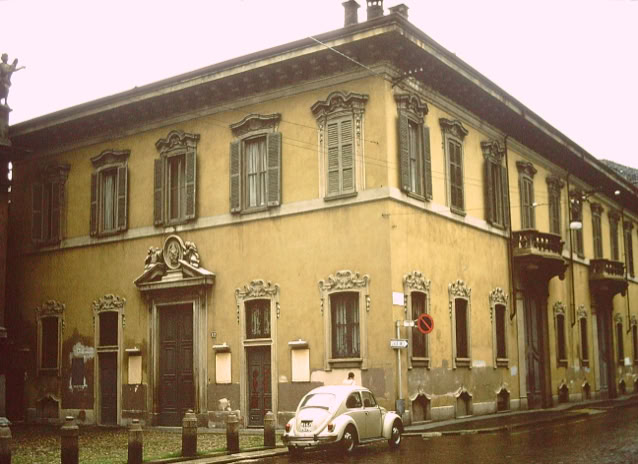
Milan. Italy 1976
Global Studies: Culture/Nature
Photo: A.A.Bispo©
Milan. Italy 1976
Global Studies: Culture/Nature
Photo: A.A.Bispo©
Milan. Italy 1976
Global Studies: Culture/Nature
Photo: A.A.Bispo©
Cities visited on events and study circuits
December 1974, January 1975
Great Britain
England
York, Harrogate, Leeds, Bradfort, Durham, Newcastle. Chester, Birmingham, Tembury Wells, Hereford, Oxford, St. Albans, Cambridge, King’s Linn, London, Eton, Windsor
Scotland
Kelso, Edinburgh, St. Andrews, Dundee, Aberdeen, Glasgow|
February
Germany
Berlin, Hamburg, Hannover, Hammel
March
Germany
Frankfurt a.M, Wesbaden
May
Germany
Mannheim, Worms, Heidelberg, Constancy, Mittenwald
Switzerland
St. Gallen, Basel, Zurich
Italy
Mailand, Siena, Florence, Rome
Austria
Viena, Salzburg
July
Belgium
Lille, Namur, Charleroi, Mons
France
Lille, Solesmes, Reims, Compiegne, Laon, Cambrai, Rouen, Amiens, Beauvais, Saint Quentin Paris, Chartres, Versailles
August
Netherlands
Amsterdam, Den Haag, Zaandam, Alkmaar, Hilversum, Gouda, Rotterdam, Breda, Tilburg, Nijmegen, Zwolle
October
Germany
Frankfurth a.M. Fulda, Bamberg, Bayreth, Regensburg, Munich
November
Belgium
Antwerp, Brussel
Topics considered at the Universität Köln
Object and aims of Ethnology | Hunting and Rituals in Ethnology and Prehistory | The historical-cultural position of the Gê groups in Eastern Brazil | Ethnology of Economics | American Studies | Art in the South Sea |
Historical-architectural practice in churches of Cologne | Museological colloquium: Practice in museums of Cologne | Cycle of images in otonic miniatures of Reichenau | European jewelry from the Renaissance to Art Nouveau | German art from 1870 to the present |
Musical periodicals | Paleographic practice: mensural notation | Paleographic practice: Tabulatures | Analysis of works | Music and musical conceptions of Greek and Roman Antiquity | History of Music of the 16th century | Organ and keyboard instruments in the 16th century | The doctrine of affections in the Baroque | Mozart and his time | Charles Ives | Acculturation in Music | Traditional music from the Far East: Japan | Musical instruments of Japan
***
Within the scope of cultural studies in global contexts related to Brazil, the year 1977 began in London.This stay concluded a cycle of studies in England and Scotland, in which a researcher from Indonesia also participated. Among the objectives of the undertaking, the survey and study of sources of cultural and historical musical interest regarding the role played by the English in global processes, especially in the context of the British Empire, was highlighted, emphasizing relations between Great Britain, Brazil, Indonesian See ans Southern Asia. Knowledge had to be updated, university institutions, museums and monuments of interest for cultural studies had to be visited, and new trends in research, teaching and practice had to be observed.
English travelers of the 19th century who passed through Brazil and studied in translations in Brazil had to be considered in their respective contexts. Among the main areas of interest was English landscape architecture in its global significance, following studies from the Faculty of Architecture and Urbanism of the University of São Paulo. Publications focused on Cultural Studies and Social Anthropology had to be consulted and institutions visited. The state and trends of musical life and musicological studies continued those developed under the direction of Eleanor Dewey, the English researcher who motivated the project of visiting Great Britain in São Paulo. Visits to places of interest for musical and musicological studies followed the information contained in the guide Musical Europe, edited by Barianne Adelmann in 1974.
The beginning of the year was celebrated with Cosiì fan tutte under Sir Colin Davis with the Orchester and Choir des Royal Opera House,Covent Garden by W. A. Mozart, a concert at Elizabeth Hall, and, in contrast, Oh Calcutta at the Duchess Theatre, a theatrical production that was advanced and daring for its time and which coincided with the liberation movement triggered by the musical *Hair* in São Paulo. This overcoming of spheres of the erudite and the popular, as well as delimitations in different senses, corresponded to the theoretical orientation directed towards processes that transcend boundaries, elaborated by the Nova Difusão movement in São Paulo and its Center for Musicological Research. Attention was also drawn to architectural and urban issues, particularly to the socio-cultural life of London neighborhoods, in line with studies developed at the Autumn Festival and the Music in Urban Evolution course in São Paulo.
On February 13th, a meeting was held in Hamburg on the occasion of the performance of Carl Orff's Carmina Burana by the Monteverdi Choir of the University, linked to Brazil through Roberto Schnorrenberg, conductor of the Collegium Musicum of São Paulo. The meeting with its director and fellow singers included the participation of other conductors and researchers, among them singers and organists from the Johannes Kantorei of Lüneburg. The aim was to strengthen relations with Brazil, highlighting the interest in Orff's work in Brazil as indicative of its musical and literary significance on a global scale, as well as the function and significance of university choirs in musical life at the university level, and the relationship between musical practice and musicology in both Europe and Brazil.
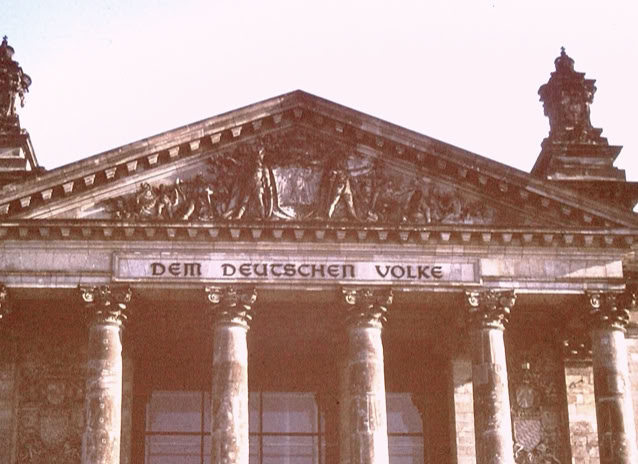
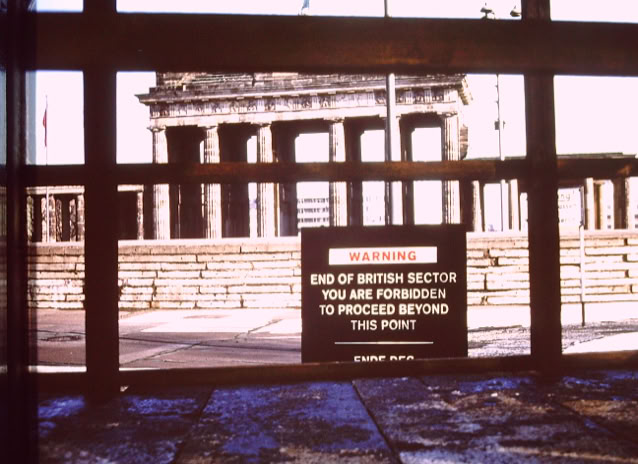
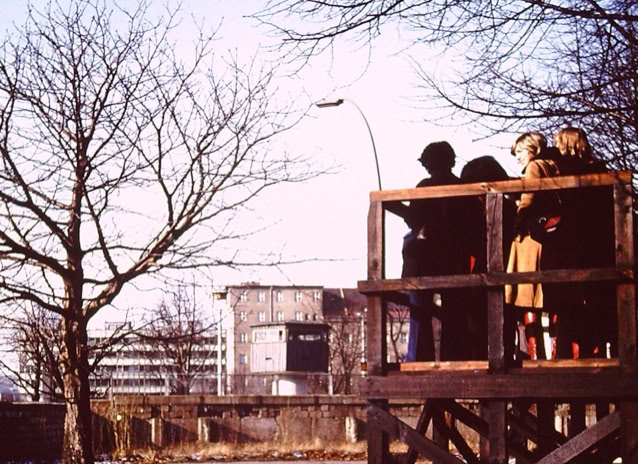
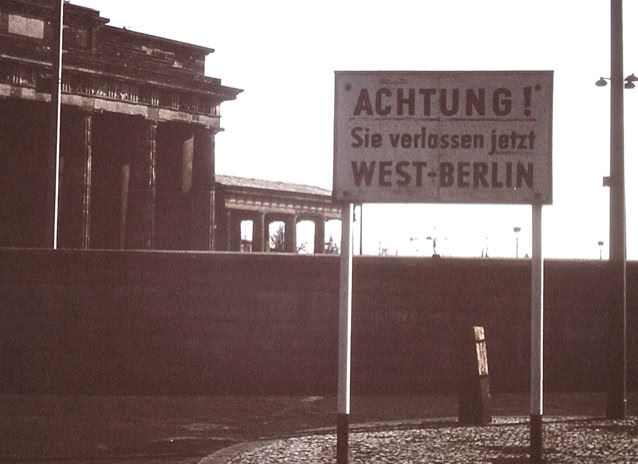
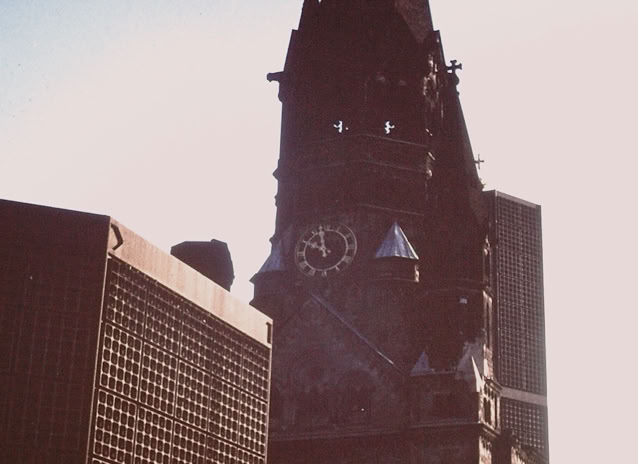
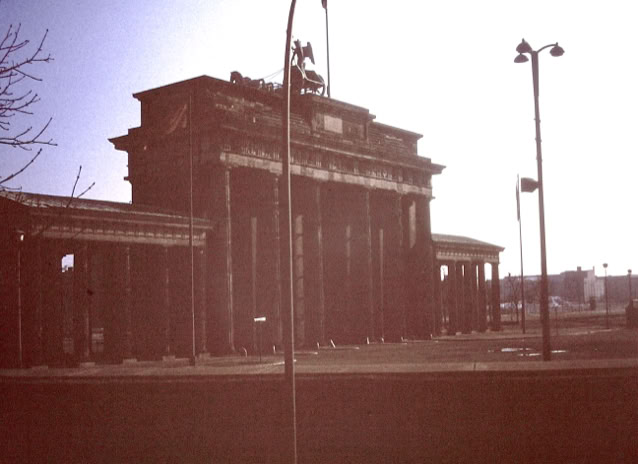
A key milestone in the study of German-Brazilian relations was a journey to Berlin organized by the German Academic Exchange Service (DAAD), a city then divided by the wall that separated it from East Berlin, the capital of the German Democratic Republic. In West Berlin, the city's situation and its social and cultural life under these political conditions were examined, as well as their implications for higher education institutions and museums. The stay in Euro-Brazilian studies benefited from the collaboration of a German researcher who had conducted studies and research in Brazil and who was affiliated with the Museum of Popular Arts and Techniques (Folklore) in São Paulo. She was recommended by Rossini Tavares de Lima to guide the work on relations between Berlin and Brazil. This researcher was associated with the Ibero-American Institute, then undergoing restructuring. She contributed her research and collection of sources and materials from the institution's library to the development of studies related to Brazil.
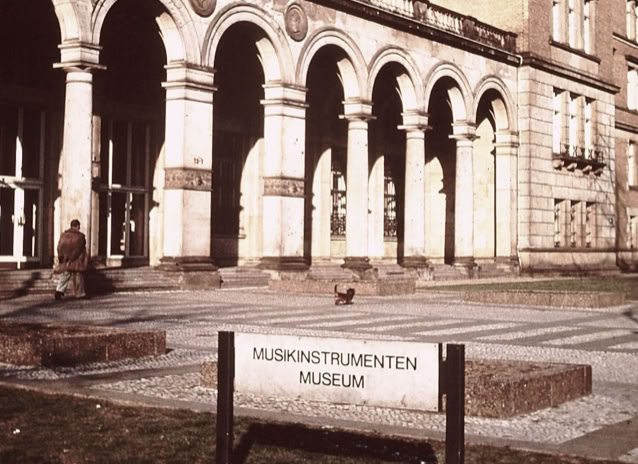
At the Museum of Musical Instruments, the focus was on conceptions related to organology from the perspective of cultural studies developed in Ethnomusicology in Brazil, which involved a critique of the classifications and systematizations of Curt Sachs/Hornbostel. This debate, pioneering in several senses, continued in the Ethnomusicology area of the University of Cologne and in a meeting at the Royal Musical Instrument Museum in Brussels. Among the concerts and performances that marked this first stay in West Berlin for the Berlin-Brazil studies, the opera performed on February 15th at the Deutsche Oper stood out.
The activities in Cologne, prepared for by the first meeting on December 2nd, 1974, began with regular meetings from the end of March. From the beginning, the studies were conducted in close relation with the project on the topic of musical cultures of Latin America in the 19th century, conceived by Karl-Gustav Fellerer and coordinated by the ethnomusicologist Robert Günther, with the participation of several Latin American researchers. This project aligned with the interdisciplinary orientation of empirical and historical studies that had characterized the Center for Research in Musicology and the Ethnomusicology course in São Paulo. In its global dimensions, it corresponded to the scope of studies focused on the analysis of cultural processes in global contexts within the Brazilian project.
The studies were developed from the outset in close cooperation with Maura Moreira, a singer at the Cologne Opera, as well as with Portuguese musicologists Maria Augusta Alves Barbosa, a professor at the National Conservatory of Lisbon, and Armindo Borges from the Azores, dedicated to historical-musical studies of Portuguese music from the Middle Ages and the Renaissance. These meetings generally took place after concerts and operas, including chamber music concerts on West German radio (WDR). An important event was a vocal recital with works from Hans Joachim Koellreutter in the auditorium of the Cologne Institute of Musicology.
Several German cities were visited and considered in reflections and studies related to Brazil. Among them, cities in Lower Saxony stood out, including Hammel, where the meaning of local stories and legends was discussed, following suggestions from folklorists from São Paulo. This visit was a continuation of those dedicated to folklore and its relationship with the image and socio-cultural life of cities, which began in Bremen in 1974.
The year 1975 was marked by the relevance of reflections, studies, and discussions concerning sacred music, as well as by debates related to liturgical-musical reforms motivated by the commemoration of the 500th anniversary of Palestrina's birth. The concerns and discussions of sacred music issues in Europe corresponded to those conducted in Brazil in the years following the Second Vatican Council. These dialogues continued those conducted in institutions such as the Studium Theologicum of Curitiba or in the group dedicated to sacred music in the study of cultural processes at the Center for Research in Musicology of the Nova Difusão movement in São Paulo. The commemoration of Palestrina was not limited to his time, but extended to continuities throughout the centuries, with particular consideration of the 19th century, which was the century of the ecclesiastical Restoration and the Cecilian movement. The sources gathered in research conducted in Brazil formed the basis of the studies and contributed to the recognition of the need for reconsiderations of the 19th century in musicology and a critical review of the conceptions and practices of Cecilianism. The centenary celebration of the Regensburg School of Sacred Music in 1974, the main center of Cecilian sacred-musical restorationism, constituted a landmark in reflections concerning the problems of Cecilianism and the need for historiographical revisions of the 19th century, especially from its extensions and consequences in global contexts, as highlighted in Brazilian studies. The theme was addressed in dialogues in different contexts, including a visit to Fulda, which, as a bishopric seat, with its cathedral and higher education institutions, is an important center of Catholicism in Germany.
A Franco-Brazilian cycle of visits took place in July 1975, involving cathedrals, monuments, and various institutions in cities in Northern France and Paris. Studies in architectural history developed at the University of Cologne, focusing primarily on French cathedrals, prepared for these visits. Among the cathedrals, those of Amiens, Laon, Beauvais, Cambrai, Saint Quentin, and Reims stood out. This cycle was primarily motivated by the intention to visit Solesmes, a center for Gregorian and paleographic studies closely related to Brazil. The meeting with monks dedicated to Gregorian chant was prepared in Brazil within the framework of the medieval chant study group of the Center for Research in Musicology and the Pio X Institute of São Paulo. The aim was to present trends towards reconsidering Gregorian research from cultural perspectives more specifically focused on overcoming the still-prevailing historicist views of the 19th century.
In August 1975, a visit was made to the Royal Conservatory of The Hague, where Brazilian musicians dedicated to early music performed. This was followed by visits to museums in Amsterdam and other cities in the Netherlands, especially the Instrumental Museum in Utrecht.
In October, a seminar held in Frankfurt by the International League for Social Work focused on labor issues in Brazil for professionals trained or specialized in Germany. The seminar addressed the problem faced by these professionals and specialists due to their field of study not being properly institutionalized in universities, forcing them to engage in activities inconsistent with their training. It also mentioned socio-psychological issues, considering the experiences of those who, returning from Europe, were not always well received, leading to disappointment and attempts to return.
Also in October, a meeting was held with professors and researchers at the School of Sacred Music in Regensburg, motivated by its centenary the previous year. A colloquium with professors from the school and other researchers addressed the reception of Cecilianism in Brazil, the state of research, and the need to revise historiographical perspectives. The study of documents continued in institutions in Munich, marking the beginning of studies on relations between Bavaria and Brazil. Among the topics discussed were the Christmas Matins of José Maria Xavier, as they were printed in Munich at the end of the 19th century, as well as the significance of presenting the works of Henrique Osvald in the first decades of the 20th century from transnational perspectives.
The activities of the 1975 Culture/Nature in Cultural Processes program culminated in a study tour in France and the Pyrenees region. Several cities and institutions in Alsace, Languedoc, and Occitania were considered. Studies in cultural archaeology were related to those of the early centuries of Christianity and the Middle Ages, developed at the University of Cologne. Starting in Strasbourg, where one of the main focuses was architecture, particularly the cathedral and its images, a high point of the tour from the perspective of urban history was Carcassonne. In southern France, Montpellier stood out for its significance to the history of university studies. Studies of popular traditions and ethnomusicology were carried out in close cooperation with Brazilian folklorists from the Brazilian Folklore Association, directed by Julieta de Andrade. The itinerary of the Pyrenees study tour developed from Andorra.
The studies of Ethnology or Social and Cultural Anthropology in Euro-Brazilian studies developed from the Institute of Völkerkunde at the University of Cologne were guided by Ulla Johannsen, an ethnologist born in Tallinn, who studied in Hamburg and stood out above all for her studies of Siberian peoples. Her main focus was on the discussion of theoretical and scientific issues, concepts, objectives and methods of Ethnology, source criticism, and especially current trends in British social anthropology. Johannsen promoted the deepening and systematization of the study related to the analysis of social networks in the study of cultural processes, whose significance had already been recognized in Brazil.
Source criticism in ethnology was primarily discussed based on the scholarly study of indigenous peoples of the North, Siberia, Alaska, and North America. Past publications were examined from the perspective of fieldwork and critically read with regard to their premises and contextualization. With respect to the Americas, the indigenous peoples of Alaska and Canada were discussed in light of studies conducted in Brazil. The work of Ernest William Hawkes was chosen as the subject of critical study because he also dealt with music and dance. This American anthropologist, born in Massachusetts, who studied at Dakota Wesleyan University and Pennsylvania University immediately before and during World War I, published Dance Festivals of the Alaskan Eskimo in 1914, which presented the results of his three-year stay in the Bering Strait District, including St. Michael—where he worked as a teacher—and the Diomede Islands. In St. Michael, he was able to experience the Inuit Messenger Feast. The discussion with Ulla Johansen revolved around Hawkes' 1916 work, The Labrador Eskimo, in which he recounts his experiences gathered in 1914 in Hudson Bay as part of the Geological Survey of Canada's work. This engagement with the indigenous peoples of the North laid the foundations for his later studies, which focused on indigenous cultures—including those of Brazil—within a global context.
One of the most important problems in ethnology, particularly concerning the study of the indigenous peoples of the Americas, is that of source research. The adequate use of data from written documents, historical travelogues, and old publications is a major concern in studies in Brazil. It hinders efforts to compile sources and literature, as can already be seen in Herbert Baldus's bibliography from the 1950s. The careful consideration of historical sources is indispensable, especially for the study of indigenous peoples. Only through the data gleaned from them can cultural changes be investigated, which is the main focus of researchers engaged in acculturation studies, such as Egon Schaden.
Connections with ethnology and ethnomusicology in Brazil were made possible through my association with the ethnologist H. Kühne, whose main focus of study was the indigenous groups of South America, especially Brazil. Due to his age, he had experienced the history of ethnographic research and teaching in the 20th century. Thanks to his training and experience, he brought to consciousness the significance and problems of forgotten literature or publications, as well as the questions they raise.
Connections with ethnology and ethnomusicology in Brazil were made possible through my association with the ethnologist Heinz Otto Kühne, whose main focus of study was the indigenous groups of South America, especially Brazil. Due to his age, he had experienced the history of ethnographic research and teaching in the 20th century. Thanks to his training and experience, he brought to awareness the significance and problems of forgotten literature or publications, as well as the questions they raise.
Kühne had been a lecturer at the Institute of Ethnology at the University since 1972/73 and, as an expert in the ethnology of indigenous peoples of South America, was a suitable partner for carrying out the project from an ethnological perspective. Although he had no fieldwork experience in Brazil, precisely for that reason he was intimately familiar with the specialist literature and, above all, with the development of research, thinking, and methods in German-speaking countries over the past 50 years, which he had experienced firsthand through his studies and museum work, with all its political implications and difficulties. His decades of experience gave him insider knowledge of names, institutes, projects, contexts, and connections that were little known, forgotten, or even suppressed. This made Kühne exceptionally important for a project that combined cultural and scientific studies and focused primarily on theoretical approaches in research and networks of academic work.
In 1975, Kühne held a seminar on cultural-historical position of the East Brazilian Ge Tribes. From the Brazilian perspective, attention was focused on the contact and integration of the Xokleng (Aweikoma) and the Botocudo of southern Brazil. This analysis drew on findings from the 1973 trip to Santa Catarina undertaken by the Centro de Pesquisas em Musicologia (Center for Research in Musicology), as well as from admitted contacts with missionaries in the reserves of Posto Velho, Rio dos Pardos, and Ibirama. Using existing publications, the seminar highlighted the serious consequences suffered by the Xokleng at the hands of the colonists in Santa Catarina and Paraná. The examination of the processes of contact and integration of the Xokleng is discussed in the context of the problems of territorial development and appropriation, and of colonization in general. The inhumane processes of this integration were also discussed in light of racial theories prevalent among colonists at the time. Studies on the impact of humans on the natural environment are identified and discussed.
In informal library discussions, Kühne and the participants discussed German-language ethnological publications and travelogues, focusing on information relevant to ethnomusicology. Furthermore, due to his own background, he possessed a wealth of knowledge, perhaps more so than any other ethnologist, of German-language literature that had fallen into oblivion for various reasons. Accordingly, popular science works and adventure novels were also considered and discussed with critical attention.
A seminar led by Waldemar Stöhr, promoted by the Institute of Ethnology and the Rauten-Strauch-Joest-Museum of Ethnology in Cologne, focused attention on the South Sea, the Pacific, and Oceania in cultural studies within global contexts, including those related to Brazil.
Stöhr devoted himself in particular to the religions of the numerous ancient peoples of Indonesia, while Piet Zoetmulder took on the presentation of the major religions.On ethnomusicology, introduced in São Paulo in 1972, the insular world of the South Pacific was addressed based on the possibilities of existing library literature. The importance of studying Oceania in South America inevitably became apparent when the countries of the east coast of South America were discussed. Awareness grew of the need for careful consideration of hypotheses regarding connections between indigenous groups in Brazil and peoples of the South Seas. Organological studies of indigenous musical instruments, in particular, pointed to parallels and similarities indicating migrations in ancient times. Stöhr focused specifically on the religions of Indonesia's numerous indigenous peoples, while Piet Zoetmulder addressed the major religions.
The discussion revolved around the interactions between tribal and major religions, as well as the respective changes that gave rise to new forms of religion and were also expressed in art and music. However, the distinction between tribal and major religions was criticized in the theoretical considerations. This distinction was criticized from many perspectives. It revealed a way of thinking and seeing that is oriented towards hierarchy and compartmentalization, a topic that had been the subject of discussions within the Nova Didições uir (New Divisions) movement for the renewal of cultural and musical studies in Brazil since the mid-1960s.
Studies of cultural processes related to Brazil, developed from the University of Cologne in 1975, were marked from a special consideration of themes related to architecture and the arts. These studies continued those carried out in Brazil since the 1960s. They were part of the development of interdisciplinary studies, analyses, and reflections conducted at the University of São Paulo, the Museum of Contemporary Art, and in the areas of Art History and Visual Communication at the Faculty of Architecture and Urbanism, as well as in courses on Art History and Aesthetics in their relations with music at conservatories, at the Center for Research in Musicology of the New Diffusion movement, and in the discipline of Aesthetics and in courses on Perception at the Faculty of Music and Art Education of the Musical Institute of São Paulo. Teachers and students from these disciplines continued to participate, through correspondence and meetings, in the work developed in Europe.
These close links between studies and architecture and urbanism meant that, from the beginning of academic activities in Europe, cities, historical monuments, and construction trends were considered during studies circuits in different countries. In Cologne, the studies stemmed from the themes of courses held in the Department of Architectural History at the Institute of Art History at the University of Cologne, directed by Günther Binding, an architect and renowned researcher of medieval architecture who would later become rector of the university. The studies began with a colloquium addressing architectural issues in Brazil at the institute itself. Its specialization and the significance of the heritage constituted by medieval churches in Cologne and Germany in general led the studies to focus primarily on the history of medieval architecture, carrying out exercises in interpreting the architecture of romanesque churches. These studies were conducted within the framework of the Euro-Brazilian project, based on a theoretical orientation focused on cultural processes in global contexts, which meant directing attention primarily to the historicist reception of medieval architecture in Brazil within the context of ecclesiastical restorationism of the 19th and 20th centuries. From this perspective, studies of European architecture began to be conducted within their context of historical and cultural processes in global settings, and studied in terms of their meanings and foundations.
The art history studies within the project were primarily mentored by Heinz Ladendorf, director of the Kunsthistorisches Institut at the University, a researcher who stood out not only for his publications but also for the exemplary nature of his personality, presence, and attitudes, and for the refinement of his expressions, which manifested itself in the rhetoric of his explanations and analyses. Ladendorf had studied art history, archaeology, and history in Berlin, Leipzig, and Prague, where he also participated in the university choir. This interest in music contributed to the attention he devoted to the Brazilian project for the development of cultural studies with a musicological focus. The fact that he had participated in the administration of palaces and gardens in Berlin and was director of the Palace Library in the 1930s and 40s demonstrated his interest in issues concerning the Culture/Nature relationship of the project developed in Brazil. His theoretical orientation, his perspectives, his themes, and his treatment of Art History, marked by keen attention to terminology, precision of language and conservatism, contrasted sharply with the progressive tendencies of theorists dedicated to Art and Communication such as Décio Pignatari, and professors of Art History and Visual Communication at the Faculty of Architecture and the Museum of Contemporary Art of the University of São Paulo. His attention – also in terms of relations with Brazil – thus focused primarily on works and themes from centuries prior to the 20th, and especially on iconographic and iconological issues. A thematic complex that had not been given due attention in Brazilian studies was that focused on the study of ornaments by Gisela Zick. Her studies of jewelry in the history of art proved to be of particular relevance to Brazil as a country marked by mineral and gem wealth.
Participation in academic events held in cooperation with museums motivated the consideration of museological issues and exhibitions of works of art. Observations of procedures in German museums, their approaches, thematic focuses and practical procedures with regard to the conservation and presentation of objects, public relations and education were of theoretical and practical importance.
The theoretical orientation of the Brazilian project, focused on processes of cultural studies based on music related to Brazil, demanded that musicology play a primary role. The studies, reflections, and dialogues, originating from the Institute of Musicology in Cologne, had as their main mentor its director, Heinrich Hüschen. Musicologists from Cologne were already in contact with the Center for Research in Musicology and with the areas of Music History and Ethnomusicology of the Musical Institute of São Paulo, notably Karl-Gustav Fellerer and Marius Schneider. Although the name of Thrasybulos Georgiades in Munich was also considered as a possible mentor for the project, it was directed and marked by the personality, conceptions, and thematic interests of Heinrich Hüschen, a renowned researcher of musical theory and conceptions of Antiquity, the Middle Ages, and the Renaissance, known internationally for his publications and, among others, for his articles in the encyclopedia Die Musik in Geschichte und Gegenwart or in Acta musicologica. At the first meeting in Cologne, in 1974, contacts were also established with other musicologists who would collaborate in the development of the studies, in particular with Karl-Gustav Fellerer, with ethnomusicologist Robert Günther, coordinator of a project on music in 19th-century Latin America, and the Portuguese researchers Maria Augusta Alves Barbosa from the National Conservatory of Lisbon and Armindo Borges, both focused on studies of the 15th and 16th centuries.
The work began with a bibliographic survey and a search of library sources related to Brazil, following up on the one concerning Portugal carried out by M. A. Alves Barbosa. Particular attention was given to musical periodicals. For the first time, a survey was conducted, as well as contextualized examinations of Brazilian music periodicals and texts related to music in various publications, magazines, and newspapers. This survey was carried out with the collaboration of Mercedes de Moura Reis Pequeno from the Music Department of the National Library of Rio de Janeiro, who is active in international projects involving libraries and musical sources such as the International Association of Music Libraries, Archives and Documentation Centres (IAML) and the Internationale Vereinigung der Musikbibliotheken, IAML.
Music and the role of music in the philosophy of Greco-Roman antiquity was a topic given special attention in 1975. The objective was to update knowledge and procedures that characterized the treatment of Antiquity in publications and courses on the History of Music in Brazil, and to discuss theoretical perspectives developed in Brazilian studies. The few preserved musical sources from Late Antiquity, already considered in São Paulo, were carefully studied. The theoretical-musical significance of the studies was central. The transformations that occurred in the Christian era, despite the persistence of terms and images, constituted the main reason for consideration. The need for a comprehensive orientation of studies, of an interdisciplinary nature and directed towards the study of music in its insertions within a system of worldview and of humankind, and of its continuity and transformations in cultural processes, was recognized. The study of ancient foundations of a cultural edifice transplanted to extra-European regions discovered and colonized, such as Brazil, which would mark subsequent developments, began in 1975. The studies and reflections of 1975 shaped the development of the project in the years that followed, leading to studies in locations of particular archaeological significance in different countries.
The history of music in the 16th Century was another of the main objectives of musicological studies developed in cooperation with Portuguese researchers at the Institute of Musicology of the University of Cologne. The primary objective of these studies on the History of Music in the 16th Century was to obtain an overview of the studies, the situation, and the trends in research. The literature was studied and discussed from the theoretical orientation of a cultural nature developed in Brazil.
The Portuguese musicologists Maria Augusta Alves Barbosa and Armindo Borges were developing studies of composers, theorists, and works of the 16th century in Germany. With the support and collaboration of Karl Gustav Fellerer and Heinrich Hüschen, these Portuguese researchers had contributed to the extraordinary interest in the history of music in Portugal within their European insertions at the institute. As the century of the Discoveries, including Brazil, the 16th century has always been of extraordinary significance for Luso-Brazilian studies, one of its landmarks being reflections initiated in Cabrália, Bahia, in 1973. It was recognized that these studies require considering music in Portugal from the perspective of cultural processes and their interactions within the broader context of European expansion. The perspective from a Brazilian standpoint differed in many aspects from the continental one, raising other questions and thus contributing to the development of a musicology oriented towards cultural processes in global contexts. Developments in the ecclesiastical sphere, particularly those leading up to and following the Council of Trent, began to be addressed in their global dimensions.
The Theory of Affects (Affektenlehre) was one of the most impactful themes in Brazilian studies in 1975, as it had not been carefully considered until then based on data from historical treatises. Its consideration not only opened new perspectives for the analysis of historical sources gathered in research in Brazil but also contributed to the foundation of conceptions developed since the 1960s at the Center for Musicological Research concerning cultural studies conducted through music, considering that music is not only an expression but also a driving force of affects and thus of psycho-mental processes in man and society.
In the field of early music studies, continuing those developed within the practice of early instruments in the Paraphernalia ensemble since 1969, studies of notation, paleography, and tabulature were carried out. The study and practical exercises were developed under the guidance of Detlef Altenburg. This professor, who had recently received his doctorate (1973), maintained close contact with researchers dedicated to the development of studies in Portugal and Brazil.
Through these professional and human connections, studies played a relevant role in the developments that led to the university institution of Musical Sciences in Portugal and the founding of the Brazilian Society of Musicology. At the Center for Musicological Research of the Nova Difusão movement, studies were developed in cooperation with the guitarist Henrique Pinto, playing a significant role in reflections and research concerning the guitar, the viola, and other plucked string instruments. One of the main objects of study was El Maestro de Luys Milán (†1561), a Spanish vihuela theorist and performer. Studies in international collaborations began in Lüneburg, in Northern Germany, in 1974/75, and were carried out with the organist Volker Gwinner , professor of organ at the Hannover University of Music. Among the authors and works particularly studied, Samuel Scheidt and his Tabulatura Nova (Hamburg, 1624) stood out, one of the main representatives of the history of the organ in northern Germany.
One of the focal points of the 1975 studies was Mozart and his era. The bibliographic survey, the observation of the history and trends of Mozartian research in its multiple aspects, was considered in its significance for the study of global processes and the reception of works by Mozart and his era in global contexts. Works uncovered in research by authors of the Mannheim school in Brazil attracted attention and motivated historical and ethnomusicological reflections and studies. The performance of works by Mozart and Haydn in Rio de Janeiro at the beginning of the 19th century was considered in its insertion into European political-cultural processes in its relations with Brazil during the Restoration period. The extraordinary significance of the studies in the Euro-Brazilian project stemmed from the cultivation of works by Mozart, Haydn, and contemporaries in German-language circles in São Paulo, linked through Martin Braunwieser to Salzburg. During the academic event, sessions were held in cities such as Mannheim and Salzburg.
The study of 20th-century music in cultural processes was one of the main objects of study and reflection within the Brazilian project, as it had marked developments, studies, and events since the mid-1960s. They had contact with the collaboration of Paulo Affonso de Moura Ferreira, founder of the Brazilian Society of Contemporary Music, composers and organizers of new or avant-garde music festivals, such as Gilberto Mendes, and members of the Bahia group such as Lindenbergue Cardoso, Walter Smetak, and especially Ernst Widmer. Ernst Widmer's stay in Cologne, in particular, contributed to the continuation of reflections concerning the cultural diffusion of the movement initiated in São Paulo. The studies were conducted in collaboration with composers working as professors at the contemporary music institute of the Cologne University of Music, as well as in the area of electronic music at the University of Music under the direction of Johannes Fritsch of Karl Heinz Stockhausen's group. At the university, 20th-century music was considered from the perspective of Charles Ives. American composer studied in a seminar conducted by Dietrich Kämper.
In Ethnomusicology, studies have focused primarily on theoretical issues related to acculturation, addressed in a colloquium held with the participation of researchers from other European institutions. The concept and possibilities of its application had already been considered in Ethnomusicology in São Paulo, and the results of reflections and research were presented and debated. It was recalled that, starting from the discussion of Egon Schaden's work dedicated to indigenous cultural changes, work on music in acculturative processes experienced by immigrants of different origins in São Paulo was developed in the Ethnomusicology course at the Faculty of Music and Music Education of the Musical Institute of São Paulo, considering the theme from an educational perspective.
Studies on Japanese acculturative processes developed in São Paulo were discussed in academic events dedicated to Japanese music. The research conducted in Brazil was pioneering in several aspects in Japanese studies within ethnomusicology, as it addressed generational situations in their integration into a cosmopolitan metropolitan society outside of Japan. The fact that Cologne was a center for Japanese studies with its cultural institute contributed to the attention given to Japan in studies of cultural processes in global contexts related to Brazil in the years that followed.
In acoustics, the work was directed by Jobst Fricke. The acoustic research from a musicological perspective complemented the architectural acoustics studies developed at the University of São Paulo in 1969. In the project, the designation of systematic musicology could not be limited to acoustics. Emphasis was placed on and discussed on the concept developed in Brazil that the object of cultural analysis based on music should be the investigation of a system of conceptions and visions of the world and of humankind underlying it, as well as the systemic mechanisms that culturally condition humankind and society.
Brazil and the project Musical Cultures of Latin America in the 19th century in the 70s
The Rhineland Catholicism of Cologne and Euro-Brazilian studies in their multifaceted meaning