BRASIL-EUROPA
GLOBAL STUDIES
CULTURE/NATURE

BRASIL-EUROPA
GLOBAL STUDIES
CULTURE/NATURE
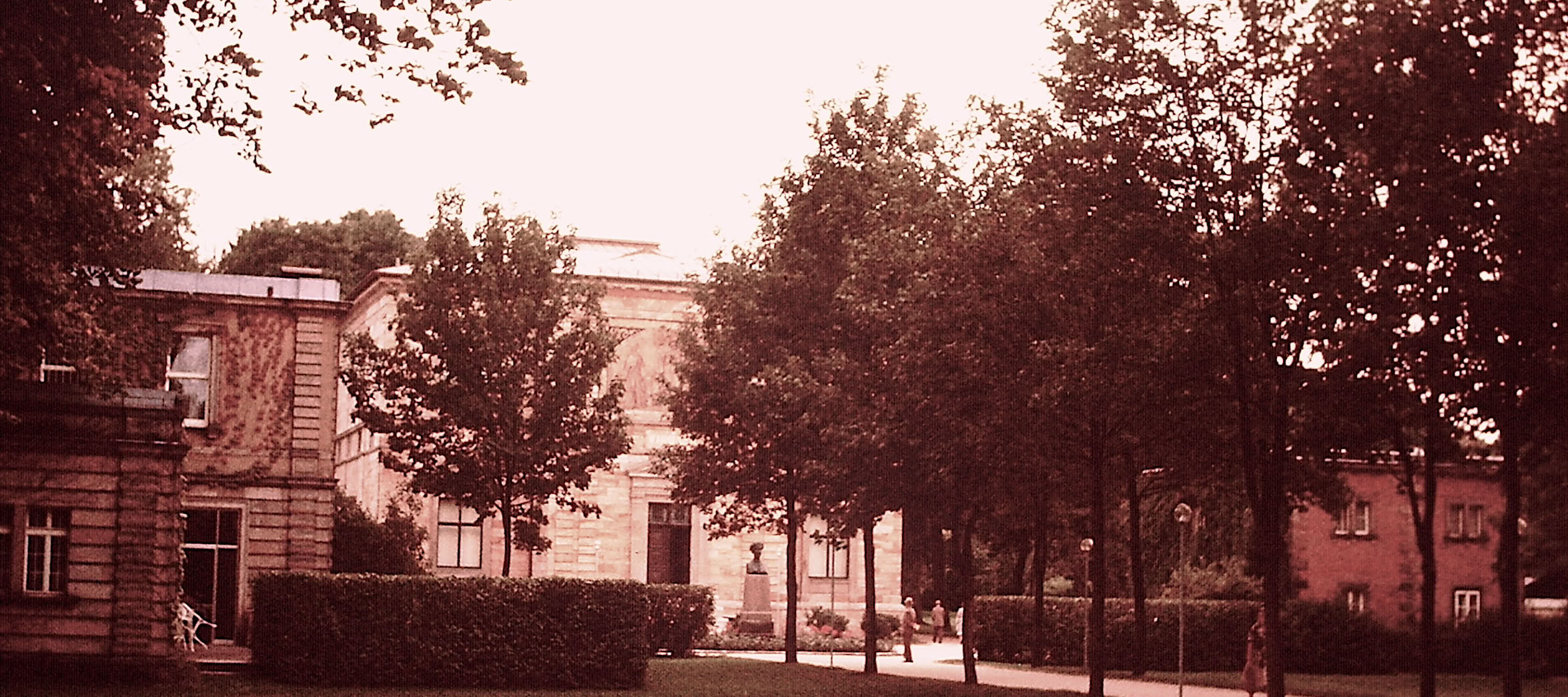
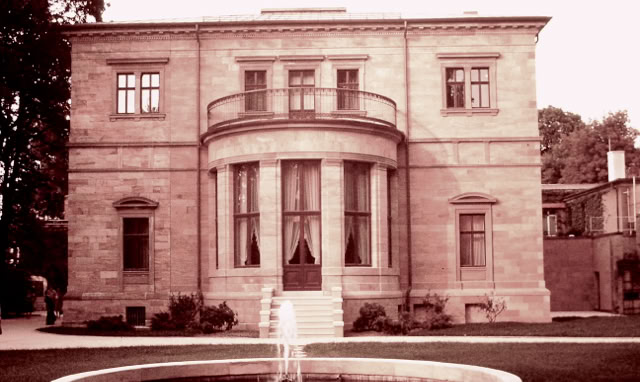
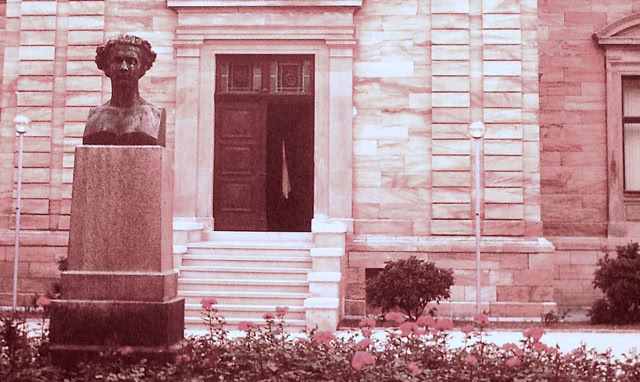
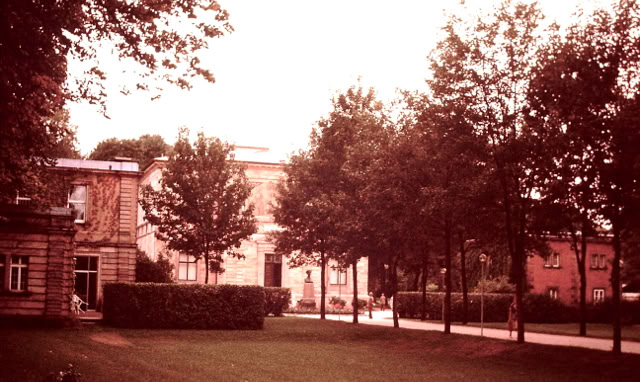
Richard Wager Museum. Bayreuth, Germany 1976
Global Studies: Culture/Nature
Photo: A.A.Bispo©
1976
Studies of cultural processes in global contexts
using Euro-Brazilian relations as a frame of reference
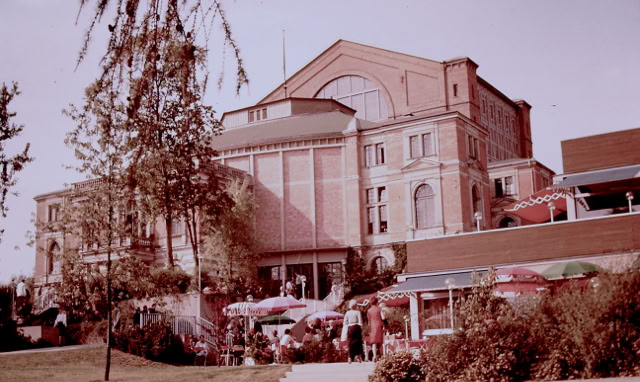
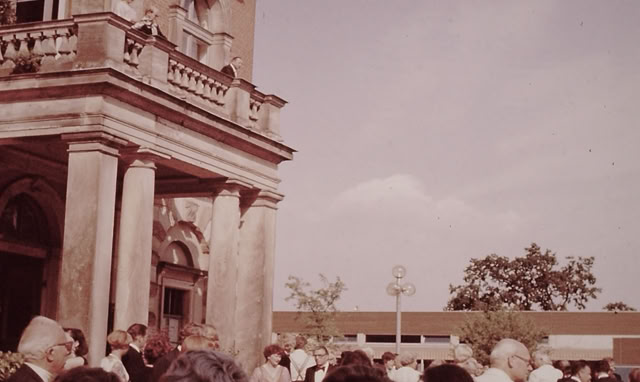
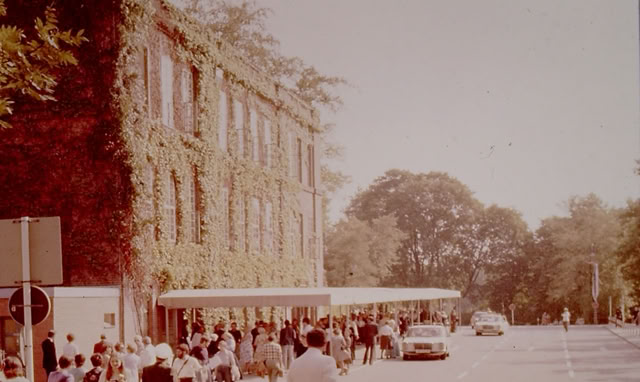
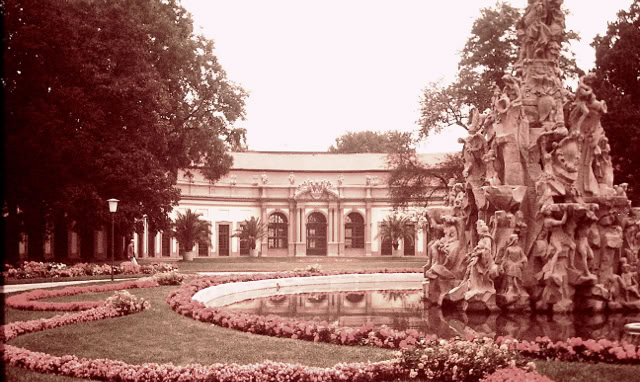
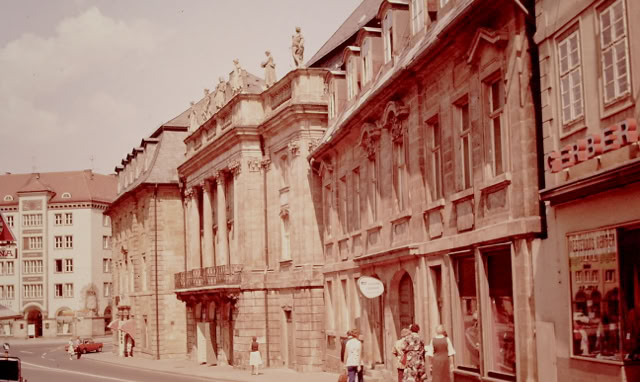
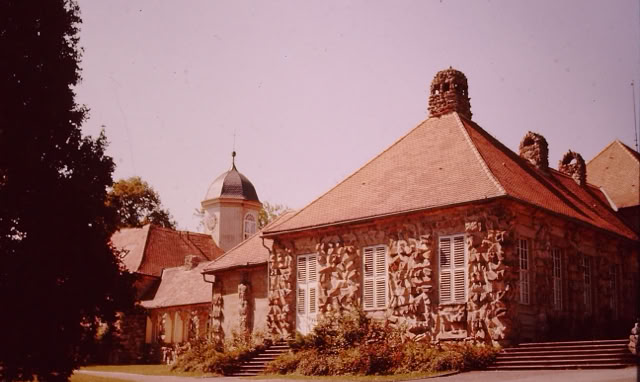
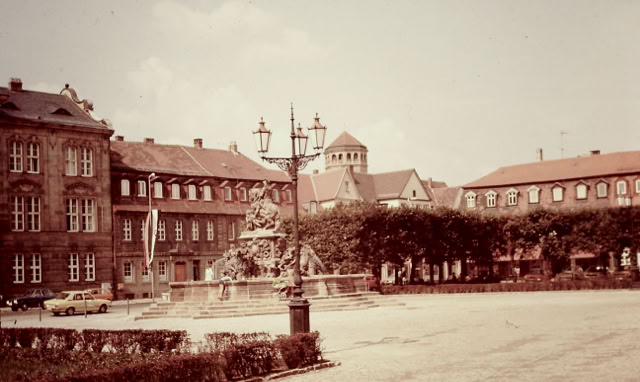
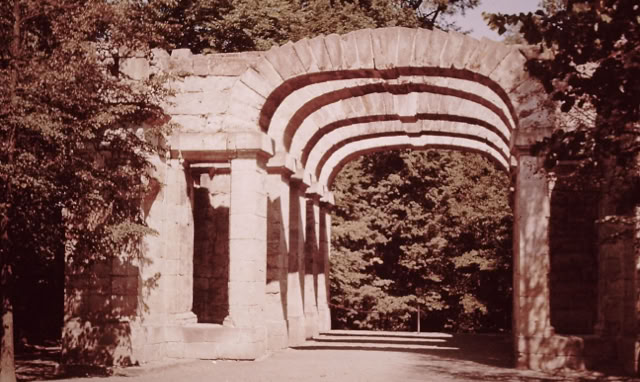
Bayreuth. Germany 1976
Global Studies: Culture/Nature
Photo: A.A.Bispo©
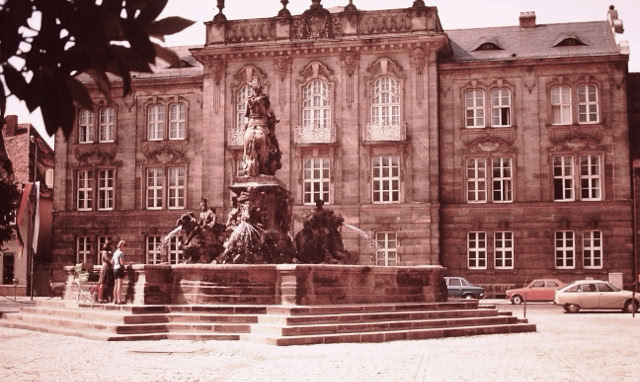
Bayreuth. Germany 1976
Global Studies: Culture/Nature
Photo: A.A.Bispo©
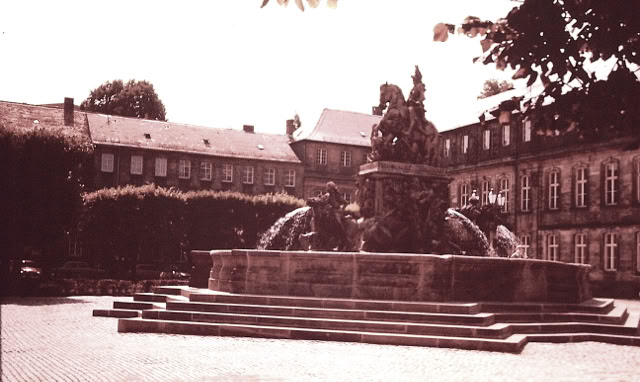
Bayreuth. Germany 1976
Global Studies: Culture/Nature
Photo: A.A.Bispo©
Bayreuth. Germany 1976
Global Studies: Culture/Nature
Photo: A.A.Bispo©
Bayreuth. Germany 1976
Global Studies: Culture/Nature
Photo: A.A.Bispo©
Bayreuth. Germany 1976
Global Studies: Culture/Nature
Photo: A.A.Bispo©
Bayreuth. Germany 1976
Global Studies: Culture/Nature
Photo: A.A.Bispo©
Bayreuth. Germany 1976
Global Studies: Culture/Nature
Photo: A.A.Bispo©
Bayreuth. Germany 1976
Global Studies: Culture/Natur
Photo: A.A.Bispo©
Bayreuth. Germany 1976
Global Studies: Culture/Nature
Photo: A.A.Bispo©
Bayreuth. Germany 1976
Global Studies: Culture/Nature
Photo: A.A.Bispo©
Bayreuth. Germany 1976
Global Studies: Culture/Nature
Photo: A.A.Bispo©
Bayreuth. Germany 1976
Global Studies: Culture/Nature
Photo: A.A.Bispo©
Bayreuth. Germany 1976
Global Studies: Culture/Nature
Photo: A.A.Bispo©
Bayreuth. Germany 1976
Global Studies: Culture/Nature
Photo: A.A.Bispo©
Bayreuth. Germany 1976
Global Studies: Culture/Nature
Photo: A.A.Bispo©
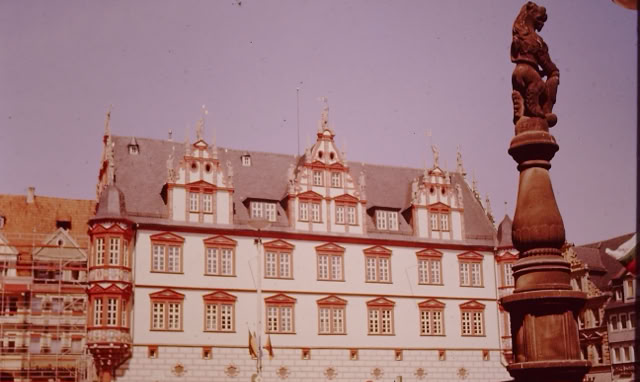
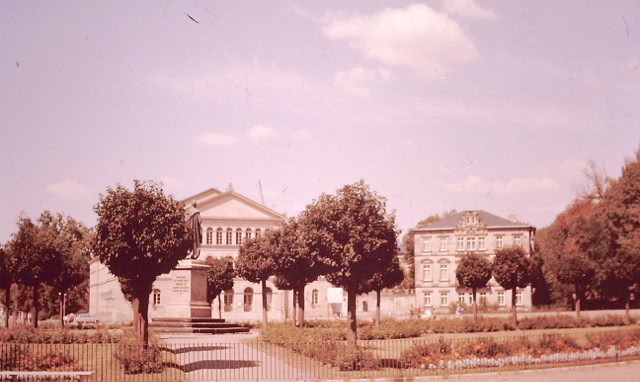
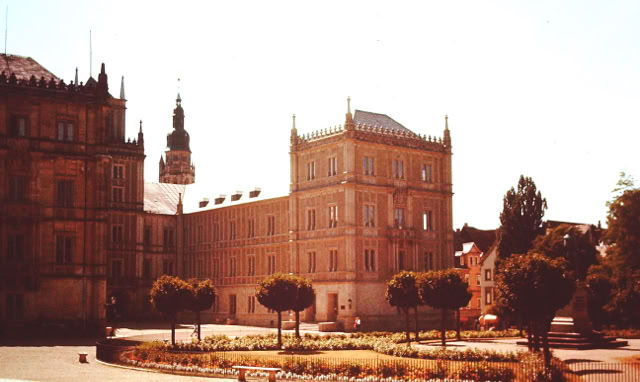
Coburg. Germany 1976
Global Studies: Culture/Nature
Photo: A.A.Bispo©
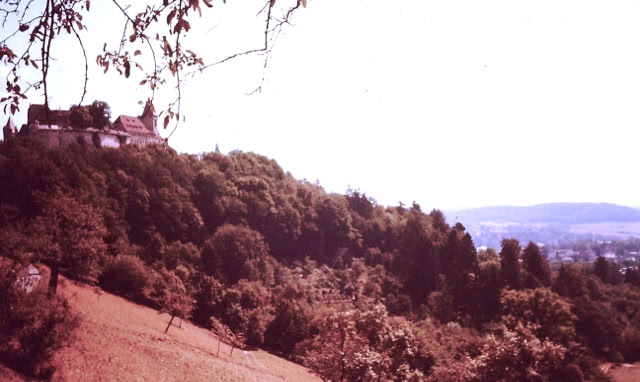
Coburg. Germany 1976
Global Studies: Culture/Nature
Photo: A.A.Bispo©
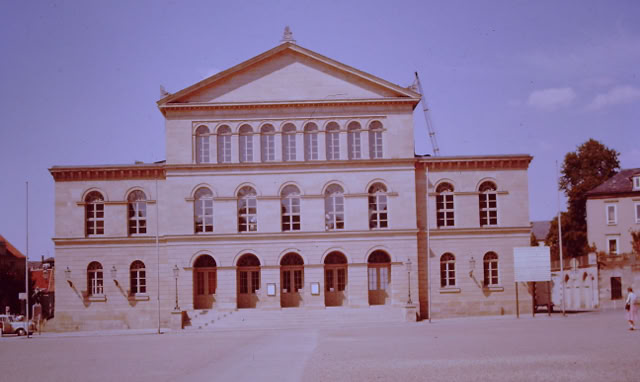
Coburg. Germany 1976
Global Studies: Culture/Nature
Photo: A.A.Bispo©
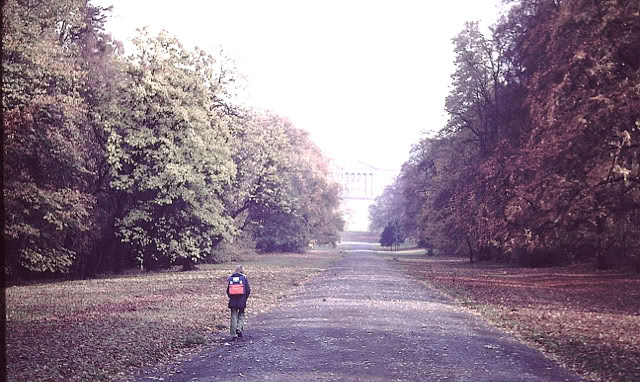
Coburg. Germany 1976
Global Studies: Culture/Nature
Photo: A.A.Bispo©
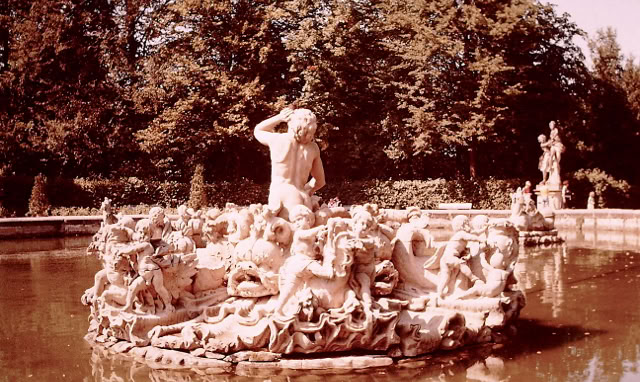
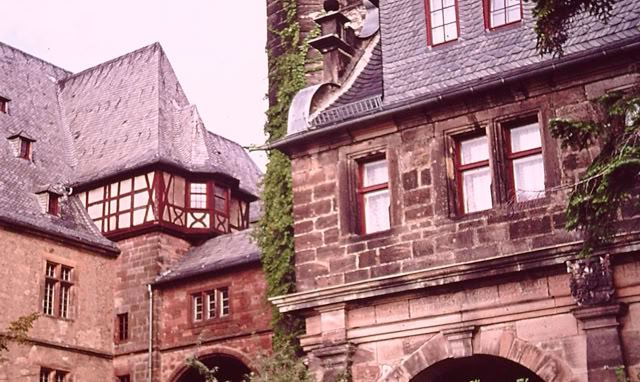
Kassel. Germany 1976
Global Studies: Culture/Nature
Photo: A.A.Bispo©
Kassel. Germany 1976
Global Studies: Culture/Nature
Photo: A.A.Bispo©
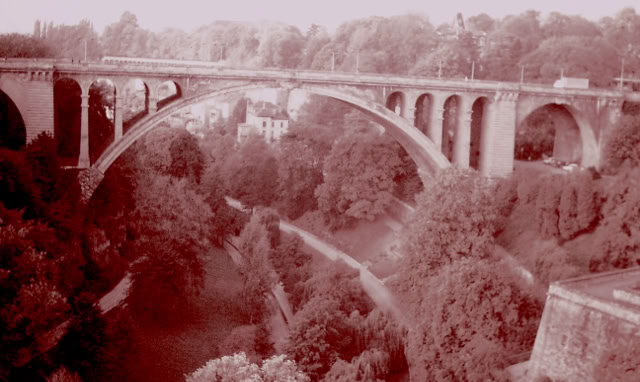
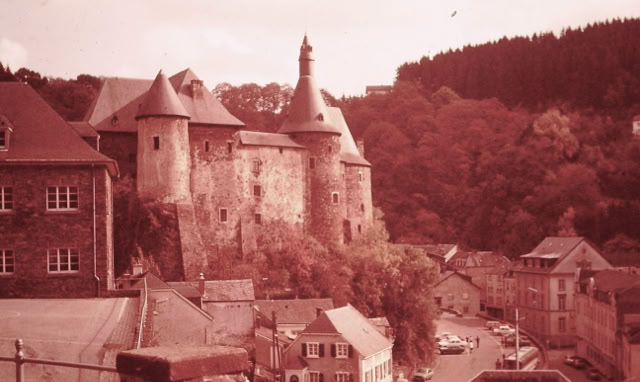
Clerveaux. Luxembourg. 1976
Global Studies: Culture/Nature
Photo:A.A.Bispo©
Clerveaux. Luxembourg. 1976
Global Studies: Culture/Nature
Photo:A.A.Bispo©
Clerveaux. Luxembourg. 1976
Global Studies: Culture/Nature
Photo: A.A.Bispo©
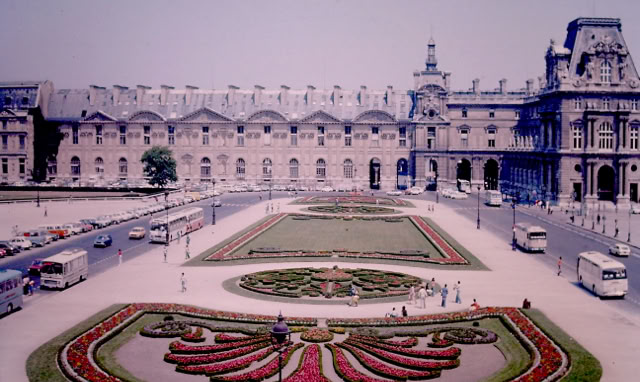
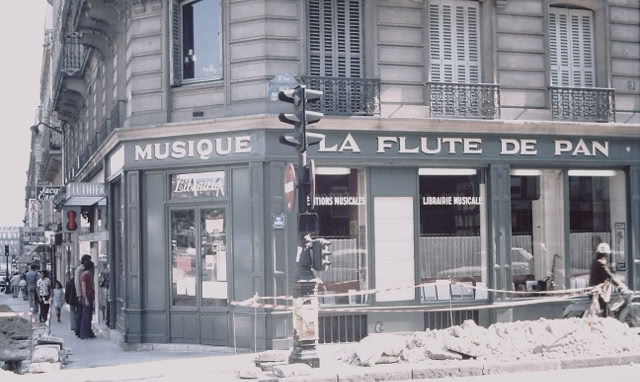
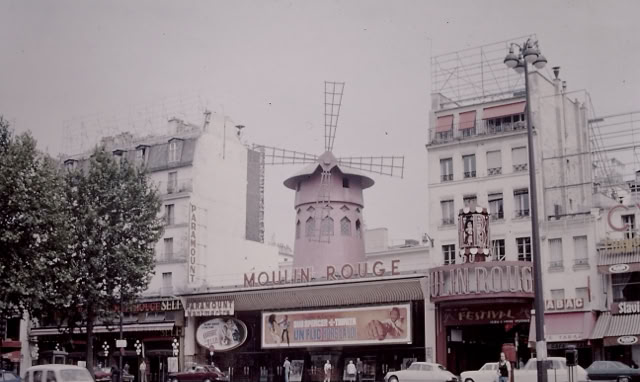
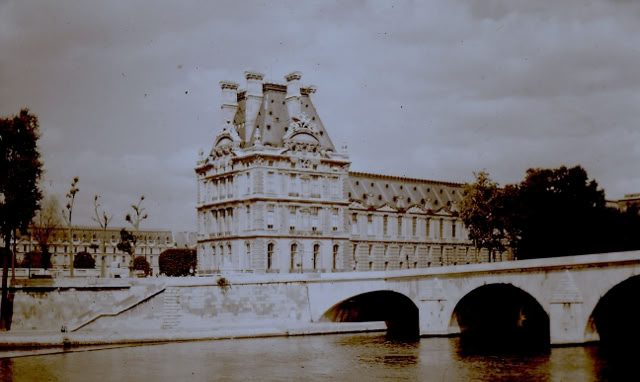
Paris. 1976
Global Studies: Culture/Nature
Photo: A.A.Bispo©
Paris. 1976.
Global Studies: Culture/Nature.
Photo A.A.Bispo©
Paris. 1976
Global Studies: Culture/Nature
Photo: A.A.Bispo©
Paris. 1976
Global Studies: Culture/Nature
Photo: A.A.Bispo©
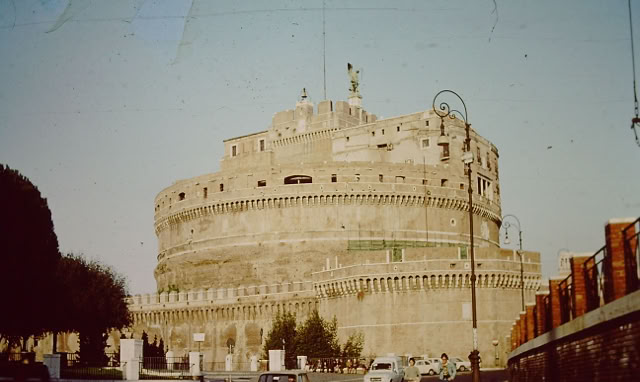
Rome. Italy 1976.
Global Studies: Culture/Nature
Photo: A.A.Bispo©
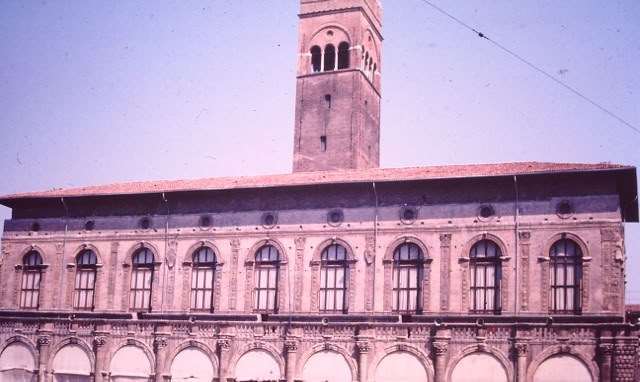
Italy 1976
Global Studies: Culture/Nature
Photo: A.A.Bispo©
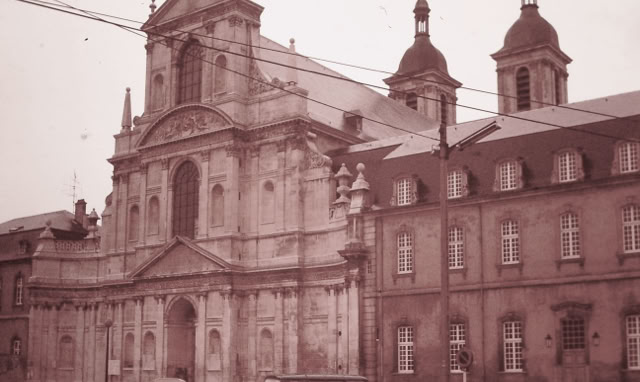
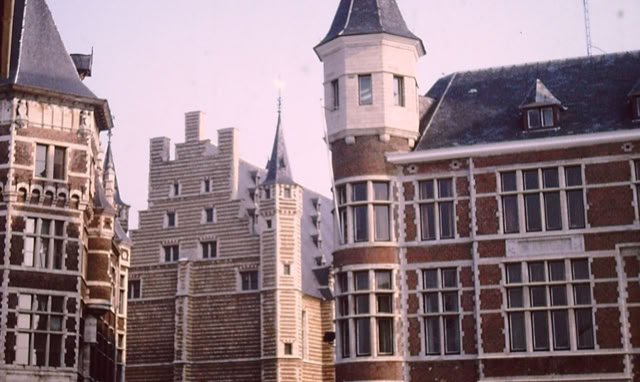
Brussels. Belgium 1976.
Global Studies: Culture/Nature
Photo: A.A.Bispo©
January
Germany
Würzburg, Frankfurt a
England
London, Bangor, Oxford, York
February
Yugoslavia
Zagreb, Sarajevo, Dubrovnik, Split, Abazia
Italy
Venice
March
Italy
Milan, Bologna, Benevento, Rome, Vatican City, Naples
May
Germany
Hannover, Wienhauser, Herrenhauser, Hildesheim, Göttingen, Bamberg
August
Germany
Bayreuth, Coburg, Bamberg, Nürenberg, Hof, Munich
October
Germany
Prüm, Trier
Luxembourg
Clerveaux, Echternach, Luxembourg
France
Nancy, Metz, St. Dizier, Damigny, Chatillon, Bourges, Amboise, Chambord, Benoit sur Loire, Loches, Blois, Chatillon, Tours, Lorches, Orleans, Saumur, Angers, Chambord, Benoit sur Loire, Loches, Blois, Chatillon, Tours, Paris
November
Germany
Kassel
December
France
Strasbourg, Caracassonne, Marseille, Montpellier, Perpignan
Andorra
Andorra la Vella
Austria
Vienna
British Social Anthropology | Ethnology of Economics | American Studies | Urban Cultures in Central America Compared to Antiquity | Ethnology of Religion
Art Criticism: 19th and 20th Centuries | Carolingian and Otonic Sacred Architecture | Architecture in France | Sculpture in French Cathedrals | Painting in 18th-Century France | Mythological Themes in Painting | Leonardo da Vinci | Images in Tapestries - 16th to 18th Centuries |
Psychology of Auditory Phenomena | Music and Musical Conceptions of Late Antiquity and the Early Middle Ages | Ars Antiqua, Ars Nova, and Trecento | History and Form of Latin Neumes | Musical Performance Practice - ca. 1400 to 1700 | Symphonism in Beethoven | Igor Striawinsky | The Raga System of South India | Music in the Near East
***
1976 was a year of great significance for the study of cultural processes in global contexts conducted in Europe in cooperation with Brazilian researchers and institutions, particularly with the Faculty of Music and Art Education of the Musical Institute of São Paulo. These collaborations proceeded not only through intense exchanges of correspondence. Researchers coming especially from Brazil participated in the work. Studies were carried out in different countries and regions within cultural circuits that included a large number of cities and institutions. The year began with meetings in the Frankfurt am Main region and northern Bavaria, notably in the city of Würzburg. Visits were made to the St. Kilian Museum with its large Stinmeer-Oettingen organ, the Bavarian State Conservatory, the center of Mozart's festivities, the imperial hall, and the gardens of the residence. Würzburg, with its Bach festival, was particularly sought after within the framework of the Bach-Brazil studies initiated in Lüneburg in 1974. A visit was also made to the collection of 18th and 19th-century musical instruments at the Main-Franconia Regional Museum in Marienburg, continuing the organological studies carried out at the Berlin Instrument Museum the previous year.
In February, a study tour of Wales and England followed, continuing those undertaken the previous year in England and Scotland, the main city considered was Bangor. The focus was on its cathedral, Penrhyn Castle as an important example of 19th-century architecture in its relationship with nature, as well as Snowdonia National Park and the Gorsedd Stones circle, related to the Eisteddfod tradition but recently created for a cultural festival. This visit was one of the milestones in the reflections focused on the 19th century and the Culture/Nature relationship that marked the year. From the perspective of studies of popular traditions, attention was directed to the ballad collection, given the importance of the 19th-century ballad collection at the University College of North Wales library.
Its main purpose was to visit Oxford and consult its library. The Sheldonian Theatre was visited, and colloquia were attended at the Examination School. Among other institutions visited were the Ashmolean Museum with its collection of instruments, the Pitt Rivers Museum, and the University's Department of Ethnology and Prehistory, as well as the Bodleian Library. The tour also included another visit to York, where the historic cathedral library and the Castle Museum with its collection of 18th and 19th-century instruments were visited. In February, a cultural studies circuit was then Yugoslavia followed. The studies were prepared and conducted with the Yugoslav musicologist Jerko Martinić, who was working in Lúttich, Belgium, and preparing his doctorate on Gaglolithic chant in the ethnomusicology department of the University of Cologne under the supervision of Robert Günther. The studies were conducted in the cities of Ljubljana (Slovenia) and Zagreb (Croatia). The tour continued with stays in Sarajevo, Bosnia-Herzegovina, Dubrovnik, Split, and Opatja/Abbazia, concluding in Venice.
One of the main objectives of the activities in Zagreb was to intensify existing contacts with musicologists in Croatia through the reception of the journal Aesthetics and Sociology of Music and publications by Ivan Supičić, in Brazil, which had been of great significance for the debates on the sociology of music conducted at the Center for Research in Musicology of the New Diffusion movement and in the area of Aesthetics at the Faculty of Music and Musical/Artistic Education of the Musical Institute of São Paulo.The conception of Euro-Brazilian studies should be discussed, according to which attention should not be directed to a Sociology of Music but, more precisely, to music in Sociology, that is, to conducting sociological and socio-cultural studies from the perspective of music or within a musicological framework.
The studies continued in Sarajevo, Bosnia and Herzegovina, where religious-cultural and social issues between Christians and Muslims were addressed. The study of these relations from a Euro-Brazilian perspective began with the documentation of Martin Braunwieser's studies and activities in 1923, which formed the scope of the East/West program developed since then. The stay in Dubrovnik – an important port in Croatia – was the main landmark in the studies of the Adriatic coast and the Dalmatian region in their relations with Brazil. The principal moments of these studies were the reflections undertaken in Split, an important urban and political-cultural center in Antiquity, as documented by Diocletian's palace, which represented a landmark in the studies of cultural archaeology developed since then. From the perspective of global studies referenced by Brazil, Split acquires significance due to the fact that M. Braunwieser worked there as a musician and composer before settling in Greece and, from there, in Brazil. The work he composed in Split in 1923, in its advanced musical language, is one of the most significant of his work and of the studies he then developed on the culture of the East, having played a relevant role in Euro-Brazilian studies. Another important stage of the study cycle was Abbazia/Opatjia, also closely linked of his wife Tatiana Kipmann Braunwieser, with the Austrian composer Felix Petyrek, as well as with figures of significance for Italian-Brazilian political, cultural, and musical studies in their relations with the Italianization of regions of the former Austro-Hungarian Empire, with nationalism and fascism. The studies of this first Balkan cycle were concluded in Venice during Carnival, prompting comparative studies with Brazil, which were discussed through correspondence with researchers from the Folklore Museum of São Paulo.
The Carnival of Venice was considered in comparison not only with Brazil but also with the Cologne Carnival in 1976, one of the most expressive in Germany. The study of the carnival, its meanings and its different expressions, would continue in the following years in other cities and regions.
One of the main events in the Culture/Nature program in Germany was the visit to Herrenhausen at the end of May 1976. This visit was part of a meeting organized by the German Academic Exchange Service at the Hanover University of Music. This meeting featured lectures on issues related to recording techniques and their significance (Peter Führmann, Ludwig Hoffmann, Peter Burkowitz, Karl Faust), the training of foreign musicians in Germany, and the application of knowledge gained in their countries of origin (Werner Krotzinger, Theo Lindenbaum, Hans Lonnendonker, Franz Müller-Heuser, Richard Jakoby). During a visit to the Wienhausen convent, a meeting was held with Hans Lonnendonker, rector of the Saarland University of Music, regarding Euro-Brazilian projects. At the closing concert in Herrenhausen, alongside musicians from Norway, Argentina, the USA, Cyprus, and Canada, Brazil was represented by pianist Noemia M. Braga.
With the participation of researcher from Brazil, a study circuit through Italian cities was carried out from Venice. In Bologna, the Teatro Comunale was visited, dialogues were held at the Conservatorio di Musica G. B. Martini, the Biblioteca dell’Accademia Filarmonica and the Archivo di San Petronio were consulted. In Naples, the Teatro San Carlo, the Palazzo Sansevero, and the Chiesa Gesu Nuovo were visited. An important focus of attention was the consideration of the links between the ancient Kingdom of Naples, Portugal and Brazil visited the tomb of Alessandro Sacrlatti in the Church of Santa Maria Montesanto, as well as the Library of the Conservatorio S. Pietro - Majella. The cultural archaeology studies included a visit to the ruins of Pompeii and Herculaneum. The significance of the geographical location and natural environment in the region's culture, as well as its expressions in mythology, was always emphasized. One of the significant moments of the Culture/Nature program was a visit to Capri and studies concerning conceptions of the sea and marine beings, particularly mermaids in mythology and cultural traditions, both in Portugal and Brazil.
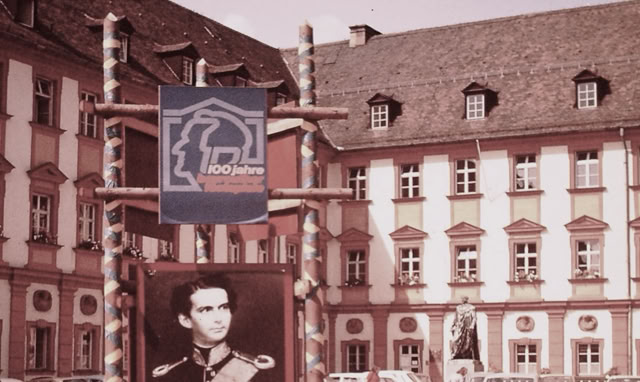
The extraordinary significance of the studies and activities of 1976 for global studies, with a special focus on Euro-Brazilian relations, stemmed from the celebration of the 100th anniversary of the inauguration of the Bayreuth Festival House in 1876, which was attended by the Emperor of Brazil, Dom Pedro II. This commemoration led to studies concerning Wagner and his literary and musical work, his worldvieew, and the political and cultural contexts and processes in which he was situated, as well as the Wagnerian movement in its transnational dimensions, prioritizing the year 1976 in Euro-Brazilian studies. The festival took place from August 9th to 29th. Alongside performances of various works by Wagner, Parsifal, and the complete Ring of Nibelungen trilogy in an innovative production by Pierre Boulez and Patrice Chereau, seminars were held with Diete Rexroth and Hans Mayer.
The gathering of sources and the debates were conducted in institutions and in dialogues with cultural historians and musicologists in different cities in Europe, as well as in close cooperation with intellectuals, researchers, and conductors in Brazil. These studies prepared for Brazilian participation in the Bayreuth festival, as well as the research and colloquia then held on the occasion of the opening of the Wahnfried House museum, and in Coburg and Munich. Studies of publications and journals relevant to the study of Dom Pedro II and the relationship between the Wagnerian movement and Brazil were made possible and monitored by H. Barth
The reception of Wagner in Brazil, in its philosophical, political, and cultural dimensions, was related to attempts by figures such as Pierre Boulez and Patrice Chereau to revise Wagnerian ideas and update the staging of his works, as well as to the socio-cultural reflections of Hans Meyer, which were of extraordinary significance for the development of studies of processes in global contexts. The reception of the works performed at Bayreuth in Brazil and their significance for the history of German-Brazilian cultural processes was one of the main themes considered. However, the reflections had broad dimensions, not limited to the consideration of cultural processes in 19th-century Germany and their questionable extensions into the 20th century, but also corresponding to an interest in Indian culture manifested in workshops held during the Bayreuth Festival. The meetings addressed philosophical questions and the need to study systems of conceptions and images of the world from ancient origins, transported through the centuries, which unconsciously and unconsciously condition humankind, as always highlighted in global studies conducted in reference to Brazil.
The problematic aspects of the 19th century in historical-cultural and musicological studies were subsequently discussed within the framework of the Kassel music conferences, under the leadership of prominent specialists such as Carl Dahlhaus. These studies and reflections on the 19th century and the need for reconsiderations and perspectives continued those that marked the activities of the previous year, corresponding to one of the main objectives of the Euro-Brazilian project initiated internationally in 1974. From October 29th to November 1st, the Kassel Music Days (Kasseler Musiktagen) took place, dedicated to the debate on music and society in the 19th century. Within this context, concerts of rare works were held, fostering dialogues with the musicologists present on issues of the musical reception of works and aesthetic currents of the 19th century in Europe and Brazil, and the need for studies of diffusion and reception in global contexts, an objective of the ongoing project.
The activities of the 1976 Culture/Nature in Cultural Processes program culminated in a study tour in France and the Pyrenees region. Several cities and institutions in Alsace, Languedoc, and Occitania were considered. Studies in cultural archaeology were related to those of the early centuries of Christianity and the Middle Ages, developed at the University of Cologne. Starting in Strasbourg, where one of the main focuses was architecture, particularly the cathedral and its images, a high point of the tour from the perspective of urban history was Carcassonne. In southern France, Montpellier stood out for its significance to the history of university studies. Studies of popular traditions and ethnomusicology were carried out in close cooperation with Brazilian folklorists from the Brazilian Folklore Association, directed by Julieta de Andrade. The itinerary of the Pyrenees study tour developed from Andorra.
The year 1976 concluded with studies in institutions in Vienna and other Austrian cities. Historical-musical research was conducted in libraries and museums, identifying works by composers of particular importance for studies related to Brazil, notably Sigismund Neukomm. The works identified then influenced subsequent developments. These studies also aimed to realize objectives that had led Renata Braunwieser to seek to establish musicological relationships between the Bach Society of São Paulo and Austrian researchers in the 1960s, which had not yielded results. Another objective of the studies in Vienna was to consider the significance of the music of J. Strauss and his brothers in the 19th century, its extraordinary social significance, and its worldwide diffusion, including in Brazil.This theme arose from the observation that Emperor Pedro II and his entourage, during the year he attended the inauguration of the Bayreuth Festival House, witnessed the performance of Strauss's works in Vienna. The theme aligned with the recognition of the socio-cultural significance of the reception of this repertoire in Brazil, and in particular the waltz, in studies developed and events held at the Center for Musicological Research in São Paulo. Significantly, the year 1977 began with the attendance of the Wiener Philharmonic New Year's Concert at the Musikverein hall, conducted by Willi Boskovsky.
Main themes considered in 1976 at the University of Cologne
The studies of Americanistics from 1976 continued in 1977, deepening with the consideration of recent travels and studies of manuscript sources by Americanist ethnologists, with particular consideration of the reading of historical documents from ancient civilizations of Central America. Within the framework of studies focused on global contexts of the Euro-Brazilian project, discussions focused on reading procedures corresponding to those iconographic and iconological aspects considered in art history studies or hermeneutics in the reading of texts; that is, the need to understand veiled meanings behind what is visually perceptible.
These reflections directed attention to the structure or system of worldviews and human understanding of ancient origins, a scope of Euro-Brazilian studies that can be highlighted in the treatment of urban cultures of ancient Central American civilizations and their parallels and similarities with urban cultures of Antiquity within the seminars and colloquia of the Institute of Ethnology at the University of Cologne.
This focus on worldviews and human understanding also marked the treatment of the theme of Ethnology of Religion, when conceptions and practices in different extra-European contexts were considered. Work previously carried out in Brazil since the mid-1960s, including within the Nova Difusão movement and in empirical cultural research at the Museum of Popular Arts and Techniques, as well as in higher education courses in Ethnomusicology in São Paulo, contributed to these discussions. The main contribution of Euro-Brazilian studies to this area of study was to bring to consciousness the significance of studying and reconstructing systems of conceptions and visions of the universe as a precondition for understanding religious interactions, intercommunications of images, and the harmonization of conceptions and practices of syncretism.
The consideration of British Social Anthropology, systematizing and deepening knowledge gained from visits to institutions in the United Kingdom in 1975, was one of the most relevant themes addressed from the perspective of cultural analysis in contexts related to Brazil. While networks of contacts and exchanges had already been considered in research conducted in Brazil—these reconstructions having been the scope of a research trip to Eastern and Northeastern Brazil in 1973—a more in-depth study of British socio-anthropological literature was fundamental for conducting more precise analyses of networks, their structure, and internal relations. These analytical procedures were applied to the attempts to recognize and reconstruct systems of worldviews and human understanding in cultural studies, considering them as networks in the complexity of their relationships. The knowledge gained from British Social Anthropology studies was also applied to the consideration of the theme of Economic Ethnology, addressed from African contexts. The research and analyses developed by ethnologists in African countries, e.g. In Kenya, they encouraged corresponding studies in Brazilian contexts. The knowledge gained then marked the development of studies that would be carried out in 1979, focusing on parallels and relationships between Africa and Brazil.
The studies in Architecture in 1977 focused on two thematic areas: Carolingian architecture and cathedral architecture in France. The study of architecture from the Roman Empire under Charlemagne was facilitated by the proximity of the extraordinary Palatine Chapel of Aachen, Aix-La-Chapelle, which was visited repeatedly. There, the significant aspects of the revival of forms, such as centralized construction, elements, and visual language of Antiquity and the first centuries of Christianity and Byzantium were considered—procedures understandable not only in the external sense of imperial legitimation but also in deeper, theological or spiritual senses. Here too, the reading of these constructions should not be superficial or literal according to visual perception, but rather focused on inherent, veiled meanings, requiring hermeneutical procedures. In Euro-Brazilian studies, these reflections were applied to the consideration of Neo-Byzantinism in its relations with the Romanesque architecture of churches and buildings erected in the 19th and early 20th centuries in service of restorative ecclesiastical movements and historicism, considering as an example the Monastery of São Bento in São Paulo. The treatment of the theme of French Cathedrals was also favored by studies carried out as early as 1975 in several cathedrals in France, which continued in 1978. These studies motivated in situ studies of cathedrals in different regions of France in subsequent years.
In the history of art, the consideration of Leonardo da Vinci as a personality marked by universality was the theme that most closely corresponded to the orientation towards global contexts in cultural studies. Here too, the focus of interest turned to the relationship between Culture/Nature and the inquiry into a system of worldviews and understanding of humankind that would have marked the multifaceted scientific and artistic thought and work of Leonardo da Vinci.
Another theme that equally demanded the contemplation of works in museums was that of 18th-century French painting. Within the scope of studies related to Brazil, reflections initiated by art historians who dedicated themselves to the study of paintings in churches that manifested the visual language of the Rococo were revisited. This Rococo, in its aesthetics marked by lightness, grace, playful joy and mythological references, differed from the grandiose, eloquent, powerful, and majestic language of the Baroque. The theme continued the one addressed at the Baroque Festival of the Nova Difusão movement in São Paulo in 1970, when attention was directed towards a greater differentiation in the treatment of the Baroque in Brazil and its consideration in global contexts. The inherent meaning of the transformations of visual language throughout the 19th century should be considered in terms of its effects not only on religious experience but also on psycho-mental processes.
Among the themes addressed by German musicologists and considered from a Euro-Brazilian perspective in correspondence with representatives and substitutes at the Faculty of Music and Artistic Education of the Musical Institute of São Paulo in 1977, the one dedicated to Stravinsky and his works stood out. Based on the consideration of the vast literature and the analysis of several of his works, the studies were marked by attention to the contexts and processes in which Stravinsky was involved, to his positions and conceptions. The theme acquired, in several aspects, special relevance for the study of processes in global contexts, including those related to Brazil. The writings of Igor Stravinsky, particularly his memoirs, were considered and discussed at the Center for Research in Musicology in São Paulo on the occasion of his death in 1971, with the researcher, pianist and composer Maria Teresa (Terão) Chebl, a member of the Nova Difusão movement, standing out in these studies. It was then reflected that Stravinsky's trajectory in his move to the West was part of political and cultural processes of the early 20th century that were highly significant for Brazilian studies, since important figures in Brazilian musical life and research received their training and began their activities in the years preceding and following the 1914-1918 World War. Not only the reception of Stravinsky's works and thought in Brazil, but also the consideration of his life and work contextualized from a Brazilian perspective contributed to the debates.
In the second half of 1977, attention was directed to L. van Beethoven, a subject of particular relevance to musicological studies in the Cologne region, as the museum dedicated to him was located in his home in the nearby city of Bonn, where sessions were also held. The studies were conducted by Hans Schmidt who, following the training he received from his father Joseph Schmidt-Görg one of the most prominent Beethoven specialists, was one of the most qualified authorities on the subject. Within the scope of Euro-Brazilian studies, the study of L. van Beethoven in Brazil was considered, with particular emphasis on the pianist Fritz Jank, his performances and lectures at the Carlos Gomes Music Conservatory in the 1960s, which influenced studies at the Center for Research in Musicology. These reflections considered the Beethoven Club of the German community in Rio de Janeiro in the 19th century, highlighting the need to address Beethoven from the perspective of cultural processes in global contexts, in the case of immigration and its significance for German/Brazilian studies. The dialogues that followed sparked Hans Schmidt's special interest in Brazil, leading to his active participation in Euro-Brazilian events in Bonn and Rio de Janeiro.
Also dedicated to paleographic studies, Hans Schmidt conducted studies of Latin neumes in the tradition of Peter Wagner, considering them in parallels and relationships with notations from other cultural contexts, thus differentiating himself from the paleographic and semiological studies of Catholic scholars. In this sense, his procedure also corresponded more to that intended in the study of paleography from medieval manuscripts in a group dedicated to Gregorian chant in its insertions into cultural processes in São Paulo in the 1960s.
Another theme that benefited from the contribution of studies and reflections that had marked practice and initiatives in Brazil was that of the Practice of Historical Musical Performance (Historische Aufführungspraxis). The concern for the proper performance of early music had motivated studies in specialized literature on the Paraphernalia ensemble of early instruments, as well as on choirs such as the Collegium Musicum of São Paulo and by harpsichordists. However, reflections at the Center for Musicological Research brought to light the need for adequate consideration of contexts in the sonic realization of early music in Brazil. Thus, a project for Musical Performance Practice was developed, marked by interdisciplinary procedures, considering not only knowledge based on treatises but also the results of empirical research on traditions. It was this orientation that led to the establishment of the discipline of Musical Performance Practice at the Faculty of Music and Artistic Education of the Musical Institute of São Paulo in 1973. This pioneering project was discussed within the context of the topic addressed in Germany.
In Ethnomusicology, the most relevant themes of 1976 were Ragas in India and Music in the Near East. These themes were led by Josef Kuckertz, an ethnomusicologist who has since become intensely involved in Euro-Brazilian studies through events and projects in Germany and Brazil. The work developed in Ethnomusicology in São Paulo between 1972 and 1974 opened new perspectives for the treatment of the topic by an ethnomusicologist who until then had given little consideration to Latin America. Theoretical studies of Indian music, in the case of ragas, could count in Brazil on the studies of Hans Joachim Koelreutter, and in India on those of the Near East on the studies of Martin Braunwieser, which had been mentioned in the cycle of studies held in early 1977 – a landmark of the East/West program of Euro-Brazilian studies.
The year 1977 saw Euro-Brazilian activities conducted at the Cologne School of Music/Cologne Conservatory – in close collaboration with the Higher School of Music – continue the study of Brazilian composers and their works in teaching and lectures. These activities also followed up on studies and projects developed in Brazil. Beyond the consideration of 19th and 20th-century composers, particular attention was given to contemporary composers, continuing the new music project of Paulo Affonso de Moura Ferreira, developed within the Nova Difusão movement since the 1960s. These studies corresponded to the significance of contemporary music at the institution and to those of electronic music at the Higher School of Music, highlighting Johannes Fritsch as well as the work of Karl Stockhausen.
Concurrently, the early music institute integrated into the music school created a link with the practice and studies of early music and instruments developed within the Paraphernália ensemble and the Collegium Musicum of São Paulo. They were supplemented by studies in reading sheet music and performance practice at the Higher School of Music, conducted by Rudolf Ewerhart, a musician, musicologist, and collector of antique instruments.
References
Euro-Brazilian cultural studies related to Slovenia
Euro-Brazilian cultural studies related to Croatia
Eastern European Studies and Euro-Brazilian Cultural Studies
Bayreuth.: Richard-Wagner Museum, Nationalarchive
Brazil and the centenary of the Bayreuth Festival House in 1976
Pedro II at the Bayreuth Festivals of 1876 and the Wagnerian movement in Brazil
Studienprogramm Wagner-Brasil in der Musik- und Kulturwissenschaft
A Day at the Coburg Fortress. Adolf Maersch
Kasseler Musiktage in Brazil/Europe studies
Indian Studies at the Institute for the Study of Musical Culture in the Portuguese-Speaking World