BRASIL-EUROPA
GLOBAL STUDIES
CULTURE/NATURE

BRASIL-EUROPA
GLOBAL STUDIES
CULTURE/NATURE
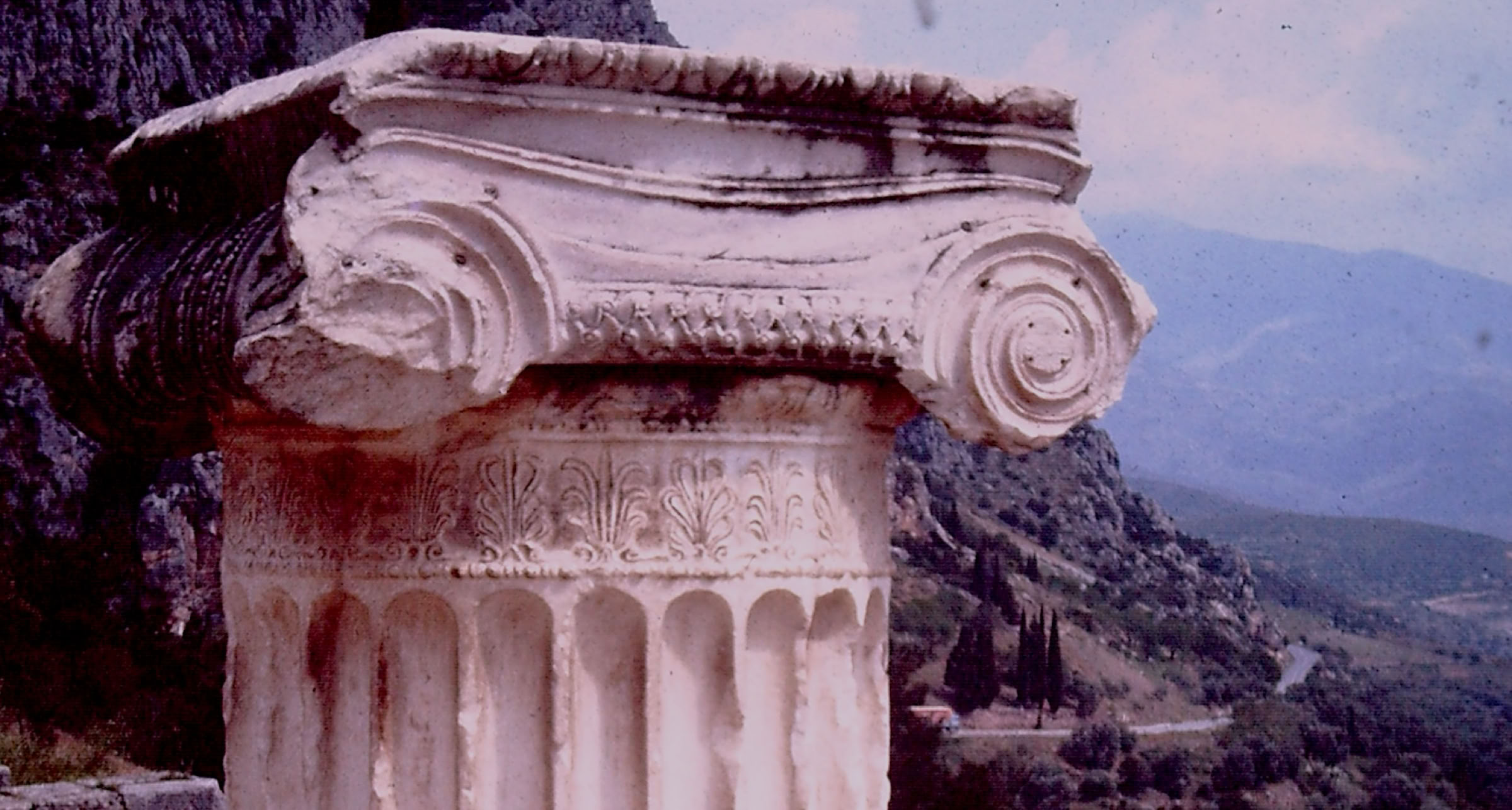
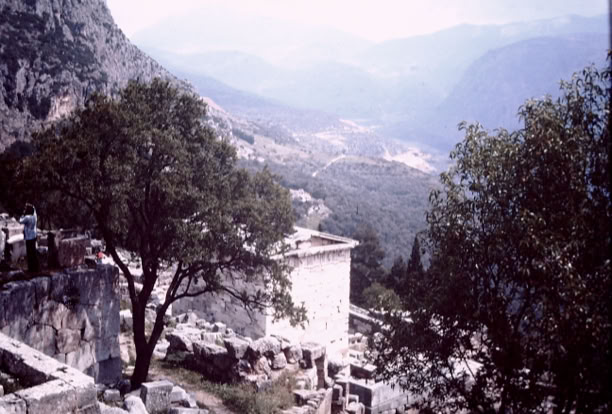
Delphi. Greece 1977
Global Studies: Culture/Nature
Photo: A.A.Bispo©
1977
Studies of cultural processes in global contexts
using Euro-Brazilian relations as a frame of reference
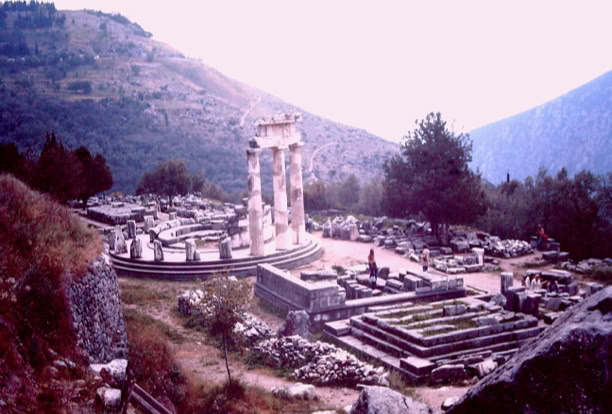
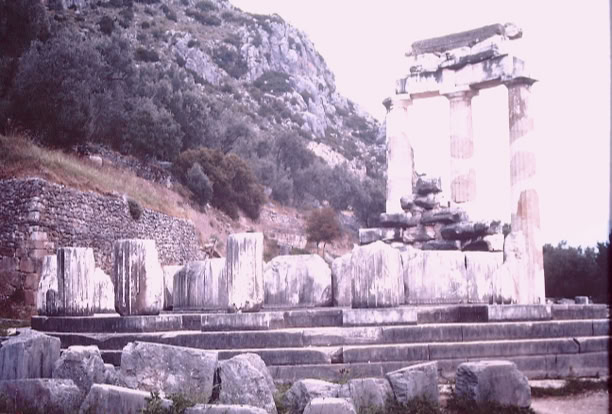
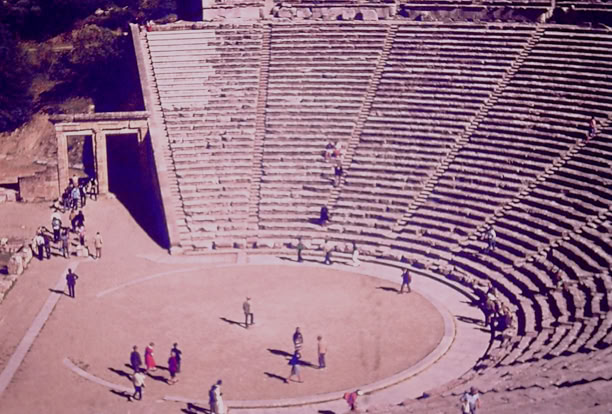
Delphi. Greece. 1977
Global Studies: Culture/Nature
Photo: A.A.Bispo©
Delphi. Greece. 1977
Global Studies: Culture/Nature
Photo: A.A.Bispo©
Delphi. Greece. 1977
Global Studies: Culture/Nature
Photo: A.A.Bispo©
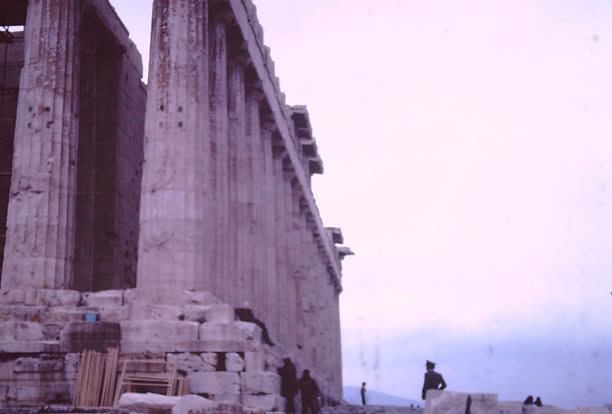
Athens. Greece 1977
Global Studies: Culture/Nature
Photo: A.A.Bispo©
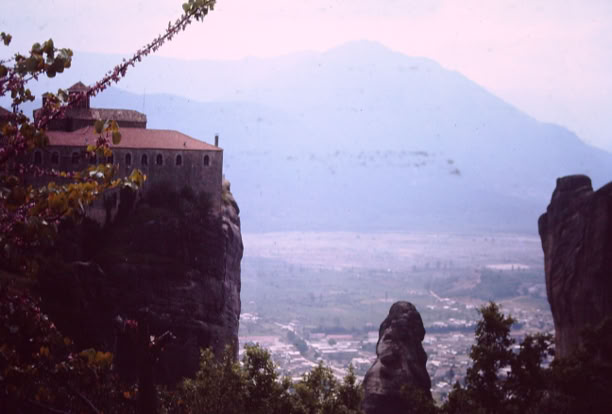
Meteora. Greece 1977
Global Studies: Culture/Nature
Photo: A.A.Bispo©
Meteora. Greece 1977
Global Studies: Culture/Nature
Photo: A.A.Bispo©
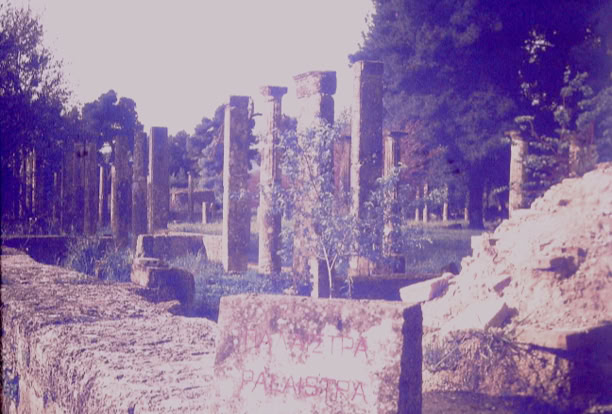
Peloponnese. Greece 1977
Global Studies: Culture/Nature
Photo: A.A.Bispo©
Peloponnese. Greece 1977
Global Studies: Culture/Nature
Photo: A.A.Bispo©
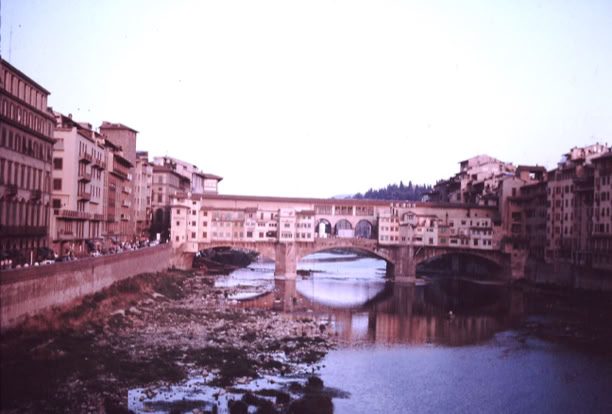
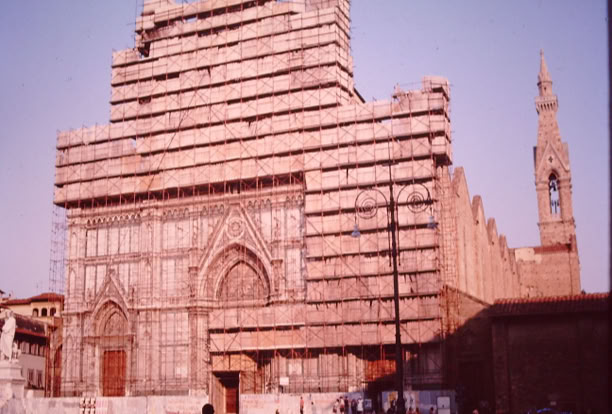
Florence. Italy 1977
Global Studies: Culture/Nature
Photo: A.A.Bispo©
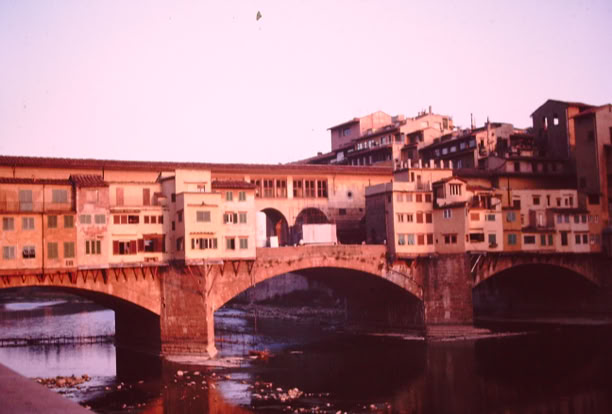
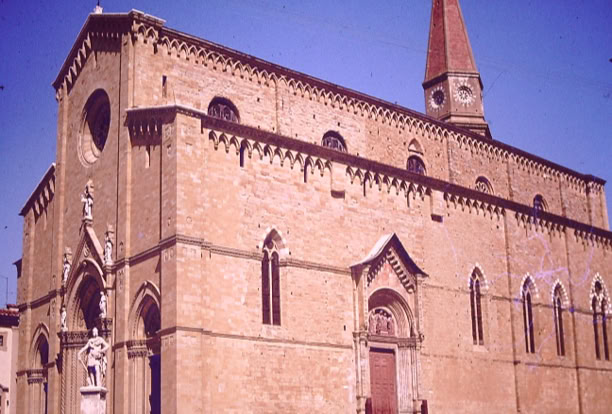
Florence. Italy 1977
Global Studies: Culture/Nature
Photo: A.A.Bispo©
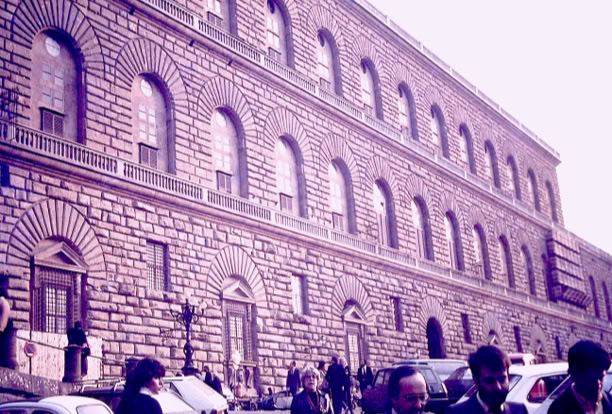
Florence. Italy 1977
Global Studies: Culture/Nature
Photo: A.A.Bispo©
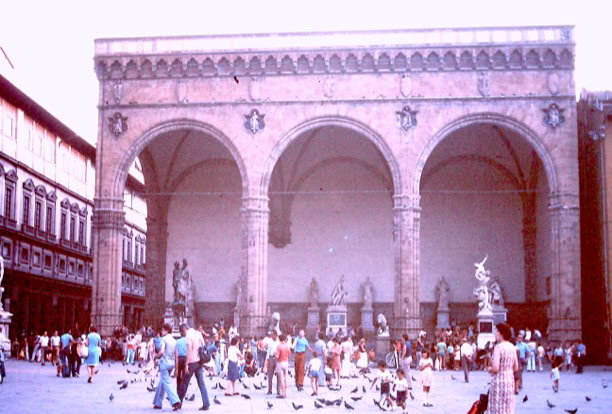
Florence. Italy 1977
Global Studies: Culture/Nature
Photo: A.A.Bispo©
Florence. Italy 1977
Global Studies: Culture/Nature
Photo: A.A.Bispo©
Florence. Italy 1977
Global Studies: Culture/Nature
Photo: A.A.Bispo©
Florence. Italy 1977
Global Studies: Culture/Nature
Photo: A.A.Bispo©
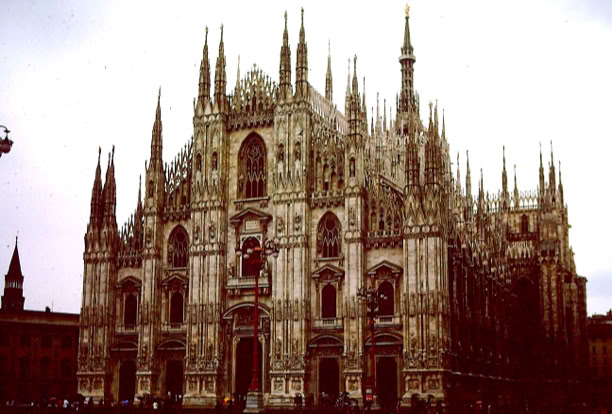
Milan. Italy 1977
Global Studies: Culture/Nature
Photo: A.A.Bispo©
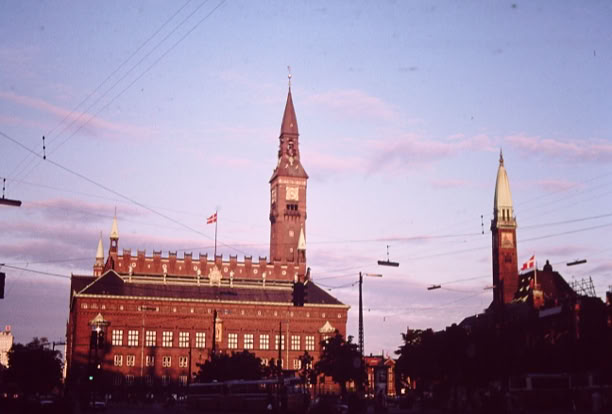
Copenhagen. Denmark 1977
Global Studies: Culture/Nature
Photo: A.A.Bispo©
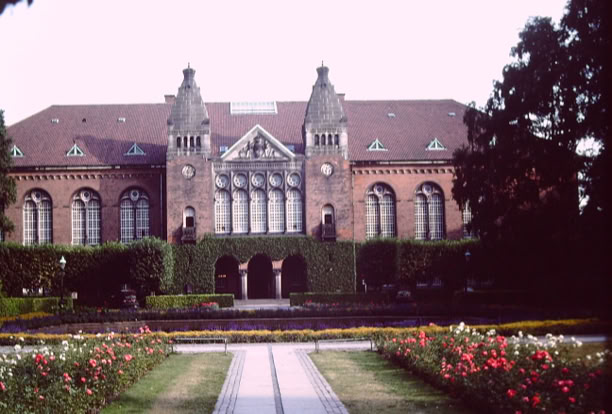
Copenhagen. Denmark 1977
Global Studies: Culture/Nature
Photo: A.A.Bispo©
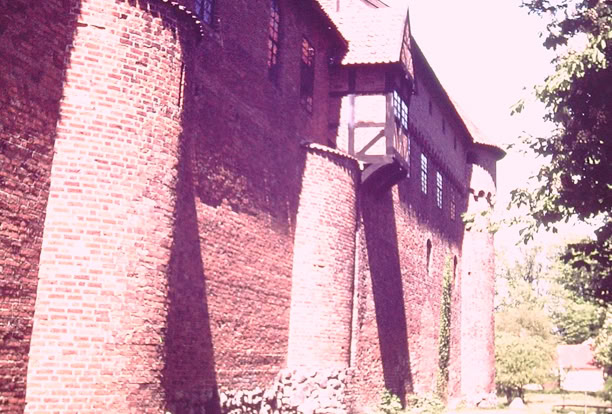
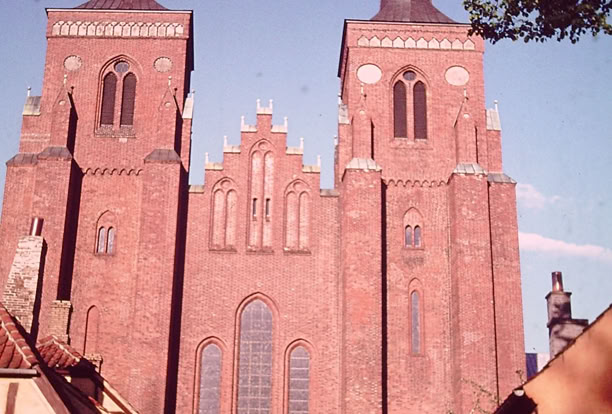
Roskilde. Denmark 1977
Global Studies: Culture/Nature
Photo: A.A.Bispo©
Roskilde. Denmark 1977
Global Studies: Culture/Nature
Photo: A.A.Bispo©
Roskilde. Denmark 1977
Global Studies: Culture/Nature
Photo: A.A.Bispo©
Copenhagen. Denmark 1977
Global Studies: Culture/Nature
Photo: A.A.Bispo©
Cities visited on events and study circuits
January, Februar
Austria
Salzburg, Linz, Graz, Melk, Viena
April
Germany
Mannheim, Friedrichshafen, City of Constance
Switzerland
Basel, Lucerna, Montreaux
Italy
Bergamo, Ravena, Rimini, Aquilea, Ascoli Piceno, Bari, Naples, Roma, Florence, Pisa, Genua, Milan
San Marino
Greece
Meteora, Larisa, Olimpia, Dodona, Elivada, Chaironeia, Delphi, Athens, Piraeus, Sparta
May
Germany
Cologne, Bonn
Danmark
Copenhagen
General and regional documentary research | Ethnology of religion | Colloquium Minorities and power structures | Technology and Ergology | Indigenous studies: Hunters and gatherers in South America | Ethnology of Law | Korea and Japan - history and cultural changes | Liturgy and Art from Late Antiquity to the Early Middle Ages | Secular iconography since the 16th century | Ornamental art - 16th to 18th centuries | Iconology of the 17th and 18th centuries | Plastic arts in Germany - 17th to 18th centuries | Rembrandt | Music from G. Dufay to Josquin | Era of Palestrina and Lasso | Musical aesthetics in the 19th century | Brahms in musicology | Instruments of the Near East | Fundamentals of auditory and musical perception | Acoustic-musical measurements | Physical and psychological measurements |
***
The year 1977 was marked by changes, revisions, and reconsiderations, with a marked shift in attention towards advanced trends in socio-cultural studies triggered by debates from the previous year, which was marked by the centenary of the Bayreuth Festival House, the political and cultural issues surrounding Wagner and his works, and revisions of the 19th century. This interest in analyzing 19th-century cultural processes through music marked the developments of 1977 in the context of global studies. Attention to the reception of European currents and works in global contexts became more markedly focused on music within the socio-cultural and urban processes of large European metropolises, considering music in all its senses, not just music considered classical.
The New Year's concert of the Philharmonic Orchestra in the Golden Hall of the Vienna Music Society was a symbolic landmark in the beginning of a program of studies that would be developed from then on and which was innovative in many respects. The music of Johannes Strauss, his brothers, and contemporaries, not always considered and valued in musicological studies at universities, should bring to consciousness the significance of this repertoire and of music in general designated as light or recreational, but which achieved extraordinary popularity and diffusion. Institutionalized musicological studies, marked by pronounced conservatism, focused primarily on the philological study of theoretical treatises, those on sacred music, on magnum opuses by great composers, on subjects perceived as erudite, suitable for promoting musical research as a field of study worthy of its inclusion in the university.
This observation in Europe echoed the concerns that had triggered the New Diffusion movement with its Center for Musicological Research in São Paulo in the 1960s. It was recognized that the almost exclusive focus on studies of music classified as classical, differentiated from folk and popular music, meant that a whole complex of intermediate expressions of musical creation and practice—semi-classical or semi-popular, so to speak—was underrepresented in studies. There was a growing awareness of the need for a theoretical reorientation, for overcoming ways of thinking based on categorizations of the object of study through a focus on processes that transcend delimitations and boundaries.
For Euro-Brazilian studies conducted internationally from Cologne—the city of Jacques Offenbach—the promotion of this theoretical conception developed in Brazil was a necessity. The renewed reflections on a Sociology of Music in its relations with Aesthetics, which had marked the development of thought in Brazil in Zagreb in 1975, as well as studies in Social and Cultural Anthropology at the Institute of Ethnology in Cologne – and at the same time the interest in the 19th century and its necessary revision in historiography – motivated the undertaking of studies in Vienna.
The extraordinary diffusion of the music of the Strauss brothers, their contemporaries, and especially the waltz in Europe and global contexts should be recognized and studied as one of the most significant phenomena of the 19th century, unavoidable in studies of socio-cultural processes in global contexts conducted from the perspective of music, as proposed in Euro-Brazilian studies. This inter- and transdisciplinary orientation directed attention – as it had previously in São Paulo – to social life, to balls, soirées, and public concerts in parks and gardens, to the enjoyment of nature in green spaces in their relationship with urban development. Vienna, at the time of the waltz's heyday, as well as concerts in public parks like the Prater, was considered an example of a cosmopolitan metropolis with its urban and socio-cultural transformations in the 19th century. This attention corresponded to the scope of the Culture/Nature program of global studies in its relations with Brazil.
The studies in Vienna continued those of the previous year in several ways. 1976 was marked by the centenary of the Bayreuth Festival House, celebrated in its relations with Brazil by the presence of Emperor Pedro II at its inauguration, as well as his support for the Wagnerian movement. Emperor Pedro II and his entourage had been in Vienna, where they attended concerts, including those held outdoors during a period of intense popularity for the waltz. However, the program of his stay corresponded above all to his interest in developments in knowledge, technology, and science, including Ethnology and Archaeology. The studies carried out in Vienna in 1977 included studies of indigenous artifacts and other objects from Brazil preserved there, as well as studies of written sources and musical works in libraries—works and materials of great significance for the following years.
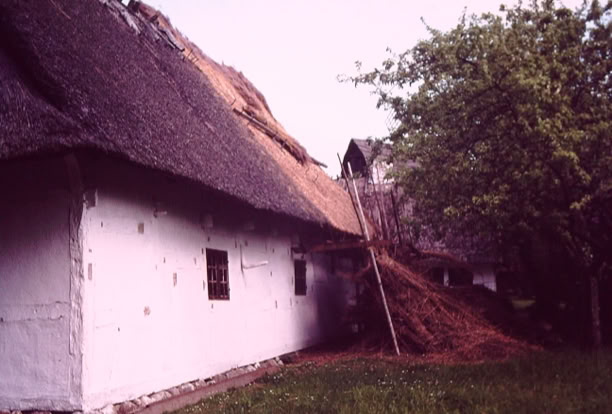
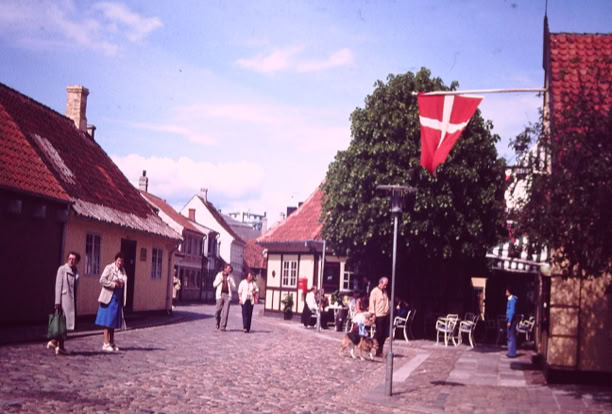
In May, visits were made to institutions in Danish cities, notably the National Museum of Denmark and the Hans Christian Andersen House in Odense.
The most comprehensive study cycle was the one carried out on a cultural circuit that included cities in Italy and mainland Greece. Starting in Bergamo with studies dedicated to Simon Mayer and C. Donizetti and the reception of their works in Brazil at the beginning of April, the itinerary included cities in the eastern part of the Italian peninsula, visiting museums and institutions of major interest for cultural studies in global contexts, particularly those related to Brazil. These studies focused on different aspects addressed in the study of cultural processes in different eras, including those related to questions of cultural foundations, cultural studies of Antiquity and the first centuries of Christian history, which had its initial landmark in Aquileia. Among the cities considered were Ravenna, Rimini, San Marino and Bari.
In Greece, institutions and archaeological sites were visited on a route from the north towards Athens, starting from the monasteries of Meteora. One of the most significant moments in the studies of cultural archaeology and the treatment of theoretical-musical and mythological questions related to the music of Antiquity was Delphi. Several cities in the Peloponnese, the Corinth Canal region, and then Athens were visited. Institutions in Athens with which Dom Pedro II had the most direct contact were also visited. Euro-Brazilian studies were able to draw on documents and information from Martin Braunwieser, who worked at the Athens Conservatory before his transfer to Brazil in 1927.
The itinerary included, upon returning from the tour, cities in western Italy. In Florence, studies of Leonardo da Vinci, an unavoidable figure in the study of universal contexts, continued. The opportunity was taken to consider the formative context of the Brazilian composer Henrique Osvald, complementing studies previously conducted in Cologne and Munich. The cycle concluded in Milan, renewing the 1975 stay to mark the 50th anniversary of the completion of V. Cernicchiaro's "Storia della Musica nel Brasile".
Themes considered in 1977 at the University of Cologne
In ethnological or socio-cultural anthropology studies, the collection and study of sources, not only written sources but also their contextualization within historical processes, has intensified, considering in particular the cultural conditioning and the diary of authors. The theme "General and Regional Sources of Ethnology," addressed at the Institute of Ethnology of the University of Cologne, was the starting point for the resumption of surveys and studies of sources for Ethnology in Brazil, which had long been initiated by Brazilian researchers and had been the bibliographic starting point for the studies of Ethnomusicology conducted at the higher education level in São Paulo since 1972.
The updates and reflections then undertaken were considered in the colloquia on general and regional sources of 1978. Not only scientific bibliography but also data of ethnological significance in publications disseminating knowledge, as well as texts in newspapers and illustrated magazines, were analyzed and discussed, with special consideration of Brazil. As in previous semesters, the survey of sources relevant to Euro-Brazilian studies was carried out in libraries in several countries, particularly Germany, France, Portugal, and Brazil, highlighting the participation of the National Library through Mercedes de Moura Reis Pequeno, with special consideration for her work on the project Fontes artis musicae, the journal of the International Association of Music Libraries, Archives and Documentation Centres (IAML).
Of extraordinary significance, also for Brazil, discussed within the scope of Social and Cultural Anthropology was the theme "Minorities and Forms of Domination." Various socio-cultural contexts from different continents and regions were considered. From the perspective of Euro-Brazilian studies, attention was especially focused on the priority given to indigenous issues. Among other aspects, the study addressed the processes that led them from being a majority at the time of the discoveries to being a minority, bringing to light the mutability of states in their relations with the growing predominance of Europeans and their descendants. These considerations, based on case studies in specific regional and epochal contexts, highlighted the need to direct attention to processes in the analyses.
Indigenous cultures in Brazil were explicitly considered in academic events and meetings that continued those of the previous year. In this sense, attention was also given to both the general and the regional, in this case focusing on the theme "Hunters and Gatherers" in South America. The studies were conducted by an ethnologist who had dedicated decades to ethnology and the study of indigenous cultures at the University of Vienna during the problematic years marked by National Socialism. The treatment of the theme considered different currents of thought and their insertions in political and cultural developments. Brazilian ethnological literature was carefully considered.
One of the aspects considered was the relationship between the lifestyles of non-predominantly agricultural groups and material and immaterial culture, as well as worldviews and understandings of humankind. Corresponding to the Culture/Nature program of Euro-Brazilian studies, this theme acquired particular significance, focusing attention on mythology, representations, dances, instruments, and songs. An aspect not previously considered concerned the meaning of the conceptions and valuations of hunter-gatherers, as well as of the man who cultivates the land, in the biblical tradition, within the cultural conditioning of Europeans. This reveals itself as a relevant factor in studies of acculturation or processes resulting from cultural encounters. The discussion, based on reflections previously undertaken in the field of Ethnomusicology in Brazil, was conducted interdisciplinarily with a colloquium on Acculturation in Ethnomusicology held at the Institute of Musicology of the University of Cologne.
Two main themes were addressed within the ethnological studies during the winter semester of 1977/78, and these themes would also determine the work of 1978: Ethnology of Law and Technology/Ergology in Ethnology. Both themes were considered in relation to Brazil. Conceptions of Law and judicial, corrective, and penal practices in indigenous cultures were examined based on data from travelogues and literature. The diversity of legal concepts and common links among different groups were discussed, as well as the transformations resulting from contacts and social and cultural changes. Normative issues in other groups within Brazilian society, including descendants of Africans and immigrants from diverse origins, were also discussed.
The theme of Technology and Ergology in Ethnology was addressed based on the work edited by the Austrian ethnologist Walter Hirschberg and Alfred Janat, which, in its first edition of 1966, guided the treatment of material culture and work techniques during the organization of the Museum of Popular Arts and Techniques of the Brazilian Folklore Association in São Paulo. The theme was discussed through correspondence with the museum's management and its exhibitions, as well as in meetings with folklore researchers in Germany, among others, in sessions held at the Open-Air Museum of the Rhineland in Kommern, dedicated to the cultural study of pre-industrial societies.
In 1977, themes related to visual language, perception and interpretation of works, imagery, and architectural theory partly continued those addressed in 1976, but were characterized by a particular attention to questions concerning the sciences of religion in their relationship with art. This coincided with the contemporary interest in sacred music and the Brazilian project based on sources gathered from research conducted since the 1960s.
The relationship between liturgy and art, both in terms of the adequate consideration of the meanings and functions of works dedicated to worship in a period marked by the reforms and developments of the years following the Second Vatican Council, could not be considered without an inter- and transdisciplinary approach. The treatment of the theme considered theological aspects, particularly conceptions of sacredness, while seeking to correspond to strictly scientific perspectives. Attention was directed to the reading and understanding of representations in paintings from different periods and movements.
Corresponding to the interest in the 19th century in cultural studies of the 1970s, particular attention was paid to the arts within the context of the 19th-century ecclesiastical restoration movement. In this context, works of art history with religious themes in Brazil were considered in their links to European artistic production, as well as the significance of art and illustrations in periodicals within the context of missionary activities serving the restorationist ideals of the 19th century.
The treatment of the theme concerning the relationship between liturgy and art in visual language studies began with an examination of medieval illuminated manuscripts, a topic addressed by a specialist working at the Cologne Museum of Sacred Art. Attention here was directed to the foundations of Christian visual language from Late Antiquity to the Early Middle Ages.
This visual language was also considered from the perspective of its permanence throughout the centuries despite all stylistic transformations. A connection was established here with the visual language of mural representations in churches built during the ecclesiastical restorationism and historicism of the 19th century, and also with the visual language of festive traditions of Catholicism—a parallel not previously considered in cultural studies.
Issues of visual language and its interpretation in art studies were also addressed in non-religious works, continuing debates from 1976. The themes Iconography in non-religious works or Iconology of the 17th and 18th centuries continued the discussion of the relationship between iconography and iconology. The reading of texts – in its multiple senses, not only referring to written texts – should not be restricted to the literal, so to speak, to the description of what is visualized and the identification of figures, attributes, actions and their historical-cultural context, but should seek to capture non-explicit, veiled, underlying or inherent meanings. As considered in Aesthetics and Perception courses in São Paulo, the iconographic procedure should only prepare iconological intentions in the analysis of works. This theme has been a constant in studies of visual communication, the arts, culture in general, and musicology in global studies related to Brazil.
Closely linked to these studies of visual language, in 1977 questions concerning ornaments and ornamentation were considered from different perspectives, starting from studies of 16th and 17th-century jewelry. The treatment of the theme in European art history studies coincided with those focused on the so-called minor arts, which, although already of ancient tradition, gained relevance in Brazil since the 1960s, which also corresponded to the theoretical reorientation of socio-cultural studies. Reflections from a Euro-Brazilian perspective expanded with the consideration of ornaments in different senses, in literature, in costumes, in rhetoric, and in musical performance.
Two themes were of particular interest for studies of cultural processes in global contexts developed with special consideration of Brazil. The study of literature and the analysis of works of art in the Netherlands led to visits to museums in Amsterdam, The Hague, and other German cities. The treatment of Dutch art in lectures at the University of Cologne was expanded in colloquia with the consideration of the Dutch presence in Northeast Brazil in the 17th century. The visual representations of Dutch Brazil brought to light the comprehensive dimensions of Dutch art in its insertion into developments arising from the commercial and colonial activities of the Dutch in various regions of the globe. The studies could not fail to consider the network of contacts and the processes triggered in different contexts, including Brazil, South Africa, and Asia, particularly Indonesia. The study of Dutch Brazil from the perspective of the arts was a theme considered in an excursion to the Nassau region in Germany, in particular to the city of Dillenburg, residence of the Nassau-Dillenburg dynasty, origin of the royal family of the Netherlands.
Baroque painting was the main focus of cultural art studies in the second half of 1977, being considered above all from Rembrandt (1606-1669). Themes concerning visual language and the interpretation of artworks continued in studies concerning iconology in 17th and 18th-century painting. These studies revisited, now with greater theoretical depth, the question of iconographic and iconological methods according to Erwin Panofsky, which signified a return to procedures already developed years ago in the fields of Aesthetics and Art History in Brazil. These previously conducted studies stood out for their transdisciplinary scope, as they were not limited to the analysis of works of art, but rather to the visual language of traditional representations in festivities, dances, and enactments of the Catholic calendar, thus acquiring significance for empirical, ethnological, and folklore cultural studies.
In relation to the theme of Liturgy and Art, the discussion focused on the relationship between iconological procedures and the non-literal reading of texts, as well as hermeneutics, both biblical and extra-biblical. Studies conducted on the visual language of traditional festive practices in Brazil contributed to the study of works of art. These studies were specifically dedicated to the 16th, 17th, and 18th centuries, thus being particularly relevant for considering the role played by the arts in global contexts and processes during the Age of Discoveries and centuries marked by colonization and missionary work in non-European regions.
One theme considered in 1977 concerned German sculpture in the 17th and 18th centuries. In colloquia reflecting on possible connections with Brazil, the problematic nature of the adjective or qualification of "German" for sculpture was highlighted – which should refer more precisely to sculpture in a German-speaking cultural context – as well as the need to consider the diffusion of artistic and technical currents in other contexts, particularly in non-European regions through immigration and colonization. Recognizing the significance of sculpture in Germantown in Philadelphia, Pennsylvania, the need for studies of sculptural works in regions colonized by German-speaking immigrants in Brazil in the 19th century was reflected upon, within the context of studies of cultural processes related to memory, historical conceptions, and identities.
Historical-musical studies have focused on the period between approximately 1420 and 1529, marked by the figures of G. Dufay and J. Desprez. The consideration of this theme in Euro-Brazilian studies was marked by a focus on processes within global contexts, highlighting the importance of analyzing historical-musical currents from the late Middle Ages and the Renaissance for Portugal and the regions reached by the Portuguese during the Age of Discoveries. This theme resonated with the studies of Portuguese musicologists associated with Euro-Brazilian studies then active in Cologne. Maria Augusta Alves Barbosa dedicated herself to the study of the theorist Vincentius Lusitanus, Armindo Borges, and the golden age of Portuguese polyphony, particularly Duarte Lobo. The colloquia held on this theme, conducted in collaboration with scholars in Brazil, especially Roberto Schnorrenberg, were crucial for the development of studies related to music during the Age of Discoveries and the interaction between peoples and the encounter of cultures.
Another theme treated with special attention in historical-musical studies, dedicated to the Palestra and Lasso era, continued the consideration of the 15th and 16th centuries from the previous semester. In colloquia developed together with the Portuguese musicologists Maria Augusta Alves Barbosa and Armindo Borges, dedicated respectively to the theorist Vincentius Lusitanus and to composers of the golden age of Portuguese polyphony, in particular Duarte Lobo, this era was addressed from the perspective of studies concerning the Discoveries and the extension of musical practices and repertoires in regions reached by the Portuguese in different parts of the world. In this sense, Euro-Brazilian studies were continued, motivated by the centenary of the School of Sacred Music of Regensburg in 1974 and the Palestrina Year of 1975. Attention was directed not only to the processes that led to the Council of Trent and the liturgical-musical reforms, but also to their enduring influence throughout the centuries, and in particular in the ecclesiastical restorationist movement of the 19th century.
The 19th century was also addressed, and more specifically, from the perspective of Johannes Brahms. The reception of his works and those of composers of his time in Brazil was central to colloquia held within the framework of Euro-Brazilian studies. Efforts were made to consider the presence of Brahms's works in concert and music education repertoires and programs, particularly within German-speaking immigrant circles, as well as composers and musicians most influenced by Brahms's music, including Paulo Florence.
Of the highest significance for studies concerning Portugal and Brazil, particularly the ongoing Euro-Brazilian project, was the theme of Musical Aesthetics in the 19th century. The work carried out within the project contributed to the treatment of this theme by highlighting Portuguese and Brazilian authors and their works and conceptions. Among the various authors considered, Rafael Coelho Machado stood out, with a discussion of the reception of currents of European aesthetic thought in his Dictionary of Music.
n the field of Ethnomusicology, studies on music in Japan and Korea, initiated internationally in 1975, continued, building upon those developed in neighborhoods and institutions of Eastern immigration in São Paulo. Final year projects in Ethnomusicology concerning music in the Japanese and Korean communities at the Faculty of Music and Art Education of the Musical Institute of São Paulo were presented and discussed, contributing to the treatment of the subject by considering it, above all, and in many respects, pioneering in immigration contexts.
Studies in the area of systematic musicology continued the treatment of methods for measuring musical acoustics. The main focus was on the use of computers in musicological research.