BRASIL-EUROPA
GLOBAL STUDIES
CULTURE/NATURE

BRASIL-EUROPA
GLOBAL STUDIES
CULTURE/NATURE
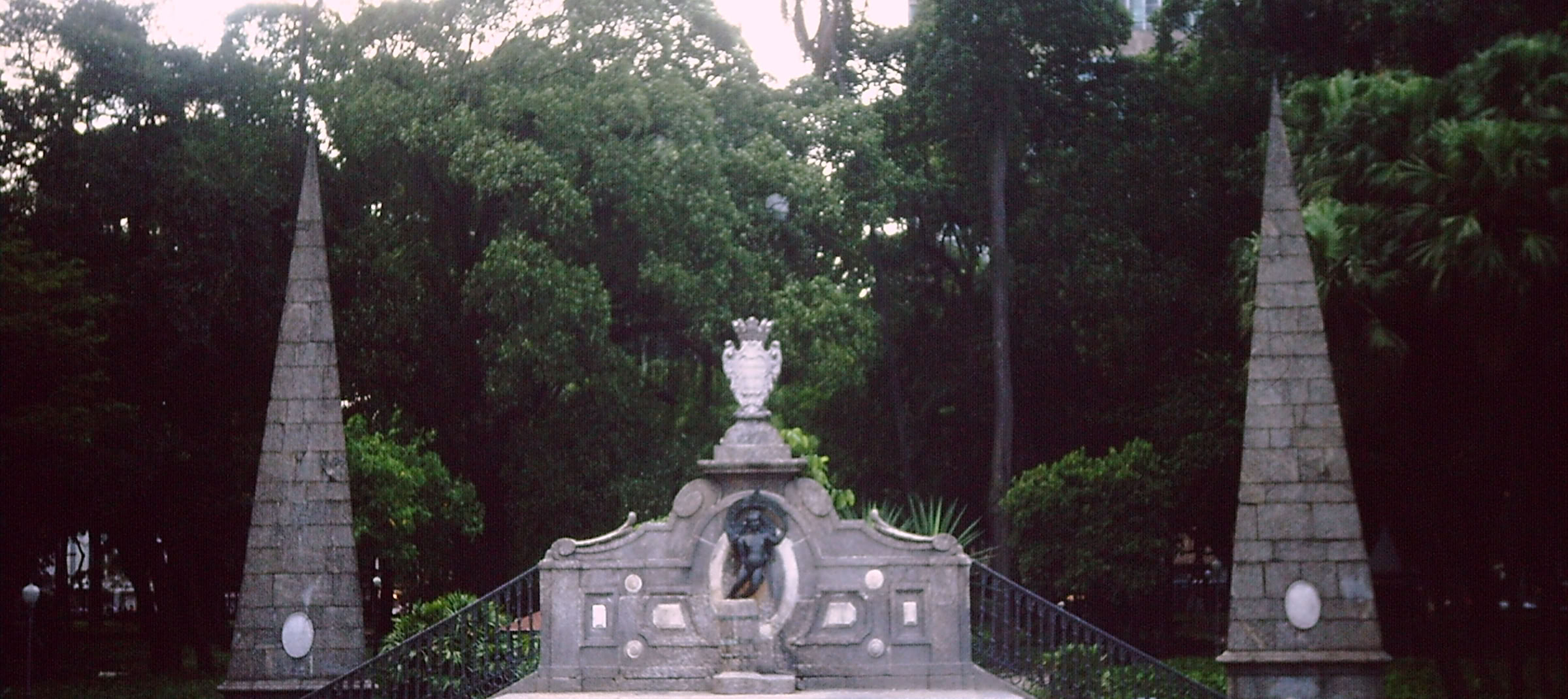
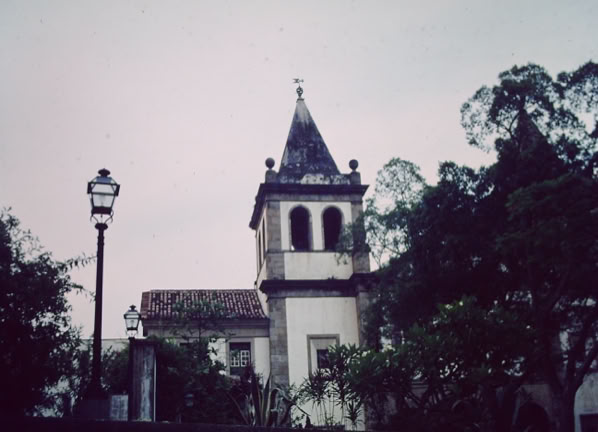
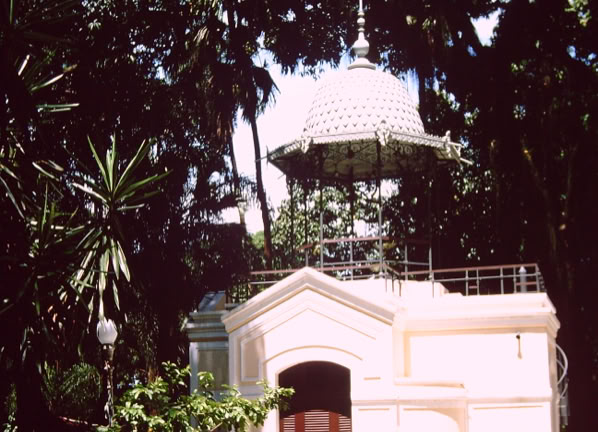
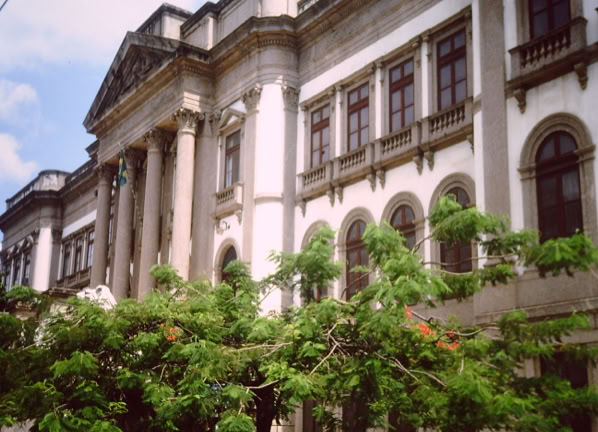
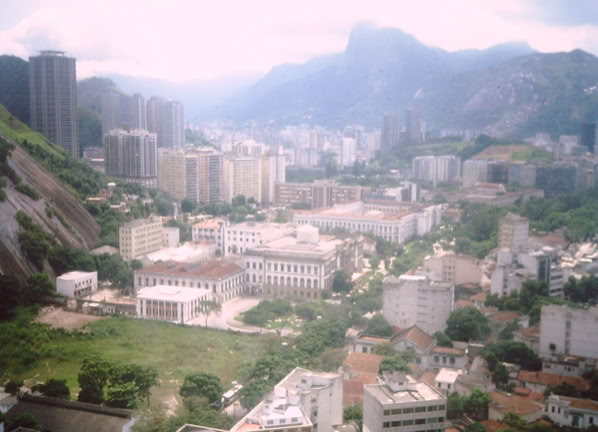
Rio de Janeiro 1978
Global Studies: Culture/Nature
Photo: A.A.Bispo©
1978
Studies of cultural processes in global contexts
using Euro-Brazilian relations as a frame of reference
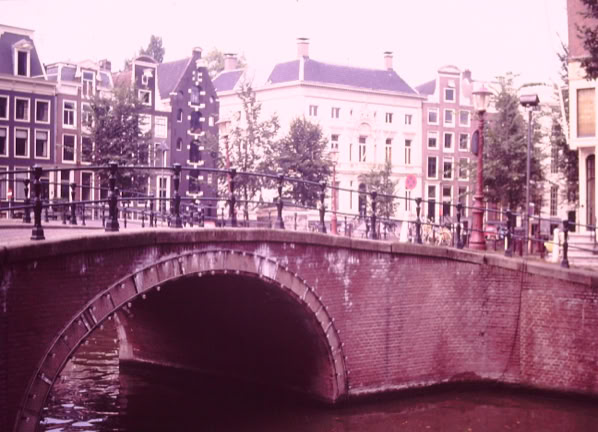
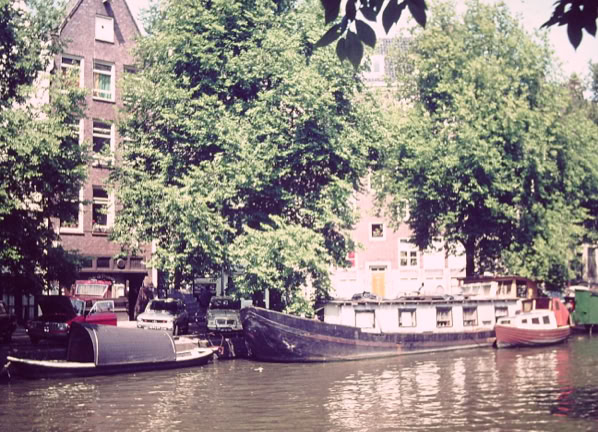
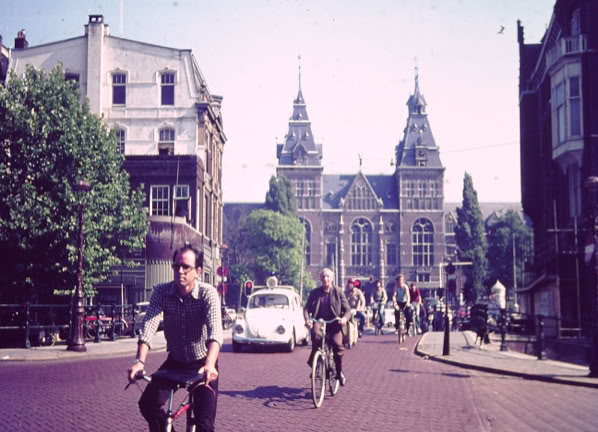
Amsterdam, Holland 1978
Global Studies: Culture/Nature
A.A.Bispo©
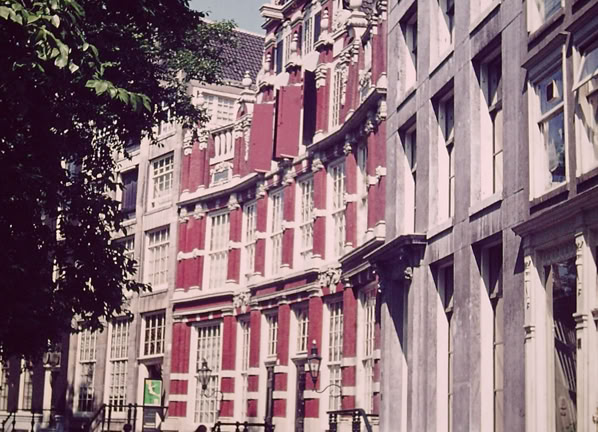
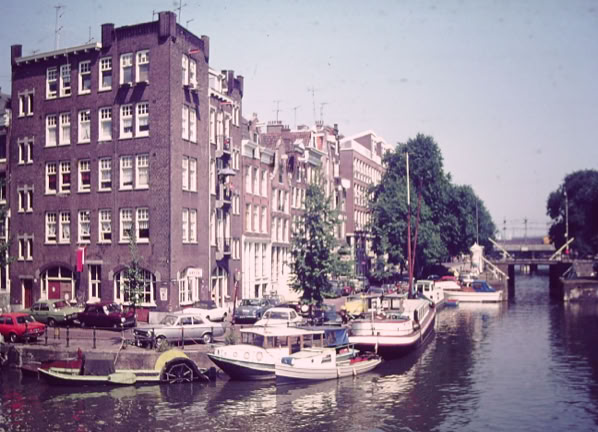
Amsterdam, Holland 1978
Global Studies: Culture/Nature
Photo: A.A.Bispo©
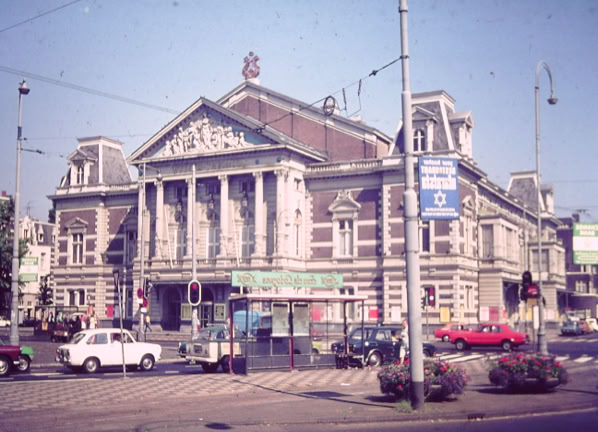
Amsterdam, Holland 1978.
Global Studies: Culture/Nature
Photo: A.A.Bispo©
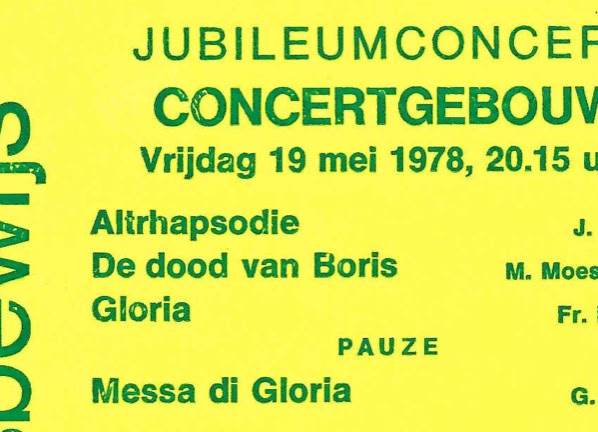
Amsterdam, Holland 1978
Global Studies: Culture/Nature
Photo: A.A.Bispo©
Amsterdam, Holland 1978
Global Studies: Culture/Nature
Photo: A.A.Bispo©
Amsterdam, Holland 1978
Global Studies: Culture/Nature
Photo: A.A.Bispo©
Amsterdam, Holland 1978
Global Studies: Culture/Nature
Photo: A.A.Bispo©
Amsterdam, Holland 1978
Global Studies: Culture/Nature
Photo: A.A.Bispo©
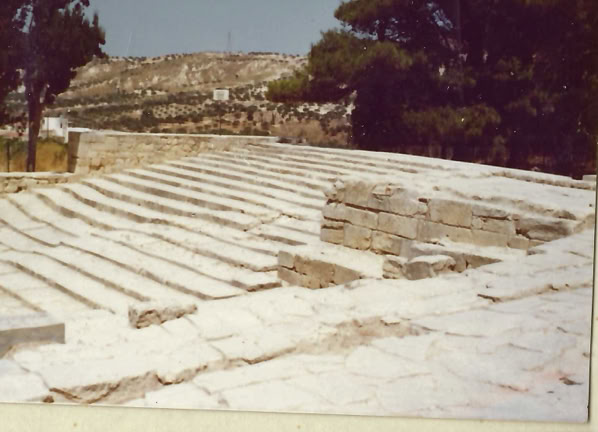
Creta. Greece. 1978
Global Studies: Culture Nature
Photo: A.A.Bispo©
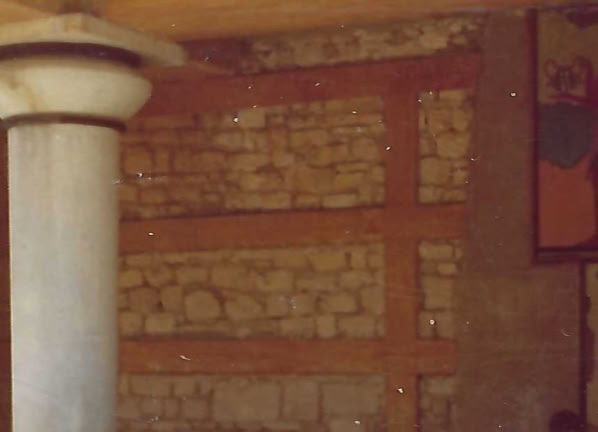
Creta. Greece. 1978
Global Studies: Culture Nature
Photo: A.A.Bispo©
Creta. Greece. 1978
Global Studies: Culture Nature
Photo: A.A.Bispo©
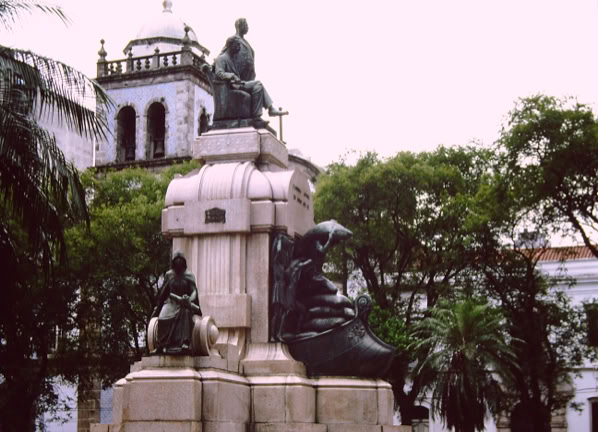
Rio de Janeiro 1978
Global Studies: Culture/Nature
Photo: A.A.Bispo©
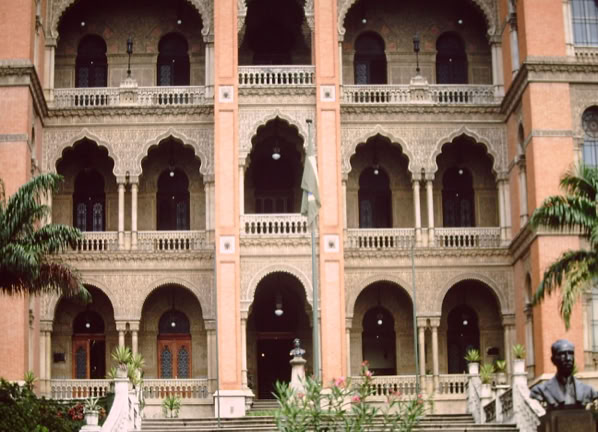
Rio de Janeiro 1978
Global Studies: Culture/Nature
Photo: A.A.Bispo©
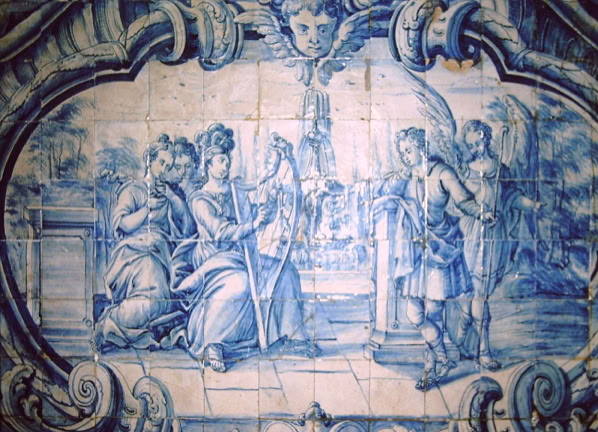
Rio de Janeiro 1978
Global Studies: Culture/Nature
Photo: A.A.Bispo©
Rio de Janeiro 1978
Global Studies: Culture/Nature
Photo: A.A.Bispo©
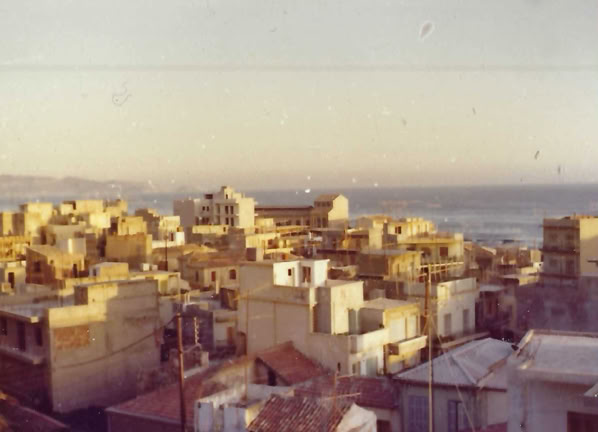
Santos, Brazil 1978
Global Studies: Culture/Nature
Photo: A.A.Bispo©
Santos, Brazil 1978
Global Studies: Culture/Nature
Photo: A.A.Bispo©
Santos, Brazil 1978
Global Studies: Culture/Nature
Photo: A.A.Bispo©
Rio de Janeiro.Brazil 1978
Global Studies: Culture/Nature
Photo: A.A.Bispo©
Rio de Janeiro.Brazil 1978
Global Studies: Culture/Nature
Photo: A.A.Bispo©
Rio de Janeiro. Brazil 1978
Global Studies: Culture/Nature
Photo: A.A.Bispo©
Rio de Janeiro.Brazil 1978
Global Studies: Culture/Nature
Photo: A.A.Bispo©
Nova University of Lisbon
São Paulo
State Secretariat for Culture
São Paulo Music Institute Folklore Museum
Rio de Janeiro
National Library. UFRJ School of Music.
J. Ribeiro Museum. Botanical Gardens. Osvaldo Cruz Institute
50th Anniversary of the São Paulo Music Institute
Theoretical Issues and Differences and Crisis
Ethnomusicological and Music-Historical Projects
Study programme in Normandy and Brittany
Brussels. Royal Museum of Musical Instruments
Tervuren. Africa Museum
Problems of Intercultural Understanding | Ethnology of Law | Korea and Japan: History and Cultural Changes | The Sacred and the Profane in West Africa | Art of Thailand | North Asia in Social and Cultural Anthropology | Principles of East Asian Architecture |
Sacred Architecture of the Staufers | Cathedral Architecture in France | St. Peter's Basilica in the Vatican: Transformations in Architecture | The Last Supper of Leonard and the High Renaissance | 18th-Century English Art |
Ars Nova and the Burgundian Period | Mozart and his operas | The era of J. B. Lully and H. Purcel | The era of Monteverdi and Schütz | Haydn and his instrumental works | Beethoven's solo concerto to the present |
***
The year 1978 was marked by cycles of studies developed in Brazil, Portugal and Germany. It was the year in which, after 5 years, meetings of the Euro-Brazilian project were held in Brazil. In previous years, these meetings had been held with Brazilian researchers in Europe. In São Paulo and Rio de Janeiro, studies of archives, libraries, and the collection of documents and scores gathered since 1960 were carried out; these microfilmed recordings completed the sources discussed in the thesis on 19th-century music in Brazil.
The year was marked by the intensification of a process of renewing perspectives, opening minds, and participating in innovative movements focused on human rights, particularly those of minorities, and on social and environmental issues, prepared in previous years. Work in Europe developed within Euro-Brazilian studies due to a mental and psychological state, interests, and participation in progressive movements that differed in several aspects from those of previous years and were marked by criticism of the prevailing conservatism in institutions. This development corresponded in several aspects to that of 1968 in Brazil, motivating the resumption of aspirations and reflections that then led to the official establishment of the Nova Difusão movement and its Center for Research in Musicology in São Paulo.
Several of the themes discussed and events held ten years earlier were revisited and addressed in an updated manner in the studies and dialogues. Collaboration with researchers more closely linked to the Euro-Brazilian global studies project in Brazil was characterized by upheavals and changes stemming from situations of instability and crisis at the Faculty of Music and Art Education of the Musical Institute of São Paulo. These critical developments, ambivalently marked by dissatisfaction, desires for reorientation, and uncertainties, shaped the events held in Brazil to celebrate the 50th anniversary of the institution's founding in São Paulo, as well as the studies and dialogues that followed in Rio de Janeiro.
Activities in Brazil were marked by colloquia on new trends in cultural studies and considerations on social and professional networks in Euro-Brazilian relations, by discussions on progressive, conservative, or backward-looking positions, as well as on the relationship between cultural studies and activism, and, for example, on minority rights. Debates concerning the critical situation of the São Paulo Musical Institute dominated the meetings. The problems that threatened the institution itself were a consequence of decreased demand and its financial implications for its maintenance. For the most part, educators from all regions of the state who had enabled the institution's extraordinary development in the first half of the 1970s had already fulfilled their obligations regarding the revalidation of their diplomas. The loss of motivation among teachers and students was lamented. As already communicated by the institute's management in correspondence, several teachers had to be dismissed.
Differences in cultural, musicological, and political-cultural views and positions, manifested in the relationship between Roberto Schnorrenberg and Hans Joachim Koellreutter, led to tensions. Despite this situation of instability and problems in composition and art education courses, successes could be noted in musicological disciplines. Substitutes for A.A. Bispo in the areas of Ethnomusicology, Historical Musicology, and Aesthetics were developing various research projects and source studies, among them N. Jeandot and R. Duprat. Conductor Eleazar de Carvalho observed the intensity of the institution's choral-orchestral practice as well as the significance of the repertoire performed, which hinted at collaborations that would take place later.
Among the meetings held in São Paulo, dialogues at the State Secretariat of Culture stood out, at the suggestion of Rossini Tavares de Lima, President of the Brazilian Folklore Association. In Rio de Janeiro, meetings were held with professors from the School of Music of the Federal University of Rio de Janeiro and with popular musicians and artists, discussing positions and trends. Within the scope of empirical cultural studies, the need to revise studies on Carnival based on research results in global contexts was considered.
In Europe, within the ongoing project on sacred music in cultural processes related to Brazil, meetings with members of the Limburg choir at Westdeutscher Rundfunk were highlighted; the choir's conductor was distinguished by his work in radio broadcasting.
An important cycle of studies took place in the Netherlands in 1977, particularly in Amsterdam. The cycle was motivated by the Concertgebouw's jubilee, celebrated in concert on May 19th. In keeping with the socio-cultural focus of studies in global contexts, attention was dedicated to minorities and subcultures. In July, fulfilling a project suggested at the Folklore Museum in São Paulo, a study trip to Normandy and Brittany was undertaken with the aim of intensifying contacts with researchers of popular traditions and updating knowledge. Among the centers visited in France, Saint Malo and Caen stood out.
In 1978, a conference on ethnomusicology was held at the Royal Conservatory of Brussels. The colloquium was chaired by the director of the conservatory and the instrument museum, as well as by the ethnomusicologist Robert Günther. The range of topics covered was broad. The current state and trends of music research in Belgium and Germany, as well as ongoing projects, were to be examined. Organological questions were a primary focus of discussion. The conservatory's instrument museum was visited, and the methods used for systematic classification were discussed. Particular attention was paid to non-European musical instruments, their culturally appropriate consideration, museological presentation, and pedagogy. Using selected musical instruments from various origins and periods as examples, questions of classification, function, and interpretation were discussed. Belgium's role in the research of non-European music and musical instruments was emphasized.
The participants visited the conservatory's instrument museum and discussed the methods used for systematic classification. From the perspective of the efforts in Brazil to renew approaches and perspectives in research, the importance of publications by Belgian authors, as well as by musicologists who had received their training in Belgium, was emphasized. Close and significant relations between Brazil and Belgium in diplomacy, culture, and music had existed since the end of the 19th century. The treatment of the music of foreign peoples by Fétis and its influence in many countries around the world, particularly in Brazil, was initially considered. The publications of Paul Collaer played a crucial role in the revival of comparative studies in São Paulo. They were considered essential reading in the field of ethnomusicology when it was introduced at the university level in 1972. In general music research, Roberto Schnorrenberg, who had conducted studies in Belgium, played a significant role in awakening interest in music research as director of the Collegium Musicum of São Paulo.
The meeting at the Musical Instrument Museum of the Brussels Conservatory was primarily intended to explore a cultural studies approach to reorienting organological studies, which had been an important subject of research and debate at the Centro de Pesquisas em Musicologia (founded in 1968) and within the Department of Ethnomusicology since 1972. This approach had already been presented in 1975 during a visit to the Musical Instrument Museum in Berlin. In Brussels, the topic was to be discussed within a different circle of experts. The starting point for recognizing the need for new perspectives in organology was the observation that classifications of musical instruments in the Sachs-Hornbostel tradition were inadequate. Methods that primarily categorized instruments according to materials or criteria of sound production, stereotypically dividing them into categories such as idiophones, cordophones, and membranophones, proved superficial in studies focused on processes. Investigations of traditional folk practices revealed substitutions of musical instruments, such as rattles for stringed instruments, which did not occur merely due to circumstances but rather exhibited an inherent coherence within the overall context of the system of worldview and understanding of humanity. Accordingly, these substitutions played a significant role in the cultural transformation practiced by missionaries in earlier centuries. This finding highlighted the need to focus organological studies on the symbolism of instruments, their symbolic character, and the mechanisms of the relationship between type and anti-type.
The Sachs-Hornbostel tradition, as well as studies that sought further clarification and were disseminated in encyclopedias, instrumentation courses, and museums, including those in Brazil, had to be examined from a cultural studies perspective. It was insufficient for either a music-historical examination of the development of musical instruments since antiquity or for folkloric and ethnomusicological research. The efforts to reorient cultural and music studies, which began in the 1960s, primarily advocated overcoming a compartmentalized, sphere-based, and categorized way of thinking about the object of study. The classification of musical instruments according to the widespread, traditional criteria, primarily associated with the names of Curt Sachs and Hornbostel, exemplified this pigeonholing approach. These systematizing methods were ultimately unscientific.
Two themes were given special attention: the object and tasks of Ethnology and intercultural understanding. The ethnological colloquium brought together ethnologists from various institutes and universities. Furthermore, interdisciplinary events were held with institutes of architectural and artistic studies, as well as musicology.
At the Ethnological Colloquium, attention in the second semester of 1978 was directed towards the collection and analysis of sources for cultural studies, initially empirical. The need to consider the concept of sources not only as written documents but also, among others, visual and sound sources, was discussed. Regarding written sources, more attention should be given to information in popular literature, popularizing knowledge, and even literary works, considering, however, the cultural conditioning and conceptions of the authors themselves in their respective contexts. Travelogues and popular and literary texts would themselves become objects of ethnological studies. In Euro-Brazilian studies, it was noted that much of the data on indigenous cultures, or even of historical and cultural interest, is found in non-scientific works, but that these works need to be considered in a contextualized way.
Two themes were given special attention: the object and tasks of Ethnology and intercultural understanding. The ethnological colloquium brought together ethnologists from various institutes and universities. Furthermore, interdisciplinary events were held with institutes of architectural and artistic studies, as well as musicology.
At the Ethnological Colloquium, attention in the second semester of 1978 was directed towards the collection and analysis of sources for cultural studies, initially empirical. The need to consider the concept of sources not only as written documents but also, among others, visual and sound sources, was discussed. Regarding written sources, more attention should be given to information in popular literature, popularizing knowledge, and even literary works, considering, however, the cultural conditioning and conceptions of the authors themselves in their respective contexts. Travelogues and popular and literary texts would themselves become objects of ethnological studies. In Euro-Brazilian studies, it was noted that much of the data on indigenous cultures, or even of historical and cultural interest, is found in non-scientific works, but that these works need to be considered in a contextualized way.
Two themes were given special attention: the object and tasks of Ethnology and intercultural understanding. The ethnological colloquium brought together ethnologists from various institutes and universities. Furthermore, interdisciplinary events were held with institutes of architectural and artistic studies, as well as musicology.
At the Ethnological Colloquium, attention in the second semester of 1978 was directed towards the collection and analysis of sources for cultural studies, initially empirical. The need to consider the concept of sources not only as written documents but also, among others, visual and sound sources, was discussed. Regarding written sources, more attention should be given to information in popular literature, popularizing knowledge, and even literary works, considering, however, the cultural conditioning and conceptions of the authors themselves in their respective contexts. Travelogues and popular and literary texts would themselves become objects of ethnological studies. In Euro-Brazilian studies, it was noted that much of the data on indigenous cultures, or even of historical and cultural interest, is found in non-scientific works, but that these works need to be considered in a contextualized way.
Euro-Brazilian studies have been able to contribute to these debates from their own theoretical orientation. Not only the focus on processes that transcend delimitations and borders, but also the choice of music as a starting point for cultural analyses, required interdisciplinary cooperation with ethnomusicologists from the Institute of Musicology at the University. The musicological perspective in cultural studies has brought to light the relevance of music's role in interactions within situations of diversity, contact, encounters, and confrontations. This approach contributes to the recognition of the significance and relevance of a culturally oriented musicology directed at processes on a global scale, as proposed by the Brazilian program.
In 1979, attention was directed to the issue of intercultural understanding and its relevance to international scientific cooperation. This issue had been raised during previous years' work. It did not superficially refer to potential problems of understanding resulting from the existence of different languages. Nor did it refer to possible differences in mentalities and cultures that might hinder human relationships and collaborative work. The problems of intercultural understanding then addressed referred to problems inherent in currents of scientific thought in various fields of study, to the understanding of disciplines and complexes to be studied according to the different perspectives that determine scientific work in various countries, regions, or even institutions. The aim was to detect the existence of diverse "cultures" within the studies of the humanities themselves, particularly in musicology. From this perspective, problems of intercultural understanding arose primarily as problems of comprehension between scholars trained according to specific schools and currents of thought. These diverse cultures could be detected in published works and other activities.
From an ethnological point of view, attention has focused primarily on the study of intercultural understanding in the relationship between Africa, Europe, and Brazil. Studies have concentrated on the examination of sacred and secular objects from West Africa, insofar as they demonstrate the assimilation of profound religious and mystical concepts originating from Christian-European and Jewish culture, also transmitted to Brazil.
The object and tasks of ethnological and folkloric research was a theme that considered the different meanings in different eras and contexts, with their respective political and cultural implications. The instrumentalization of the area, the questionable populist and racist conceptions and ideologies that underpinned serious developments in the past of National Socialism and in nationalist authoritarian regimes in general were the subject of debate. Euro-Brazilian studies contributed to this discussion. The different meanings of Brazilian researchers in their respective contexts were considered based on the literature, and the attempt to redefine terms and fields of research at the Museum of Popular Arts and Techniques (Folklore) of São Paulo was highlighted. The conception of "spontaneous culture" as an object of folklore, elaborated by researchers such as Rossini Tavares de Lima and Julieta de Andrade, was discussed. The discussion of this meaning was considered within the context of the New Diffusion movement, which advocated an orientation focused on processes that overcome delimitations and categorized areas of culture, from the erudite to the popular and folkloric. Brazilian researchers participated in this discussion through correspondence. The attention directed primarily to integrative and differentiating processes in contexts marked by diversity in their relations with urban and metropolitan processes demanded new perspectives. The overcoming of nationalist conceptions and attempts by researchers to instrumentalize ethnology and folklore was discussed.concepções nacionalistas e intentos que instrumentalizam a etnologia e o folclore por parte pesquisadores foi discutida.
Of particular significance for the study of cultural processes between Europe, Africa, and Brazil was the consideration of sacred and profane objects in the West African tradition in Germany. The perspectives, research, and trends of Afro-Brazilian studies contributed to the debate. Records and studies of cult objects and instruments from empirical field research conducted in Brazil constituted a starting point for analysis. Brazilian literature was reviewed and the development of studies considered. Particular attention was given to records and studies derived from the Mission to Northeast Brazil of the Department of Culture of São Paulo in the 1930s, including those of Martin Braunwieser and the role he played in the field of Ethnomusicology at the Musical Institute of São Paulo. Another researcher particularly considered was Roger Bastide, revisiting the controversy with Rossini Tavares de Lima that marked debates at the Museum of Popular Arts and Techniques in São Paulo in the 1960s. Fieldwork concerning the religious cults of Umbanda and Candomblé, conducted in São Paulo, Bahia, and the Northeast within the framework of the Nova Difusão movement and its Center for Research in Musicology, as well as in the area of Ethnomusicology at the Faculty of Music and Art Education of the Musical Institute of São Paulo, was commented on and discussed. One aspect considered was the diffusion of conceptions of the sacred, of objects of worship, and of instruments through internal migrations in Brazil, highlighting the first academic event on Candomblé in São Paulo and its significance for studies related to culturally oriented education, held in 1974.
The manifestly erroneous interpretation of many of these objects by ethnologists and Africanists with little knowledge of the symbolic language of popular Catholicism was discussed. Here it became clear once again that the question of intercultural understanding concerns not only processes triggered by contact between peoples, but also the interpretations that scholars make of them. Such issues are also reflected in the treatment of theoretical matters, such as the discussion of terms like "folk song" and "folk music." The debates held with European ethnomusicologists revealed opinions based on premises different from those of Latin American scholars, defended, however, with a certainty of self-assurance that prevented a positive development of the discussions. The debates thus led to questioning the objectives and tasks of ethnomusicological studies, especially when students from non-European countries carry them out outside their own countries.
These studies drew the attention of European researchers to the need for more in-depth studies of religious interactions and syncretic expressions, as well as the visual language of these traditions and their organological implications.
Studies in legal anthropology also continued, addressed in contexts corresponding to Asian, African, and Brazilian cultural studies. Concepts of law, customs, and uses of justice among indigenous, African, and Afro-Brazilian peoples, as well as among immigrant groups from different origins, were discussed.
From a basic research perspective, attention was directed to facts uncovered by ethnological research in North Asia, comparing them with cultural elements of the Amazonian Indians, particularly regarding shamanistic techniques. An attempt was made to survey the results of comparative research and the hypotheses put forward regarding migrations and possible cultural contacts between the continents
In the study of Architecture from a cultural perspective, two main themes were considered: the architecture of Romanesque churches and the architecture of St. Peter's Basilica in Rome. Both themes were accompanied by on-site observations in the many medieval churches of Cologne and the Rhineland region, as well as in Rome. Particular attention was given to the architecture of the Staufer dynasty era (ca. 1138–1254/1268) and thus the culmination of Romanesque and the transition to Gothic. The many towns built at that time and the palatine architecture of the emperors were considered. The differences in sacred architecture in different regions were also considered, between those of the Cologne region and those of Westphalia, the upper Rhine, Swabia, and Alsace. In sacred architecture, this approach could be based on theology and liturgy; in the secular architecture of towns, palaces, and dwellings, this step of the analysis raised other questions.
Several towns and castles were considered, not only in Central Europe, but also in the Italian peninsula and Sicily, in cities such as Bari, Castel del Monte, and Catania. The consideration of these constructions required a study of the political reasons and contexts, especially from the time of Frederick II. This political context was marked by tensions between the Emperor and the Pope, which had to be considered in relation to the meaning of secular life, secular expressions, and the presence of folk musicians in palatial settings.
Within the scope of Euro-Brazilian studies, attention was directed to Neo-Romanesque and Neo-Renaissance art in 19th and 20th century Brazil. The reception of historicist styles in Brazil and their consequences for the image, urban transformation of cities, and experience of spaces were discussed in relation to their insertion in 19th-century ecclesiastical restoration processes. The need for more differentiated studies of historicist eclecticism, according to its intrinsic epochal meanings, references, and ideologies, was considered. In the debates concerning Romanesque and Neo-Romanesque art, the São Bento Monastery in São Paulo was given special attention.
Among the art history themes considered, Leonardo da Vinci's Last Supper was highlighted, with the literature on the work being reviewed and recent knowledge and interpretations regarding its history, contextualization, and function being discussed. Within the context of Euro-Brazilian studies, the work, visited in Milan in 1975, drew attention to its intrinsic meanings, not only theological but also stemming from a vision of the world and of humankind of ancient origins. The structural analysis, the ordering of space and figures, the numerical relationships – among other trinitarian ones revealed by the openings – and the relationships between the internal and the external open perspectives for the perception of meanings previously veiled but which are transmitted subliminally and mark the cultural conditioning of individuals and societies in countries where the work, such as Brazil, is widely disseminated.
In collaboration with ethnologists, architectural studies in 1978 included themes related to buildings in Asia, particularly in East and North Asia. These studies motivated consideration of the architectural reception of Asian immigrants in Brazilian cities with Asian neighborhoods, and of specific representative buildings, construction techniques, and spatial organization. Among the aspects considered were the relationships between buildings and nature, between architecture and landscape architecture and gardens. The meanings of these relationships and the impulses they can offer to architecture and urbanism today were reflected upon. This revisited reflections already initiated at the Faculty of Architecture and Urbanism of the University of São Paulo in the 1960s.
Studies of cathedral architecture in France, conducted in Cologne, were developed within the framework of the Euro-Brazilian program, continuing those carried out at the Faculty of Architecture and Urbanism of the University of São Paulo and in collaboration with architects trained there. They were able to base their work on visits to several of these cathedrals undertaken at the beginning of the Euro-Brazilian activities in 1975. Particular emphasis was placed on the meanings of spatial conceptions, structures, and visual language from a theological perspective and on worldviews and understanding of humanity. The analysis of numerical orderings focused on conceptions of the Quadrivium and thus also on music as considered within it, alongside Arithmetic, Geometry, and Astronomy. From a Brazilian perspective, the reception of medieval cathedral architecture in neo-Gothic constructions that characterize the physiognomy of several Brazilian cities was considered. The insertion of this architecture into the ecclesiastical restoration movement of the 19th century and its questionability from the perspective of cultural processes were discussed. These studies motivated further visits to cathedrals and colloquia, notably the one in Chartres during presentations by the Brazilian Association of Choral Singing and meetings with Cleofe Person de Mattos during his stays in Europe.
The issue of intercultural understanding was also addressed from a broader perspective, recognizing that musical facts cannot be dissociated from the conception of the world and of humankind. Attention was focused on the integral conceptions of religious foundation that are exemplarily manifested in French cathedrals. What conceptions – numerological and otherwise – still intrinsically prevail in other expressions of culture in countries whose culture resulted from colonization and catechization? On the other hand, would it be possible, through the study of living traditions in non-European regions, to find new paths for the interpretation of European works of art? For example, would it be possible, through knowledge of popular conceptions relating to the 12 apostles, to find keys to a better interpretation of Leonardo da Vinci's Last Supper? Since popular concepts relating to the apostles are intimately linked to musical ideas, would a truly scientific musicological interpretation of this work be possible? Other types of questions, less complex, were raised based on artistic developments observed in a later period and which reflect reciprocal cultural influences.
Among the themes of a historical-musical nature, those dedicated to Ars Nova and the flourishing period of musical life in Burgundy, the Baroque period, and the Mozart era stood out in 1977, and could be considered from the perspective of studies, experience, and the current practice and life of music in Brazil. Although the themes were treated according to conceptions of specific periods, attention was directed, from a Euro-Brazilian perspective, to processes, diffusions, receptions, assimilations, and their effects. The theme of Ars Nova and the Burgundian period was considered from the perspective of studies and the practice of choral groups such as Ars Nova and the Coilegium Musicum of São Paulo. In Euro-Brazilian studies, the significance of Franco-Flemish polyphony for Portugal and the role played by Portuguese composers in it was highlighted, a theme considered with particular attention in studies focused on the Lusophone sphere. The topic relating to the period of C. Monteverdi and H. Schütz was discussed in connection with studies and practical experience in early music ensembles in São Paulo, such as Paraphernalia, as well as encounters with scholars like Walter Lourenção and Roberto Schnorrenberg, recalling the performance of Vespro della Beata Virgine by the Collegium Musicum of São Paulo.
Two main themes addressed at the Institute of Musicology in Cologne were considered in dialogues with Brazilian researchers: the music of the time of J.B. Lully and H. Purcell, and the instrumental works of J. Haydn. In both cases, continuity was established with studies previously developed in Brazil. Here too, however, attention was oriented not so much according to the concept of eras or historical periodization, but rather according to processes in global contexts in terms of diffusion, reception, and their consequences. In considering J.B. Lully, H. Purcell, and their contemporaries, attention was paid to cultural processes in the French and British contexts respectively, a concern that would henceforth also mark studies related to the French-language sphere and that of other languages in their reception in Brazil. The studies were able to deepen those undertaken within the scope of the early music practice of the Paraphernalia ensemble in São Paulo since the 1960s. The studies of Haydn, particularly his instrumental works, were able to start from the dissemination and reception of his work in Brazil during the time of S. Neukomm in Rio de Janeiro and its precedents revealed by the discovery of pre-classical works from the Mannheim School in research in the Paraíba Valley in the 1960s. Special attention was given to the intensification of the cultivation of Haydn's works with the founding of the Haydn Club of São Paulo at the end of the 19th century and especially in German-speaking circles in São Paulo in the 20th century. In both cases, the insertion of this reception into socio-cultural processes in the Restoration period and its extensions, as well as into humanistic ideals and visions, was considered.
The theme of Mozart and his era, with particular consideration of his operas, also resonated in many aspects with the developing Euro-Brazilian studies. These studies were able to draw upon sources gathered from research conducted at the Center for Musicological Research in São Paulo in the 1960s, when manuscript copies of works from the Mannheim school and other 18th-century composers were discovered. Based on these sources, debates on the subject began to be considered primarily from the perspective of processes and their interactions in global contexts, particularly the diffusion and reception of works. The cultivation of works by Mozart and Haydn during the time of Sigismund Neukomm in Brazil, as well as their renewed interest in German-speaking circles in São Paulo in the 20th century, were discussed in terms of their insertion into cultural processes. In this sense, the dimensions of meaning of Mozartian ideals were discussed in relation to worldviews and human concepts, Freemasonry, free thought, Theosophy, and Esotericism.
In the field of Ethnomusicology, the discussion of the concepts of folk song (Volkslied) and Folk Music (Volksmusik) assumed particular significance, addressing their conceptualization, terminological issues, methods, and research history. The use of corresponding terms in Brazilian literature was considered, as well as the problems resulting from redefinitions of folklore as promoted by researchers from the Museum of Popular Arts and Techniques of São Paulo. The understanding of folklore as spontaneous culture, as well as the focus on everyday culture, leads to a questioning of conceptions and definitions. The problem of the concept of folk song and its use in school songs, addressed in the areas of Ethnomusicology in Music Education courses in São Paulo, was considered. The dialogues proceeded in close communication with Brazilian researchers, among them Rossini Tavares de Lima, Julieta de Andrade and Neide Rodrigues Gomes.
Um outro tema considerado disse respeito a técnicas de gravação, assunto de particular significado em pesquisas empíricas. No âmbito dos estudos euro-brasileiros, considerou-se o emprêgo de gravadores na história da pesquisa musical no Brasil, em particular nos estudos indígenas e de tradições populares. Entre os pesquisadores e as pesquisas estudadas tratou-se de Roquete Pinto e das gravações existentes no Museu Nacional, assim como do papel desempenhado por Martin Braunwieser como técnico de gravações na Missão ao Nordeste do Brasil.
Among the problems of intercultural understanding discussed within the field of musicology, the comprehension of the music of the Monteverdi and Schütz era stood out. Different approaches were observed in the historical-musicological treatment of this period in works by composers from Central Europe and other countries, such as Italy. A tendency towards the assimilation of Central European perspectives by historians from other countries was also noted, which would have led, so to speak, to a "Germanization" of the historical-musicological vision in Latin authors. In countries without a strong tradition of musicological reflection, the assimilation of external perspectives seemed to occur almost unconsciously. A more global and objective consideration of historical-musical developments proved to be far from being resolved. A history of European or even universal music would, in principle, require overcoming national or regional perspectives within European musical historiography itself.
From this perspective, the study of a nation fundamentally oriented towards the non-European world, such as Portugal, could contribute to a shift in perspectives. The study of 16th and 17th-century music in that country would bring new insights to the panorama previously outlined by musicology, highlighting certain authors and developments and correcting certain distortions caused by the weight of the works of Central European and North American authors. Next, the same issue was addressed in relation to the period of J.B. Lully and H. Purcell, now focusing on the French and English perspectives on the history of music and the position that France and England would assume in a history of music viewed from the perspective of the Portuguese-speaking world.
An exceptional case that has been addressed from the perspective of intercultural understanding is that of the diffusion and reception of Mozart and non-European countries. Mozart, like Bach, Beethoven, and some other figures in the history of Central European music of the 18th and 19th centuries, had his works relatively little disseminated in his own time in regions colonized by Portugal, with the current cultivation of his works being the result of more recent developments. Due to the exemplary role that Mozart's creation assumes in the history of music considered "universal," it has also become a guiding landmark in the historical-musical vision of non-European regions, which creates problems for the adequate treatment of the musical development of those regions.
This problem has also been addressed from a more generic point of view, that is, the diffusion and reception of musical styles and techniques, using Haydn's instrumental music as an example. The question that arose was that of the appropriate consideration of secular instrumental music in countries whose cultural formation was determined by the Catholic mission, and in which sacred vocal and choral-orchestral music had, in the past, represented the fundamental mainstay of musical practice.
To unconsciously adopt views determined by Central European musicology regarding the development of chamber and symphonic music would mean condemning practically the entire history of colonial music in these regions to a position of insignificance and backwardness. The same problem was considered in relation to the European solo concerto, particularly regarding its use by Brazilian composers of the 19th and 20th centuries.