BRASIL-EUROPA
GLOBAL STUDIES
CULTURE/NATURE

BRASIL-EUROPA
GLOBAL STUDIES
CULTURE/NATURE
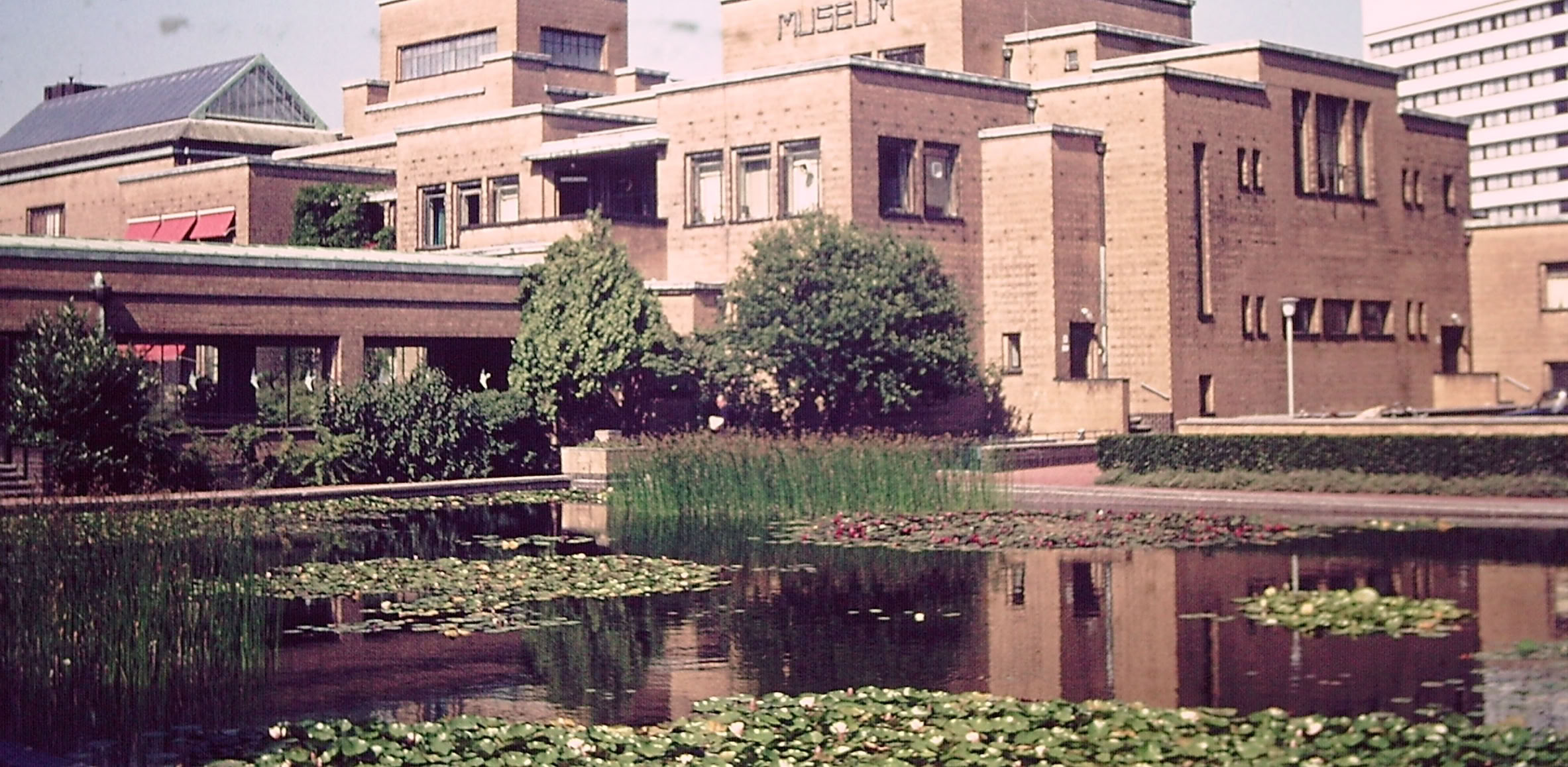
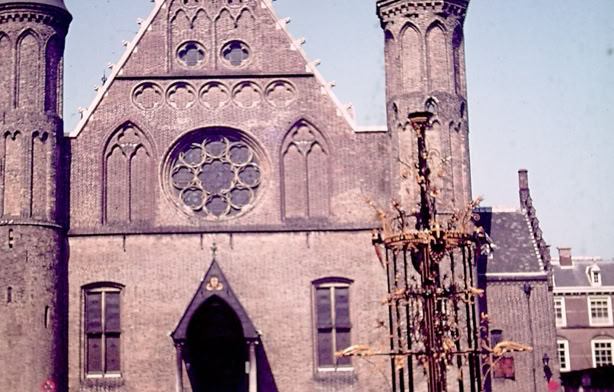
Hague. Museum of Arts, Netherlands 1979
Global Studies: Culture/Nature
Photo: A.A.Bispo©
1979
Studies of cultural processes in global contexts
using Euro-Brazilian relations as a frame of reference
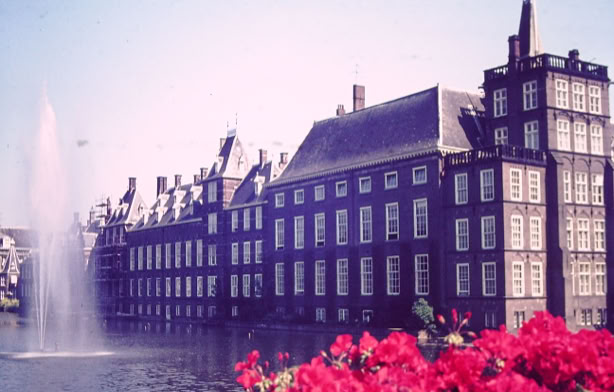
Hague. Netherlands 1979
Global Studies: Culture/Nature
Photo A.A.Bispo©
Hague. Netherlands 1979
Global Studies: Culture/Nature
Photo A.A.Bispo©
Hague. Netherlands 1979
Global Studies: Culture/Nature
Photo A.A.Bispo©
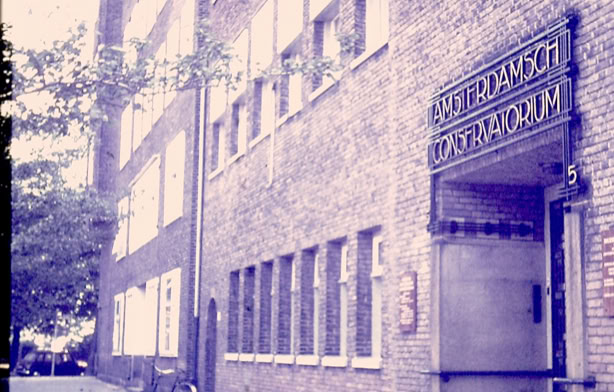
Amsterdam. Netherlands 1979
Global Studies: Culture/Nature
Photo A.A.Bispo©
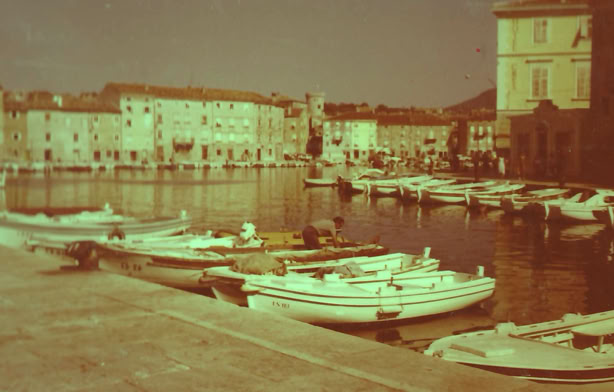
Cres. Croatia 1979
Global Studies: Culture/Nature
Photo: A.A.Bispo©
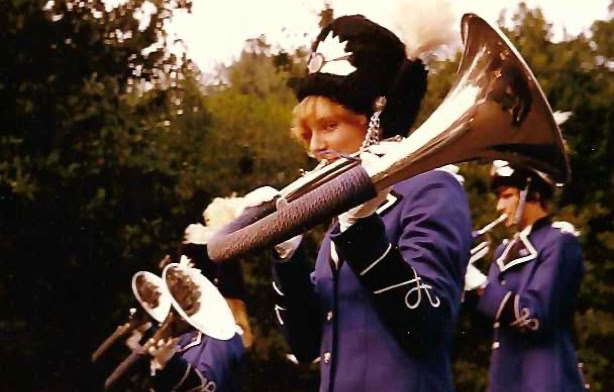
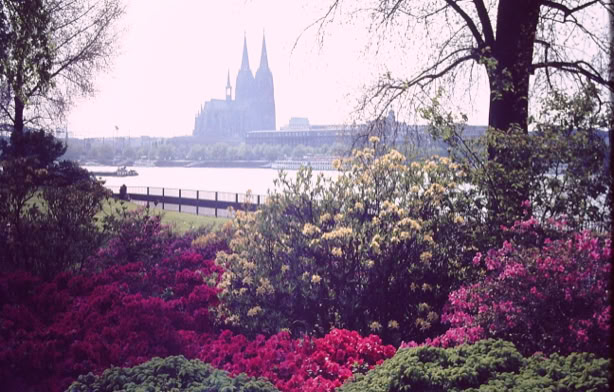
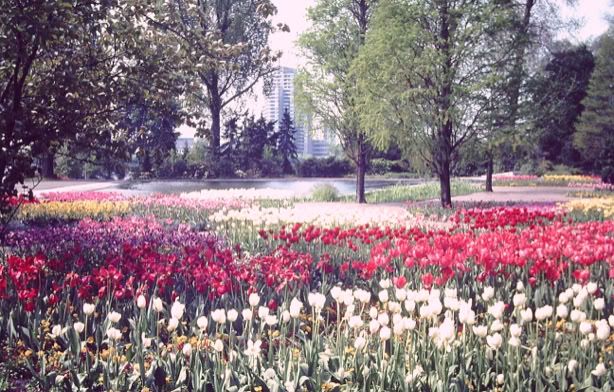
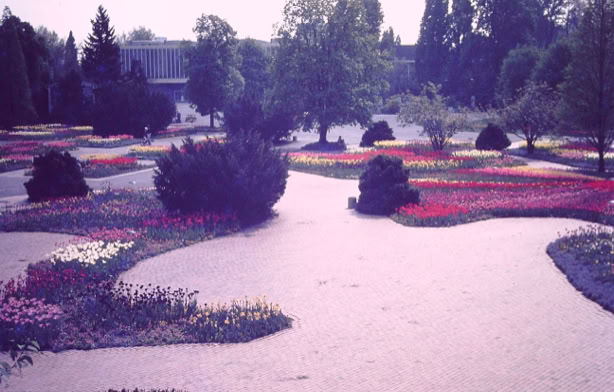
Cologne. Germany 1979.
Global Studies: Culture/Nature
Photo: A.A.Bispo©
Cologne. Germany 1979
Global Studies: Culture/Nature
Photo: A.A.Bispo©
Cologne. Germany 1979
Global Studies: Culture/Nature
Photo: A.A.Bispo©
Cologne. Germany 1979
Global Studies: Culture/Nature
Photo: A.A.Bispo©
Cologne. Germany 1979
Global Studies: Culture/Nature
Photo: A.A.Bispo©
Cologne. Germany 1979
Global Studies: Culture/Nature
Photo: A.A.Bispo©
Cologne
Ethnological Colloquium. Institute of Ethnology / Social and Cultural Anthropology, University of Cologne
Encounters. São Paulo in Musicology. Institute of Musicology, University of Cologne.
Course: Composers and Conductors of Brazil. Musikschule/Konservatorium der Stadt Köln
Colloquium: Bach and his political-cultural problems in global contexts
Defense of thesis: Music in the churches of São Paulo in the 19th century
Bonn, Cologne, Essen
Encounters. Enlightenment in Portugal and the Enlightenment. Portuguese-Brazilian Institute, University of Cologne.
Colloquium at the Beethogen House. Reception of Beethoven in Brazil
Munich
Language and Culture of Germany. Goethe Institut. Ludwig-Maximnilian-Universität zu München
Cres, Valun, Lubenice
Culture/Nature - Adriatic Studies
Trieste
The Hague, Amsterdam
***
The year 1979 was marked in cultural studies within global contexts by the opening of perspectives, reflections on the meaning and enlightening duty of science, criticism of reactionary currents of thought in different senses, awareness and progressive positions, and activist enthusiasm in participating in circles marked by impulses of liberation. After ten years, the intentions, state of mind, and procedures of 1969 were resumed, when the university group "Faunos da Pauta" was created at the Faculty of Architecture and Urbanism of the University of São Paulo. This group sought, through transversal, playful, and satirical means, to contribute to the opening of minds, the clarification and overcoming of retrograde structures, ways of thinking, attitudes, and limiting norms.
A development triggered in the previous year, marked by a stay of study, contacts, and social interaction in Rio de Janeiro, continued and intensified in 1979. There was a heightened awareness of the extreme conservatism, limiting and narrow-mindedness of influential academic circles in Europe, particularly within the ecclesiastical, theological, and musicological fields focused on sacred music, as well as the dilemma faced by academics and intellectuals who had to coexist with and submit to established authorities and institutions. This openness of perspectives and the revitalizing atmosphere of 1979 correlated with an intensification of interest in the relationship between culture and nature and in landscape architecture. Many of these reflections were undertaken outdoors in parks and gardens.
The year 1979 began with a festive New Year's gathering of architects, artists, and intellectuals in Cologne. The dialogues already initiated the previous year, dedicated to the study of the Enlightenment in global contexts, particularly in Portugal and Brazil in the 18th century and its extensions into the 19th century, continued in meetings held in Cologne and Bonn. These meetings included university students and doctoral candidates from different fields of knowledge, notably Thomas Freund, a Lusitanist who was studying at the Portuguese-Brazilian Institute of the University of Cologne as well as at the University of Lisbon and who dedicated himself to the study of the Marquis of Pombal and his era. The reflections then undertaken on culture and art in socio-cultural processes marked the development of Euro-Brazilian studies in the years that followed.
The reflections focused on the reception of Enlightenment currents in Brazil in the 18th century and their persistence in the 19th century, as well as the opposing restorative currents that so strongly marked ecclesiastical activities and sacred music in the 19th century.
Reflections on Brazilian music, composers, and performers in their insertion into global processes also continued, marking courses and meetings at the Rheinische Musikschule, the former Conservatory of the City of Cologne. At the Institute of Musicology, colloquia of doctoral students and professors continued, discussing, based on 19th-century works uncovered in research, the significance of São Paulo in musicological studies oriented according to processes in international relations. In addition to musical practice in churches and the problem of Cecilian restorationism, developments in a large number of cities in the interior of São Paulo were addressed, based on microfilms and photocopies of handwritten scores of secular music.
These debates, concerning a province marked by the expansion of coffee cultivation in the 19th century and the clearing of forests for plantations, were always conducted from the perspective of relationships between cultural developments and their relationship with nature.
From the perspective of popular culture, ethnography, and folklore, the theme was addressed not only in Germany but also in other countries, in contexts of the Adriatic Sea, particularly in Cres and Trieste, as well as in the Netherlands. The island of Cres, in what was then Yugoslavia, is of great significance for the study of Culture/Nature relations in the Adriatic region due to its rich vegetation and historical cities. The studies continued those conducted on the Adriatic coast in cities such as Split on the Dalmatian coast in 1975/76 and on the Italian coast in 1977. Activities in the Netherlands were primarily dedicated to cultural life and its expressions of the gay liberation movement, as well as contemporary art currents in museums, particularly the Hague Museum of Art. Amsterdam and other cities in the Netherlands, continuing studies from the previous year, visited institutions of significance for ethnographic, folklore, and folk instrument studies.
The reflections and works of 1979 related to themes proposed by the Institutes of Musicology, History of Art, and Ethnology of the University of Cologne were largely dedicated to the question of universality in cultural sciences and in science itself, thus revisiting a theme already considered in studies of Music History in São Paulo since 1965. Starting from the perspective determined by the tradition of thought that relates philosophy and music based on the concept of image and/or vision, this study sought to examine, from various aspects, the possibility of the existence of universally valid images behind phenomena observed in sensorially perceptible reality. It explored the various contributions and opinions of scholars from diverse disciplines regarding the analogies, similarities, and congruences found in various cultures. It also explored the possibilities of the existence of universal constants in the process of creating images or their concretization in space and time. Thus, it resumed a discussion that has been ongoing for several years, both from the point of view of universals related to the internal vision of man, the process of its concretization and the created work, and from the point of view of the image of culture understood from a sociological-cultural perspective.
For Brazil, as a country with a Catholic background, the understanding and philosophical and critical reflection on Catholic conceptions had long been recognized as fundamentally necessary for the sciences of culture and science itself. In the sixties and seventies, the discussion in various cultural disciplines had become clearly influenced by Catholic thinkers and renewing theologians who sometimes differed profoundly from the philosophical and theological thought of previous decades. One of the starting points for all reflections over a decade had been the work of a Catholic philosopher, namely J. Maritain. The serious consequences of misunderstandings and poorly considered actions for cultural life and politics became perceptible and pointed out by many scholars. It became evident, therefore, that a clear distinction had to be made between the universality possibly inherent in Catholic culture transmitted by tradition and the Catholicisms or catholicities of representatives of the Church or thinkers linked to it. Therefore, according to the line of thought followed, the task would be to verify – independently of the opinions of current theological schools of thought – whether the cultural image obtained through the observation of popular Catholic culture ("popular or folk Catholicism") would reveal universal structures and meanings that could be analyzed. In that case, it would be a matter of finding the appropriate method for its observation and study.
One of the starting points for reflection was, naturally, the then-current discussion of the problem of "universals" in ethnomusicology. The basis for studies and classes in Ethnomusicology at the São Paulo Musical Institute was a notebook from the journal "The World of Music" of the "International Institute for Comparative Music Studies and Documentation (Berlin)", published in association with the International Music Council (vol. XIX, No. 1/2, 1977), which included articles by Bruno Nettl, John Blacking, Frank Harrison, Gertrude Prokosch Kurat, Mantle Hood, Tran Van Khe, Jean-Jacques Nattiez, and Alan Lomax. A critical study of these and other published contributions immediately revealed philosophical inconsistencies, a lack of information, and a stage of development in studies and reflections far below that already achieved within the Ethnomusicology seminars held in Brazil in the early 1970s.
Among the main themes addressed in 1979, one, perhaps the most important, concerned the universalism that is always cited when discussing the music of J.S. Bach. Within the discussions, the problem of the universal and the national in music was raised: to what extent should musical nationalism in countries like Brazil be considered alongside the rediscovery and cultivation of J.S. Bach? The problem of Bach's universality was examined through a survey of European musicological and musico-philosophical literature and its reception in Brazil. Furthermore, the study sought to reveal the existence of a long history of the discussion of the universal and the national in Brazil.
These studies were subsequently extended to the period before Bach, addressing pan-European aspects and the question of the existence of national characteristics even before the development of concepts of nationality in various European countries. These studies focused primarily on the example of Monteverdi.
Based on the results of these studies, consideration was given to their consequences for research on Baroque ensemble music, especially in non-European regions. The question of universality and universal elements in music and its conception was addressed, understanding them both in relation to the image of Baroque culture in the sociological sense of the term and in the image of Baroque culture in its philosophical sense in regions colonized by the Portuguese.
The problem of universality was also considered in relation to historical-musical developments subsequent to Bach, especially with regard to Classicism and Post-classicism in non-European regions. This problem was addressed using the concrete example of L.v. Bach's quartet works. Beethoven. Particular consideration was given to the reception of Beethoven in Brazil and the universality of chamber music practice in the country.
From an ethnomusicological point of view, special attention was given to the question of possible universal elements verifiable through the comparative method in diverse musical cultures. The problem here did not lie in identifying phenomena common to cultures belonging to the same historical musical current or that have demonstrably been in historical contact. The aim was to re-examine the old question of the existence or non-existence of similar musical phenomena in distinct cultures, starting from the notion of "image." Could, for example, images of a universal nature intrinsic to the popular and tribal music of India be identified, capable of being perceived theoretically or philosophically by a foreign observer?
Returning once again to the stage of discussions initiated within the Ethnomusicology and Musical Structuring courses of the early seventies in São Paulo, the problem of universality or universals was studied in relation to acoustic requirements and to the constraints of tuning and intonation. In Brazil, the initial approach had been primarily based on Jacques Chailley's attempt to understand the development of tonal systems using acoustic data. Now, efforts have been made to update and deepen these attempts by reviewing the works of musicologists who preceded J. Chailley in formulating similar hypotheses, and by examining the critical arguments of ethnomusicologists and representatives of systematic musicology.
However, it was observed that the problem of universality and non-universality had been addressed in a more systematic, convincing, and easily understandable way, especially within the field of organology. Therefore, a bibliographic survey of organological studies was undertaken, attempting to evaluate the different theories, hypotheses, and methods used by various authors in relation to issues relevant to Brazil and other countries colonized by the Portuguese. One of the questions raised was the universality of organological systems developed by Central European musicologists. If the musical instrument, especially in cultures like that of the indigenous peoples of Brazil, has always represented much more than its existence as a material object, would it be reasonable to start from an organology based almost exclusively on material and formal criteria? Wouldn't Brazil be in a privileged position to contribute to the development of a less restricted, more global, "ganzheitlich" theory of organology? Conversely, wouldn't it be erroneous and have serious consequences to try to apply organological criteria developed by European and North American musicologists in countries like Brazil without the necessary historical and cultural contextualization? Could the field of organology be an almost privileged area for maintaining and propagating a scientism of apparent absolute and universal validity?
The question of the universality of images and visions naturally led to a more intense consideration of themes in art history. Starting from the importance of image concepts in Genesis and, therefore, in the biblical and Christian tradition, attention was directed to the iconography and/or language of images in medieval Christian art, particularly from the Carolingian period and 13th-century German religious architecture. This led us into a field where the relationship between the image of the creator and the realization of the work seems to differ from that considered in musicological reflection. However, these studies were not carried out without establishing links with the universe of Portuguese culture and, in particular, with Brazil. Considering that the language of images based on biblical tradition is necessarily alive in the Christian tradition, as evidenced in Brazilian popular expressions, we sought to interpret the architectural works of the European past more deeply.
The question of images in the visual arts could be treated in an exemplary way in 16th-century European tapestries, particularly those that present scenes relevant to the study of cultural contact. In this case, the focus was primarily on mythological images and historical representations. One of the issues addressed was the persistence of a visual language based on the Bible and the Christian interpretation of history behind mythological and historical representations. Examples of this hermeneutical possibility for interpreting works of art were sought in 16th-century Portuguese tapestries and in the analysis of the exotic elements depicted in them.
Regarding the more recent period in the history of relations between Europe and Brazil, the study examined the problem of images from 19th and 20th-century French art based on their reception by Brazilian sculptors or those working in Brazil. It was found that this reception acquires a much greater significance than that normally attributed to it. This is not simply a matter of mere stylistic imitation, but rather the adoption of images in different contexts. Its proper consideration would require a distinction between the assimilation of visions and the creation of images from these influences, and their practical realization in the sense of creating original works or imitations. A generalized negative critique of works thus produced in countries like Brazil would be neither fair nor convenient for cultural heritage. From here, the discussion naturally moved to the question of the task and the scientific, cultural, and practical relevance of Art History, a discipline that has often run and continues to run the risk of being treated from a merely illustrative and general culture perspective.
The question of universality also led to the problem of the creator's individuality. From the perspective of the sociology of culture, attention is primarily directed towards the relationship between the universal and the national, regional, or community-based. From a philosophical standpoint, however, the question arises of the individualization and/or originality of the creative process. This problem has been studied in the particular case of signatures on works of art and musical scores, a problem that is particularly evident in Brazilian historical-musical research, since the question of recognizing authorship or copying of past scores can often only be resolved through handwriting or the marks of copyists and authors. This issue, however, proves to be much broader and pertains to ethnology and/or anthropology. It involves the relationship between culture and personality.
From an ethnological point of view, the importance of internal vision was studied primarily in relation to shamanism. Literature concerning corresponding practices among non-Russian peoples of Northwest Europe and Asia could be analyzed against the backdrop of bibliography related to shamanism and other spiritual expressions of socio-cultural groups in Brazil.
The problem of universality led, above all, to the discussion of political issues, since it requires considerations regarding internationalism, nationalism, cosmopolitanism, individualism, and collectivism in culture and the arts.
"Trends of a revival of the Gregorian Chant Movement""Indícios de um renascimento do movimento gregoriano". Canto Gregoriano (Órgão do Instituto Gregoriano de Lisboa) XXIII/94 (1980), 13-18
Regarding the traditional practice of Gregorian Chant in Brazil: "Zur traditionellen Praxis des Gregorianischen Chorals in Brasilien". H.P.M. Litjens u. G.M. Steinschulte (editores), Divini Cultus Splendori: Studia Musicae Sacrae necnon et Musico-Paedagogiae, Liber Festivus in Honorem Joseph Lennards. Consociationis Internationalis Musicae Sacrae (Romae), 1980, 97-106
Regarding Sacred Music in Zaire, according to data in missiological and musicological literature: Zur Kirchenmusik in Zaire nach den Darstellungen in der missions- und musikwissenschaftlichen Literatur". Musices Aptatio/Liber Annuarius 1980 - Jahrbuch Musices Aptatio 1981. Rome/Cologne: Luthe