BRASIL-EUROPA
GLOBAL STUDIES
CULTURE/NATURE

BRASIL-EUROPA
GLOBAL STUDIES
CULTURE/NATURE
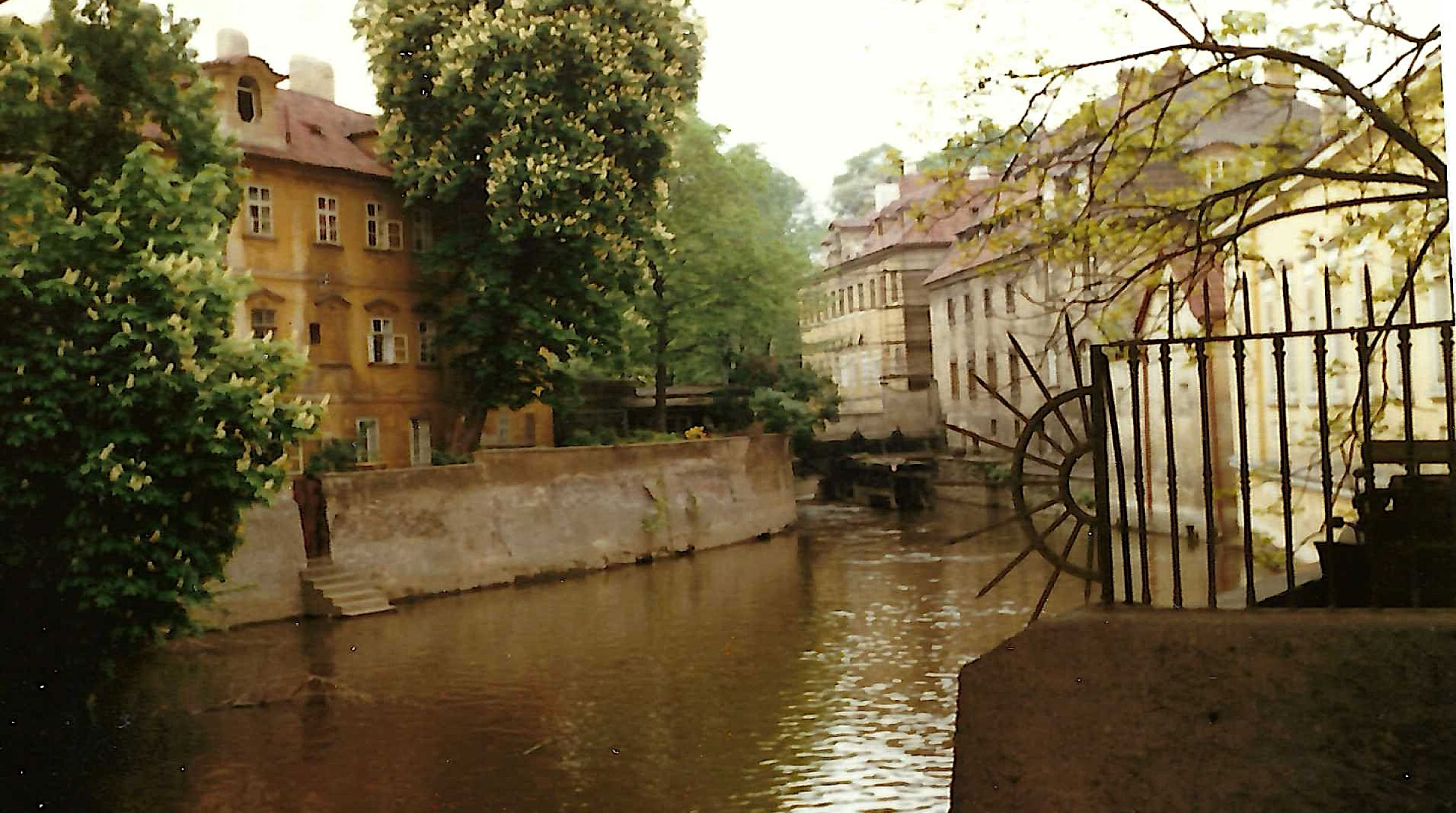
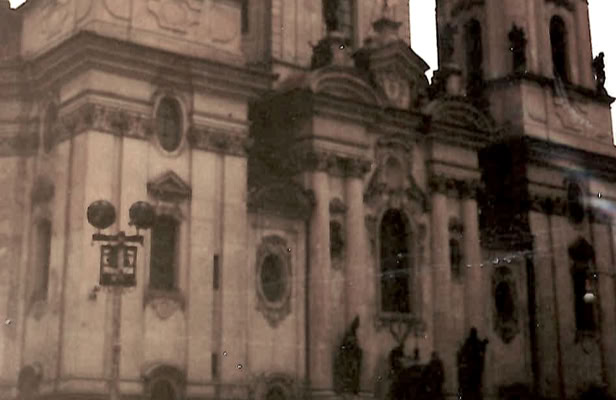
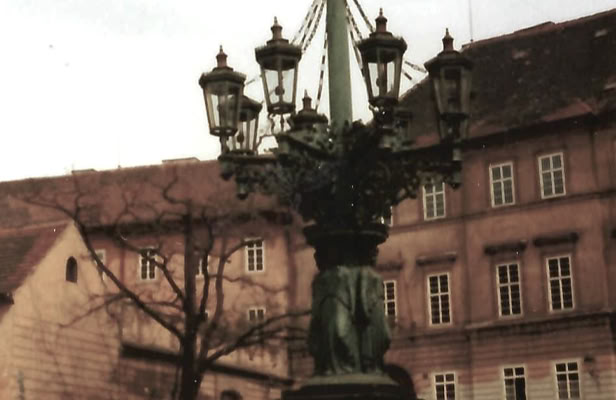
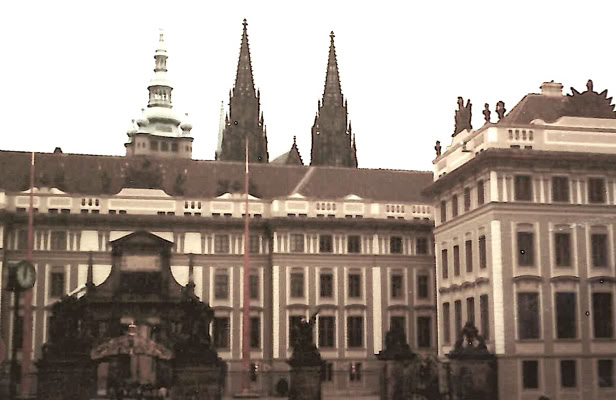
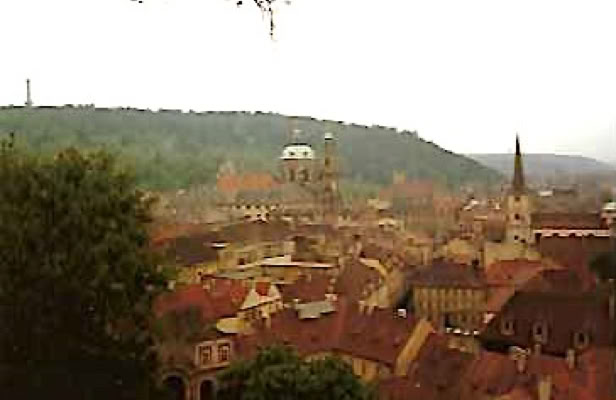
Prague. Czech Republic 1980
Gloibal Studies: Culture/Nature
Photo: A.A.Bispo©
1980
Studies of cultural processes in global contexts
using Euro-Brazilian relations as a frame of reference
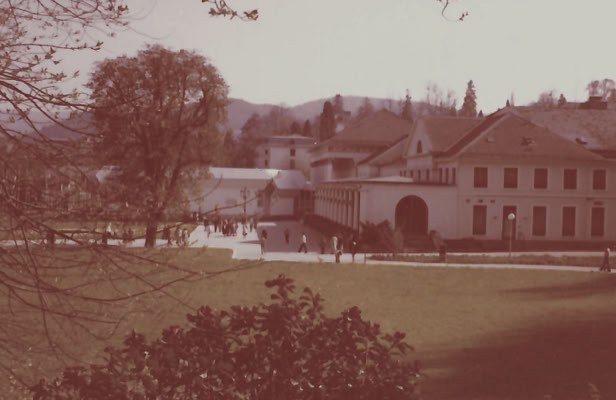
Baden Baden. Germany. 1980
Global Studies: Culture/Nature
Photo: A.A.Bispo©
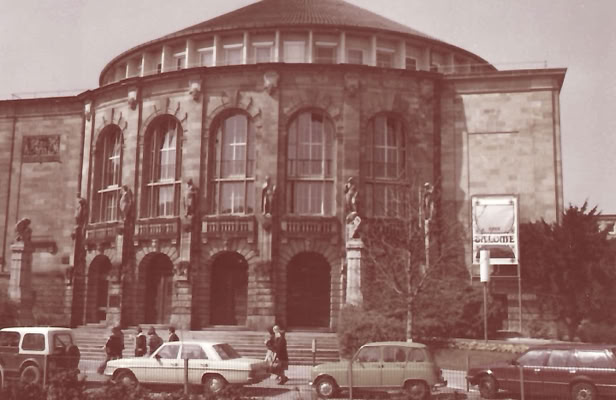
Freiburg im Bresgau: Germany. 1980
Global Studies: Culture/Nature
Photo: A.A.Bispo©
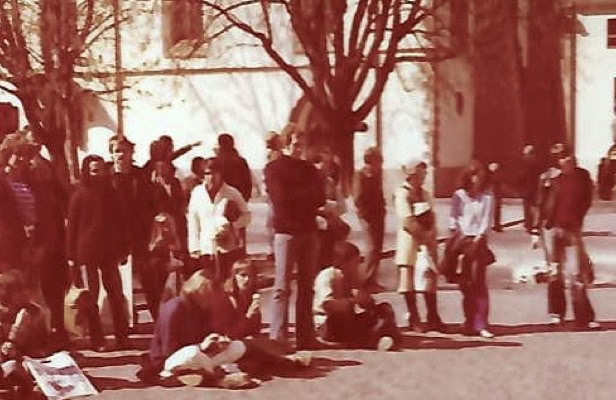
Prague, Czech Republic. 1980
Global Studies: Culture/Nature
Photo: A.A.Bispo©
Prague, Czech Republic. 1980. Global Studies: Culture/Nature
Photo: A.A.Bispo©
Prague, Czech Republic. 1980
Global Studies: Culture/Nature
Photo: A.A.Bispo©
Prague, Czech Republic. 1980
Global Studies: Culture/Nature
Photo: A.A.Bispo©
Prague, Czech Republic. 1980
Global Studies: Culture/Nature
Photo: A.A.Bispo©
Prague, Czech Republic. 1980
Global Studies: Culture/Nature
Photo: A.A.Bispo©
Prague, Czech Republic. 1980
Global Studies: Culture/Nature
Photo: A.A.Bispo©
Prague, Czech Republic. 1980
Global Studies: Culture/Nature
Photo: A.A.Bispo©
Prague, Czech Republic. 1980
Global Studies: Culture/Nature
Photo: A.A.Bispo©
Prague, Czech Republic. 1980
Global Studies: Culture/Nature
Photo: A.A.Bispo©
Prague, Czech Republic. 1980
Global Studies: Culture/Nature
Photo: A.A.Bispo©
Czech Republic. 1980. Global Studies: Culture/Nature. Photo: A.A.Bispo©
Freiburg im Bresgau: Germany. 1980
Global Studies: Culture/Nature
Photo: A.A.Bispo©
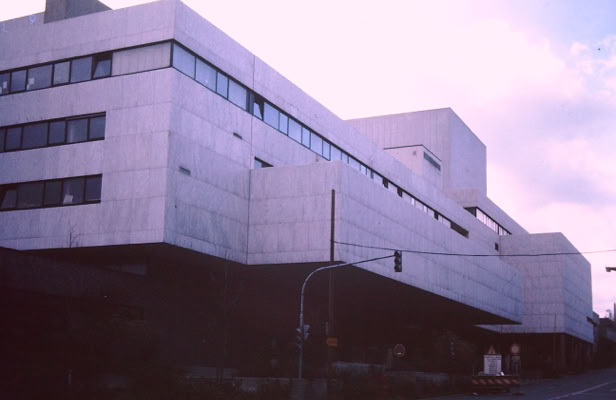
Bonn.1980
Global Studies: Culture/Nature
Photo A.A.Bispo©
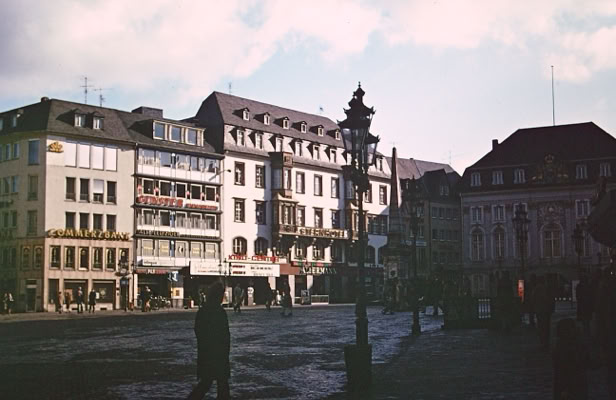
Bonn. Germany 1980
Global Studies: Culture/Nature
Photo: A.A.Bispo©
Freiburg i. Breisgau. Germany 1980
Global Studies: Culture/Nature
Photo: A.A.Bispo©
Black Forest. Germany 1980
Global Studies: Culture/Nature
Photo: A.A.Bispo©
Cologne. 1980
Global Studies: Culture/Nature
Photo: A.A.Bispo©
Cologne. 1980
Global Studies: Culture/Nature
Photo: A.A.Bispo©
Cologne. 1980
Global Studies: Culture/Nature
Photo: A.A.Bispo©
Germany
Baden-Württemberg
Baden Baden, Freiburg i, Breisgau
Culture/Nature: Black Forest and Brazil
Czech Republic
Pilsen, Prague
Bohemia-Paraguay-Brazil Studies
Bonn-Bad Godesberg
VII International Congress of Sacred Music
II Ethnomusicological Symposium: East and Central Africa
Meetings: Sacred Music in Brazil/Brazil in Sacred Music
Meetings: Lusophone Africa in Cultural Processes
Cologne
Centenary of the Italian Association of Santa Cecilia Meetings: Italian Cecilianism in Brazil
Ethnological Colloquium (Institute for Folklore Studies of the University of Cologne)
Themes
Jesuits of Bohemia in the Missions of Paraguay | Jiri Hanzelka and Miroslav Zikmund | Congo/Brazil | Angola | Brazil | Missiology and Studies of Cultural Processes | Negritude | Authenticity | Acculturation and Inculturation | Review of Africa-Brazil Studies | Indonesia in Cultural History | Polynesia and Melanesia | Romanesque Architecture in the Rhine and Maas Region | Titian and his era | Music and Conceptions of Music in Antiquity | Tropes and Sequences | Architectural Acoustics and Auditory Perception |
***
The year 1980 in Euro-Brazilian studies was marked by events focused on scientific and cultural issues related to religion in global contexts, particularly Catholicism in history and in trends of thought and practice in the post-conciliar period. This concentration of interests was the result of developments in previous years at the University of Cologne, which led the previous year to the defense of thesis on music in São Paulo churches in the 19th century.
These studies had drawn attention to the significance of Brazil, particularly São Paulo, for the 19th-century ecclesiastical and sacred-musical restoration movement and its questionable political and cultural consequences, as well as to analyses of ecclesiastical legislation from the perspective of studies of cultural processes on a global scale, in light of the liturgical reforms that had marked the pontificate of Paul VI, preceding that of John Paul II.
In 1980, these debates took on pressing relevance due to the VII International Congress of Sacred Music, promoted by the Consociatio Internationalis Musicae Sacrae (Rome), other international organizations and institutions, universities, and which, bringing together choirs, organists, researchers, and associations from various countries and motivated by the centenary of the completion of Cologne Cathedral, promised to be an event of extraordinary dimensions, also requiring the presence of representatives from Brazil, Portugal, and other Portuguese-speaking countries.
The presence of the Italian Association of Saint Cecilia and its events among the migrant community of Cologne was one of the main factors in the current critical debate about Cecilianism and ecclesiastical and sacred-musical Restorationism in general of the 19th century and its extensions into the 20th century, also in non-European countries. This had been the main focus of the Euro-Brazilian debates of previous years and of the celebratory event at the Faculty of Philosophy of the University of Cologne for the awarding of research on sources in São Paulo and their interpretation according to cultural processes in global contexts.
Discussions about the problematic aspects of the Restoration in the 19th century, and about the persistence of conceptions and practices from the period before the Second Vatican Council, began with reflections initiated in April in Freiburg im Breisgau, whose archdiocese, encompassing the former regions of Baden and Hohenzollern, is one of the largest in Germany, founded in years marked by the Restoration in 1821 and 1827 respectively, and presided over by Archbishop Oskar Seier. One of the aims of the reflections was to draw parallels between the Catholic restoration movement in these regions of Germany and Brazil during the period of Independence and the First Empire.
In May, observations and reflections were conducted in Prague with the aim of ascertaining situations and trends in the practice and conceptions of sacred music within the communist sphere, paying particular attention to the actions of Cardinal František Tomášek, a Bohemian primate. One of the main areas of interest was the study of relations between Bohemia and Brazil in the 18th century within the context of recatholicization processes in Bavaria and Tyrol, as well as missionary history in South America, highlighting Anton Sepp SJ, and revisiting Euro-Brazilian studies developed since 1975. Consideration was given, above all, to scores collected in research in São Paulo on the reception of works by composers of the Mannheim school and the role played by Bohemian musicians within it.
Brazil, Portugal, and other Portuguese-speaking African countries were represented by several researchers at the International Congress of Sacred Music. The participation of Brazilians in the event was made possible by support from organizations such as the São Paulo State Secretariat of Culture, the National Conference of Bishops of Brazil, and several universities, including José de Almeida Penalva, José Geraldo de Souza, Eleanor Dewey, and Nicole Jeandot. These researchers had been part of the movement for the study of cultural processes initiated in São Paulo since the 1960s, and the Euro-Brazilian studies developed in Germany since 1974.
The peculiarity of the international congress lay in the fact that it directed attention to non-European countries, particularly Central and East Africa. Although thematically the congress was dedicated to issues concerning Africa, it was significant in several aspects for studies and initiatives related to Brazil, Portugal, and other Portuguese-speaking countries.
Several organists, choirs, and orchestras took part in the congress: the Catholic Centenary Memorial Choir/Kampala, under the direction of James Makubuya; the Choir of St. Hedwig's Cathedral in Berlin; I Cantori di Santomio/Malo (Vencenza), under the direction of Piergiorgio Righele; the Choir of Limburg Cathedral, under the direction of Mathias Breitschaft; the Limburg/Maastricht Symphony Orchestra; the Choir of Mainz Cathedral; the Schola Cantorum Coloniensis; the Schola Cantorum Roermond; the Schola Choralis Solingen; the Schola of the Conventual Church of Bonn; the Choir of Falas of the Catholic Academy of Sacred Music of Regensburg; and, among the organists, Wolfgang Bretschneider, Rosalinde Haas, Heribert Klein, Albert Richenhagen, Hermann Schroeder, Rudolf Walter, and Krzysztof Wilkus.
The participants of the congress were greeted by Pope John Paul II in the Brief "Jubilari Feliciter" addressed to the Archbishop of Cologne on May 25, 1980. In it, the pontiff recalled that the Second Vatican Council, through the Constitution Sacrosanctum Concilium, had emphasized the significance of sacred music in the service of the liturgy. For this reason, the Council recalled the musical heritage of the East and West which, still cultivated, reflects the art and culture of people from different nations. Special mention was made of Gregorian Chant which, as a chant proper to worship, is closely linked to the Latin language. At the same time, polyphonic chant should be highlighted, recognizing it as an extraordinary vehicle for the transmission of liturgical texts.
The Council, however, recommended that not only should the secular heritage of sacred music be preserved, but also that the culture and art of peoples be considered. In this sense, the participants of the congress would have a vast field for research and study. They should reflect on which cultural elements of different peoples, their traditions and their uses, could be employed in worship. It was recognized that the peoples of various countries, especially those of mission, possessed their own musical traditions, which should be valued, both in the sense of shaping the religious sense of these peoples and also in adapting the liturgy to these particularities. For this aspiration to be achieved through scientific means, comparative research should focus on both ancient and new forms of expression.
In a message to the congress participants, the President of the Federal Republic of Germany emphasized that sacred music is an expression of a human attitude that is not limited to the material world and that it has always contributed to the development of secular music. German composers have also created, alongside secular works, sacred musical works of enduring value and global diffusion. Currently, it is observed that original creations from the "Third World" also represent impulses for revisions of their own conceptions. Sacred music could contribute to these reciprocal processes that transcend borders.
The event opened in the Beethoven Hall in Bonn on June 20th. The session was enhanced by performances of contemporary works for organ and choir by the Limburg Cathedral Choir, Gregorian choirs from Cologne and Solingen, and organ performances by Rosalinde Haas and Hermann Schroeder. It was opened by the president of CIMS, who recalled the book of Psalms, in particular the words Annuntiate inter gentes gloriam domini (Ps. 95,3).
Following this was a pronouncement by the Archbishop of Cologne, who, recalling the cathedral's jubilee, emphasized the awareness and veneration of the Three Wise Men from the East, which directed attention to the distant, to the regions of their origins. At the same time, recalling the conciliar guidelines, he stressed that care should be taken to ensure that trivial and banal music was not introduced into sacred music: sacred music should aim at the glorification of divine magnificence.
The conference that marked the solemnity was given by Archbishop Simon Lourdusamy, Secretary of the Congregation for the Evangelization of Peoples and President of the Pontifical Mission Societies in Rome. In it, Bishop Lourdusamy recalled the Congregation of Propaganda Fide and the instruction of 1659, in which missionaries in China and Indochina were warned not to modify ways of life, customs, and practices. The congress would be dedicated to discussing issues concerning the cultures of Central and Eastern Africa. Based on his experience as an organist and choral conductor, as well as his studies and activities as Archbishop of Bangalore, he encouraged specialists to dedicate themselves diligently to these issues.
Addressing the guidelines for studies and their relevance today, he emphasized that Catholicism's relations with non-Christian religions and cultures had become highly relevant with the Second Vatican Council. Among these documents, he highlighted the pronouncement on non-Christian religions and the decree on the missionary activity of the Church. Citing Cardinal König of Vienna at the 1975 Missiological Congress in Rome, he considered six points he addressed concerning the missionary task of the Church. These involved maintaining the "sensus religiosis" that existed in African and Asian cultures in the face of a loss of religiosity in North America and Central Europe.
The encounter with non-Christian religions would correspond to a dialogue of the Church with all of humanity. The implantation of the Church in other cultures would contribute to an awareness of solidarity and fraternity. In considering the Decree on missionary activity, he addressed the issue of "becoming autochthonous" in the different cultural spaces of the world. The Council used the image of the Word as a seed to be planted in dew-soaked ground, which would grow and, drawing its sap from the earth, transform it and bear fruit. Theologians should, in the light of the Church's tradition as a whole, of values and biblical texts, investigate different cultures in order to ascertain the paths to be followed in employing the philosophy and wisdom of peoples. With this, a profound adaptation of Christian life would be achieved. At the same time, however, the risk of a misinterpretation of the text was highlighted, leading to a diversification that would contradict the universality of Catholicism, which is in itself supranational and supernatural.
The mission would not be colonization nor development aid. The mission would not be at the service of any culture or earthly structures, of the economy or politics, but would concern the Eternal in Man. The theme "Evangelization and Cultures" had been addressed in pronouncements during Pope Paul VI's visit to Uganda in 1969 and during John Paul II's trip to Africa. Already in the text *Africae terrarum*, of October 29, 1967, Paul VI had emphasized that the Church considered the ethical and religious values of African tradition, not in their content, but as a basis for the transmission of doctrine and the formation of a new society.
In his message to the bishops of Zaire, the Pope had emphasized that doctrine could not be identified with any one culture, as it transcended them all. Musical research was confronted with this complex of problems and possibilities. Therefore, in order to promote an appropriate repertoire of sacred music, researchers should begin with studies of the traditional music of each region as a prerequisite for ascertaining its meaning and functions, as well as its psychic effects. This intention could only be achieved through the use of modern recording and documentation methods.
Following a pontifical mass at the church of St. Remigius in Bonn, the general assembly of the Consociatio Internationalis Musicae Sacrae took place, where its statutes and canonical structure were considered, followed by an activity report. With the election of a Brazilian as Consiliarius, the perspective of Euro-Brazilian studies – strictly scientific-cultural, non-confessional – began to mark the activities related to Brazil within the organization.
On June 22nd, the centenary of the Associazione Italiana Santa Cecilia was celebrated in Cologne. In a pontifical mass at Cologne Cathedral, Monsignor Antonio Mistrorigo, Bishop of Treviso and President of the A.I.S.C., recalled the association's objectives and history. This was followed by a Cecilian Day led by E. Papinutti.
The meetings of researchers from Brazil, Portugal, and Angola were held together with other participants from Portuguese, French, Spanish, and Italian-speaking countries. Among those who took part were Julia d’Almendra, director of the Gregorian Institute of Lisbon; Fr. Luis Conjuimbe, delegate of the Episcopal Conference of Angola; Carmen Maria Honzales Munoz, Mexico; José Lopez-Cálo SJ, Spain; Emidio Papinutti OFM and Simone Wallon, France.
During the meetings, issues considered problematic at the congress from a Brazilian perspective were discussed. The main problems of the conference concerned its theological foundation and, above all, its scientific orientation. From a theological point of view, the Brazilian participants who, as religious figures or theologians criticized the extreme conservatism of the pronouncements. Eleanor Florence Dewey considered Gregorian interpretations outdated, since they did not correspond to the new semiological studies developed by E. Cardine OSB, which she defended in Brazil. Representatives of Semiology were not present at the Congress.
Nicole Jeandot also saw educational problems in this conservatism, clinging to older conceptions of the Solemes tradition. The Ward method, which she represented in Brazil, had long required fundamental revisions regarding rhythmic conceptions, and she herself had sought for years to adapt it to Brazilian musical culture. José Geraldo de Souza, who has been dedicated to the study of religious folklore for decades, did not see these efforts and attempts as adequately considered. Contrary to the historical development of the reflections presented at the Congress, the reflections and practical experiences in Brazil were of much longer history. It could not be considered that the developments began with events in 1975; this would constitute an ahistorical rewriting of the developments. Since the 1960s, meetings have been held in Brazil with the participation of theologians and cultural researchers, among others, at the Theologicum Curitibas under the direction of José de Almeida Penalva.
A.A. Bispo considered above all the scientific issues of the congress as a professor of Ethnomusicology at the Musical Institute of São Paulo. The ethnomusicologists defended questionable positions, incompatible with perspectives and theoretical orientations developed in Brazil since the 1960s. It was emphasized that, despite all the interactions concerning the analysis of non-European cultures and the function of music, Ethnomusicology itself, as a science, could not be instrumentalized in the service of conceptions and visions of the world and of man of a religious nature. The meetings were thus marked by criticism from a theoretical-cultural perspective. The Brazilian approach was fundamentally theoretical-culturally oriented towards processes. It sought to overcome a way of thinking marked by categorizations of the object of observation as well as boundaries of cultural spheres, areas, regions, and nations.
In the context of the congress, the II Ethnomusicological Symposium was held at the Wissenschaftszentrum Bonn, dedicated to the theme Bantu Peoples in Central and Eastern Africa. From the perspective of Euro-Brazilian studies, attention has been devoted to gathering sources and studying historical processes spanning centuries, as documented in the literature. These studies have been conducted since 1977, paying particular attention to the ideas, ideologies, objectives, and visions of authors, politicians, researchers, and theologians.
Royal Museum of Central Africa in Tervuren
Knowledge of Brazil in Bohemia
Bohemia and Brazil: cultural intertwining
Regarding the traditional practice of Gregorian Chant in Brazil ("Zur traditionellen Praxis des Gregorianischen Chorals in Brasilien". H.P.M. Litjens u. G. M. Steinschulte (eds), Divini Cultus Splendori: Studia Musicae Sacrae necnon et Musico-Paedagogiae, Liber Festivus in Honor in Joseph Lennards. Consociationis Internationalis Musicae Sacrae (Romae), 1980, 97-106
Regarding Sacred Music in Zaire, according to data in missiological and musicological literature (Zur Kirchenmusik in Zaire nach den Darstellungen in der missions- und musikwissenschaftlichen Literatur". Musices Aptatio/Liber Annuarius 1980 - Jahrbuch Musices Aptatio 1981. Rome/Cologne: Luthe