BRASIL-EUROPA
GLOBAL STUDIES
CULTURE/NATURE

BRASIL-EUROPA
GLOBAL STUDIES
CULTURE/NATURE
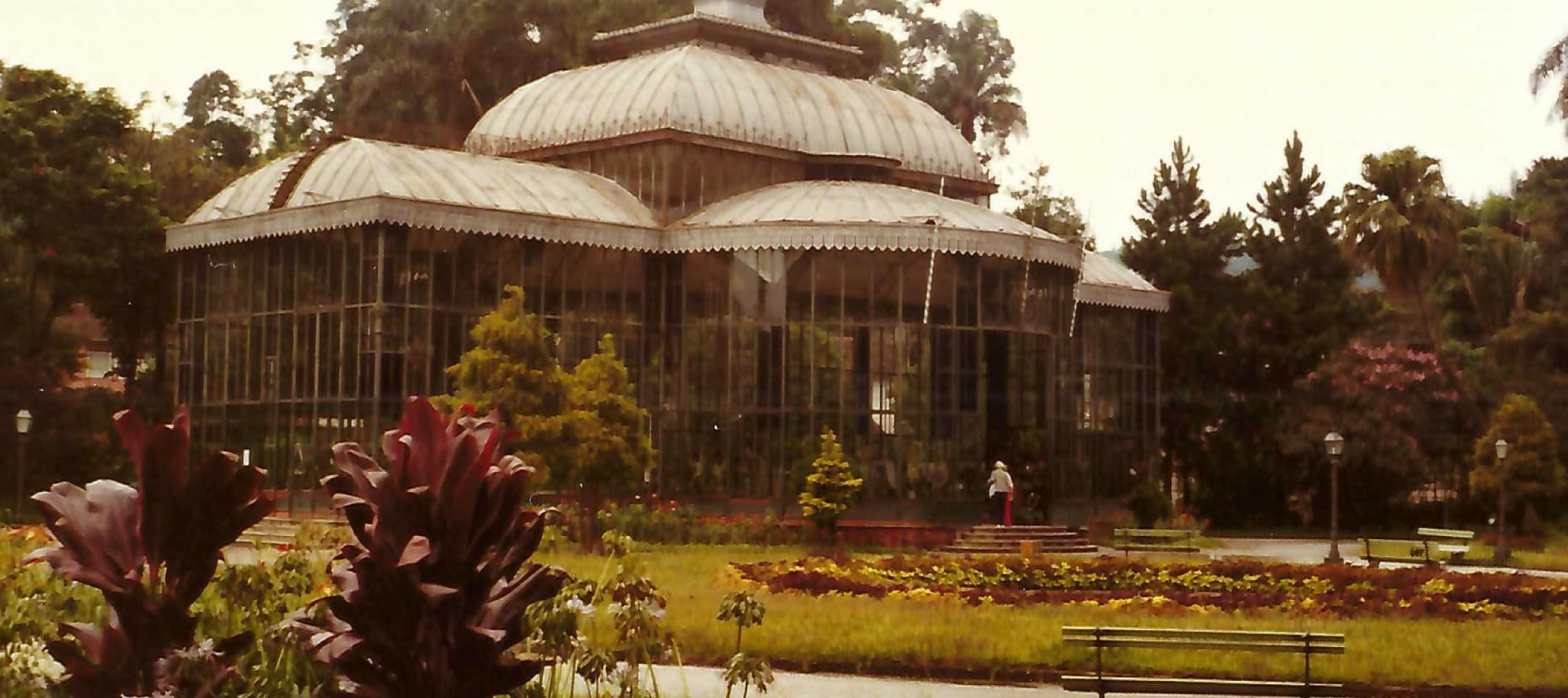
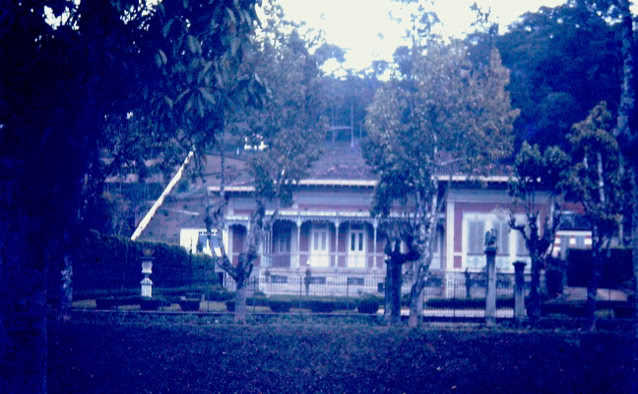
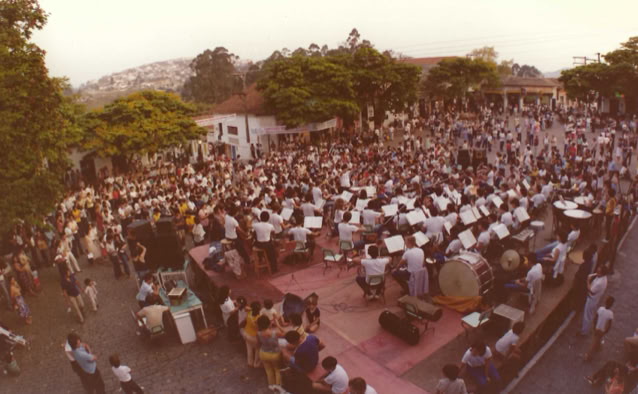
Petrópolis. Brazil 1981
Global Studies: Culture/Nature
Photo: A.A.Bispo©
1981
Studies of cultural processes in global contexts
using Euro-Brazilian relations as a frame of reference
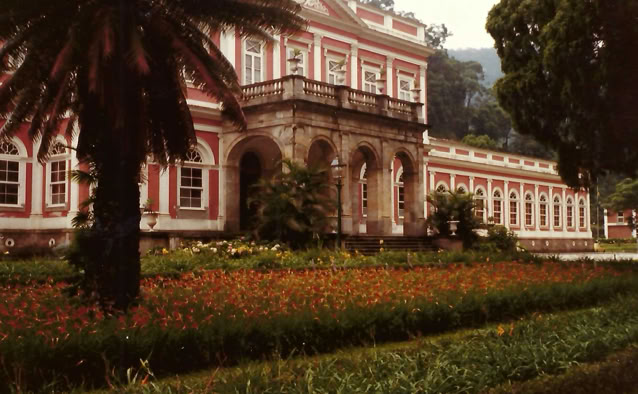
Petrópolis, Rio de Janeiro, Brazil 1981
Global Studies: Culture/Nature
Photo: A.A.Bispo©
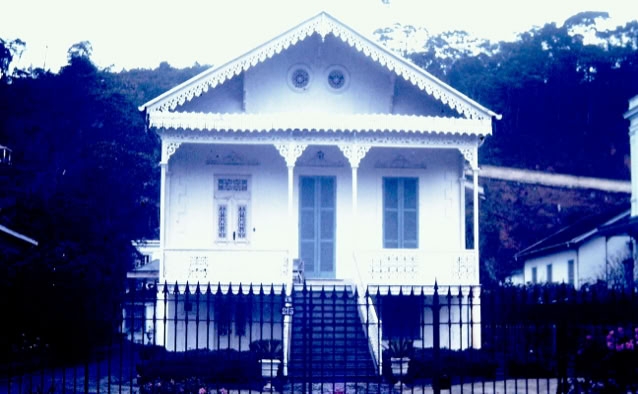
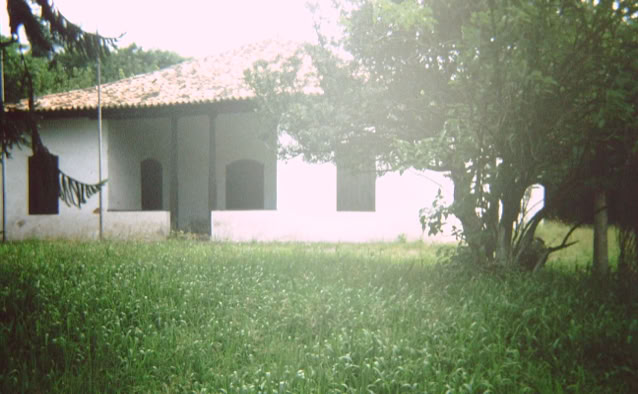
Petrópolis, Rio de Janeiro, Brazil 1981
Global Studies: Culture/Nature
Photo: A.A.Bispo©
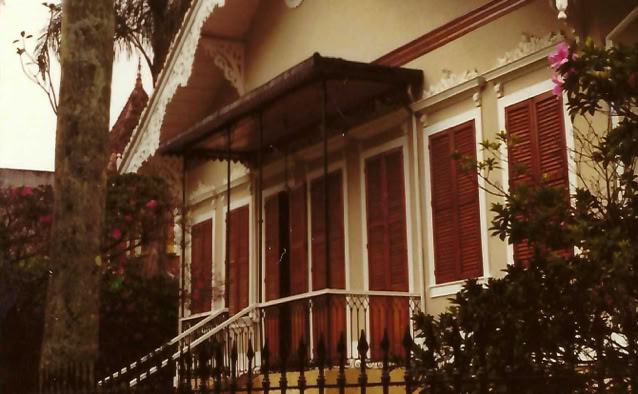
Petrópolis, Rio de Janeiro, Brazil 1981
Global Studies: Culture/Nature
Photo: A.A.Bispo©
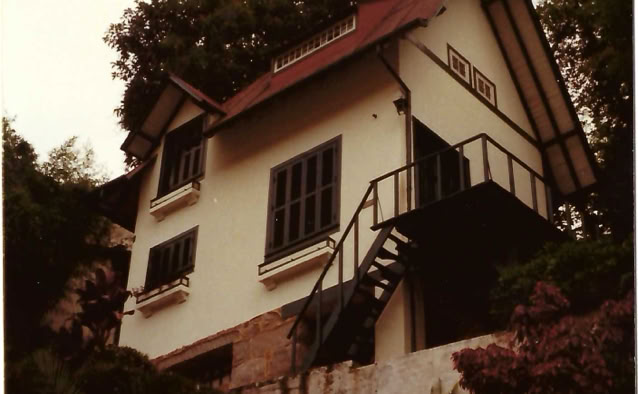
Petrópolis, Rio de Janeiro, Brazil 1981
Global Studies: Culture/Nature
Photo: A.A.Bispo©
Petrópolis, Rio de Janeiro, Brazil 1981
Global Studies: Culture/Nature
Photo: A.A.Bispo©
Petrópolis, Rio de Janeiro, Brazil 1981
Global Studies: Culture/Nature
Photo: A.A.Bispo©
Petrópolis, Rio de Janeiro, Brazil 1981
Global Studies: Culture/Nature
Photo: A.A.Bispo©
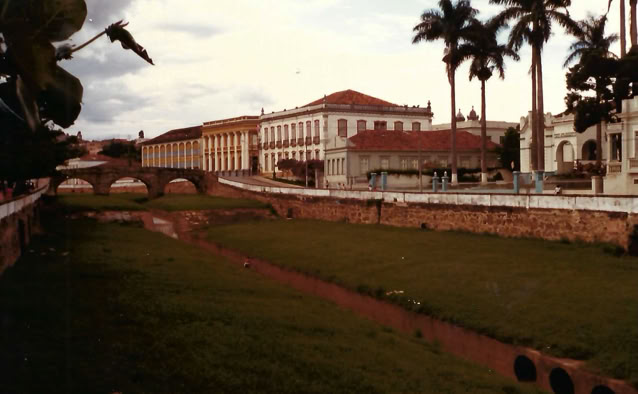
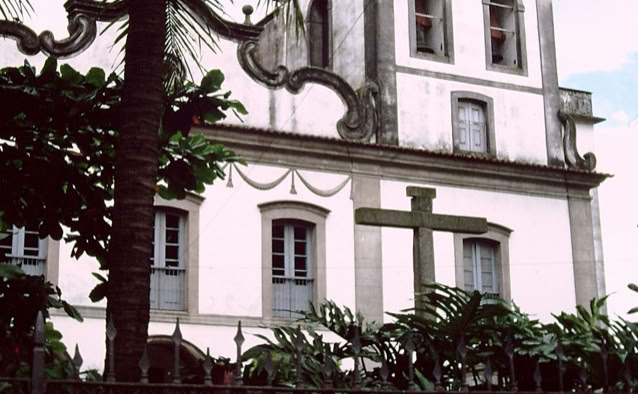
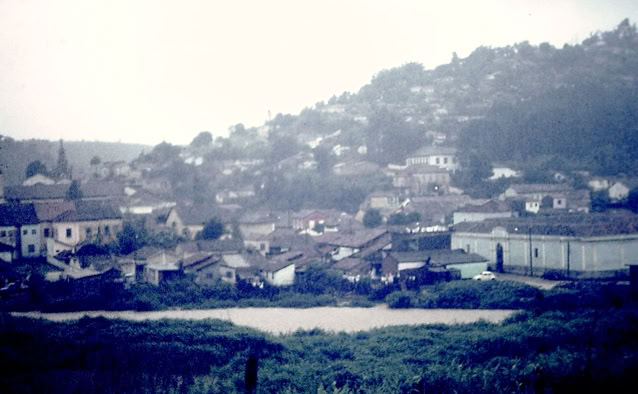
Sao João del Rei. Minas Gerais. Brazil 1981
Global Studies: Culture/Nature
Photo: A.A.Bispo©
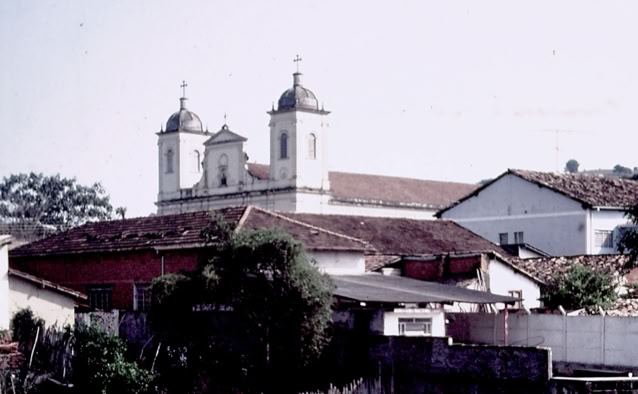
Sao João del Rei. Minas Gerais. Brazil 1981
Global Studies: Culture/Nature
Photo: A.A.Bispo©
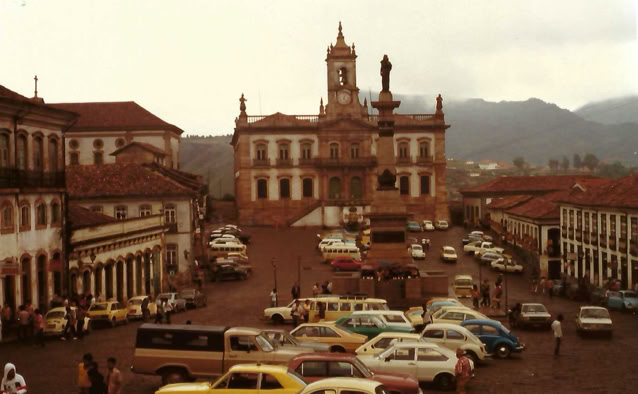
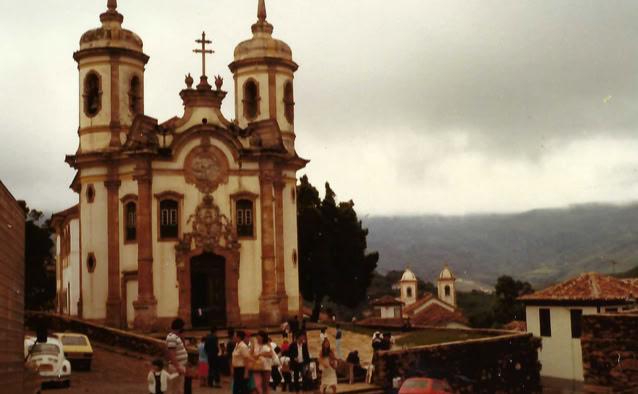
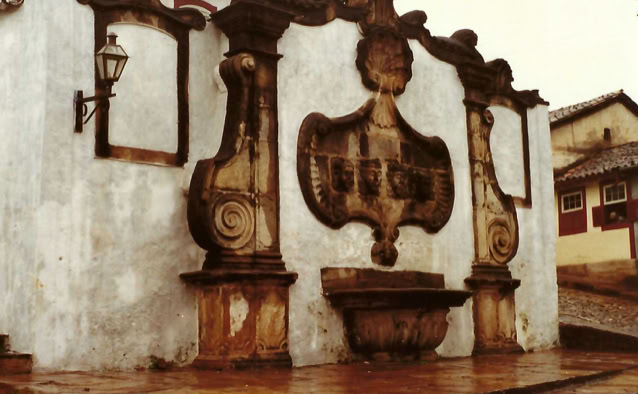
Ouro Preto. Minas Gerais. Brazil 1981
Global Studies: Culture/Nature
Photo: A.A.Bispo©
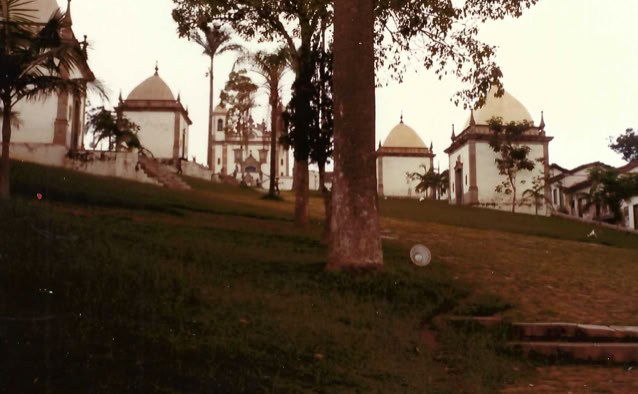
Congonhas do Campo. Minas Gerais. Brazil 1981
Global Studies: Culture/Nature
Photo: A.A.Bispo©
Ouro Preto. Minas Gerais. Brazil 1981
Global Studies: Culture/Nature
Photo: A.A.Bispo©
Ouro Preto. Minas Gerais. Brazil 1981
Global Studies: Culture/Nature
Photo: A.A.Bispo©
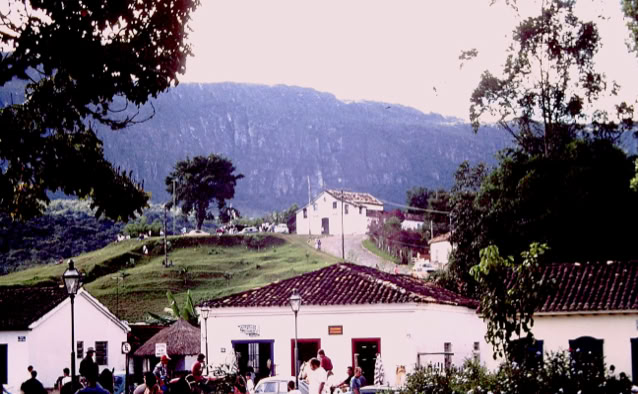
Tiradentes. Minas Gerais. Brazil 1981
Global Studies: Culture/Nature
Photo: A.A.Bispo©
Ubatuba. São Paulo. Brazil 198
Global Studies: Culture/Nature
Photo A.A.Bispo©
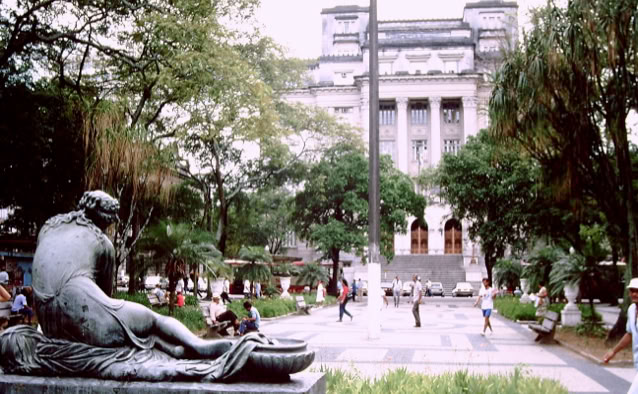
Santos. São Paulo. Brazil 1981
Global Studies: Culture/Nature
Photo: A.A.Bispo©
Santos. São Paulo. Brazil 1981
Global Studies: Culture/Nature
Photo: A.A.Bispo©
Cubatão. São Paulo. Brazil 1981
Global Studies: Culture/Nature
Photo: A.A.Bispo©
Cubatão-Paranapiacaba. São Paulo. Brazil 1981
Global Studies: Culture/Nature
Photo: A.A.Bispo©
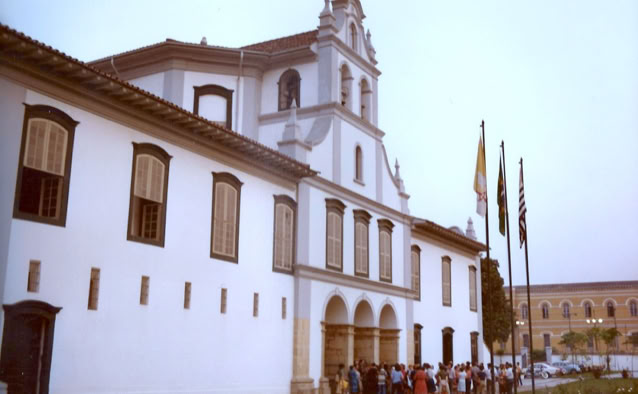
São Paulo 1981. Museum of Sacraed Art
Global Studies: Culture/Nature
A.A.Bispo©
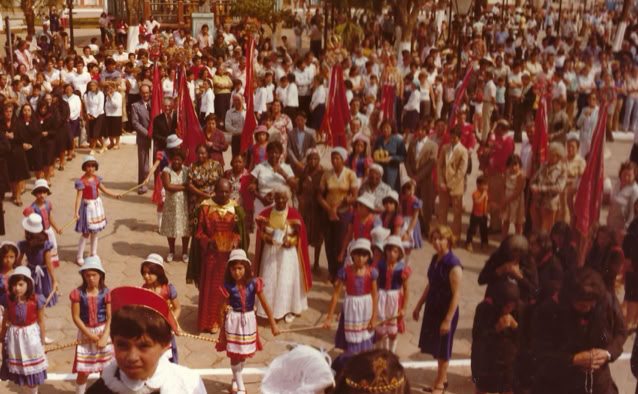
São Luís do Paraitinga. São Paulo 1981
Global Studies: Culture/Nature
Photo: A.A.Bispo©
São Luís do Paraitinga. São Paulo 1981
Global Studies: Culture/Nature
Photo: A.A.Bispo©
São Luís do Paraitinga. São Paulo 1981
Global Studies: Culture/Nature
Photo: A.A.Bispo©
São Luís do Paraitinga. São Paulo 1981
Global Studies: Culture/Nature
Photo: A.A.Bispo©
São Paulo. Bandeirantes Houss. 1981
Global Studies: Culture|Nature
Photo: A.A.Bispo©
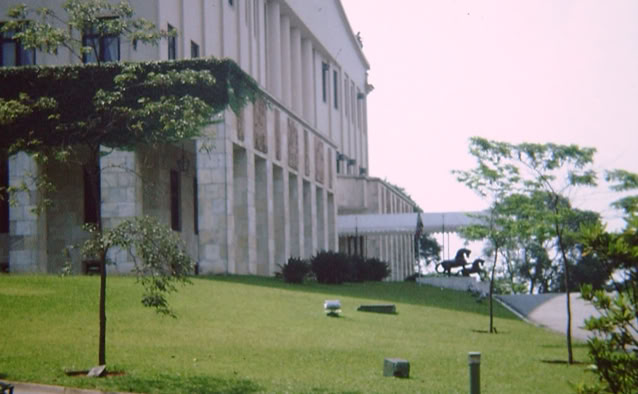
São Paulo. Palace of the Bandeirantes. Government Palace. 1981
Global Studies: Culture/Nature
Photo: A.A.Bispo©
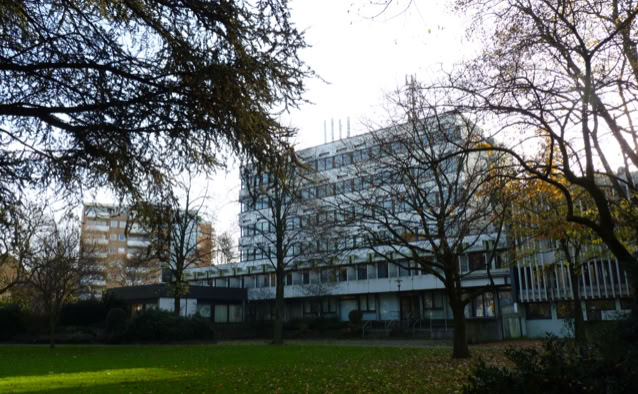
Leichlingen. Germany 1981
Global Studies: Culture/Nature
Photo: A.A.Bispo©
Preparatory meetings for the International Symposium on Sacred Music and Brazilian Culture and the Brazilian Society of Musicology
São Paulo: Santos, São Vicente, São Luís do Paraitinga
Minas Gerais: São João del Rei, Ouro Preto, Mariana, Sabará, Petrópolis, São Luís do Paraitinga, Ubatuba
Rio de Janeiro: Rio de Janeiro, Petrópolis, Parati
Preparatory conferences in Europe. São Paulo State Secretariat of Culture
Cologne, Bonn, Maria Laach, Mainz, Munich
Austria
Salzburg
Vatican City
Collectanea Musicae Sacrae Brasiliensis
Lisbon. Meeting at the Universidade Nova de Lisboa. Ethnomusicology in the Lusophone context
International Symposium on Sacred Music and Brazilian Culture
São Paulo, Embu, São Luís do Paraitinga. Palace of the Bandeirantes, Metropolitan Cathedral, Museum of Sacred Art, Municipal Theater, Museum of Image and Sound, Paulista Academy of History, Nativity Scene Museum, churches of Carmo, Imaculada Conceição, Nossa Senhora de Fátima, Third Order of Saint Francis.
Foundation of the Brazilian Society of Musicology
São Paulo. Paulista Museum of the University of São Paulo. Conferences: 1) Folklore Museum, 2) Paulista Auditorium (Othon Palace)
Petrópolis. Conferences 3) University of Petropolis | 4) Mariana Museum
Leichlingen. Music Forum Germany/Brazil. 100 years Béla Bártok. 100 years Fritz Krause. 80 years Martin Braunwieser
Unity and Diversity - Diversity and Unity. Self-Images and Reciprocal Images. Guiding Principle: Human Rights and Duties. Reception of sacred music in Brazil | Choral-orchestral tradition | Problematic of restorationism | Sacred Music and Cecilianism | São Paulo in Sacred Music | Gregorian and Gregorian movement | | Music in Colonial Brazil | Music in the Empire | Music in the Republic | Gregorian | Polyphony | Organ | Community songs | Cultural Policy | Memory and History |
***
The year 1981 was marked by events of extraordinary significance for global studies conducted from a Euro-Brazilian perspective. From December 1980 to March 1981, meetings and studies took place in São Paulo, Minas Gerais und Rio de Janeiro. In these studies and meetings, one of the focuses was the Culture/Nature program, considering above all environmental contexts and developments in their relationship with culture.
The scope of the regional studies program aimed to update knowledge, observe developments and trends in studies and research, establish contacts, develop international cooperation projects, visit institutions, and discuss with researchers and governmental and ecclesiastical authorities the plans for the founding of the Brazilian Society of Musicology, to be established in the context of the 1st International Symposium on Sacred Music and Brazilian Culture in September 1981. The goal was to understand the positions and perspectives, as well as the possibilities for participation of institutions and researchers in the formation of the society and its international work and relations.
The idea of creating a national musicology association – understood as a body of cultural studies with music as its guiding concept – was not recent. Within the Musicology Research Center of the Nova Difusão movement, registered as a society in São Paulo in 1968, a project was developed to create an association of researchers dedicated to the institutionalization of musicology as a cultural science within the Humanities area of the University. The movement's theoretical orientation was directed towards processes that transcended categorizations of objects of study and delimitations of spheres and areas in different senses, thus being fundamentally inter- and transdisciplinary.
Musicology should not be understood solely as limited to the history of music; it must necessarily encompass acoustics and other systematic scientific areas, as well as empirical research. This orientation implied not only overcoming the delimitations of disciplines and areas, but also of state, regional, and even national contexts, with attention directed to processes and interactions across boundaries and delimitations of these areas in multiple senses.
The ideal of creating an association of music researchers in Brazil was nurtured and discussed in courses on Ethnomusicology, Aesthetics, and Music History at the Faculty of Music of the Musical Institute of São Paulo between 1971 and 1974. In this context, the conviction deepened that, regardless of musicological areas in Higher Schools of Music, Musicology should be institutionalized at the university level within the Humanities, in Faculties of Philosophy, Sciences, and Letters, not in Higher Schools of Music and Arts.
The scope of Musicology, if considered as a human science, could not be reduced to a complementary subject or one of the areas of institutions focused on the arts, which would represent a misunderstanding of its scope and a devaluation of the field, a situation that would worsen if these institutions began to confer academic degrees.
This position differed fundamentally from that of musicians who, also interested in research but without specific scientific training, advocated its inclusion in Schools of Communications and Arts. Despite its connection to the Faculty of Philosophy, Sciences and Letters, Musicology should constitute an independent institute.
With the creation of a working group in Germany to discuss the paths to be taken for the development of a musicology suitable to the new political and cultural situation of Portuguese-speaking countries and its institutionalization, reflections began to be conducted internationally, although always in close relationship with personalities from musical life and cultural and music research in Brazil. Noting that the term Musicology was being used abusively in Portugal and Brazil, the Portuguese musicologist Maria Augusta Barbosa advocated for the institutionalization of the term Musical Sciences in Portugal instead of Musicology. Based on experiences in the institutionalization of the field in Germany and other European countries, studies and initiatives were developed for the creation of musicology societies in Portugal and Brazil, as well as institutes of musical sciences in university contexts in both countries.
Fundamental to all reflections was the development of a musicology with a theoretical-cultural orientation directed towards processes, as conceived at the Center for Research in Musicology in São Paulo, and thus towards the dynamics of interactions, whether inter- or transregional, inter- or transcontextual, and inter- or transnational.
The attention given to the diversity of countries, regions, and social, ethnic, and other contexts to be considered implied reflections on the relationships between Diversity and Unity or Unity and Diversity. These reflections shaped the concerns and debates on various occasions in the late 1970s and early 1980s.
In Europe, studies and meetings followed in Bavaria and Austria, particularly in Munich and Salzburg, held in May 1981. Attention was focused primarily on the renewal movement of the Mozarteum after the First World War and its significance for Euro-Brazilian studies, particularly on the occasion of the 80th anniversary of Martin Braunwieser's (1901-1991) birthday. He was a composer, conductor, researcher, educator, and founder of the Bach Society of São Paulo. This commemoration, in several aspects, marked the 1981/82 forum, as well as the Bach/Brazil study program.
From September 27th to October 3rd, the International Symposium on Sacred Music and Brazilian Culture took place in São Paulo, the largest event held to date in the field of cultural studies with a musicological focus in Brazil, and within which the Brazilian Society of Musicology was founded. The society's first four international conferences were held in São Paulo, Petrópolis, and Mariana.
In Europe, a series of multilateral forums for cultural studies based on music was inaugurated in the city of Leichlingen on the North Rhine/Westphalia, the first forum being dedicated to German/Brazilian relations. The scope of this series of forums was to prepare for the celebration of the European Year of Music in 1985 and the founding of an institute for cultural studies with a musicological focus in the Portuguese-speaking world, as an internationalization of the Center for Musicological Research registered in São Paulo in 1968.
In Germany, after several colloquia with Romance scholars from the universities of Bonn and Cologne, particularly with the Lusitanist Thomas Freund, the multilateral Forum was inaugurated with the support of the city of Leichlingen. It was dedicated to German-Brazilian relations, with special consideration given to issues of reciprocal images and self-images, discussing the problem of ahistorical stereotypes and the transformability of mutual portraits and identifying links. One of the aspects considered was the Culture/Nature relationship in studies concerning images. Corresponding to the theoretical orientation of Euro-Brazilian studies, cultural analyses and reflections concerning education were addressed from the perspective of music.
Musical works and composers from all eras, as well as indigenous instruments, songs and dances, cult and festive practices that reveal links with Africa, as well as folkloric traditions and popular music, served as a starting point for cultural analyses and their effects on mental and spiritual states in their mutability. The year ended with a Germany-Brazil Music Week, when compositions from different eras and contexts in Brazil were presented, many of them in their international premiere.
A highlight of the program was the performance by choir and orchestra of the Christmas Matins by José Maria Xavier, a composer from São João del Rei, Minas Gerais, as it was printed in Munich in 1885. Within the framework of the Brazil-Germany Music Forum and Week, Martin Brainwieser was honored on his 80th birthday. Braunwieser was an Austrian composer, researcher, and educator, a graduate of the Mozarteum in Salzburg, who played a significant role in Brazilian cultural research as a member of the Mission to the Northeast promoted by the Department of Culture of São Paulo in the 1930s and as the founder of the Bach Society of São Paulo.
The forum was the first multilateral event dedicated to German-Brazilian relations in Musicology and Education. It was organized by the city of Leichlingen through its School of Music and Department of Culture in cooperation with the recently founded Brazilian Society of Musicology (SBM). It was the SBM's first event in Europe. The forum was held under the auspices of the Brazilian Embassy in Bonn, Germany, and the Brazilian Consulate General in Düsseldorf. It involved the collaboration of several organizations and institutions, including the Institute of Musicology of the University and the Cologne University of Music, the Institute of Comparative Musicology of the Free University of Berlin, and the German-Brazilian Society. Brazilians residing in Germany contributed to the discussion of the themes, through conferences, concerts, and an art exhibition.
In dialogues conducted with Romanists, professors, and graduates in Philosophy, notably Thomas Freund (1958-2019), the conception of Human Rights (and their Duties) as a guiding ethical principle for reflections on Diversity was reached, with a validity that is, so to speak, universal and determinant of Unity in Diversity. The results of the visits, observations, and dialogues in the various regions of Brazil were intended to lead to a multimedia project.The Germany/Brazil forum concluded with the first Brazilian Music Week from September 26 to October 1, 1982. In its context, the centenary of Béla Bartók was considered in its significance for musicological and educational studies and for cultural research. One of the topics discussed was Fritz Krause's (1881-1963) expedition from Leipzig to Araguaia, which motivated particular attention to the indigenous cultures in that region in later years.
German-Brazilian Music Forum: (Deutsch-brasilianisches Musikforum - Musik der Welt/Brasilien)
Introduction to the History of Music in Brazil for German Music Students: "Introdução à História da Música no Brasil para estudantes de música alemães"Einführung in die Musikgeschichte Brasiliens für deutsche Musikschüler". Leichlingen, 1981. Brasil-Europa & Musicologia. Colonia: I.S.M.P.S.,1999. 384-38
Advent, Christmas, and Epiphany in Cultural Studies and Comparative Music Pedagogy