BRASIL-EUROPA
GLOBAL STUDIES
CULTURE/NATURE
BRASIL-EUROPA
GLOBAL STUDIES
CULTURE/NATURE
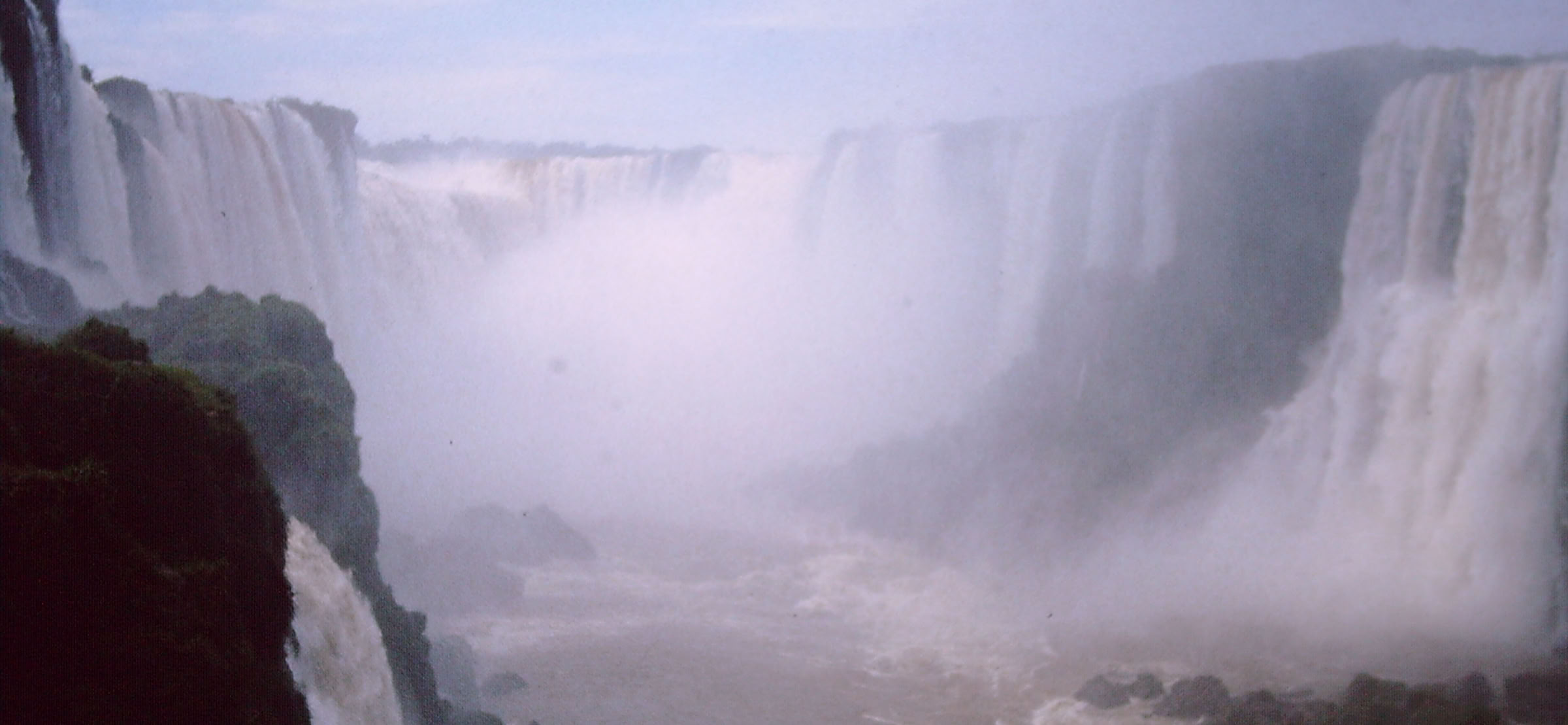
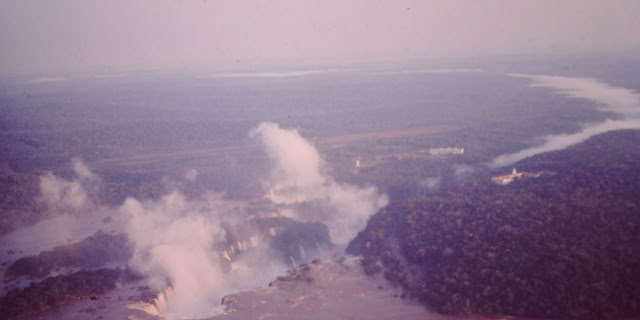
Foz do Iguaçú.1982. Brazil/Paraguay/Argentina
Global Studies: Culture/Nature
Photo: A.A.Bispo©
1982
Studies of cultural processes in global contexts
using Euro-Brazilian relations as a frame of reference
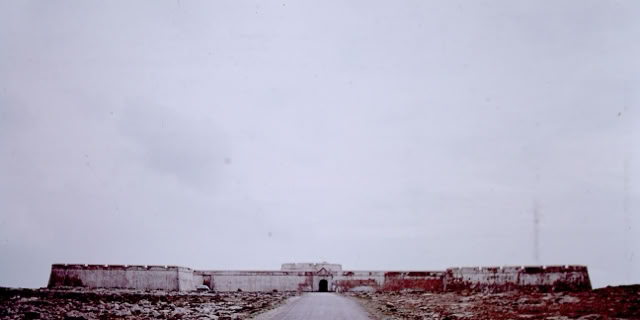
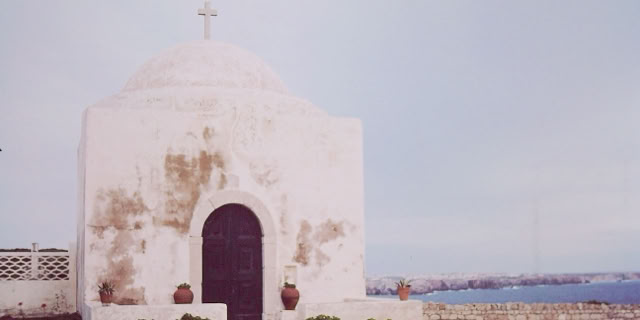
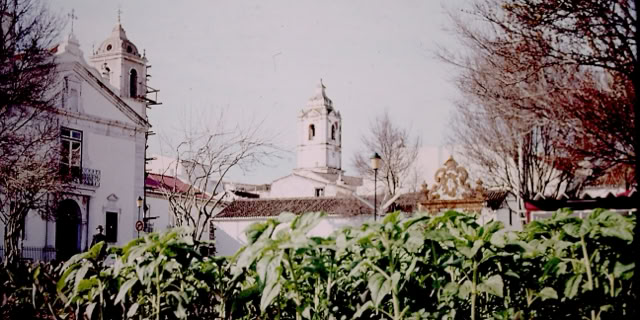
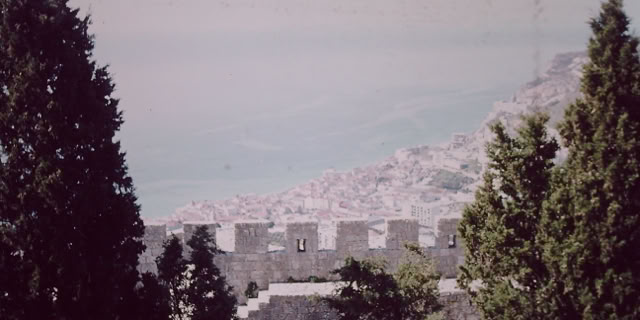
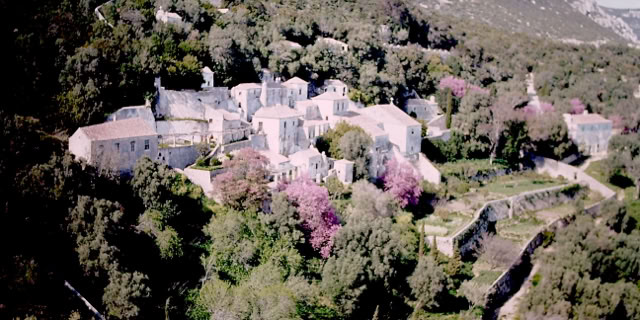
The Algarve. Portugal 1982
Global Studies: Culture/Nature
Photo: A.A.Bispo©
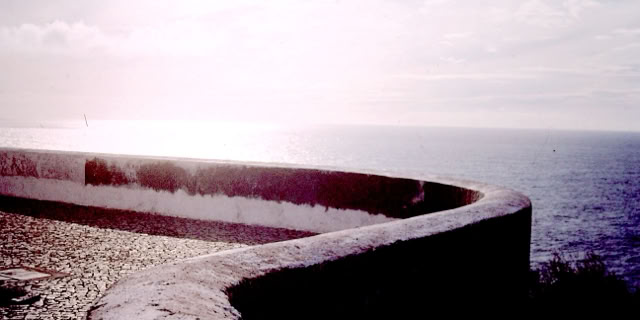
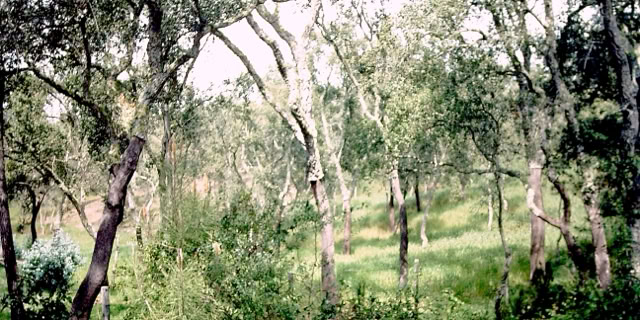
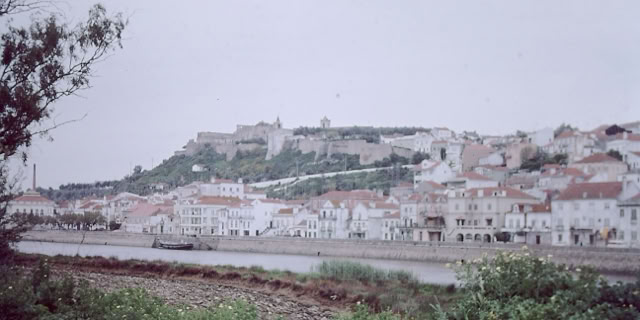
The Algarve. Portugal 1982
Global Studies: Culture/Nature
Photo: A.A.Bispo©
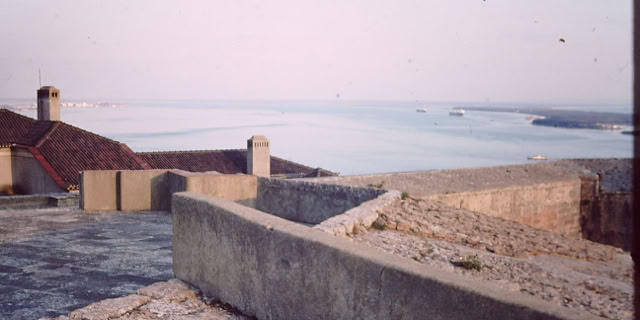
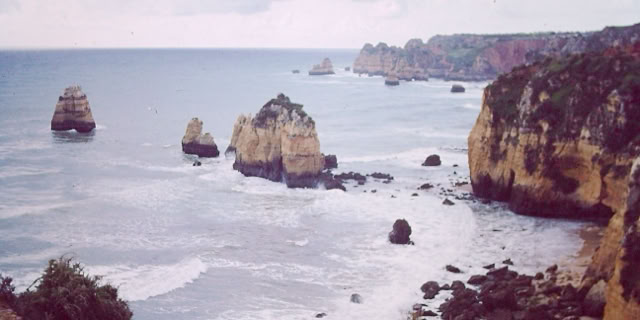
The Algarve. Portugal 1982
Global Studies: Culture/Nature
Photo: A.A.Bispo©
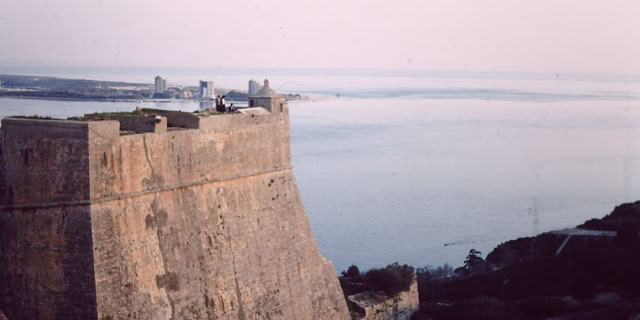
The Algarve. Portugal 1982
Global Studies: Culture/Nature
Photo: A.A.Bispo©
Portugal 1982
Global Studies: Culture/Nature
Photo A.A.Bispo©
Portugal 1982
Global Studies: Culture/Nature
Photo: A.A.Bispo©
Portugal 1982
Global Studies: Culture/Nature
Photo A.A.Bispo©
The Algarve. Portugal 1982
Global Studies: Culture/Nature
Photo: A.A.Bispo©
The Algarve. Portugal 1982
Global Studies: Culture/Nature
Photo: A.A.Bispo©
The Algarve. Portugal 1982
Global Studies: Culture/Nature
Photo A.A.Bispo©
The Algarve. Portugal 1982
Global Studies: Culture/Nature
Photo: A.A.Bispo©
Portugal 1982
Global Studies: Culture/Nature
Photo: A.A.Bispo©
The Algarve. Portugal 1982
Global Studies: Culture/Nature
Photo: A.A.Bispo©
The Algarve.Portugal 1982
Global Studies: Culture/Nature.
Photo A.A.Bispo©
The Algarve. Portugal 1982
Global Studies: Culture/Nature
Photo: A.A.Bispo©
The Algarve. Portugal 1982
Global Studies: Culture/Nature
Photo: A.A.Bispo©
The Algarve. Portugal 1982
Global Studies: Culture/Nature
Photo: A.A.Bispo©
The Algarve.Portugal 1982
Global Studies: Culture/Nature
Photo A.A.Bispo©
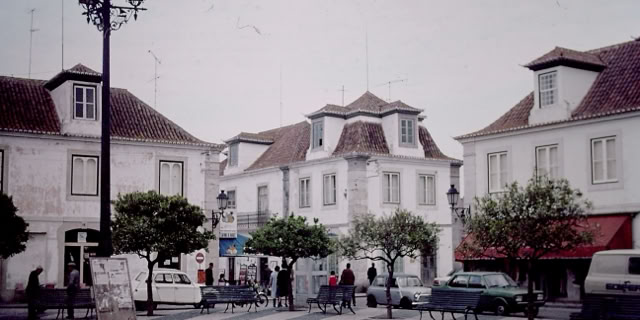
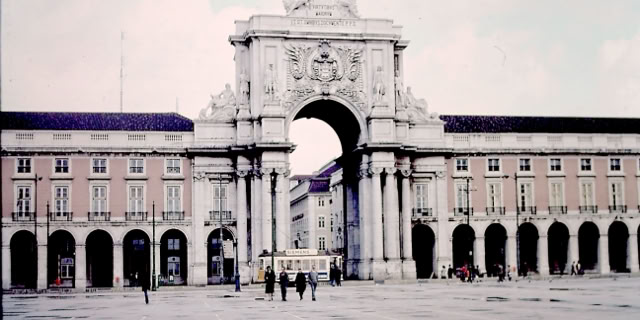
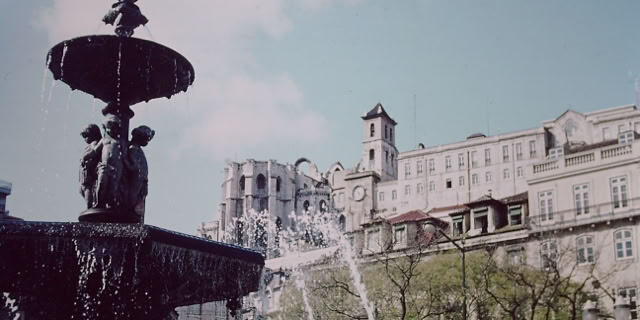
Lisbon. Portugal 1982
Global Studies: Culture/Nature
Photo: A.A.Bispo©
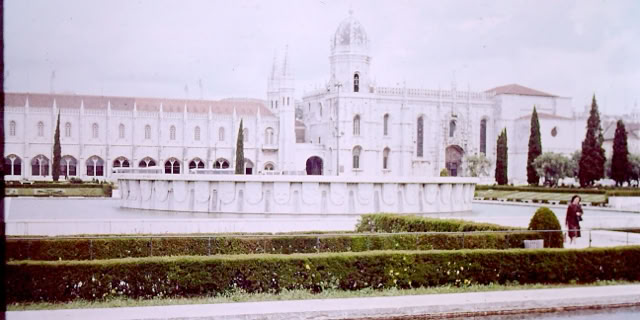
Lisbon. Portugal 1982
Global Studies: Culture/Nature
Photo: A.A.Bispo©
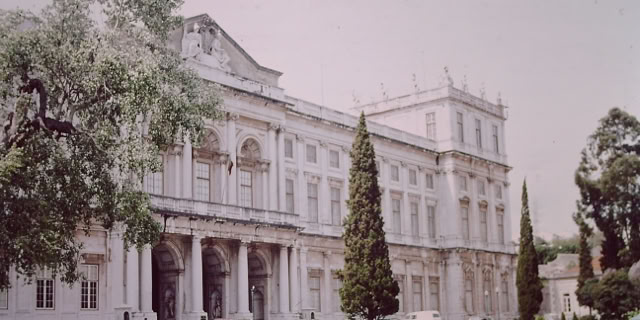
Lisbon. Portugal 1982
Global Studies: Culture/Nature
Photo: A.A.Bispo©
Lisbon. Portugal 1982
Global Studies: Culture/Nature
Photo: A.A.Bispo©
Paraguassu River. Cachoeira de S. Felix. Bahia 1982
Global Studies/Cuture Nature
Photo: A.A.Bispo©
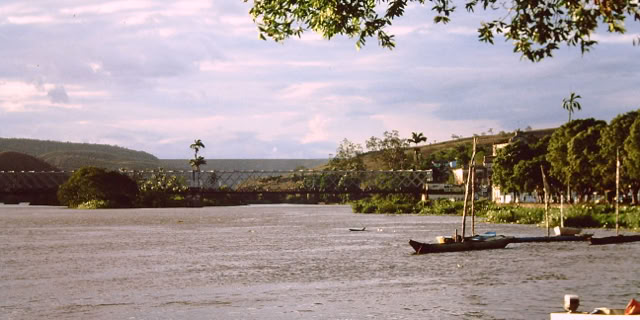
São Francisco River. Alagoas 1982
Global Studies: Culture/Nature
Photo: A.A.Bispo©
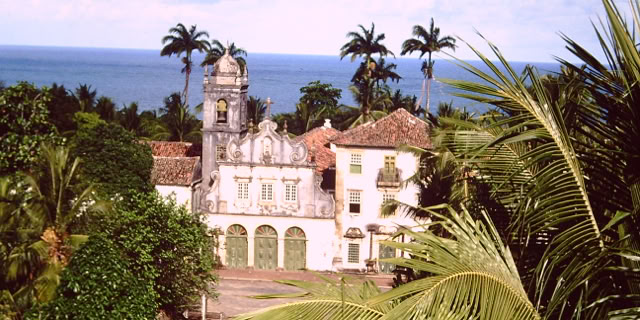
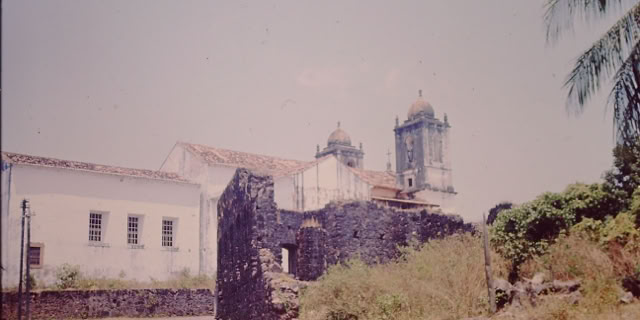
Olinda. Pernambuco 1982
Global Studies/Culture Nature
Photo: A.A.Bispo©
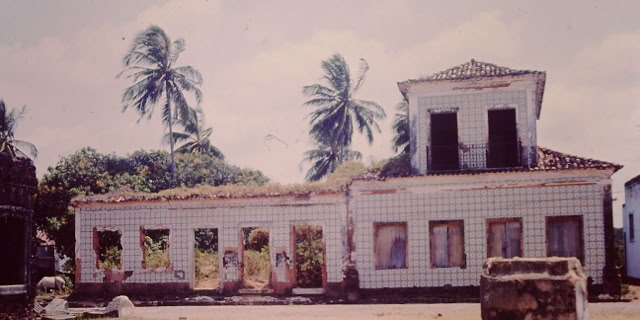
Recife. Pernambuco 1982
Global Studies: Culture/Nature
Photo: A.A.Bispo©
Museum Brenannd. Paudalho. Pernambuco 1982
Global Studies: Culture/Nature
Photo: A.A.Bispo©
São Luís. Maranhão 1982
Global Studies: Culture/Nature
Photo: A.A.Bispo©
Alcântara. Maranhão. Brazil 1982
Global Studies: Culture/Nature
Photo: A.A.Bispo©
Alcântara. Maranhão. Brazil 1982
Global Studies: Culture/Nature
Photo: A.A.Bispo©
Alcântara. Maranhão. Brazil 1982
Global Studies: Culture/Nature
Photo: A.A.Bispo©
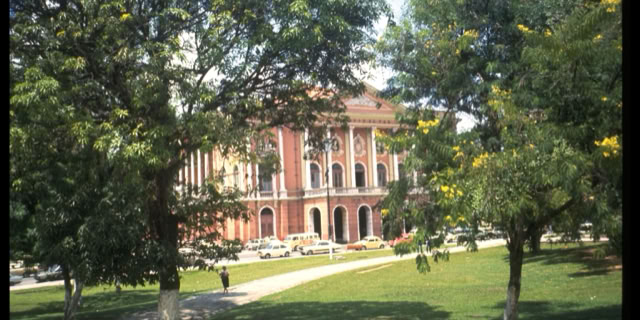
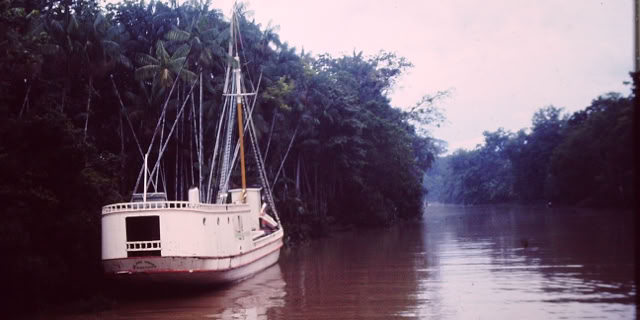
Belém. Pará 1982
Global Studies: Culture/Nature
Photo: A.A.Bispo©
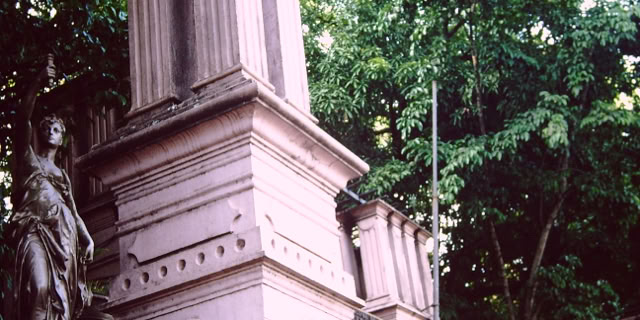
Belém. Pará 1982
Global Studies: Culture/Nature
Photo: A.A.Bispo©
Belém. Pará 1982
Global Studies: Culture/Nature
Photo: A.A.Bispo©
Belém. Pará 1982
Global Studies: Culture/Nature
Photo: A.A.Bispo©
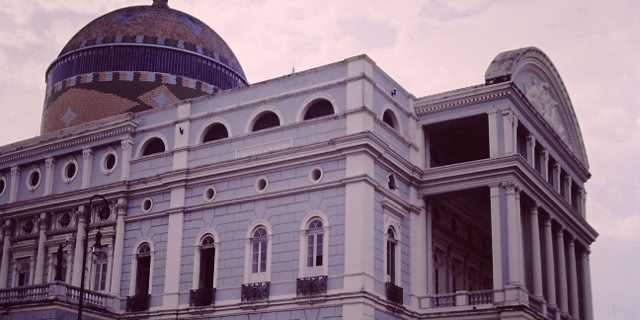
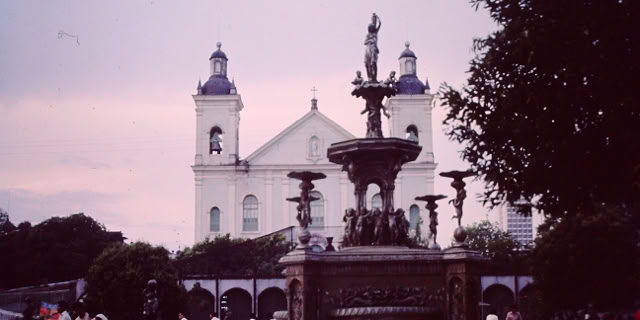
Manaus. Amazonas 1982
Global Studies: Culture/Nature
Photo: A.A.Bispo©
Manaus. Amazonas 1982
Global Studies: Culture/Nature
Photo: A.A.Bispo©
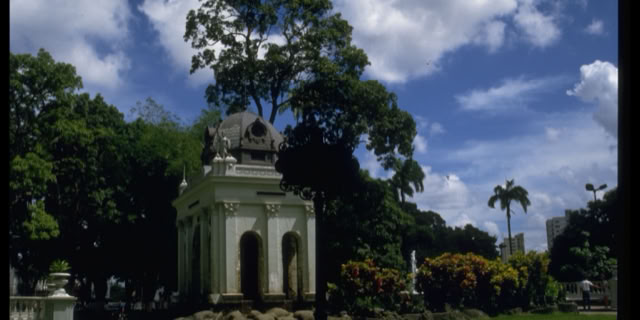
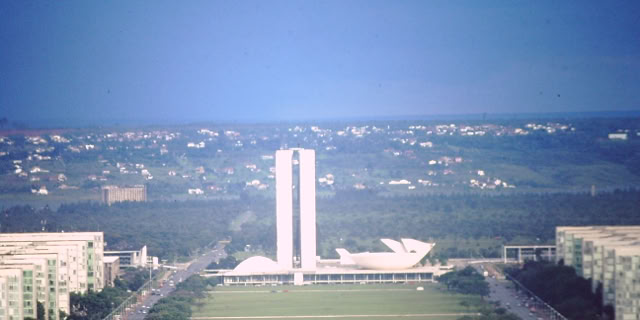
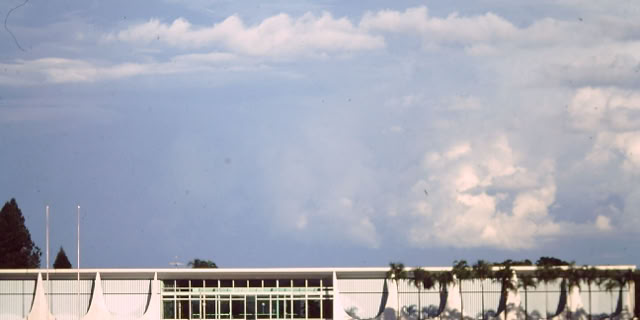
Brasilia. Brazil 1982
Global Studies: Culture/Nature
Photo: A.A.Bispo©
Brasilia. Brazil 1982
Global Studies: Culture/Nature
Photo: A.A.Bispo©
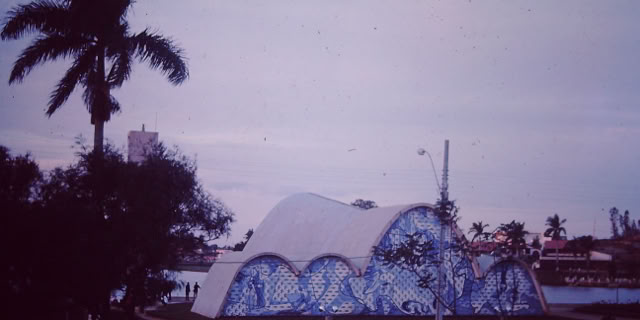
Belo Horizonte. Minas Gerais 1982
Global Studies: Culture/Nature
Photo: A.A.Bispo©
Paranaguá. Paraná. 1982
Global Studies:; Culture/Nature
Photo: A.A.Bispo©
Foz do Iguaçú. 1982
Global Studies: Culture/Nature
Photo: A.A. Bispo ©
Foz do Iguaçú. 1982
Global Studies: Culture/Nature
Photo: A.A. Bispo ©
Foz do Iguaçú. 1982
Global Studies: Culture/Nature
Photo: A.A. Bispo ©
Foz do Iguaçú. 1982
Global Studies: Culture/Nature
Photo: A.A. Bispo ©
Foz do Iguaçú. 1982
Global Studies: Culture/Nature
Photo: A.A. Bispo ©
Foz do Iguaçú. 1982
Global Studies: Culture/Nature
Photo: A.A. Bispo ©
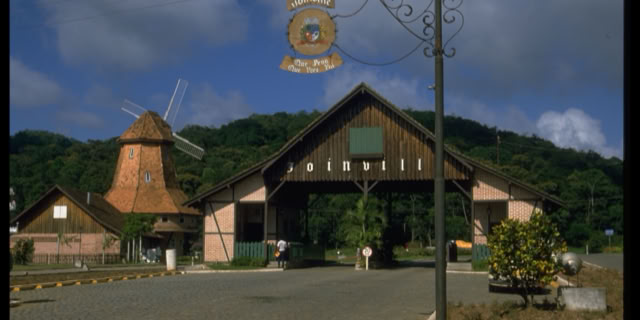
Joinville. Santa Catarina. Brazil 1982
Global Studies: Culture/Nature
Photo: A.A.Bispo©
Asambuja. Santa Catarina. Brazil 1982
Global Studies: Culture/Nature
Photo: A.A.Bispo©
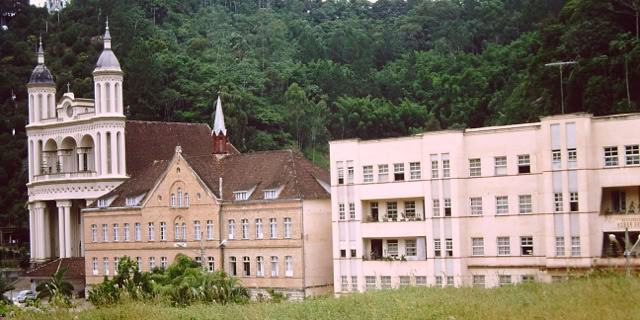
Brusque. Santa Catarina. Brazil 1982
Global Studies: Culture/Nature
Photo: A.A.Bispo©
Curitiba. Paraná. Brazil 1982
Global Studies/Culture Nature
Photo: A.A.Bispo©
Dois Irmãos. Rio Grande do Sul. Brazil 1982
Global Studies: Culture/Nature
Photo: A.A.Bispo©
Canela. Caracol. Rio Grande do Sul. Brazil 1982
Global Studies: Culture/Nature
Photo: A.A.Bispo©
Events
Portugal
Studies Cycle "Portuguese Discoveries". Global Studies: Culture/Nature
Algarve: Lagos, Albufeira, Faro, Sagres, Tavira, Loulé, Portimão, Monchique, Olhão, Vila do Bispo, Vila Real de Santo António, Castro Marim, Luz, Porto Moniz
Alentejo: Sines, Grândola, Setúbal, Beja, Portalegre, Vila Viçosa, Évora
Lisbon: Sintra, Estoril, Armadora, Oeiras, Mafra, Cascais, Óbidos
Brazil
Regional Studies Culture/Nature at the end of the Seven Falls
São Paulo | Minas Gerais | Rio de Janeiro | Bahia | Sergipe | Alagoas | Pernambuco | Paraíba | Rio Grande do Norte | Ceará | Maranhão | Pará | Amazonas | Brasília | Paraná | Santa Catarina | Rio Grande do Sul |
Germany
Leichlingen. Brazilian Music Week. Closing of the Germany/Brazil Forum
Topics
Germany/Brazil in cultural studies of musicological conduct and education. Images and Self-Images. Diversity and Unity. Human Rights and Duties as a guiding principle. Reciprocal reception of conceptions and currents. Sources of the history of cultural processes in global contexts: travelers' accounts. History of Music in Brazil in multilateral contexts. Indigenous musical research in Brazil in multilateral contexts. Afro-Brazilian studies and their problematic nature. Composers from Brazil in global contexts. Music Education in Germany and Brazil. Music in popular and salon culture in Brazil and Europe. History and Memory of natural heritage and cultural processes.
***
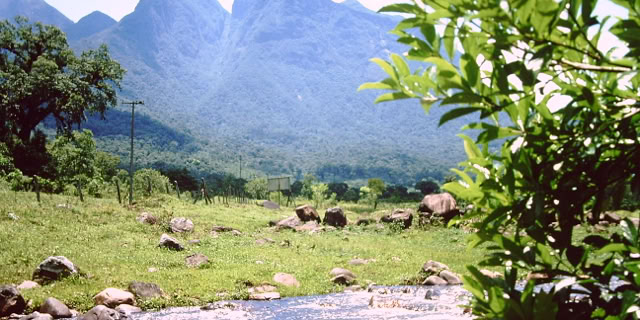
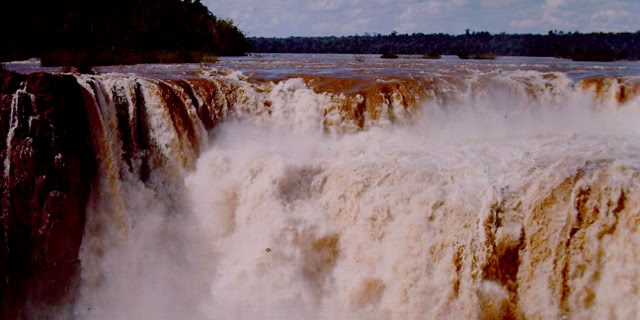
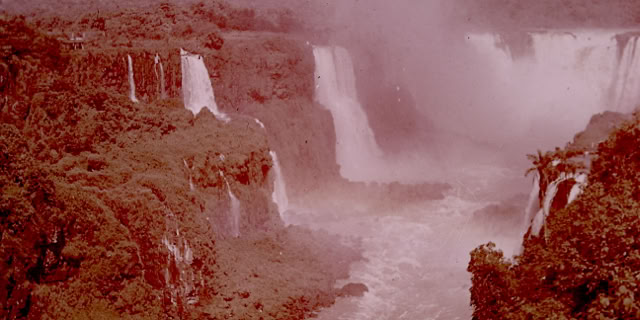
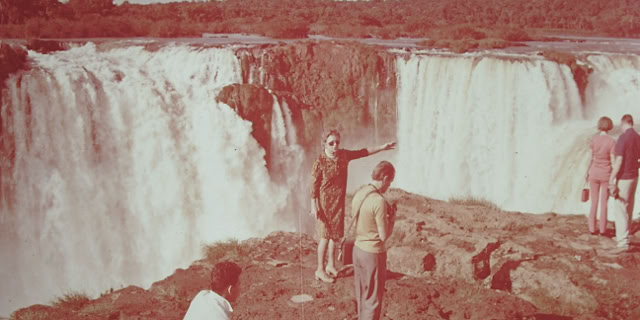
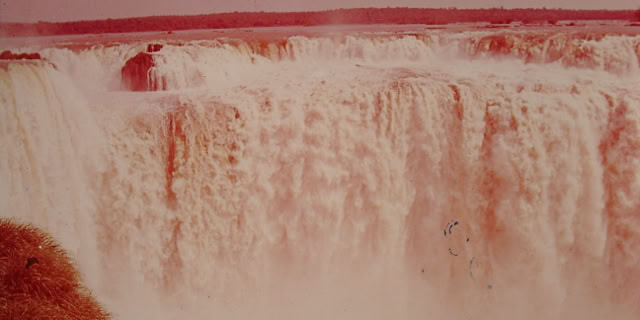
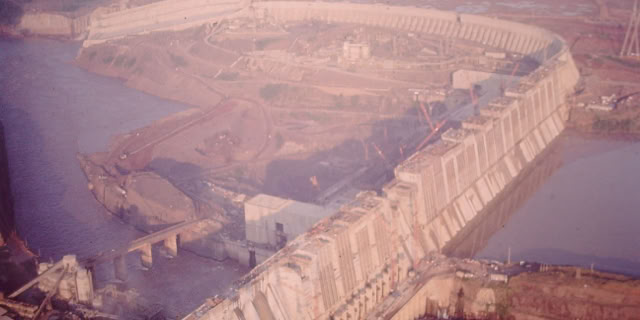
1982 was marked by two major study programs, one in Portugal and the other in Brazil. The Leichlingen Forum dedicated to German/Brazilian relations through music, which began in 1981, concluded with the first Week of Brazilian Music, where the results of the study cycles carried out in 1982 were considered. 1982 was a year of extraordinary significance for studies of Culture/Nature relations in the history of Portuguese navigation and in various regions of Brazil. A high point of these studies was a visit to the Seven Falls at the mouth of the Iguaçu River during the time of its submersion with the construction of the Itaipu Dam.
These and other events were part of long-standing developments and studies that led, in 1981, to the founding of the Brazilian Society of Musicology in the context of the International Symposium on Sacred Music and Brazilian Culture in São Paulo in 1981.The studies conducted in Portugal and Brazil in 1982 followed up on the themes discussed at the first multilateral Forum on Music Research and Education, held in Germany in 1981.When the society was founded in São Paulo in 1981, Luís Heitor Correa de Azevedo, representing international organizations based in Paris, emphasized the significance of conducting music studies in Brazil within international relations, as well as Brazil's participation in the development of musicological studies in general. The Brazilian Music Society (SBM) should operate from Germany, since the Euro-Brazilian studies program had already been underway in Cologne, near Bonn, then the capital of West Germany, since 1974. Brazil could not fail to participate in a project proposed by European Community bodies to celebrate 1985 as the European Year of Music, a project motivated by the commemoration of the 300th anniversary of the births of great figures in the history of European music.
This project, of extraordinary political and cultural significance, aimed at raising awareness of the cultural links between European countries through music, contributing to the processes of European union. It was being prepared through studies, publications, concerts, and meetings in various countries. The relevance and significance of these undertakings in research, education, musical life, cultural diplomacy, and in various other aspects should be considered in cultural and musical studies related to Brazil.
The orientation of conceptions and procedures guided by processes in global contexts, elaborated and developed in São Paulo since the 1960s, as well as European studies in the field of Ethnomusicology established in higher education from 1972 onwards, could contribute to these international developments. The relations and interactions between European countries should also be considered in their extensions to other continents and in their insertions in processes marked by reciprocity.
The Brazilian Society of Musicology proposed, in this sense, the holding of multilateral forums in which links between European cultural contexts in their global dimensions, from Euro-Brazilian perspectives, would be discussed in collaboration with European and North American researchers, intellectuals, and educators. The project was based in the city of Leichlingen in the North Rhine/Westphalia state and developed in cooperation with institutes of Romance studies, ethnology, and musicology at the University of Cologne, as well as professors and students from the Cologne University of Music, and with organizations and institutions from other European countries and Brazil.
One of the composers particularly celebrated in the European Year of Music project was Domenico Scarlatti, a figure who lived and worked in Portugal in the 18th century. The commemoration of the 300th anniversary of Scarlatti's birth was one of the reasons for the realization that Portugal could not be left out of the commemorative year of 1985 and in the studies and events that would precede it.
In meetings held in Cologne and Lisbon prior to the international events in São Paulo in 1981, the Portuguese researchers Maria Augusta Alves Barbosa and Armindo Borges emphasized the need to consider Portugal in its entirety throughout the centuries, particularly the role played by Portugal during the Franco-Flemish period and the Renaissance, which was also the era of discoveries.
Attention should thus be directed to cultural processes triggered by Portuguese discoveries, with special consideration of music. This focus would coincide with the commemorations of 500 years of important dates in the history of discoveries that would follow the European Year of Music. The scope of the European project for 1985 would gain in global reach, no longer limited to highlighting the role of music in the common cultural heritage of European countries, but turning to global processes, expansions, diffusions, receptions, and interactions in cultural encounters.
In this sense, multilateral forums should prepare the foundation of an institute that would officially recognize internationally the Center for Research in Musicology of the New Diffusion movement, registered in São Paulo in 1968, and whose theoretical orientation, directed towards processes in global contexts, would make a relevant contribution to musicology in general and to the promotion of Portuguese and literature in Portuguese in cultural sciences and musicology.
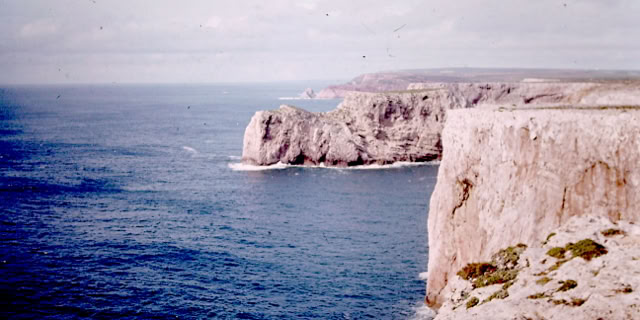
The cycle of studies carried out in the Algarve and Lisbon in 1982 aimed to consider the Portuguese Discoveries from the perspective of studies directed at cultural processes in global contexts, preparing for the 1985 commemorations and the founding of an institute for the study of the musical culture of the Portuguese-speaking world. This institute was intended to institutionalize, at an international level, the Center for Research in Musicology officially founded in São Paulo in 1968.
These studies aimed to update knowledge and revisit research conducted during the first Luso-Brazilian cycle of cultural and musicological studies, promoted by Brazilian institutions in 1973/4, a time of political and social crisis in Portugal. The goal was to consider developments in reflection and study, and to focus attention on the Algarve due to the extraordinary role its ports and cities played in the history of navigation and discovery. The main focus of attention was Lagos, with the studies prepared through a comprehensive review of the literature on the discoveries, with particular consideration given to Henry the Navigator. These studies benefited from the cooperation of Maria Augusta Alves Barbosa and Armindo Borges, specialists in musical and cultural studies of the late Middle Ages and Renaissance in Portugal.
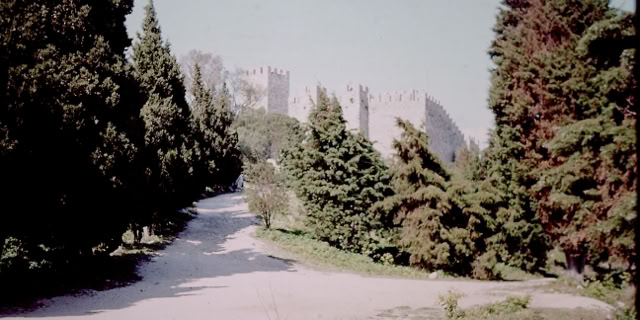
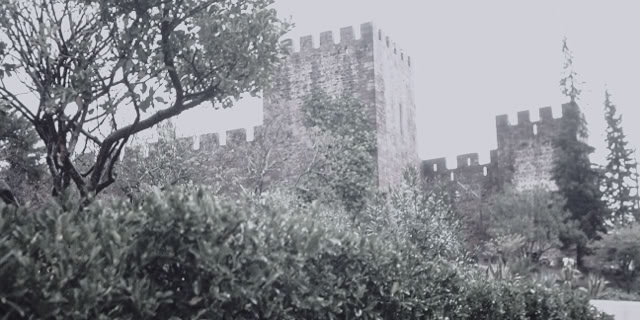
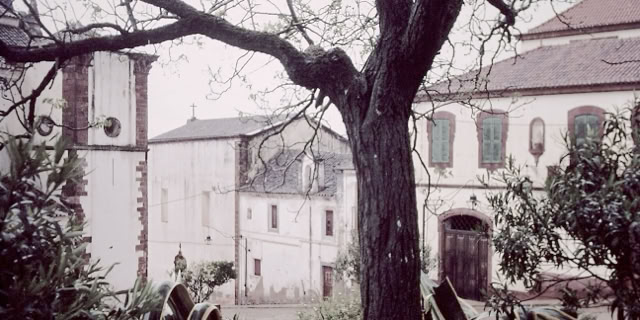
The studies were conducted in a contextualized manner in different institutions and cities, including Sagres, Lagos, Albufeira,Faro. Tavira. Loulé, Portimão,Monchique, Olhão, Vila do Bispo,Vila Real de Santo Antonio, Castro Marim, Luz, Porto Moniz (Algarve), Sines, Grandola, Setubal, Beja, Portalegre, Vila Viços, Évora (Alentejo) and finally concluding in Lisbon with Sintra, Estoril, Armadora, Oeiras, Mafra, Cascais and Óbidos. The beginning of the cycle in Setúbal was motivated by the fact that Pedro Gomes Cardim, a composer who played a significant role in the musical life of Brazil in the 19th century and whose descendants marked the cultural, artistic, and musical life of São Paulo for decades, was born there. In Lisbon, the main focus was on studies to be developed from sources from the Age of Discoveries, with the aim of providing a foundation for the work of the institute to be founded in 1985, for the commemorations of the 500th anniversary of the history of the Discoveries and for a publication on the foundations of Western culture transmitted to other regions of the globe by the Portuguese.
Documentaries and reports. Cultural Changes: Herbert Baldus: "Mudanças Culturais: Herbert Baldus"