BRASIL-EUROPA
GLOBAL STUDIES
CULTURE/NATURE

BRASIL-EUROPA
GLOBAL STUDIES
CULTURE/NATURE
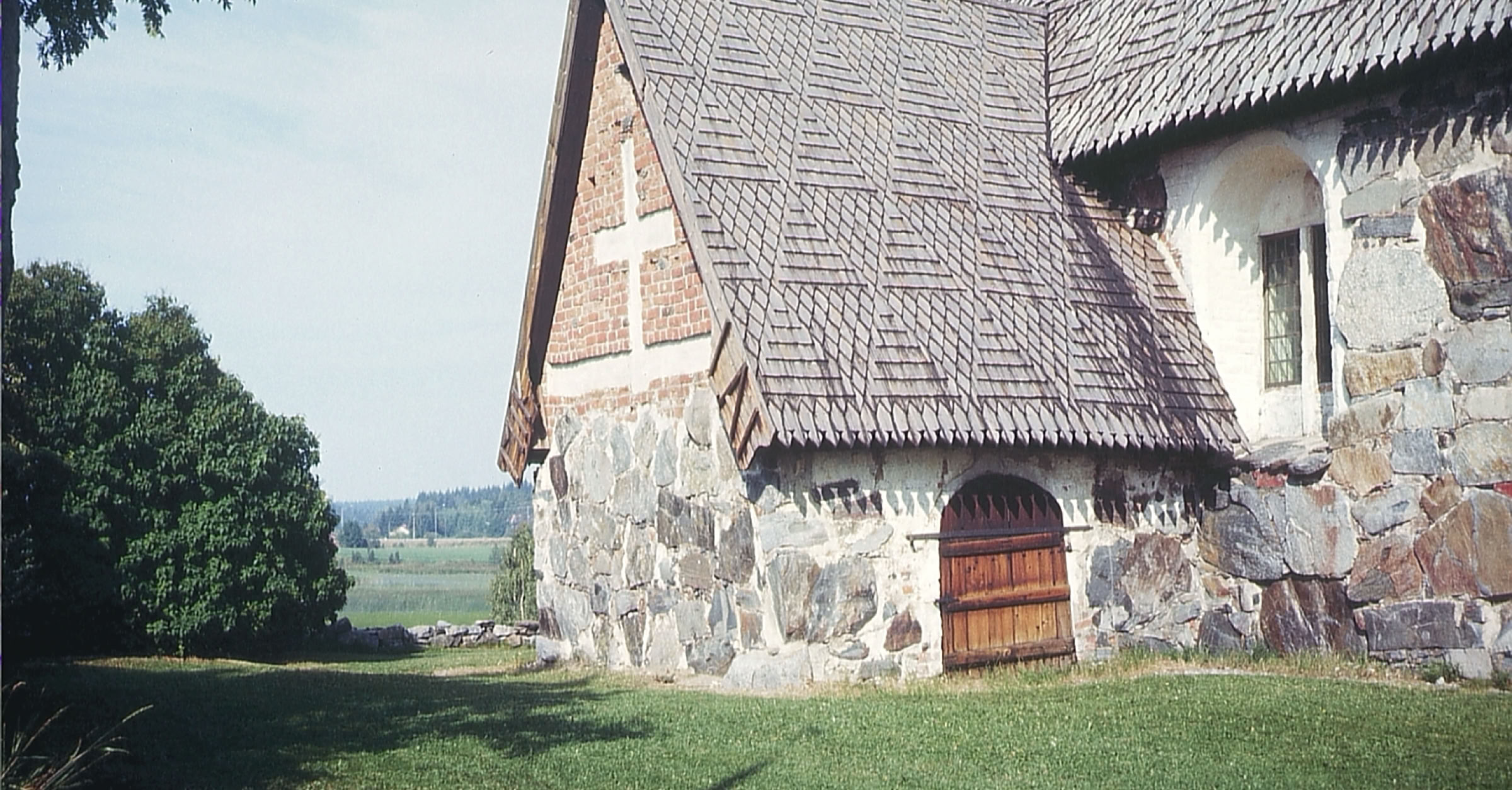
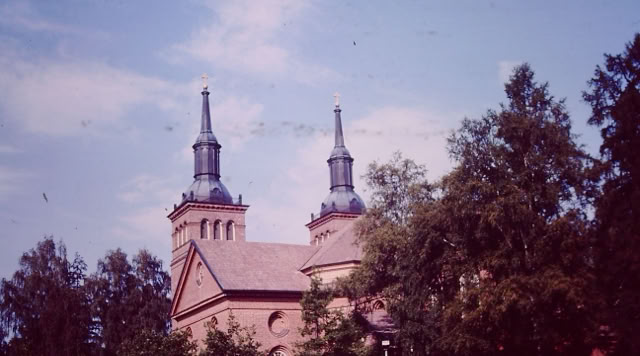
Finnland 1983
Global Studies: Culture/Nature
Photo: A.A.Bispo©
1983
Studies of cultural processes in global contexts
using Euro-Brazilian relations as a frame of reference
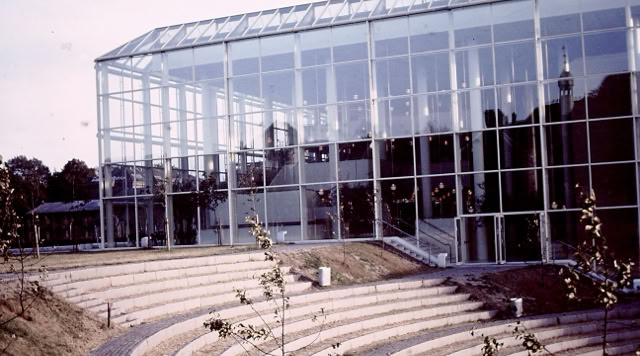
Aarhus, Denmark 1983
Global Studies: Culture/Nature
Photo: A.A.Bispo©
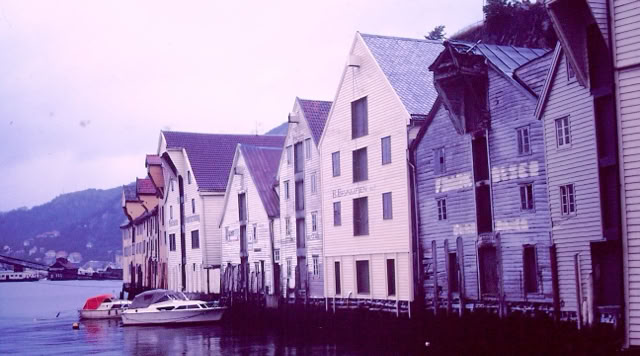
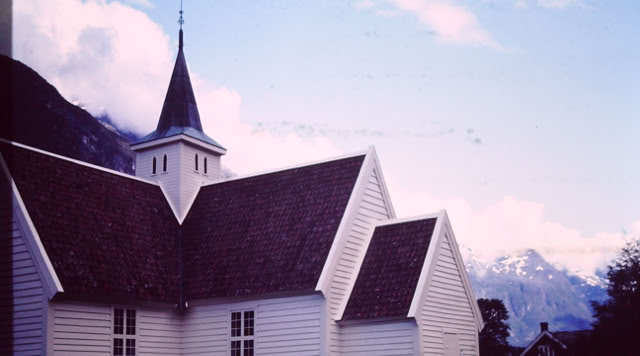
Bergen. Norway. 1983
Global Studies: Culture/Nature
Photo: A.A.Bispo©
Larvik. Norway. 1983
Global Studies: Culture/Nature
Photo: A.A.Bispo©
Bergen. Norway. 1983
Global Studies: Culture/Nature
Photo: A.A.Bispo©
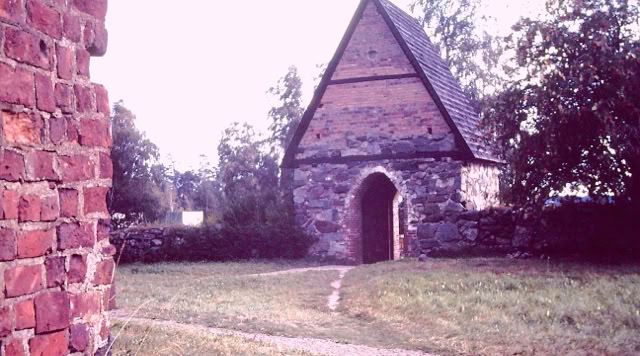
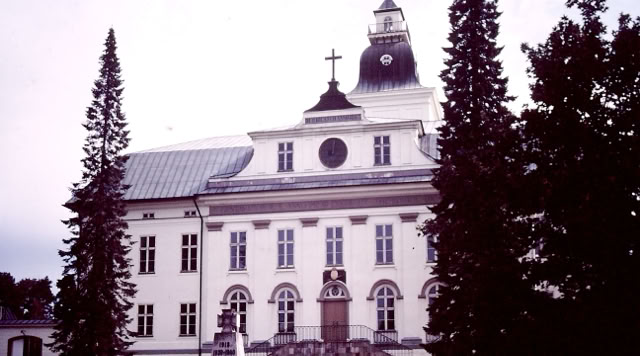
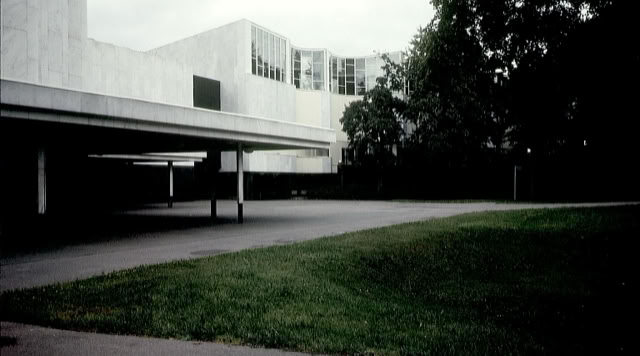
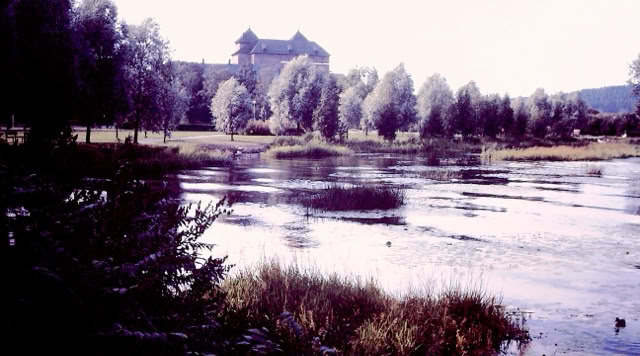
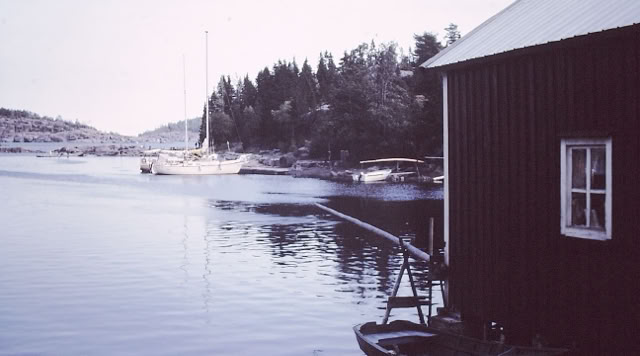
Finnland. 1983
Global Studies: Culture/Nature
Photo: A.A.Bispo©
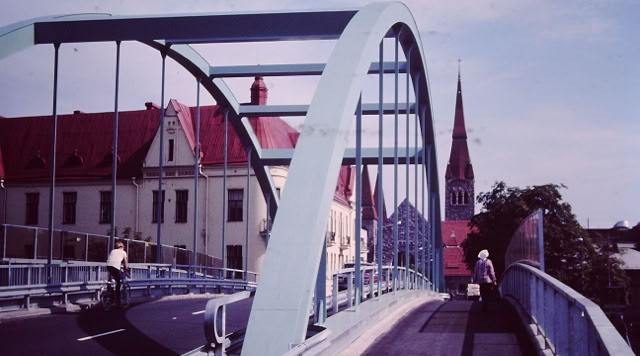
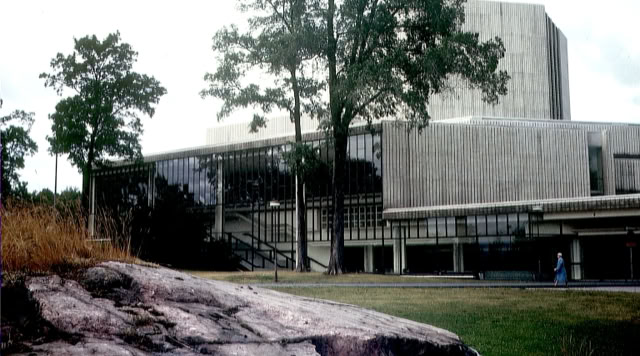
Finnland. 1983
Global Studies: Culture/Nature
Photo: A.A.Bispo©
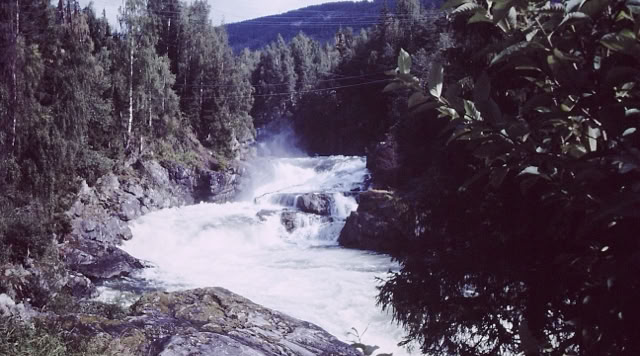
Norway 1983
Global Studies: Culture/Nature
Photo A.A.Bispo©
Norway. 1983
Global Studies: Culture/Nature
Photo: A.A.Bispo©
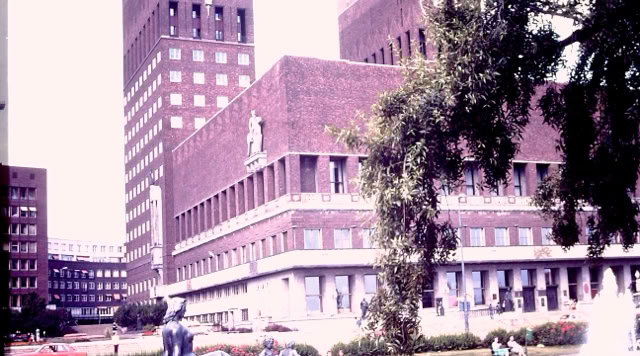
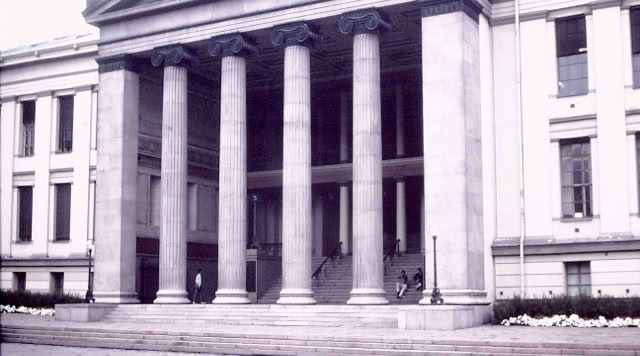
Oslo. Norway 1983
Global Studies: Culture/Nature
Photo: A.A.Bispo©
Oslo. Norway 1983
Global Studies: Culture/Nature
Photo: A.A.Bispo©
Rauma. Norway 1983
Global Studies: Culture/Nature
Photo: A.A.Bispo©
Oslo. Norway 1983
Global Studies: Culture/Nature
Photo: A.A.Bispo©
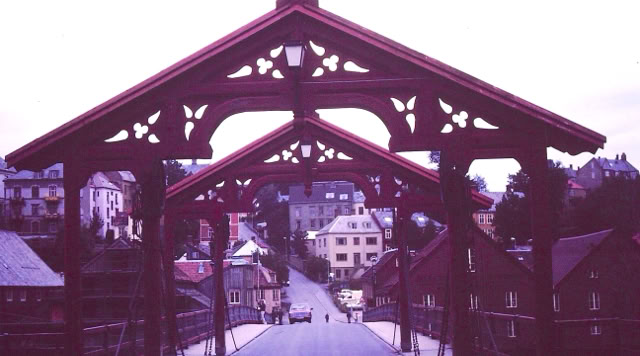
Trondheim. Norway 1983
Global Studies: Culture/Nature
Photo: A.A.Bispo©
Turku. Finnland. 1983
Global Studies: Culture/Nature
Photo: A.A.Bispo©
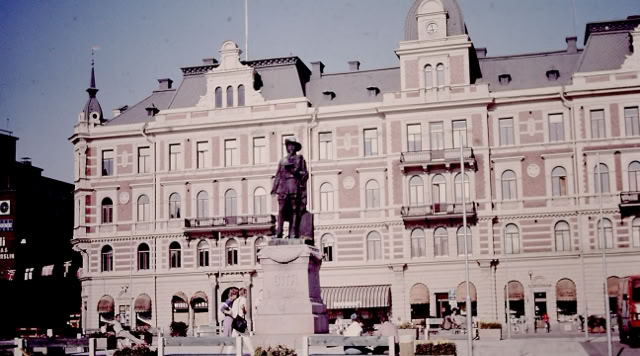
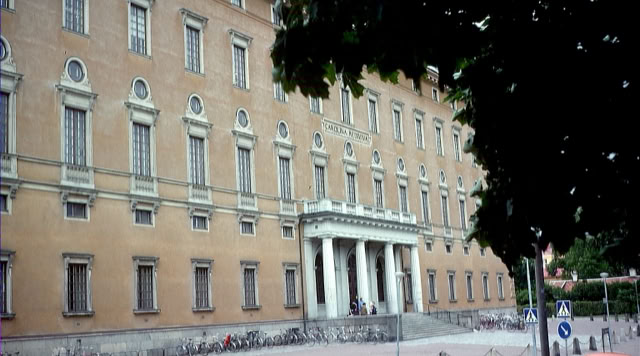
Umeå. Sweden. 1983
Global studies: Culture/Nature
Photo: A.A.Bispo©
Wasa. Sweden. 1983
Global studies: Culture/Nature
Photo: A.A.Bispo©
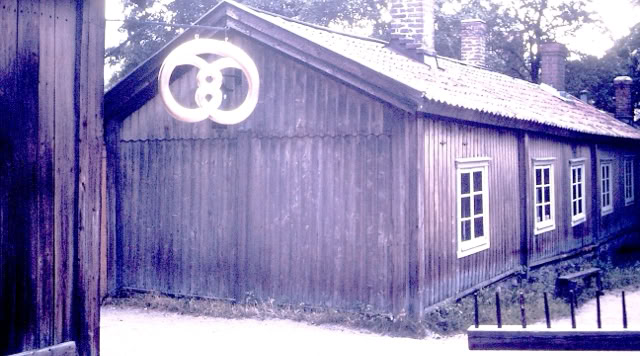
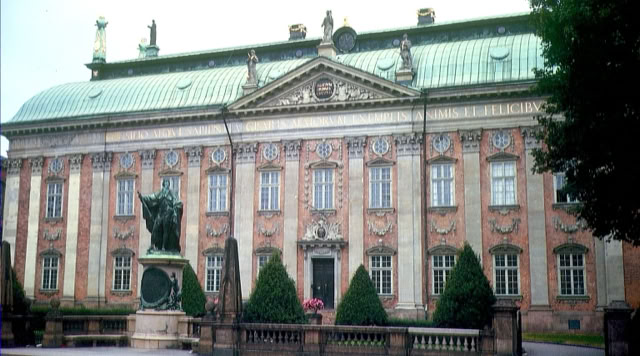
Sweden. 1983
Global studies: Culture/Nature
Photo: A.A.Bispo©
Tampere. Finnland 1983
Global studies: Culture/Nature
Photo: A.A.Bispo©
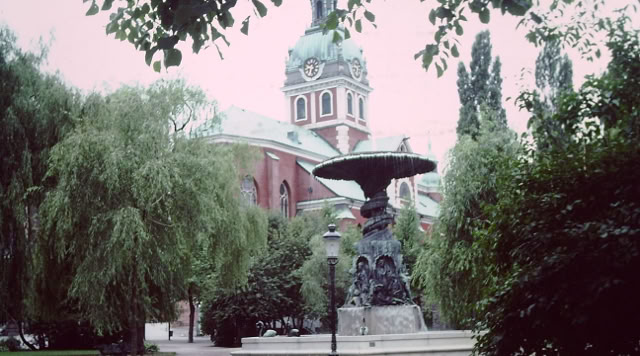
Stockholm. Sweden 1983
Global studies: Culture/Nature
Photo: A.A.Bispo©
Stockholm. Sweden 1983
Global studies: Culture/Nature
Photo: A.A.Bispo©
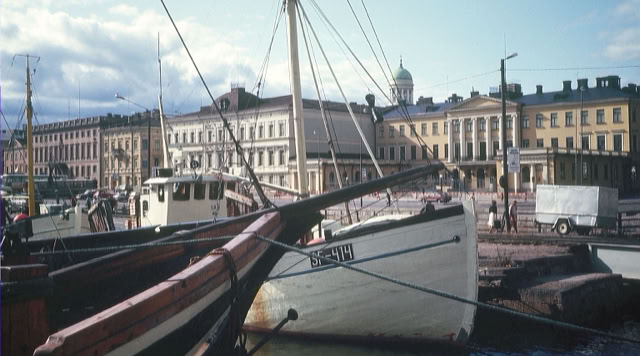
Helsinki, Finnland. 1983
Global Studies: Culture/Nature
Photo A.A.Bispo©
Helsinki, Finnland. 1983
Global Studies: Culture/Nature
Photo: A.A.Bispo©
Helsinki, Finnland. 1983
Global Studies: Culture/Nature
Photo A.A.Bispo©
Uppsala. Sweden 1983
Global studies: Culture/Nature
Photo: A.A.Bispo©
Stockholm. Sweden 1983
Global studies: Culture/Nature
Photo A.A.Bispo©
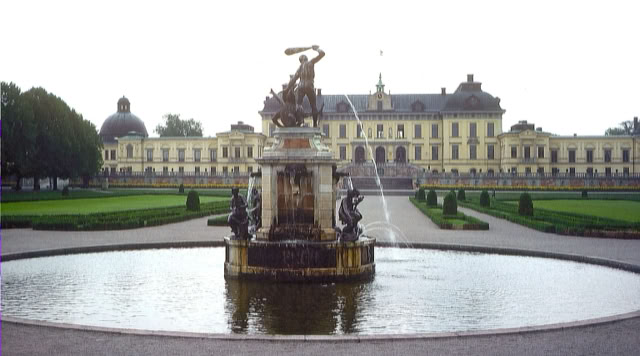
Drottningholm Castle. Sweden. 1983
Global Studies: Culture/Nature
Photo: A.A.Bispo©
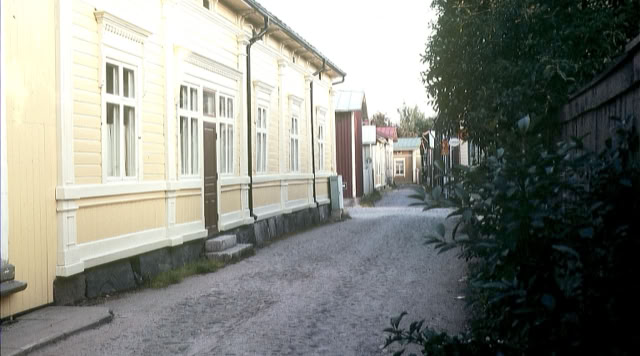
Rauma Finnland 1983
Global studies: Culture/Nature
Photo: A.A.Bispo©
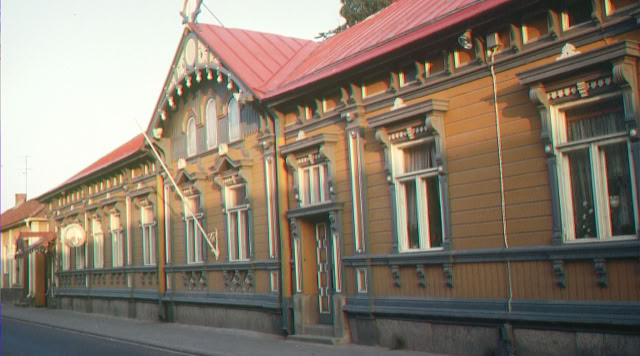
Rauma Finnland 1983
Global studies: Culture/Nature
Photo: A.A.Bispo©
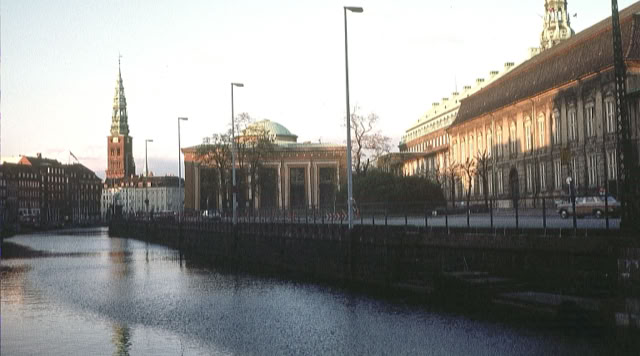
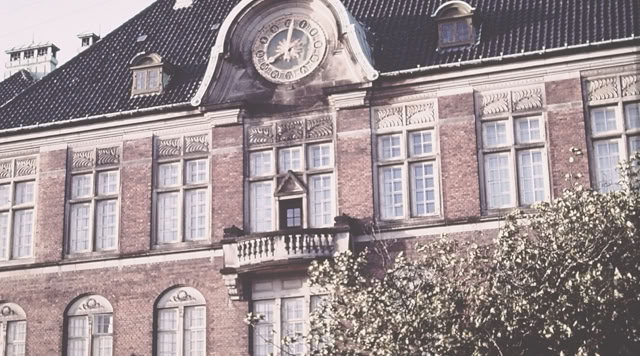
Copenhagen. Denmark 1983
Global Studies: Culture/Nature
Photo: A.A.Bispo©
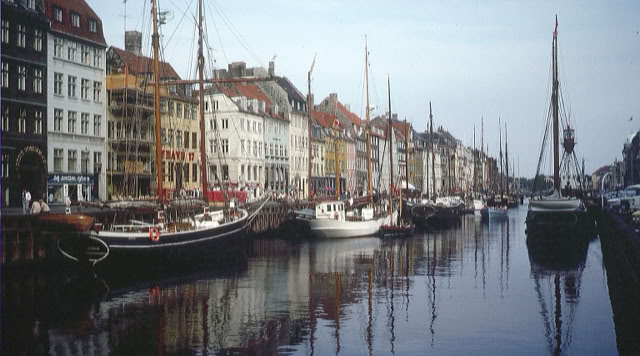
Copenhagen. Denmark 1983
Global Studies: Culture/Nature
Photo: A.A.Bispo©
Denmark 1983
Global Studies: Culture/Nature
Photo: A.A.Bispo©
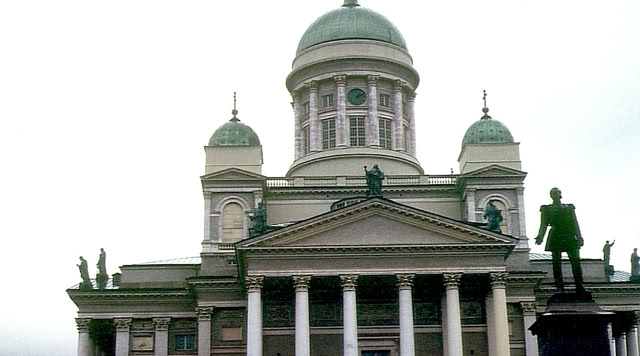
Helsinki. Finnland 1983
Global Studies: Culture/Nature
Photo: A.A.Bispo©
Roskilde. Denmark 1983
Global Studies: Culture/Nature
Photo: A.A.Bispo©
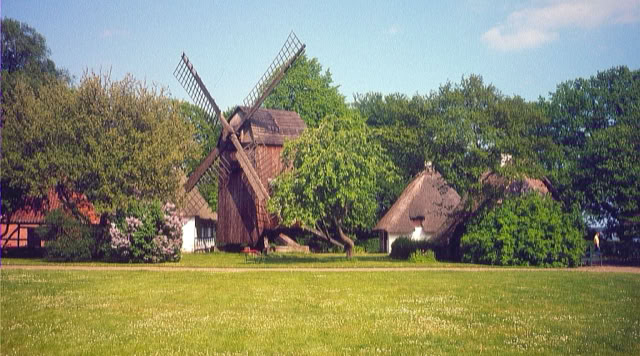
Aarhus, Denmark 1983
Global Studies: Culture/Nature
Photo: A.A.Bispo©
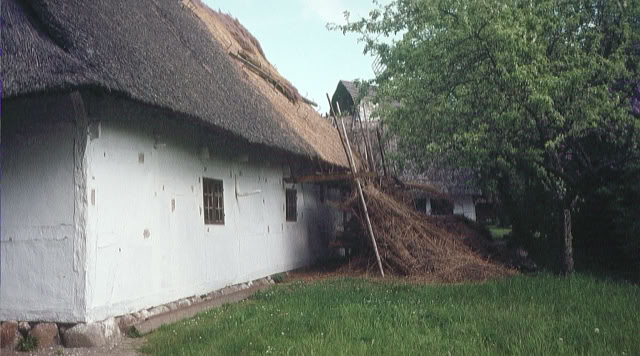
Maribo. Denmark. 1983
Global Studies: Culture/Nature
Photo: A.A.Bispo©
Finnland. 1983
Global Studies: Culture/Nature
Photo A.A.Bispo©
Finnland. 1983
Global Studies: Culture/Nature
Photo: A.A.Bispo©
Umeå. Sweden. 1983
Global studies: Culture/Nature
Photo: A.A.Bispo©
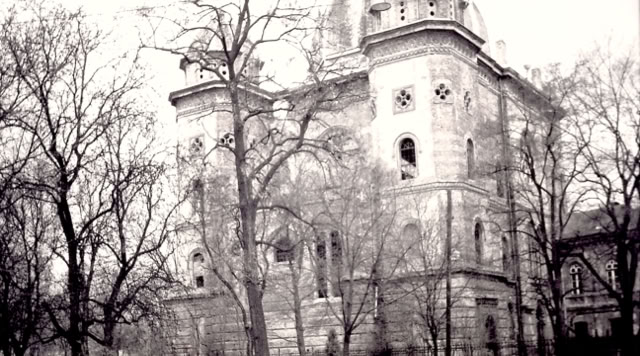
Györ. Hungary 1983
Global Studies: Culture/Nature
Photo: A.A.Bispo©
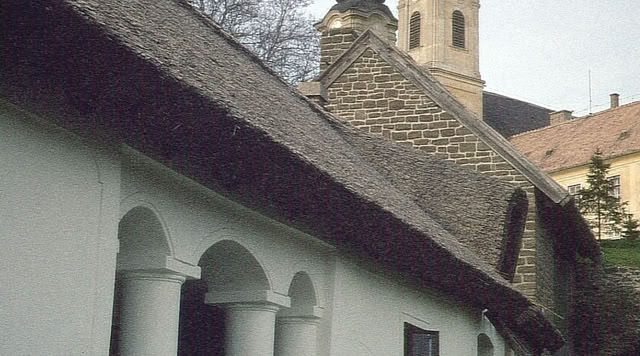
Tihany. Hungary 1983
Global Studies: Culture/Nature
Photo: A.A.Bispo©
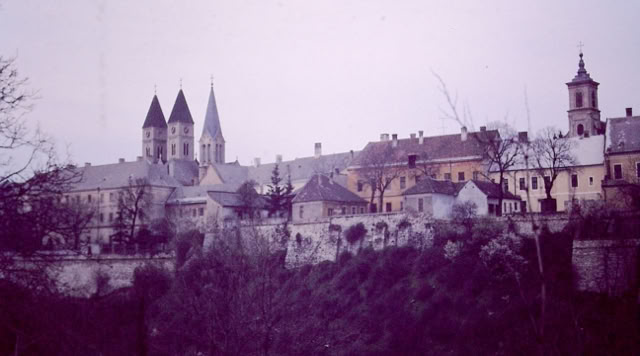
Vesprim. Hungary 1983
Global Studies: Culture/Nature
Photo: A.A.Bispo©
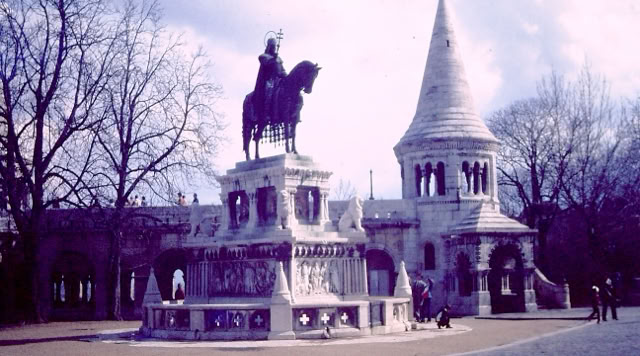
Budapest. Hungary 1983
Global Studies: Culture/Nature
Photo: A.A.Bispo©
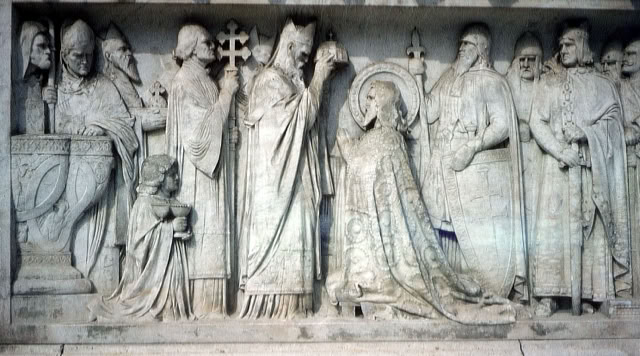
Budapest. Hungary 1983
Global Studies: Culture/Nature
Photo: A.A.Bispo©
Budapest. Hungary 1983
Global Studies: Culture/Nature
Photo: A.A.Bispo©
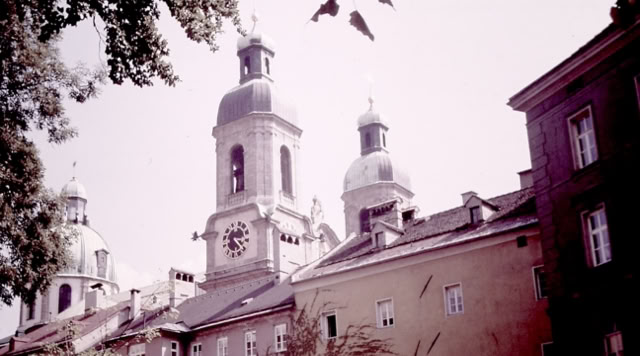
Innsbruck. Austria. 1983
Global Studies: Culture/Nature
Photo: A.A.Bispo©
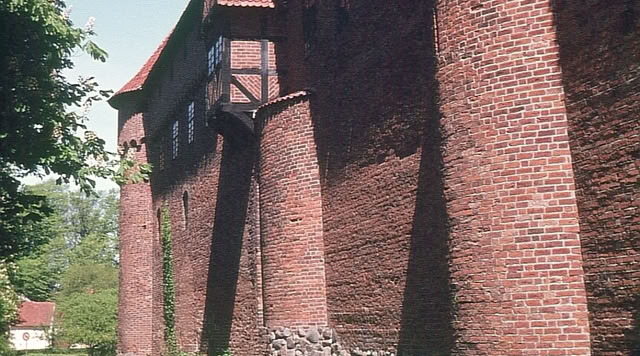
The year 1983 in Euro-Brazilian studies within global contexts was marked by events and studies motivated by multilateral forums on cultural studies and musical and artistic education, organized around music and music, held in Germany in cooperation with the Brazilian Society of Musicology (SBM). These events aimed to prepare for the founding of an institute for cultural studies conducted through music, officially establishing the Center for Musicological Research of the Nova Difusão movement, registered in São Paulo in 1968, at an international level. With its theoretical orientation towards processes in global contexts, the institute aimed to contribute to the development of cultural and musicological studies in general, as well as to promote studies related to Portuguese-speaking countries in particular.
The forums, held in the city of Leichlingen in the North Rhine-Westphalia region and promoted by the municipal music school and cultural department, took place in cooperation with diplomatic representations, university institutions, foundations, and cultural and international exchange societies.
The first forum, held in 1982, was the first international event dedicated to music in the relations between Germany and Brazil. The courses and debates held throughout the year – and the concerts of the first Brazil-Germany Music Week – addressed issues related to reciprocal images and identities, stereotypes, and the need for reflection and study of the processes of forming portraits and self-images.
Among the aspects discussed, nationalism in music and in cultural and musicological research was highlighted, as well as music with national characteristics based on references to folklore. The unreflective acceptance of adjectives such as "Brazilian music" was questioned, emphasizing the meaning and consideration of nationalism in its supra-national dimensions, the reception of European nationalism in Brazil, that is, the paradox of the transnationality of nationalism. Attention should be directed to the analysis of nationalism in its insertions in the historical processes of the 19th century, which were those of the Restoration, Romanticism, Historicism, and the interest in popular traditions and folklore, as well as its extensions in the 20th century. The composer Alberto Nepomuceno, among others, was mentioned in the History of Music courses, having been the subject of international studies conducted at the Cologne School of Music since 1975, as well as his personal and musical connections with E. Grieg.
The reception of Peer Gynt in Brazil, performed in an inaugural concert at the National Institute of Music during the republican era, was considered, and associations between Grieg's Morgenstimmung and A. Nepomuceno's Alvorada da Serra were discussed. The comprehensive dimensions – including political and cultural ones – of these relationships should be considered more attentively in Central European and Nordic contexts, and a cycle of studies in Scandinavia was planned for 1983. These studies were not limited to visiting the house and region most immediately associated with the Brazilian composer, but extended to broader contexts of the cultural history of Norway, Sweden, and Finland. In libraries, music schools, and through dialogues with researchers, efforts were made to deepen knowledge about the contexts that explain these relationships between Nordic Romanticism and Brazil, as documented in the example of A. Nepomuceno.
Special attention was given to the interest in popular traditions in Nordic countries during the 19th century and to the Culture/Nature relationship, corresponding to the program developed in Euro-Brazilian studies. These reflections were undertaken not only in museums and historical buildings but also in forests, national parks, lakes, fjords, and other natural contexts of special significance for the image of regions and localities.
In April 1983, a cycle of studies was held to consider this theme in Central Europe, Austria, and Hungary. Nationalism and its expressions in literature and music, its insertion into the developments of the 19th century, and its parallels with Historicism, Restorationism, and Romanticism in other regions were explored in different contexts, cities, and monuments.
Attention was directed to the tensions that led to the end of the Austro-Hungarian Dual Monarchy and the First World War. It was highlighted that it was in this upheaval and collapse of the old European order that the renewing intentions that marked institutions such as the Salzburg Mozarteum were unleashed. The paradoxes manifested in these developments were discussed, where, from renewing intentions, they turned to the more distant past, to the traditions of peoples, manifesting a restorationism under new guises.
In 1983, two multilateral forums were held, respectively motivated by two commemorations: the 300th anniversary of J.P. Rameau and the 300th anniversary of German immigration to America. In May, a Franco-German forum was held in collaboration with the French city of Marly-le-Roi, a twin city of Leichlingen, leading to reciprocal meetings in France and Germany.
Attention was directed to music in Franco-German relations throughout the centuries, considering in particular the Rameau era, especially from a theoretical-musical perspective. The lectures and concerts were held in collaboration with teachers and students from the Cologne University of Music, notably the Brazilian harpsichordist Maria de Lourdes Cutolo.
The 300th anniversary of German immigration to the USA, which began in 1683 with the arrival of families from the city of Krefeld, near Leichlingen, where they founded Germantown, Pennsylvania, motivated research on emigrants from Leichlingen. This study provided the basis for the German-American forum with the participation of North American and Latin American musicians and musicologists, notably the horn player Chuck Cornish and Francisco Curt Lange, director of the Inter-American Institute of Musicology in Montevideo, who addressed relations between North, Central, and South America in the 19th century, starting with the pianist and composer Louis Moreau Gotschalk.
The main aspect discussed in the debates was the need to consider transatlantic processes in their relations and interactions with inter-American processes. The forum was preceded by Brazilian participation in an international symposium held at the Catholic University of the United States in Washington in July, dedicated in particular to issues of sacred music, Gregorian chant, and its significance for music education through the Ward method. The debate conducted in Brazil at the Center for Musicological Research in the 1960s and 70s on the suitability of this method to Brazil was recalled, highlighting above all that it is based on conceptions of 19th-century Gregorian research, thus fitting into restorationist and historicist processes. The need to consider this insertion into historical processes in studies concerning the Ward method in its contextualization in the Netherlands was subsequently emphasized in dialogues conducted in Maastricht.
Aspects of musical relations between Germany and France: "Aspekte Deutsch-französischer Musikbeziehungen. Zum Gedenkenjahr von J.Ph.Rameau". Deutsch-Französische Musikschulwoche Leichlingen. Leichlingen 26.-22. Mai 1983
Aspects of musical relations between Germany and America: "Aspekte Deutsch-Amerikanischer Musikbeziehungen". Leichlinger Musikforum. Leichliingen 1983, 2-50
Aspects of musical relations between Germany and America: "Tendências e perspectivas da musicologia no Brasil". Boletim da Sociedade Brasileira de Musicologia 1/1 (1983), 13-52. Review. R. Stevenson in: Handbook of Latin American Studies
Brazilian musical reception in the Old World: "Recepção musical do Brasil no Velho Mundo".Conference at the European Community and Instrumental Museum Symposium in Brussels. Third Session of the International Symposium "Reciprocal Cultural Influences between Europe and Latin America". Brasil-Europa & Musicologia. Cologne: I.S.M.P.S., 1999, 275-281
German Musicology and Music Research in the Americas: "Musicologia alemã e a Pesquisa da Música nas Américas".. Brasil-Europa & Musicologia. Cologne:: I.S.M.P.S., 1999, 390-394
Francisco Curt Lange: 80 years old "Francisco Curt Lange: 80 anos".Leichlingen, 1983. Boletim da Sociedade Brasileira de Musicologia 2 (1984/85), 47-67. Review R. Stevenson in Handbook of Latin American Studies
"Gregorian Chant in Brazil".Symposium Gregorian Chant in Liturgy and Education 19-22.06.1983. Washington D.C.: Catholic University of America/Ward Center, 1983
The current situation of Gregorian Chant in Brazil. Gregorian Chant in Liturgy and Education. Washington: Center for Ward Method Studies/The Catholic University of America, 1984
International Symposium 'Gregorian Chant in Liturgy and Education' in Washington D.C., 1983: "Simpósio Internacional 'Canto Gregoriano na Liturgia e na Educação' em Washington D.C., 1983". Boletim da Sociedade Brasileira de Musicologia, 2 (1984/85), 138-140
Monopluralism in the Music Sacrée de l'Amérique Latine: Monopluralisme dans la Musique Sacrée de l'Amérique Latine. R. de Maeyer (Ed.), Musique et Influences Culturelles Réciproques entre l'Europe et l'Amérique Latine du XVIème au XXème Siècle. Brussels: The Brussels Museum of Musical Instruments Bulletin XVI (1986) Tutzing: H. Schneider 1986, 305-312
Reflections on the significance of concepts from Christian anthropology for the history of the reception of Brazilian music in the Old World: "Reflexões sobre o significado de conceitos da antropologia cristã para a história da recepção musical do Brasil no velho mundo". R. de Maeyer (Ed.), Musique et Influences Culturelles Réciproques entre l'Europe et l'Amérique Latine du XVIème au XXème Siècle. Brussels: The Brussels Museum of Musical Instruments Bulletin XVI (1986) Tutzing: H. Schneider 1986, 305-312
Louis Agassiz (1807-1873). Paleontology and cultural studies
Ch.-M. de La Condamine. South America and the Amazon at the Paris Academy of Sciences. Leichlingen: Musikschule der Stadt Leichlingen 1983.
Jean Baptiste Debret (1768-1848). Historical painting, image of culture and organology. Leichlingen: Musikschule der Stadt Leichlingen 1983.
Ferdinand Denis. Sentimental Ethnology of the Tropics: Cultural Studies and Poetry. Leichlingen: Musikschule der Stadt Leichlingen 1983.
Jean de Léry (1534-1613). History of the Reformation, history of cultural relations between France and Brazil, and history of historical sources for ethnomusicological studies concerning the Indians. Leichlingen: Musikschule der Stadt Leichlingen 1983.
A.F.C. de Saint Hilaire (1779-1853). Natural History in France and the research of Brazilian culture in the 19th century. Leichlingen: Musikschule der Stadt Leichlingen 1983.
A. d'Escragnolle Taunay (1843-1899). French Culture in 19th Century Brazil. Leichlingen: Musikschule der Stadt Leichlingen 1983. Internet
Alfred Russel Wallace (1823-1913). English Natural History and the musical-cultural studies of the Amazon. Leichlingen: Musikschule der Stadt Leichlingen 1983.