BRASIL-EUROPA
GLOBAL STUDIES
CULTURE/NATURE
BRASIL-EUROPA
GLOBAL STUDIES
CULTURE/NATURE
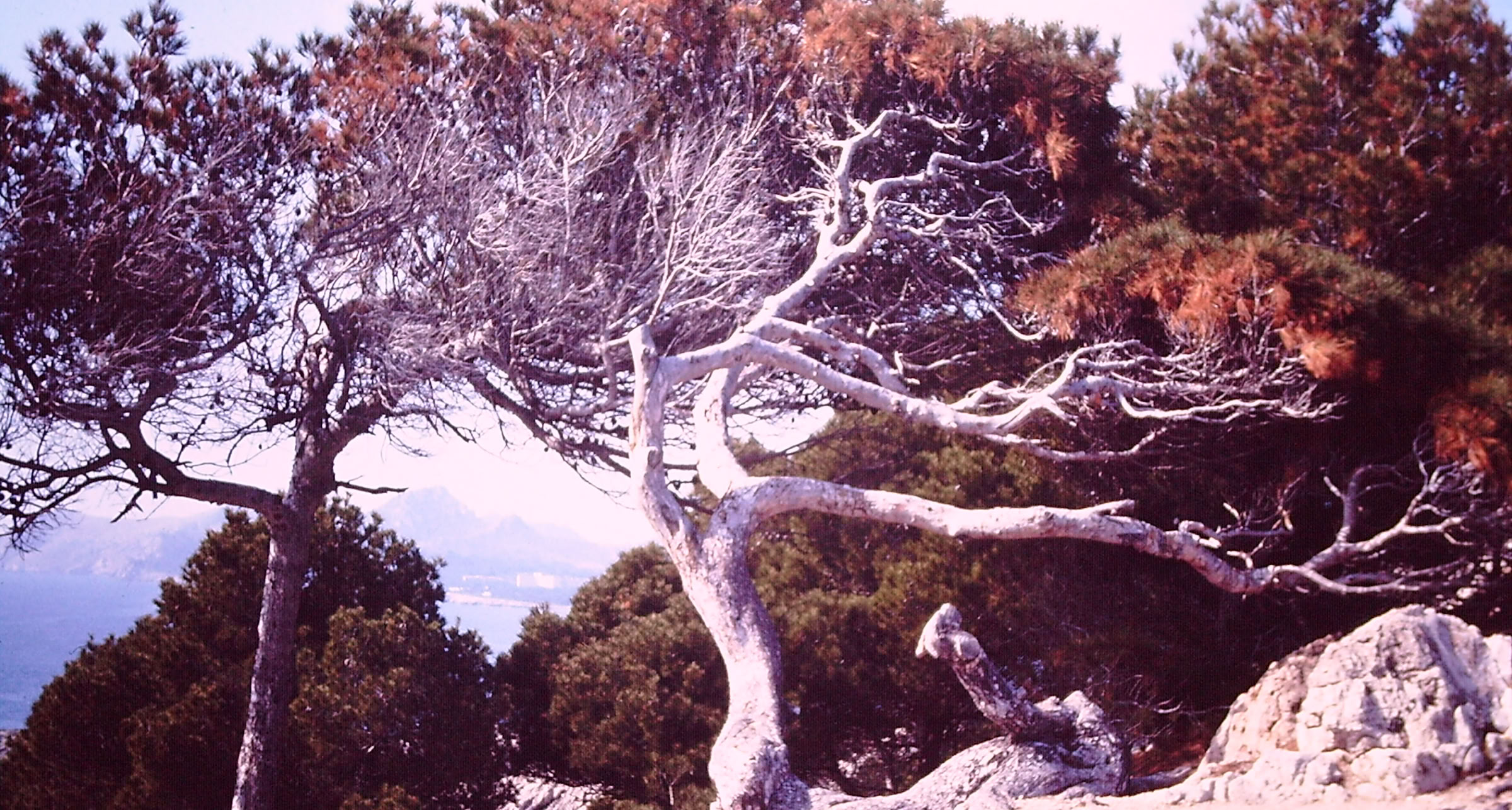
Majorca.1984
Global Studies: Culture/Nature
Photo: A.A.Bispo©
1984
Studies of cultural processes in global contexts
using Euro-Brazilian relations as a frame of reference
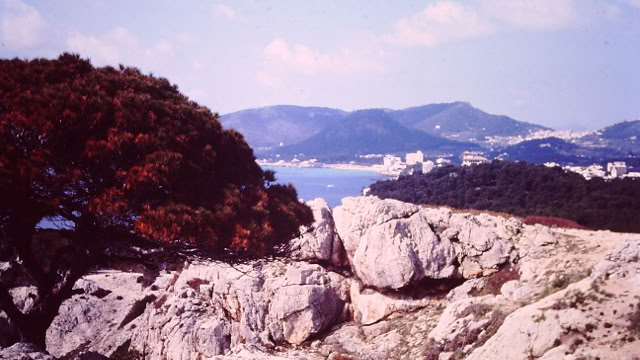
Majorca, 1984
Global Studies: Culture/Nature
Photo: A.A.Bispo©
Majorca, 1984
Global Studies: Culture/Nature
Photo: A.A.Bispo©
Majorca, 1984
Global Studies: Culture/Nature
Photo: A.A.Bispo©
Majorca, 1984
Global Studies: Culture/Nature
Photo: A.A.Bispo©
Majorca, 1984
Global Studies: Culture/Nature
Photo: A.A.Bispo©
Majorca, 1984
Global Studies: Culture/Nature
Photo: A.A.Bispo©
Majorca, 1984
Global Studies: Culture/Nature
Photo: A.A.Bispo©
Majorca, 1984
Global Studies: Culture/Nature
Photo: A.A.Bispo©
Majorca, 1984
Global Studies: Culture/Nature
Photo: A.A.Bispo©
Majorca, 1984
Global Studies: Culture/Nature
Photo: A.A.Bispo©
Majorca, 1984
Global Studies: Culture/Nature
Photo: A.A.Bispo©
Majorca, 1984
Global Studies: Culture/Nature
Photo: A.A.Bispo©
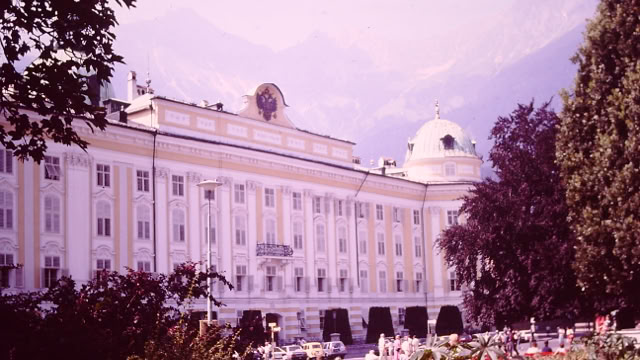
Innsbruck. Austria, 1984
Global Studies: Culture/Nature
Photo: A.A.Bispo©
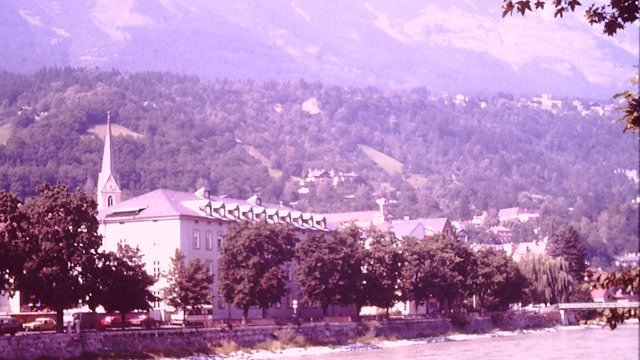
Innsbruck. Austria, 1984
Global Studies: Culture/Nature
Photo: A.A.Bispo©
Innsbruck. Austria, 1984
Global Studies: Culture/Nature
Photo: A.A.Bispo©
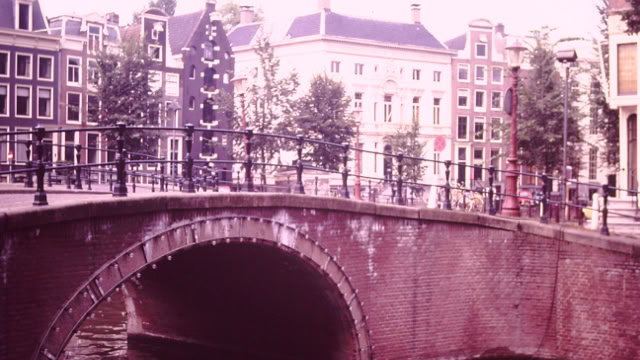
Amsterdam. Netherlands 1984
Global Studies: Culture/Nature
Photo: A.A.Bispo©
Amsterdam. Netherlands 1984
Global Studies: Culture/Nature
Photo: A.A.Bispo©
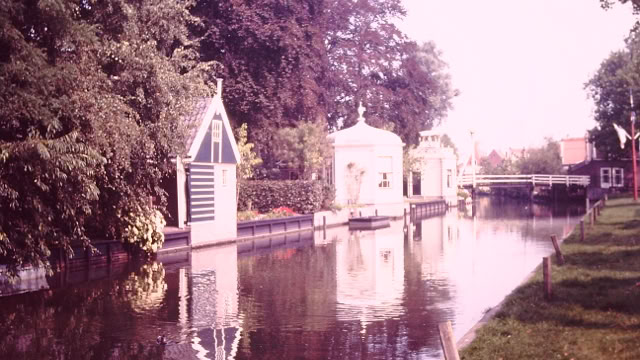
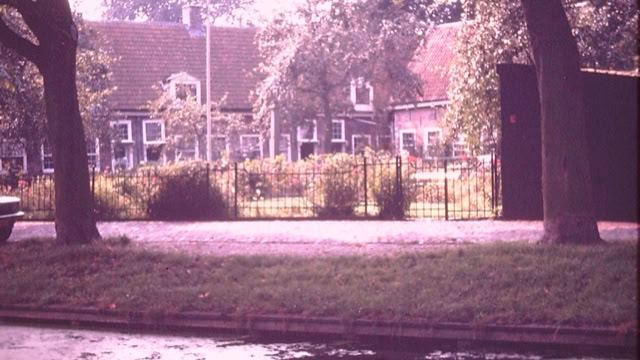
Edam. Netherlands 1984
Global Studies: Culture/Nature
Photo: A.A.Bispo©
Edam. Netherlands 1984
Global Studies: Culture/Nature
Photo: A.A.Bispo©
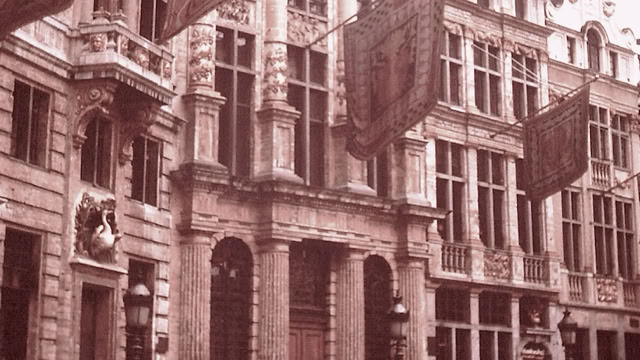
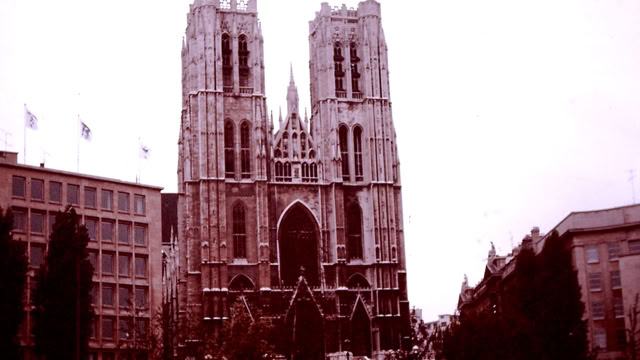
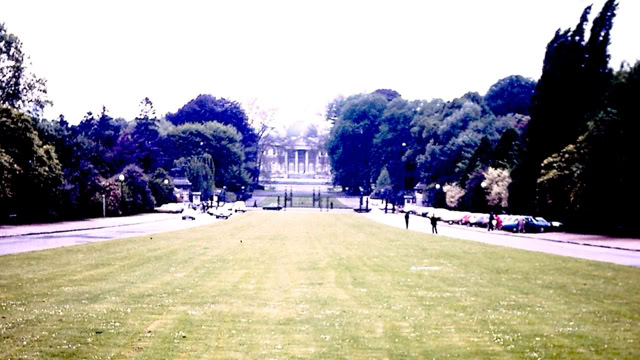
Brussels. Belgium 1984
Global Studies: Culture/Nature
Photo: A.A.Bispo©
Brussels. Belgium 1984
Global Studies: Culture/Nature
Photo: A.A.Bispo©
Brussels. Belgium 1984
Global Studies: Culture/Nature
Photo: A.A.Bispo©
Rhodos Greece. 1984
Global Studies: Culture/Nature
Photo: A.A.Bispo©
Rhodos Greece. 1984
Global Studies: Culture/Nature
Photo: A.A.Bispo©
Rhodos Greece. 1984
Global Studies: Culture/Nature
Photo: A.A.Bispo©
Rhodos Greece. 1984
Global Studies: Culture/Nature
Photo: A.A.Bispo©
The cultural studies in global contexts related to Brazil in 1984 followed up on themes considered in multilateral music forums held in cooperation with the Brazilian Society of Musicology and other Brazilian institutions in previous years. The events of 1984 also formed part of the five-year preparatory period for the European Year of Music to be celebrated in 1985, as declared by European bodies in order to strengthen awareness of the significance of music as a factor in European unity.
The year 1984 was preceded by the first cycle of studies carried out in the Soviet Union in December 1983, which lasted until the beginning of 1984. The theme that opened this year's program was more directly related to the studies and events of the Franco-German music forum, held in cooperation with French institutions, in which the implications of these relations and their tensions in history for the cultural and musical life of Brazil were considered. While the forum had focused primarily on early music due to the J. Ph. Rameau commemorations, in 1984 the focus shifted to the 19th century. The main figure considered was F. Chopin, broadening perspectives that had marked the Franco-German forum by directing attention to Poland under Russian rule and the November 1830/31 uprising, his transfer and life in Paris, and thus to the East/West divide, relevant to the debate on European unification and the role played by music in raising awareness of European cultural unity.
Corresponding to the Euro-Brazilian perspective, the treatment of Chopin within his insertions in cultural processes in global contexts stemmed from the reception of Chopin and his work in Brazil, a cultural and political-cultural significance already highlighted by Mario de Andrade. Contrary to what has often been criticized regarding the extraordinary diffusion and intensity of the cultivation of Chopin's work in Brazil—mainly by restorationist circles of early music and the cult of Bach in its reactionary forms—it is the progressive aspects of his life and music that should be adequately considered. The awareness of this extraordinary significance of Chopin for Euro-Brazilian studies led, as early as 1975, to a symbolic act at his tomb in the Père Lachaise cemetery in Paris.
Considering Chopin's reception in Brazil, and in Latin America in general, prompted reflections on reciprocities in cultural interactions, reflecting on the cultural relations between France and the Iberian and Ibero-American spheres. These reflections corresponded to the aims of the Mediterranean/Atlantic program of Euro-Brazilian studies, leading to the decision to conduct contextualized studies in Mallorca in 1984, where Chopin and George Sand spent weeks in the winter of 1838/1839, and planning for studies in Mexico in 1985, remembering Empress Eugénie, wife of Napoleon III, and her role in the French intervention in Mexico between 1861 and 1867.
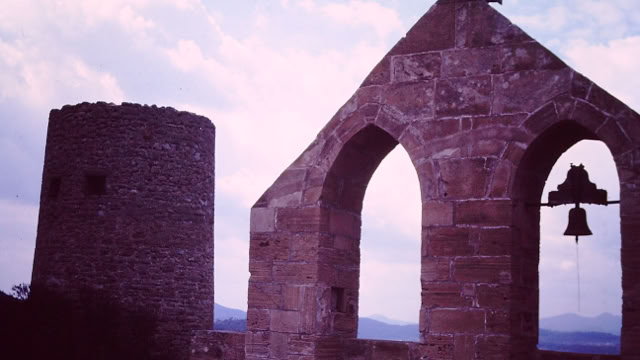
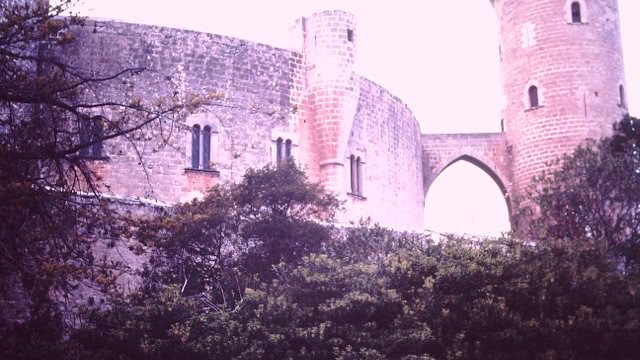
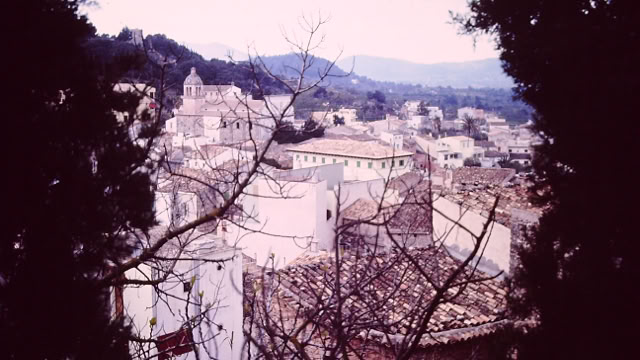
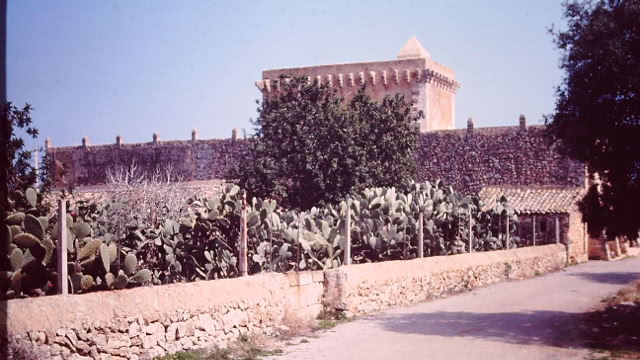
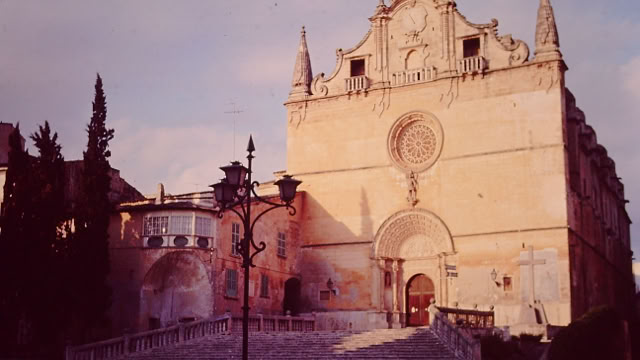
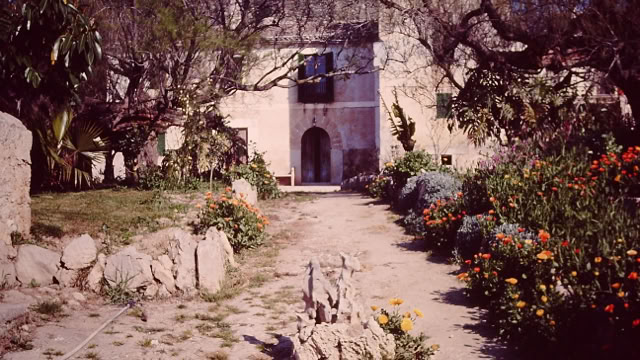
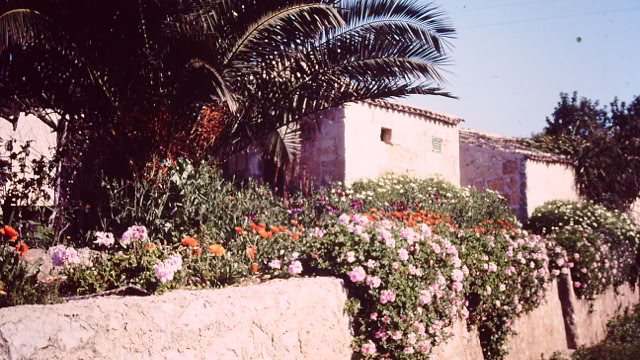
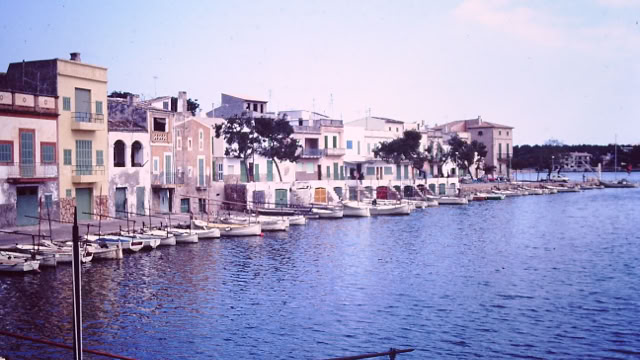
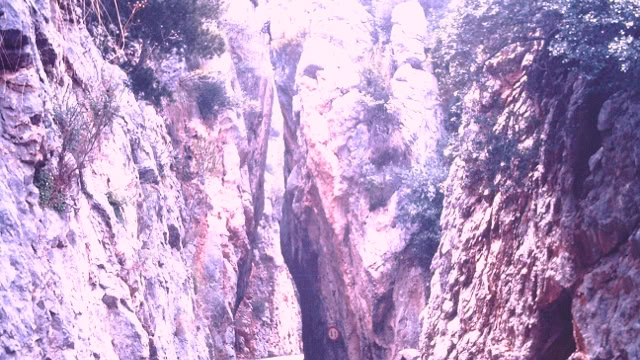
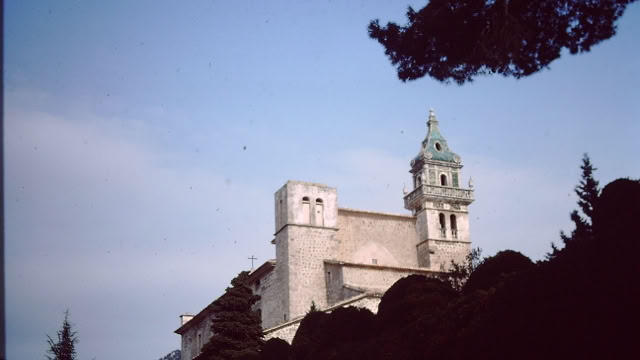
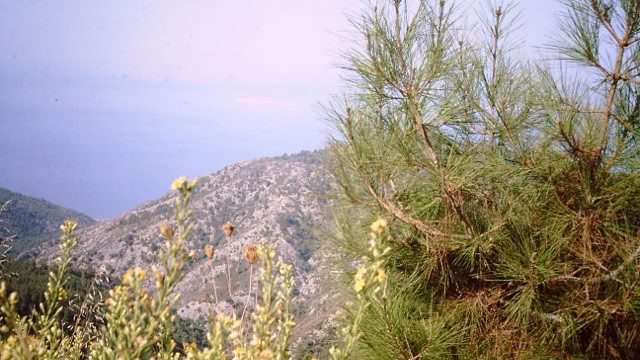
The cycle of studies in Mallorca centered on Validemosa and the museum located there. The aim was to develop reflections in a contextualized way from a local and regional perspective, considering above all the role of the environment in Chopin's psycho-mental state during his stay on the island. These reflections on the Culture/Nature relationship were undertaken in various locations and regional contexts of Mallorca, including Palma, Manacor, Inca, Pollensa, and Validemosa.
Another thematic context was considered in a cycle of studies developed in cities in Bavaria and Austria in August 1984, also closely related to reflections motivated by attempts at European unification and closely linked to multilateral music forums held in Germany in cooperation with the Brazilian Society of Musicology and other Brazilian institutions. The 1984 forum was dedicated to the German-speaking world, especially to relations between Germany and Austria in their different historical phases.
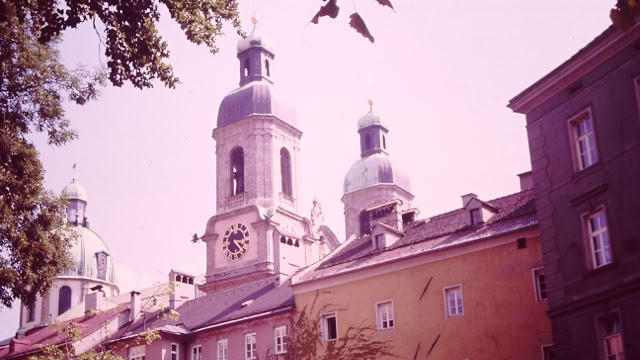
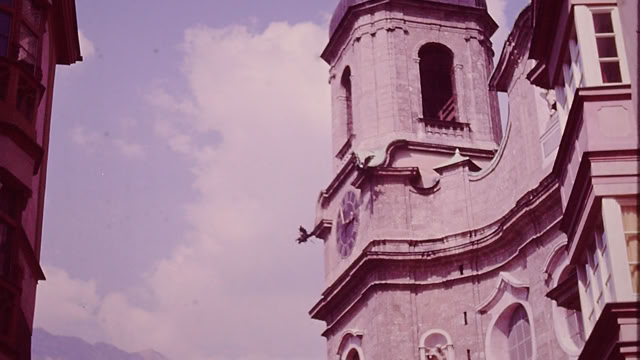
This theme was established at the 1983 forum to mark the 125th anniversary of the death of Sigismund von Neukomm, an Austrian composer who worked in Russia and played a significant role in the European Restoration. He distinguished himself at the Congress of Vienna, during the enthronement of Louis XVI, and also, in diplomatic and cultural terms, in Brazil. Sigismund Neukomm could not be ignored in the context of European Union and cultural studies within global contexts. To this end, preparations were made for the restoration and performance of his St. Francis Mass, dedicated to the Emperor of Austria and commissioned by his daughter, Dona Leiopoldina, who would become the first Empress of Brazil in 1822. The manuscripts of his Mass had been found in the Vienna Library as part of Euro-Brazilian studies. The study cycle was developed in several cities in Bavaria and Austria, including Würzburg, Rothenburg, Mittenwald, and Innsbruck.
These Franco-Iberian studies in the Mediterranean and in the German-speaking sphere in Bavaria and Austria – considering Neukomm's links with the Anglo-Saxon world from his work in England – were followed by studies in the Netherlands, visiting cities and institutions in places like Amsterdam and Edam. The main focus of this cycle was Belgium, updating knowledge through studies at the Royal Library of Brussels, the Museum of Teervuren, and revitalizing contacts and collaborations with the Royal Conservatory of Belgium, initiated in Cologne as early as 1975/76. An important milestone in these relations was the recommendation made to the director of the conservatory that Luís Heitor Correa de Azevedo, dean of musical research at the Brazilian Society of Musicology, play a relevant role in a symposium entitled "Reciprocal Musical Influences between Latin America and Europe between the 16th and 18th Centuries."
In this context, the need for a more in-depth and comprehensive theoretical consideration was highlighted, corresponding to the trends and developments of more advanced Euro-Brazilian studies dating back to the 1960s and ongoing internationally since 1974. Two main thematic complexes were presented: the need for more theoretically reflective analyses of receptive processes in studies focused on Latin America, and the need to consider anthropological conceptions inherent in musical traditions brought by Europeans, and especially by missionaries, in the study of the foundations of processes. To further explore these conceptions, with special consideration of Brazil, a colloquium was planned with Luís Heitor Correa de Azevedo at the Centre d'études de sciences de l'homme in Royaumont, which took place in 1985, the European Year of Music.
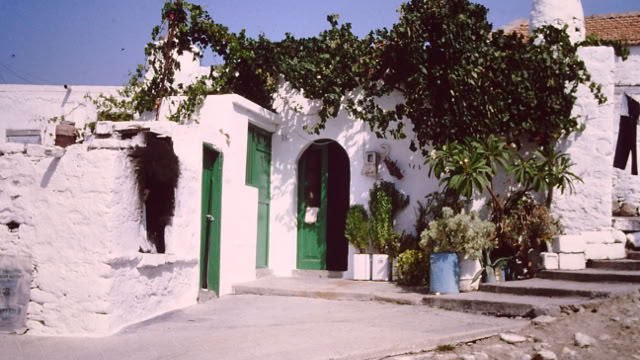
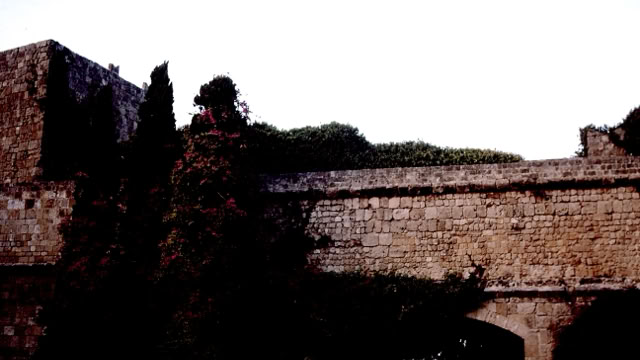
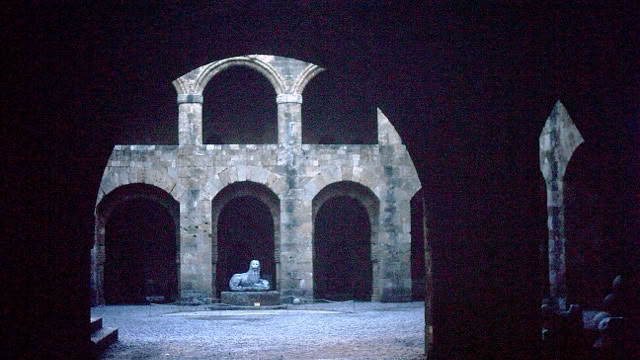
The 1984 program concluded once again with studies encompassed within the Atlantic-Mediterranean and East/West or Orient/Occident programs, now developed on the island of Rhodes. The focus here was on cultural foundations, studies of cultural archaeology and Antiquity, as well as medieval interactions between Western Christianity and Islam in the Holy Land. In this context, the acropolis of Rhodes, the Grand Master's palace, and the history of medieval knights were visited, whose image and symbolism persist to this day in Brazilian traditions that commemorate the struggle between Christians and Moors.
Possibilities and limitations of a musicological approach to music education: "Possibilidades e limites de uma orientação musicológica à Educação Musical". Art: Revista da Escola de Música e Artes Cênicas da Universidade Federal da Bahia 10 (1984), 37-62
Austria's role in a global music culture: "Die Rolle Österreichs in einer Weltmusikkultur". Vorwort zum Leichlinger Musikforum 3 (1984), Musikschule der Stadt Leichlingen, 3-6 [partes]
The Missa Solemnis subtitled Sancti Francisci by Sigismund Neukomm."Die Missa Solemnis sub titulo Sancti Francisci von Sigismund Ritter von Neukomm (1820)". Leichlinger Musikforum 3 (1984), 21-78. Review: R. Stevenson in Handbook of Latin American Studies
A milestone in musical relations between Austria and Brazil: "Um marco nas relações musicais entre a Áustria e o Brasil". Conferência pela realização da Missa Solemnis sub titulo Sancti Francisci von S. von Neukomm em Leichlingen, 1984. Brasil-Europa & Musicologia: Aulas, Conferências e Discursos. Colonia: I.S.M.P.S., 1999, 394-396
The German contribution to the musical culture of Brazil: "Der deutsche Beitrag zur Musikkultur Brasiliens". Conferência pelos 25 anos da Sociedade Teuto-Brasileira, Bonn, 1984. Brasil-Europa & Musicologia: Aulas, Conferências e Discursos. Colonia: I.S.M.P.S., 1999, 396-402
History of German-Russian-Brazilian cultural and scientific relations. Georg Heinrich Graf von Langsdorff (1774-1852): "História das relações culturais e científicas teuto-russo-brasileiras. Georg Heinrich Graf von Langsdorff (1774-1852)." Forum de Leichlingen Musikschule der Stadt Leichlingen 1984.
Euro-Brazilian cultural studies related to Austria
Euro-Brazilian cultural studies related to Irland
Euro-Brazilian cultural studies related to Türkiye
Euro-Brazilian cultural studies related to Greece
Euro-Brazilian cultural studies related to Belgium
Euro-Brazilian cultural studies related to the Netherlands
Frédéric Chopin: Chopinism, Chopin Studies, Chopinology
Sigismund von Neukomm, a European musical personality
Mediterranean/Atlantic: Studies of cultural processes and interactions
The role of the Mediterranean in medieval Christian expansion