BRASIL-EUROPA
GLOBAL STUDIES
CULTURE/NATURE

BRASIL-EUROPA
GLOBAL STUDIES
CULTURE/NATURE
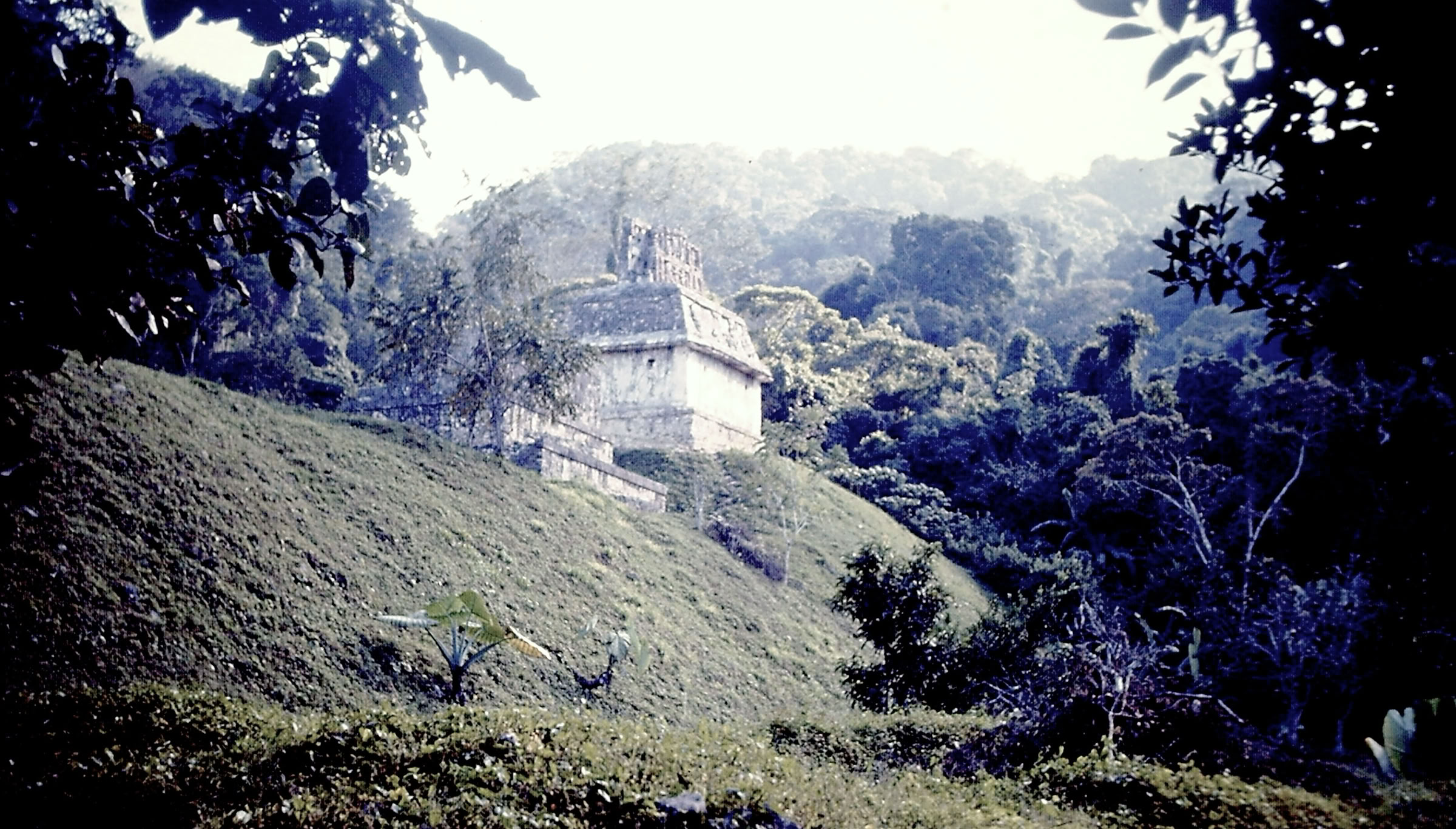
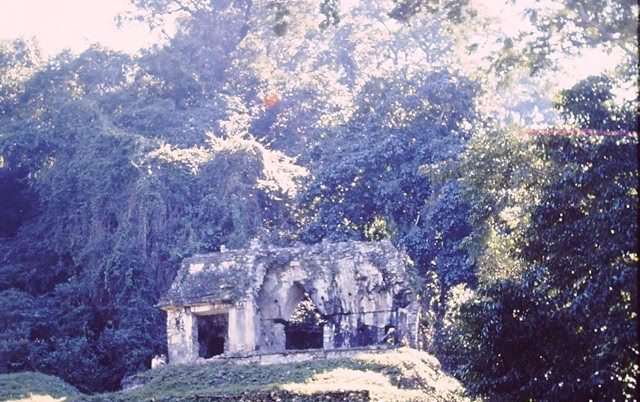
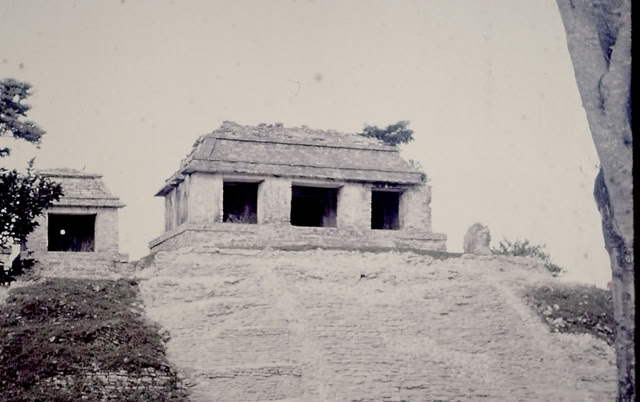
Palenque, Mexico 1986
Global Studies: Culture/Nature
Photo: A.A.Bispo©
1985
Studies of cultural processes in global contexts
using Euro-Brazilian relations as a frame of reference
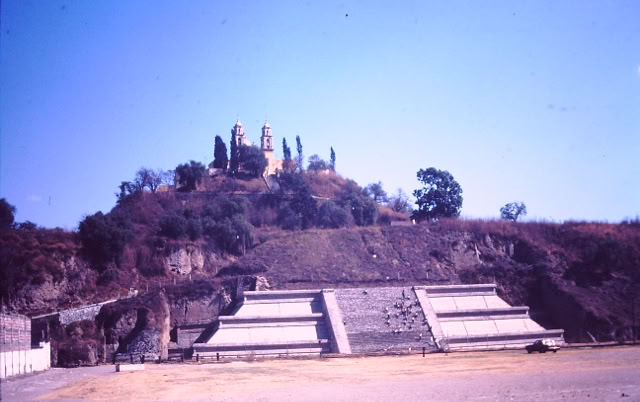
Cholula. Mexico 1985
Global Studies: Culture/Nature
Photo: A.A.Bispo©1
Cincinica, Mexico. 1985
Global Studies: Culture/Nature
Photo: A.A.Bispo©
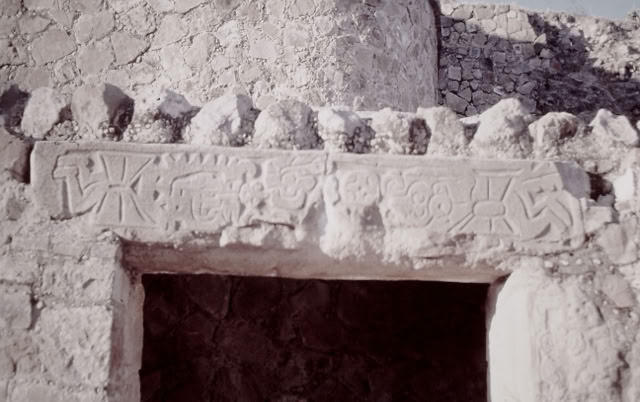
Kabah, Mexico. 1985
Global Studies: Culture/Nature
Photo: A.A.Bispo©
Cincinica, Mexico. 1985
Global Studies: Culture/Nature
Photo: A.A.Bispo©
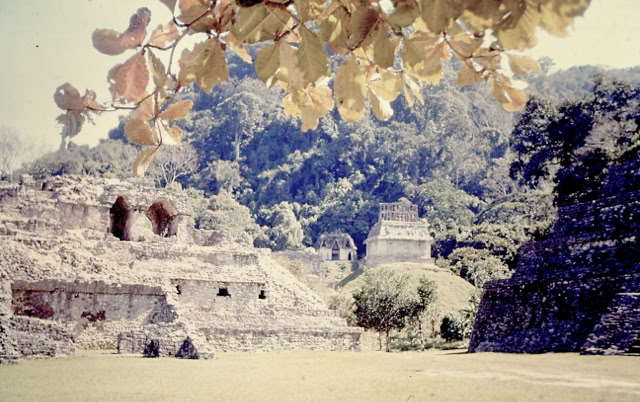
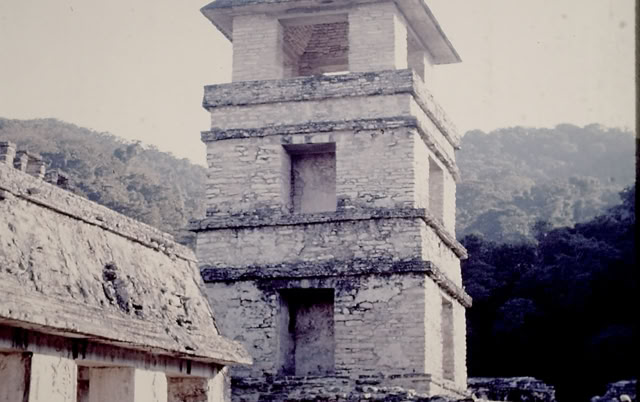
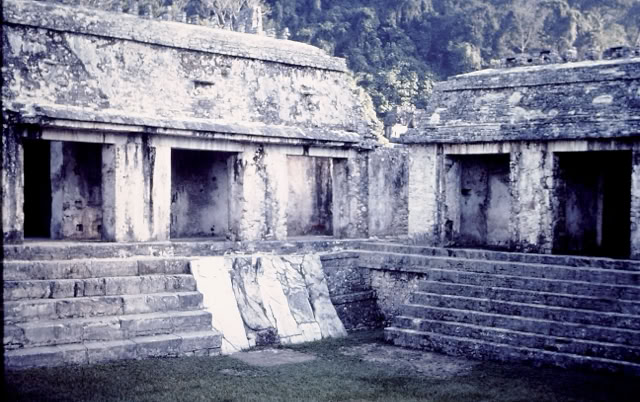
Palanque, Mexico. 1985
Global Studies: Culture/Nature
Photo: A.A.Bispo©
Palanque, Mexico. 1985
Global Studies: Culture/Nature
Photo: A.A.Bispo©
Palanque, Mexico. 1985
Global Studies: Culture/Nature
Photo: A.A.Bispo©
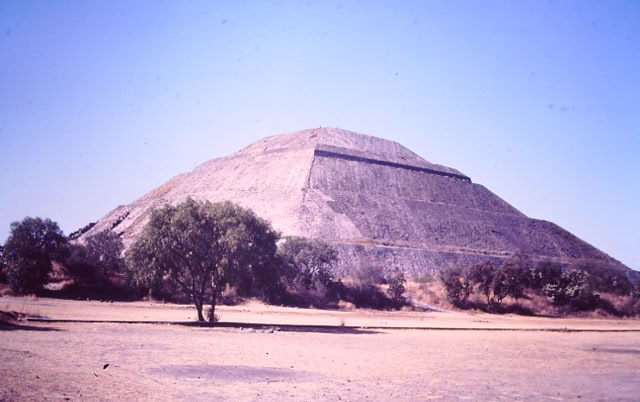
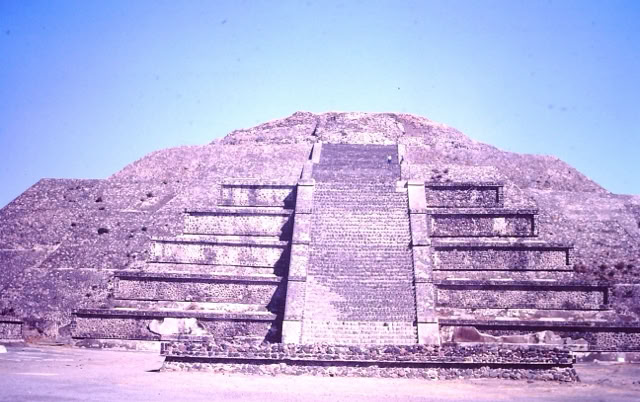
Teotihuacan. Mexico 1985
Global Studies: Culture/Nature
Photo: A.A.Bispo©
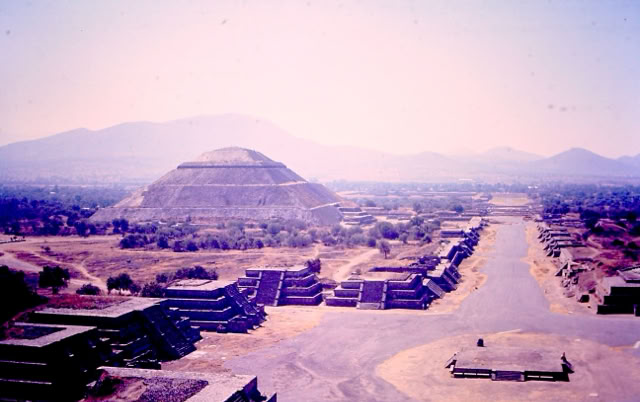
Teotihuacan. Mexico 1985
Global Studies: Culture/Nature
Photo: A.A.Bispo©
Teotihuacan. Mexico 1985
Global Studies: Culture/Nature
Photo: A.A.Bispo©
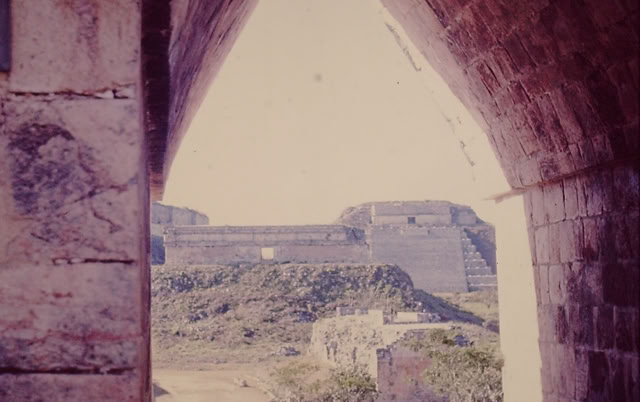
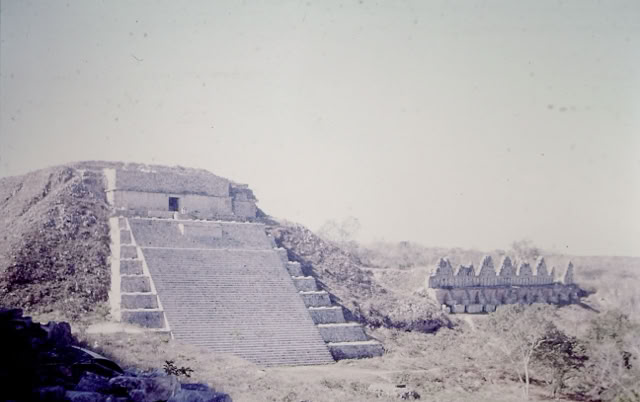
Uxmal. Mexico 1985
Global Studies: Culture/Nature
Photo: A.A.Bispo©
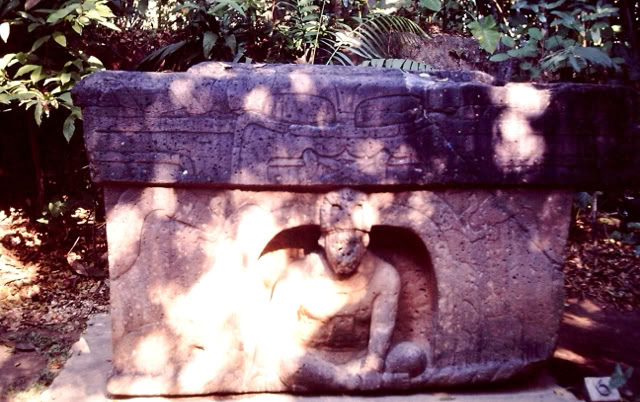
Palenque. Mexico 1985
Global Studies: Culture/Nature
Photo: A.A.Bispo©
Palenque. Mexico 1985
Global Studies: Culture/Nature
Photo: A.A.Bispo©
Mont Alban. Mexico 1985
Global Studies: Culture/Nature
Photo: A.A.Bispo©
Uxmal. Mexico 1985
Global Studies: Culture/Nature
Photo: A.A.Bispo©
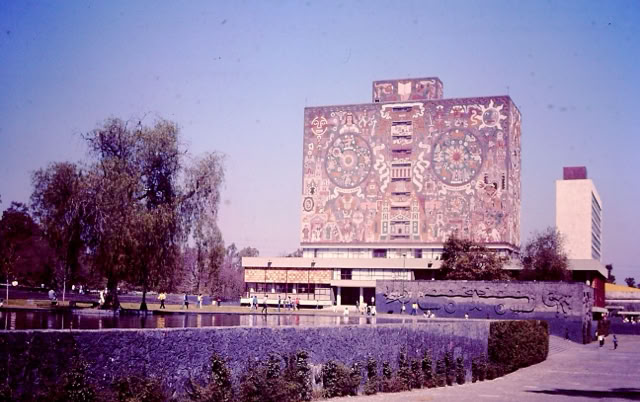
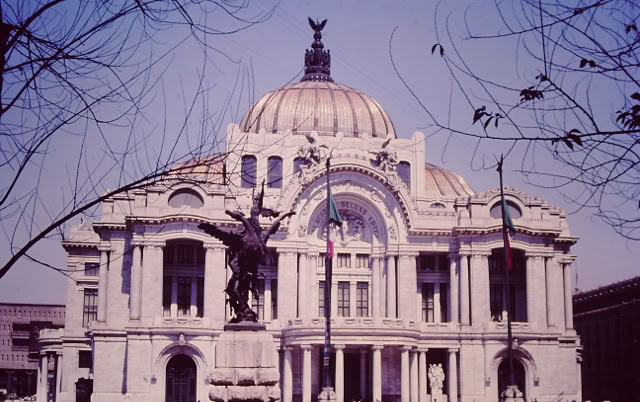
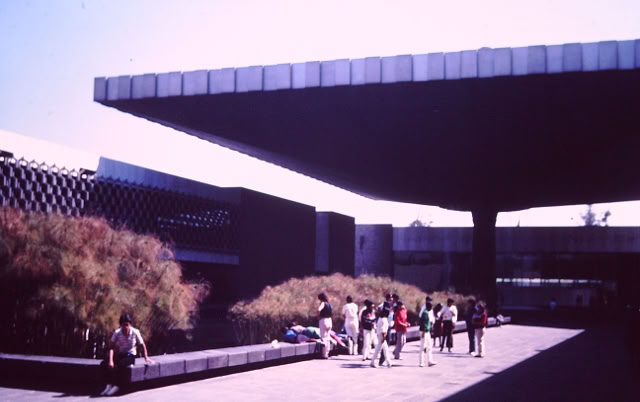
Mexico City. 1985
Global Studies: Culture/Nature
Photo: A.A.Bispo©
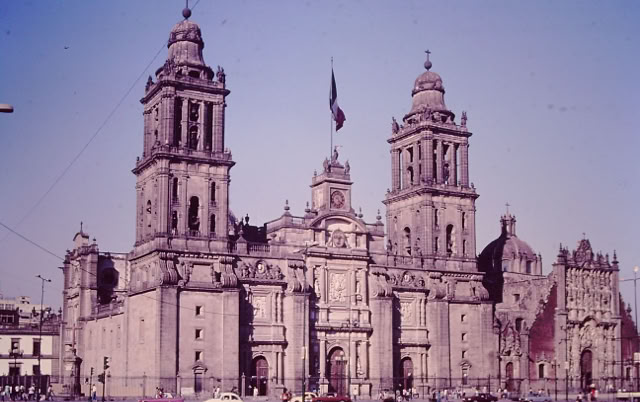
Mexico City 1985
Global Studies: Culture/Nature
Photo: A.A.Bispo©
Mexico City 1985
Global Studies: Culture/Nature
Photo: A.A.Bispo©
Mexico City 1985
Global Studies: Culture/Nature
Photo: A.A.Bispo©
Vila Hermosa. Mexico. 1985
Global Studies: Culture/Nature
Photo: A.A.Bispo©
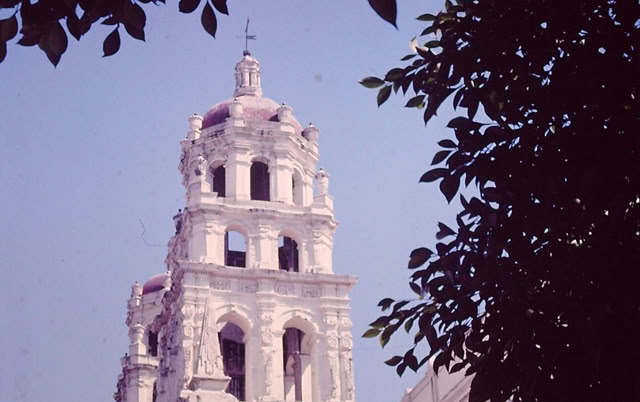
Puebla. Mexico. 1985
Global Studies: Culture/Nature
Photo: A.A.Bispo©
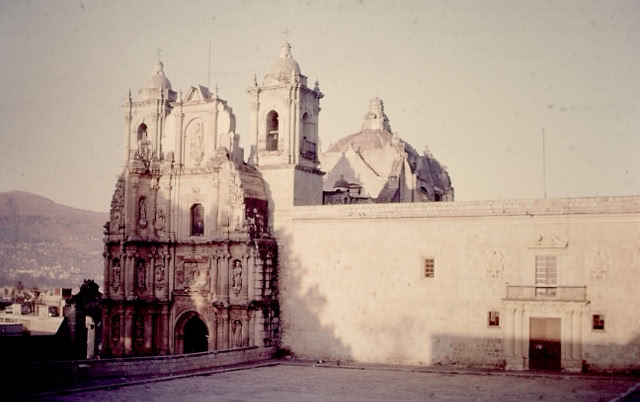
Oaxaca. Mexico. 1985
Global Studies: Culture/Nature
Photo: A.A.Bispo©
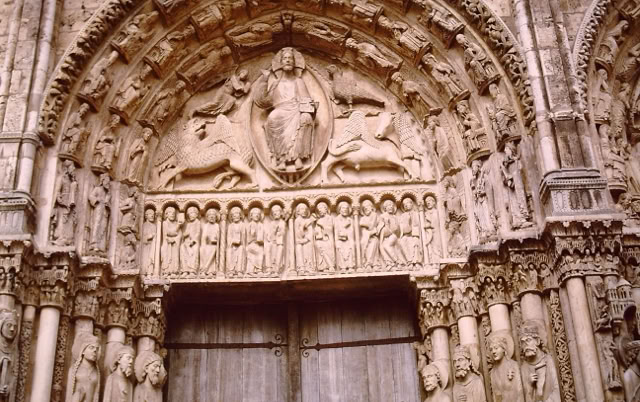
Chartres, France 1985
Global Studies: Culture/Nature
Photo: A.A.Bispo©
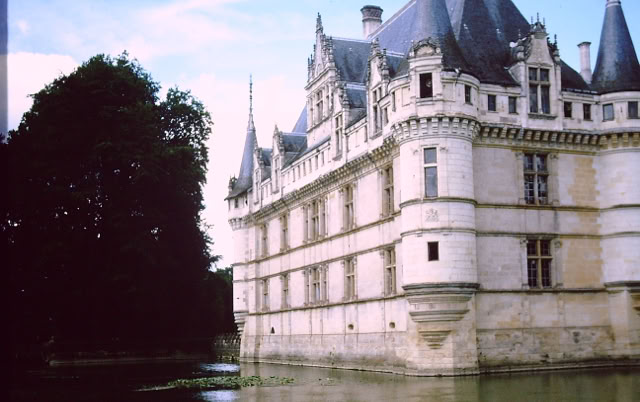
Azay-le-Rideau. France 1985
Global Studies: Culture/Nature
Photo: A.A.Bispo©
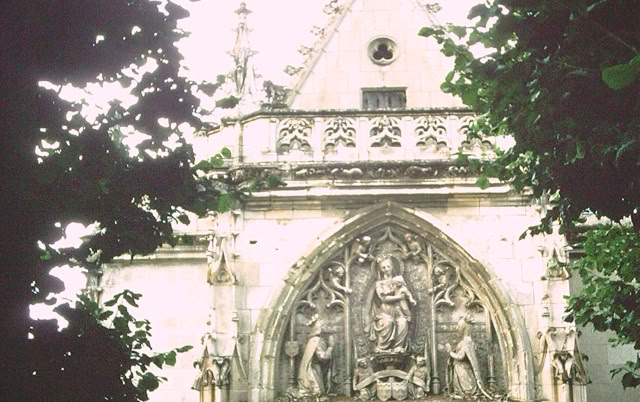
Amboise. France 1985
Global Studies: Culture/Nature
Photo: A.A.Bispo©
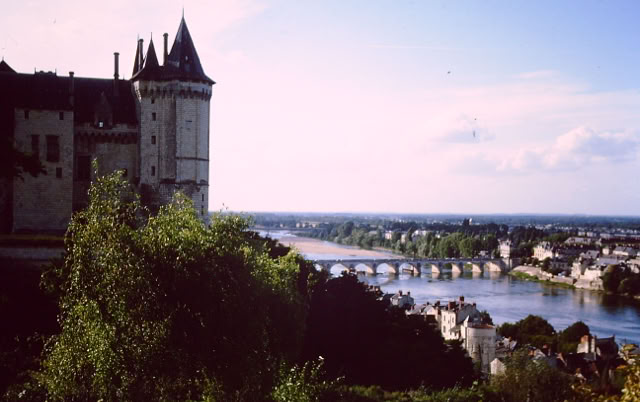
Saumur. France 1985
Global Studies: Culture/Nature
Photo: A.A.Bispo©
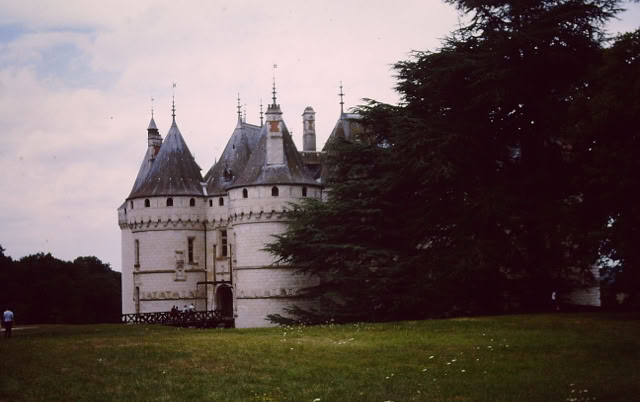
Chaumont. France 1985
Global Studies: Culture/Nature
Photo: A.A.Bispo©
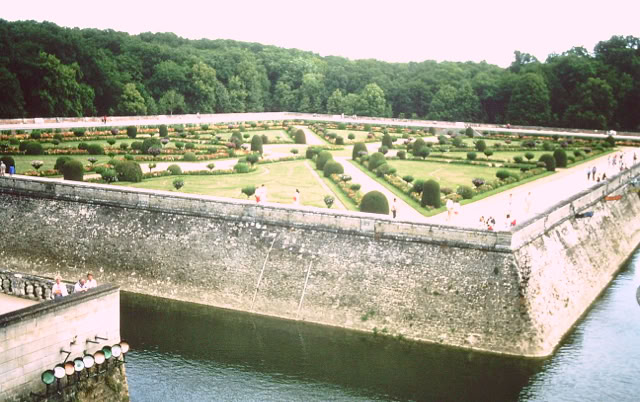
Chenonceaux. France 1985
Global Studies: Culture/Nature
Photo: A.A.Bispo©
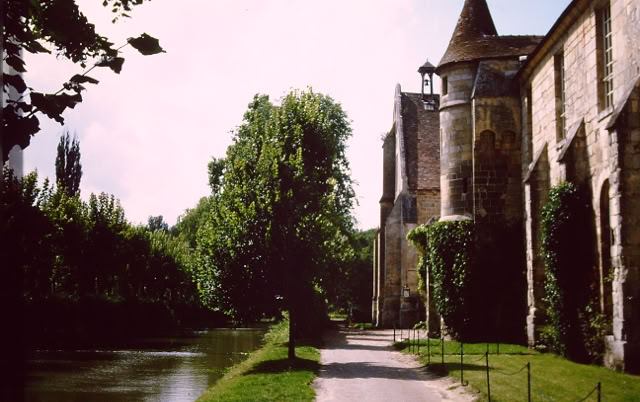
Fontevrault. France 1985
Global Studies: Culture/Nature
Photo: A.A.Bispo©
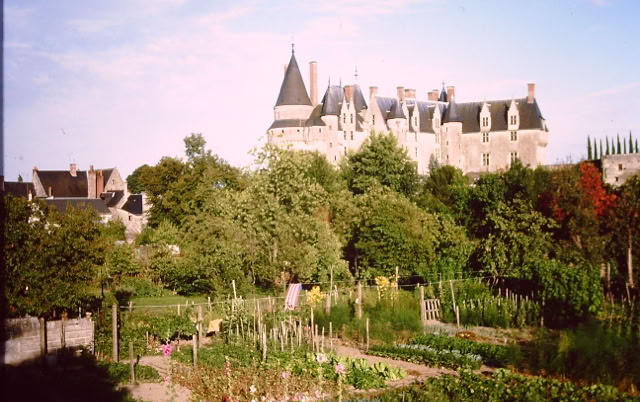
Langais. France 1985
Global Studies: Culture/Nature
Photo: A.A.Bispo©
Royaumont France 1985
Global Studies: Culture/Nature
Photo: A.A.Bispo©
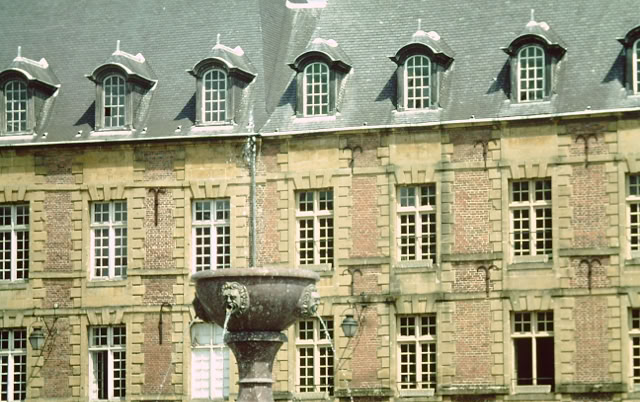
Charlesville-Mézières. France 1985
Global Studies: Culture/Nature
Photo: A.A.Bispo©
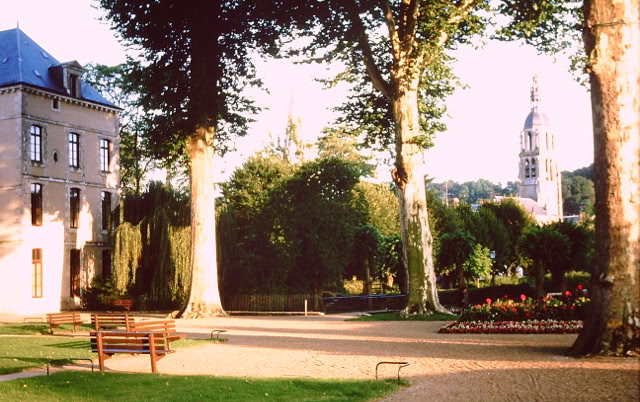
Vendôme.France 1985
Global Studies: Culture/Nature
Photo: A.A.Bispo©
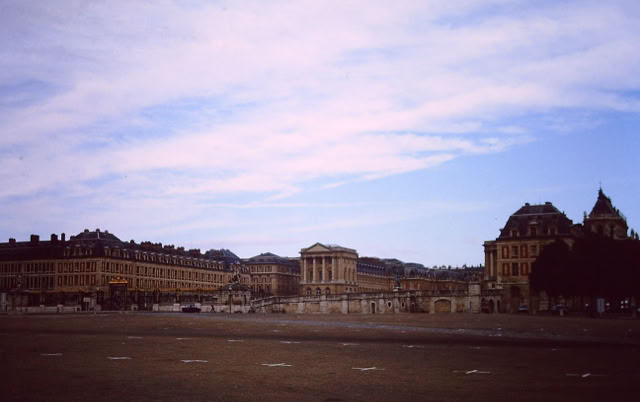
Versailles. France. 1985
Global Studies: Culture/Nature
Photo: A.A.Bispo©
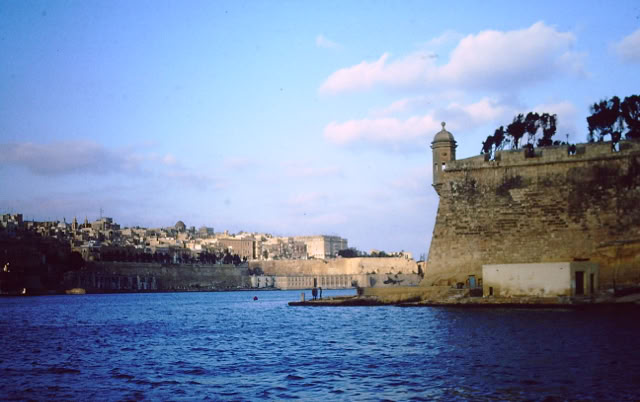
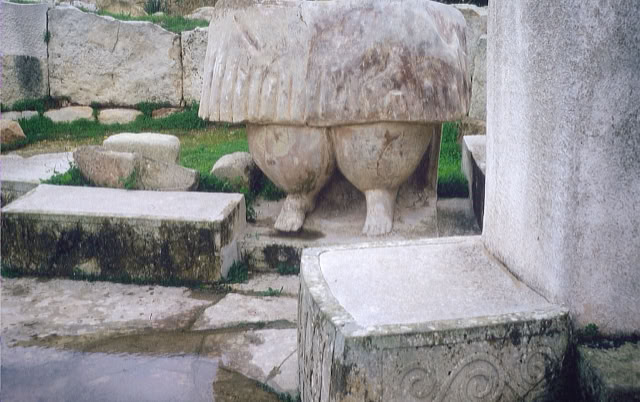
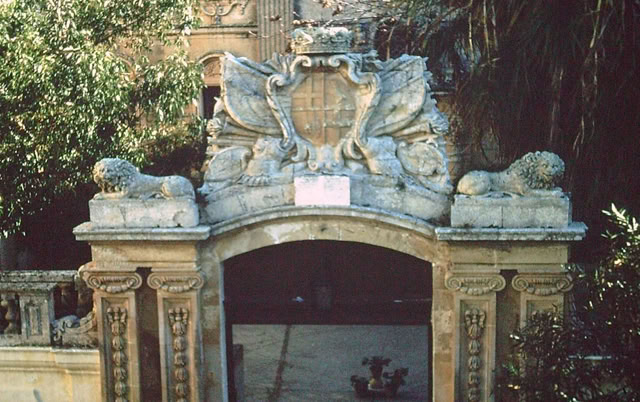
La Valetta. Malta. 1985
Global Studies: Culture/Nature
Photo: A.A.Bispo©
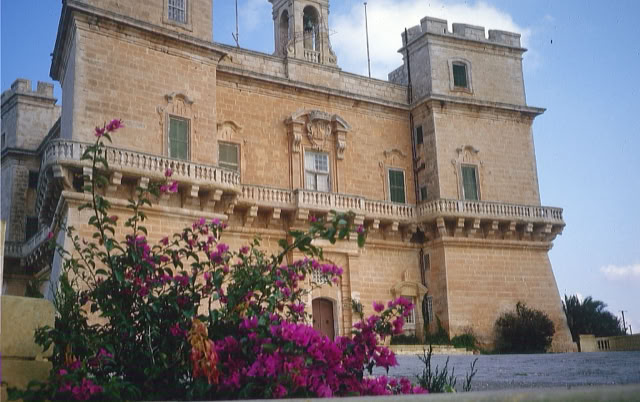
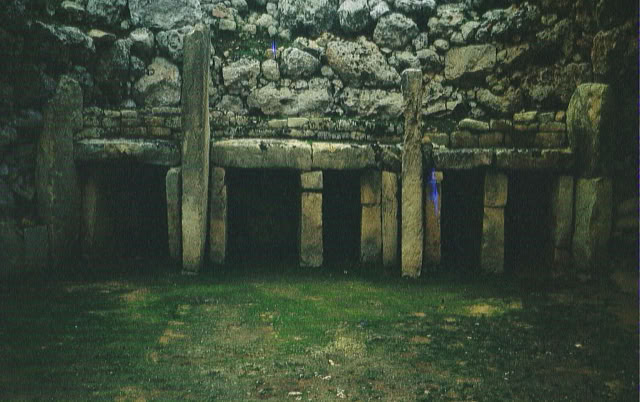
Malta. 1985
Global Studies: Culture/Nature
Photo: A.A.Bispo©
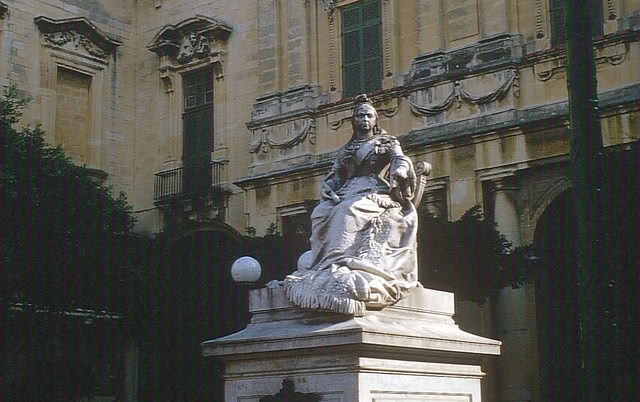
La Valetta. Malta. 1985
Global Studies: Culture/Nature
Photo: A.A.Bispo©
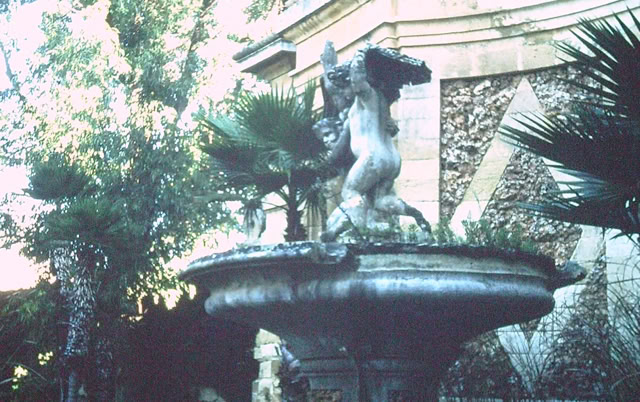
Malta. 1985
Global Studies: Culture/Nature
Photo: A.A.Bispo©
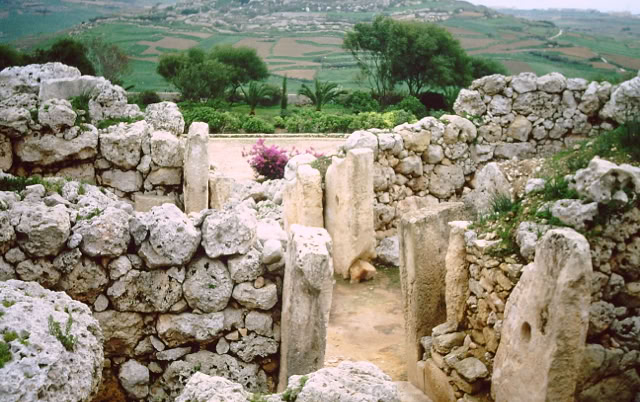
Malta. 1985
Global Studies: Culture/Nature
Photo: A.A.Bispo©
Malta. 1985
Global Studies: Culture/Nature
Photo: A.A.Bispo©
Malta. 1985
Global Studies: Culture/Nature
Photo: A.A.Bispo©
La Valetta. Malta. 1985
Global Studies: Culture/Nature
Photo: A.A.Bispo©
1985 was a year of the highest significance for the study of cultural processes in global contexts from a Euro-Brazilian perspective. 1985 had been declared the "European Year of Music" by European bodies, which marked the program of studies and activities for 1985 as a preparatory event for an entire five-year period. Considered at the time of the founding of the Brazilian Society of Musicology in São Paulo in 1981, the expectation of the "European Year of Music" motivated the plan to establish an institute for the study of musical culture in Lusophone contexts. This institute was intended to represent the international institutionalization of the Center for Research in Musicology of the Nova Difusão movement, which originated in São Paulo in the 1960s and was directed towards the analysis of cultural processes across borders and dividing lines under different aspects: national, regional, and research areas
The founding of the Institut für Studien der Musikkultur des portugiesischen Sprachraumes (Institute for Studies of the Musicology of the Portuguese Language Space) was prepared by a five-year series of multilateral forums held in Germany in cooperation with the Brazilian Society of Musicology and the Brazilian Folklore Association.
The "European Year of Music" commemorated the 300th anniversary of several composers of European renown, among them A. Scarlatti, a composer who worked in Portugal. Portugal's role in European musical life and creation could not be ignored in 1985, and this drew attention to the global processes that Portugal played a part in since the Age of Discovery. The "European Year of Music" was not only intended to contribute to raising awareness of European cultural unity, as envisioned by its initiators, but also to direct attention to globalizing processes, especially those triggered by the Portuguese during the Age of Discoveries. The relevance of these intentions was evident in the series of commemorations marking 500 years of particularly significant dates in the history of discovery, which were beginning and would motivate studies and events.
The study of globalizing processes within global studies, following the theoretical orientation developed in previous years from Brazil, could not and should not begin with the modern era, but rather consider its precedents and its material and immaterial cultural foundations. These reflections determined the interest in studies of antiquity, cultural archaeology, and the construction of worldviews of remote origins which, transported through the centuries in forms reinterpreted within Christianity, conditioned the psycho-mental state of Europeans who interacted on other continents. The analysis of these conditioning factors emerges as necessary for the study of the meanings of the visual language of cultural traditions and for the development of a cultural anthropology of enlightening meanings, especially concerning the relationship between humankind and nature.
The significance of conducting foundational studies of Cultural Anthropology from the perspective of music, following a Euro-Brazilian theoretical orientation, was highlighted in international symposia on reciprocal influences between Latin America and Europe, promoted by European commissions and the Royal Conservatory of Brussels in 1983 and 1984. This orientation of studies, directed towards globalizing processes and their foundations, coincided with the "Music in the Life of Man" project of the International Music Council/UNESCO, establishing collaborations that would mark events and developments. An important milestone in these studies was the holding of a regional meeting for Latin America and the Caribbean of this project in Mexico City in February 1985.
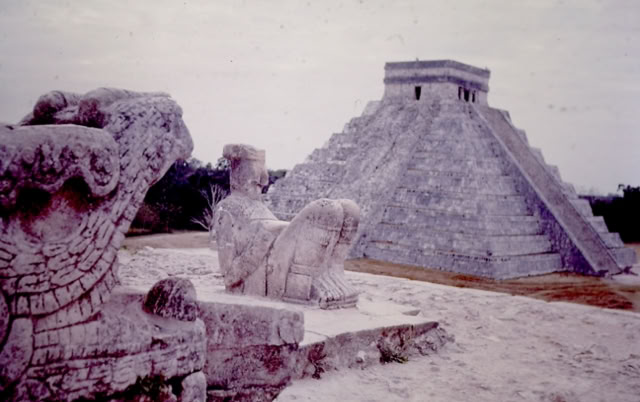
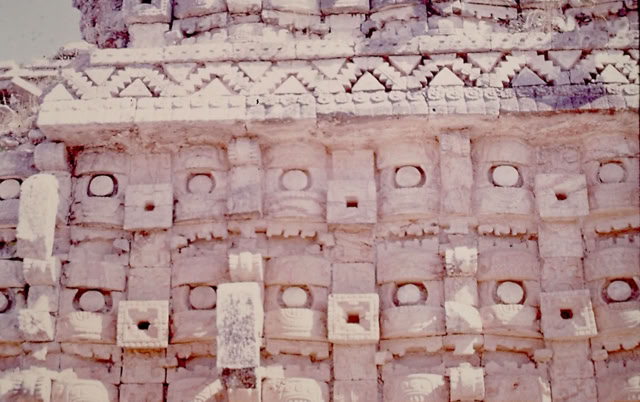
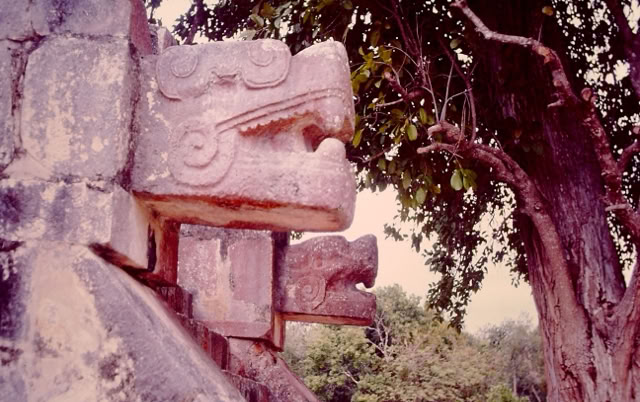
This meeting facilitated the discussion of theoretical, conceptual, and procedural aspects of the project, updating knowledge and contacts with researchers, and establishing new relationships that would mark Euro-Brazilian studies in their Latin American contexts. The meeting was preceded by a cycle of Euro-Brazilian studies in various cities and institutions in Mexico. Its objective was to conduct cultural archaeology studies by visiting ancient ruins of indigenous civilizations, continuing those carried out at the Institute of Ethnology of the University of Colonia in the 1970s, now with a more attentive consideration of Culture/Nature relationships.
Concomitantly, attention was directed to processes of cultural change triggered by Europeans during the Age of Discovery and their consequences for the present. Cultural traditions were to be analyzed from the perspective of the meanings of their visual language, drawing parallels with those of Brazil. Several cities and archaeological sites were visited, including Cholula, Cincinnati, Kabah, Merida, Mitia, Monte Alban, Oaxaca, Palenque, Puebla, Teotihuacan, Tonantzintia, Uxmal, Villa Hermosa, and Yagui, as well as Mexico City.
Studies concerning the cultural processes initiated by European Christians in Latin America had an important milestone: the International Congress of Sacred Music held in Rome during the European Year of Music. This congress considered ongoing studies on music in worship and religious traditions during the Portuguese discoveries, in a meeting at the Hotel Columbus, from the perspective of world heritage bodies, under the presidency of Walter Schell, former President of Germany, as well as with Cardinal Razinger, President of the Congregation for the Evangelization of Peoples, formerly Propaganda Fide.
In Rome, parallel to the congress but independently, meetings were held between Brazilian researchers and the head of the Latin America and Caribbean section of the Music in the Life of Man (MLM) project of the International Music Council, Samuel Claro-Valdés, University of Chile. These meetings discussed the joint programming of ISMPS activities for the following years, which were marked by the centenaries of Antonio Carlos Gomes in 1986 and Heitor Villa-Lobos in 1987. These meetings laid the groundwork for the First Brazilian Congress of Musicology, along with a meeting of the MLM project in São Paulo in 1987.
The year 1985 concluded with studies conducted in Malta. This included bibliographical research at the Valletta Library, as well as visits to museums, archaeological sites, and interviews. The objectives of the Mediterranean/Atlantic, East/West, and Culture/Nature programs of Euro-Brazilian studies were pursued. Attention was directed to questions of cultural foundations, cultural archaeology, studies of the expansion of Christianity, particularly the Apostle St. Paul, the Order of Maltese, relations between Malta and Portugal, and Maltese people in Brazil. The revelation of the reception of Antonio Carlos Gomes's *Il Guarany*, according to documents preserved in the Malta Library, marked the beginning of the commemorative program for the Brazilian composer, which would be developed for his centenary in 1986
Antonio Carlos Gomes (1836-1896) in the European Year of Music 1985
Brazil and the project "Musical Cultures of Latin America in the 19th Century" in the 1970s
Atlantic/Mediterranean: Studies of cultural processes and interactions
Royaumiont in Brazil-Europe studies
Estudos culturais eurobrasileiros relacionados com o Vaticano
Türkiye in Germany/Brazil relations
Euro-Brazilian studies related to Türkiye
East-West: A Study of Cultural Processes and Interactions
Catholic University of Chile in Brazil-Europe studies
Euro-Brazilian studies related to Malta