BRASIL-EUROPA
GLOBAL STUDIES
CULTURE/NATURE

BRASIL-EUROPA
GLOBAL STUDIES
CULTURE/NATURE
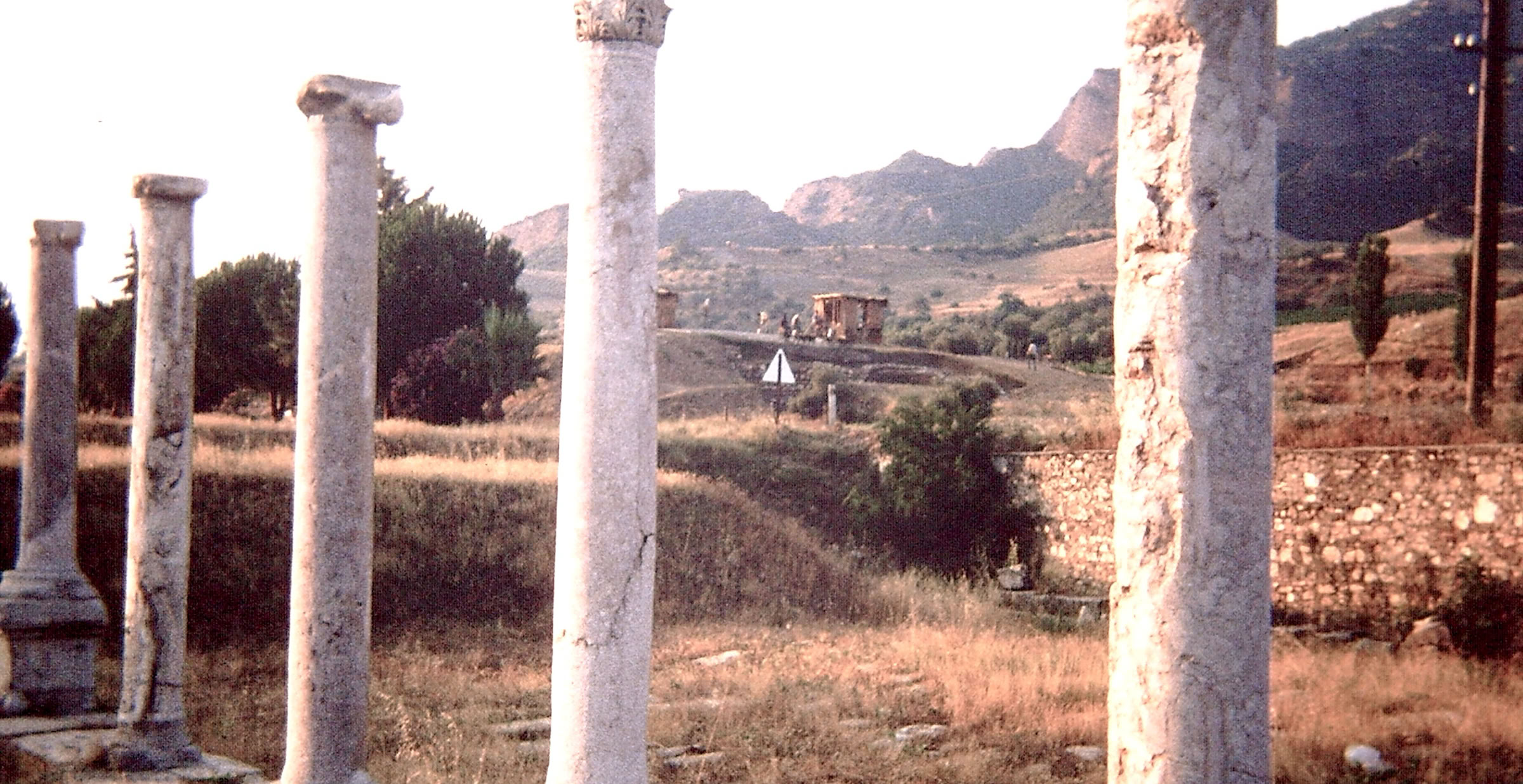
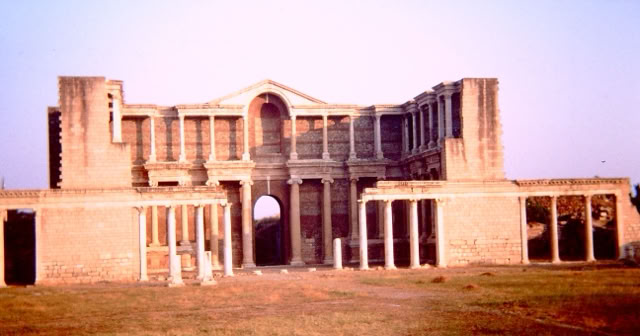
Sarnis. Türkiye 1986
Global Studies: Culture/Nature
Photo: A.A.Bispo©
1986
Studies of cultural processes in global contexts
using Euro-Brazilian relations as a frame of reference
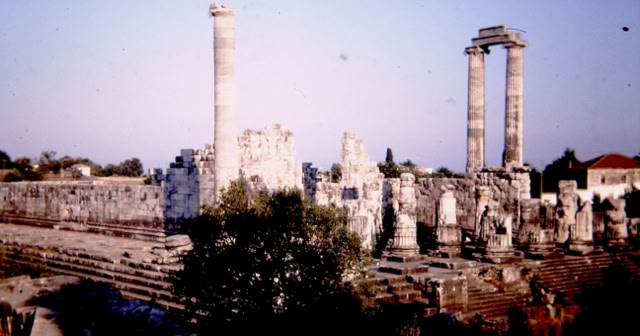
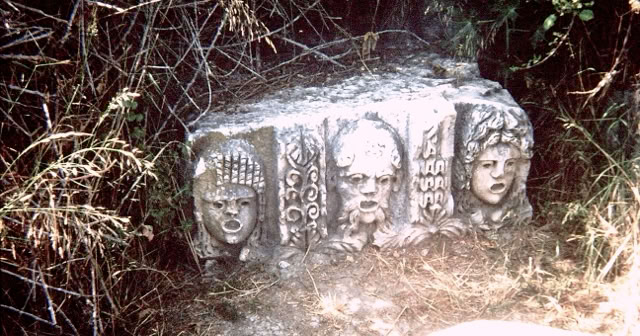
Didyma. Türkiye 1986
Global Studies: Culture/Nature
Photo: A.A.Bispo©
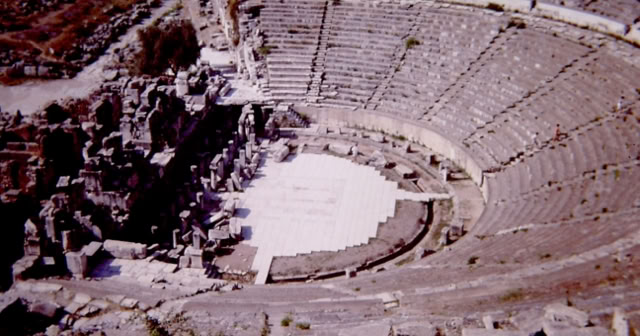
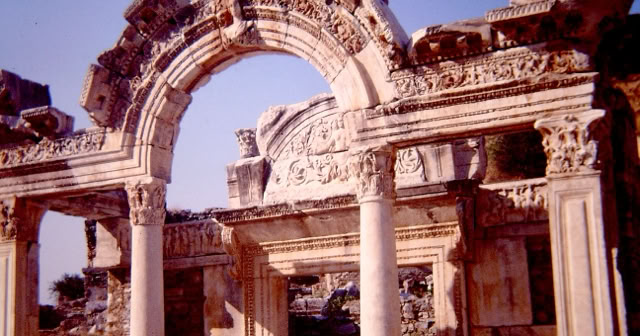
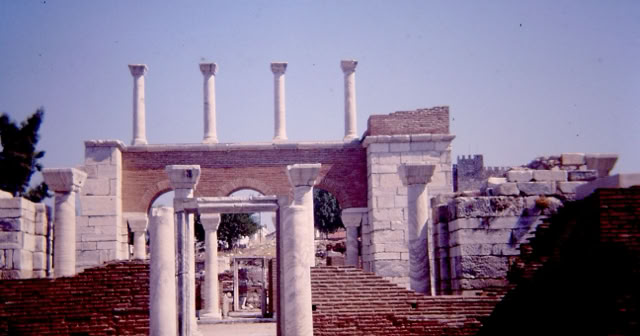
Ephesus. Türkiye 1986
Global Studies: Culture/Nature
Photo: A.A.Bispo©
Ephesus. Türkiye 1986
Global Studies: Culture/Nature
Photo: A.A.Bispo©
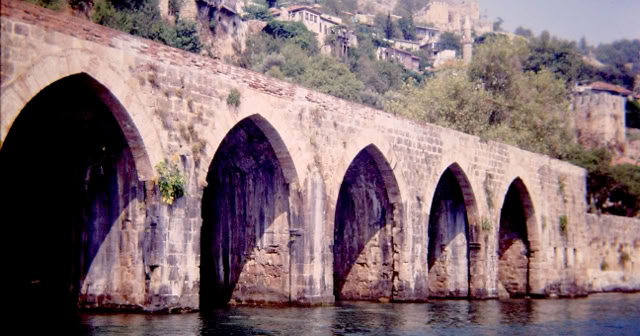
Alanya Türkiye 1986
Global Studies: Culture/Nature
Photo: A.A.Bispo©
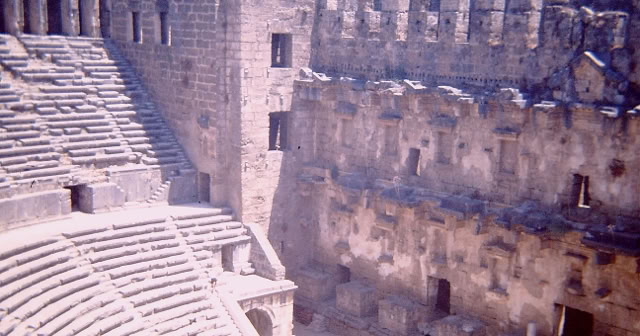
Aspendo Türkiye 1986
Global Studies: Culture/Nature
Photo: A.A.Bispo©
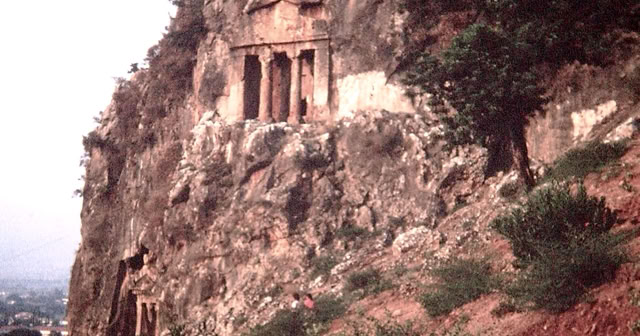
Fethyie. Türkiye 1986
Global Studies: Culture/Nature
Photo: A.A.Bispo©
Foça. Türkiye 1986
Global Studies: Culture/Nature
Photo: A.A.Bispo©
Izmir. Türkiye 1986
Global Studies: Culture/Nature
Photo: A.A.Bispo©
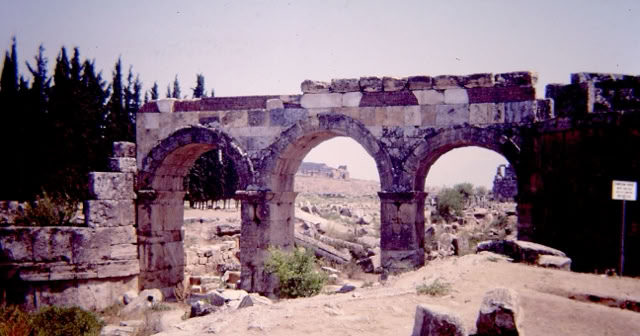
Hierapolis.Türkiye 1986
Global Studies: Culture/Nature
Photo: A.A.Bispo©
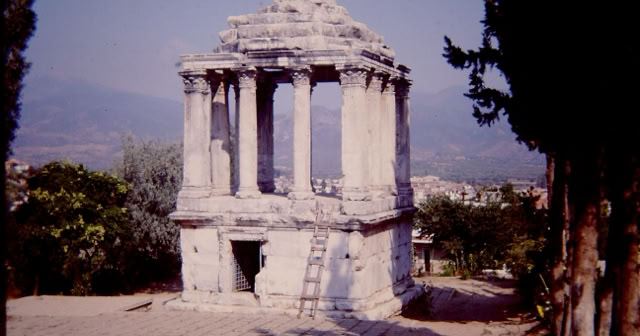
Letohe.Türkiye 1986
Global Studies: Culture/Nature
Photo: A.A.Bispo©
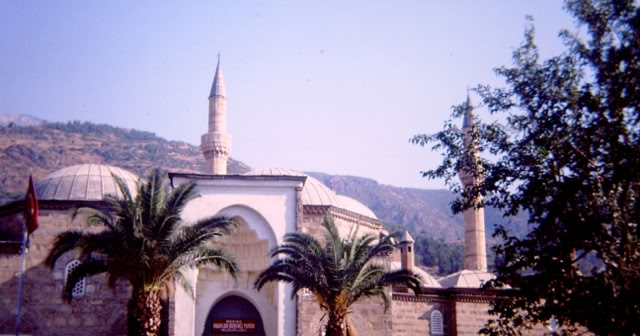
Manisa.Türkiye 1986
Global Studies: Culture/Nature
Photo: A.A.Bispo©
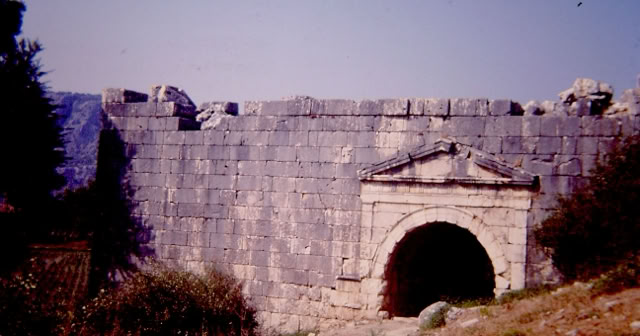
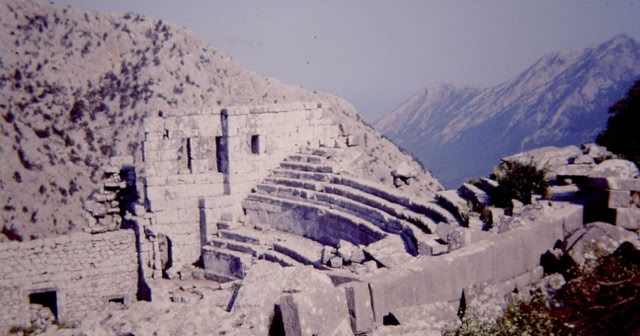
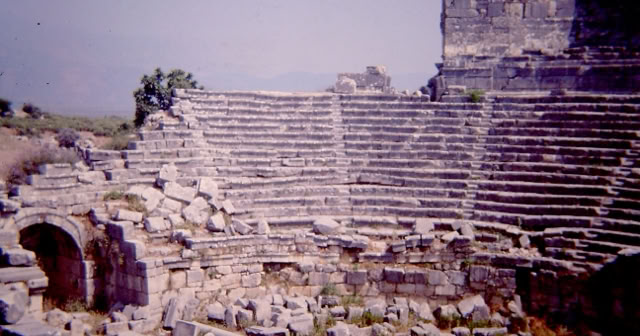
Termessos. Türkiye. 1986
Global Studies: Culture/Nature
Photo: A.A.Bispo©
Xanthos.Türkiye. 1986
Global Studies: Culture/Nature
Photo: A.A.Bispo©
Milas.Türkiye. 1986
Global Studies: Culture/Nature
Photo: A.A.Bispo©
Myra.Türkiye. 1986
Global Studies: Culture/Nature
Photo: A.A.Bispo©
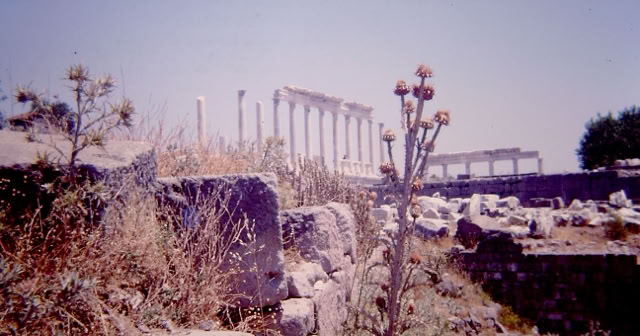
Pergamon.Türkiye. 1986
Global Studies: Culture/Nature
Photo: A.A.Bispo©
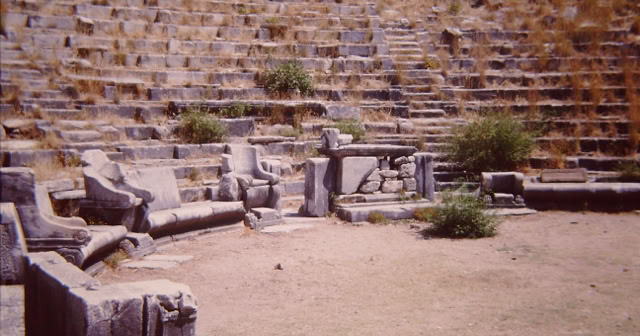
Priene. Türkiye. 1986
Global Studies: Culture/Nature
Photo: A.A.Bispo©
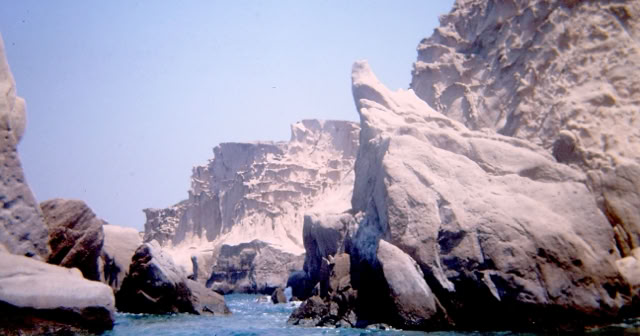
Sarnis. Türkiye. 1986
Global Studies: Culture/Nature
Photo: A.A.Bispo©
Seiçuk Türkiye. 1986
Global Studies: Culture/Nature
Photo: A.A.Bispo©
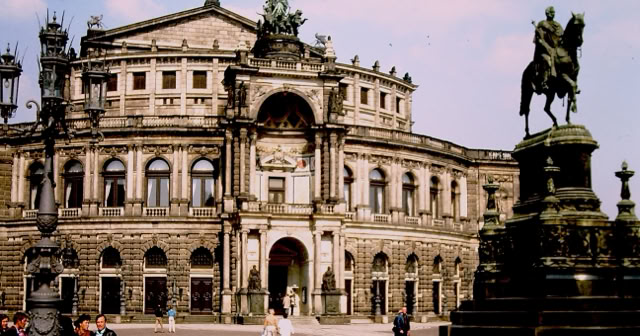
Dresden. Germany. 1986
Global Studies: Culture/Nature
Photo: A.A.Bispo©
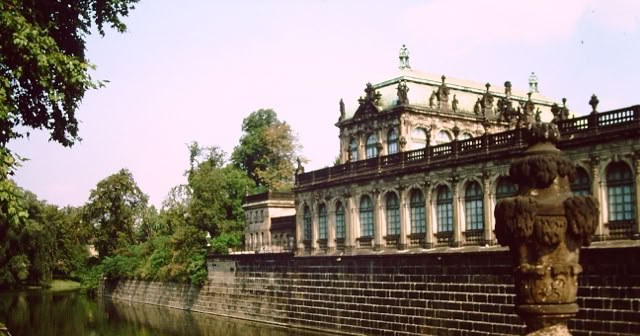
Dresden. Germany. 1986
Global Studies: Culture/Nature
Photo: A.A.Bispo©
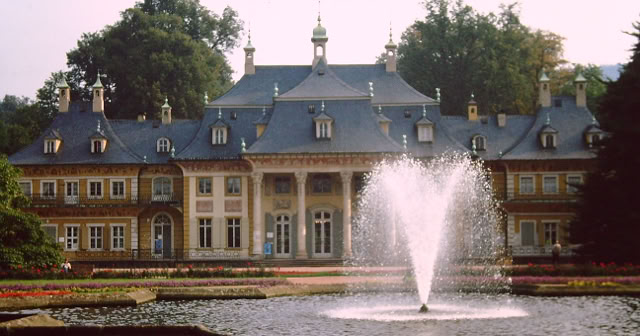
Pillniz Castle. Germany. 1986
Global Studies: Culture/Nature
Photo: A.A.Bispo©
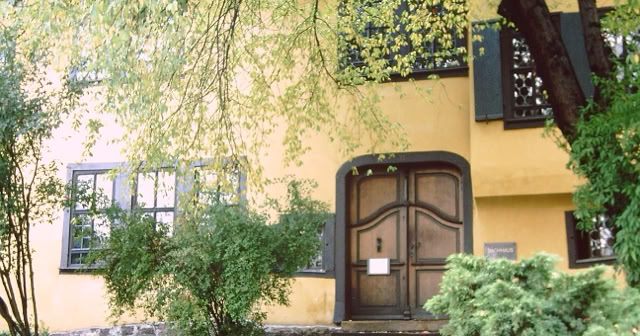
Eisenach. Germany. 1986
Global Studies: Culture/Nature
Photo: A.A.Bispo©
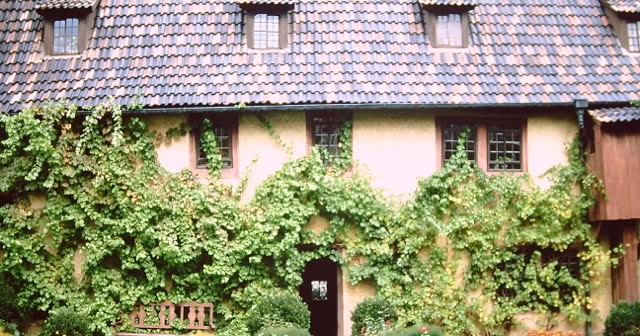
Eisenach. Germany. 1986
Global Studies: Culture/Nature
Photo: A.A.Bispo©
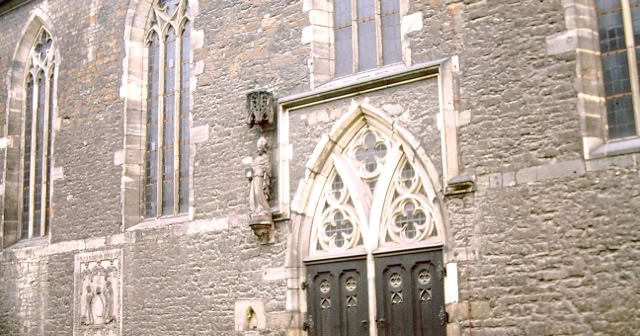
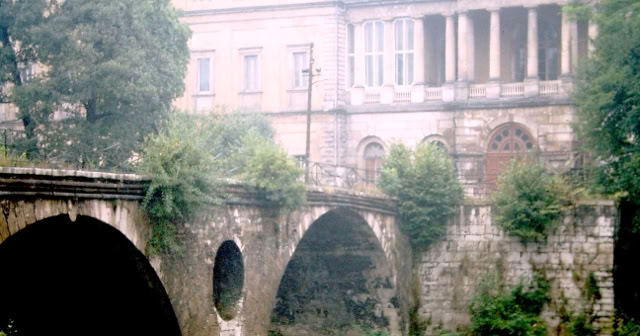
Erfurt. Germany. 1986
Global Studies: Culture/Nature
Photo: A.A.Bispo©
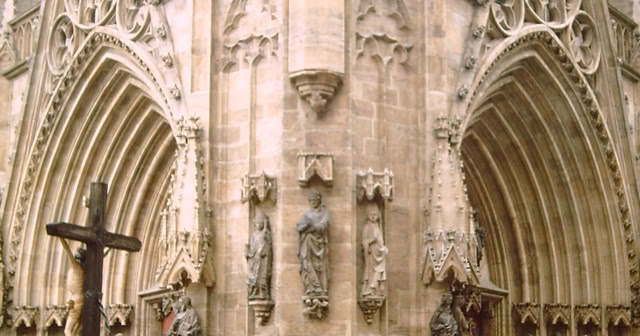
Erfurt. Germany. 1986
Global Studies: Culture/Nature
Photo: A.A.Bispo©
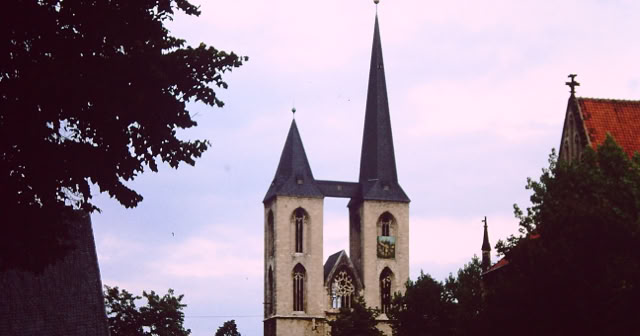
Halberstadt.Germany. 1986
Global Studies: Culture/Nature
Photo: A.A.Bispo©
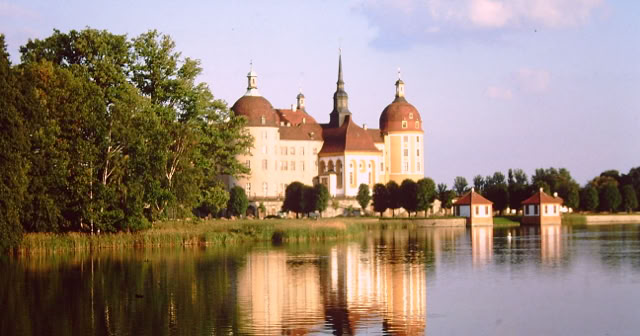
Moritzburg. Germany. 1986
Global Studies: Culture/Nature
Photo: A.A.Bispo©
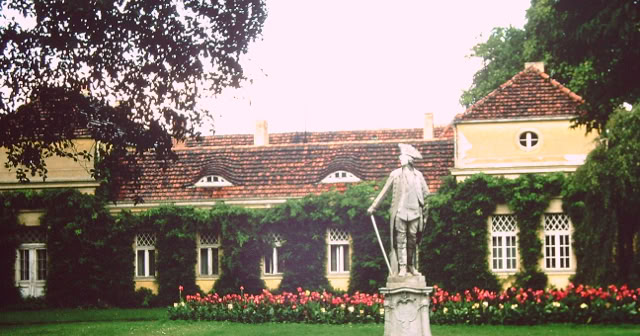
Potsdam. Germany. 1986
Global Studies: Culture/Nature
Photo: A.A.Bispo©
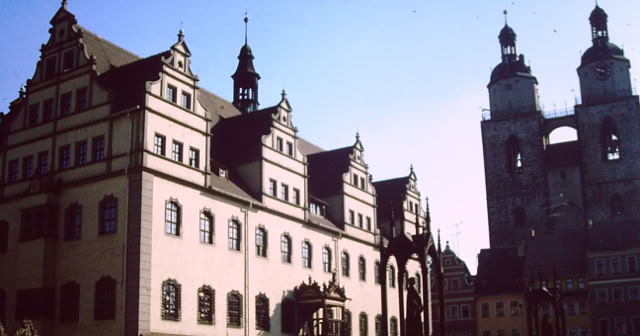
Wittenberg. Germany. 1986
Global Studies: Culture/Nature
Photo: A.A.Bispo©
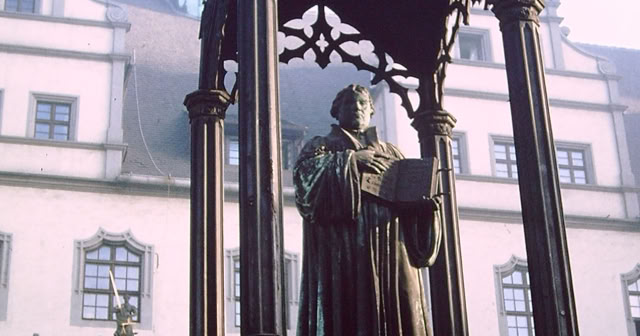
Wittenberg. Germany. 1986
Global Studies: Culture/Nature
Photo: A.A.Bispo©
Weimar. Germany. 1986
Global Studies: Culture/Nature
Photo: A.A.Bispo©
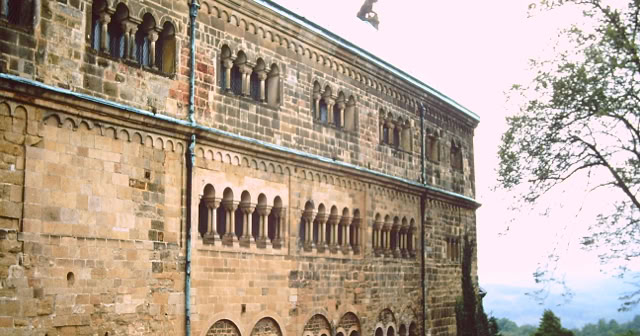
Wartburg. Germany. 1986
Global Studies: Culture/Nature
Photo: A.A.Bispo©
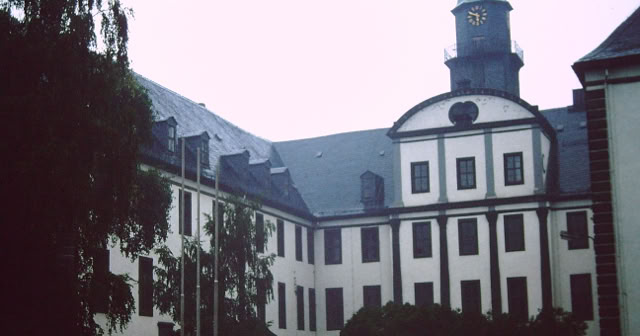
Saalfeld. Germany 1986
Global Studies: Culture/Nature
Photo: A.A.Bispo©
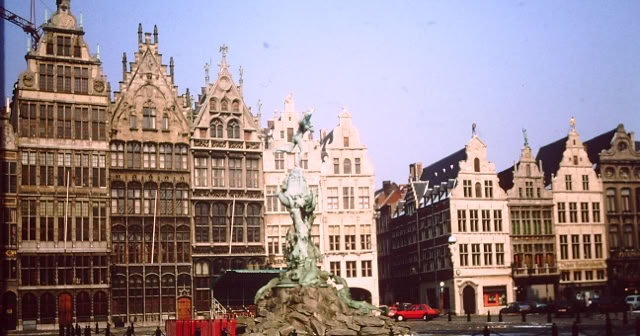
Antwerp. Belgium 1986
Global Studies: Culture/Nature
Photo A.A.Bispo©
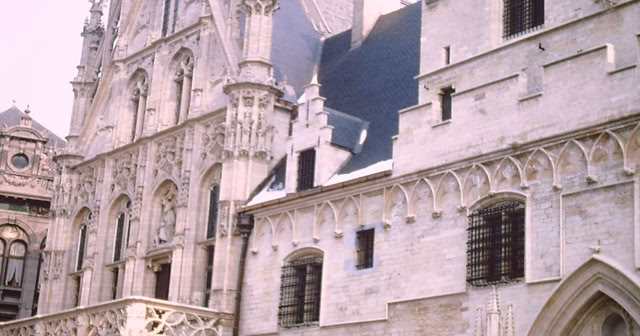
Leuven. Belgium
Global Studies: Culture/Nature
Photo: A.A.Bispo©
The year 1986 was marked in Euro-Brazilian studies by the commemoration of the centenary of Antonio Carlos Gomes (1836-1896)' and by two major cycles of studies, one of cultural archaeology in Turkey and the other in East Germany, particularly in "Bach cities".
The Carlos Gomes Year of 1986 preceded the Villa-Lobos Year in 1987, when the first Brazilian congress of musicology was held. The celebration of the most renowned Brazilian composer, and indeed of Latin America, of the 19th century thus constituted the eve of the year dedicated to Villa-Lobos, the most internationally prestigious of the 20th-century Brazilian composers. The studies and works developed internationally in 1986 were considered in a publication presented at the opening of the musicological congress in São Paulo. The studies were carried out in Europe in cities and regions related to the formation, life, and work of Carlos Gomes. The studies were initiated following the founding of the Institute for the Study of Musical Culture of the Portuguese-Speaking World in Malta in December 1985, considering the reception of Il Guarany in the Mediterranean sphere.english
A programação do centenário de Carlos Gomes foi realizada em conjunto com membros da diretoria da Sociedade Brasileira de Musicologia em encontros realizados em cidades europeias, entre elas Antuérpia, Leuven e Den Haag.
The year 1986 was primarily marked by the Bach-Brazil project in Euro-Brazilian studies. This project determined the research program on cultural processes of musicological conduct developed from Lüneburg and its Johannes-Kantorei – one of the "Bach cities" of Germany – as well as from the Hannover Music University in 1974, and which had been pioneered and prepared in São Paulo since the 1960s with the founders and members of the Bach Society of São Paulo, the Center for Musicological Research of the Nova Difusão movement, and the Faculty of Music and Artistic Education of the Musical Institute of São Paulo. Although these studies were initially part of the Bach movement tradition related to Bernhard von Paumgartner as director of the Mozarteum in Salzburg, the intention of the studies developed first in northern Germany was to address Bach-Brazil relations in the main centers of study in what was then East Germany.
In 1986, following the founding of the Institute for the Study of Musical Culture of the Portuguese-Speaking World during the "European Year of Music" in 1985, the year of Bach's 300th anniversary, a cycle of studies was undertaken in cities related to Bach and Bach studies institutions in what was then the German Democratic Republic. This cycle of studies was exceptional in many respects due to the difficulties of accessing East Germany because of the political situation that divided Europe into blocs according to the influence of the West and the Soviet Union. The main objectives of the trip were different cities and institutions in Thuringia and Saxony, such as Eisenach, Ohrdruf, Arnstadt, Mühlhausen, Weimar, Köthen, Leipzig, Dresden, Gera, as well as Berlin.
Among the places marked by Bach's life and work, as well as studies related to Bach, his children, and contemporaries, Erfurt and Eisenach stand out. In Dresden, attention was directed to the Bachchor, respected in the West also in sacred-musical and Catholic musicological circles related to the pontifical organization Consociatio Internationalis Musicae Sacrae and its institute for hymnological and ethnomusicological studies of Maria Laach. This renown and links between the West and East of Germany were even more intense with the Thomaschor of Leipzig, whose history and tradition were marked by Bach's work as Thomaskantor between 1723 and 1750. In Berlin, studies and visits to institutions carried out in 1975 regarding the reception of Bach's research and music related to the work of Philipp Spitta by Brazilian musicians, including Alberto Nepomuceno, were resumed.
The study cycle was prepared in previous years within the framework of the Leichlingen music forums and the University of Cologne, highlighting the collaboration of musicologists Heinrich Hüschen, Karl-Gustav Fellerer, and Hans Schmidt, and, in Brazil, Martin and Renata Braunwieser. The study cycles in the German Democratic Republic were prepared in meetings held in Belgium and the Netherlands in dialogues with professors and conductors, notably musicologists from the Catholic University in March 1986. Reflections and studies took place in different cities, including Mechelen and Antwerp, where attention was directed to relations with Brazil in diplomatic and cultural studies of the late 19th and early 20th centuries. Contacts with the Royal School of Carillons of Mechelen had already existed since 1970 through the organ and carillon professor at the Center for Musicological Research in São Paulo. In the Netherlands, in May 1986, reflections were initiated in The Hague, where Brazilian musicians had received their training and performed at the conservatory.
Another major cycle of studies took place in Turkey in July 1986. This undertaking was also linked to the Bach movement in São Paulo through its founder, Martin Brauunwieser, who since his youth had dedicated himself to the study of Eastern music, particularly Turkish music, which was expressed in his creative work in Europe and Brazil. The starting point for these studies was a meeting on the relationship between Islam and Christianity in Izmir, where Turkish muezzins and researchers discussed the connections between Quranic recitation practices and Gregorian chant. This theme arose from the hymnological-ethnomusicological studies then underway at the Maria Laach Institute for Hymnological and Ethnomusicological Studies. Studies of Turkish folk traditions in wedding festivities in Patara and Myra followed, continuing research carried out in the field of Ethnomusicology at the Music Faculty of the Musical Institute of São Paulo in 1973. Instruments and vocal, instrumental and dance practices then recorded and studied marked studies of Turkish-Brazilian relations that led to other stays in Turkey in the years that followed.
The study cycle was part of the East/West program of global studies conducted from Euro-Brazilian perspectives. The main focus was on visiting archaeological sites, ruins of ancient cities and temples, and their relationship with the natural environment. These studies of Culture/Nature relationships aimed, among other things, to situate knowledge of ancient architecture, urban planning, and culture within their appropriate natural contexts. The reflections were conducted based on theoretical-musical knowledge, always addressed within the scope of historical-musical studies, fulfilling a long-held desire developed during music history courses held at the Center for Musicological Research in São Paulo in the 1960s.
The stations of this pioneering cycle of studies on Turkish-Brazilian relations in global cultural processes were: Alanya, Antalya, Aspendos, Bergama, Bodrum, Burdur, Dalyan/Kaunos, Didyma, Ephesos, Fethiya, Foça, Isparta/Egridir, Izmir, Kas, Laodikea/Hierapolis, Letche Manisa, Marmaris, Milas, Milet, Myndos, Myras, ÖllÄ Deniz, Pamukkale, Patara, Pergamon, Perge, Prienel, Sarnis, Seiçuk, Xanthos and Yenifoça.
Bach-Brasil in Musicology and Cultural Studies
Euro-Brazilian cultural studies related to Turkey
Sacred music and cultural issues in Brazil: "Kirchenmusik und Kulturfragen in Brasilien". Kirchenmusikalisches Jahrbuch, 70 (1986), 123-141
Fundamental research and local and regional research.: "Musicologia de base: Pesquisas locais e regionais." Boletim da Sociedade Brasileira de Musicologia 3, comemorativo ao sesquiscentenário de A. Carlos Gomes (1836-1896). São Paulo, 1986
Orpheus and the Portuguese-speaking world: "Orpheus und der Portugiesische Sprachraum". Conferência pela Assembléia do I.S.M.P.S. e.V. Republicado em: Brasil-Europa & Musicologia: Aulas, Conferências e Discursos. Colonia: I.S.M.P.S., 1999, 299-307
European musical heritage in Brazil through Portugal: Das abendländische Musik-Erbe portugiesischer Prägung". Brasilien: Einführung in Musiktraditionen Brasiliens. Mainz: Schott, 1986, 58-76