BRASIL-EUROPA
GLOBAL STUDIES
CULTURE/NATURE

BRASIL-EUROPA
GLOBAL STUDIES
CULTURE/NATURE
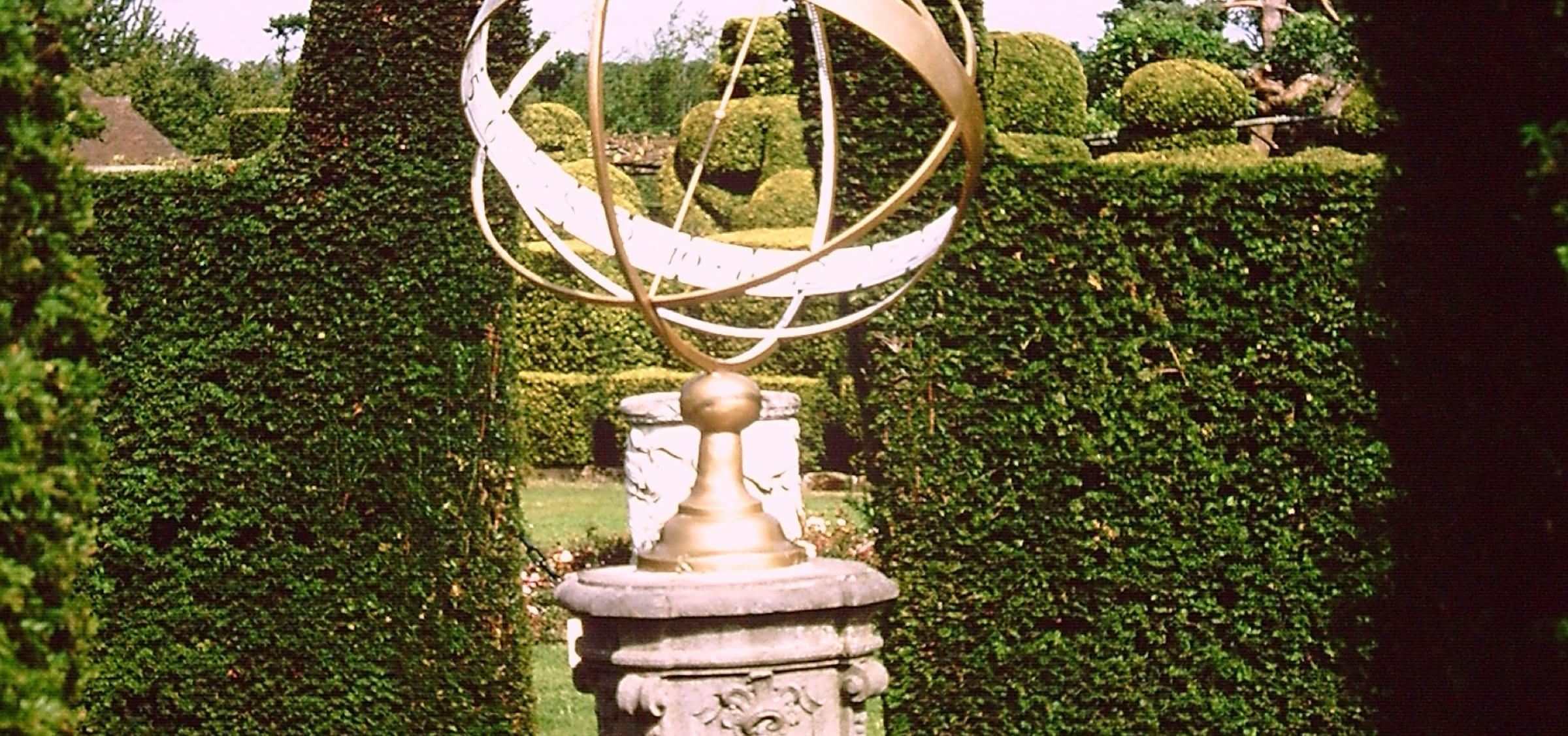
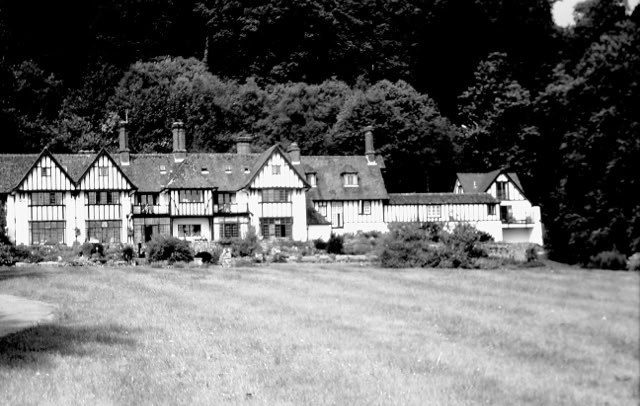
Hever Castle. England 1988
Global Studies: Culture/Nature
Photo: A.A.Bispo©
1988
Studies of cultural processes in global contexts
using Euro-Brazilian relations as a frame of reference
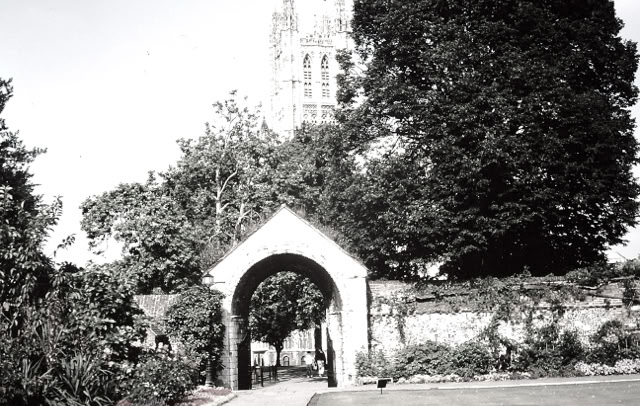
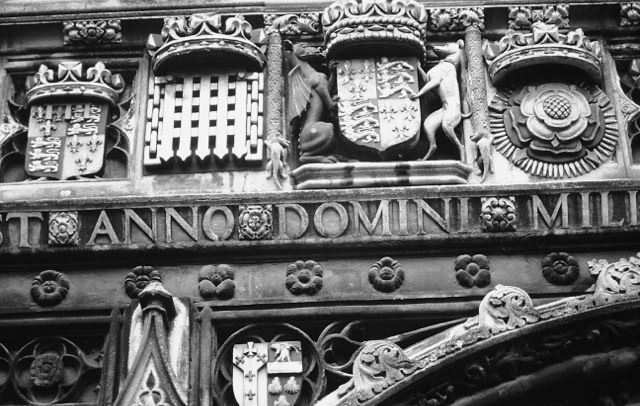
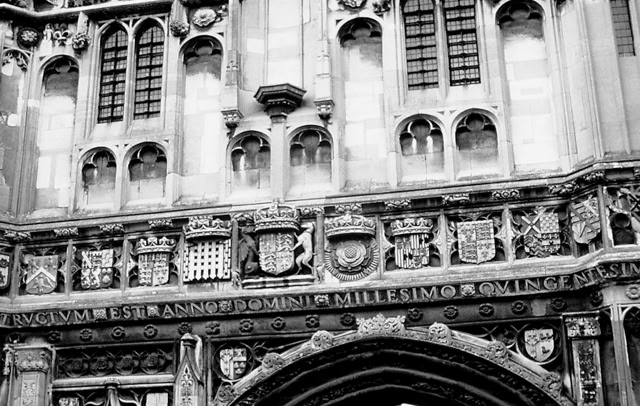
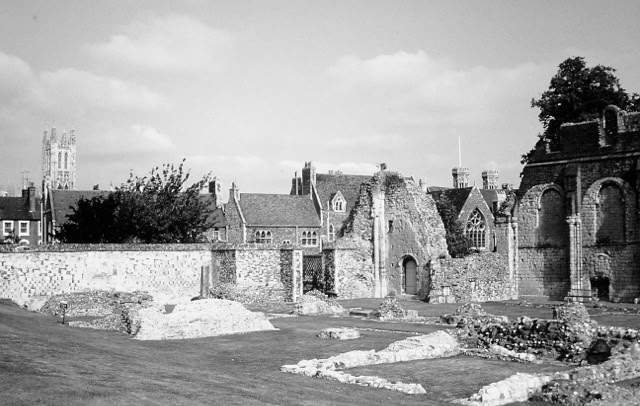
Canterbury 1988
Global Studies: Culture/Nature
Photos A.A.Bispo©
Canterbury 1988
Global Studies: Culture/Nature
Photos: A.A.Bispo©
Canterbury 1988
Global Studies: Culture/Nature
Photos A.A.Bispo©
Canterbury 1988
Global Studies: Culture/Nature
Photos: A.A.Bispo©
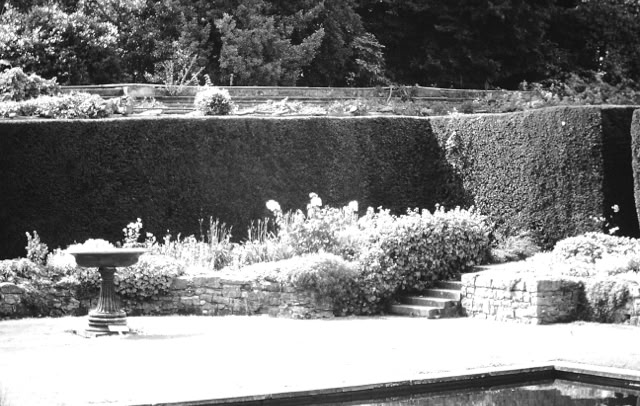
Hever Castle. 1988
Global Studies: Culture/Nature
Photos: A.A.Bispo©
Ascot. 1988
Global Studies: Culture/Nature
Photos: A.A.Bispo©
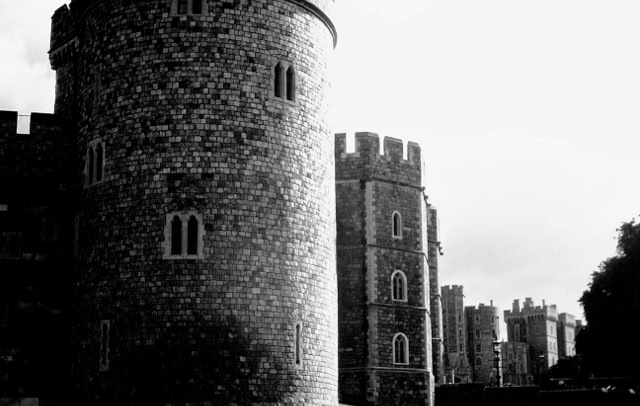
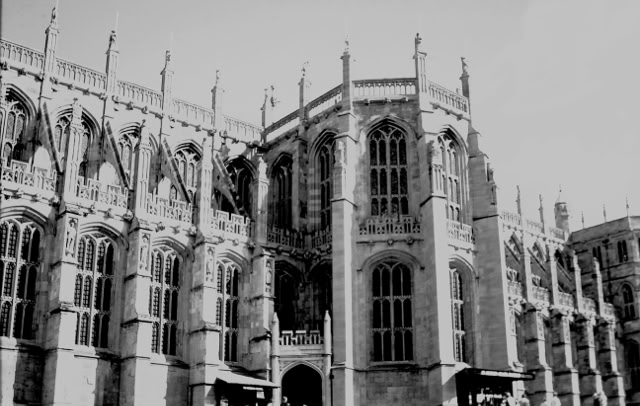
Windsor Castle. 1988
Global Studies: Culture/Nature
Photos: A.A.Bispo©
Windsor. 1988
Global Studies: Culture/Nature
Photos: A.A.Bispo©
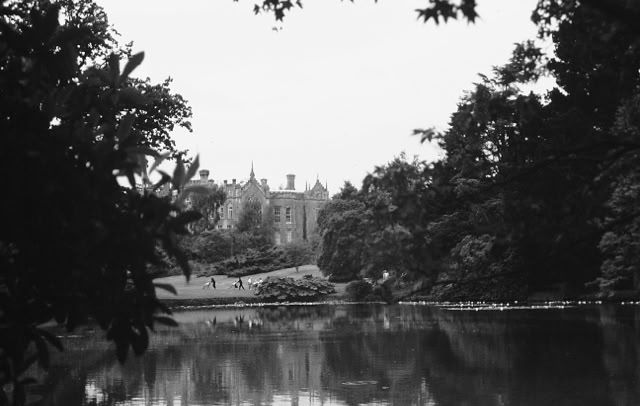
Sheffield Park 1988
Global Studies: Culture/Nature
Photos: A.A.Bispo©
Sheffield Park 1988
Global Studies: Culture/Nature
Photos: A.A.Bispo©
Hever Castle. 1988
Global Studies: Culture/Nature
Photos: A.A.Bispo©
Exeter 1988
Global Studies: Culture/Nature
Photos: A.A.Bispo©
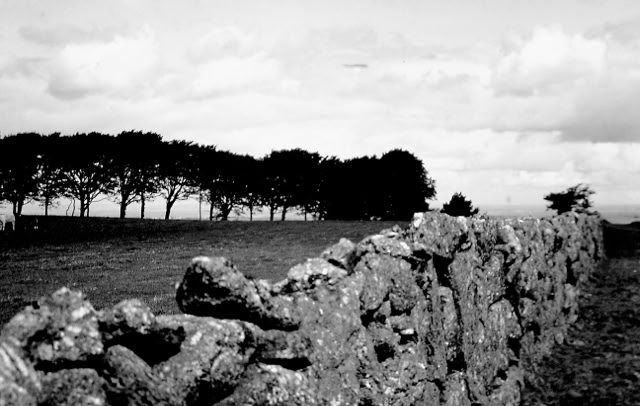
Dartmoor 1988
Global Studies: Culture/Nature
Photos: A.A.Bispo©
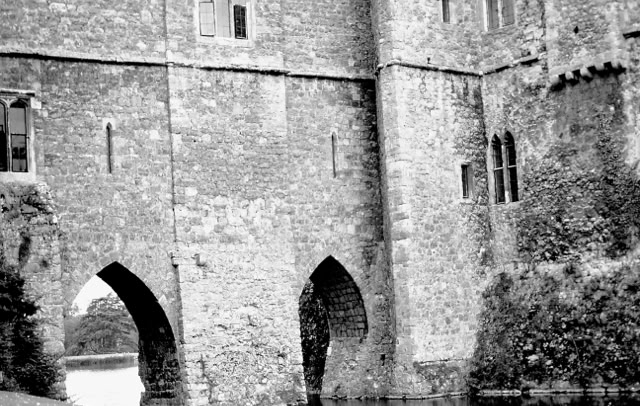
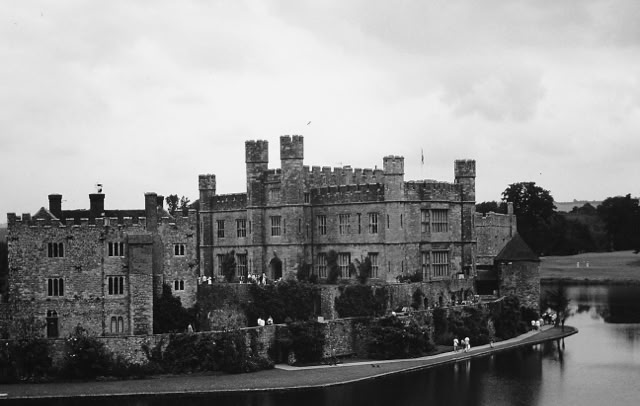
Leeds Castle 1988
Global Studies: Culture/Nature
Photos: A.A.Bispo©
Lamorna 1988
Global Studies: Culture/Nature
Photos: A.A.Bispo©
Leeds Castle 1988
Global Studies: Culture/Nature
Photos: A.A.Bispo©
Royal Tunbridge Wells 1988
Global Studies: Culture/Nature
Photos: A.A.Bispo©
Portsmouth 1988
Global Studies: Culture/Nature
Photos: A.A.Bispo©
Salisbury 1988
Global Studies: Culture/Nature
Photos A.A.Bispo©
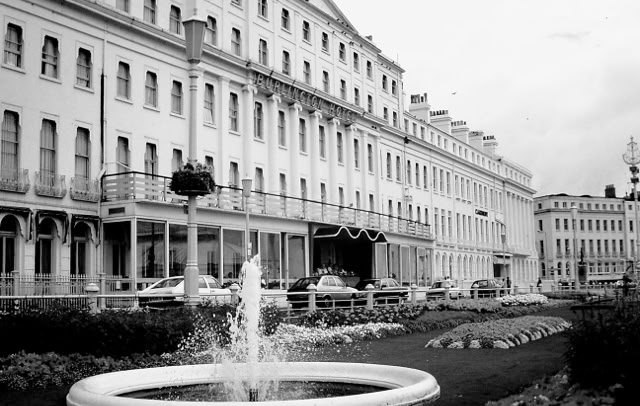
Eastbourne 1988
Global Studies: Culture/Nature
Photos: A.A.Bispo©
Chagford 1988
Global Studies: Culture/Nature
Photos: A.A.Bispo©
Exeter 1988
Global Studies: Culture/Nature
Photos: A.A.Bispo©
Castle Drogo. 1988
Global Studies: Culture/Nature
Photo: A.A.Bispo©
Brighton 1988
Global Studies: Culture/Nature
Photos: A.A.Bispo©
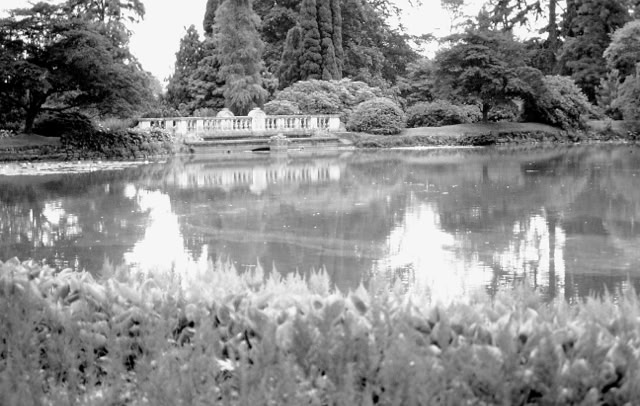
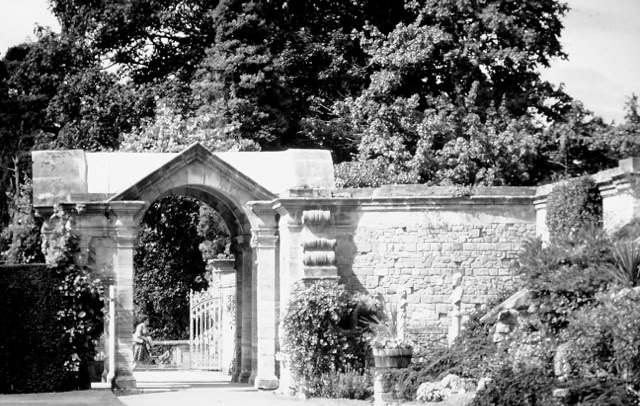
Hever Castle 1988
Global Studies: Culture/Nature
Photos A.A.Bispo©
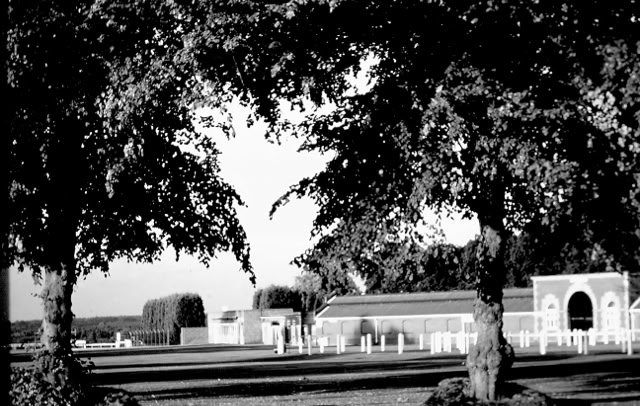
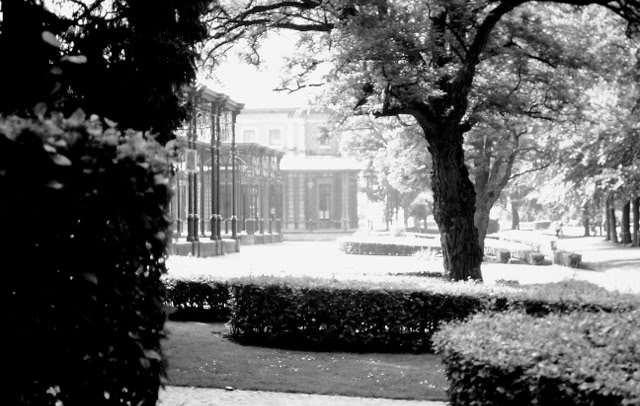
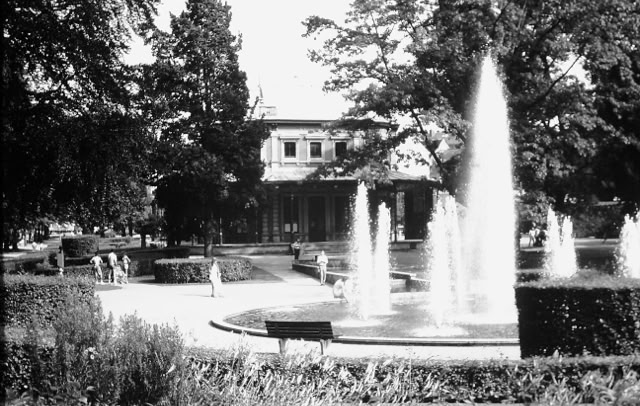
Spa. Belgium 1988
Global Studies: Culture/Nature
Photos: A.A.Bispo©
Spa. Belgium 1988
Global Studies: Culture/Nature
Photos: A.A.Bispo©
The year 1988 opened in Euro-Brazilian cultural studies in global contexts with an introductory reception at Burg Castle, located in the North Rhine/Westphalia region. The reception, under the auspices of the Brazilian Embassy in Bonn, then the capital of Germany, included a chamber music concert and a lecture dedicated to the composer Oscar Lorenzo Fernandes. Present were His Excellency Lorenzo Fernandez, son of the honored composer, then Brazilian Ambassador to Germany, ministers and secretaries of the Brazilian diplomatic representation. Also present were representatives of institutions related to Brazil such as the Portuguese-Brazilian Institute of the University of Cologne, the German-Brazilian Society, as well as professors from institutes of Romance Studies, Latin American Studies, and musicology.
The program was the first in Europe dedicated exclusively to the works of Oscar Lorenzo Fernandez, considered from the perspective of the context in which its composer was situated. Of Iberian family origins, his cultural and musical formation took place within a family and social environment marked by integration and social ascension, which initially led him to pursue a medical career. His origins and training make Lorenzo Fernandez particularly relevant for socio-cultural studies of immigration processes. His professional training in medicine and his dedication to music demand interdisciplinary perspectives and explain the significance that Lorenzo Fernandez acquired in the awakening of the New Diffusion movement and its Center for Research in Musicology in the mid-1960s in São Paulo, entities officially recognized in 1968. The reception at Burg Castle celebrated two decades since the registration of the New Diffusion movement and the Center for Research in Musicology, internationalized with the founding of the Institute for the Study of Musical Culture of the Portuguese-Speaking World in 1985, declared the "European Year of Music" by European bodies.
Oscar Lorenzo Fernandez, having distinguished himself in his works within the context of the musical nationalism of his time, for which he dedicated himself to the study of Brazilian popular traditions, was recognized as a particularly relevant figure for analyses of nationalist ideology in culture and music within global contexts. His consideration brings to light the need for revision and renewal of perspectives on nationalism in literature and the arts, directing attention in his analysis to global processes, to the reception of trends in European musical nationalism, and its diffusion in Brazil and other Latin American countries, to which he contributed greatly. The main focus of attention at the ceremony in Burg Castle was the role played by Lorenzo Fernandez in the dissemination of Brazilian musical nationalism in Colombia, Chile, Cuba, and other Latin American countries, which served to highlight the significance of music in diplomatic history.
Burg Castle acquired various symbolic meanings for the 1988 reception. Perched atop a fortified hill, the castle is an emblem of Bergisches Land, the region where the Institute for the Study of Musical Culture of the Portuguese-Speaking World was founded in 1985. Dating back to the 12th century, the castle was rebuilt at the end of the 19th century, becoming a highly representative building of historicism in its various aspects: the sentimental appreciation of the past, Romanticism in its literary expressions, visual arts, and music, and also in its landscaping, exemplified by Burg Castle's placement in a forested area. The historicism of the Romantic and Restoration era also manifested itself in the interest in popular traditions, a period that also saw the rise of folklore studies. As the term itself indicates, and as is always remembered in circles dedicated to folklore research in Brazil, attention is directed to contextualizing these studies of traditions and the wisdom or science contained within them in Great Britain.
These reflections at the beginning of the studies and activities in 1988 motivated the realization of the main cycles of global studies referenced by Euro-Brazilian relations that followed. Their main expression was the preparation of a new series of studies in England, updating knowledge gained in 1974, which took place in August and September.
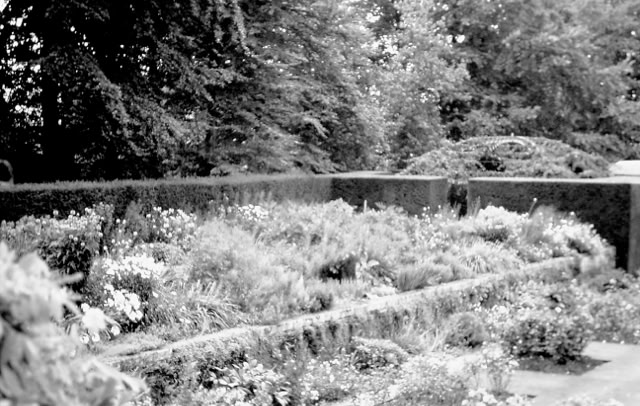
As a country that stands out for its parks and gardens, assuming extraordinary significance in the history of landscape architecture, botanical, floral and gardening studies, Great Britain offers itself to global studies that focus on Culture/Nature relations. The Euro-Brazilian study cycle started in Exeter, the main city of the county of Devon on the banks of the Exe River in southwest England, important for its hilltop town, its cultural life, its museums, and its parks, among them Rougemont Gardens.
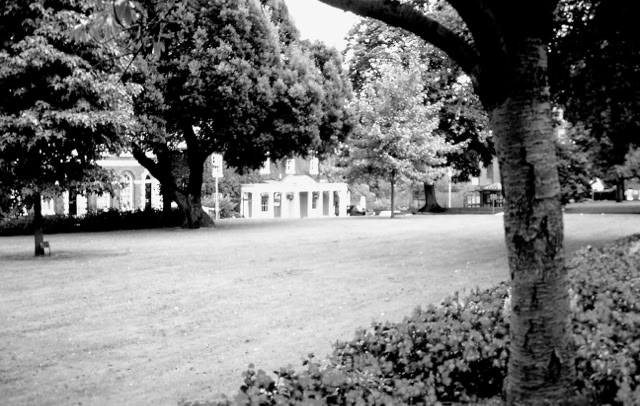
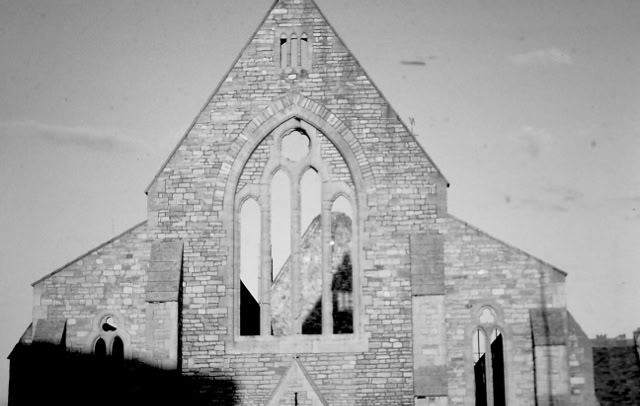
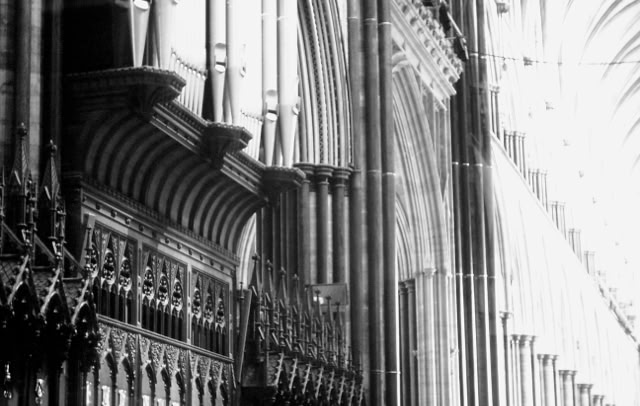
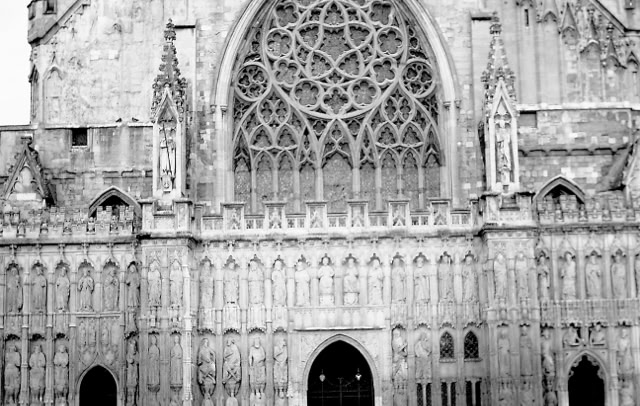
The program highlighted a stay in Canterbury, in the county of Kent in southeast England, a place of pilgrimage in the Middle Ages and an ecclesiastical center of Anglicanism, renowned for its cathedral and medieval architectural heritage. The Culture/Nature program's studies began there, starting at Westgate Gardens on the banks of the River Stour with its centuries-old plane trees, and at the Victorian-era Tower House.
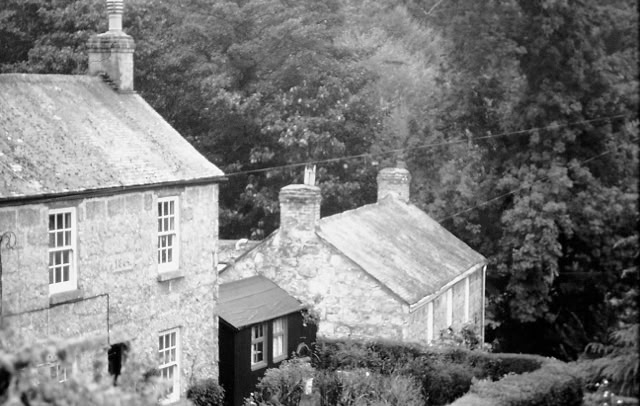
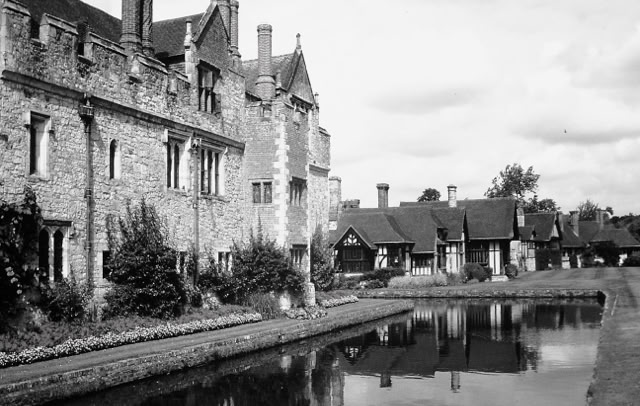
Among the landscape settings marked by palaces and aristocratic residences, particular attention was given to Haver Castle and peasant houses in Edenbridge, renowned in romantic historicism for the figure of Anne Boleyn and her relationship with Henry VIII. In the architectural and landscape studies carried out in the Kent region, Leeds Castle, a water-enclosed fortress in the Norman style, stood out. In the studies of the natural environment, Dartmoor National Park in Devon and localities in the region, including Chagford on the banks of the River Teign, were highlighted. In West Sussex, Chichester stood out, a city that experienced a period of flourishing in the Anglo-Saxon past and which houses one of the most impressive cathedrals of the Middle Ages. Among other cities and regions of landscape interest visited during the study cycle, the countryside of Sussex, Salisbury, Winchester, and Windsor were highlighted.
Studies conducted in England continued on the continent, in the Ardennes, a region between France, Luxembourg, and Belgium marked by its forests. From the perspective of studying the natural environment, attention was directed to Hohes Venn – the highest elevation in Belgium. From the perspective of 19th-century and Romantic studies, the greatest interest concerned the spa resort, one of the main thermal resorts in Europe, a cosmopolitan center sought after by politicians and personalities from literary and cultural life, as well as by Brazilians in the late 19th and early 20th centuries, including composers.
The studies thus developed marked the reflections and activities in Luso-Brazilian studies, motivated in 1987 by Vasco da Gama's voyage, which, departing from Lisbon in 1487, led to the discovery of the sea route to India with the rounding of the Cape of Storms/Good Hope in 1988.
The significance of considering the history of the Discoveries within the broader context of studies of cultural processes in global contexts was highlighted at a conference held in Lagos, Algarve. The necessary reconsideration of Romantic historiography and the consideration of Culture/Nature relations in global studies was defended and discussed in a master's course at the University of Coimbra. The fascination with Vasco da Gama and the History of the Discoveries, as well as with Camões in 19th-century music, as a theme addressed in operas, literature, and the visual and plastic arts, cannot be ignored within the comprehensive historical context of 19th-century Romantic historicism, which also requires appropriate readings of historical studies. This course considered compositions dedicated to Vasco da Gama and other personalities and contexts of the history of the Discoveries. Particular attention was given to Giacomo Meyerbeer's opera L'Africaine ou Vasco da Gama, based on studies of its reception in Brazil.
The year 1988 was marked in cultural studies in global contexts by an international ethnomusicological symposium held at the Pontifical Institute of Sacred Music in Rome, in which studies of processes triggered by Catholic missions in the past and present in India and other regions of the East, as well as in Africa and Latin America, were considered. The symposium was preceded and followed by colloquia held with the director of the Institute of Comparative Musicology in Berlin.
The Position of O. Lorenzo Fernandez in Brazilian Music. Conference for the opening ceremony of the year 1988 at Burg an der Wupper Castle under the sponsorship of the Brazilian Embassy. Cologne: I.S.M.P.S., 1998 (german)
"Introduction to the Study of Music in Former Portuguese India". Brazil-Europe & Musicology: Lectures, Conferences and Speeches. Cologne: I.S.M.P.S., 1999, 307-310 (port.)
"Problems in the History of Music Education in the 19th and 20th Centuries. Delivered within the framework of the cycle of studies dedicated to the theme of Music Education in the global context of the Portuguese-speaking world." Cologne: ISMPS, 1988. Internet (parts)