BRASIL-EUROPA
GLOBAL STUDIES
CULTURE/NATURE
BRASIL-EUROPA
GLOBAL STUDIES
CULTURE/NATURE
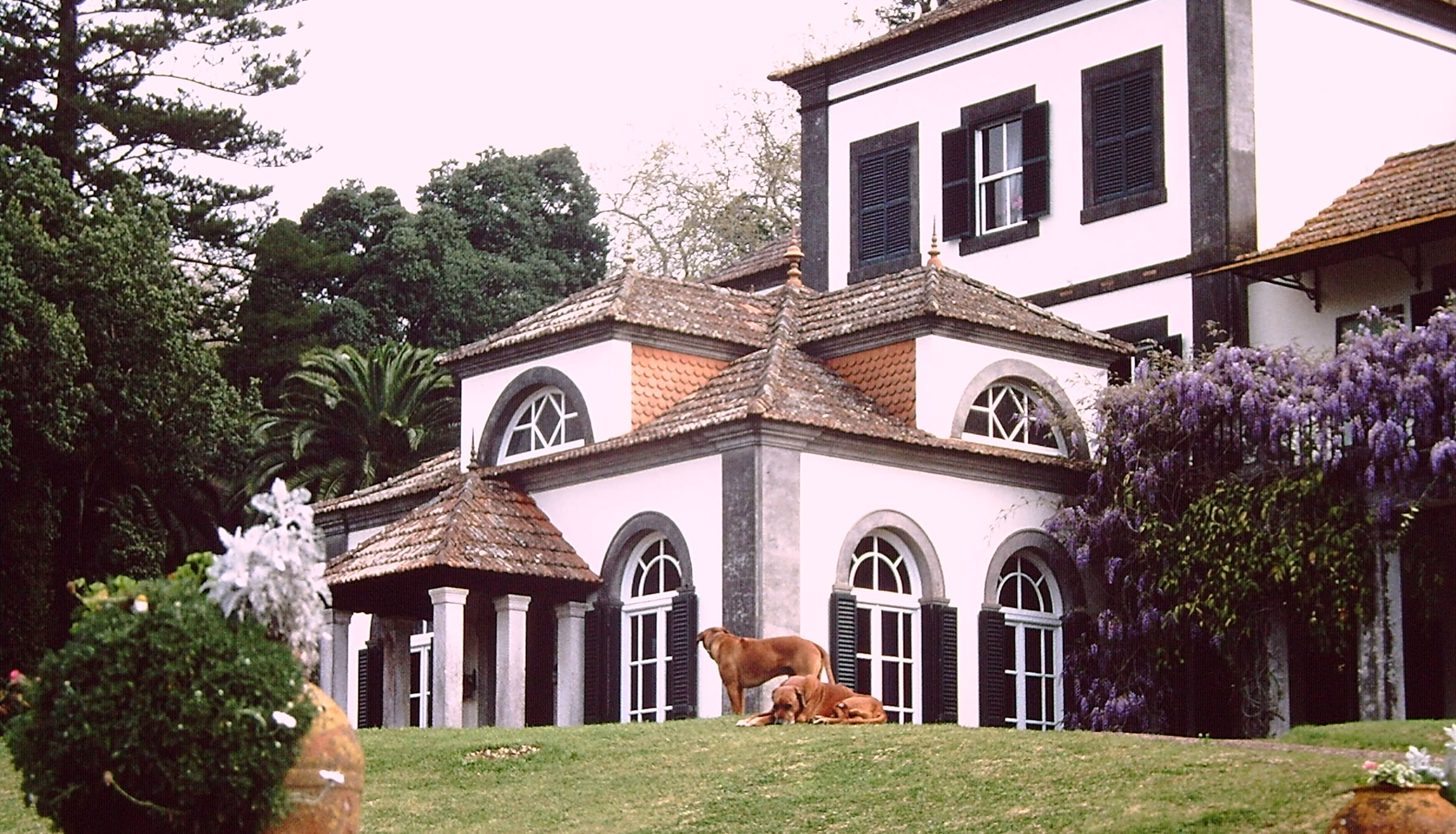
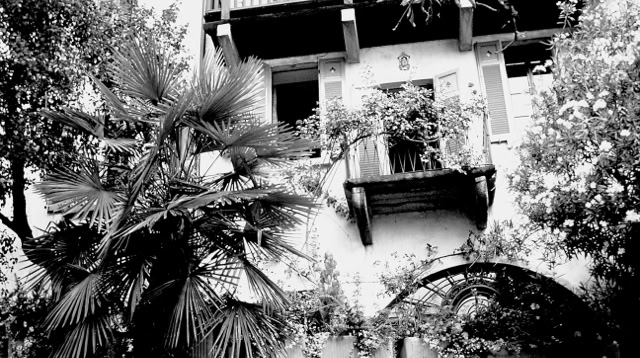
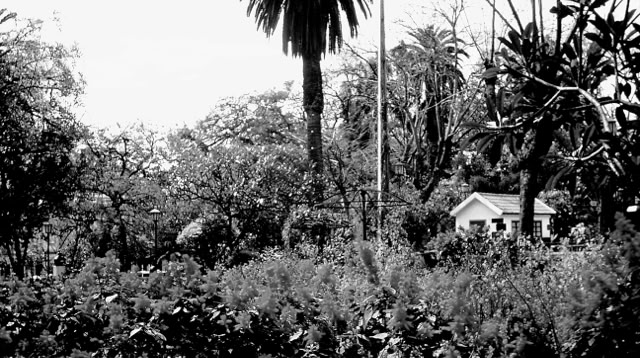
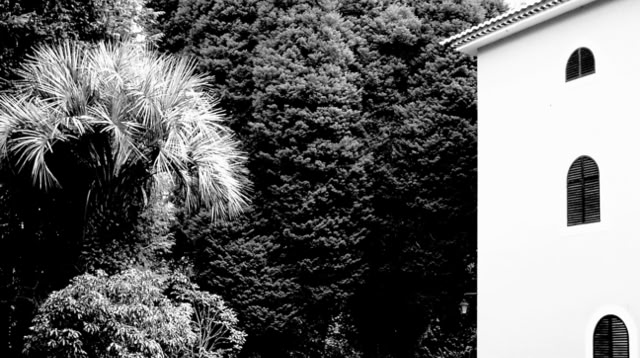
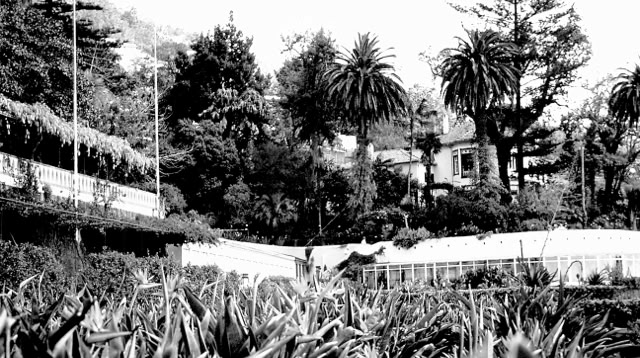
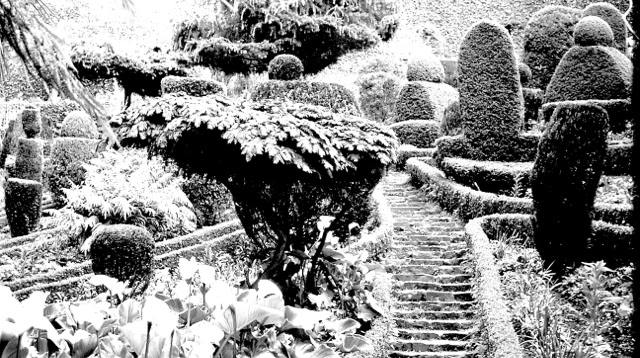
Blandy's Garden. Madeira 1989
Global Studies: Culture/Nature
Photo: A.A.Bispo©
1989
Studies of cultural processes in global contexts
using Euro-Brazilian relations as a frame of reference
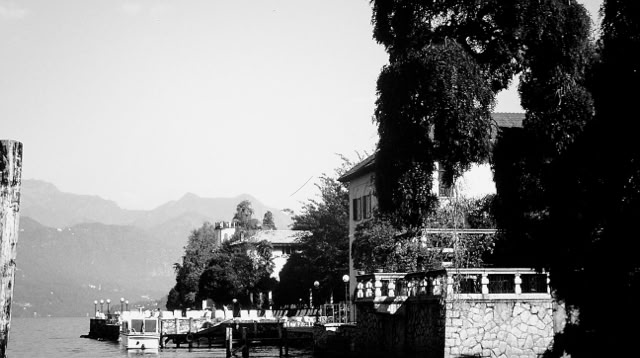
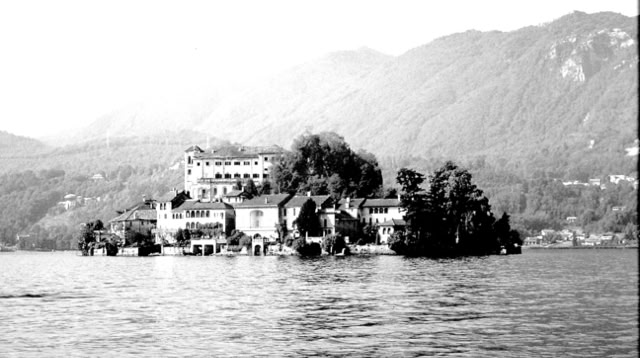
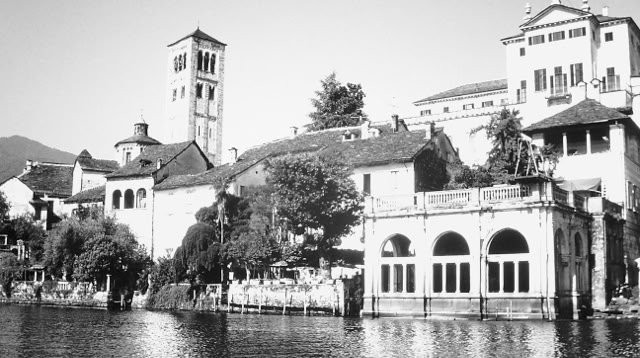
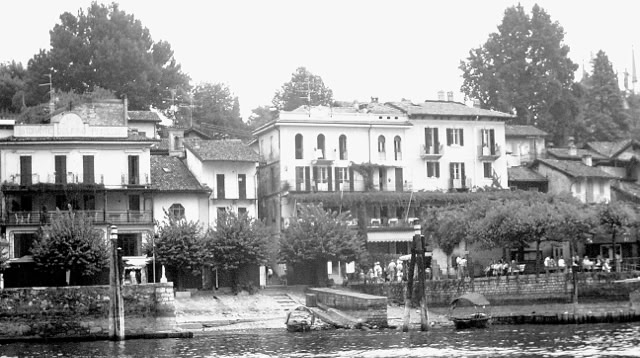
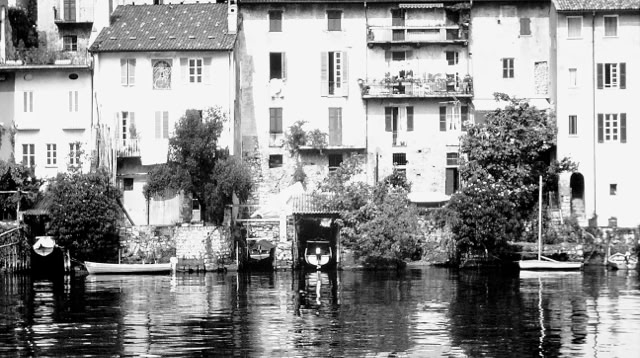
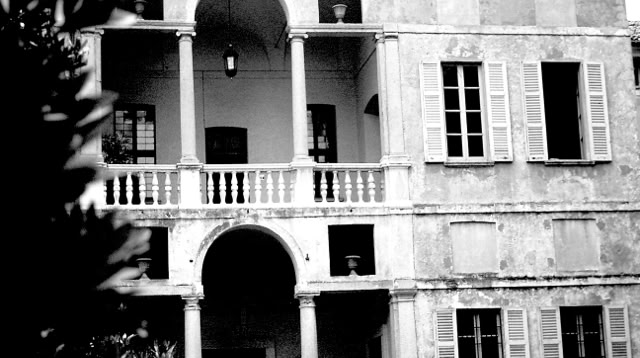
Orta. Novara. Piedmont 1989.
Global Studies: Culture/Nature
Photo A.A.Bispo©
Orta. Novara. Piedmont 1989
Global Studies: Culture/Nature
Photo A.A.Bispo©
Orta. Novara. Piedmont 1989
Global Studies: Culture/Nature
Photo A.A.Bispo©
Novara. Piedmont 1989
Global Studies: Culture/Nature
Photo A.A.Bispo©
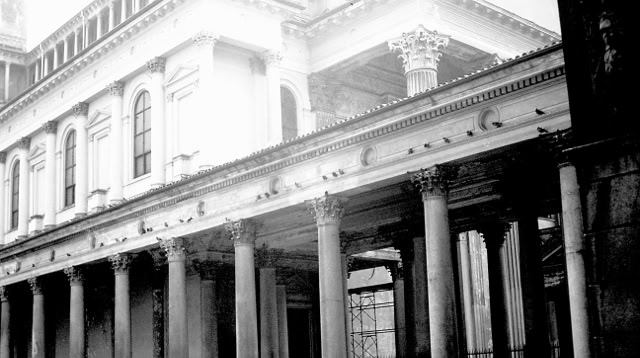
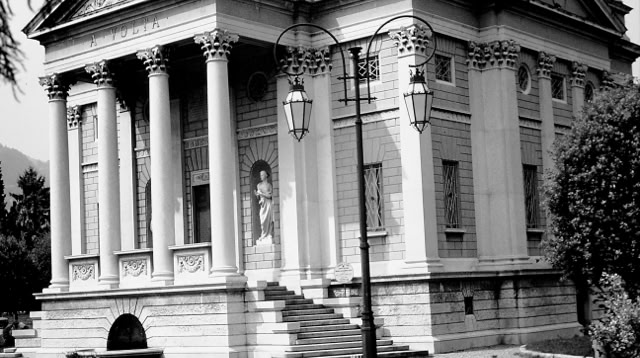
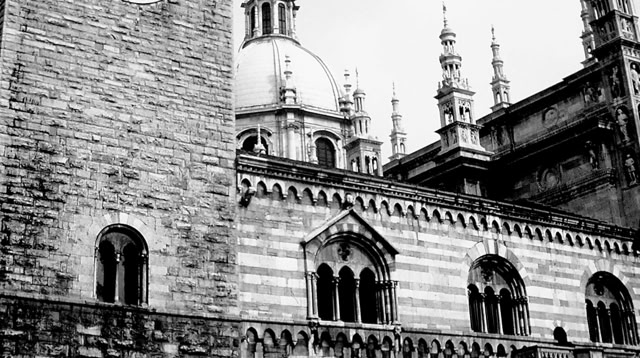
Como. Lombardy 1989
Global Studies: Culture/Nature
Photo A.A.Bis
Como. Lombardy 1989
Global Studies: Culture/Nature
Photo A.A.Bispo©
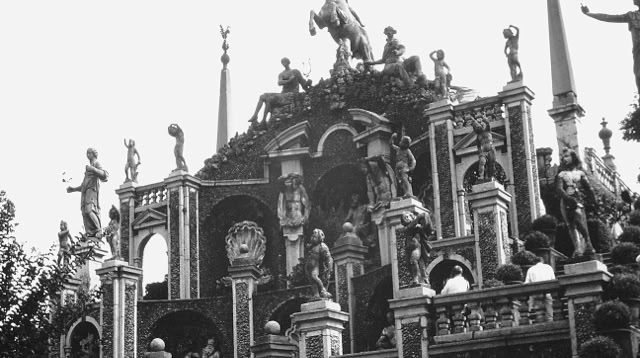
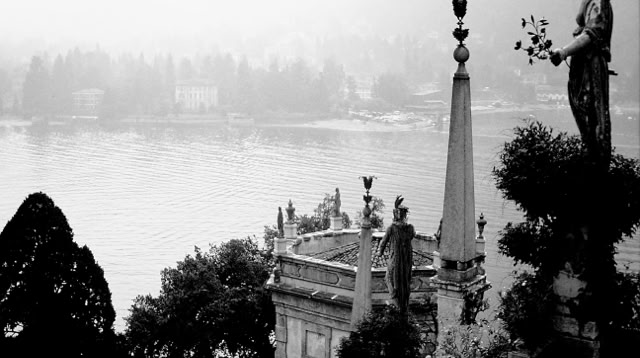
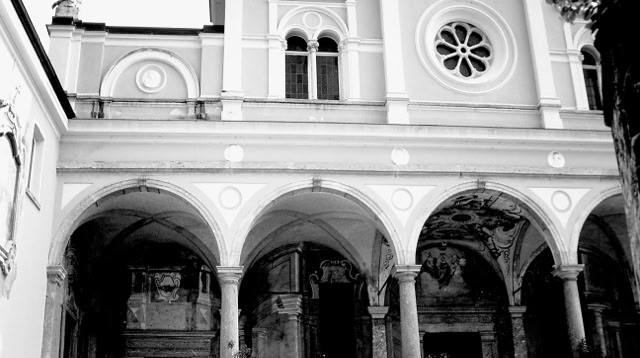
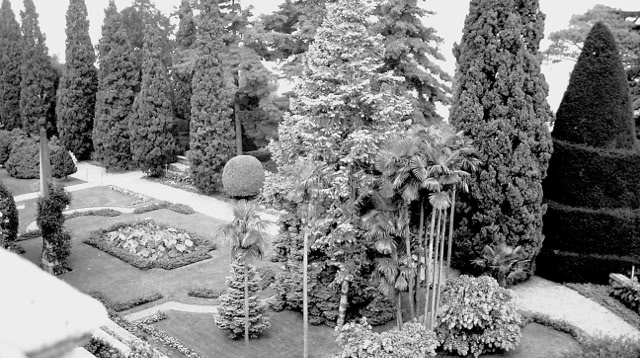
Isola Bella. Piedmont 1989.
Global Studies: Culture/Nature
Photo A.A.Bispo©
Isola Bella. Piedmont 1989
Global Studies: Culture/Nature
Photo A.A.Bispo©
Isola Bella. Piedmont 1989
Global Studies: Culture/Nature
Photo A.A.Bispo©
Lake Lugano 1989
Global Studies: Culture/Nature
Photo A.A.Bispo©
Melide. Switzerland 1989
Global Studies: Culture/Nature 1989
Photo A.A.Bispo©
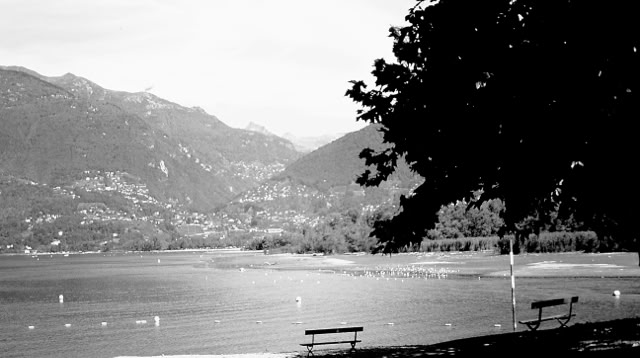
Magadino. Switzerland 1989
Global Studies: Culture/Nature
Photo A.A.Bispo©
Locarno. Switzerland 1989
Global Studies: Culture/Nature 1989
Photo A.A.Bispo©
Isola dei pescatori. Piedmont
Global Studies: Culture/Nature
Photo: A.A.Bispo©
Isola Madre. Piedmont.1989
Global Studies: Culture/Nature
Photo: A.A.Bispo©
Isola Bella. Poedmont. 1989
Global Studies: Culture/Nature
Photo: A.A.Bispo©
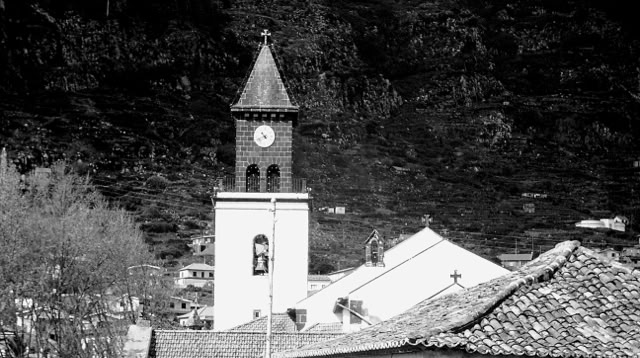
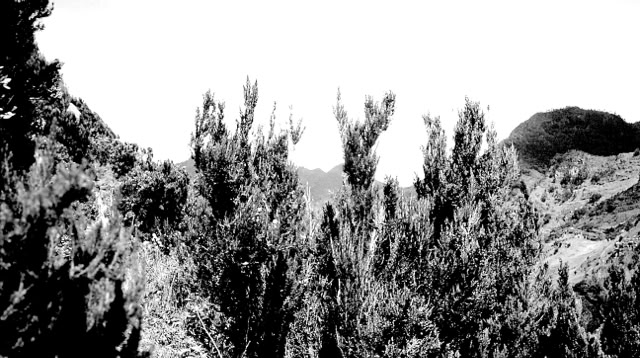
Machico. Madeira 1989
Global Studies: Culture/Nature
Photo: A.A.Bispo©
Machico. Madeira 1989
Global Studies: Culture/Nature
Photo: A.A.Bispo©
Machico. Madeira 1989
Global Studies: Culture/Nature
Photo: A.A.Bispo©
Funchal. Madeira.1989
Global Studies: Culture/Nature
Photo: A.A.Bispo©
Funchal. Madeira.1989
Global Studies: Culture/Nature.
Photo: A.A.Bispo©
Funchal. Madeira.1989
Global Studies: Culture/Nature
Photo: A.A.Bispo©
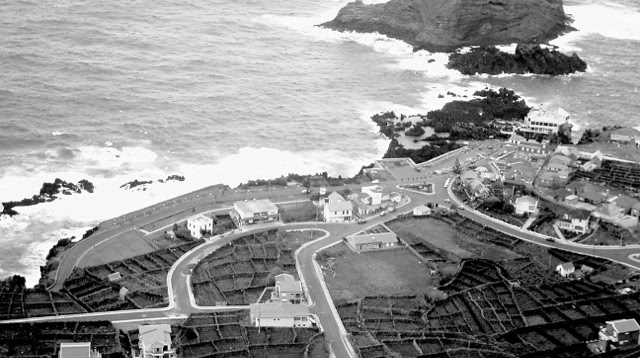
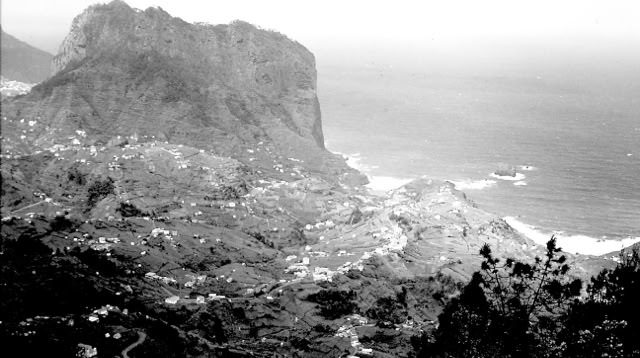
Porto Moniz. Madeira.1989
Global Studies: Culture/Nature
Photo: A.A.Bispo©
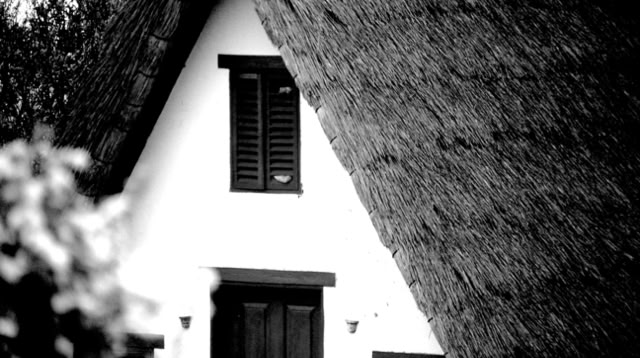
Santana. Madeira.1989
Global Studies: Culture/Nature
Photo: A.A.Bispo©
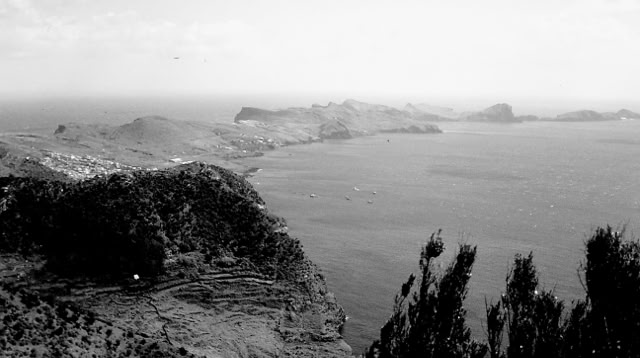
Madeira 1989
Global Studies: Culture/Nature
Photo: A.A.Bispo©
S. Lourenço. Madeira 1989
Global Studies: Culture/Nature
Photo: A.A.Bispo©
Santo da Serra. Madeira 1989
Global Studies: Culture/Nature
Photo: A.A.Bispo©
Porto da Cruz. Madeira 1989
Global Studies: Culture/Nature
Photo: A.A.Bispo©
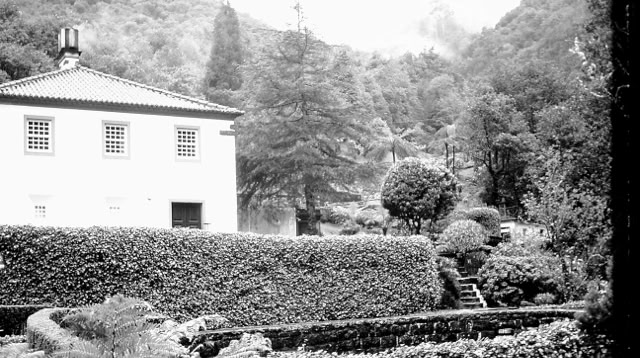
Madeira. Botanic Garden. 1989
Global Studies: Culture/Nature
Photo: A.A.Bispo©
Monte. Funchal. Madeira 1989
Global Studies: Culture/Nature
Photo: A.A.Bispo©
Terreiro da Luta. Madeira 1989
Global Studies: Culture/Nature
Photo: A.A.Bispo©
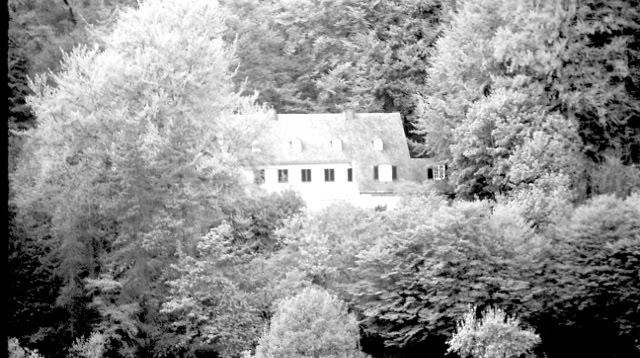
Maria Laach. Germany 1989
Global Studies: Culture/Nature
Photo: A.A.Bispo©
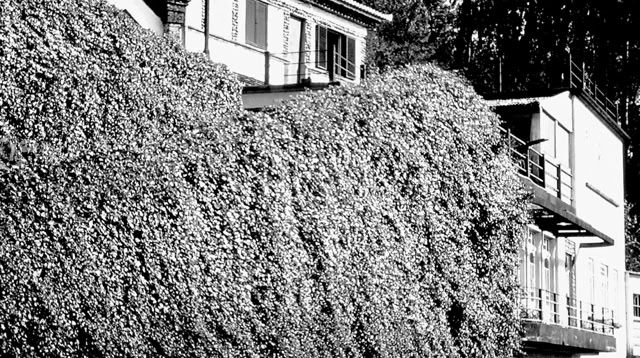
1989 was a particularly relevant year in the program dedicated to Culture/Nature relations in studies within global contexts of the Brazil-Europe organization. The theme was addressed from the perspective of landscape architecture, the interactions of cities and architecture with the natural environment, botanical gardens and botany in gardens, particularly in contexts marked by river and lake waters, their relationship with their image, and their psycho-mental implications for humankind, culture, and the arts. These studies were conducted with particular attention to music as an expression and its effects on emotional and mental processes.
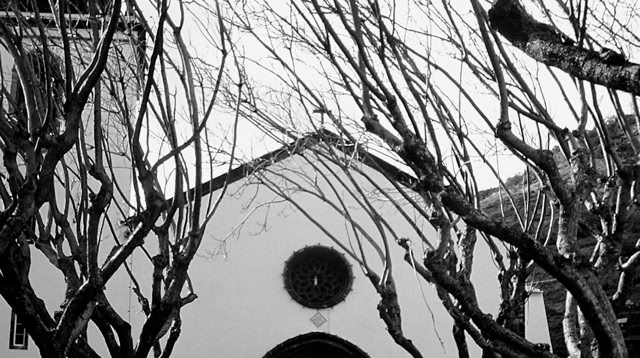
Three major contexts were considered: the island of Madeira as a "garden in the Atlantic" in March, the northern Italian lake region of Lombardy, with special consideration of Lake Como and its surroundings in September, and the Rhine region in parallel with that of the Paraguaçu River in Bahia – the "Brazilian Rhine" – at an international Euro-Brazilian symposium held in Germany. The relationships between Culture and Nature, as well as issues of urban landscape and urbanism, were addressed in parallel. The main focus was on Madeira due to its special significance for Euro-Brazilian studies. Its name and history from the early days of the Discovery were marked by its vast forests, its rich vegetation, and its destruction by fires started by Europeans.
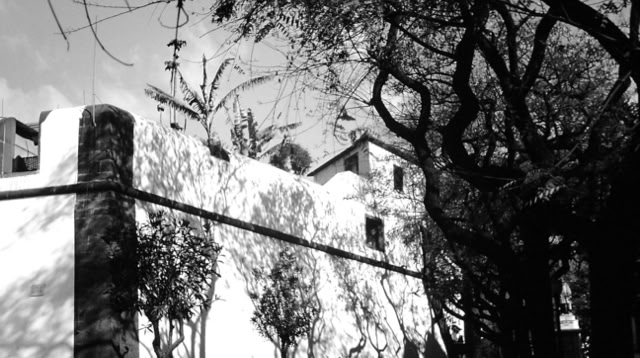
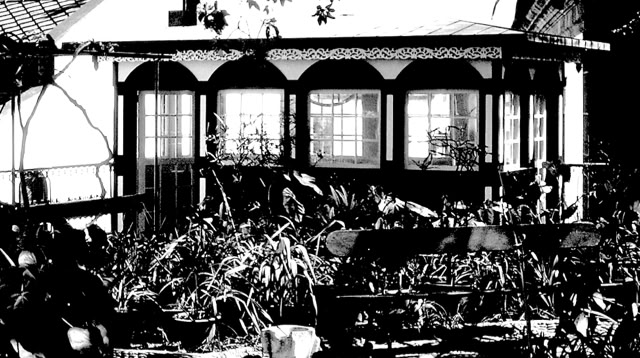
Madeira cannot be ignored in studies concerning the environment and landscape architecture in their relationship with architecture. English influence has marked the landscape and gardens that, since the 19th century, have accentuated Madeira's image. Landscape studies of parks and gardens in the British Isles should be considered in those focused on Madeira, from the perspective of processes within global contexts and their cultural implications in the Atlantic sphere. In addition to meetings in governmental and cultural institutions in Madeira, including the Funchal Conservatory of Music, the main focus of studies concerning Culture/Nature relations has been Blandy's Garden and the Botanical Garden. These Madeiran studies provided impetus for the landscape treatment of the area where the Brazil-Europe organization's study center is located in the Mantiqueira mountain range in Brazil.
In the second half of 1989, landscape studies focused on the Lombardy lake region in northern Italy. This region holds great significance for Euro-Brazilian studies, as it was where Carlos Gomes established himself and built his Vila Brasília, an important example of Italian-Brazilian architectural links. Its configuration and decoration reveal connections to aristocratic Lombard villas and Brazil, as well as literary and historical references. Vila Brasília and its park, within the landscape of the region, are of great significance for studies of Italian-Brazilian architectural links and fundamental for understanding and valuing the urban history of Latin American cities marked by Italian immigration, particularly São Paulo.
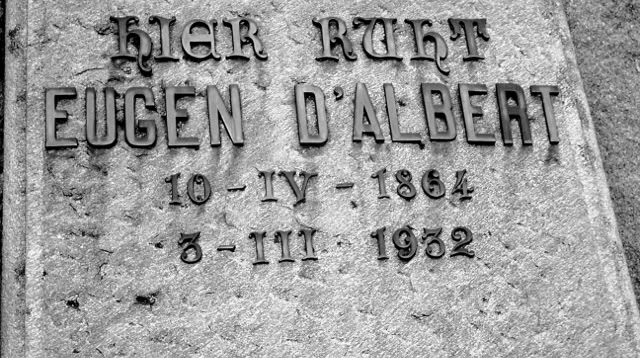
Among the cities considered within the scope of Euro-Brazilian studies of landscape architecture and Culture/Nature relations, with special attention to music, Como and islands such as Orta, Novara, Magadino, Locarno, Lugano, Melide, Alpe di Neggia, Isola Bella, and Isola Madre stood out. From a musicological perspective, a visit to the tomb of Eugen d'Albert was highlighted; this composer, due to his origins and works, is of importance for studies of cultural interactions that transcend national and cultural boundaries, as a musician of European dimensions who deserves to be studied carefully from a global perspective.
An important event in 1990 was the holding of the II International Symposium on Sacred Music and Brazilian Culture in Germany. Following the first symposium held in São Paulo in 1981, the symposium was promoted by the ethnomusicology section of the Maria Laach Institute for Hymnological and Ethnomusicological Studies, and was conceived and prepared by the Brazil-Europe organization. The event was made possible by support from the São Paulo State Secretariat of Culture, ministerial instances, universities, various entities from Brazil and Germany, and featured the participation of a large number of cultural researchers and musicologists from Brazil, Portugal, and Germany.
.
Continuing and complementing the theme considered in 1981, the second symposium in the Sacred Music and Brazilian Culture series was dedicated to the theme of Christian traditions and syncretism, focusing on issues of cultural archaeology and the analysis of systems of worldviews and conceptions of the world, that condition people and society within the Christian tradition, using European and Latin American countries as examples, particularly Brazil. The choice of the Rhine region for these archaeological and cultural studies stemmed from parallels with the Paraguaçu River in Bahia, a river that cuts through the Recôncavo region and which, as confirmed in the research conducted, needs to be considered in relation to syncretic religious and festive practices in Brazil.
The Brazilian participants' involvement began with their participation in a colloquium on music and religion in the city of Schwäbisch-Gmünd, at the invitation of the Konrad Adenauer Foundation. The program of the symposium included sessions in several cities in the Rhineland/Palatinate and North Rhine - Westphalia regions, including Speyer, Kiedrich, Eibingen, Maria Laach, and Bonn. At the Kommern open-air museum, issues of traditional rural culture and pre-industrial life in its relationship with nature were discussed. The exploration of the theme through reflections on ancient natural philosophy concluded in Bonn with an art exhibition, a concert, a session held under the auspices of the Brazilian Embassy, and a visit to the home of L. van Beethoven.
The symposium was followed by a Portuguese-Brazilian colloquium promoted by the Institute for the Study of Musical Culture of the Portuguese-Speaking World and the Portuguese Center of Cologne. Martin Braunwieser, dean of the group and mentor of the Brazil-Europe organization, participated in the delegation of Brazilian researchers. Following the events in Germany, a meeting was held in Salzburg, the city of his birth and training, a stay during which it was possible to reconstruct the contexts in which his life and training at the Salzburg Mozarteum were situated, and the developments that, marked by Darius Milhaud's work "Saudades do Brasil" led him to Greece and, subsequently, to Brazil.
[The Meaning of Music for Religion and of Religion for Music] "Die Bedeutung der Musik für die Religion und der Religion für die Musik". Conference at the "Musik und Religion" symposium of the Konrad-Adenauer Foundation in Schwäbisch-Gmünd, 1989. St. Augustin, 1991
[The Role of Music in Major Religions: Latin America] "Die Rolle der Musik in den Weltreligionen: Lateinamerika". Conference at the "Musik und Religion" symposium of the Konrad-Adenauer Foundation in Schwäbisch-Gmünd, 1989. St. Augustin, 1991. St. Augustin 1991
[Antiquity-Christianity and Traditio viva in New World musical culture] "Antike und Christentum und die Traditio viva in der Musikkultur der Neuen Welt". Beiträge über christliche Volkstraditionen und synkretistische Erscheinungsformen religiöser Überlieferungen in Brasilien. Liber Annuarius 1989/90, 1996, 9-27
[Observations regarding the search for meanings in the popular pastoral tradition] "Anmerkungen zur Bedeutungsforschung pastoraler Volkstradition". Beiträge über christliche Volkstraditionen und synkretistische Erscheinungsformen religiöser Überlieferungen in Brasilien. Liber Annuarius 1989/90, 1996, 174-193
[Regarding music and musical conceptions in Umbanda and similar forms of religious tradition] "Zu Musik und Musikanschauung in der Umbanda und in verwandten Traditionsformen". Beiträge über christliche Volkstraditionen und synkretistische Erscheinungsformen religiöser Überlieferungen in Brasilien. Liber Annuarius 1989/90, 1996, 271-332
"Events held in Germany on Brazilian and Luso-Brazilian musical culture". Euro-Brazilian Correspondence 2 (1990), 1-22
On the discussion about the origin of the Tchiloli of São Tomé
The motets of Goa: The need for their recovery"
Jaime Cavalcanti Diniz (1924-1989)
[Jews and New Christians in 16th-Century Africa and the Traditions of Brazil] "Juden und 'Neu-Christen' im Afrika des 16. Jhs. und die Traditionen Brasiliens". Conference at the Landesjugendakademie, Bonn, under the sponsorship of the Brazilian Embassy in Germany. Brazil-Europe & Musicology: Lectures, Conferences and Speeches. Cologne: I.S.M.P.S., 1999, 310-315
[Proto-Portuguese Paleo-Christianity and the Culture Transmitted by Tradition] "Protoportugiesisches Paläo-Christentum und tradierte Kultur". Closing lecture of the German-Brazilian Symposium, Bonn. Brazil-Europe & Musicology: Lectures, Conferences and Speeches. Colonia: I.S.M.P.S., 1999, 315-320
"Alecrim do Campo". Text for recording by Ely Camargo. Essen: Adveniat, 1989