BRASIL-EUROPA
GLOBAL STUDIES
CULTURE/NATURE

BRASIL-EUROPA
GLOBAL STUDIES
CULTURE/NATURE
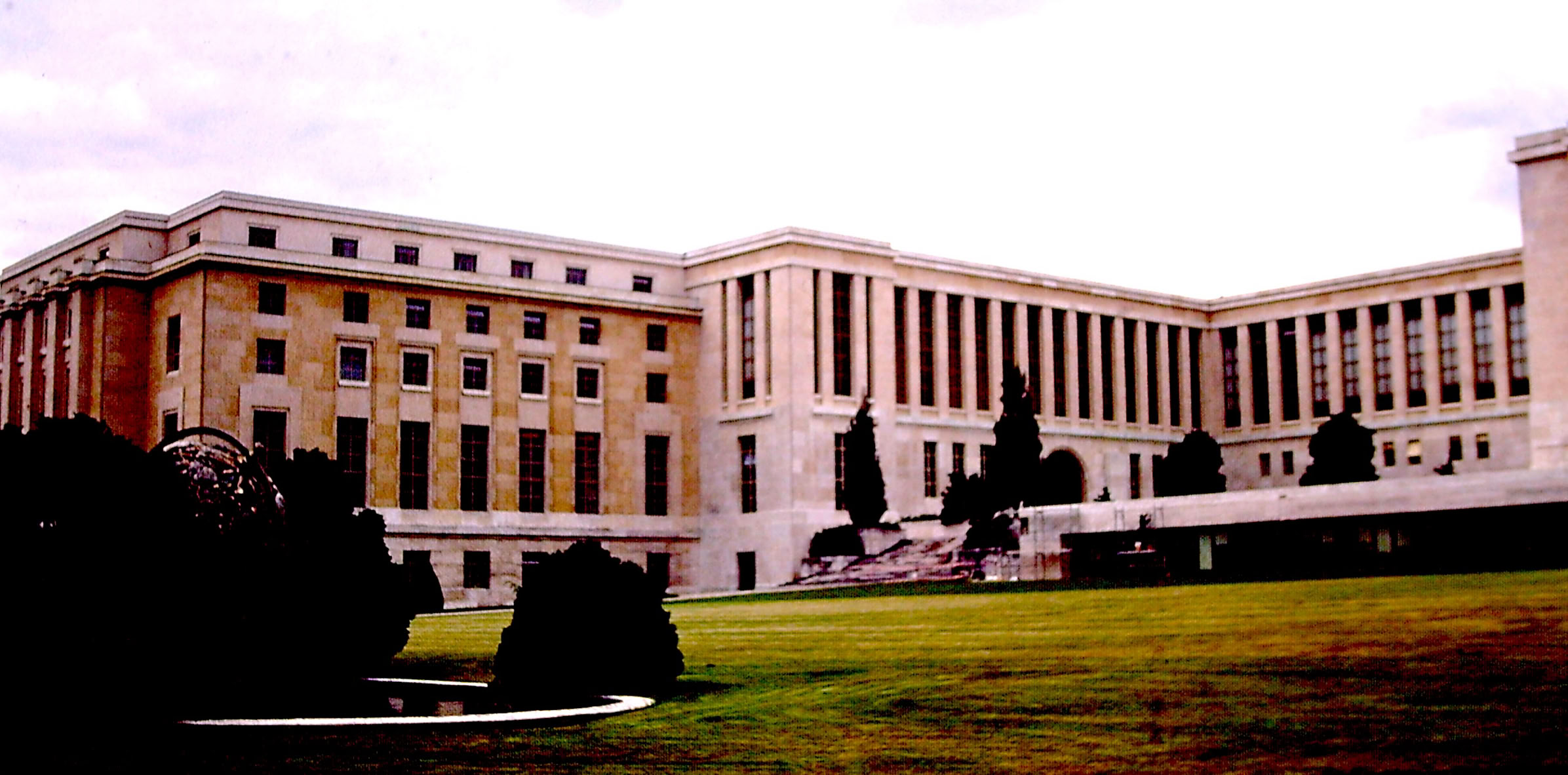
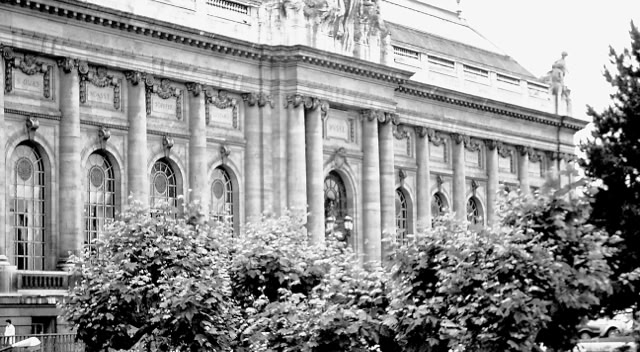
Geneva, Switzerland 1990
Global Studies: Culture/Nature
Photo: A.A.Bispo©
1990
Studies of cultural processes in global contexts
using Euro-Brazilian relations as a frame of reference
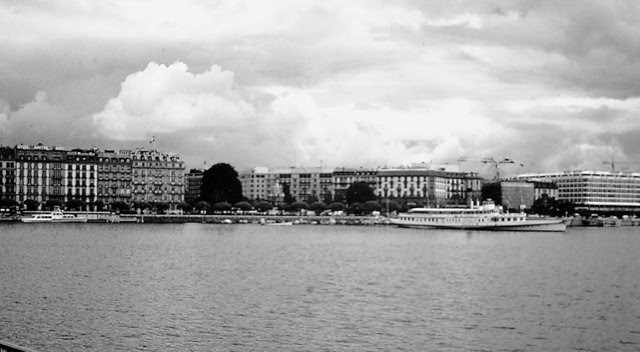
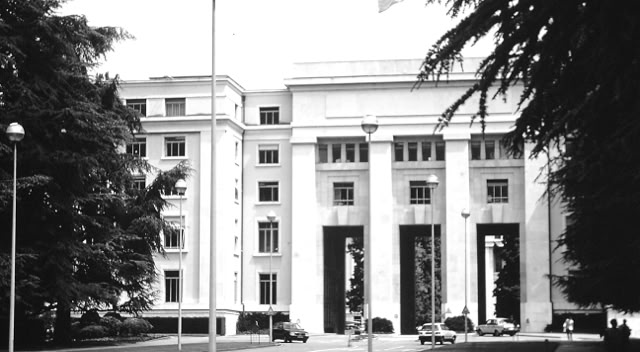
Geneva. Switzerland 1990
Global Studies: Culture/Nature
Photo: A.A.Bispo©
Geneva. Switzerland 1990
Global Studies: Culture/Nature
Photo: A.A.Bispo©
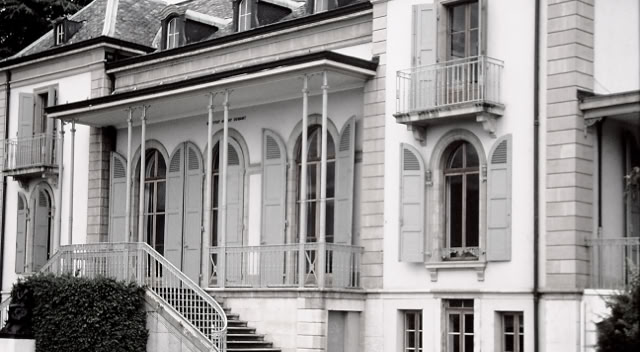
Geneva. Switzerland 1990
Global Studies: Culture/Nature
Photo: A.A.Bispo©
Geneva. Switzerland 1990
Global Studies: Culture/Nature
Photo: A.A.Bispo©
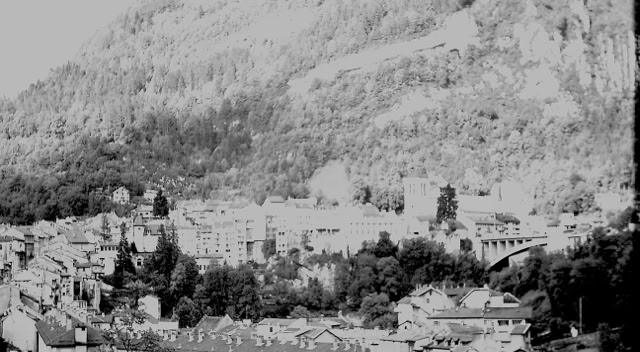
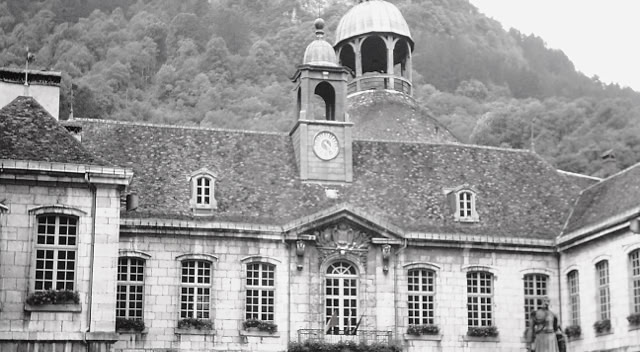
Saint Claude.Jura, France 1990.
Global Studies: Culture/Nature
Photo: A.A.Bispo©
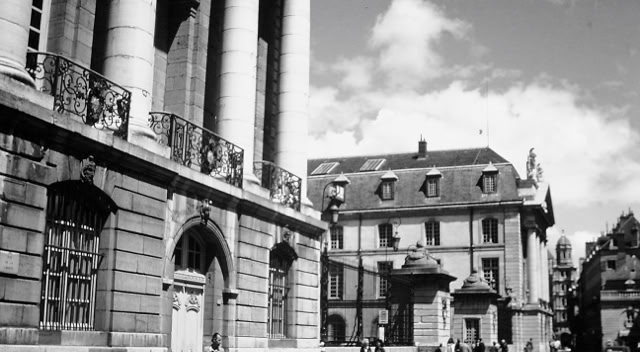
Dijon. France 1990.
Global Studies: Culture/Nature
Photo: A.A.Bispo©
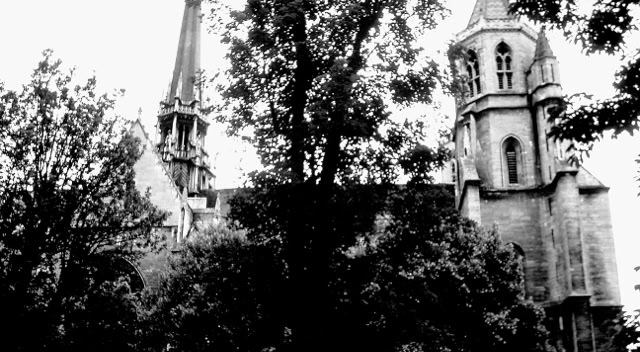
Dijon France 1990
Global Studies: Culture/Nature
Photo: A.A.Bispo©
Abbay de Baum-le Messieurs, Jura. France 1990
Global Studies: Culture/Nature
Photo: A.A.Bispo©
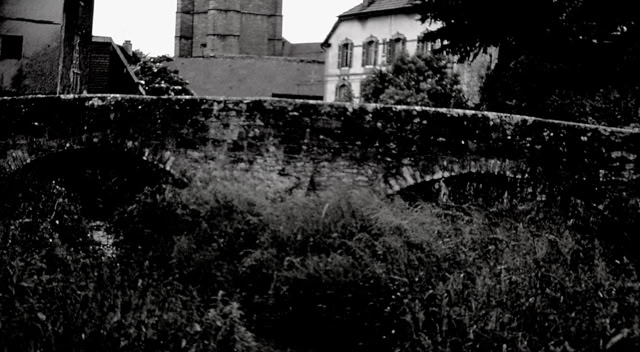
Arbois. France 1990
Global Studies: Culture/Nature
Photo:A.A.Bispo©
Chateauneufe-en-Auxois. Burgund. France 1990
Global Studies: Culture/Nature
Photo: A.A.Bispo©
Dijon. Burgund. France 1990
Global Studies: Culture/Nature
Photo: A.A.Bispo©
Sain-les-bains. Jura. France 1990
Global Studies: Culture/Nature
Photo: A.A.Bispo
The year 1990 was marked in the field of Euro-Brazilian studies by the death of Ernst Widmer (1927-1990) on January 3rd in Aarau, Switzerland. Widmer was a composer, researcher, and intellectual who played an exceptionally important role in the study of cultural processes induced by music in Brazil during the 1960s, a study that continued internationally from 1974 onwards.
Widmer participated in reflections concerning issues of cultural diffusion undertaken by the Nova Difusão movement and its Center for Musicological Research in São Paulo, expounding his conceptions in publications on the subject. These publications, which included meetings concerning his visions and research on Brazilian musical traditions and studies of playfulness, were manifested in his *Ludus Brasilensis*, studied and performed in premieres in various contexts at the Center for Musicological Research in São Paulo, dscussed in meetings of cultural researchers at the Museum of Popular Arts and Techniques in São Paulo, in the International Courses of Curitiba, at the higher education level in the areas of Aesthetics and Ethnomusicology at the Faculty of Music and Musical/Artistic Education of the Musical Institute of São Paulo, at the Fundação das Artes in São Caetano do Sul and in other institutions, these ideas were addressed in an interdisciplinary colloquium at the Music Seminars of Bahia in Salvador, Bahia, in 1972.
The reflections conducted with Ernst Widmer were always marked by anthroposophical thought trends that brought their visions and understandings closer to developments in the tradition of Martin Braunwieser – the main mentor of Euro-Brazilian studies – as well as Ernst Mahle, other musicians and thinkers related to circles of the Rudolf Steiner Association and Waldorf schools.
These similarities between Widmer's thought and the New Diffusion, as well as the differences in thought trends and visions, were discussed at a meeting with Ernst Widmer in Cologne on the occasion of the performance of his works in concerts on West German Radio in 1975.
The death of Ernst Widmer prompted the undertaking of ad hoc Euro-Brazilian studies dedicated to the relations between Switzerland and Brazil. These studies focused on cultural processes in global contexts, with particular consideration given to music and its place within the framework of ancient worldviews and understandings of humanity, transmitted through the centuries and present in various aspects within currents of thought and ideologies of a neo-Gnostic or esoteric nature, which had one of their main centers in Switzerland, as documented in Dornach.
These studies were conducted within the framework of programs of the Brazil-Europe organization, its academy, and the Institute for the Study of Musical Culture of the Portuguese-Speaking World, including those dedicated to the relations between German-speaking contexts and Brazil, and Culture/Nature.
The studies and dialogues were conducted in a contextualized manner in Geneva, where the focus of attention resided in the history of international relations in the 20th century and their significance for the study of cultural processes and, within them, music. This attention to music was also justified by Geneva's significance for Latin American studies, as it was the city where Alberto Ginastera had come to live.
The 1990 program of the Brazil-Europe organization consisted primarily of a cycle of studies held in Burgundy, France. Its realization was decided upon at a colloquium of Portuguese and Brazilian researchers present at an international symposium in Germany in 1989. The event, promoted in Cologne by the Institute for the Study of Musical Culture of the Portuguese-Speaking World (ISMPS), was chaired by its vice-president, the Azorean musicologist Armindo Borges, a specialist in the study of Franco-Flemish polyphony in its relations with Portugal.
This area of specialization has marked the development of studies on cultural processes since 1975, corresponding to the theoretical orientation developed in Brazil within the New Diffusion movement and leading to the founding of the ISMPS (International Society of Musicology and Social Sciences) during the European Year of Music in 1985. It considered the need to focus on the subject from global perspectives, updating knowledge and continuing studies and debates from the Franco-German Music Forum held in cooperation with the Brazilian Society of Musicology in 1983 to commemorate the 300th anniversary of Jean-Philippe Rameau, organist, composer, and theorist born in Dijon. Consequently, the study cycle in Burgundy in 1990 focused primarily on Dijon. From this center and its institutions, convents and cities of significance for cultural studies from the late Middle Ages and Renaissance were considered, including Beaune, Mâcon, Auxerre, Chalon-sur-Saône, Nevers, and Autun.
The studies conducted by the Brazil-Europe organization in Germany in 1990 were situated within contexts determined by the political movements in the German Democratic Republic that led to the reunification of the two Germanys on October 3rd and the fall of the Berlin Wall. One of the aspects considered concerned the consequences of German reunification for cultural studies concerning Portuguese-speaking African countries that until then had primarily maintained relations with East Germany.
The Reunification of Germany not only opened up perspectives for the consideration of publications and the intensification of contacts with researchers, personalities, and institutions from these countries and institutions, but also demanded discussions about ideological conceptions that had previously marked these studies. One of the contexts most attentively considered concerned Angola. Some of the reflections and debates on political ideologies and their implications for cultural studies in general and ethnomusicological studies in particular were published in the Euro-Brazilian Correspondence, motivating the participation in the debates of Brazilian researchers dedicated to studies of relations between Africa and Brazil.
"On the theoretical-cultural thought of Ernst Widmer". Euro-Brazilian Correspondence 4 (1990), 23
"The current state of international relations and musicology in the Portuguese-speaking world". Euro-Brazilian Correspondence 8 (1990), 1-8
"Anthropology of Music: On the necessary care regarding the danger of the unconscious use of totalitarian conceptions in ethnomusicological reflection". Euro-Brazilian Correspondence 8 (1990), 14-21
"New cultural exchange between the two Germanys and research on Angolan music". Euro-Brazilian Correspondence 8 (1990), 8-12
Other topics from the Euro-Brazilian studies of 1990:
"Gregorian Semiology in the Historical-Musicological Context of the Portuguese-Speaking World." Euro-Brazilian Correspondence 5 (1990), 1-8. Rez. R. Stevenson in Handbook of Latin American Studies
"Francisco de Carvalho e Rêgo and the Reflection on Musicological Issues in the Portuguese Far East in the First Half of the 20th Century." Euro-Brazilian Correspondence 3 (1990), 8-13
"Constitutional Hymn of D. Pedro I Disseminated in 19th-Century Germany." Euro-Brazilian Correspondence 3 (1990), 13-17
"New Style of Singing the Kings: Document from Rio de Janeiro (1818) and Preserved in Lisbon." Euro-Brazilian Correspondence 4 (1990), 1-5
"The Struggle for the Preservation of Musical Traditions in Taperaguá (Alagoas)." Euro-Brazilian Correspondence 4 (1990), 15-16
"On the question of the 'Mediterranean context' in the study of musical culture in the Portuguese-speaking world". Euro-Brazilian Correspondence 5 (1990), 1-17
"Contributions to the history of band music on the southern coast of Bahia in its relationship with the musical life of the Recôncavo Baiano". Euro-Brazilian Correspondence 5 (1990), 17-21
"Communication pathways in the historical-musical study of the cultural diffusion process." Euro-Brazilian Correspondence 6 (1990), 1-6
"Hymn for the 52nd Anniversary of Brazil, Poetry and Music by Louis Bertin." Euro-Brazilian Correspondence 6 (1990), 6-9
"The discussion about 'Pelo Telefone' in popular music research and reflections on the Waltz 'Telephone' offered to the Viscountess of Embaré." Euro-Brazilian Correspondence 6 (1990), 10-12
"Publications aimed at promoting the musical culture of Santa Catarina." Euro-Brazilian Correspondence 6 (1990), 15-16
"Librettos as historical sources for the study of opera in Belém." Euro-Brazilian Correspondence 6 (1990), 12-16
"Data of musicological interest in travelogues: The traveler-artist Paul Marcoy in the Amazon (1848-1860)". Euro-Brazilian Correspondence 7 (1990), 1-17