BRASIL-EUROPA
GLOBAL STUDIES
CULTURE/NATURE

BRASIL-EUROPA
GLOBAL STUDIES
CULTURE/NATURE
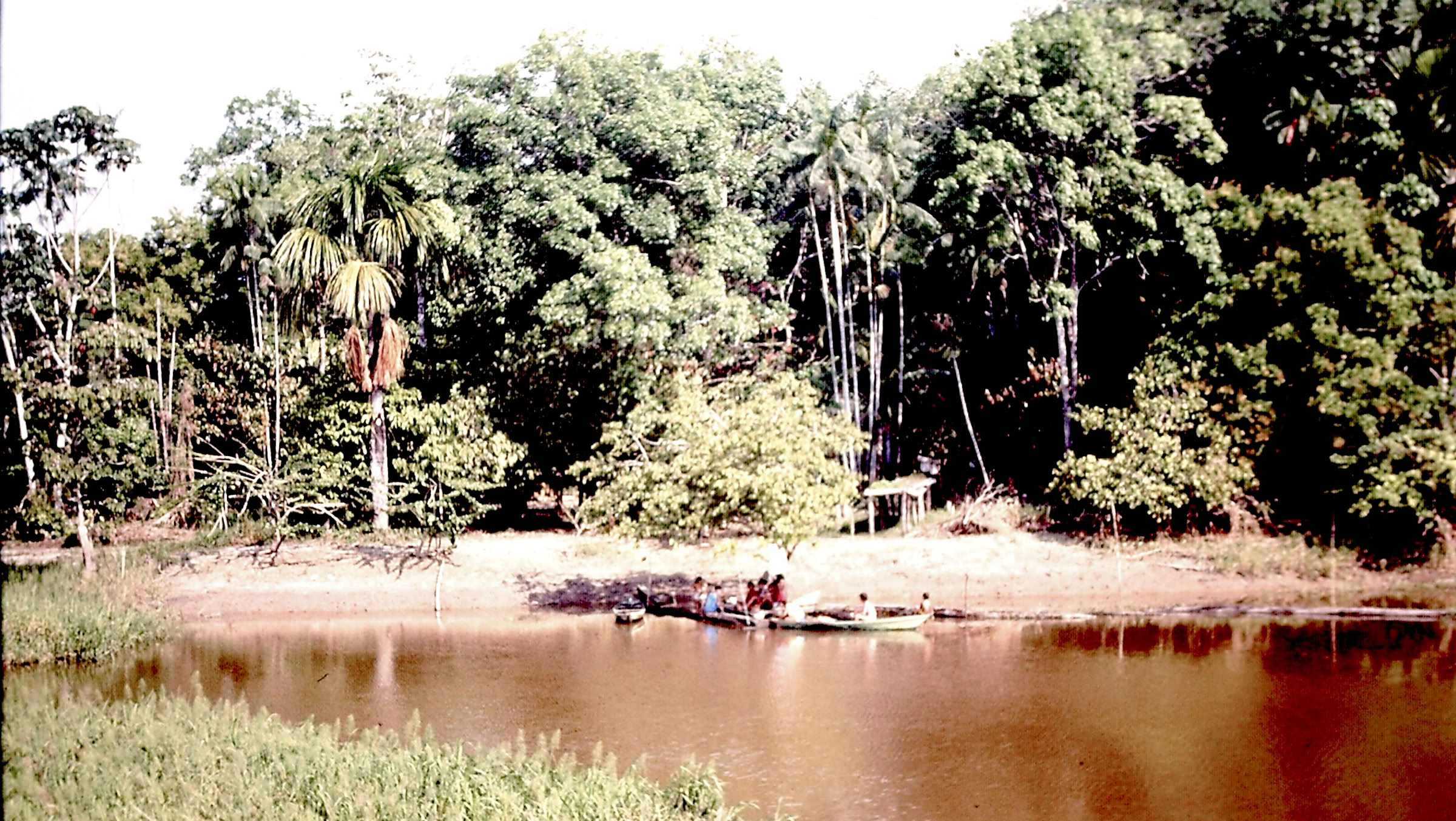
Rio Branco, Acre 1993
Global Studies: Culture/Nature
Photo: A.A.Bispo©
1993
Studies of cultural processes in global contexts
using Euro-Brazilian relations as a frame of reference
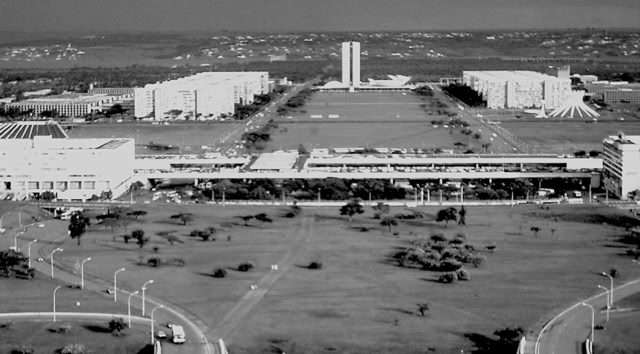
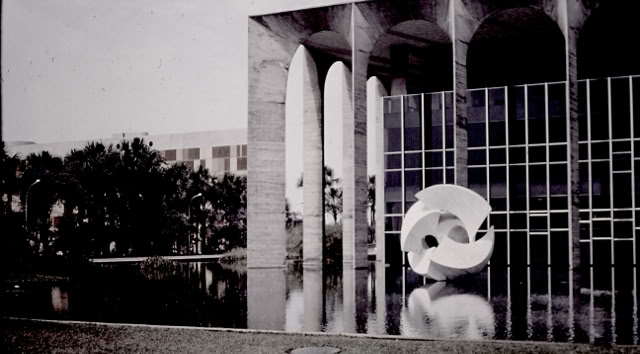
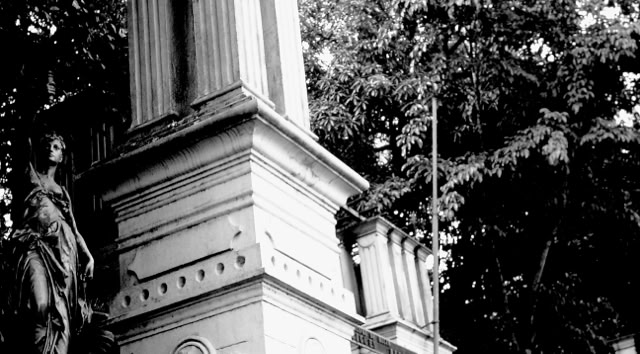
Brasilia. 1993
Global Studes: Culture/Nature
Photo: A.A:Bispo©
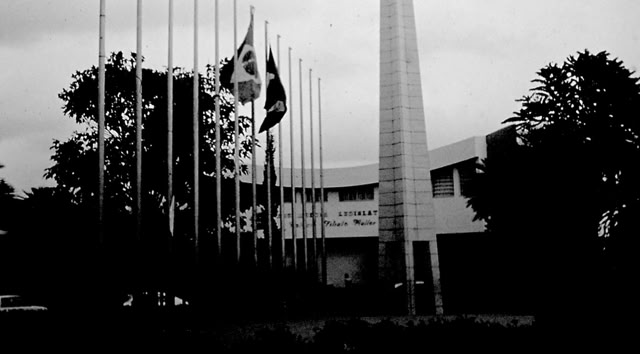
Brasilia. 1993
Global Studes: Culutre/Nature
Photo: A.A:Bispo©
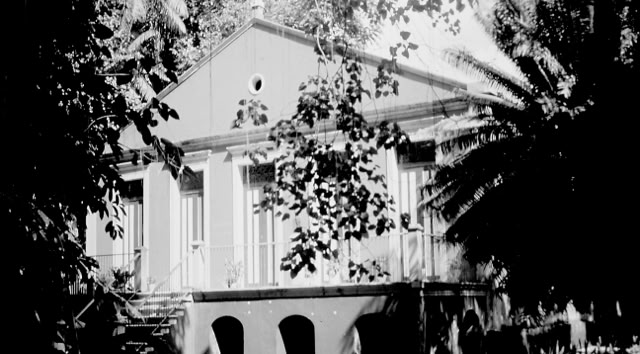
Cuiabá. Mato Grosso 1993
Global Studes: Culture/Nature
Photo: A.A:Bispo©
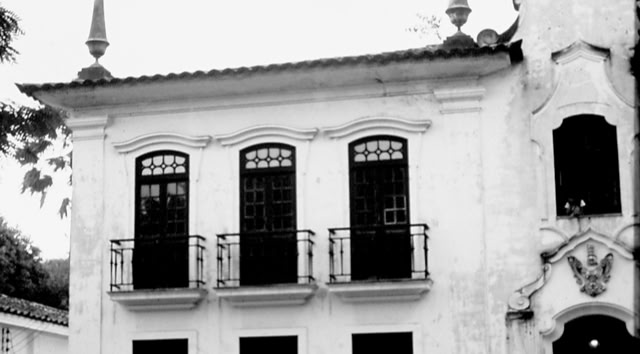
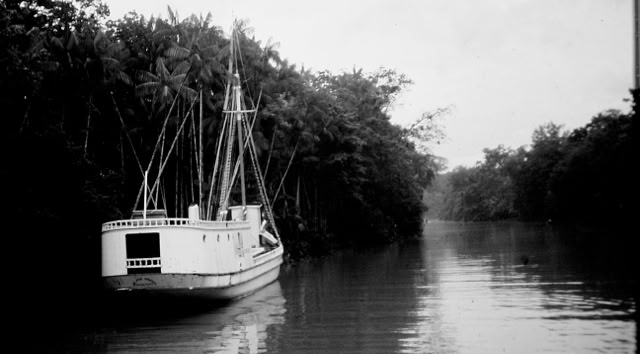
Belém. Pará 1993
Global Studes: Culutre/Nature
Photo: A.A:Bispo©
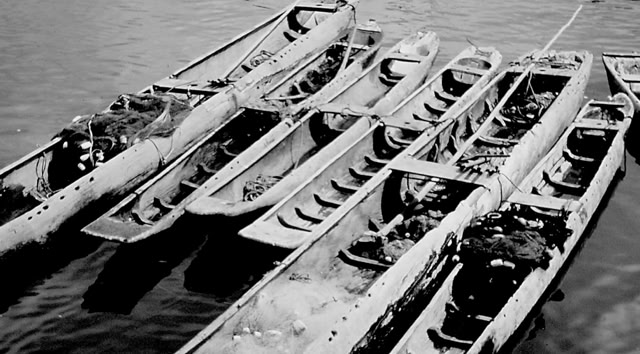
Belém. Pará 1993
Global Studes: Culture/Nature
Photo: A.A:Bispo©
Belém. Pará 1993
Global Studes: Culutre/Nature
Photo: A.A:Bispo©
Belém. Pará 1993
Global Studes: Culture/Nature
Photo: A.A.Bispo©
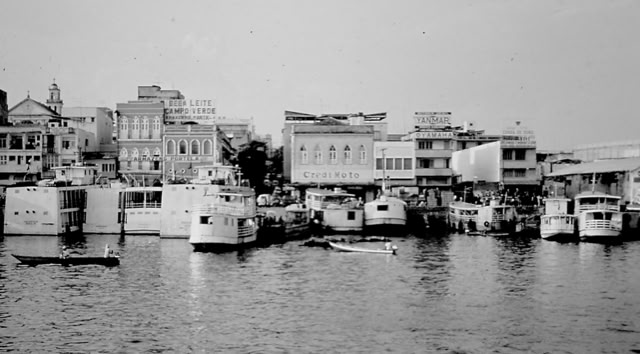
Manaus. Amazonas 1993
Global Studes: Culture/Nature
Photo: A.A.Bispo©
Manaus. Amazonas 1993
Global Studes: Culture/Nature
Photo: A.A.Bispo©
Rio Branco. Acre 1993
Global Studies: Culture/Nature
Photo: A.A.Bispo©
Amazonas 1993
Global Studies: Cultture/Nature
Photo: A.A.Bispo©
The year 1993, in the study of cultural processes in global contexts with special consideration of Culture/Nature relations, was marked by visits to indigenous institutions and groups in Central Brazil and the Amazon. These visits involved gathering sources, observing situations and developments, and updating knowledge. These studies and contacts resulted from a project launched during the international conference held in Rio de Janeiro in 1992, the year commemorating the 500th anniversary of the discovery of America and the Conference on Environment.
This project, cherished and prepared for a long time, was made possible with the support of the German Foreign Ministry and the authorization and cooperation of the Brazilian Ministries of Foreign Affairs and Culture, as well as European and Brazilian universities, study centers, museums, FUNAI (National Indian Foundation), ecclesiastical bodies, and other entities, including the Indigenist Missionary Council (CIMI).
One of the objectives was to update knowledge and contribute to the examination and documentation of indigenous materials at the National Museum. To represent the Brazilian collaborators on the project, the Brazilian Society of Anthropology of Music was founded at a meeting held at the study center of the Brazil-Europe Academy and the Institute for the Study of Musical Culture of the Portuguese-Speaking World in the Mantiqueira mountain range, in São Paulo. The orientation and objectives of the project were considered and discussed, fundamentally directed towards the collection of sources, the observation of ongoing situations and processes, with special consideration of relationships with the environment and the protection of forests and animal life.
The project manager presented the results of studies in symbolic anthropology being developed within the Brazil-Europe organization, particularly those focused on the analysis of systems of worldview and human understanding, and images of principles in both non-biblical ancient conceptions and the Genesis narrative. He emphasized the intention to consider this approach in studies of indigenous traditions, instructing his collaborator on studies of the Karajá culture in the Araguaia region to conduct a study in this area. Interest in exploring conceptions and visions of origins or the beginning of creation in the Karajá culture had been sparked by studies conducted in the Araguaia region ten years earlier.
The project began at the Salesian Museum - Dom Bosco Museum of Cultures - in Campo Grande, Mato Grosso do Sul. Following the documentation and examination of the indigenous materials preserved there, a colloquium was held with ethnologists at the headquarters of the Salesian educational radio station, linked to the Salesian Catholic University. Meetings followed in Cuiabá, Corumbá, Porto Velho, Rio Branco, Boa Vista, Manaus, Macapá, and Belém. The development of studies with indigenous groups was preceded by a meeting at FUNAI in Brasília. In this context, the archive of the Federal University of Goiás was visited, and future collaborations were discussed.
Environmental problems and their cultural implications were a topic of particular attention in meetings held at the Acre State Secretariat of Culture, the headquarters of the Indigenous Missionary Council, the University, and the Rubber Museum in Rio Branco. In Boa Vista, meetings took place at the Secretariat of Culture, the university's music school, and during visits to indigenous villages. Following a request from FUNAI in Brasília, a visit was made to the Vista Alegre village, continuing the commemoration of Theodor Koch-Grünberg in Europe on the 70th anniversary of his death in 1992.
The activities in Macapá also had the support of the FUNAI representation through its post in Amapá. In Belém, the work was developed at the Belém Institute of Inculturation and at the Emilio Goeldi Museum of Pará, where collaborations for ongoing publications were discussed. In Manaus, meetings were held at the Museum of the Indian, updating contacts established in 1983, as well as at the Salesian radio station for the Amazon. At the Dom Bosco Faculty, a colloquium was held with ethnologists dedicated to the study of indigenous cultures. These meetings discussed the continuation of research in subsequent years, which would later lead to research and dialogues in the Rio Negro region.
A The musical cultures of the Indians of Brazil, I-IV: Die Musikkulturen der Inidaner Brasiliens. Yearbook Musices Aptatio. Institut für hymnologische und musikethniologische Studien. Rom/Maria Laach 1994-2002.
Investigations and hypotheses concerning the indigenous contribution to the formation of Brazilian musical culture: Investigações e hipóteses concernentes à contribuição indígena na formação da cultura musical brasileira". Correspondência Euro-Brasileira 22-2(1993), 1-4
The Purus River in German literature about Brazil
A pioneering study - music and dance in “Miração do Santo Dai-Me” (1981)
Albert Perl - Indian Acreis from a german Perspective
Hélio Melo. Representative of the folk culture of Acres