BRASIL-EUROPA
GLOBAL STUDIES
CULTURE/NATURE

BRASIL-EUROPA
GLOBAL STUDIES
CULTURE/NATURE
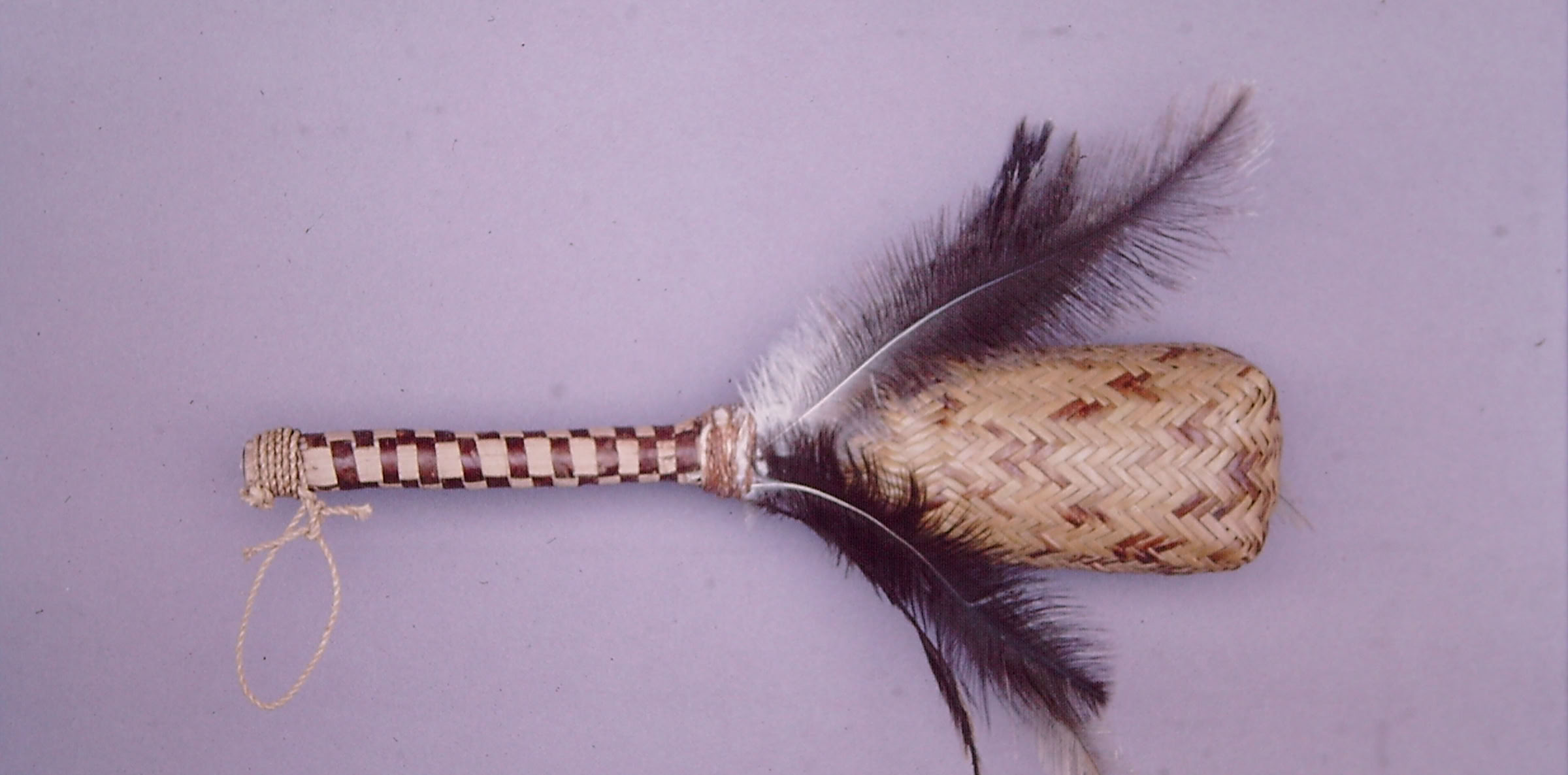
Museu do Índio, Rio de Janeiro 1994
Global Studies:Culture/Nature
Photo A.A.Bispo©
1994
Studies of cultural processes in global contexts
using Euro-Brazilian relations as a frame of reference
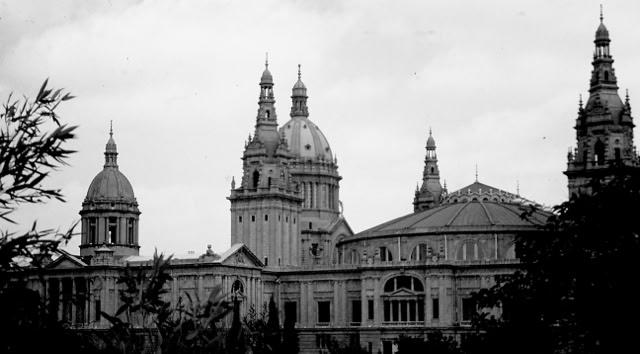
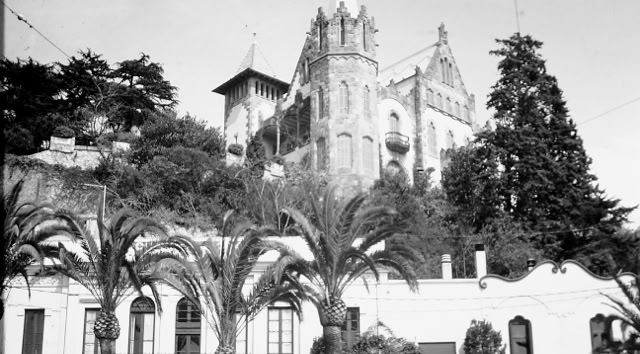
Barcelona 1994
Global Studies: Culture/Nature
Photo: A.A.Bispo©
Barcelona 1994
Global Studies: Culture/Nature
Photo: A.A.Bispo©
Barcelona 1994
Global Studies: Culture/Nature
Photo: A.A.Bispo©
Barcelona 1994
Global Studies: Culture/Nature
Photo: A.A.Bispo©
Barcelona 1994
Global Studies: Culture/Nature
Photo: A.A.Bispo©
Barcelona 1994
Global Studies: Culture/Nature
Photo: A.A.Bispo©
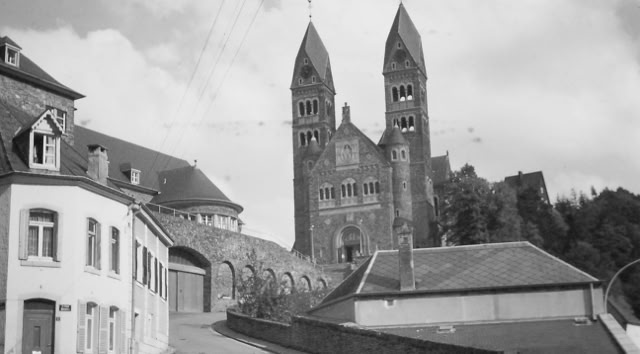
Clervaux. Luxembourg. 1994
Global Studies: Culture/Nature
Photo: A.A.Bispo©
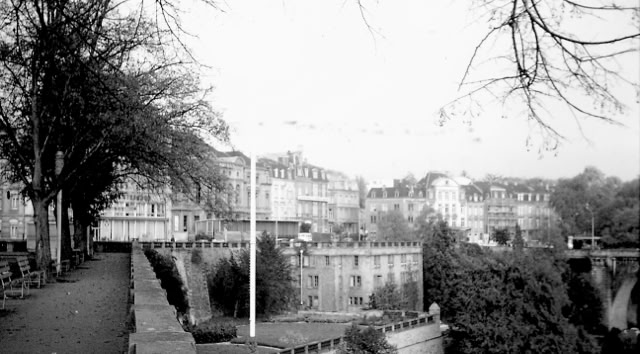
Luxembourg. 1994
Global Studies: Culture/Nature
Photo: A.A.Bispo©
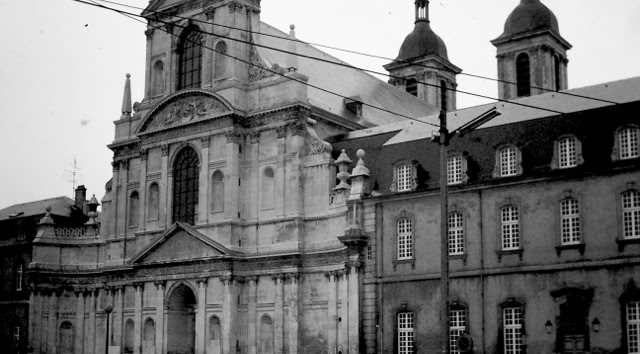
Luxembourg. 1994
Global Studies: Culture/Nature
Photo: A.A.Bispo©
Luxembourg. 1994
Global Studies: Culture/Nature
Photo: A.A.Bispo©
Luxembourg. 1994
Global Studies: Culture/Nature
Photo: A.A.Bispo©
Xanten. Germany 1994
Global Studies: Culture/Nature
Photo: A.A.Bispo©
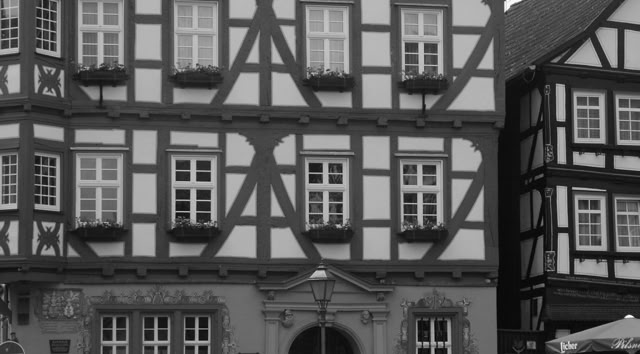
Grünberg, Germany 1994
Global Studies: Culture/Nature
Photo: A.A.Bispo©
Grünberg, Germany 1994
Global Studies: Culture/Nature
Photo: A.A.Bispo©
The year 1994 began with the first exhibition of unpublished documents on the cultural and musical life of German-speaking circles in São Paulo, as part of studies on relations between Brazil and Europe. The exhibition was held at the InterNationes offices in Bonn, then the capital of Germany. It opened with a conference on relations between German-speaking countries and Brazil, focusing particularly on the role of music. The conference took place in the InterNationes auditorium and was co-organized by the German-Brazilian Society with support from the German Federal Foreign Office and the Brazilian Embassy. The exhibition opening was framed by a concert of chamber music by Brazilian composers, including compositions being performed in Europe for the first time.
The documents had been collected in the 1960s as part of studies conducted within the Nova Difusão movement and its Center for Musicological Research in São Paulo, and served as a starting point for considering the role played by German-speaking intellectuals and musicians in the cultural and musical life of São Paulo since then. They had constituted the starting point for studies and dialogues concerning the Bach-Brazil project and the Bach movement in Europe and Brazil, initiated in Lüneburg in 1974.
The Euro-Brazilian studies in global contexts of 1994 primarily considered the materials, notes, and recordings made in 1992 and 1993 in institutions in Central Brazil and the Amazon, and among indigenous groups. The data were supplemented with those obtained from bibliographic studies. The bibliographic survey and examination of historical, geographical, and ethnological literature conducted in Brazil was complemented by consultations in European libraries. The re-reading of accounts by European and North American travelers and scientists who were in Brazil in the 19th century, initiated at the University of São Paulo in the 1960s and developed in the Ethnomusicology area of the Faculty of Music and Artistic Education of the Musical Institute of São Paulo, and in Europe in 1974, was continued. In particular, the studies carried out in Great Britain in 1974/75 were reviewed.
Recalling the two decades of studies conducted at the British Library, a cycle of studies in London was planned for 1994, which took place in July. These studies aimed to update and deepen knowledge, particularly concerning the English naturalists who were in the Amazon in the 19th century. Attention was focused on the data transmitted in their accounts regarding the relationship between Culture and Nature. This information was considered in comparison with observations made in Brazil.
The 1994 studies focused primarily on Acre and Rondônia. These studies considered rare works by travelers published in 19th-century Europe regarding the image of Brazil, particularly the Amazon, abroad. The collection and examination of this popular literature, published in diary form or in illustrated magazines, contributed to contextualizing the data collected in field research or discussed in meetings at official institutions, museums, universities, and with researchers in Acre and Rondônia within historical processes.
These studies led to publications in the online journal Correspondência Euro-Brasileira, which were divulge in Brazil and subsequently published in the Yearbook of the Institute of Hymnological and Ethnomusicological Studies of Colonia/Maria Laach, as well as in a conference given at the General Assembly of the pontifical organization Consociatzio Internationalis Musicae Sacrae in Montecassino, Italy, where attention was focused primarily on the role of the Benedictines in the former territory of Rio Branco. These studies recorded the results of studies and dialogues with indigenous people from the Vista Alegre village and the São Marcos Farm, an undertaking suggested at a meeting at FUNAI in Brasília.
The project studying cultural processes in indigenous groups in Brazil, initiated in the year of the World Conference on the Environment in 1992, continued with the participation of a North American visual arts specialist. Institutions and indigenous groups in the Rio Negro area, in Manaus and Belém, were revisited. At the FUNAI Indian Museum in Rio de Janeiro, a photographic record was made of the instruments preserved in the collections. This documentation was subsequently considered and discussed in ethnomusicology meetings and courses in Europe.
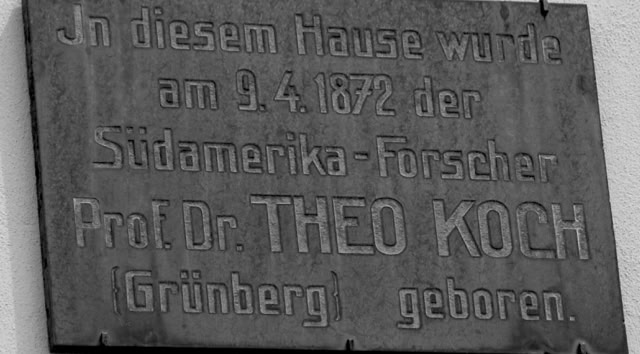
This attention to Rondônia in 1994 stemmed from the commemoration of the 70th anniversary of the death of the ethnologist Theodor Koch-Grünberg (1872-1924). The 50th anniversary of his death in Vista Alegre had been commemorated in Ethnomusicology courses in São Paulo in 1974 and subsequently with the ethnologist O. Kühne at the Institute of Ethnology of the University of Cologne. The date motivated reinterpretations of his works in a way that contextualized them within his time in Germany, which was discussed in meetings, during a visit, and in a text also published in the online journal Correspondência Musicológica and disseminated in Brazil through the Brazilian Society of Musicology in 1994. The commemoration of Theodor Koch-Grünberg included a trip to Grünberg, the city of his birth.
1994 was also marked by the 20th anniversary of the first cycle of Luso-Brazilian cultural and musicological studies carried out in Portugal and Spain in 1974. This undertaking, suggested by the Portuguese composer Jorge Peixinho in a session held at the Casa de Portugal in São Paulo, was promoted by the musicological departments of the Faculty of Music and Artistic Education of the Musical Institute of São Paulo with the support of Portuguese researchers and cultural centers. Held during a critical period in Portugal's political and cultural history, it included visits and dialogues in various cities and institutions, followed by visits to institutions and meetings in cities such as Madrid, Cordoba, Toledo, and Granada. Commemorating this undertaking, which was decisive for the subsequent Euro-Brazilian developments, events concerning Portugal and Spain within global processes were held in 1994, with particular consideration of the Culture/Nature relationship.
The Portuguese presence in the Amazon, particularly in Belém do Pará, was the subject of reflections undertaken in Luxembourg, a country with a large percentage of Portuguese in its population. Materials gathered on Portuguese trade and its role in the cultural and musical life of Pará and Amazonas were considered with the collaboration of Portuguese researchers, notably Maria Augusta Alves Barbosa, a personality closely associated with Euro-Brazilian studies since their beginnings in Europe and active at the Universidade Nova of Lisbon and the University of Coimbra. This event prepared the groundwork for a project to update knowledge through visits to institutions and cities in Portugal, which would take place in 1996.
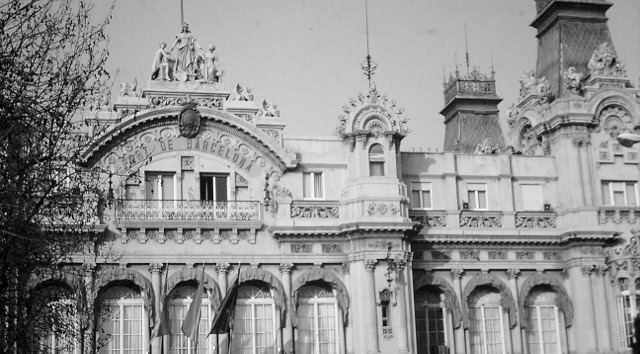
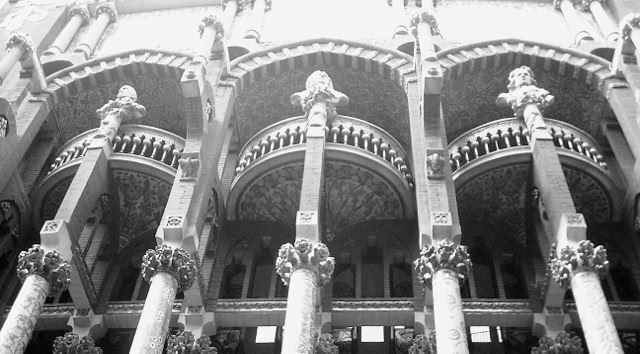
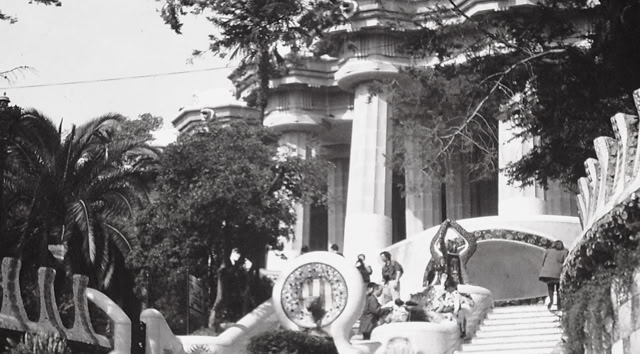
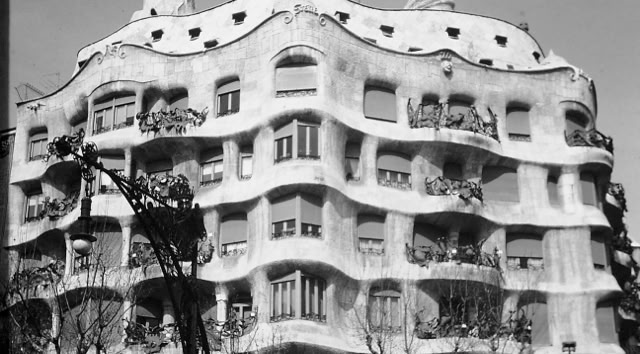
The studies concerning Spain, based on works presented at the conclusion of Ethnomusicology courses in São Paulo in 1974, were conducted during a stay in Barcelona. These studies in Brazil were based on those of Marius Schneider, a musicologist from the Institute of Musicology in Cologne who had worked in Spain. In Barcelona, not only institutions of interest for studies concerning Ibero-American music relations were visited. Attention was also directed to architecture in its relationship with urban landscapes, as well as to the significance of plant imagery in buildings, in spatial conceptions, and in the visual language of Antonio Gaudí.
The main focus of interest was the relationship between its orientation towards nature and religious symbolism, which was analyzed from a system of conceptions and images of ancient origin, carried through the centuries in Catholicism and which would have marked its cultural conditioning. The reflections recapitulated in visits to Gaudí's works debates on the relationship between architecture and the environment conducted since 1969 at the Faculty of Architecture and Urbanism of the University of São Paulo and which motivated events in parks and the botanical garden of São Paulo within the framework of the Autumn Festival of 1970.
Reflections on this edifice of worldviews and human understanding related to the natural philosophy of Antiquity, expressed in images from ancient mythology, and which marked the harmonization of conceptions and cultural practices of Late Antiquity and its Christianization in cultural processes that were particularly intense in Roman colonies marked by the presence of veterans from different regions of the Empire, continued during a study stay in the city of Xanten in Germany, important for its archaeological site.
These studies followed up on those concerning syncretism carried out in the Vale do Amanhecer in Central Brazil in 1993. The studies of processes of harmonization of images, names, and cult practices from different origins, based on a system of worldviews and human understanding derived from the observation of nature, also directed attention to their relationships with Norse mythology and its significance in the work of Richard Wagner. According to the narrative, the hero Siegfried was born in Xanten. These studies sparked, for the first time, interest in studying the links between syncretic expressions transmitted by tradition in Brazil and the symbolism expressed in literature, the arts, and esoteric currents in the German-speaking world.
"The German contribution to São Paulo's music scene". Conferência no auditório de InterNationes, Bonn, 22. Februar 1994. Brasil-Europa & Musicologia: Aulas, Conferências e Discursos. Köln; I.S.M.P.S., 1999, 396-402
Theodor Koch-Grünberg (1872-1924): 70 years since his death
"IIntroduction to the study of cultural relations between Europe and Roraima
Visit to the village of Vista Alegre and São Marcos Farm
IIntroduction to the study of Euro-Acrean cultural relations
A pioneering study - music and dance in “Miração do Santo Dai-Me” (1981)