BRASIL-EUROPA
GLOBAL STUDIES
CULTURE/NATURE

BRASIL-EUROPA
GLOBAL STUDIES
CULTURE/NATURE
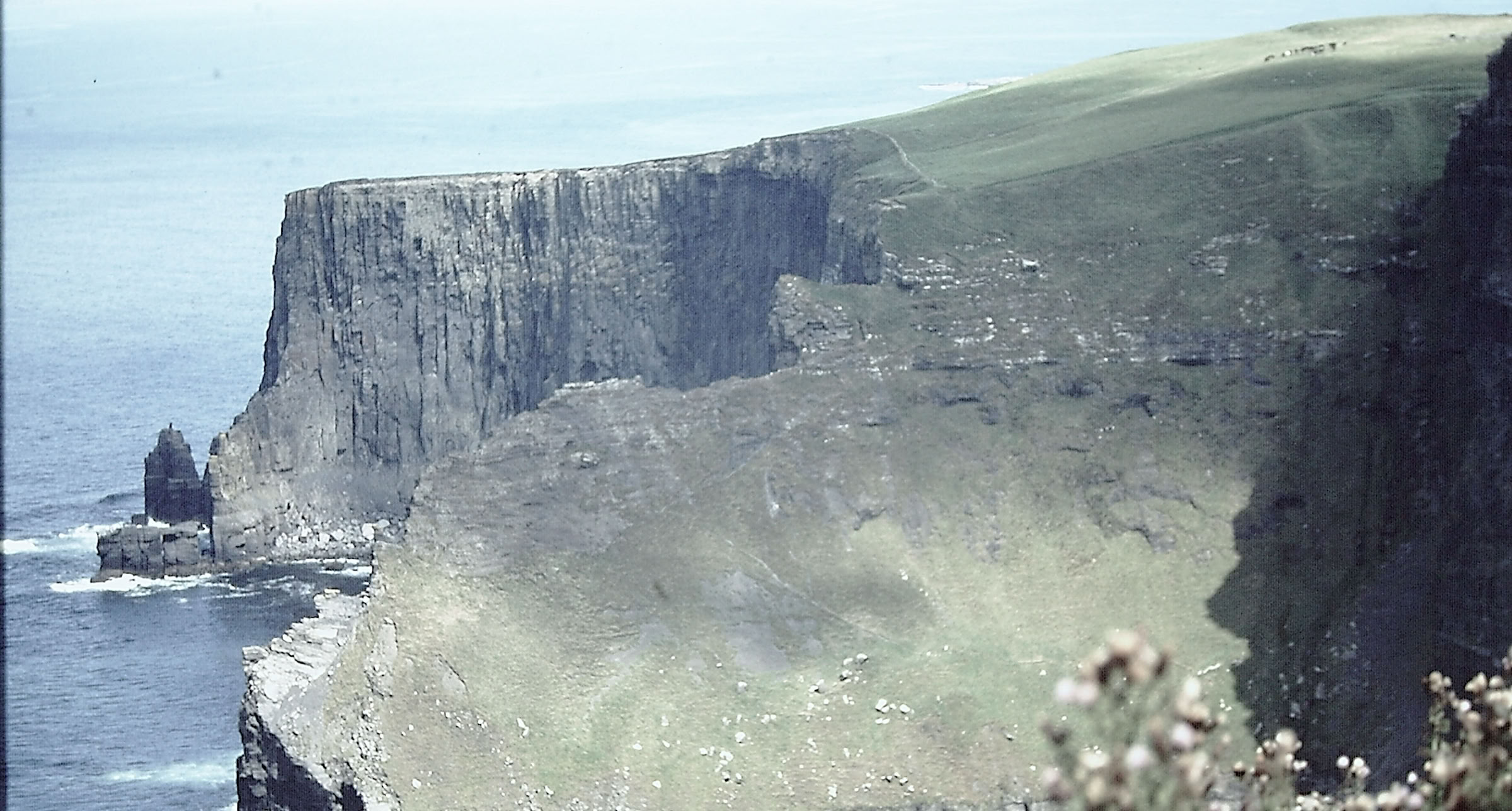
Cliffs of Moher. Island 1995
Global Studies: Culture/Nature
Photo: A.A.Bispo©
1995
Studies of cultural processes in global contexts
using Euro-Brazilian relations as a frame of reference
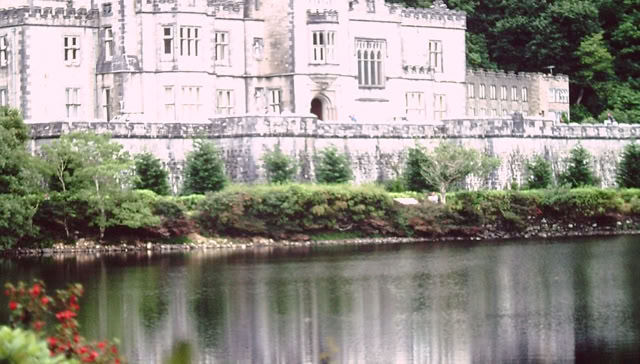
Kylemore Abbey. Connemara. County Galway. Irland 1995
Global Studies: Culture/Nature
Photo: A.A.Bispo©
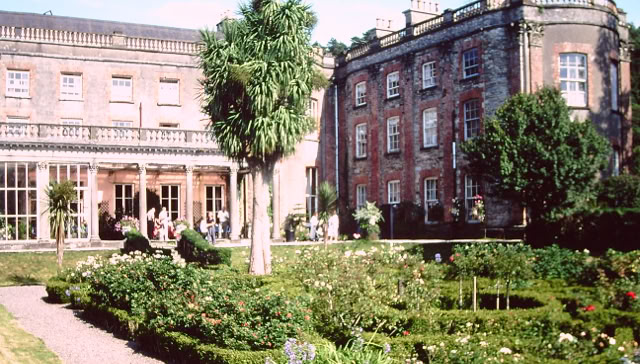
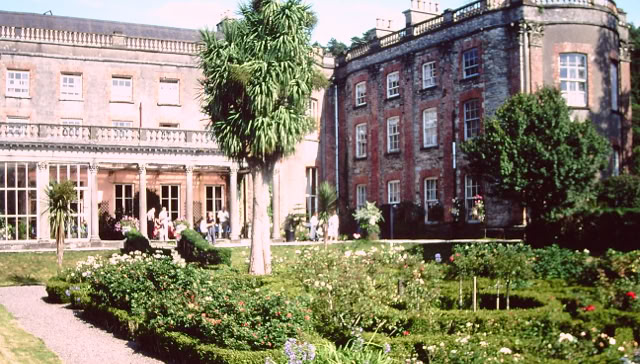
Bantry House and garden. Cork. Irland 1995
Global Studies: Culture/Nature.
Photo: A.A.Bispo©
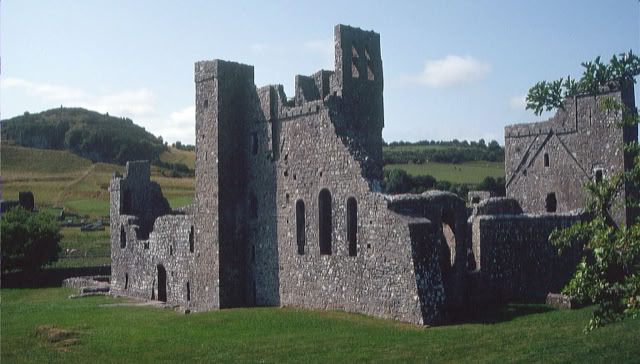
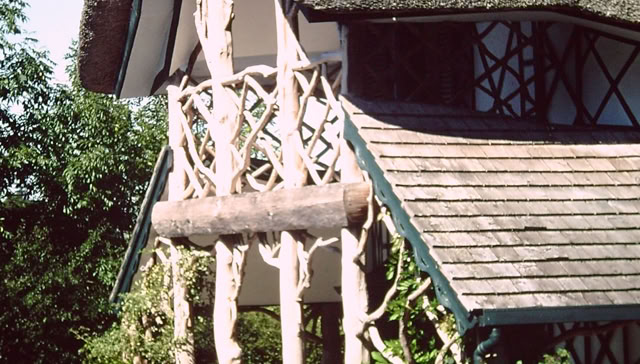
Fore. Westmeath, Irland 1995
Global Studies: Culture/Nature
Photo: A.A.Bispo©
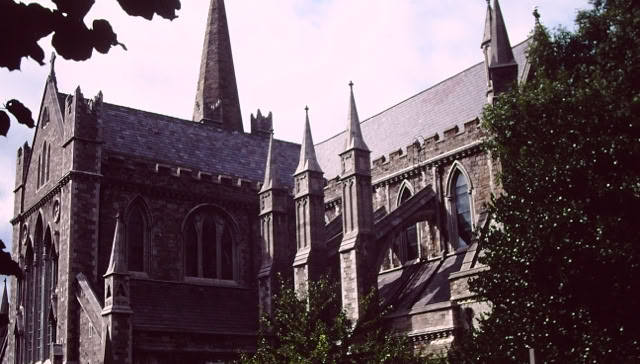
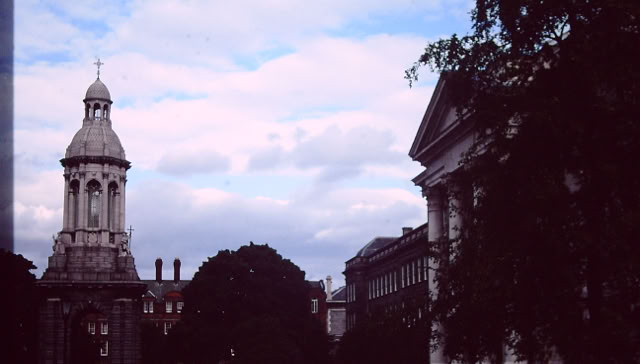
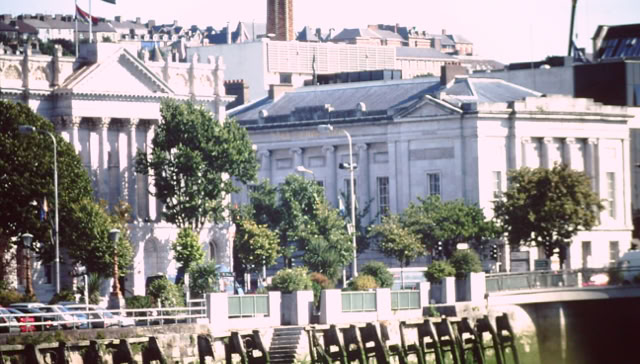
Dublin. Irland 1995
Global Studies: Culture/Nature
Photo: A.A.Bispo©
Dublin. Irland 1995
Global Studies: Culture/Nature
Photo: A.A.Bispo©
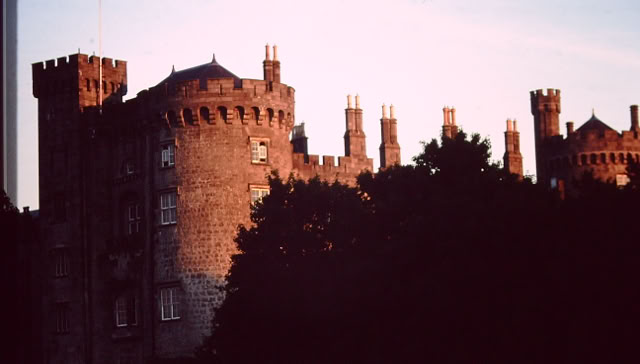
Kilkenny castle and gardens. Irland 1995
Global Studies: Culture/Nature
Photo: A.A.Bispo©
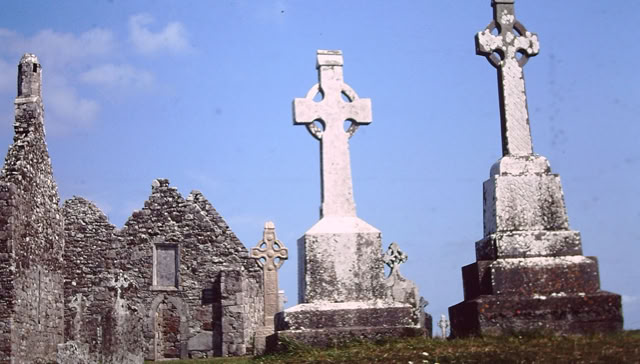
Clonmacnoise. Irland 1995
Global Studies: Culture/Nature
Photo: A.A.Bispo©
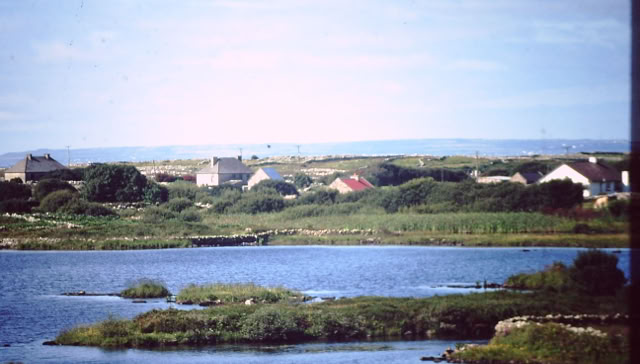
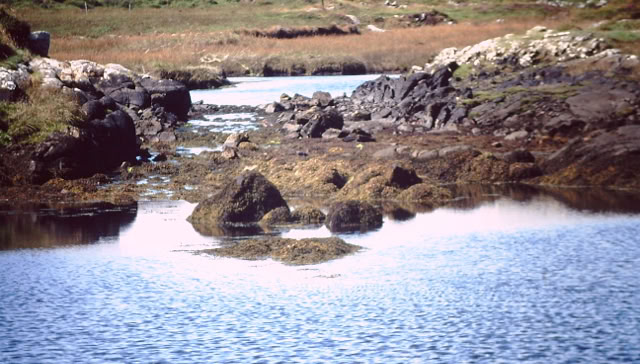
Connemara national park. Irland 1995
Global Studies: Culture/Nature
Photo: A.A.Bispo©
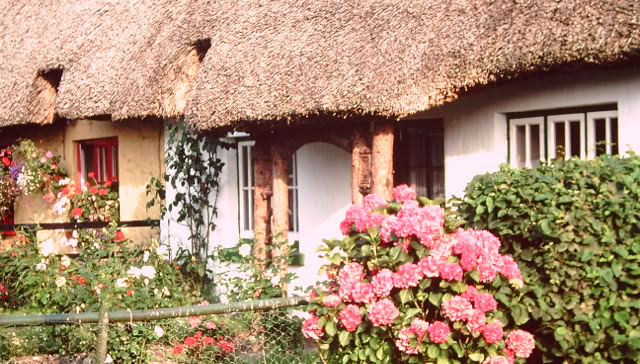
Adare. County Limerick. Irland 1995
Global Studies: Culture/Nature
Photo: A.A.Bispo©
Connemara national park. Irland 1995
Global Studies: Culture/Nature
Photo: A.A.Bispo©
Bantry House and garden. Cork. Irland 1995
Global Studies: Culture/Nature
Photo: A.A.Bispo©
Cork. Irland 1995
Global Studies: Culture/Nature
Photo: A.A.Bispo©
Cahir and Townparks.County Tipperary. Irland 1995
Global Studies: Culture/Nature
Photo: A.A.Bispo©
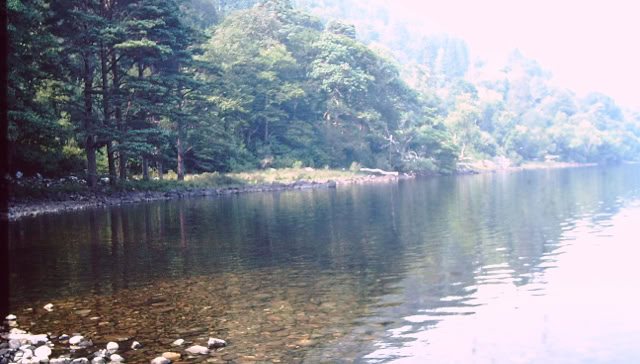
Killarney National Park. Irland 1995
Global Studies: Culture/Nature
Photo: A.A.Bispo©
Ring of Kerry. Irland 1995
Global Studies: Culture/Nature
Photo: A.A.Bispo©
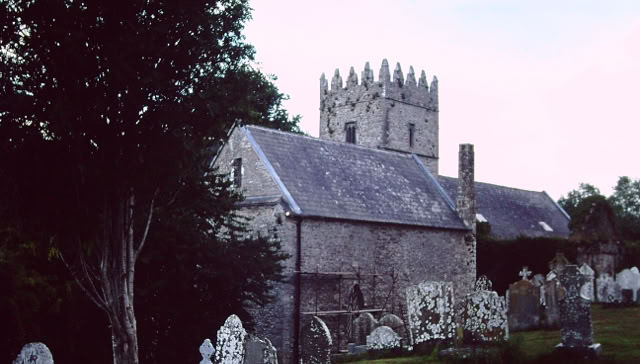
Old Leighlin, Carlow. Irland 1995
Global Studies: Culture/Nature
Photo: A.A.Bispo©
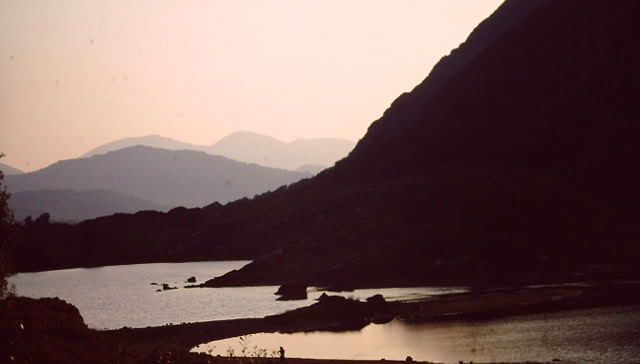
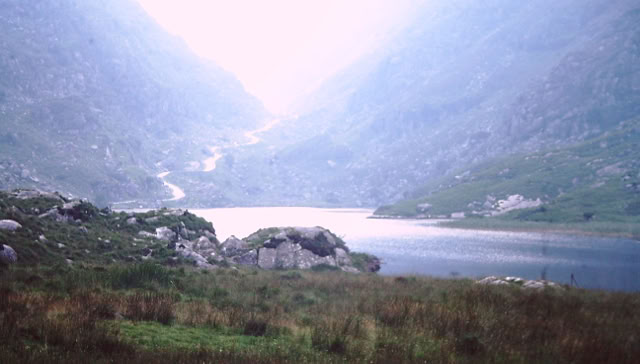
Gap of Dunloe. MacGillycuddy's Reeks. Irland 1995
Global Studies: Culture/Nature
Photo: A.A.Bispo©
Gap of Dunloe. MacGillycuddy's Reeks. Irland 1995
Global Studies: Culture/Nature
Photo: A.A.Bispo©
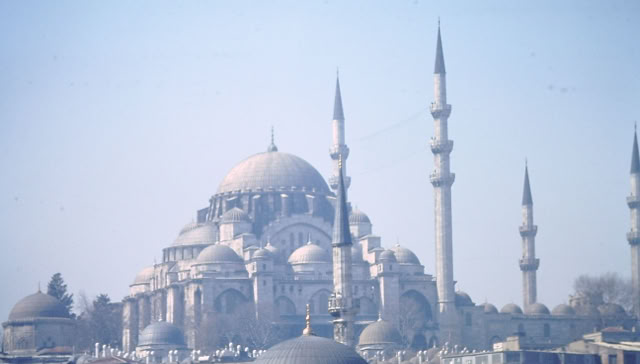
Istambul. Türkiye 1995
Global Studies: Culture/Nature
Photo: A.A.Bispo©
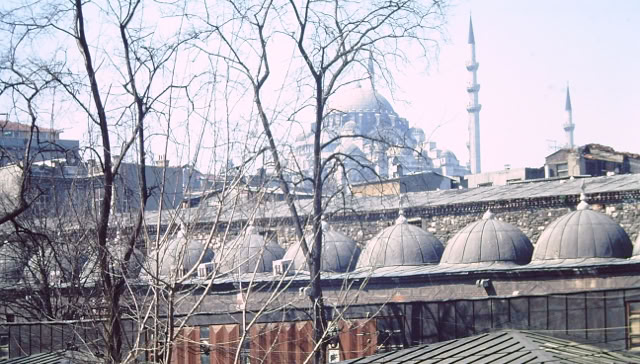
Istambul. Türkiye 1995
Global Studies: Culture/Nature
Photo: A.A.Bispo©
The year 1995 began in Euro-Brazilian studies with a study program conducted in Istambul within the framework of the East/West program. Its objective was to update and deepen knowledge gained from previous visits. The stay in Istanbul took place ten years after the first research in Turkey from the perspective of global studies in 1986, one of the first projects of the Institute for the Study of Musical Culture of the Portuguese-Speaking World. Based on documentation preserved in Brazil by German-speaking immigrants who experienced the Ottoman Empire in the early 20th century, and by artists and researchers from the 1920s and 30s, it sought to consider Turkish-Euro-Brazilian links in a differentiated and contextualized way. These studies from 1986, developed in 1995, represented a milestone in the East/West program in Euro-Brazilian studies, determining perspectives that were discussed in texts and conferences on several occasions in Brazil. The focus of attention was to consider local perspectives in studies of processes in the history of early Christianity and of subsequent confrontations and interactions with Islam.The following year, in 1996, the East/West program continued with studies in the Far East.
Studies of the history of Christian expansion and cultural change continued in the West in a cycle developed in various regions of Ireland through visits to institutions, churches, and ruins of medieval convents. The focus here was on the relationship between Culture and Nature, considering the locations of buildings in natural environments, national parks, as well as parks and gardens of castles and citie.
The study cycle represented the realization of a longing formulated in previous years through dialogues with North American researchers who emphasized the significance of Irish immigration for cultural studies in the United States. The importance of considering these migratory flows for the study of transatlantic processes was particularly highlighted at the Music Forum dedicated to German-United States relations, held in Germany in a year commemorating the 300th anniversary of German immigration to North America. Conducted in cooperation with the Brazilian Society of Musicology, this event emphasized the need to consider transatlantic developments in their different contextualizations within inter-American processes. Since then, it has become clear that studies of migration and European colonization by immigrants should not be conducted solely from national contexts, but in their comprehensive, transnational dimensions.
Historical-cultural studies and those dedicated to Culture/Nature relations focused on institutions, cities, and historical and archaeological sites in different regions. Among the main stations of the cycle, in addition to Dublin and Cork, the following stood out: Adare, Bantry House, Clonmacnois, Cong Abbey, Connemara, Giandalough, Ennis, Galway, Kilkenny, Kinvara, Kylemore Abbey, Lesnaune, Limerick, Liadoonvarna, Mallow, Old Leighlin, Quin, Knappohur Vsdzlr, Kilimsllovk, Ring of Kerry und Fort, Trim, and Tullynally. From the point of view of Culture/Nature studies, the Wicklow Mountains, Killarney National Park, Gap of Dunloe, Cliffs of Moher, Gap of Dunloe, Ring of Kerry, and The Burren were highlighted.
Regarding religious and cultural tradition studies, particular attention was paid to hagiography, the cult and festivities of St. Patrick, comparing them with those observed in New York in previous years and considering them in relation to the natural year of the northern hemisphere and inscriptions in systems of worldview and understanding of man of ancient origin.
The year 1995 was marked by the evaluation of results from studies, observations, and dialogues conducted in indigenous institutions and groups in various states of Central Brazil and the Amazon, within the framework of a project made possible by the German Federal Foreign Office and Brazilian organizations and institutions. The project was developed in the Ethnomusicology section of the Institute of Hymnological and Ethnomusicological Studies (Cologne/Maria Laach) in cooperation with the Brazilian Society of Musicology (SBM), the Institute for the Study of Musical Culture of the Portuguese-Speaking World (ISMPS), and researchers in folklore, ethnology, and musicology organized in the Brazilian Society of Anthropology of Music.
The project, discussed at the 1st Brazilian Congress of Musicology in 1987 and prepared in the years that followed, was initiated at the 2nd Brazilian Congress of Musicology held in Rio de Janeiro in 1992. The plan to carry out a large-scale project on indigenous cultures with special consideration of musicological perspectives was long-standing. It resulted from the awareness of the gravity of the cultural changes in indigenous societies resulting from the founding of Brasília, the opening of roads, and the expansion of agriculture and livestock farming in the 1960s and 1970s. These concerns marked reflections and studies within the Center for Research in Musicology of the Nova Difusão movement, since it was oriented towards the analysis of processes, particularly acculturative ones, as well as in the area of Ethnojusicology since its inclusion in the higher education studies of the Musical Institute of São Paulo.
One of the main focuses of the project developed from the congress held for the 500th anniversary of the Discovery of America and the environmental conference in Rio de Janeiro in 1992 was the study of the relationship between cultural and environmental studies.
In 1995, the materials, records, and recordings made at meetings in various states were complemented by the continued study of sources that had been developed in libraries, archives, and museums for years. The survey and re-reading of the literature also considered newspaper articles, travelogues, literary works, and other sources, analyzing the information contained therein in light of the present.
Continuing the studies in libraries and archives in Brazil, the work of gathering sources for the analysis of cultural and environmental processes continued in 1995 in European libraries and archives. One aspect of these studies was the analysis of the influence of missionaries in the past and present on processes of cultural change, and their relationships with the natural world.
Support from the German Federal Foreign Office for the Indigenous Musical Cultures project
The stand of the project to survey ethnomusicological knowledge about the music of the indigenous peoples of Brazil; Der Stand des Projekts zur Erfassung des musikethnologischen Wissens über die Musik der Indianer Brasiliens". Assemblea Generale der C.I.M.S.in Montecassino, 2.-5. November 1995. Musicae Sacrae Ministerium XXXIII/1&2 (1996), 99-106
The musical cultures of the Indians of Brazil: Situation and research tasks, Part 1: Acre, Rondônia: "Die Musikkulturen der Indianer Brasiliens: Stand und Aufgaben der Forschung - 1. Teil - (Acre, Rondonia)". Liber Annuarius 1994/95, 1997, 15-72
Euro-Brazilian Cultural Studies related to Great Britain
Euro-Brazilian Cultural Studies related to Amapá
Euro-Brazilian Cultural Studies related to Roraima
Euro-Brazilian Cultural Studies related to Amazonas
Euro-Brazilian Cultural Studies related to Mato Grosso do Sul
Euro-Brazilian Cultural Studies related to Mato Grosso
Euro-Brazilian Cultural Studies related to Pará
Euro-Brazilian Cultural Studies related to Goiás
Euro-Brazilian Cultural Studies related to Rondonia
Euro-Brazilian Cultural Studies related to Acre