BRASIL-EUROPA
GLOBAL STUDIES
CULTURE/NATURE
BRASIL-EUROPA
GLOBAL STUDIES
CULTURE/NATURE
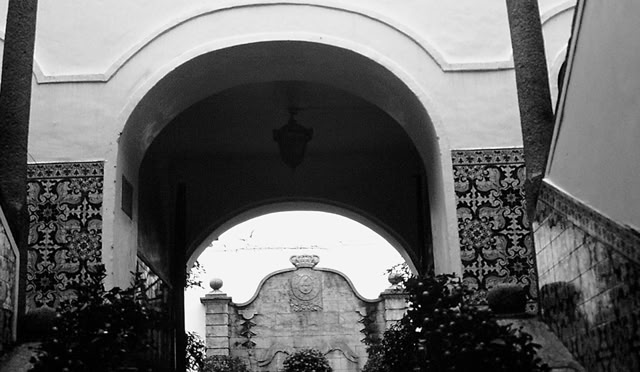
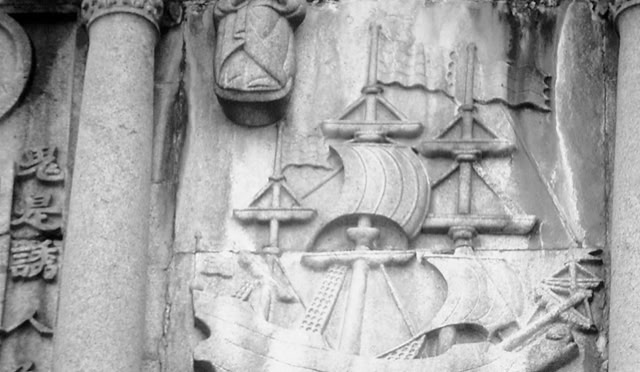
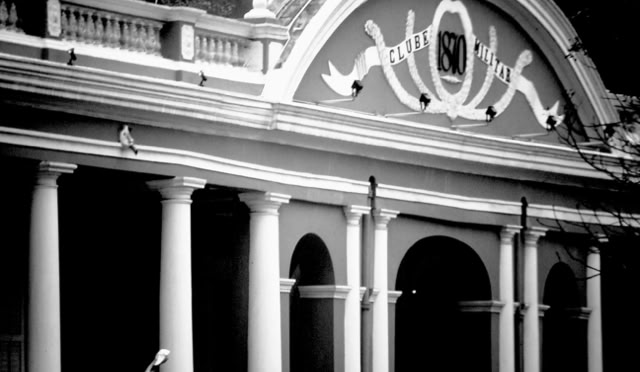
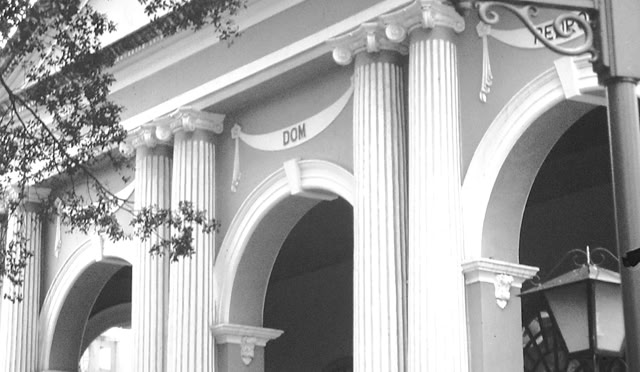
Macau 1996
Global Studies: Culture/Nature
Photo: A.A.Bispo©
1996
Studies of cultural processes in global contexts
using Euro-Brazilian relations as a frame of reference
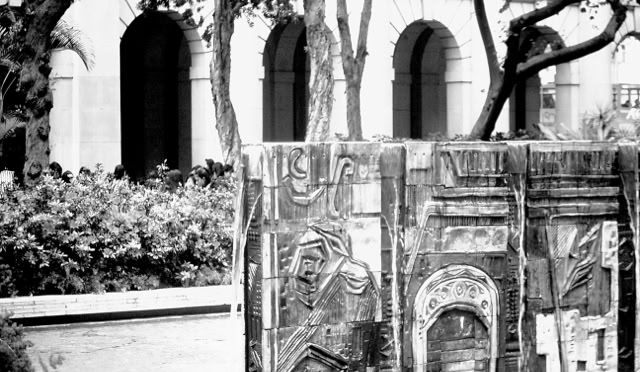
Macau. Biblioteca do Leal Senado 1996
Global Studies: Culture/Nature.
hoto: A.A.Bispo©
Macau 1996
Global Studies: Culture/Nature
Photo: A.A.Bispo©
Macau 1996
Global Studies: Culture/Nature
Photo: A.A.Bispo©
Macau 1996
Global Studies: Culture/Nature
Photo: A.A.Bispo©
Macau 1996
Global Studies: Culture/Nature
Photo: A.A.Bispo©
Macau 1996
Global Studies: Culture/Nature
Photo: A.A.Bispo©
Hongkong 1996
Global Studies: Culture/Nature
Photo: A.A.Bispo©
Hongkong 1996
Global Studies: Culture/Nature
Photo: A.A.Bispo©
Hongkong 1996
Global Studies: Culture/Nature
Photo: A.A.Bispo©
Alcobaça. Portugal 1996
Global Studies: Culture/Nature
Photo: A.A.Bispo©
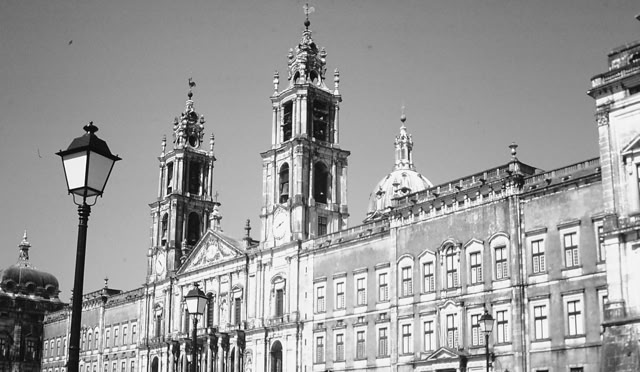
Mafra.Portugal 1996
Global Studies: Culture/Nature
Photo: A.A.Bispo©
Tomar.Portugal 1996
Global Studies: Culture/Nature
Photo: A.A.Bispo©
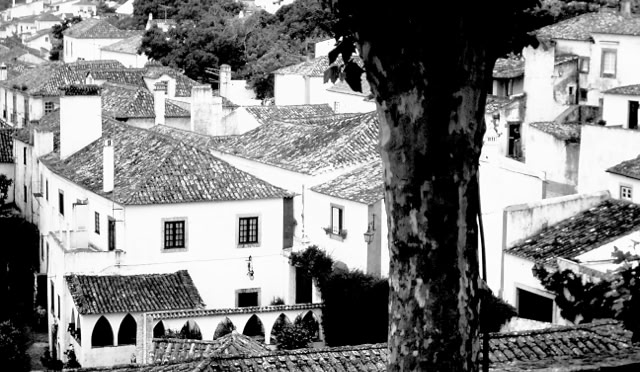
Óbidos.Portugal 1996
Global Studies: Culture/Nature
Photo: A.A.Bispo©
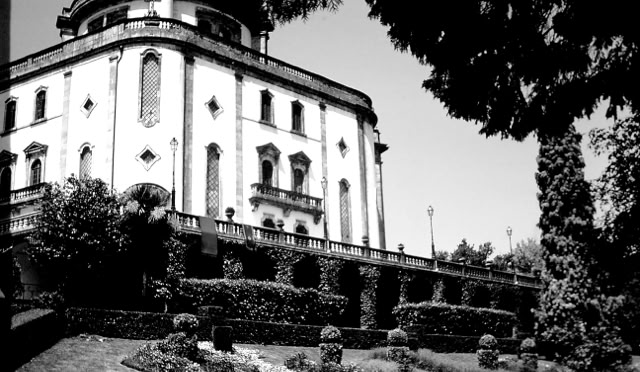
Braga. Portugal 1996
Global Studies: Culture/Nature
Photo: A.A.Bispo©
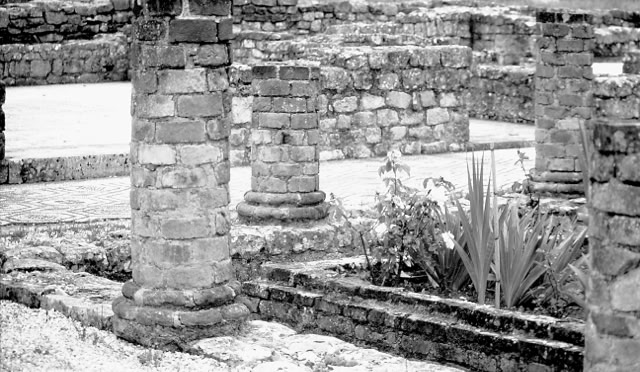
Conimbriga. Portugal 1996
Global Studies: Culture/Nature
Photo: A.A.Bispo©
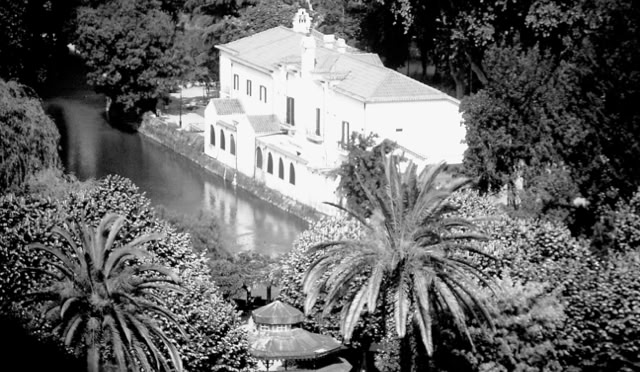
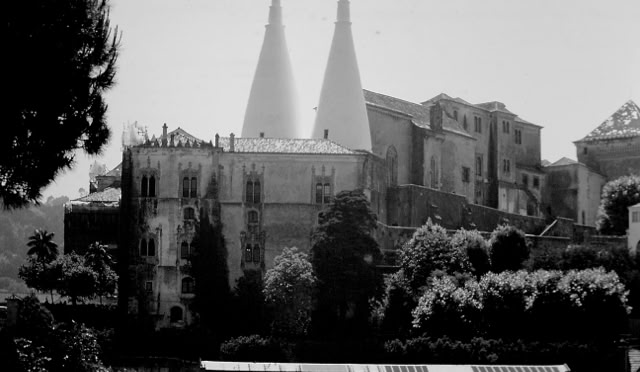
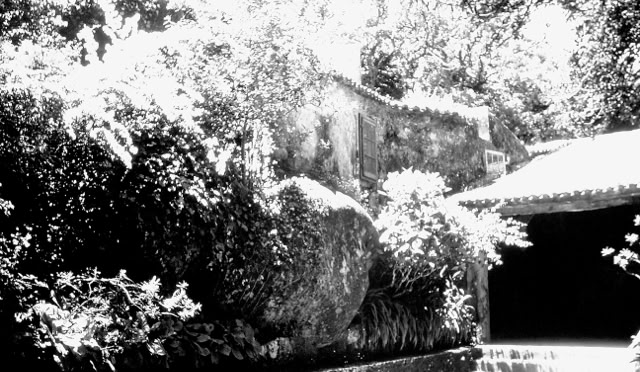
Sintra. Portugal 1996
Glonal Studies: Culture/Nature
Photo: A.A.Bispo©
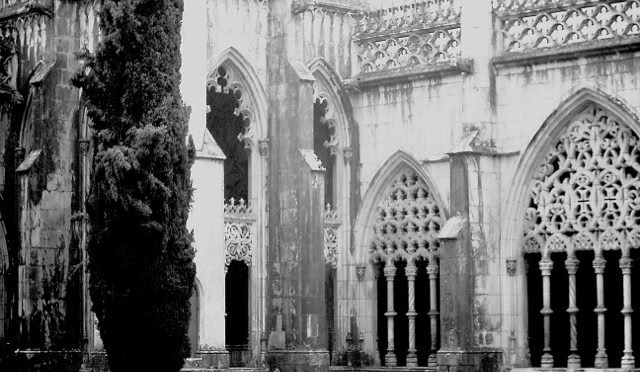
Batalha.Portugal 1996
Global Studies: Culture/Nature
Photo: A.A.Bispo©
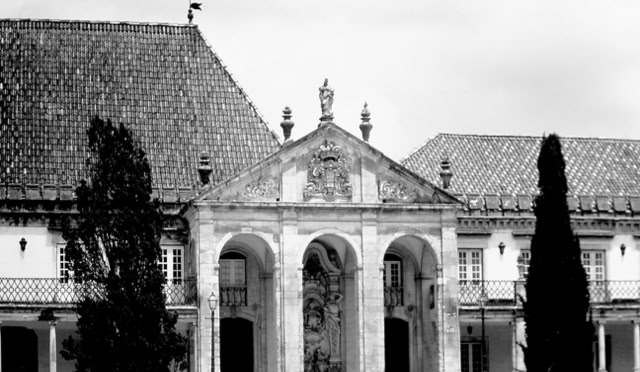
Coimbra. Portugal 1996
Global Studies: Culture/Nature
Photo: A.A.Bispo©
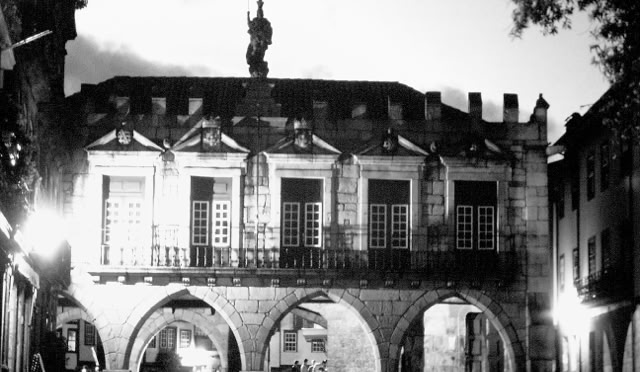
Guimarães. Portugal 1996
Global Studies: Culture/Nature
Photo: A.A.Bispo©
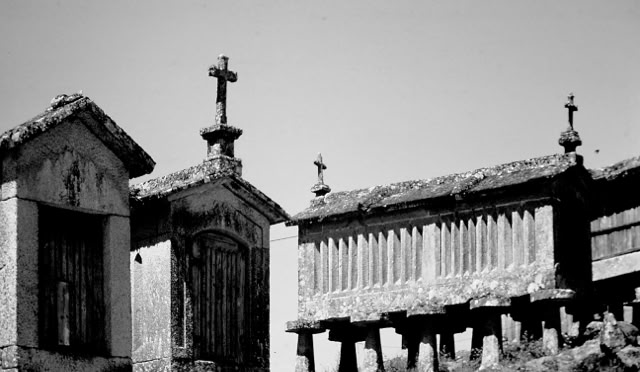
Lindoso. Portugal 1996
Global Studies: Culture/Nature
Photo: A.A.Bispo©
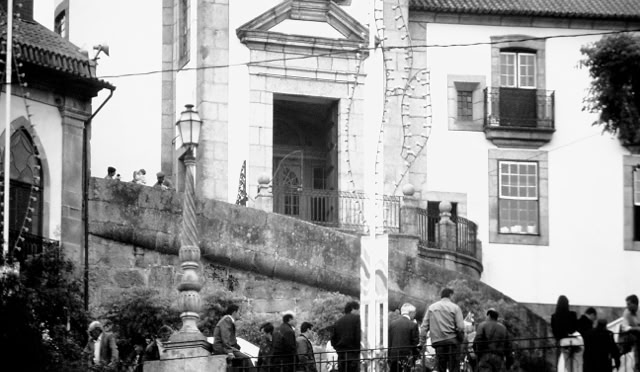
Amarante. Portugal 1996
Global Studies: Culture/Nature
Photo: A.A.Bispo©
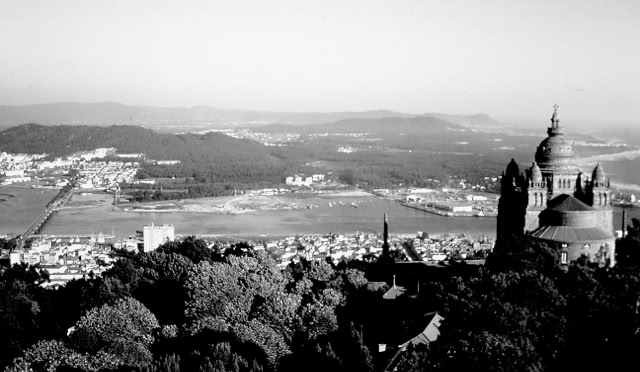
Viana do Castelo. Portugal 1996
Global Studies: Culture/Nature
Photo: A.A.Bispo©
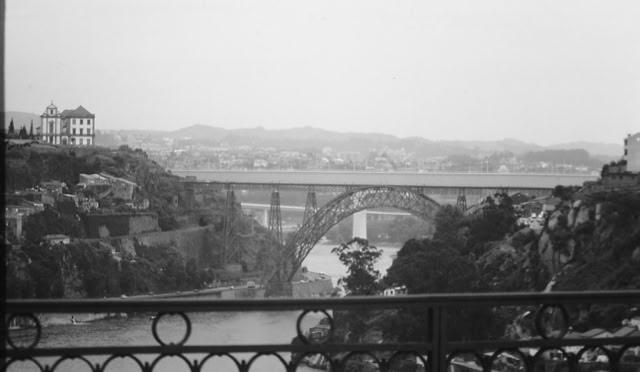
Porto. Portugal 1996
Global Studies: Culture/Nature
Photo: A.A.Bispo©
Peninha. Portugal 1996
Global Studies: Culture/Nature
Photo: A.A.Bispo©
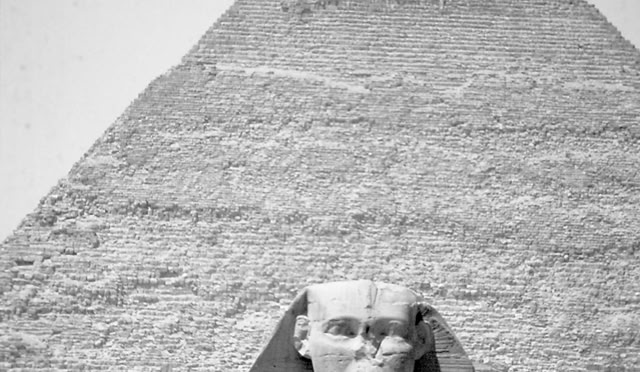
Cairo. Egypt. 1996
Global Studies: Culture/Nature
Photo: A.A.Bispo©
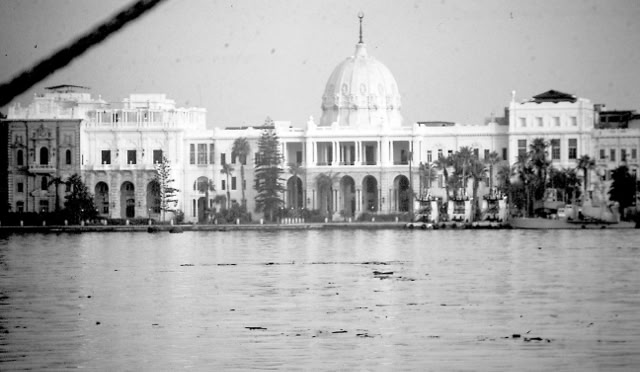
Alexandria. Egypt 1996
Global Studies: Culture/Nature
Photo: A.A.Bispo©
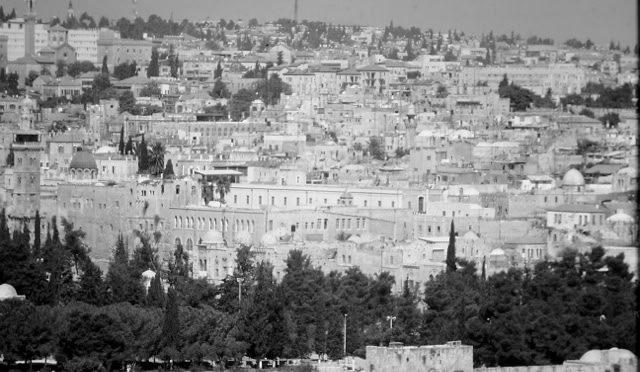
Jerusalem. 1996
Global Studies: Culture/Nature
Photo: A.A.Bispo©
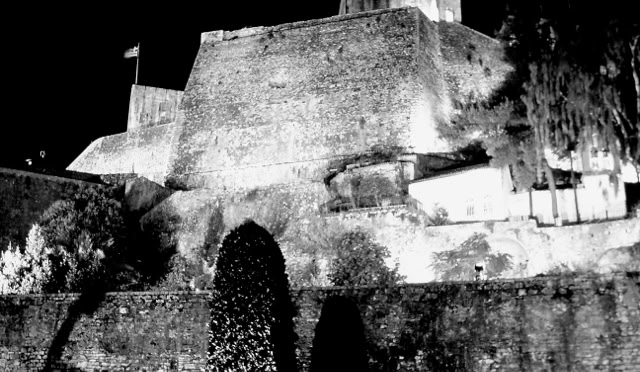
Corfu. Greece 1996
Global Studies: Culture/Nature
Photo: A.A.Bispo©
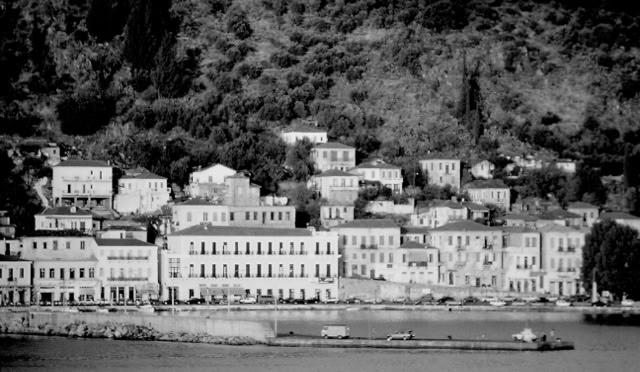
Gythion. Greece 1996
Global Studies: Culture/Nature
Photo: A.A.Bispo©
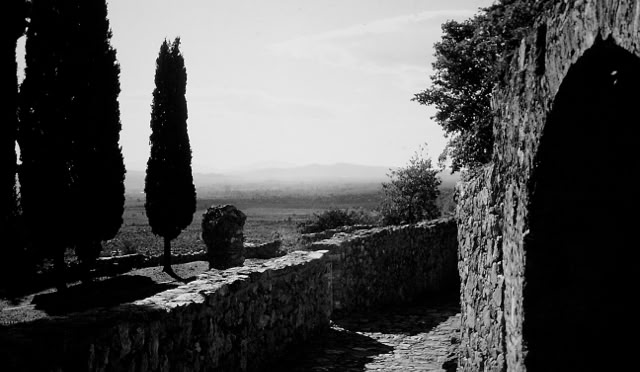
Mistras. Greece 1996
Global Studies: Culture/Nature
Photo: A.A.Bispo©
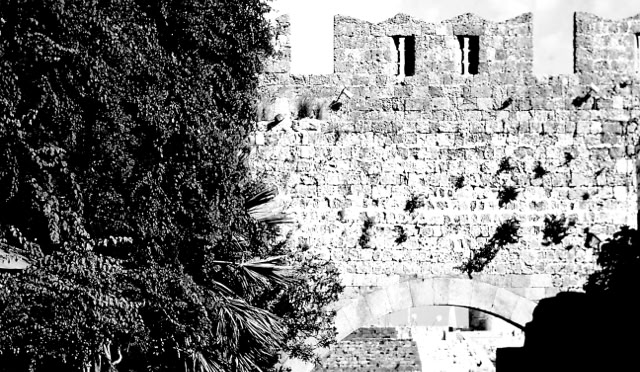
Rhodos. 1996
Global Studies: Culture/Nature
Photo: A.A.Bispo©
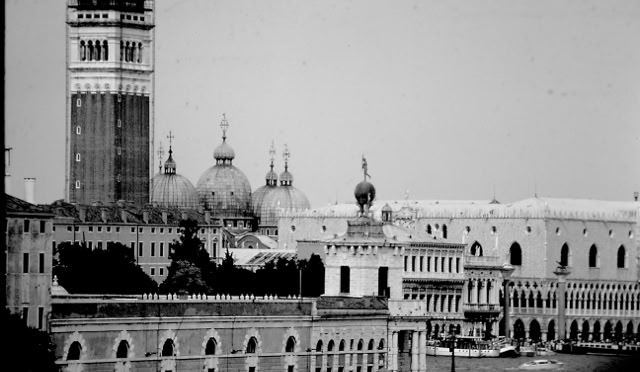
Veneice, Italy 1996
Glonal Studies: Culture/Natur
Photo: A.A.Bispo©
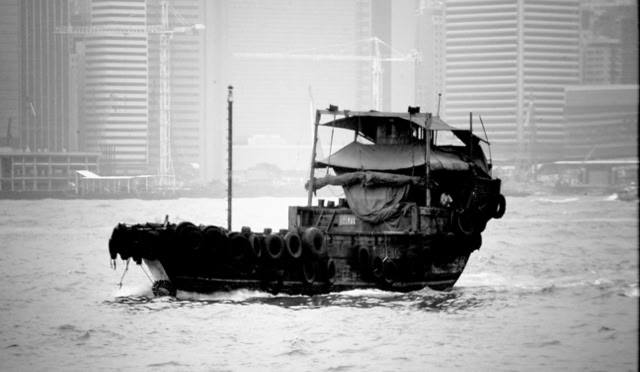
Hongkong 1996
Global Studies: Culture/Nature
Photo: A.A.Bispo©
Hongkong 1996
Global Studies: Culture/Nature
Photo: A.A.Bispo©
1996 was a year of large-scale cultural undertakings in Euro-Brazilian studies. These began with study cycles and meetings in Macau and Hong Kong, with extensions in Indonesia. After a meeting to evaluate the results in the historic German city of Mondschau, studies were conducted in several cities in Portugal. This was followed by cycles of cultural archaeology studies in the Mediterranean, Egypt, and Israel. The undertakings of 1996 shaped the developments of the years that followed.
The study cycle in Asia was undertaken due to the handover of Hong Kong and Macau to China. The objective was to ascertain the state of cultural studies in its various aspects, visiting institutions, consulting archives, and conducting interviews. The aim was to observe developments, positions, and perspectives of individuals and institutions, as well as the expectations and psychological and mental states of those who emigrated or the Europeans who remained. The goal was to lay the groundwork for the continuation of Sino-Western cooperation in these territories after the change in the political situation.
Following the cycle of studies carried out in Macau and Hong Kong, the project was presented and discussed at a conference at the Faculty of Philosophy of the University of Cologne, followed by a session at the then-established study center of the Brazil-Europe Academy in 1997. The project, in cooperation with Portuguese researchers, led to an international colloquium in Portugal in 1998, with sessions in Lagos and Guimarães, with the support of the Portuguese National Discoveries Commission, the Discoveries Commission, and the Gil Eanes Study Center of Lagos, as well as ecclesiastical bodies. This event, based on the studies carried out in Macau by the Brazil-Europe organization, was dedicated to the theme "West and Far East: Musical Culture and Spirit."
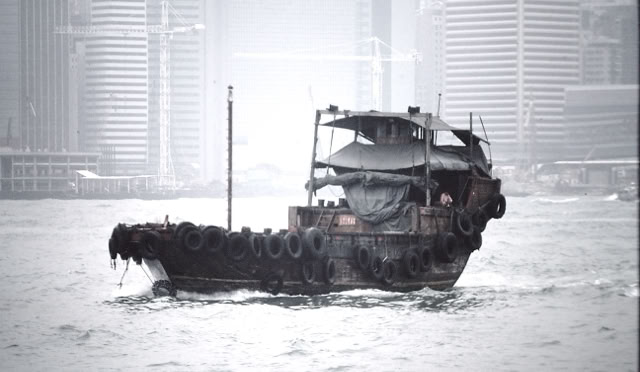
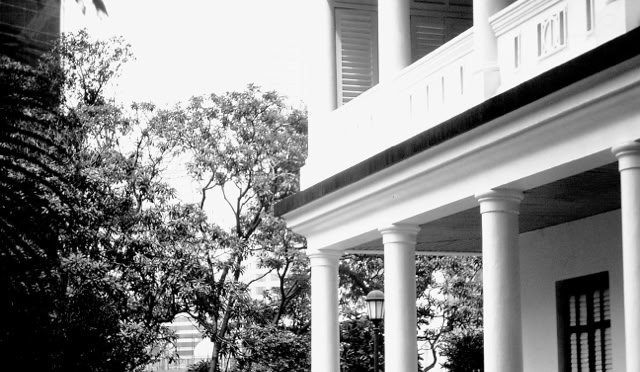
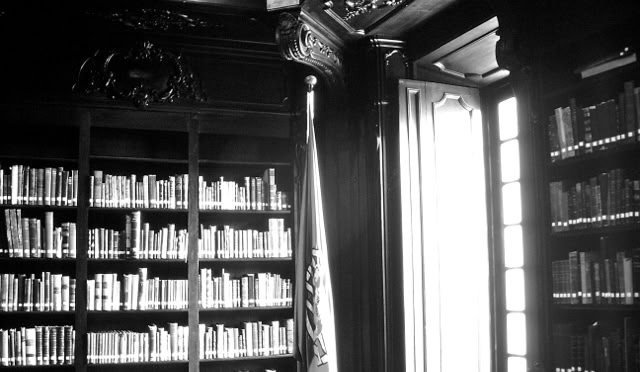
The studies and projects in Macau and Hong Kong in 1996 by the Brazil-Europe Academy and the Institute for the Study of Musical Culture of the Portuguese-Speaking World were carried out in collaboration with the Leal Senado Library, the Seminary and the University of Saint Joseph, researchers from the Macao Cultural Institute, and other entities and personalities from the Diocese of Macau. A highlight of the events was a colloquium conducted with Bishop Domingos Lam Ka-tseung, the first Chinese bishop of Macau. The studies in Hong Kong focused on gathering sources on the history of the European community, particularly Portuguese and Italian, in Kowloon.
The studies in Macau, Hong Kong, and Indonesia were part of the East/West program of the Brazil-Europe organization. The results of the observations, studies, and dialogues were subsequently discussed at a conference at the Faculty of Philosophy of the University of Cologne and at a ceremony at the study center of the Brazil-Europe Academy in Cologne, which was then inaugurated. They formed the basis for a multi-semester course on Music in the Encounter of Cultures at the University and were later discussed in Portugal. They led to the holding of the International Symposium West and Far East: Musical Culture and Spirit in Lagos and Guimarães, which took place in 1997.
Studies conducted in ecclesiastical institutions in Macau continued those carried out at the Saint Augustine Chinese Studies Center in Bonn, Germany. Attention was particularly focused on the history and methodology of missions and their evolution over the centuries in China, Southeast Asia, and the Malay Archipelago, with particular attention to Indonesia. Studies in this region sought to update knowledge and identify new trends in thought and research. Dialogues were able to draw on studies conducted in Brazil and Germany, the latter with researchers from the Institute of Ethnology at the University of Cologne in the 1970s.
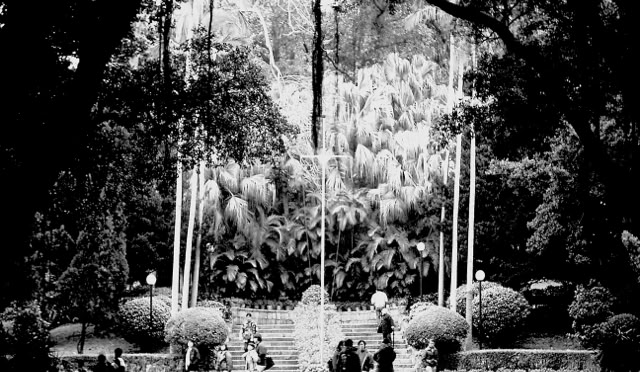
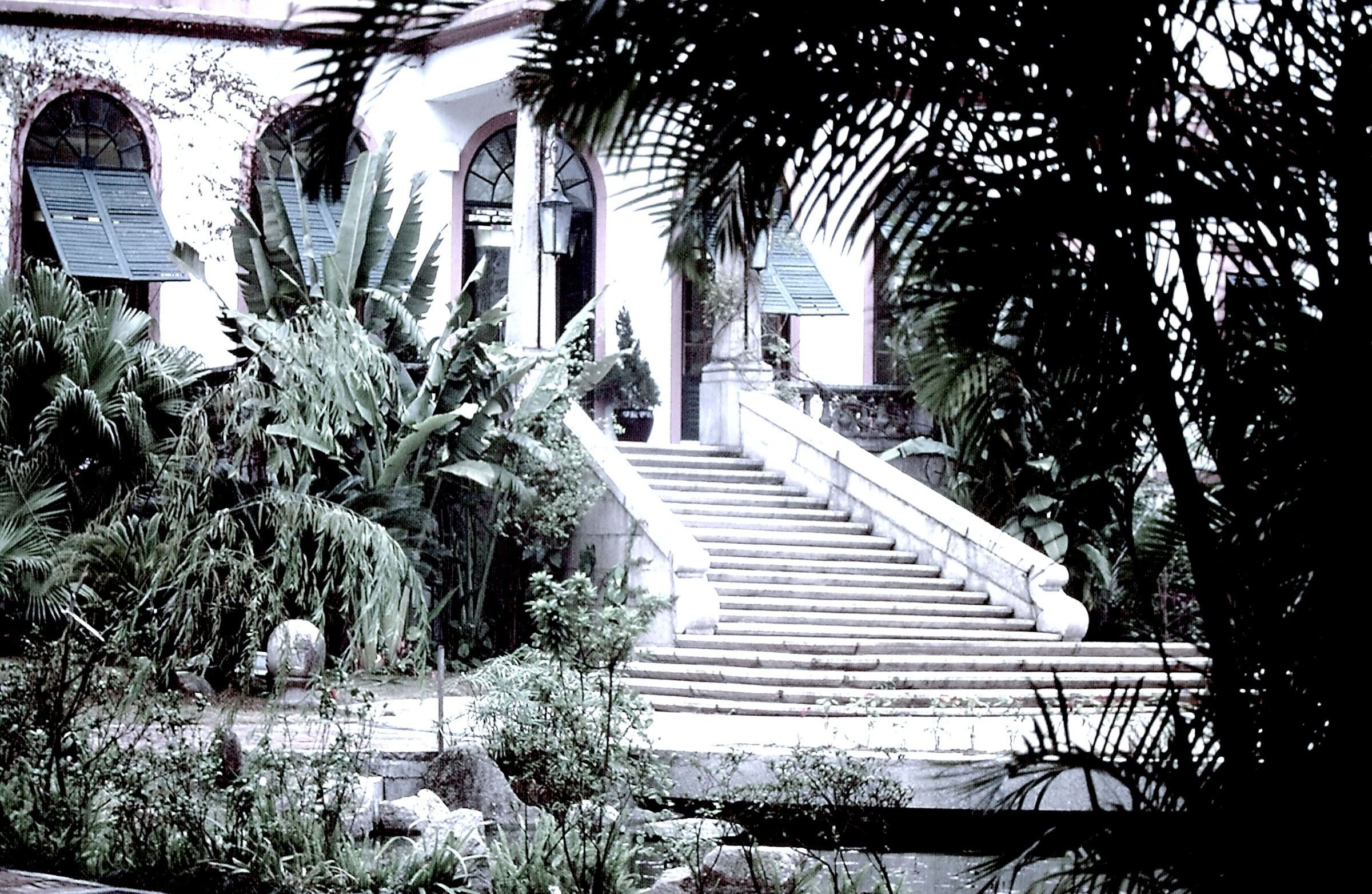
These activities of the East/West program in Macau and Hong Kong were closely related to studies of Culture/Nature relations, one of the main focuses of attention in global studies conducted from Euro-Brazilian perspectives. Relationships between architecture, urbanism, social and cultural life, cultural expressions, and research on topography and the natural world determined the reflections in different contexts. The environment also led to the observation of urban landscaping, parks, and gardens from the perspective of Euro-Oriental interactions, highlighting, among others, the Camões grotto in Macau.
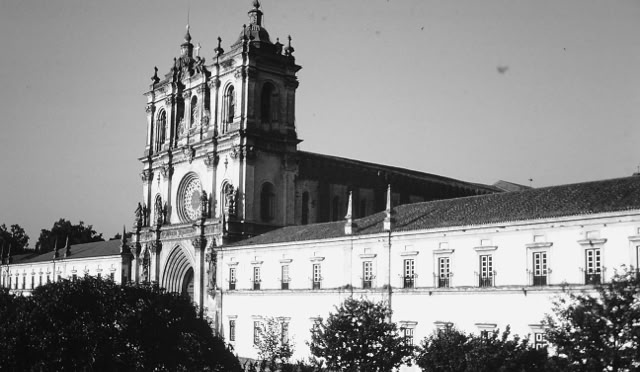
This focus on the Culture/Nature relationship also determined the studies that, following those in the East, took place in the Far West, with observations, interviews, and studies in various cities in Portugal. These studies sought to update knowledge and intensify collaborations initiated in 1974 in the first Luso-Brazilian cycle of cultural and musicological studies carried out in Portugal by the Faculty of Music and Artistic Education of the Musical Institute of São Paulo, in whose preparation not only historians but also architects, urban planners, and landscape architects participated. Several regions and cities from the 1974 program were revisited, including Lisbon, Porto, Sintra, Alcobaça, Batalha, Fátima, Coimbra, Tomar, and Vila Real. The programming and conduct of the studies were guided by Professor Maria Augusta Alves Barbosa of the University of Coimbra, who accompanied the visits to institutions and historical sites, notably Peninha.The visit to Amarante, the center of the cult of Saint Gonçalo, laid the groundwork for an international anthropological-cultural colloquium that would be held in Brazil in the following years. The priority given to the Culture/Nature relationship in the studies led to visits to regions of natural importance such as the Serra do Soajo, natural formations such as Boca do Inferno and Cabo da Roca, and archaeological sites such as Conimbriga and Lindoso.
The reflections and dialogues initiated in Portugal continued in studies of cultural archaeology in its relations with the natural environment in the Mediterranean and Near East regions, corresponding to the Mediterranean/Atlantic program of the Brazil-Europe organization. Attention was directed to Antiquity, the history of Christianity, its expansion, and the tensions between the Christian West and Islam. Reflections concerning the worldview and the concept of humanity in Antiquity were undertaken in a contextualized manner in Alexandria, as the main center of religious-cultural interactions of a syncretic ecumenism of late Antiquity, and in the Cairo Museum.The expansion of Islam and the tensions with Judaism and Christianity were themes explored in various contexts, particularly in Jerusalem and Bethlehem. Here, the extraordinary significance of Bethlehem for the system of Christian conceptions and images, and also for Portugal, was considered, recalling the emblematic importance of the Belém Tower. Interactions between Western Christendom and Jerusalem were reflected upon in different contexts, including Rhodes and Cyprus. The links established by navigation and trade relations marked the Venice phase of these studies, concluding the year 1996.
Camões' Grotto as "The Confucius of the West"
Brazilian Music in China: Carlos Gomes in Vocal Education
"Folclore e Ciência da Música: Relações interdisciplinares". Boletim de Leitura da Associação Brasileira de Folclore/Museu Rossini Tavares de Lima 17, Agosto de 1996, 2-4
Introduction to research on the music of Macau: "Einführung in die Musikforschung von Macau". Conferência na Assembléia anual do I.S.M.P.S. e.V. em Colonia, no dia 6 de novembro de 1996. Brasil-Europa & Musicologia: Aulas, Conferências e Discursos. Colonia: I.S.M.P.S., 1999, 343-354
The universe of Brazilian festive traditions of Portuguese origin: "O Universo íntegro das festas brasileiras de origem portuguesa. "Conferência no Departamento de Ciências Musicais da Universidade Nova de Lisboa. Brasil-Europa & Musicologia: Aulas, Conferências e Discursos. Colonia, 1999, 330-343