BRASIL-EUROPA
GLOBAL STUDIES
CULTURE/NATURE

BRASIL-EUROPA
GLOBAL STUDIES
CULTURE/NATURE
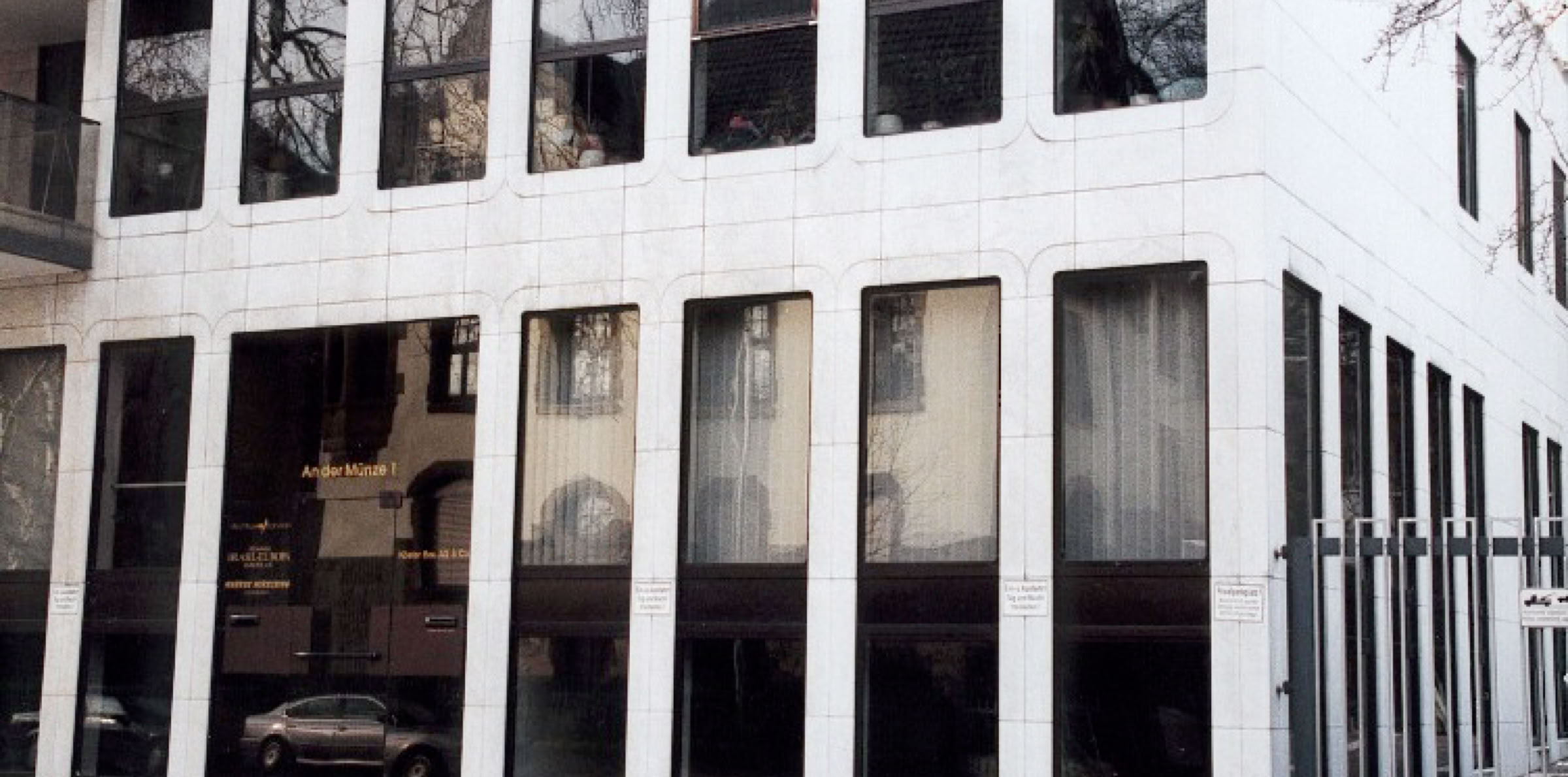
Cologne. Study Center of the Brazil-Europa Academy
1997-2006
Global Studies: Culture/Nature
Photo: A.A.Bispo©
1997
Studies of cultural processes in global contexts
using Euro-Brazilian relations as a frame of reference
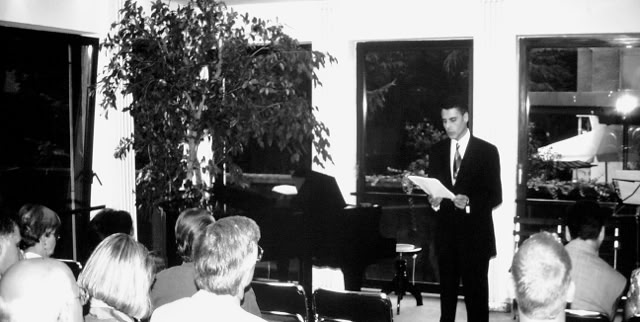
Brasil-Europa-Academy, Cologne 1997
Global Studies: Culture/Nature
Kühlungsborn. Germany 1997
Global Studies: Culture/Nature
Photo: A.A.Bispo©
Rügen. Germany 1997
Global Studies: Culture/Nature
Photo: A.A.Bispo©
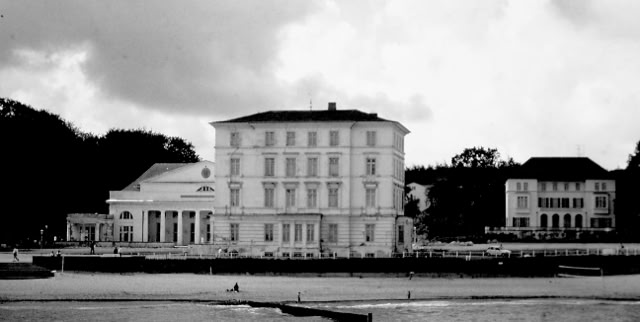
Heiligendamm.. Germany 1997
Global Studies: Culture/Nature
Photo: A.A.Bispo©
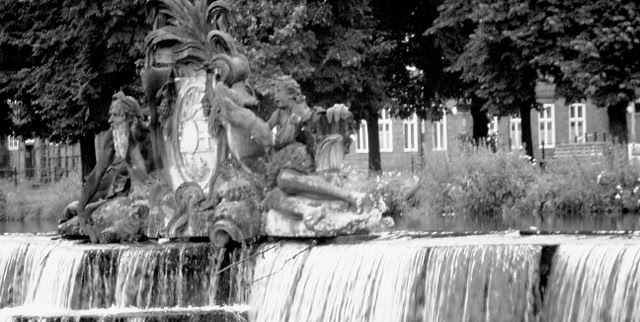
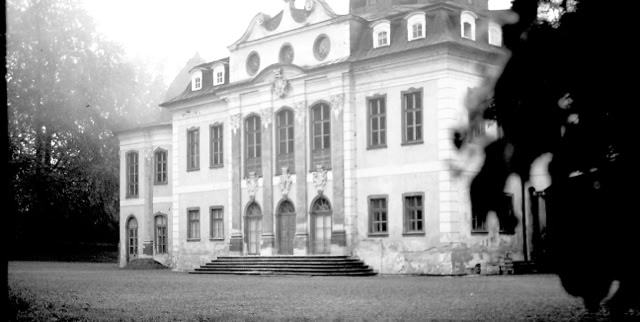
Ludwigslust. Germany 1997
Global Studies: Culture/Nature
Photo: A.A.Bispo©
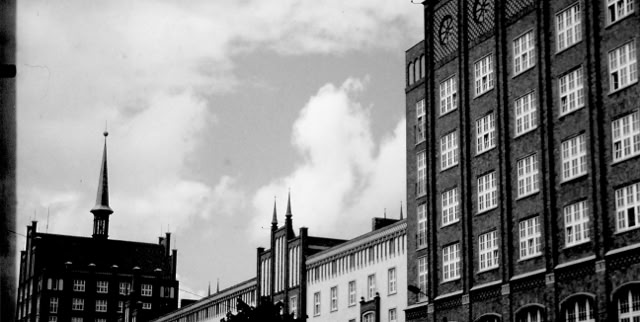
Rostock. Germany 1997
Global Studies: Culture/Nature
Photo: A.A.Bispo©
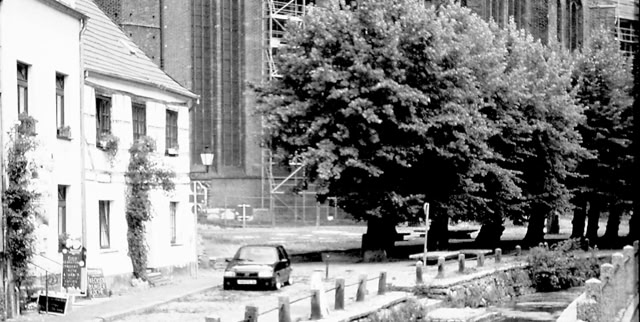
Wismar. Germany 1997
Global Studies: Culture/Nature
Photo: A.A.Bispo©
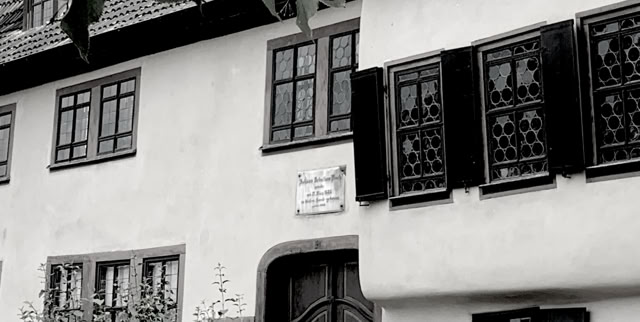
Eisenach. Bach-House. 1997
Global Studies: Culture/Nature
Photo: A.A.Bispo©
Weimar. Germany 1997
Global Studies: Culture/Nature
Photo: A.A.Bispo©
Weimar. Germany 1997
Global Studies: Culture/Nature
Photo: A.A.Bispo©
The year 1997 was marked by the inauguration of a study center of the Brazil-Europe Academy in Cologne. The opening session, under the auspices of the Brazilian Embassy in Germany, was dedicated to reflections on the importance and necessity of basic scientific studies for the proper conduct of analyses of cultural processes in global contexts. This theme corresponded to the orientation that is characteristic of the Brazil-Europe organization and that was developed within the scope of the New Diffusion movement and its Center for Research in Musicology in São Paulo in the 1960s.
The establishment of a study center for the Brazil-Europe organization in Cologne was intended to serve the scientific and cultural preparation for the commemorations of Brazil's 500th anniversary in 2000. The studies and colloquia were to lay the groundwork and establish priorities for debates at an international congress opening a three-year period of activities, seminars, and colloquia that would allow for assessments of developments, revisions, as well as projects and perspectives for cultural studies at the international level in the new millennium. Academic events began to be held at the study center in cooperation with institutes of the University of Cologne. Having fulfilled these objectives, the study center was re-established 10 years later at Villa Wollenweber in the Berg region (Bergisches Land).
Attention to fundamental questions, analyses of the foundations of worldview systems, and systemic mechanisms of ancient origin that, carried through the centuries, condition humankind and society, in accordance with the orientation of Euro-Brazilian studies, determined the studies and events of 1997 and the years that followed. One of its expressions was the holding of a series of lectures at the Institute of Musicology of the University of Cologne, which, under the title "Music in the Encounter of Cultures," was dedicated to the study of cultural processes in global contexts, starting from music throughout the ages, beginning with the Age of Discovery. Its conclusion, in 2000, was planned to consider the preceding developments in the Middle Ages and their origins in Antiquity.
This series of courses at the University of Ciolonia, conducted in collaboration with studies at the Brazil-Europe Academy center, was inaugurated at a conference in the Faculty of Philosophy dedicated to cultural processes between the West and the East since the Age of Discoveries, with special consideration of the use of music in missionary activities. This event was based on studies and observations in Macau and Hong Kong carried out within the framework of Euro-Brazilian studies in 1996. It highlighted Portugal's role in relations with the East, determined by the division of spheres of global influence by the Treaty of Tordesillas. The ceremony that followed laid the groundwork for an international symposium dedicated to this theme, to be held in Portugal in october,
In 1987, studies were conducted in several German cities. These activities aimed to address contextual aspects of Brazil-Germany relations, particularly regarding emigration from various German-speaking regions of Europe to Brazil. These studies were intended to contribute to the discussion of these relations at the congress to be held for Brazil's 500th anniversary and to prepare for the international congress of Euro-Brazilian studies to be held in Brazil at the close of the commemorative triennium in 2002.
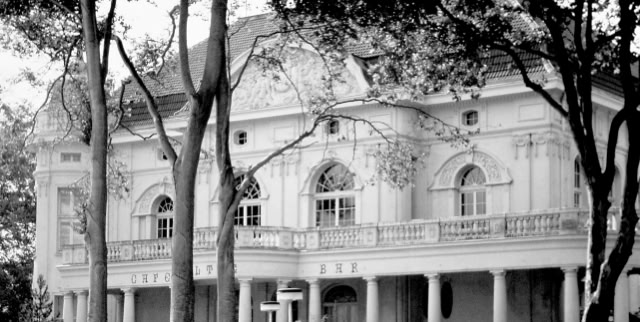
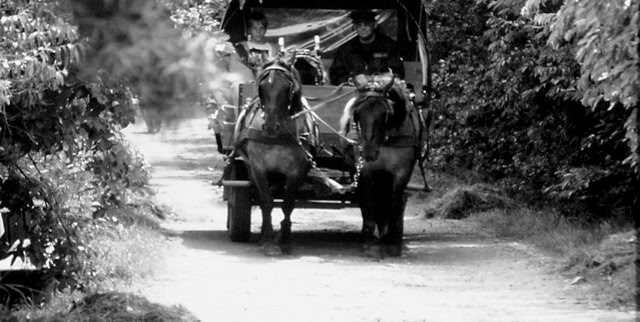
The first region visited was Meklenburg/Vorpommern, with the aim of adequately considering, in a contextualized way, the arrival of Pomeranians and people from other regions of eastern and northern Germany to Brazil in the 19th century. These relationships had, until then, been little considered in studies of German-speaking European immigration and colonization in Brazil. Cities and institutions in the Baltic Sea region were visited, including Rostock, Wismar, Kühlungsborn, Rerik, Heiligendamm, and Bad Domeram. Particular attention was given to the University of Greifswald. These studies served as preparations for establishing conditions for the stable and regular conduct of studies in the Baltic Sea from Kühlungsborn/Rerik in the years that followed.
Another particularly significant study project from 1997 concerned the cities of Eisenach and Weimar. These studies, also part of the Brazil-Germany program of the Brazil-Europe Academy, aimed to contextually consider cities marked by the figures of J.S. Bach and W. Goethe. This cycle revisited studies from the Bach-Brazil project initiated in Lüneburg in 1974, a pioneering and fundamentally important project for the Brazil-Europe organization, as well as studies previously conducted in 1985 in "Bach cities" of the then German Democratic Republic. The consideration of J.S. Bach and W. Goethe stemmed from documents and studies of their reception in Brazil, particularly in German-speaking circles in São Paulo.
This documentation had been presented at an exhibition held at the InterNationaes in Bonn in previous years, and has since served as a backdrop for exhibitions at the Brazil-Europe Academy's study center in Cologne. The visit to Eisenach also served to prepare for an international colloquium on the reception of Bach in Brazil in 2000, marking the 250th anniversary of his death. The events of the Bach-Brazil project from 1997 onwards, coinciding with the turn of the third millennium, were marked by the holding of a colloquium and exhibition of documents entitled "Johann Sebastian Bach and Heitor Villa-Lobos," in cooperation with the Institute of Musicology of the University of Cologne, under the auspices of the Brazilian Embassy and with the support of Deutsche Welle and the German-Brazilian Society. Within this context, a concert was held to launch the "Baroque Soul" project by saxophonist Maria Bragança.
The Need for Basic Research to Renew Brazilian Studies: "Necessidade da Pesquisa de Base para a Renovação da Brasilologia". Conferência de abertura do centro de estudos europeu da Academia Brasil-Europa sob o patrocínio da Embaixada do Brasil. Colonia: I.S.M.P.S., 1997
Brazilian Song and the Portrait of Brazil: Some Methodological Reflections: "A Canção Brasileira e o Retrato do Brasil. Algumas Reflexões Metodológicas". Conferência para o concerto de Silvia Donato na Akademie Brasil-Europa. Colonia: I.S.M.P.S., 1997
On the Foundations of Brazilian Musical Traditions of Portuguese Origin: ◦"Dos Fundamentos das Tradições Musicais Brasileiras de Origem Portuguesa". Cadernos Históricos VIII, Centro Gil Eanes. Lagos: Comissão dos Descobrimentos, 1997, 23-40
The cultivation of music in German-speaking population circles in South America: Die Musikpflege in den deutschsprachigen Bevölkerungskreisen in Südamerika im Verhältnis zum einheimischen Musikschaffen am Beispiel Brasiliens". Conferência na Akademie Brasil-Europa, Colonia, 1997. Brasil-Europa & Musicologia: Aulas, Conferências e Discursos.Colonia: I.S.M.P.S. 1999, 436-442
Principles of composition among young musicians at the Mozarteum around 1920: "Prinzipien des Schaffens junger Musiker des Mozarteums um 1920". Conferência na Universidade de Colonia, 7 Juli 1998. Brasil-Europa & Musicologia: Aulas, Conferências e Discursos. Colonia: I.S.M.P.S., 1999, 442-460
The historical role of music in the encounter between the West and China: "Die historische Rolle der Musik in der Begegnung von Abendland und China". Aula inaugural na Universidade de Colonia. Brasil-Europa & Musicologia: Aulas, Conferências e Discursos.Colonia: I.S.M.P.S., 1999, 357-367
Syncretism in Brazil and the Portuguese East. Conferência no Museu de Arte Sacra de Lagos, 4 de outubro de 1997. Brasil-Europa & Musicologia: Aulas, Conferências e Discursos. Colonia: I.S.M.P.S.,1999 , 354-356
Indigenous musical culture of the Americas and the East.. Conferência no Mosteiro de Tibães, Braga. Brasil-Europa & Musicologia: Aulas, Conferências e Discursos. Colonia: I.S.M.P.S., 1999, 356-357
West and East in the musical life of Macau. Some preliminary considerations:. Ocidente e Oriente na vida musical de Macau. Algumas considerações preliminares. Programa do Simpósio Internacional "Ocidente e Extremo Oriente: Cultura Musical e Espírito", 2 a 7 de outubro de 1997, Comissão Municipal dos Descobrimentos de Lagos, Lagos und Guimarães, 1997. Republicado em Cadernos Históricos IX, Centro Gil Eanes, Lagos, 1998, 29-38
The significance of Macau for Musicology. "O Significado de Macau para a Musicologia". Conferência inaugural do Simpósio Internacional "Ocidente e Extremo Oriente: Cultura Musical e Espírito", 2 a 7 de outubro de 1997, Comissão Municipal dos Descobrimentos de Lagos, Lagos und Guimarães, 1997. Cadernos Históricos IX, Centro Gil Eanes, Lagos, 1998, 39-50
The international symposium "West and East - Musical Culture and Spirit: "[O simpósio internacional "Ocidente e Oriente - Cultura Musical e Espírito" / "Internationales Symposium Okzident und Orient/Musikkultur und Geist". Musicae Sacrae Ministerium XXXIV (1999)
Therese von Bayern (1850-1925). Contributions to the history of scientific and cultural relations between Bavaria and Brazil: "Therese von Bayern (1850-1925). Subsídios para a história das relações científico-culturais entre a Baviera e o Brasil." Conferência proferida no âmbito da exposição "Pedro II e as Ciências" na Academia Brasil-Europa, Colonia, 1997. Internet