BRASIL-EUROPA
GLOBAL STUDIES
CULTURE/NATURE

BRASIL-EUROPA
GLOBAL STUDIES
CULTURE/NATURE
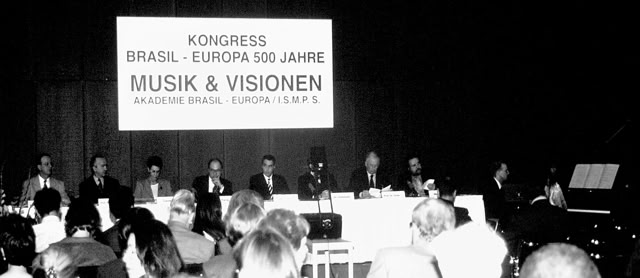
Congress Music and Visions 1999
Global Studies: Culture/Nature
Photo: A.A.Bispo©
1999
Studies of cultural processes in global contexts
using Euro-Brazilian relations as a frame of reference
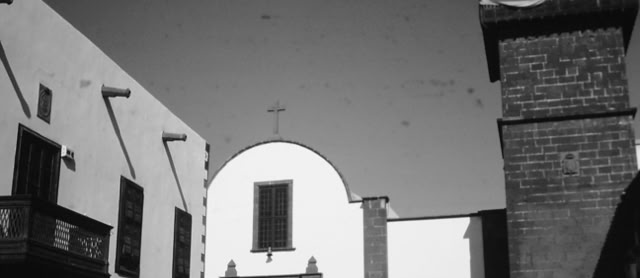
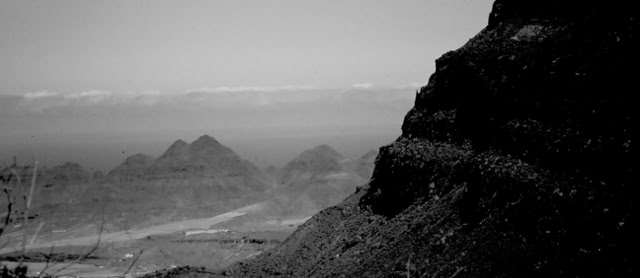
Canary Islands. 1999
Global Studies: Culture/Nature
Photo: A.A.Bispo©
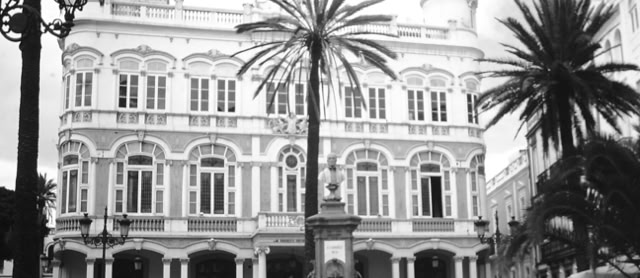
Las Palmas de Gran Canaria. Spain 1999
Global Studies: Culture/Nature
Photo: A.A.Bispo©
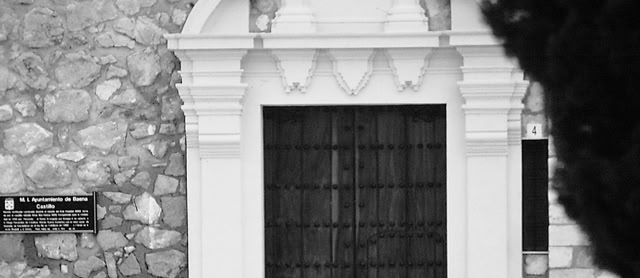
Baeta. Canary Islands. 1999
Global Studies: Culture/Nature
Photo: A.A.Bispo©
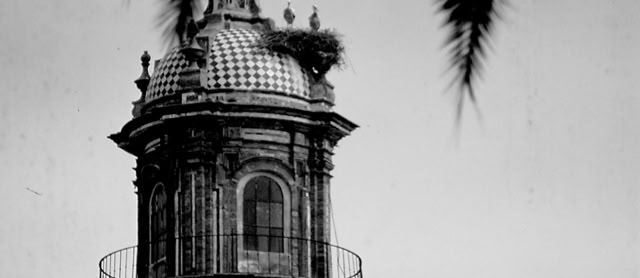
Carmona. Canary Islands. 1999
Global Studies: Culture/Nature
Photo: A.A.Bispo©
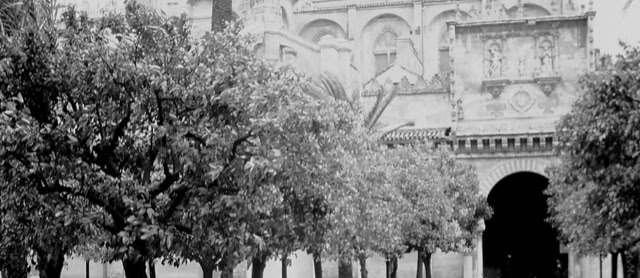
Cordoba. Spain 1999
Global Studies: Culture/Nature
Photo: A.A.Bispo©
Cordoba. Spain 1999
Global Studies: Culture/Nature
Photo: A.A.Bispo©
Gran Canaria 1999
Global Studies: Culture/Nature
Photo: A.A.Bispo©
Gran Canaria. 1999
Global Studies: Culture/Nature
Photo: A.A.Bispo©
Gran Canaria. 1999
Global Studies: Culture/Nature
Photo: A.A.Bispo©
Las Palmas de Gran Canaria. Canary Islands. 1999
Global Studies: Culture/Nature
Photo: A.A.Bispo©
Canary Islands. 1999.
Global Studies: Culture/Nature
Photo: A.A.Bispo©
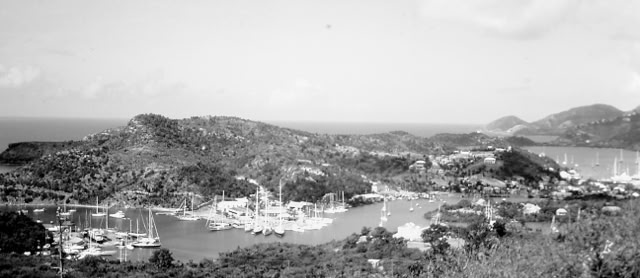
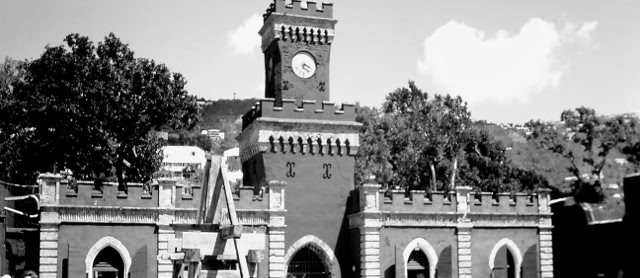
Antigua. 1999
Global Studies: Culture/Nature
Photo: A.A.Bispo©
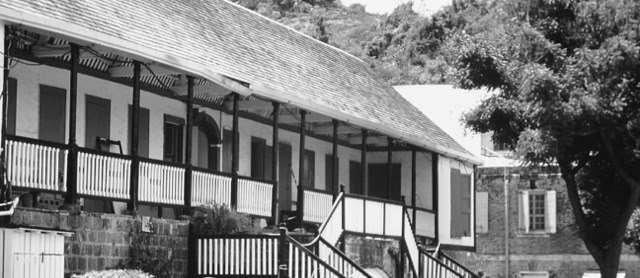
Antigua. 1999
Global Studies: Culture/Nature
Photo: A.A.Bispo©
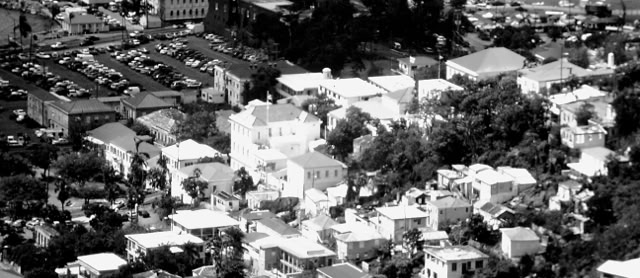
St. Thomas 1999
Global Studies: Culture/Nature
Photo: A.A.Bispo©
St. Thomas. 1999
Global Studies: Culture/Nature
Photo: A.A.Bispo©
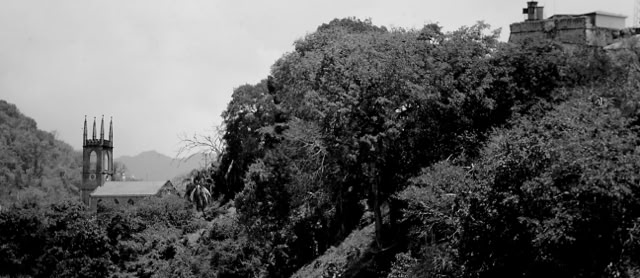
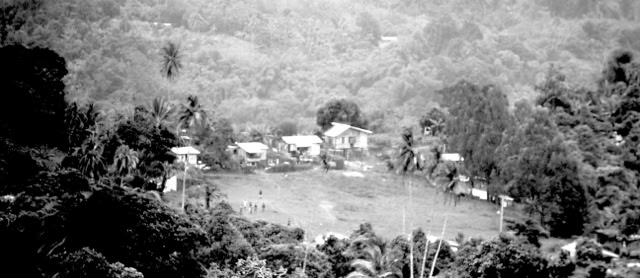
Grenada. 1999
Global Studies: Culture/Nature
Photo: A.A.Bispo©
Grenada. 1999
Global Studies: Culture/Nature
Photo: A.A.Bispo©
Grenada. 1999
Global Studies: Culture/Nature
Photo: A.A.Bispo©
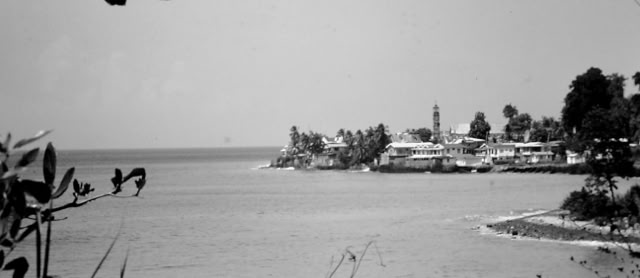
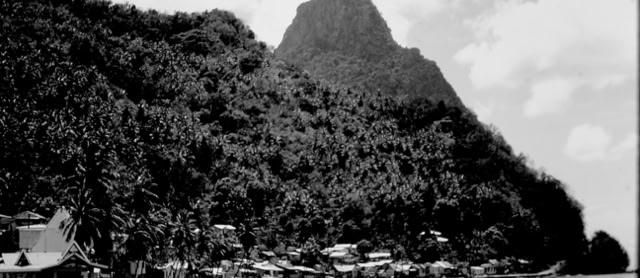
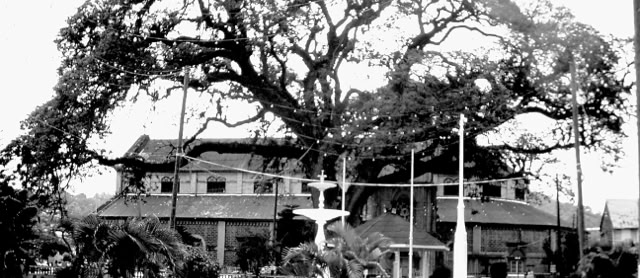
St. Lucia. 1999
Global Studies: Culture/Nature
Photo: A.A.Bispo©
St. Lucia. 1999
Global Studies: Culture/Nature
Photo: A.A.Bispo©
Congress Music and Visions. 1999
Global Studies: Culture/Nature
The year 1999 was marked by preparations and the holding of an international congress to open a three-year period of cultural studies for the 500th anniversary of the Discovery of Brazil, to be celebrated in 2000. The plan to consider this date, coinciding with the beginning of the third millennium, appropriately was not recent. For years, the importance of this turning-of-the-century milestone in the study of cultural processes in global contexts from a Euro-Brazilian perspective had been recognized. In 1992, the year of the 500th anniversary of the Discovery of America, an international congress dedicated to the study of the cultural foundations of processes triggered in 1492 in the New World was held in Rio de Janeiro. The congress for the 500th anniversary of Brazil was also to be focused on basic research issues, considering, however, above all, visions and images that guide processes.
To prepare for the congress in its multiple thematic aspects, a study center of the Brazil-Europe Academy was established in Cologne in 1997. Colloquia, exhibitions, conferences, and concerts were held there in the years preceding the triennium commemorating Brazil's 500th anniversary, culminating in 2002 with sessions in the states of Rio Grande do Sul, São Paulo, and Rio de Janeiro. The events that marked the work preceding the Congress were conducted under the auspices of the Brazilian Embassy in Germany in cooperation with Brazilian institutions, universities, and study centers.
The congress, dedicated to the theme "Music and Visions," was held under the sponsorship of the Brazilian Embassy and with a message from the Brazilian Minister of Culture. The event was supported by the Portuguese Embassy, with the collaboration of the Portuguese National Discoveries Commission, the Discoveries Commission, and the Gil Eanes Center for Studies in Lagos. The congress was held in cooperation with the broadcaster Deutsche Welle, with the support of the city of Cologne, the University of Cologne, the Archdiocese of Cologne, cultural centers and societies, including the German-Brazilian Society.
The congress was prepared and organized in close collaboration with Portuguese researchers within the framework of meetings and gatherings in Portugal in previous years. In 1999, contacts with historians and cultural researchers, as well as with university institutions and study centers, were expanded to encompass the entire Iberian sphere. This approach, directing attention to Ibero-American studies in their entirety, could draw on a long tradition.
The first major cycle of studies promoted by the Brazil-Europe organization was carried out in the Canary Islands and Andalusia. It recpitule Ibero-Brazilian studies initiated in the 1970s in São Paulo, which led to the inclusion of Spanish cities in the first Luso-Brazilian cycle of cultural studies and musicology held in Portugal by the Faculty of Music and Artistic Education of the Musical Institute of São Paulo in 1974. This initiative marked the internationalization of studies that determined the development of studies in global contexts referenced by Brazil in the years that followed.
The consideration of Luso-Brazilian studies in relation to Hispanic-American studies led to the undertaking of studies in Spanish-speaking Europe, both on the continent and in the islands, as well as in the Caribbean islands. The first cycle of studies took place in the Canary Islands, recalling the origin and cultural formation of Pe. José de Anchieta S.J., a religious figure who, after moving to Coimbra, became involved in the cultural processes of Portugal upon his arrival in Brazil.
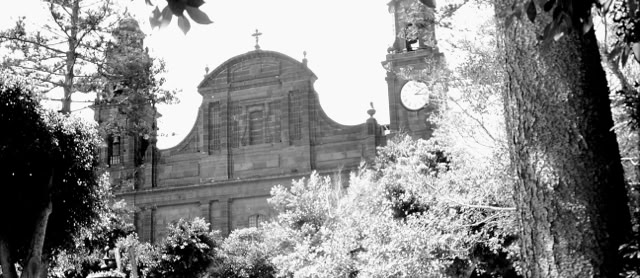
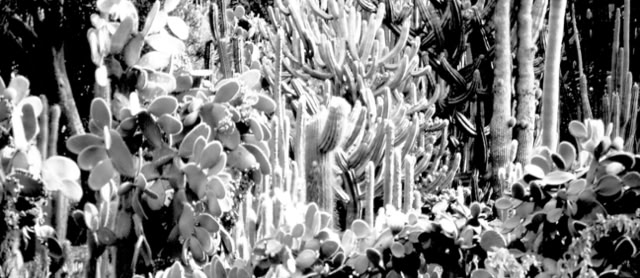
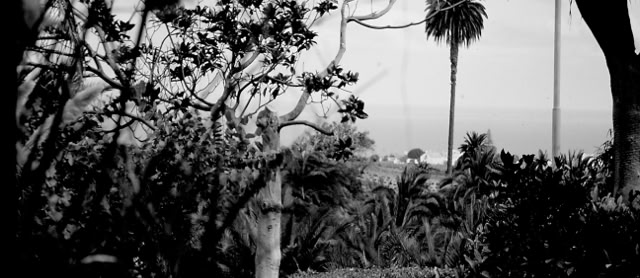
Several cities and institutions in the Canary Islands were visited in order to consider their context. These studies corresponded to the Mediterranean/Atlantic program of the Brazil-Europe organization, focusing primarily on the relationships between cultural processes and the surrounding world, as outlined in the Culture/Nature program of studies referenced by Brazil. In this sense, attention was directed to the nature of the Canary Islands, the relationships between topography, vegetation, urban planning and social and cultural life, urban landscapes, parks and gardens, as well as the relationships between cultural life and religious calendar traditions with the seasons and related worldviews.
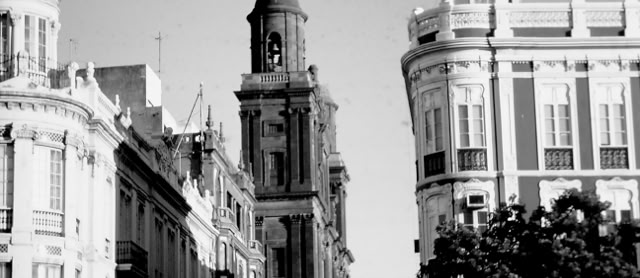
In Continental Spain, the studies were conducted in Andalusia, revisiting visits to cities and institutions already contacted in the 1970s in order to update knowledge and strengthen ties. The main focus of attention was the city of Cordoba. The Moorisch past and the tensions between Christianity and Islam, the subject of studies in the East/West program of the Brazil-Europe organization, could not be ignored in studies and reflections on Iberian cultural processes in a year commemorating the Discoveries. These tensions between two religious-cultural spheres, still remembered in popular traditions of the religious calendar, had to be revisited.
In the Caribbean, Ibero-American studies expanded to include consideration of the interactions of cultural processes stemming from other colonial constellations. Attention was directed to the relationships between Iberian contexts and those of Anglo-Saxon and French origin. These studies revisited a theme discussed at the 1983 Multilateral Forum, when the need for studies of inter-Americanism in its relations with transatlanticism in its multiple aspects was debated. This debate was updated and reflected upon in different island contexts, including Antigua, Granada, Guadeloupe, Saint Lucia, and St. Thomas.
The organization of the Congress was preceded by meetings and colloquia at government representations in Brazil, Portugal, and other Portuguese-speaking countries, at the Deutsche Welle television network, in ecclesiastical institutions, foundations, conferences, and events at the Brazil-Europe Academy's study center in Cologne. Preparations were conducted in close cooperation with professors and students from the University of Cologne, and its objectives were addressed in seminars held with the support of the Brazil-Europe organization and the Institute for the Study of Musical Culture in the Portuguese-Speaking World. Its theoretical foundation was addressed in a semester of the "Music in the Encounter of Cultures" cycle, dedicated to a History of Music in cultural processes within global contexts, initiated in 1997 and which also continued the "Music in the Life of Man" project of the International Music Council/UNESCO.
The Congress sessions took place in the auditorium of Deutsche Welle, at the study center of the Brazil-Europe Academy, and at the University of Cologne. The sessions of the IV International Symposium on Sacred Music and Brazilian Culture, focused on the theme from a religious perspective, were held at the Benedictine Abbey of Maria Laach. The congress and the symposium concluded with an organ concert of Brazilian music in Cologne Cathedral, the first of its kind.
The speeches, lectures, and debates of the events were the subject of studies in colloquia held at the Brazil-Europe Academy center. These meetings aimed to prepare the publication of the congress proceedings. The work continued in 2001 and was published in issues of the Revista Brasil-Europa.
***
Topics considered in sequence at the congress in year 1999
- Literature about Brazilian Music in English and Spanish: A Survey of Visions
- Literature about Brazilian Music in German: A Survey of Visions
Greetings
- Minister of Culture of Brazil
- Brazilian Embassy in Germany
Introduction
Meaning, aim, and purpose of the congress
Opening of the exhibition Portugal-1500-Brazil
National Commission for the Commemoration of Portuguese Discoveries
Interdisciplinary Contributions
- Portuguese Language: Evolution in Two Latitudes
- Orality in Medieval Europe and the Brazilian Hinterland
- Troubadour and Religious Music in Mato Grosso
- The Sound of the Word: Tupi, Greek, and Other Ancient Languages
- Notes from the perspective of Hispanic American studies
- Some Short Comments Reflecting Upon the Transcendental Idea and American Music of the 20th Century