BRASIL-EUROPA
GLOBAL STUDIES
CULTURE/NATURE

BRASIL-EUROPA
GLOBAL STUDIES
CULTURE/NATURE
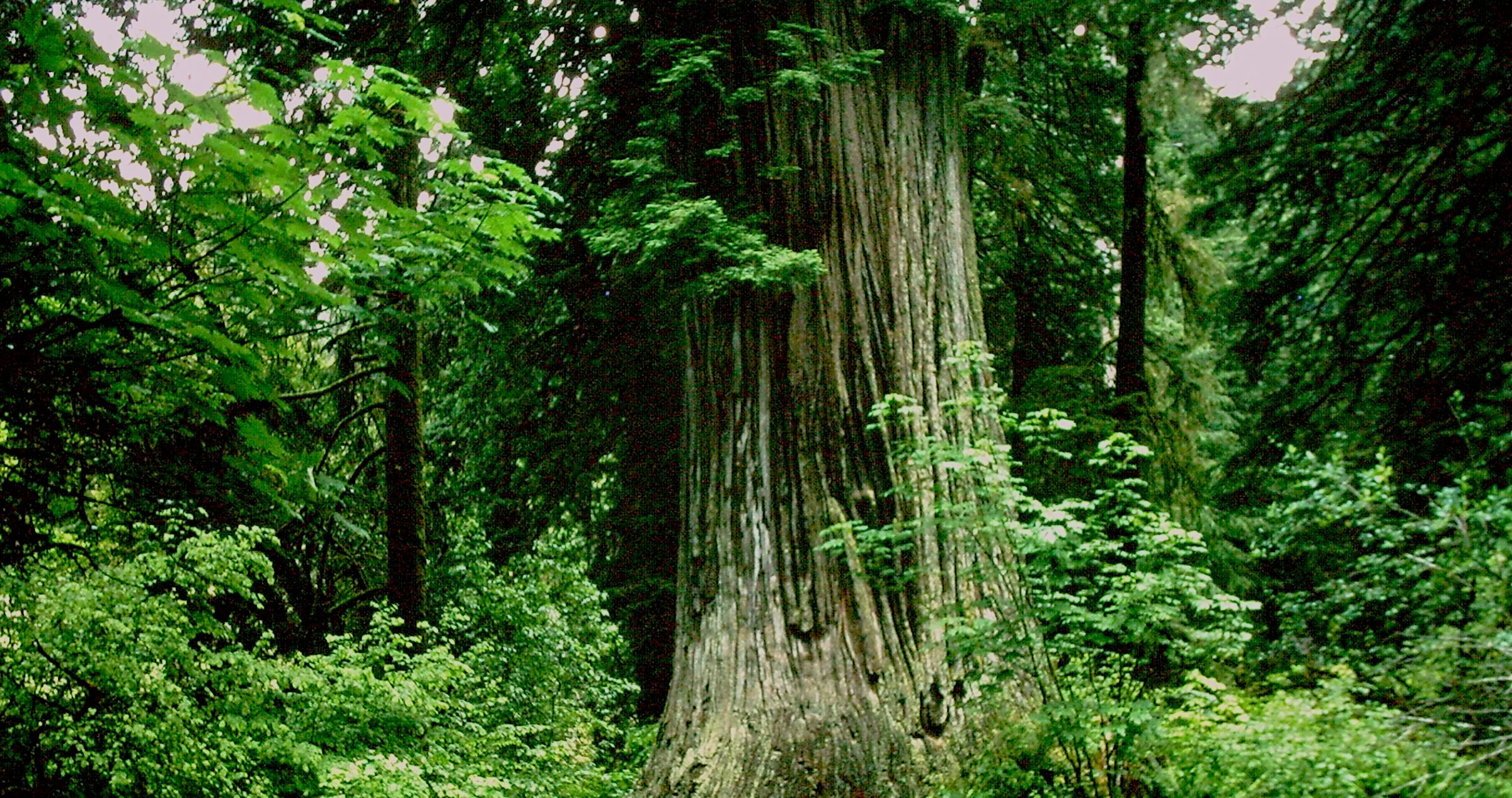
Mount Rainiers National Park. California 2000
Global Studies: Culture/Nature
Photo: A.A.Bispo©
2000
Studies of cultural processes in global contexts
using Euro-Brazilian relations as a frame of reference
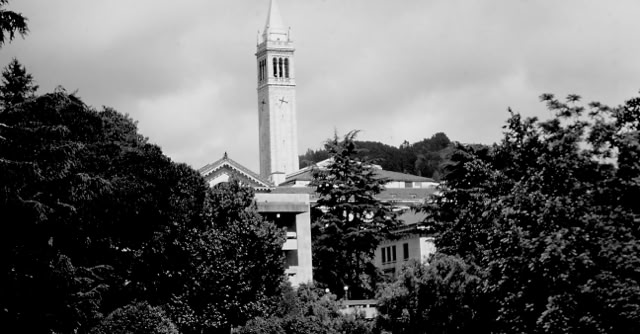
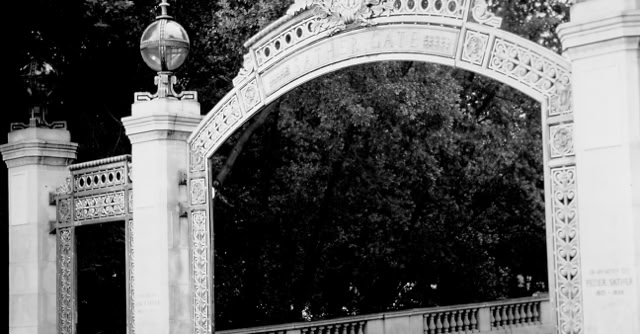
University of California, Berkeley. 2000
Global Studies: Culture/Nature
Photo: A.A.Bispo©
University of California, Berkeley. 2000
Global Studies: Culture/Nature
Photo: A.A.Bispo©
Eureka. California 2000
Global Studies: Culture/Nature
Photo: A.A.Bispo©
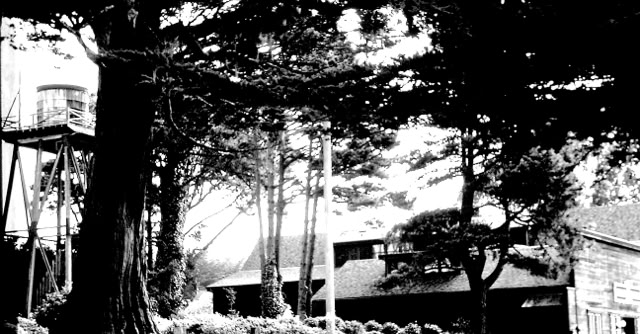
Mendocino. California 2000
Global Studies: Culture/Nature.
Photo: A.A.Bispo©
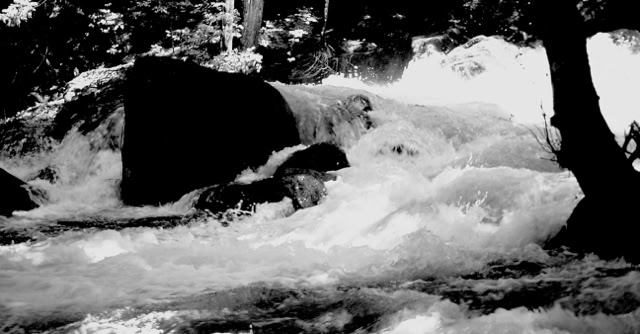
North Cascades National Park. USA. 2000
Global Studies: Culture/Nature.
Photo: A.A.Bispo©
North Cascades National Park. USA. 2000
Global Studies: Culture/Nature
Photo: A.A.Bispo©
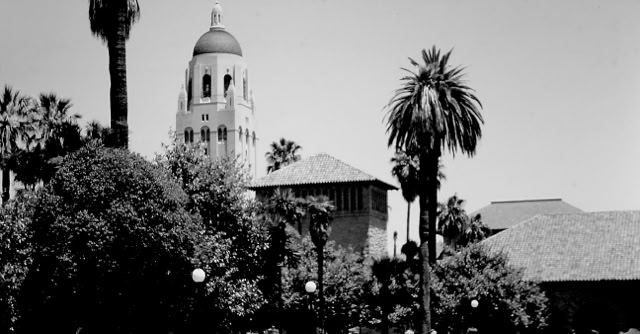
Stanford Universsity. USA. 2000
Global Studies: Culture/Nature
Photo: A.A.Bispo©
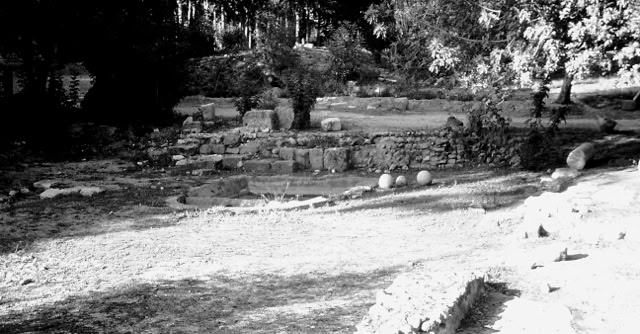
Olympia. California. 2000
Global Studies: Culture/Nature
Photo: A.A.Bispo©
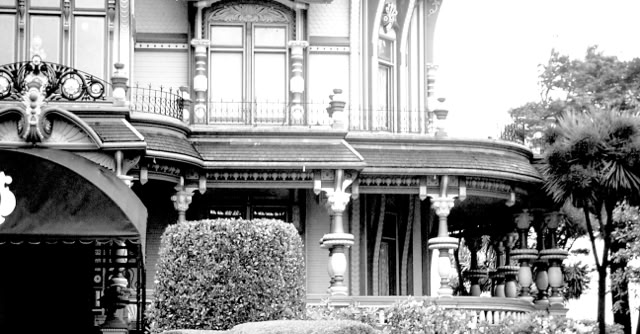
San Francisco. California. 2000
Global Studies: Culture/Nature
Photo: A.A.Bispo©
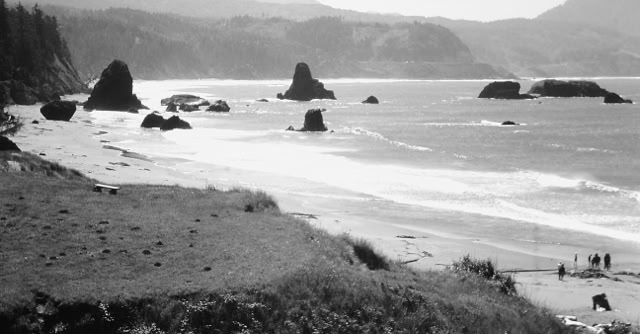
Oregon. USA. 2000
Global Studies: Culture/Nature
Photo: A.A.Bispo©
Portland, USA, 2000
Global Studies: Culture/Nature
Photo: A.A.Bispo©
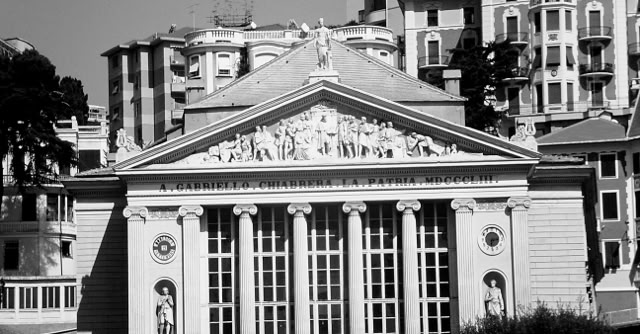
Savona. Italy 2000
Global Studies: Culture/Nature
Photo: A.A.Bispo©
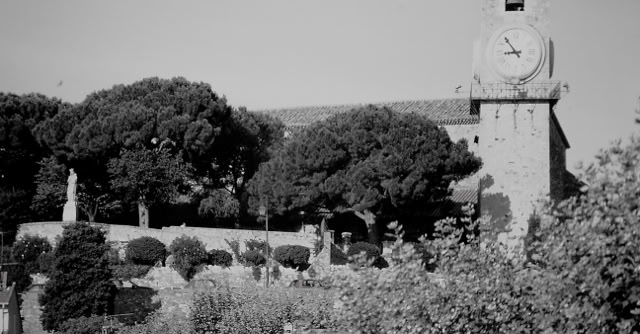
Cannes. France 2000
Global Studies: Culture/Nature
Photo: A.A.Bispo©
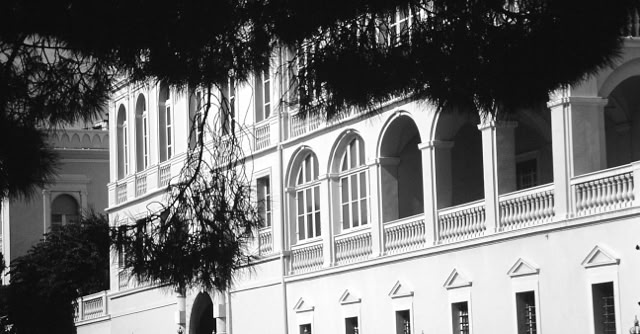
Monaco. 2000
Global Studies: Culture/Nature
Photo: A.A.Bispo©
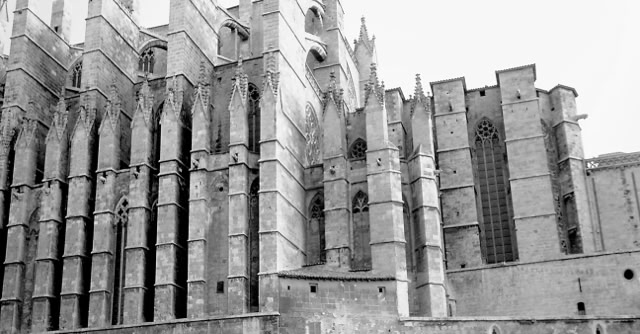
Mallorca. 2000
Global Studies: Culture/Nature
Photo: A.A.Bispo©
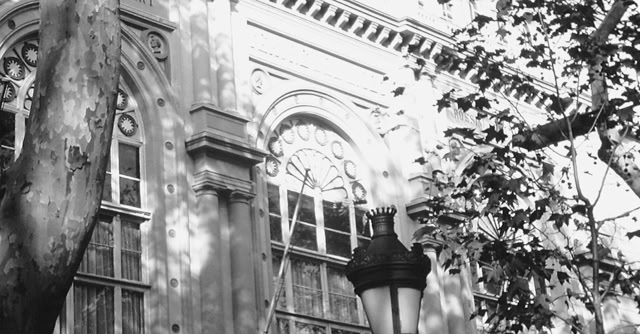
Barcelona 2000
Global Studies: Culture/Nature
Photo: A.A.Bispo©
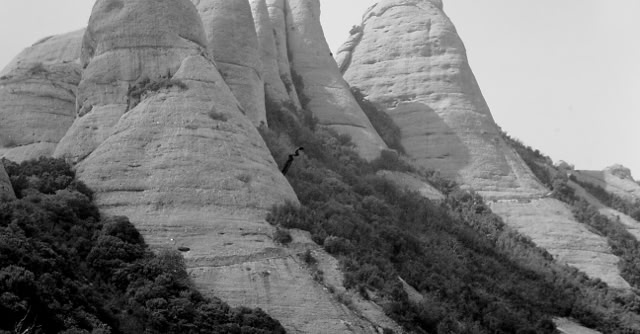
Montserrat, Spain 2000
Global Studies: Culture/Nature
Photo: A.A.Bispo©
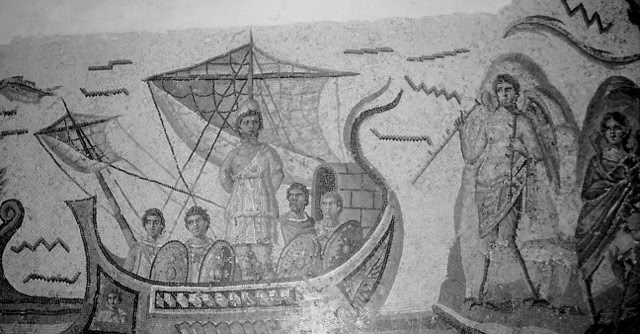
Tunisia 2000
Global Studies: Culture/Nature
Photo: A.A.Bispo©
Cartago. Tunisia 2000
Global Studies: Culture/Nature
Photo: A.A.Bispo©
Palermo. Sicilia. Italy 2000
Global Studies: Culture/Nature
Photo: A.A.Bispo©
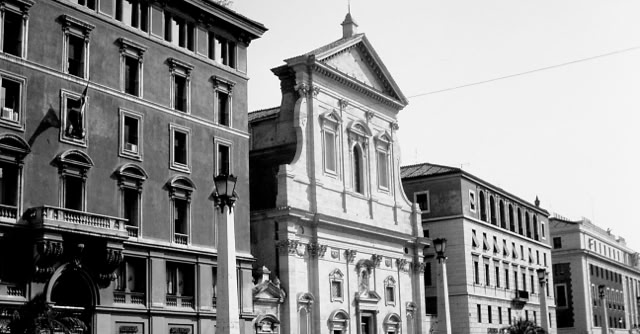
Roma 2000
Global Studies: Culture/Nature
Photo: A.A.Bispo©
University of California, Berkeley. 2000
Global Studies: Culture/Nature
Photo: A.A.Bispo©
Crescent City. California 2000
Global Studies: Culture/Nature
Photo: A.A.Bispo©
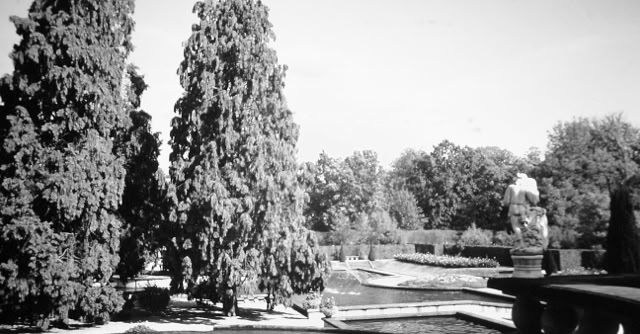
Arcen. Netherlands. 2000
Global Studies: Culture/Nature
Photo: A.A.Bispo©
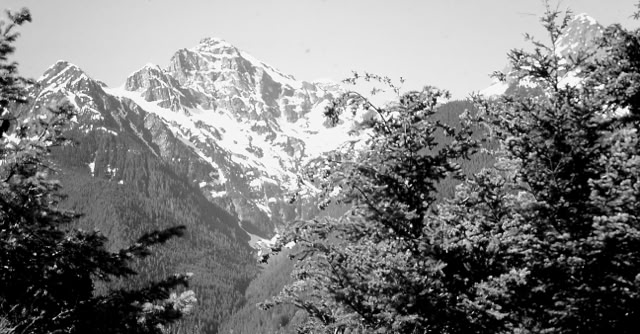
North Cascades National Park. California. 2000
Global Studies: Culture/Nature
Photo: A.A.Bispo©
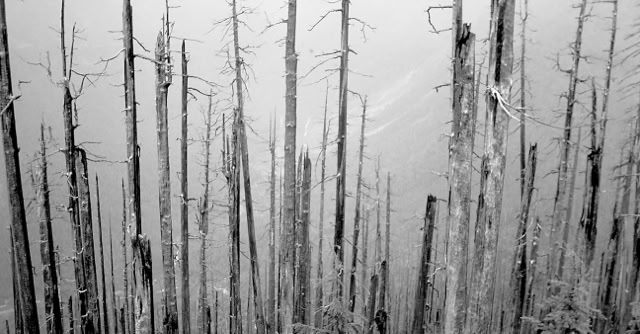
Mount St. Helens. USA 2000
Global Studies: Culture/Nature
Photo: A.A.Bispo©
In the year 2000, cultural studies in global contexts, within the tradition of Euro-Brazilian studies, unfolded under the sign of the beginning of the third millennium. Reflections, meditations, and studies followed the International Congress "Music and Visions," organized by the Brazil-Europe organization and the Deutsche Welle in Cologne, under the auspices of the Brazilian Embassy in Germany, with the participation of researchers and the support of university institutions from Brazil, Portugal, and other European countries. The 1999 congress, on the eve of the 500th anniversary of the Discovery of Brazil, marked the beginning of a three-year period of international activities, courses, and seminars, culminating in the International Congress of Euro-Brazilian Studies held in the states of Rio Grande do Sul, São Paulo, and Rio de Janeiro in 2002, concluding with a session at the Museum of Diplomatic History of Itamaraty in Rio de Janeiro.
The year 2000 was marked by the celebration of Porto – along with Rotterdam – as the European Capital of Culture. This celebration of Porto led to a special focus on Portugal in cultural studies within global contexts, specifically within Euro-Brazilian studies. For the first time, a higher education seminar was held at the University of Cologne on musicological research within its contexts and currents of thought, with a comprehensive survey and examination of the literature on cultural traditions, music, and research in its various aspects. This seminar, held in cooperation with the Institute for the Study of Musical Culture of the Portuguese-Speaking World and the Brazil-Europe Academy, was one of the preparatory events for an International Colloquium dedicated to the theme "European Dimensions of Portuguese Music" in 2002.
The opening of cultural studies to the perspective of their global dimensions in the new century has primarily focused on the Culture/Nature relationship, one of the most significant and relevant programs of the Brazil-Europe organization in the face of the serious environmental problems of the present. The first cycle of studies, promoted in 2000, aimed to discuss projects and perspectives in internationally renowned centers of Latin American studies and to visit parks and nature reserves of significance to humanity's natural heritage. These endeavors led to meetings and dialogues with researchers at university institutions in California and visits to regions and parks of particular ecological significance in the Eastern United States.
The primary focus of the studies on the theme of Culture/Nature motivated the visit to the Inyo National Forest in the White Mountains of California, an act that acquired symbolic meaning because the Methuselah, a Pinus longaeva tree approximately 5000 years old, is located there.
The cycle of studies conducted in California at the beginning of the 3rd Millennium was marked by dialogues with researchers and visits to institutions of great prestige and significance for cultural studies, particularly those related to the American continent. In this sense, a meeting was held in the Department of Latin American Studies at the University of California, Berkeley, where an assessment of developments and trends in thought was carried out, considering perspectives for the future of academic relations at the international level.
At Stanford University, the literature on Brazil held in its library was considered, with discussions highlighting the significance of rare works held there, which, after being copied, were subsequently discussed in seminars and lectures in Europe. These activities in California were made possible by North American researchers closely associated with Euro-Brazilian studies, notably Robert Stevenson, a professor at the University of California, Santa Barbara. Institutions in Portland and Seattle were also visited.
The undertaking that marked the activities of the second half of 2000 was a cycle of studies in the Mediterranean, corresponding to the Mediterranean/Atlantic program of the Brazil-Europe organization. Here too, attention was primarily directed to the Culture/Nature relationship. The studies were inaugurated in Cannes in the south of France and in Monaco, opening the considerations of France/Brazil relations in Global Studies of the year 2000. They continued in Catalonia, in Barcelona, and with a visit to the Mont Serrat monastery, considering the significance of the Benedictine tradition in Brazil and the close links with Euro-Brazilian studies that would be celebrated at the São Bento Monastery in Rio de Janeiro at the closing of the International Congress of Euro-Brazilian Studies in 2002.
Studies of the Mediterranean at the turn of the century could not be limited to continental Europe without considering islands such as Mallorca and, above all, North Africa. In Morocco, the significance of medieval Ibero-Maghrebi studies was recalled, particularly those concerning Ceuta and the Portuguese presence in North Africa, fundamental to the studies conducted within the East/West program of the Brazil-Europe organization. In this cycle of North African studies, attention was directed to cultural archaeology as an unavoidable task for analyzing centuries-old processes that also extended to Brazil. These reflections were conducted primarily in Tunis and at the ruins of Carthage.
Among the insular contexts of the Mediterranean, the Balearic Islands and, in Sicily, institutions in Palermo were considered. The activities within the Mediterranean/Atlantic and East/West programs of 2000 concluded in Rome. There, meetings were held with professors and scholars related to the Brazil-Europe organization. The aim was to take stock of the activities of the last decades and to chart paths and establish priorities for the future that was then beginning.
The results of these study cycles were considered and evaluated during a visit to Arcen, Netherlands.
In parallel, the internal work of the Brazil-Europe Academy and the Institute for the Study of Musical Culture of the Portuguese-Speaking World focused on the preparation and publication of the proceedings of the International Congress Music and Visions and the IV International Symposium on Sacred Music and Brazilian Culture of 1999. The texts of this work were published in various issues of the Brazil-Europe Journal in 2000.
***
Musikethnological Contributions
- Meaning of the theme from an ethnomusicological point of view
- Iny from the depths of the waters
- The Indians and us: Reciprocal portraits
- Music and visions from the perspective of ethno-medicine
- The image of the Karajá Indians' principle as a foundation for new reflections
- Problematic representation of indigenous music and its contextually appropriate interpretation
- Polyphony in the music of some Brazilian indigenous groups
- Traditional patterns of Karajá Indian designs
- Digital moving image projection: z-(e-rén-ka) ("ich singe", makushi)
Historical-Musical Contributions
- On the Meaning of the Theme from a Musical-Historical Perspective
- Vokalpolyphony in Portugal from its Beginnings to the Golden Age and its Expression in Brazil
- The Portuguese Benedictines and the Vow of "Crossing the Sea": Music in Brazilian Monasteries
- Music in Portuguese Historical Documentation Regarding Brazil: Some Elements
- Professional Perspectives of Portuguese Musicians During the Age of Discoveries
- Some Reflections of Portuguese Liturgical Music in Colonial Brazil
- Aspects of Brazilian-European Music Relationships in the 18th Century
- Images of Sacred Music in Portugal in the First Half of the 18th Century
- Considerations on the Relations between Brazil and Coimbra
Contributions from the perspective of life and musical practice
- On the Meaning of the Themes from the Perspective of Musical Life
- Visions of a Musician-Ethnographic Project in Brazil
- Historical Performance Practice - Ensemble Turicum
- National Conference of Bishops of Brazil
Music and Visions in the Religious Traditions of Brazil
- Words on behalf of the Embassy of Brazil
- Sacred Music in Brazil: An Overview of the Situation
- Archdiocese of Cologne: World Church - World Mission
- To the Institute for Hymnological and Musical-Ethnological Studies
- Laudatio: Prof. Dr. Johannes Overath and Brazil
- Meditation: Drawings and Images, Numbers and Books
- Three Decades of Gregorian Chant in Brazil
- A Vision Based on Coexistence with the Indigenous Peoples: Krahô - People of Peace
- Three Decades of Sacred Music and Cultural Studies
From the Symposium J. S. Bach and H. Villa-Lobos -
Interpretations and Perspectives of the Baroque
- Commemorations of the 500th Anniversary of Brazil and the "Bach Year 2000"
- Leichlinger Musikforum - Villa-Lobos, Cândido Muricy and the discovery of Bach in Brazil
- A moment from the time of the discovery of Bach: On the aesthetics of the guitar
- Villa-Lobos, the guitar and the Baroque
- Brazilian Bachianas: Interpretations of Heitor Villa-Lobos
- Heitor Villa-Lobos: Attempts at a musical-anthropological interpretation
- Medicine, Philosophy and the Bach Idea: Albert Schweitzer and Brazil
- Brief Chronicle of the Brazil 2000 Colloquium
- Heitor Villa-Lobos and the study of Brazil-Germany cultural relations
On the opening of Euro-Brazilian work in the 21st century
- Reflections on the Baroque as a requirement for science and practice
- The Bach Year 2000 and Bach Research
Release/CD-Presentation