BRASIL-EUROPA
GLOBAL STUDIES
CULTURE/NATURE

BRASIL-EUROPA
GLOBAL STUDIES
CULTURE/NATURE
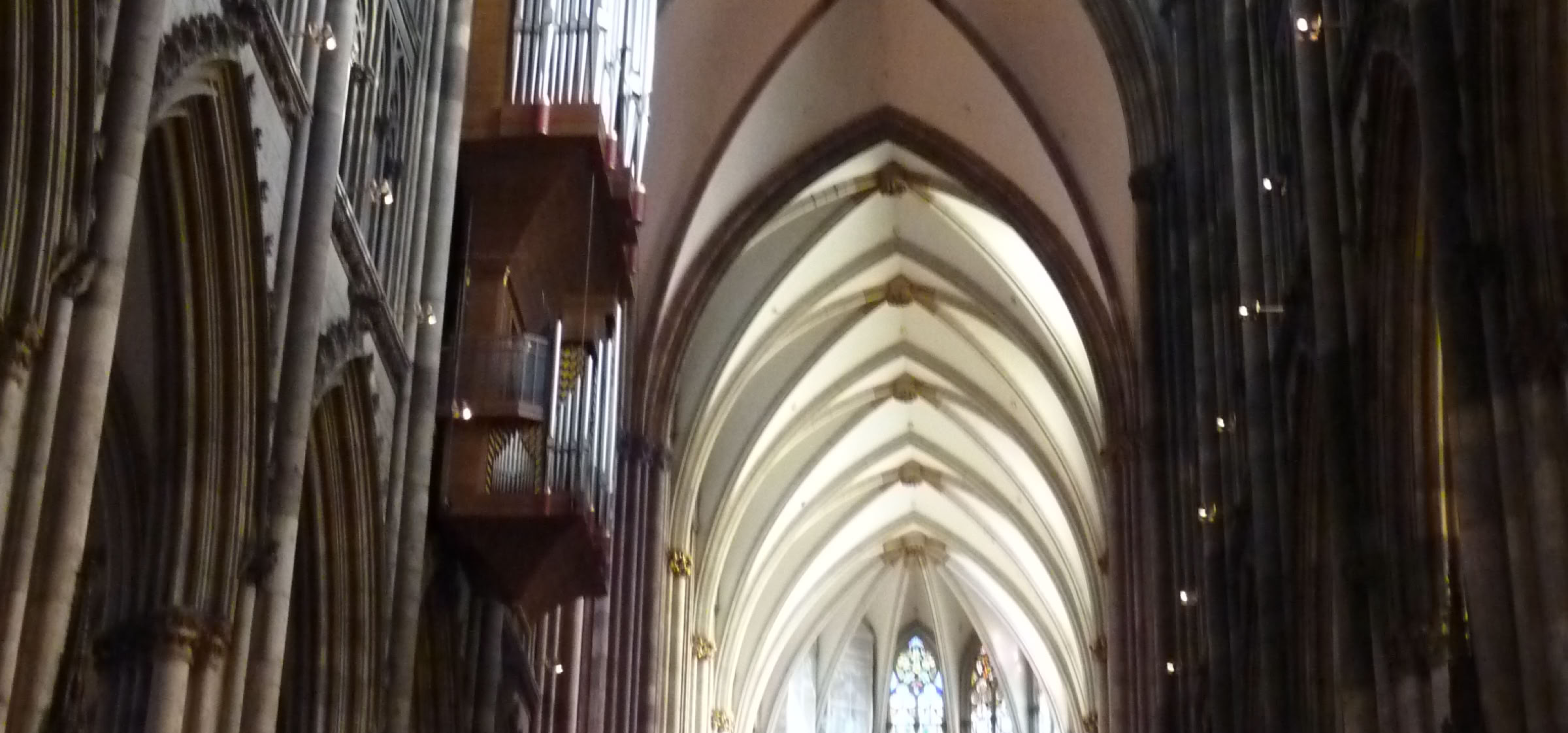
Cologne. 2001
Global Studies. Culture/Nature
Photo: A.A.Bispo©
2001
Studies of cultural processes in global contexts
using Euro-Brazilian relations as a frame of reference
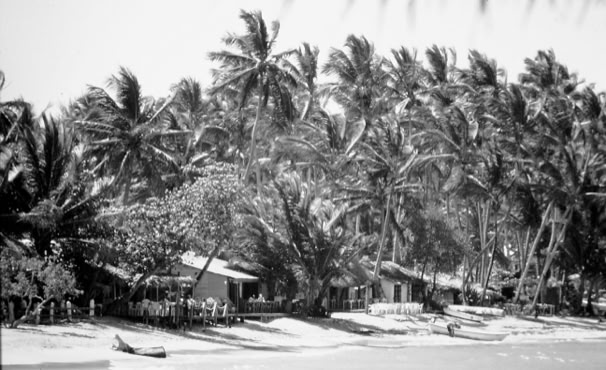
Dominican Republic 2001
Global Studies: Culture/Nature
Photo: A.A.Bispo©
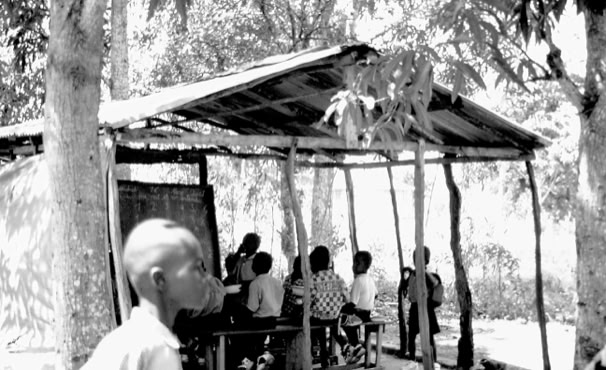
Haiti. 2001
Global Studies: Culture/Nature
Photo: A.A.Bispo©
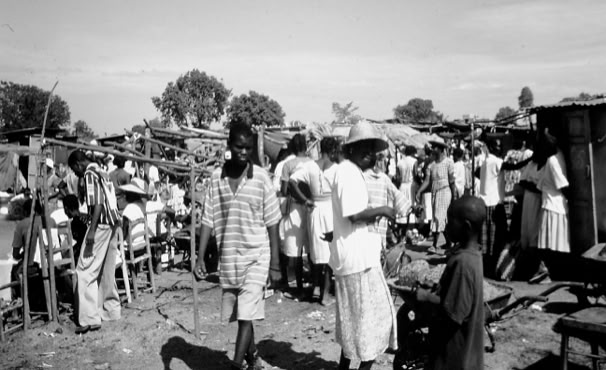
Haiti. 2001
Global Studies: Culture/Nature
Photo: A.A.Bispo©
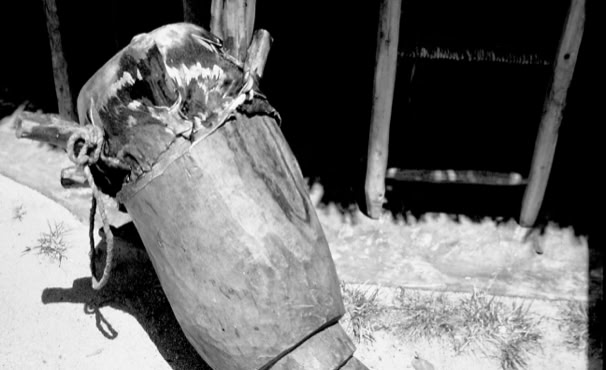
Haiti. 2001
Global Studies: Culture/Nature
Photo: A.A.Bispo©
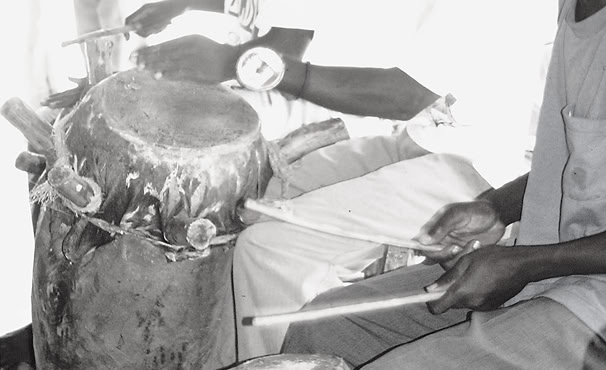
Haiti. 2001
Global Studies: Culture/Nature
Photo: A.A.Bispo©
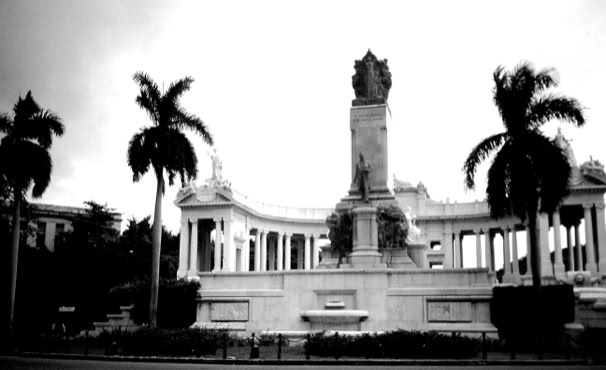
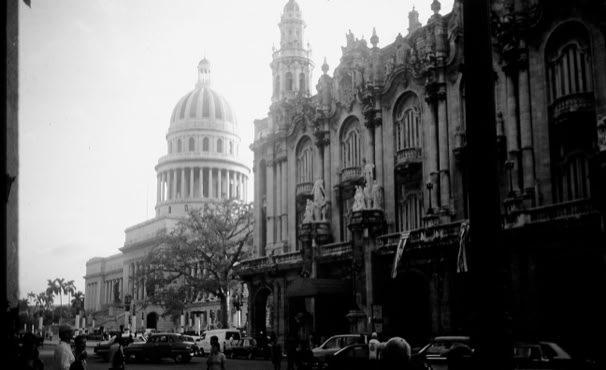
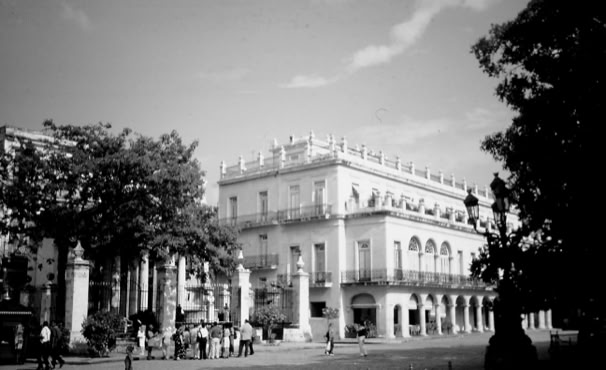
Havana. Cuba. 2001
Global Studies: Culture/Nature
Photo: A.A.Bispo©
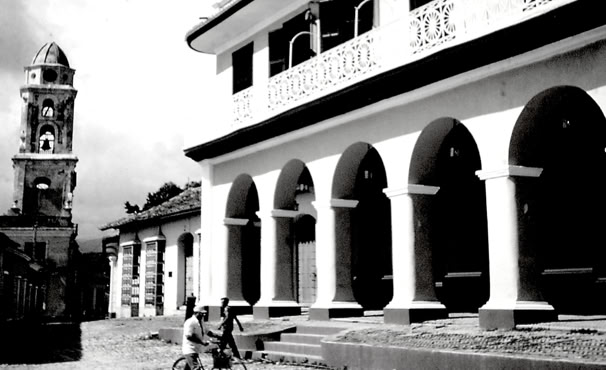
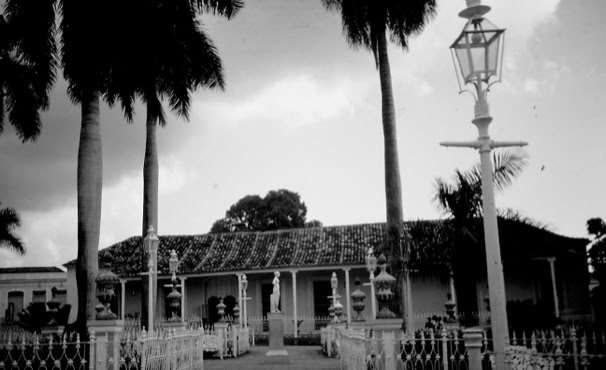
Trinidad. Cuba. 2001
Global Studies: Culture/Nature
Photo: A.A.Bispo©
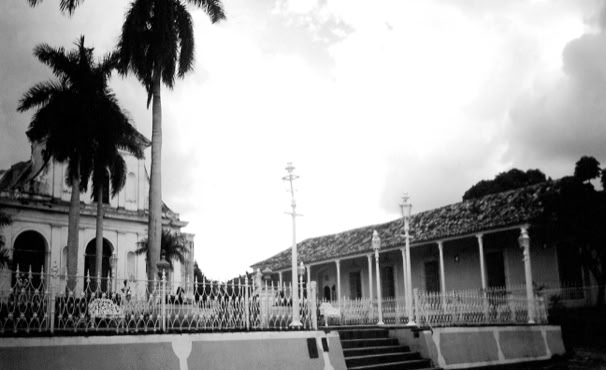
Trinidad. Cuba. 2001
Global Studies: Culture/Nature
Photo: A.A.Bispo©
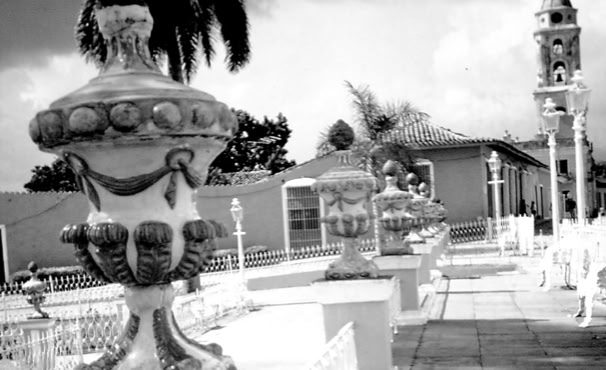
Trinidad. Cuba. 2001
Global Studies: Culture/Nature
Photo: A.A.Bispo©
Havana. Cuba. 2001
Global Studies: Culture/Nature
Photo: A.A.Bispo©
Havana. Cuba. 2001
Global Studies: Culture/Nature
Photo: A.A.Bispo©
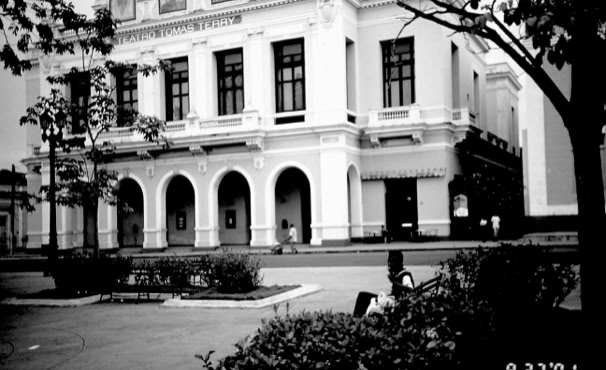
Cienfuegos Cuba. 2001
Global Studies: Culture/Nature
Photo: A.A.Bispo©
Trinidad Cuba. 2001
Global Studies: Culture/Nature
Photo: A.A.Bispo©
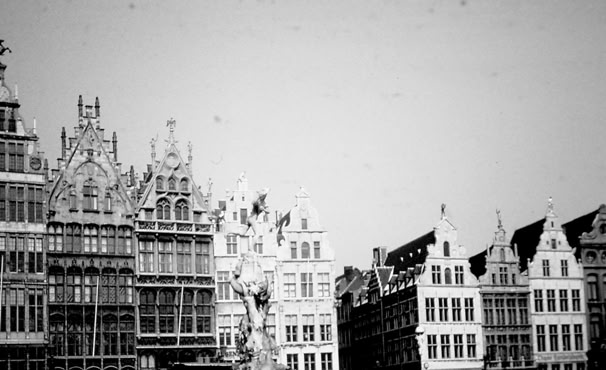
Brussels. Belgium 2001
Global Studies: Culture/Nature
Photo: A.A.Bispo©
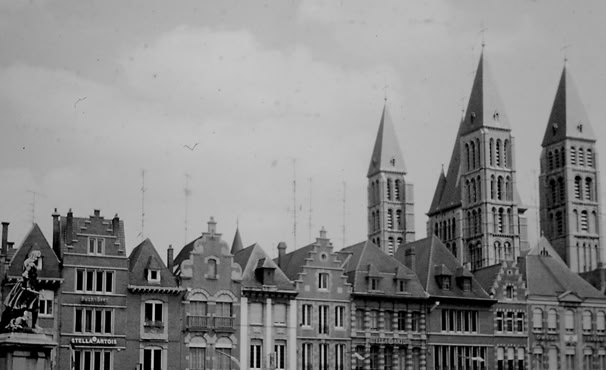
Tournai. Belgium 2001
Global Studies: Culture/Nature
Photo: A.A.Bispo©
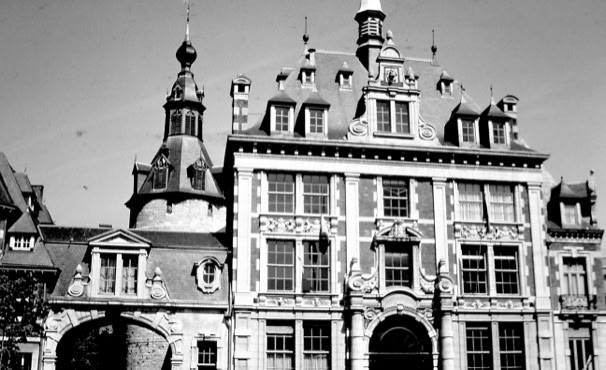
Namur. Belgium 2001
Global Studies: Culture/Nature
Photo: A.A.Bispo©
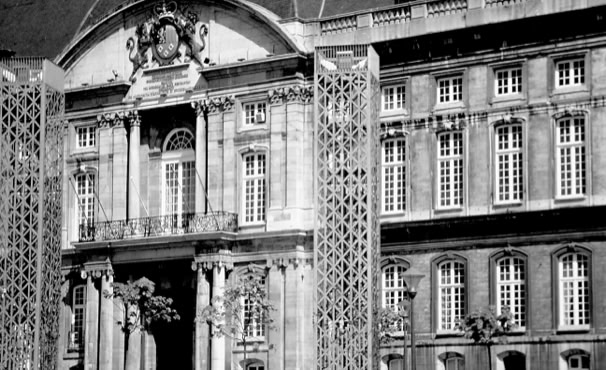
Liege. Belgium 2001
Global Studies: Culture/Nature
Photo: A.A.Bispo©
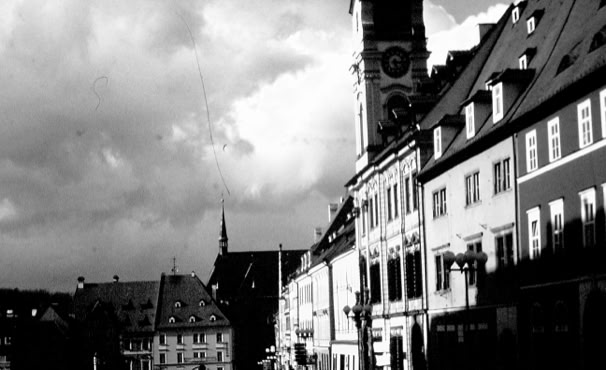
Eger (Cheb). Czech Republic. 2001
Global Studies: Culture/Nature
Photo: A.A.Bispo©
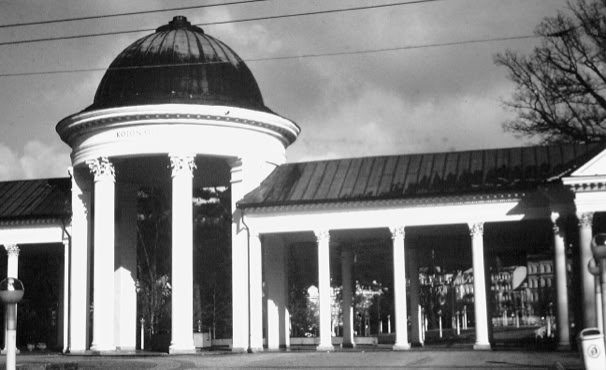
Marienbad. Czech Republic. 2001
Global Studies: Culture/Nature
Photo: A.A.Bispo©
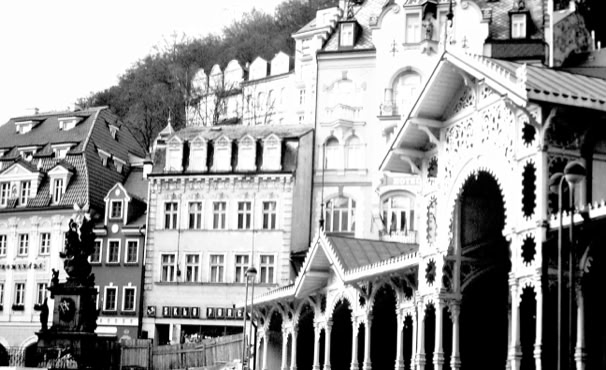
Karlsbad. Czech Republic. 2001
Global Studies: Culture/Nature
Photo: A.A.Bispo©
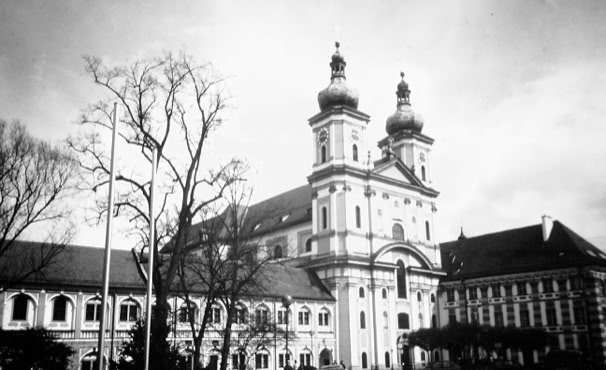
Waldsassen. Bavaria 2001
Global Studies: Culture/Nature
Photo: A.A.Bispo©
Michelfeld. Baden-Württemberg. Germany 2001
Global Studies: Culture/Nature
Photo: A.A.Bispo©
Dominican Republic. 2001
Global Studies: Culture/Nature
Photo: A.A.Bispio©
The year 2001 in the study of cultural processes in global contexts, with a focus on Brazil, was marked by colloquia, courses, seminars, and international cycles held within a three-year period that began with the International Congress "Music and Visions," which opened the celebrations of Brazil's 500th anniversary. This congress took place in Cologne in 1999 under the auspices of the Brazilian and Portuguese embassies and with the support of Deutsche Welle, as well as Brazilian, Portuguese, and other European universities and research centers. The three-year period concluded with the International Congress of Euro-Brazilian Studies, held in the states of Rio Grande do Sul, São Paulo, and Rio de Janeiro in 2002. The studies in 2001 continued the reflections and analyses of the "Music and Visions" Congress held in Europe and were intended to prepare for the 2002 event in Brazil.
The year began with the J.S. Bach and H. Villa-Lobos International Colloquium, concluding the studies and activities dedicated to remmemorating the 250th anniversary of Bach's death in seminars and events of the Brazil-Europe Academy. The colloquium considered, through conferences, concerts, and an exhibition of documents, the tradition of Euro-Brazilian studies related to the Bach movement in Brazil, with Martin Braunwieser (1901-1991), a disciple of Bach scholar Bernhard Paumgartner and founder of the Bach Society of São Paulo. The colloquium paid particular attention to the role played by the organist, physician, philosopher, and Bach scholar Albert Schweizer in the development of Culture/Nature studies within Euro-Brazilian studies.
The colloquium was dedicated to questions of interpretation and perspectives in the study of the Baroque period. It revisited concerns and reflections that led to the realization of the Baroque Festival by the Nova Difusão movement and its Center for Musicological Research in São Paulo in 1970, thus also celebrating the 30th anniversary of this pioneering undertaking in the cultural treatment of the Baroque in its relations with international processes of cultural reception, colonization, and Catholicism. Complementing the studies on Bach considered in the Colloquium, a cycle of studies in Central Europe was promoted.
In seminars on music and musical research related to Brazil, conducted in cooperation with the Institute of Musicology at the University of Cologne, guiding ideas in studies concerning Brazil were considered. European students analyzed texts by a large number of Brazilian researchers of music and cultural traditions. These seminars aimed to create an inventory of past ideas and positions for a more thoughtful approach to studies and endeavors in the third millennium.
The year 2001 was also marked by the celebration of Porto – along with Rotterdam – as the European Capital of Culture for 2001. In cooperation with the Institute of Musicology at the University of Cologne, the Institute for the Study of Musical Culture of the Portuguese-Speaking World, and the Brazil-Europe Academy, the first advanced seminar at a German university dedicated to music and musicological research in Portugal and other European countries, as well as in Brazil, related to Portugal, was promoted. A comprehensive literature review and analysis of studies, carried out in cooperation with Portuguese researchers, were intended to prepare for the International Colloquium dedicated to the theme "European Dimensions of Portuguese Music," which concluded in 2002.
Continuing the theme of Music and Visions from a religious or spiritual perspective, as considered in Maria Laach in 1999, the first international cycle of studies was dedicated to questions of the visual language of traditions of Catholic calendar festivals in global contexts and to traditional practices of syncretic cults of a mystical nature. These complex themes, based on intensive research previously conducted, were addressed in seminars held at the University of Cologne and through observations and meetings in the Dominican Republic and Haiti.
With researchers and institutions in Santo Domingo, the focus was primarily on regional folklore dance and music traditions, drawing parallels with those in Brazil and their role in the historical processes of national identity formation in the 19th century, differentiating them from more remote festive practices brought from Europe. In Haiti, the main focus was on Voodoo, studied based on knowledge gained from research on Candomblé and similar cults in Brazil. This approach continued with studies developed within the field of Ethnomusicology, officially implemented in higher education courses in São Paulo in 1972, which led to field research and colloquia in Bahia and other regions of Brazil.
Completing the Bach studies considered at the Colloquium, dialogues with musicologists and organists were promoted throughout 2001 in various cities in Belgium, as well as two study cycles in Central Europe, resuming studies carried out in "Bach cities" from the perspective of their insertion in regional contexts and processes. In April, several cities in the Czech Republic and Slovakia were visited, resuming studies previously carried out in Prague. In July, these studies concluded in the cities of Leipzig and Halle.
Studies of festive traditions of the Catholic calendar introduced into the Ibero-American world motivated the undertaking of a study cycle in the Iberian Peninsula focused on observing its regional differences. In June 2001, a study cycle was promoted in northern Spain, also paying attention to Basque traditions.
Studies concerning cults with syncretic characteristics, such as Voodoo and Candomblé, led to meetings and discussions in September and October with researchers in Cuba, including at the Ministry of Culture in Havana and ecclesiastical institutions, as well as in other cities, notably Trinidad.
***
International Colloquium J.S. Bach and H. Villa-Lobos
Closing of the Bach Year 2000 studies for the 250th anniversary of his death
J.S. Bach and H. Villa-Lobos. Interpretations and Perspectives of the Baroque
- The Bach Year 2000 and Bach Research
- Interpretation of the Baroque as a requirement for science and practice
- Commemorations of the 500th anniversary of Brazil and the "Bach Year 2000"
- On Memory: Prof. Dr. Hermann Görgen and Brazil
- Projects and Perspectives of Brazilian Cultural Work in Germany
- Reception of the Portuguese Community of Colonia
- Voices of the Press: Brazilian Musical Universe
- Portuguese Historical-Musical Contributions to the Congress
- Lecture by the chairman of the Academia Brasileira de Música: A Requiem for Villa-Lobos
Heitor Villa-Lobos in 30 years of musicological activities: chronicles and materials
- Heitor Villa-Lobos and the Research of Sacred Music - São Paulo International Symposium, 1981
- Leichlinger Musikforum - Villa-Lobos, Cândido Muricy and the discovery of Bach in Brazil
- A moment from the time of the discovery of Bach: On the aesthetics of the guitar
- Villa-Lobos, the guitar and the Baroque
- Brazilian Bachianas: Translations on Heitor Villa-Lobos
Studies in Anthropology of Music, Ethnomusicology and Comparative Musicology
- Heitor Villa-Lobos: Attempts at a musical-anthropological interpretation
- Medicine, philosophy, and Bach's idea: Albert Schweitzer and Brazil
Release/CD Presentation
- Alma Barroca, Maria Bragança
Exhibition
- Heitor Villa-Lobos and the study of Brazil-Germany cultural relations
***
Colloquium Brazil 2001 - University of Cologne and Brazil-Europe Academy
On the Opening of Euro-Brazilian Work in the 21st Century
- The thoughts of those who have gone before us
- History as a reflection of a people's feelings
- The world as a musical allegory
- Exploring the essence of the national soul
- Development of musical thought
- Constantly wavering between universal sounds
- The necessity of exploring the music of Rio de Janeiro
- Brazil's spontaneous inclination towards song and dance
- The inclination towards music and the musical heritage of Minas Gerais
- The profound meaning of Brazilian folk culture
Topics of the study cycle in the Caribbean
-Folklore in the Dominican Republic compared to the folklore of Brazil
- Brazilian-Cuban cooperation in cultural studies. Dialogues in Havana