BRASIL-EUROPA
GLOBAL STUDIES
CULTURE/NATURE

BRASIL-EUROPA
GLOBAL STUDIES
CULTURE/NATURE
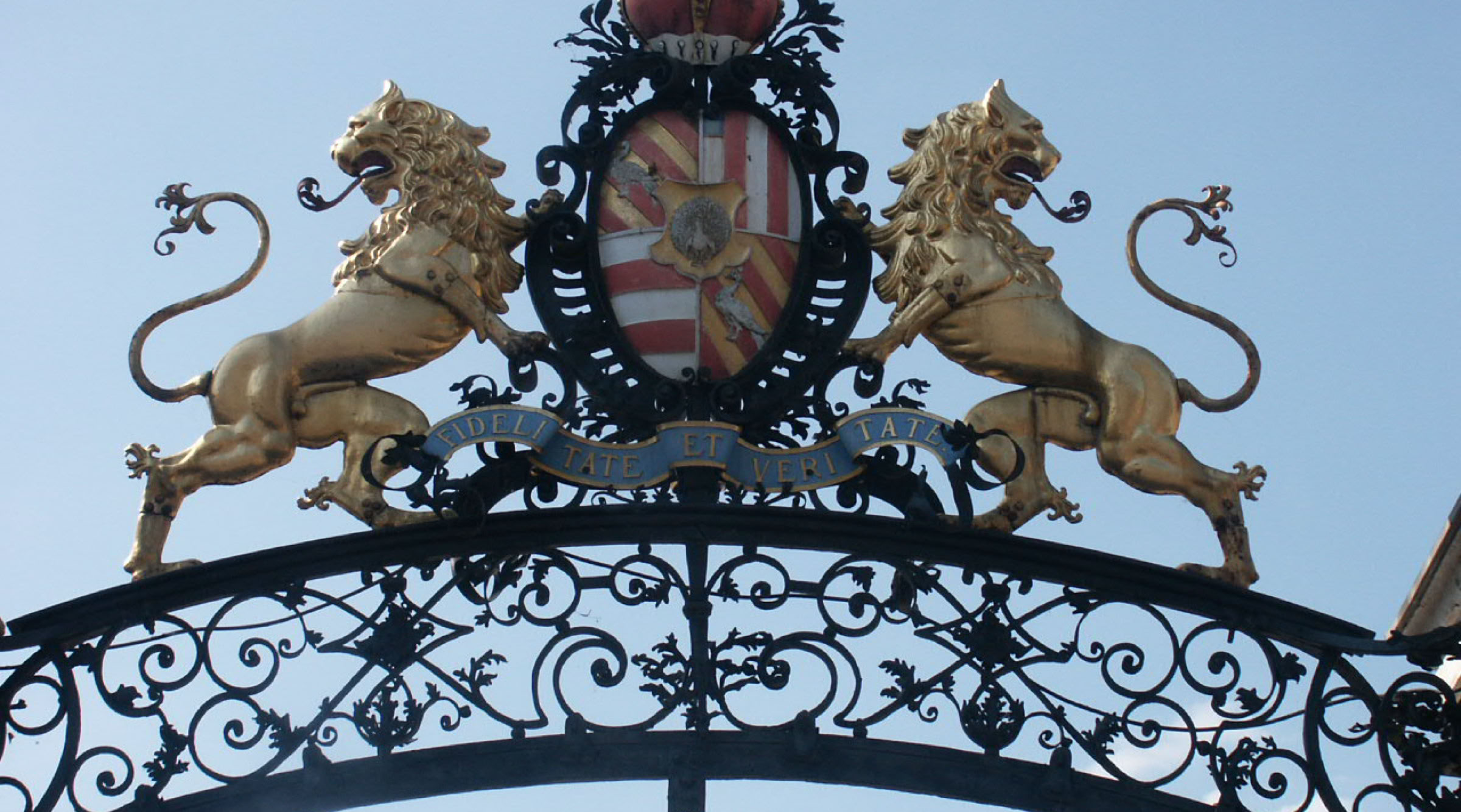
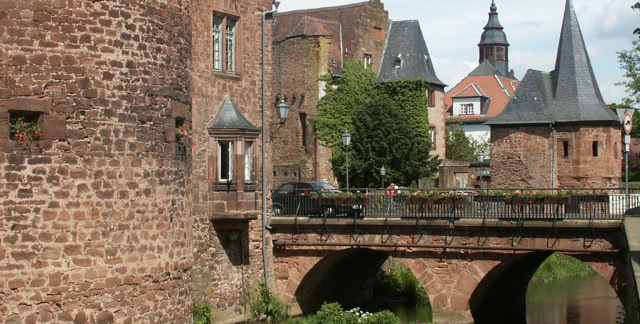
Neuwied Castle. Germany 2002
Global Studies: Culture/Nature
Photo: A.A.Bispo©
2002
Studies of cultural processes in global contexts
using Euro-Brazilian relations as a frame of reference
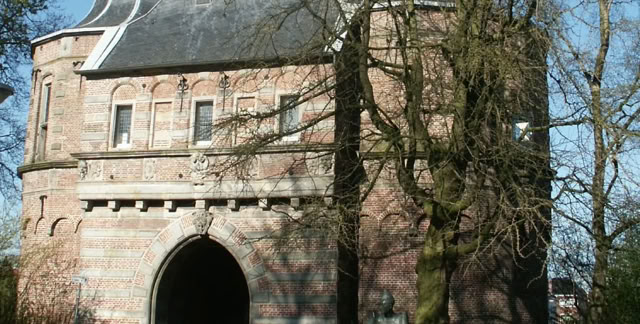
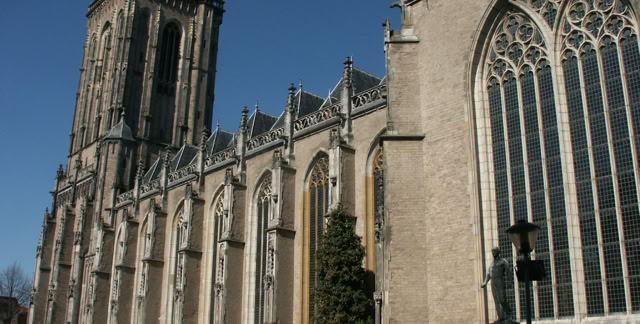
Kampen. Netherlands. 2002
Global Studies: Culture/Nature
Photo: A.A.Bispo©
Deventer. Netherlands. 2002
Global Studies: Culture/Nature
Photo: A.A.Bispo©
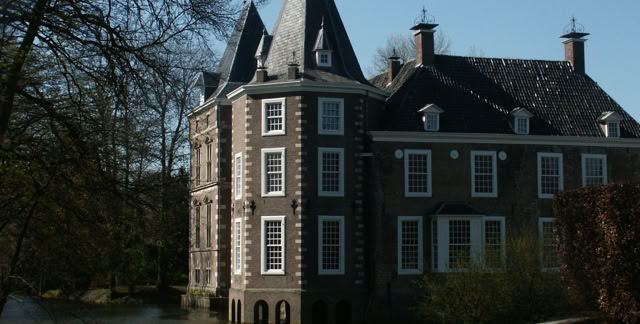
Nijenhuis. Netherlands. 2002
Global Studies: Culture/Nature
Photo: A.A.Bispo©
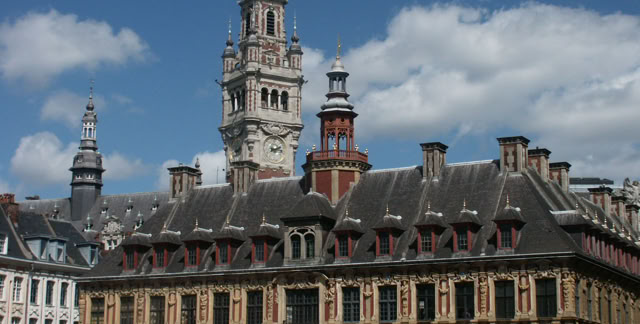
Lille. Belgium. 2002
Global Studies: Culture/Nature
Photo: A. A.Bispo©
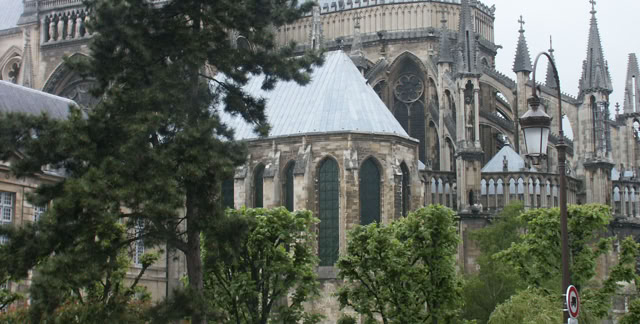
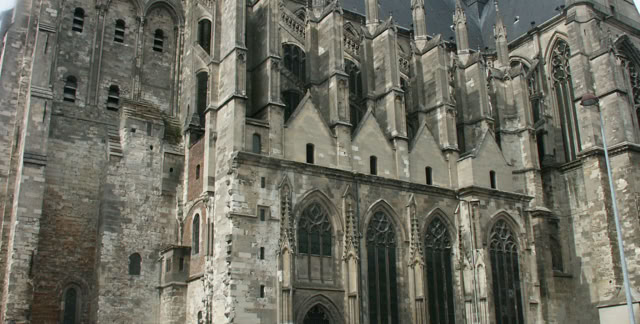
Reims. France. 2002
Global Studies: Culture/Nature
Photo: A.A.Bispo©
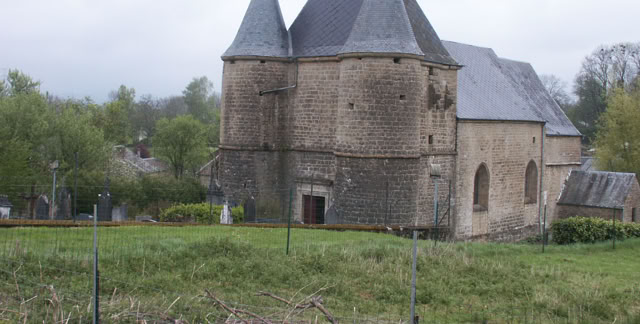
St. Quentin. France. 2002
Global Studies: Culture/Nature
Photo: A.A.Bispo©
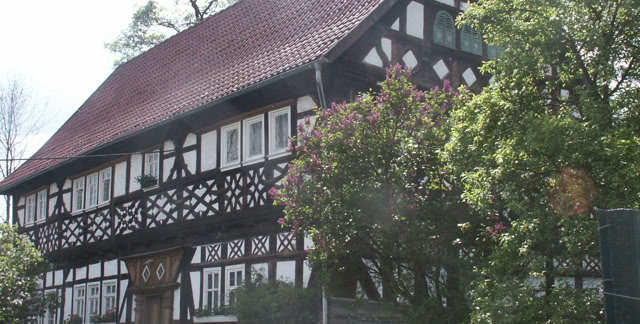
Büdingen. Germany. 2002
Global Studies: Culture/Nature
Photo: A.A.Bispo©
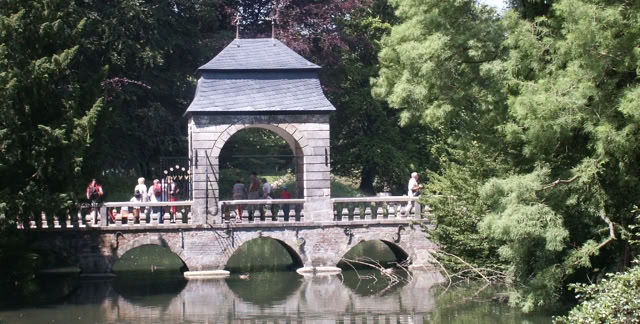
Dyck Castle, Germany. 2002
Global Studies: Culture/Nature
Photo: A.A.Bispo©
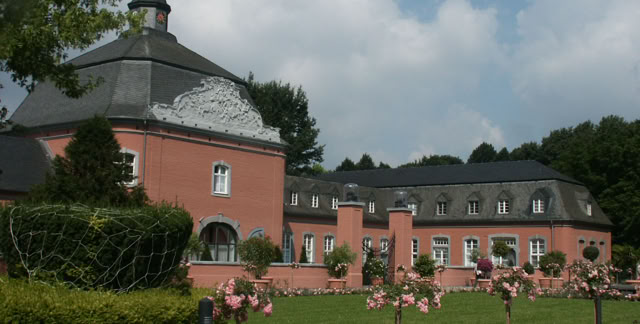
Wickrath Castle. Germany. 2002
Global Studies: Culture/Nature
Photo: A.A.Bispo©
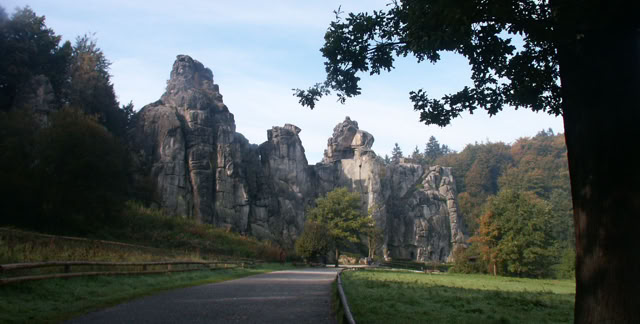
Externstein. Germany. 2002
Global Studies: Culture/Nature
Photo: A.A.Bispo©
Detmold. Germany. 2002
Global Studies: Culture/Nature
Photo: A.A.Bispo©
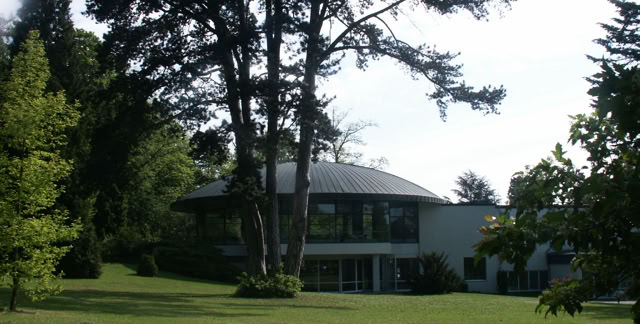
Servion. Freance. 2002
Global Studies: Culture/Nature
Photo: A.A.Bispo©
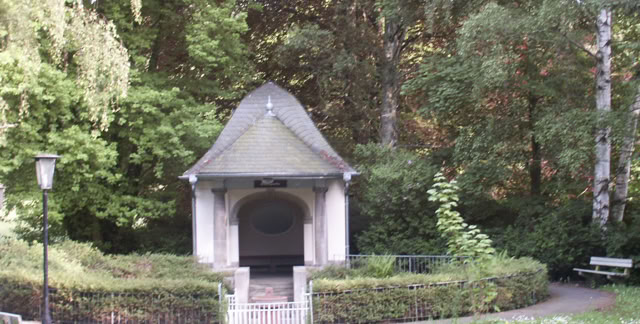
Bad Salzhausen. Germany. 2002
Global Studies: Culture/Nature
Photo: A.A.Bispo©
Liebshausen. Germany. 2002
Global Studies: Culture/Nature
Photo: A.A.Bispo©
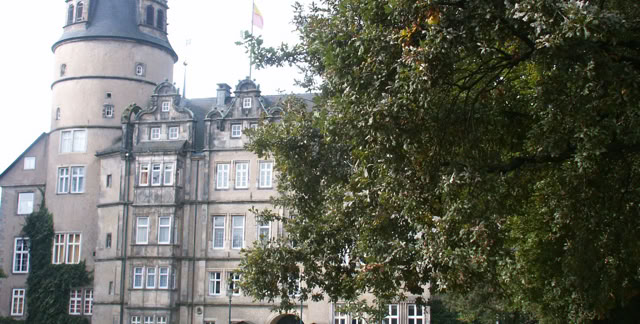
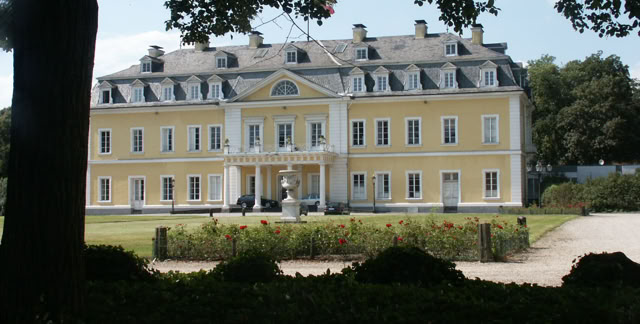
Neuwied Palace. Germany. 2002
Global Studies: Culture/Nature
Photo: A.A.Bispo©
Unkel. Germany. 2002
Global Studies: Culture/Nature
Photo: A.A.Bispo©
Bad Salzhausen. Germany. 2002.
Global Studies: Culture/Nature
Photo. A.A.Bispo©
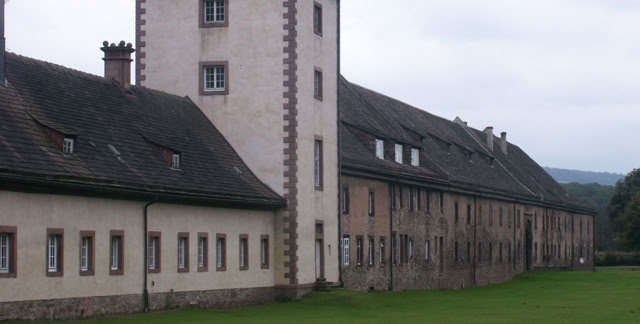
Corvey abbey. Germany. 2002
Global Studies: Culture/Nature
Photo: A.A.Bispo©
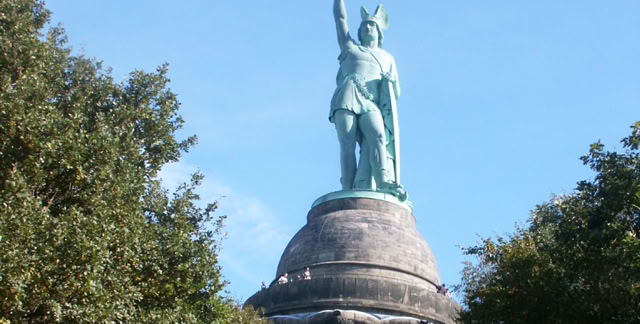
Hermanndenkmal. Germany. 2002
Global Studies: Culture/Nature
Photo: A.A.Bispo©
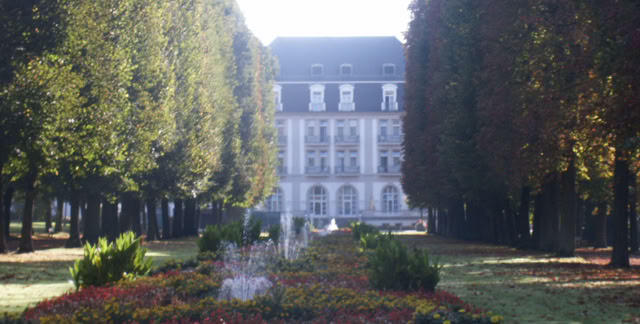
Bad Pyrmont. Germany. 2002
Global Studies: Culture/Nature
Photo: A.A.Bispo©
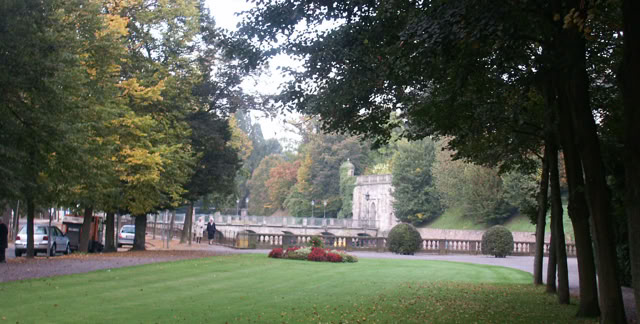
Bad Pyrmont. Germany. 2002
Global Studies: Culture/Nature
Photo: A.A.Bispo©
Lemgo. Germany. 2002
Global Studies: Culture/Nature
Photo: A.A.Bispo©
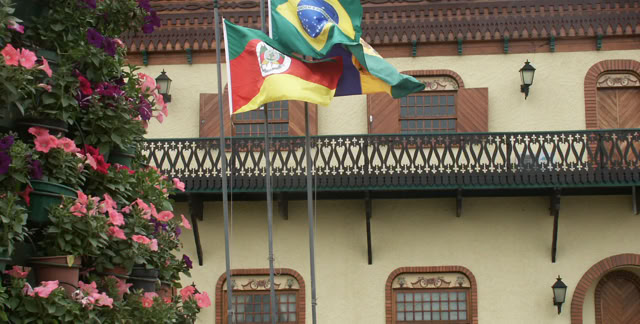
Gramado. Rio Grande do Sul. Brazil. 2002
Global Studies: Culture/Nature
Photo: A.A.Bispo©
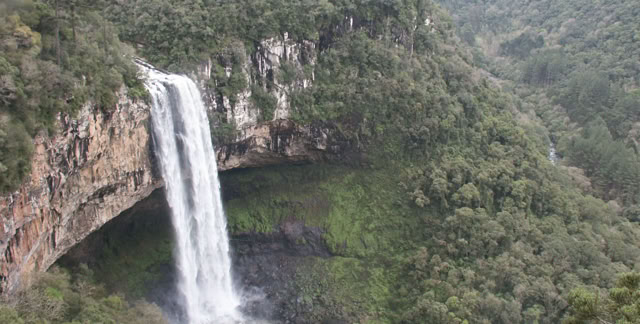
Caracol Park. Canela, Rio Grande do Sul. 2002
Global Studies: Culture/Nature
Photo: A.A.Bispo©
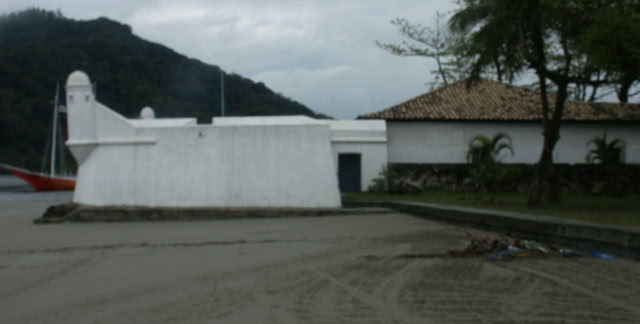
Bertioga. São Paulo. Brazil 2002
Global Studies: Culture/Nature
Photo: A.A.Bispo©
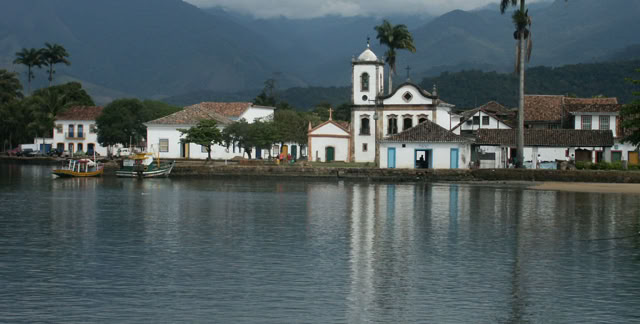
Paraty. Rio de Janeiro Brazil 2002
Global Studies: Culture/Nature
Photo A.A.Bispo©
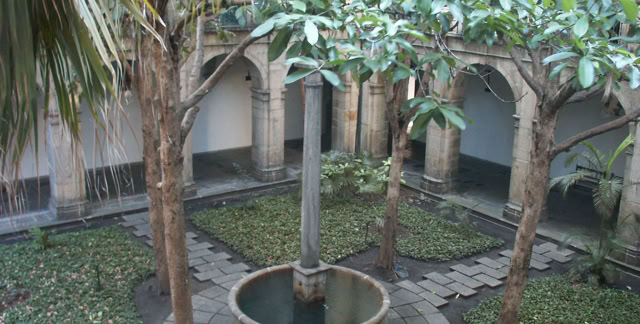
Saint Benedict Monastery. Rio de Janeiro. 2002
Global Studies: Culture/Nature
Photo: A.A.Bispo©
Indio Museum. FUNAI. Rio de Janeiro. 2002
Global Studies: Culture/Nature
Photo: A.A.Bispo©
The year 2002 was marked in cultural studies in global contexts, referenced according to Euro-Brazilian relations, by the holding of several events in Brazil and Europe, most notably the International Congress of Euro-Brazilian Studies held in September in the states of Rio Grande do Sul, São Paulo, and Rio de Janeiro. This event concluded the three-year period of international studies that began with the Music and Visions Congress in Cologne in 1999, and was dedicated to considering projects and perspectives for studies and academic activities in international interactions of the Third Millennium. The event followed the international colloquium European Dimensions of Portugal in Music of 2001, which was present throughout 2002 in an exhibition of documents at the study center of the Brazil-Europe Academy in Cologne.
The preparations, with the participation of Brazilian researchers from the states and cities involved, took place at the Brazilian Center for Brazil-Europe Studies located in the Mantiqueira mountain range, São Paulo. Holding these meetings in an environment marked by forest vegetation highlighted the significance of addressing Culture/Nature relations in the congress program. In Europe, reflections on the event's program were symbolically marked by a visit to the Newied Palace, recalling Prince Maximilian zu Wied-Neuwied (1782–1867), a natural scientist and cultural researcher whose expedition (between 1815-1817) acquired relevant significance for the study of Culture/Nature relations in global contexts.
In Europe, preparations for the International Symposium on Sacred Music and Brazilian Culture, to be held concurrently with the congress, took place in meetings held in the mountainous Eifel region between Germany and Belgium, centered in Maria Laach. Reflections continued in cities in the Netherlands renowned for musical practice in their cathedrals, including Deventer. The relationship between architecture and music continued with revisits to French cathedrals, also establishing studies in this region that were carried out at the beginning of the Euro-Brazilian studies project in the 1970s. Among others, the cathedrals of St. Quentin and Reims were considered.
The Culture/Nature theme was also considered from the perspective of the urban landscape, architecture in its integration into the landscape, landscaping, parks and gardens, which should also be a focus of attention at the congress to be held in Brazil. In this sense, visits were made to palaces and parks in various regions of Germany, notably Dyck Castle, Wickrath Castle, spa towns with their parks in Bad Meinberg and the surrounding area, as well as orchards, gardens and convent parks, particularly Corvey.
In July, an international colloquium was held at the Brazil-Europe Academy in cooperation with the University of Cologne, dedicated to the indigenous cultures of Brazil, with the aim of preparing the treatment of cultural issues of indigenous societies in their relations with nature and their significance for environmental studies in the second part of the program of the congress of Brazilian studies.
The congress, held in sessions in the Serra Gaúcha region, marked by the history of German immigration and colonization, took place under the auspices of the Government of the State of Rio Grande do Sul. Attention was directed to colonial and post-colonial issues, identity, and education. In its second stage, in São Paulo, the focus was on interactions between the rural and the tribal, especially from the perspective of cultural change in indigenous societies resulting from multiple encounters and developments. In the third part, in cities of the state of Rio de Janeiro, attention was directed to questions of the past and present in their interactions, of memory and of projecting the future. The congress concluded at the Museum of Diplomatic History in the Itamaraty Palace in Rio de Janeiro where, in the historic Indian Room, the significance of Culture/Nature relations in global studies was highlighted.
The results of the congress were discussed at a session held at the Brazil-Europe Academy's study center in Cologne in November, concluding the activities of 2001.
***
Closing of the three-year international study period commemorating the 500th anniversary of the Discovery of Brazil. Topics from the Congress were discussed at meetings of the Brazil-Europe Academy and in seminars at the German universities of Bonn and Cologne. Studies in Europe of the texts presented at the congress continued in 2003.
- Preparations, Conception, Theme
- 1st Phase: Regions of German colonization in Rio Grande do Sul
- 2nd Phase: Regions of "Caipira Culture" in the interior of São Paulo
- 3rd Phase: Regions of "Caiçara Culture" on the coast between São Paulo and Rio de Janeiro
- Closing of the congress in Rio de Janeiro
- Introduction: Musicology, Cultural History and Didactics of Identity Formation Processes
- Greetings from the First Lady of the State
- Message to the Congress (University of Bonn)
- Words of Greeting (Universität Köln)
- Greeting on behalf of the CNBB
- Brasilien und der West-Deutsche Rundfunk
- Research on immigration in the sciences of culture and music
- The folk music of the German gaucho - Contributions and blends in the State of Rio Grande do Sul
- The presence of music in the Riflemen's Group of the Montenegro region
- Meeting of German-Brazilian Groups - Tradition and Identity
- Positioning and reorientations
- Greetings from the mayor of Dois Irmãos
- "Christmas of the Angels" Project
- Musical perception and self-perception
- Production of children's records and CDs in Brazil
- Development of software for music-pedagogical purposes
- With Simple Steps - The Choreography in the CDG Songs
- Postcolonial cultural studies and music research. Case example: German colonization in Brazil
- The samba school as an alternative to musical education
- Project Nietzsche through the Ears - Philosophy and Music, Music as Philosophy
- "Music in search of a land without evil"
- Greeting words from the Mayor of Joanópolis
- Saint Gonçalo do Amarante: A saint of social causes. Pray for us!
- From living with the Indians
- Troubadours in the middle Tietê / Trovadores am mittleren Tietê
- Soul's Remembrance in Santana do Jacaré
- Forms of communication between men and saints: A case study in Mato Grosso
- Cultural Studies of the Interior: History of an Ideal of Renewal of the Sciences and Arts
- Greeting from the Higher Education Foundation of Bragança Paulista (FESB)
- Images from the Bragança Paulista Meeting
From the Colloquium "Europe and the Sound Universe of the Indians":
- Foreign Sources for a History of the Apprehension of Indigenous Cultures: Erich Wustmann
- Music in the Transformation of Mentalities According to the Norms of the Anti-Typic:
- Zum Projekt "Alma Barroca" - CD Presentation
Solemnity at São Pedro Theater
- Research into coastal culture and ecology of the Atlantic Forest
Session at Guarujá City Council
- Eurocentric experience of otherness in the anamnesis of reformatory mental history
Commemoration of Hans Staden, meeting in Guarujá
- From Fort to Museum: From the history of significant events to research on the everyday culture of Caiçara population groups Meeting at the Bertioga Fort
- Memory and Music in the Method of Cultural Transformation
- For the Reconstruction of the History of Mentalities of the Early Times: José de Anchieta S.J.
- Paths of the Sea and Land in the Process of the Crossroads of Cultures