BRASIL-EUROPA
GLOBAL STUDIES
CULTURE/NATURE
BRASIL-EUROPA
GLOBAL STUDIES
CULTURE/NATURE
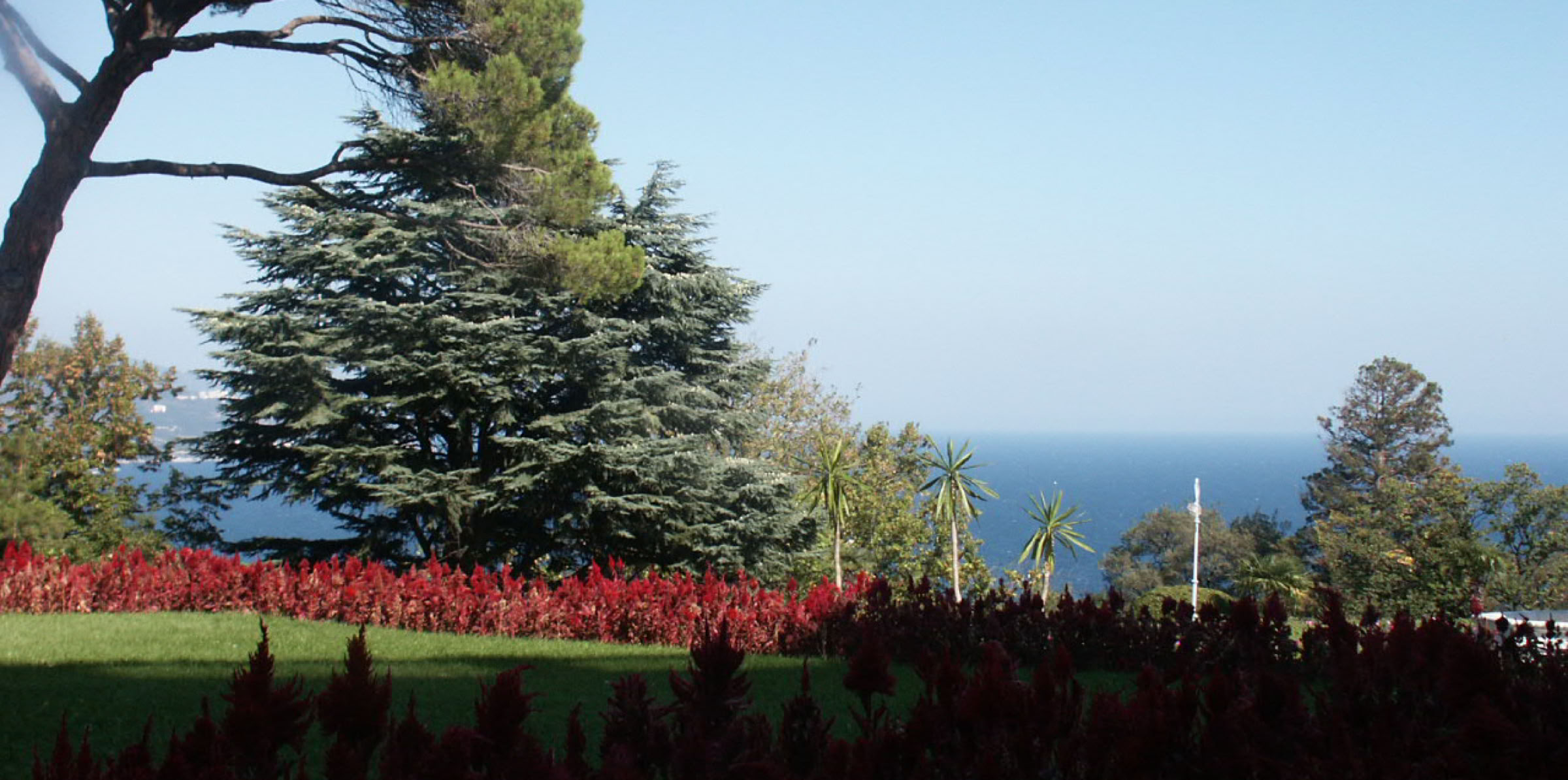
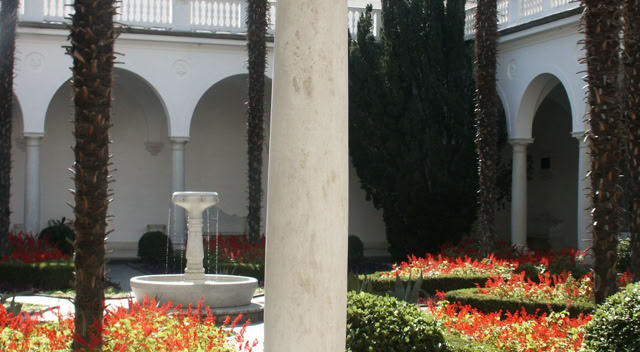
Jalta. Ukraine 2003
Global Studies: Culture/Nature
Photo: A.A.Bispo©
2003
Studies of cultural processes in global contexts
using Euro-Brazilian relations as a frame of reference

Milan. Italy 2003
Global Studies: Culture/Nature
Photo: A.A.Bispo©
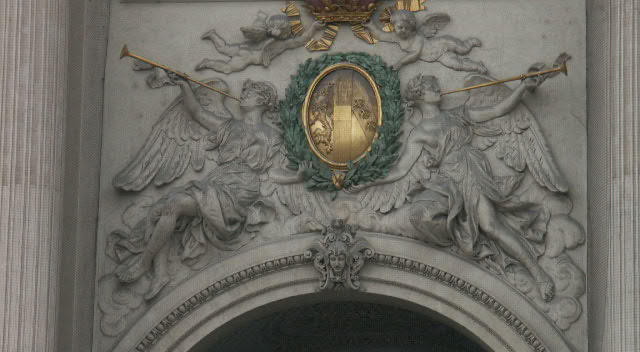
Viena. Austria 2003
Global Studies: Culture/Nature
Photo: A.A.Bispo©
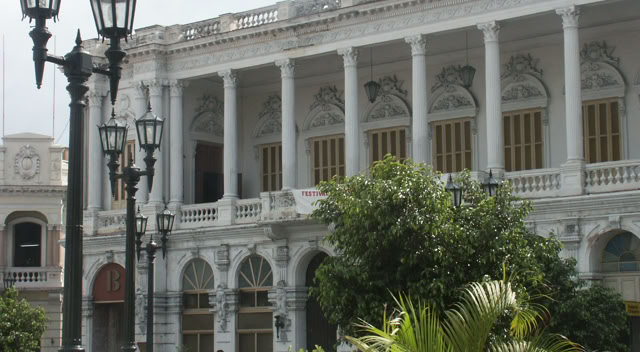
Santiago de Cuba. 2003
Global Studies: Culture/Nature
Photo: A.A.Bispo©
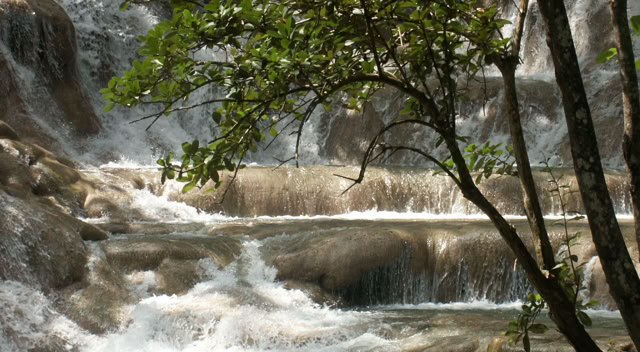
Jamaica. 2003
Global Studies: Culture/Nature
Photo: A.A.Bispo©
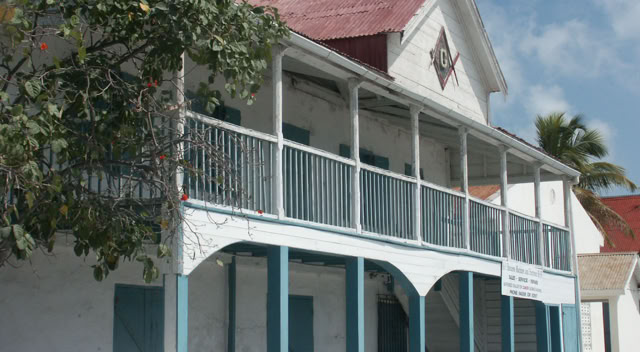
Gran Turk. 2003
Global Studies: Culture/Nature
Photo: A.A.Bispo©
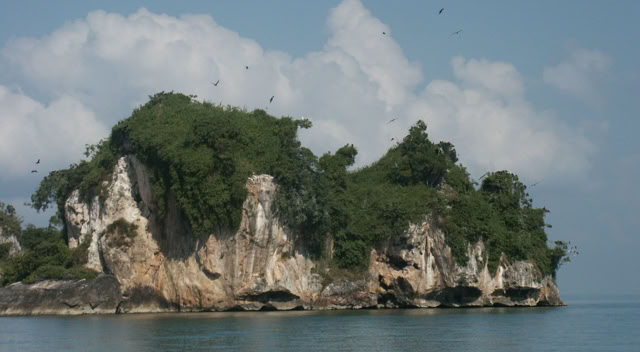
Samana. Dominican Republic. 2003
Global Studies: Culture/Nature
Photo: A.A.Bispo©
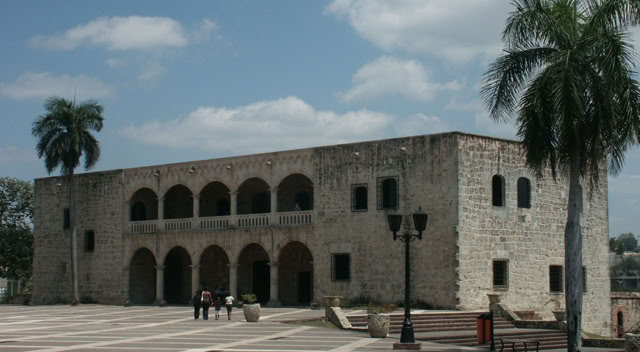
Santo Domingo. Dominican Republic. 2003
Global Studies: Culture/Nature
Photo: A.A.Bispo©
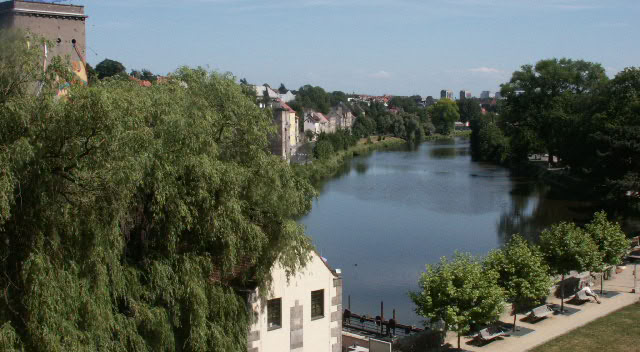
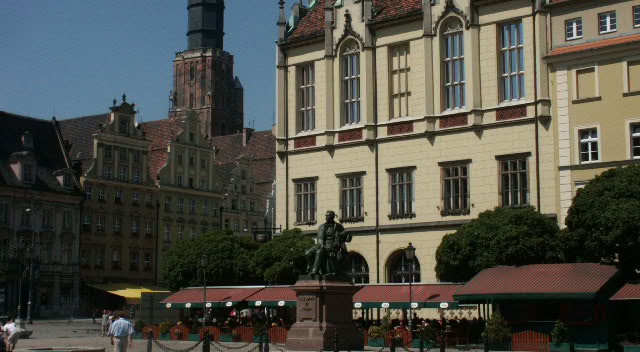
Görlitz. Germany 2003
Global Studies: Culture/Nature
Photo A.A.Bispo©
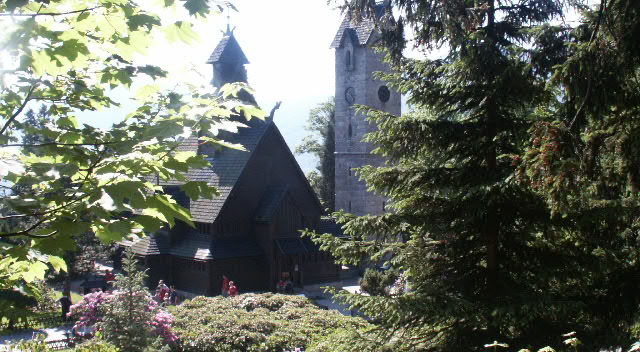
Krumhübel /Karpacz. Poland. 2003
Global Studies: Culture/Nature
Photo: A.A.Bispo©
Breslau. Poland. 2003
Global Studies: Culture/Nature
Photo: A.A.Bispo©
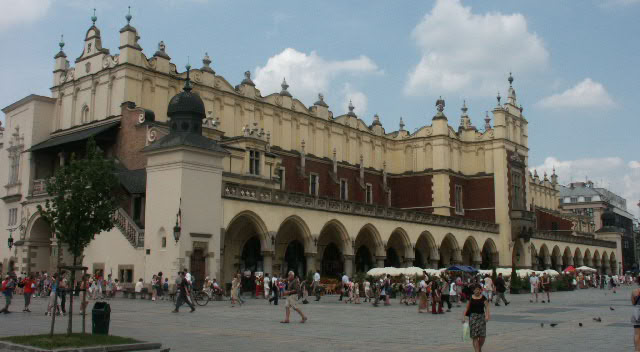
Kraków / Krakau. Poland. 2003
Global Studies: Culture/Nature
Photo: A.A.Bispo©
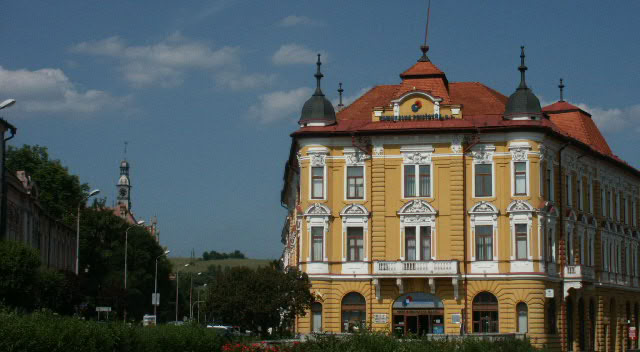
Banská-Bystrica. Slovakia 2003
Global Studies: Culture/Nature
Photo: A.A.Bispo©
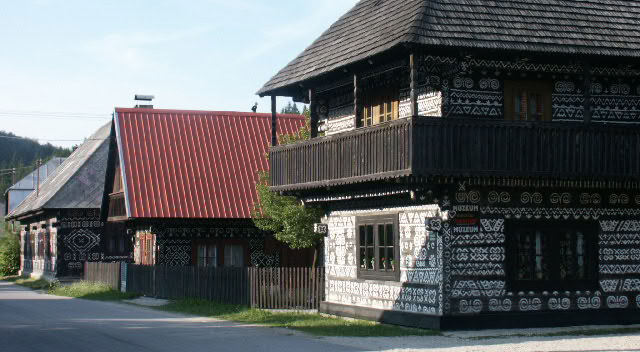
Čičmany. Slovakia. 2003
Global Studies: Culture/Nature
Photo: A.A.Bispo©
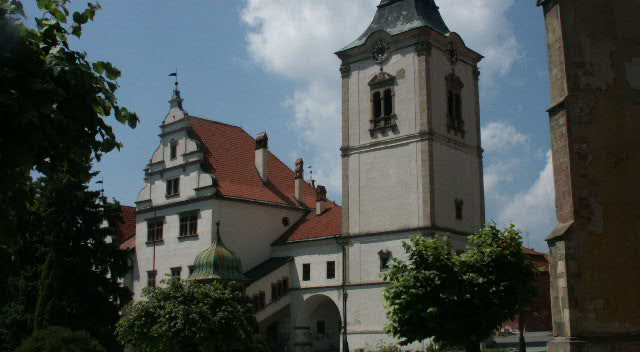
Käsmark. Slovakia. 2003
Global Studies: Culture/Nature
Photo: A.A.Bispo©
Leutscheu/Levoča. Slowakia. 2003
Global Studies: Culture/Natuze
Photo: A.A.Bispo©
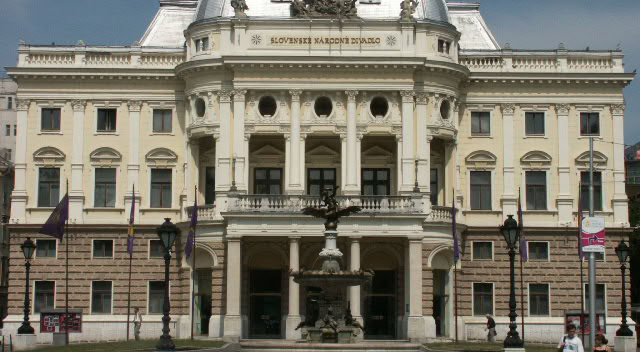
Bratislava. Slowakia. 2003
Global Studies: Culture/Nature
Photo: A.A.Bispo©
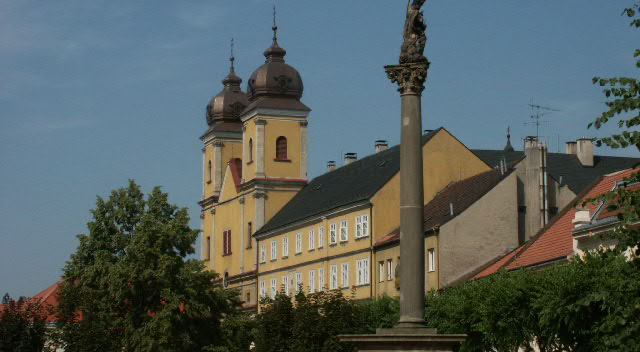
Trenčín. Slowakia. 2003
Global Studies: Culture/Nature
Photo: A.A.Bispo©
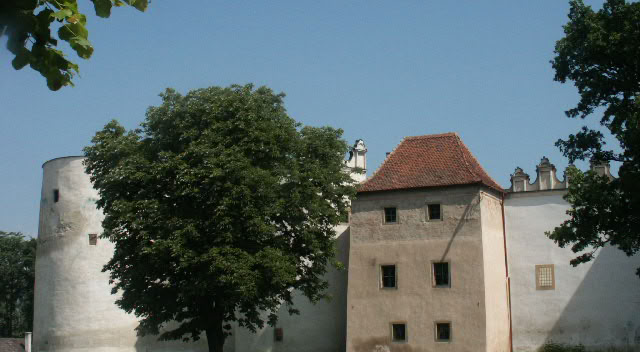
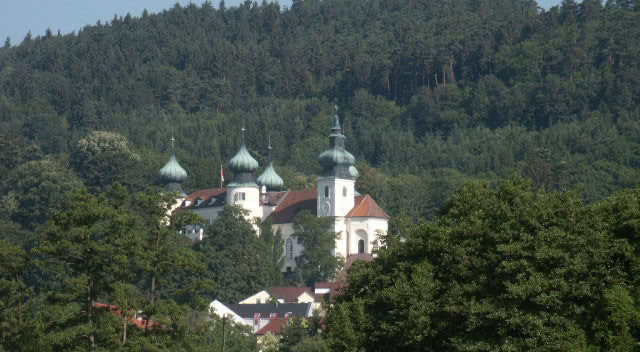
Artstetten. Austria. 2003
Global Studies: Culture/Nature
Photo: A.A.Bispo©
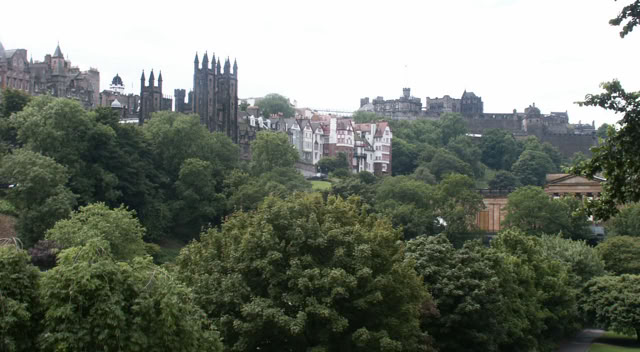
Edinburgh. Scotland. 2003
Global Studies: Culture/Nature
Photo A.A.Bispo©
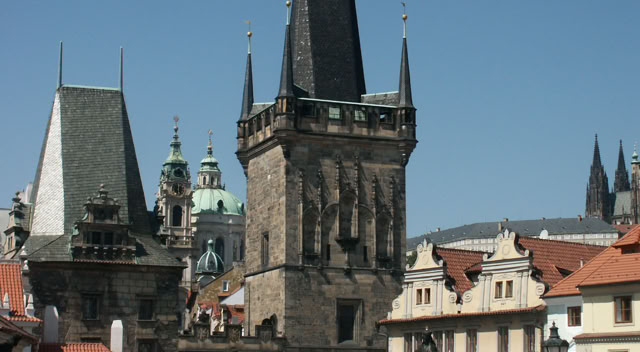
Prague. Czech Republic. 2003
Global Studies: Culture/Nature
Photo: A.A.Bispo©
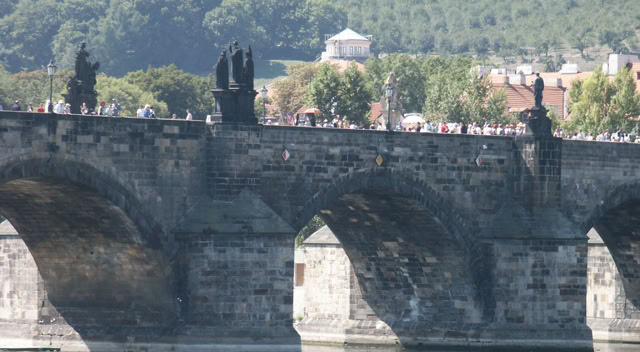
Prague. Czech Republic. 2003
Global Studies: Culture/Nature
Photo: A.A.Bispo©
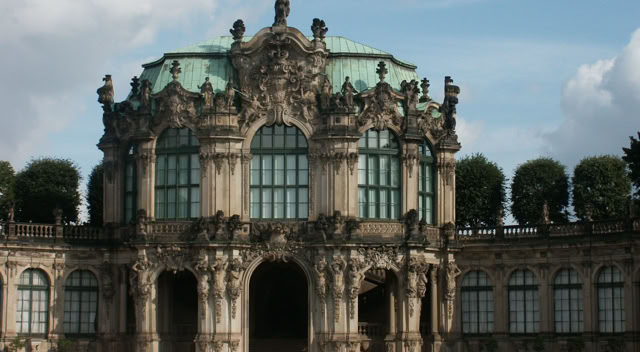
Dresden. Germany 2003
Global Studies: Culture/Nature
Photo: A.A.Bispo©
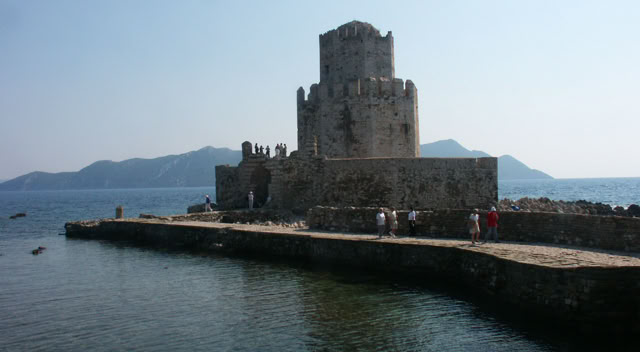
Methone. Greece. 2003
Global Studies: Culture/Nature
Photo: A.A.Bispo©
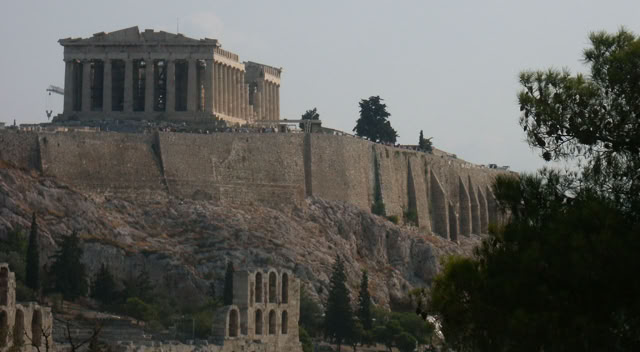
Athens. Greece. 2003
Global Studies: Culture/Nature
Photo: A.A.Bispo©
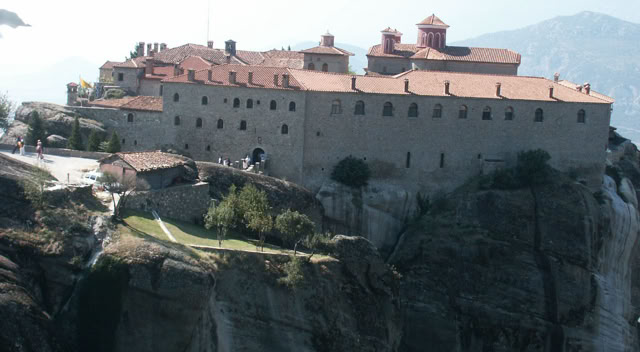
Meteora. Greece. 2003
Global Studies: Culture/Nature
Photo: A.A.Bispo©
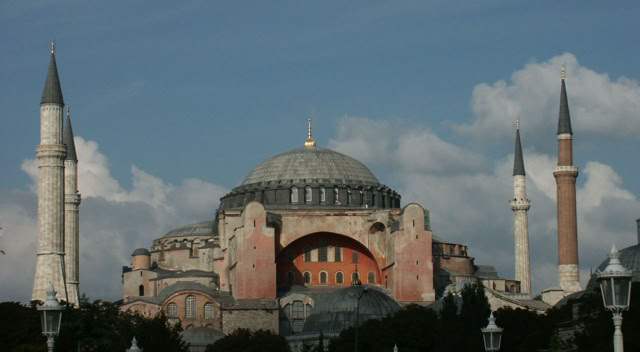
Istanbul. Turkey. 2003
Global Studies: Culture/Nature
Photo: A.A.Bispo©
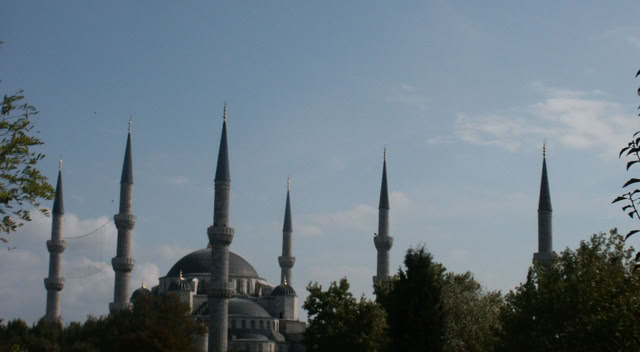
Istanbul. Turkey. 2003
Global Studies: Culture/Nature
Photo: A.A.Bispo©
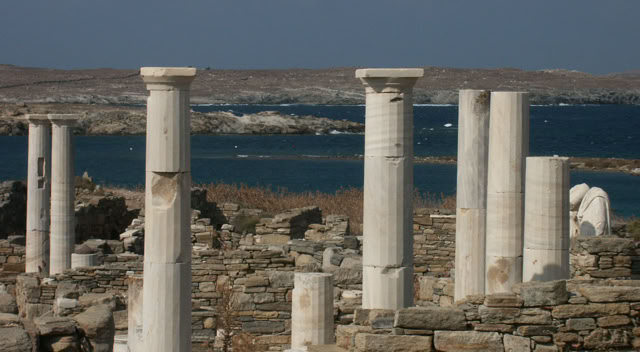
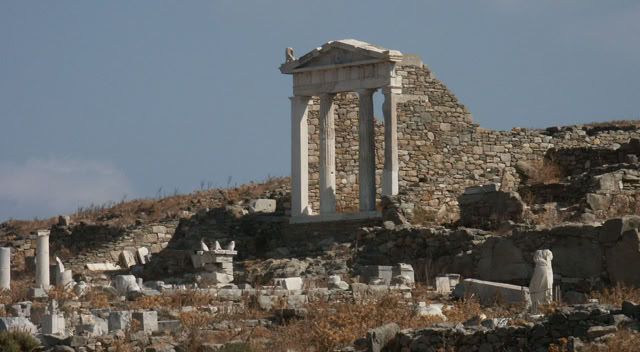
Delos. Greece. 2003
Global Studies: Culture/Nature
Photos: A.A.Bispo©
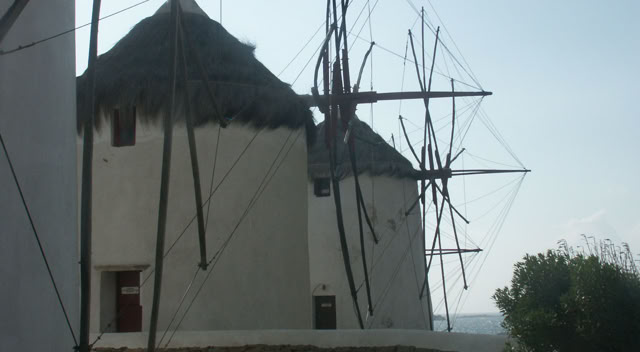
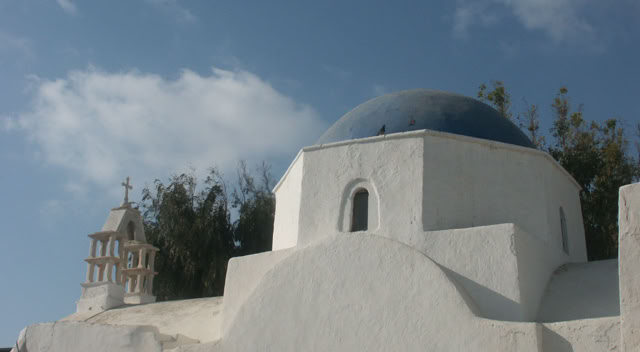
Mykonos. Greece 2003
Global Studies: Culture/Nature
Photos; A,A. Bispo©
Mykonos. Greece 2003
Global Studies: Culture/Nature
Photos; A,A. Bispo©
Delos. Greece. 2003
Global Studies: Culture/Nature
Photos: A.A.Bispo©
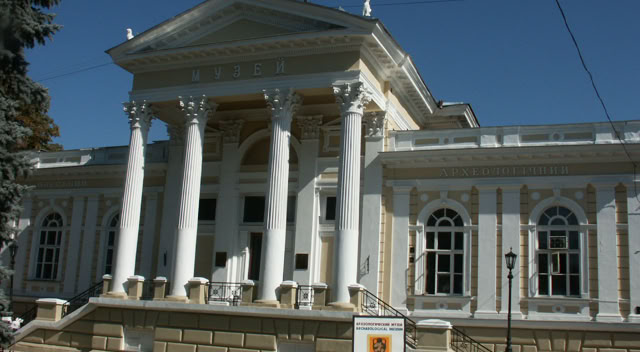
Odessa. Ukrania. 2003
Global Studies: Culture Nature
Photo: A.A.Bispo©
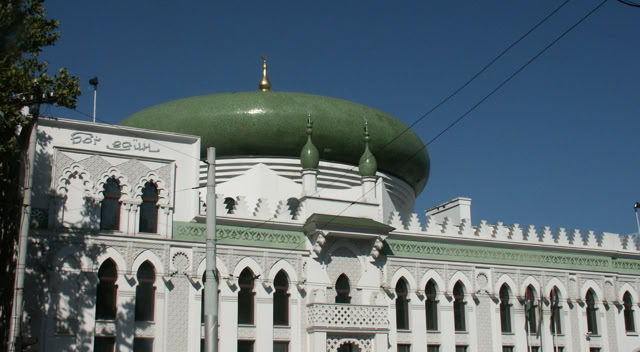
Odessa. Ukrania. 2003
Global Studies: Culture Nature
Photo: A.A.Bispo©
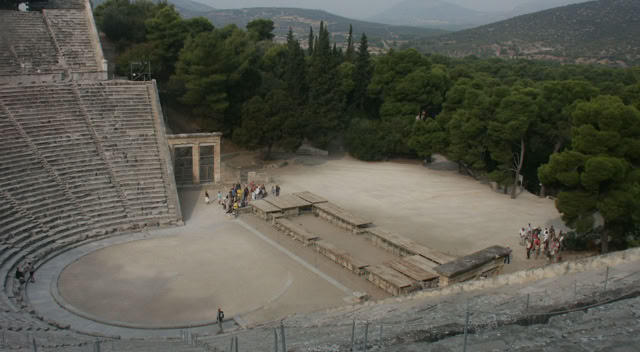
Epidauros. Greece. 2003
Global Studies: Culture/Nature
Photo: A.A.Bispo©
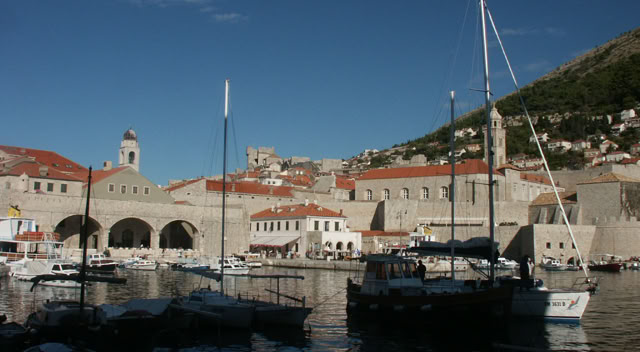
Dubrovnik. Croatia. 2003
Global Studies: Culture/Nature
Photo: A.A.Bispo©
Genova. Italy. 2003
Global Studies: Culture/Nature
Photo: A.A.Bispo©
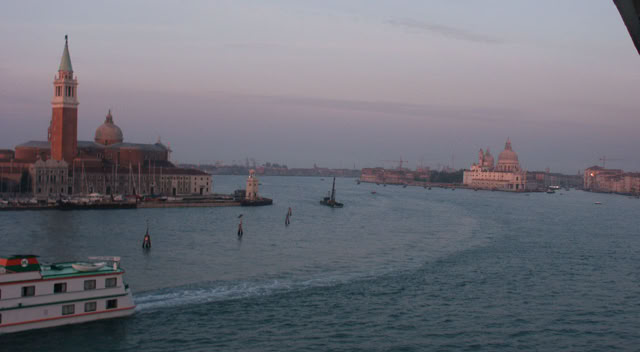
Venice. Italy. 2003
Global Studies: Culture/Nature
Photo: A.A.Bispo©
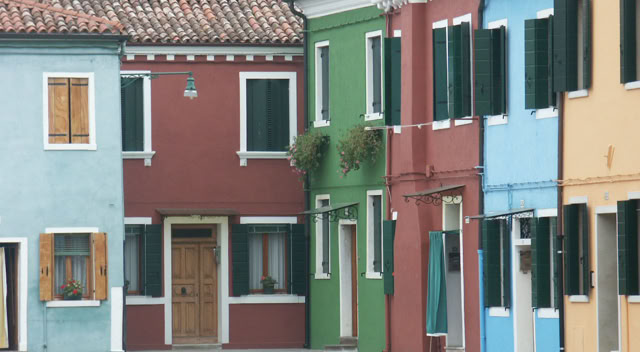
Burano. Venice. Italy. 2003
Global Studies: Culture/Nature
Photo: A.A.Bisoo©
Jalta.Ukrania. 2003
Global Studies: Culture/Nature
Photo A.A.Bispo©
The cultural studies in global contexts of 2003 were largely dedicated to the evaluation, translation, and publication of the proceedings of the International Congress of Euro-Brazilian Studies held in 2002 in Rio Grande do Sul, São Paulo, and Rio de Janeiro. This work was carried out at the study center of the Brazil-Europe Academy in the Rhine-North/Westphalia and through reflections undertaken in different German cities, including Hamburg and Dresden.
The 2003 study program was marked by cooperation with the University of Bonn, with its results serving as the basis for courses and seminars. It also provided knowledge and impetus that led to academic events held in cooperation with the University of Cologne.
Studies of cultural processes in global contexts have paid particular attention to Culture/Nature relations in different continents and regions. The year began with meetings in Milan in January and Vienna in February. In both cities, the aim was to update knowledge and contacts with institutions. The intention was to insert the work to be carried out in the Mediterranean and the Adriatic into thematic contexts already addressed in previous years. The consideration of the regions and islands of Italy, the Balkan countries, particularly Dubrovnik in Croatia, and insular Greece stemmed from studies of cultural processes and their cultural interactions determined by navigation.
Attention was directed to ports as centers of exchange, of irradiation and reception, as cities marked by cosmopolitanism, by ethnic and cultural diversity in their changes throughout history. These port cities and their networks of contacts and exchanges were considered from the perspectives of Euro-Brazilian studies. The reflections focused on the role they played in developments of particular significance for historical-cultural studies related to Brazil.
Among the port cities considered in this context, Genoa stood out from the perspective of the history of navigation and discoveries, and Venice as the main center of relations between the West and the East during the Middle Ages, Athens as a center of Hellenic antiquity and thus for studies of the foundations of Western culture transported to Brazil, as well as being a city – like Nafplio – visited by Dom Pedro II in the 19th century and where personalities who played an important role in cultural and musical life were active in the 20th century. Attention was also directed here to the Greek insular world, already considered on previous occasions, now focusing on its multiple insertions in political-cultural constellations in Antiquity and in particular under the Ottoman Empire.
Corresponding to the East/West studies program of the Brazil-Europe organization, the 2003 study cycles focused primarily on the relations between the Mediterranean and the Black Sea. The studies in Istanbul, differing from those previously conducted in earlier years, paid particular attention to the natural conditions represented by the Bosporus Strait, which connects the Sea of Marmara to the Black Sea and thus represents the separation between Europe and Asia. Beginning with the Black Sea studies, which would continue in subsequent years, Odessa was visited; this city, due to its urban characteristics resulting from its natural location, its cultural history, and its architecture, acquires particular relevance for studies of Culture/Nature relations.
The high point of the 2003 cultural studies in global contexts was Jalta, the site of the 1945 conference held at the Liwadija Palace in Crimea, where decisions were made that determined the political configuration of Europe after the Second World War.
The consideration of Latin America and the Caribbean in 2003 sought to resume studies developed within the framework of an international project (IMC/UNESCO) and to prepare university courses held at the universities of Cologne and Bonn with the support of the Brazil-Europe organization. The studies started in Cuba, revisiting themes previously considered in Havana, now reflected from a different context, that of the port of Santiago de Cuba.
In the Dominican Republic, foundations were laid for meetings and the establishment of contacts that motivated and continued in the following years. Here too, attention was directed to Culture/Nature relationships in different senses, highlighting observations in Samana. The main focus of attention in the insular sphere of the Caribbean was the different cultural configurations resulting from colonial history and links with various European powers and North America. Jamaica can be considered from the perspective of links with local cultural researchers existing since 1975.
European studies – conducted from a Euro-Brazilian perspective – turned in 2003 to East Germany and its links and interactions with Poland, the Czech Republic, and Slovakia. These studies also drew upon research initiated in higher education courses in São Paulo in the 1970s and previous stays in Prague and other Czech and Hungarian cities.The year concluded with a trip to Rome for students from the University of Bonn. The activities were able to draw upon several decades of Euro-Brazilian studies, contacts, and activities in Italy and at Vatican institutions.
***
Topics from the International Congress of Euro-Brazilian Studies (2002) discussed at meetings of the Brazil-Europe Academy and in seminars at the German universities of Bonn and Cologne in 2003
- The Musical Saw / Die musikalische Säge
- Gramado Cultural Society / Kulturgesellschaft Gramado
- Organs in Rio Grande do Sul / Die Orgeln in Rio Grande do Sul
- Words of greeting from ACDG / Grußwort durch die ACDG
- Greetings from the mayor of Dois Irmãos / Grußwort durch den Bürgermeister der Stadt Dois Irmãos
- "Christmas of the Angels" Project / Projekt "Engelsweihnachten"
- Musical perception and self-perception / Musikalische Wahrnehmung und Selbstwahrnehmung
- "Music in search of a land without evil"
- Greeting words from the Mayor of Joanópolis / Grußworte des Bürgermeisters von Joanópolis
- From living with the Indians / Aus dem Zusammenleben mit Indianern
- Troubadours in the middle Tietê / Trovadores am mittleren Tietê
- Soul's Remembrance in Santana do Jacaré / Commendatio animae in Santana do Jacaré
- The Afro Group of FESB / Die "Afro"-Gruppe der FESB
- Images from the Bragança Paulista Meeting
From the Colloquium "Europe and the Sound Universe of the Indians": / Aus dem Kolloquium "Europa und die Klangwelt der Indiane":