Topic
Eastern European Studies and Euro-Brazilian Studies
Multilateral Studies
Ukraine-Brazil
Kyiv Intercultural Studies Cycle
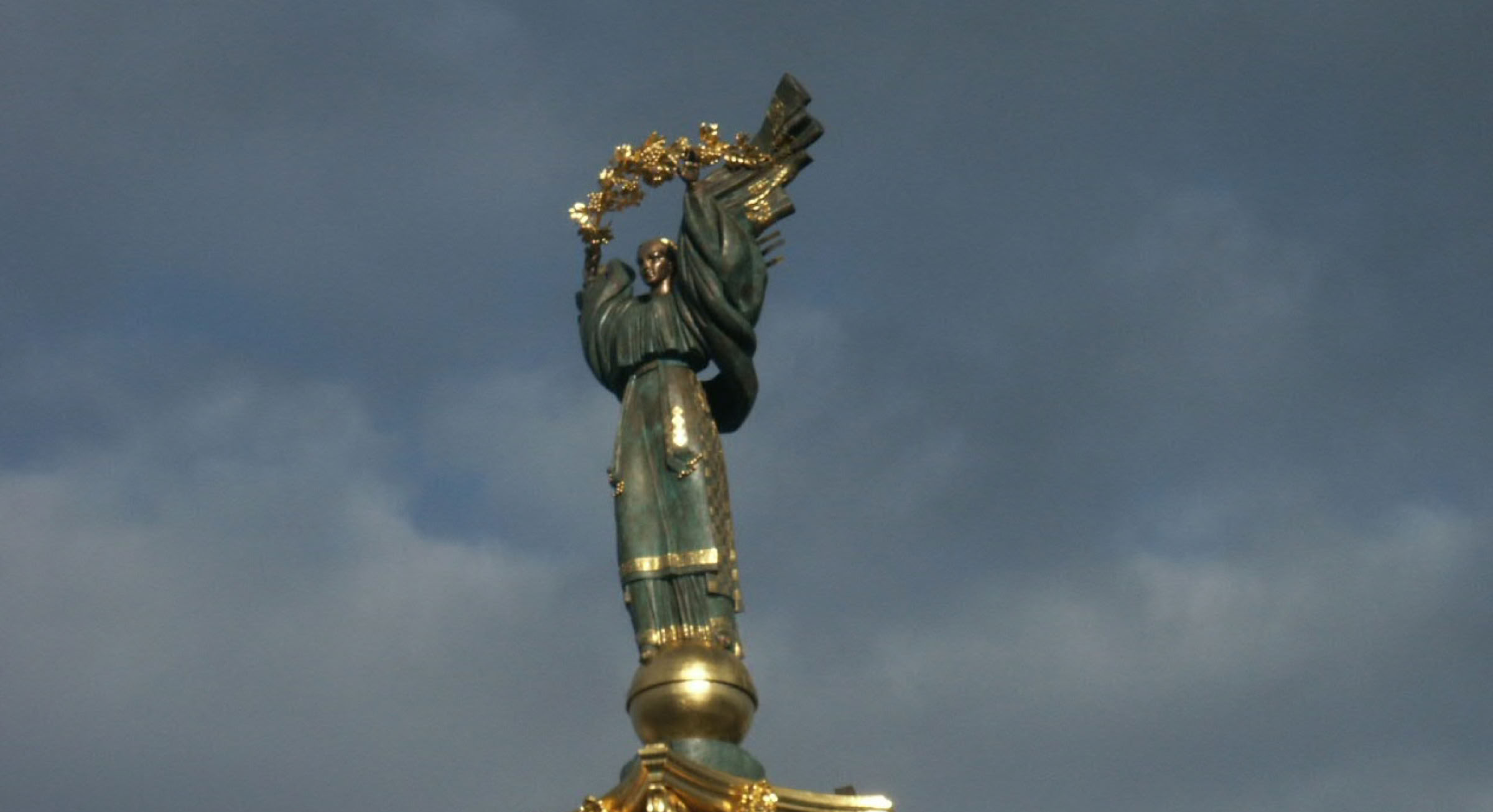
Emblems and memorial monuments in situations of change. Problems of Mother Earth and Socialist Realism. Mat Rodina
Deconstructions and reconstructions of buildings and systems of conceptions. Symbolic reorientation of states. Reflections at St. Michael's Monastery
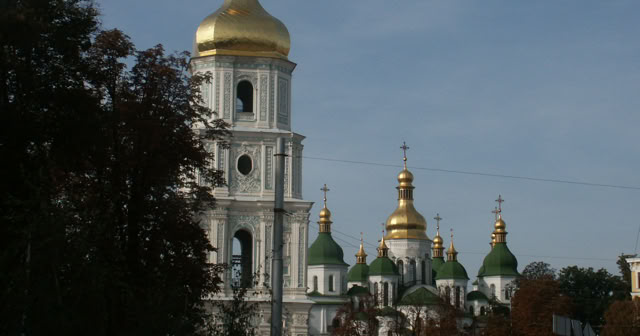
Splendor of form: the aesthetic experience in the performative history of the East and the West. Reflections at St. Sophia Cathedral
Differences in cultural formation in Eastern countries and Brazil. Anchorites in the universe of Orthodoxy. Reflections at the Kiev-Pechersk Lavra Cave Monastery
Language of images in the West and the Anthropology of the icon. 450 years since the translation of the icon of the Theotokos
Image, Writing, and Language in Processes of Cultural Transformation: "Books as Sources of Rivers of Wisdom." Lavra Museum of Printing Art
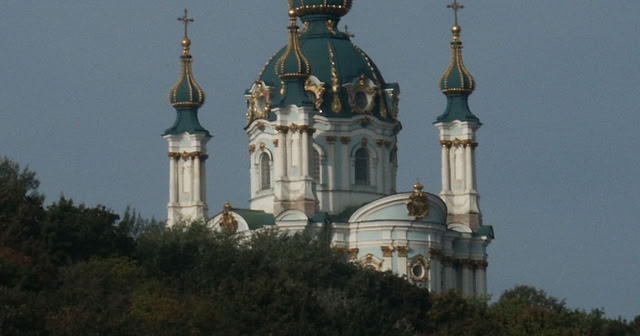
Cossack Baroque and Minas Gerais Baroque. Intercultural and Interreligious Exercises in Reading and Interpretation. Reflections in the Church of St. Andrew in Kyiv
Neo-Byzantinism from Intercultural Perspectives. Reflections in the Cathedral of St. Vladimir in Kyiv
Comparison of Comparative Studies. From Philologically Oriented Ethnography to New Trends in Cultural Studies. Kyiv Museum of Decorative Folk Art
Ukrainian-Catholic Liturgical Chant in Immigration and the Traditional Practice of Gregorian Chant in Brazil
Intercultural Approaches to the Study of Traditional Ukrainian Music. Kyiv Museum of Decorative Folk Art
Ukraine and Brazil from a historical-musical perspective in global contexts and relations. Kyiv Academy of Music
Netherlands-Germany-Brazil
150th anniversary of the birth of Wilhelm II (1859-1941)
Rereading the recollections of Duchess Viktoria Luise (1892-1980)
Meaning and problems of Wilhelmine studies in Euro-Brazilian contexts. Huis Doorn
Memory, images of the past and historical consciousness from the perspective of German-Brazilian/Brazilian-German studies
Memory and images of residential cities. Parallels between Petrópolis and Potsdam.
Travel, naval development and emigration in the Wilhelmine period. Albert Ballin (1857-1918)
Social networks in Political-Cultural History. Links between the reigning houses in Europe during the Wilhelmine period
1. Germany-Romania-Greece-Denmark-Sweden
2. The Hohenzollerns and the House of Saxe-Coburg. Germany-Portugal-Belgium-Bulgaria
3. Germany-Austria-Hungary-Italy and Russia
4. German Empire and British Empire. "Prussianity", Ethics of Duty and Ethics of Success
5. Waldeck-Pyrmont and the Netherlands
Featured Event
Study Cycle "On the Aesthetic Education of Man" from the perspective of Brazil-Germany/Germany-Brazil studies. Part I: 250 years since the birth of Friedrich von Schiller (1759-1805)
I. Rational-analytical procedure and the art of aesthetic reflection
II. Political freedom as a work of art, art as a product of freedom, and beauty as a path to freedom
III. From physical necessity to ethical requirement and the awakening of the Human. Recovery of the ideal ethical state
IV. Man in time, man in idea, and the two types of State. Of the savage and the barbarian
V. Political edification in freedom. Regression to the savagery and barbarism of intellectuals. Negative role of culture
VI. Unifying nature and differentiating reason. Division of sciences and antagonism as an instrument of culture
VII. Overcoming the separation of impulses and the conflict within man
VIII. Sapere aude. Enlightenment of the mind, character, and the formation of the capacity to feel
IX. Theoretical and practical culture. Living in the century, but not being its product. Playfulness and educational action
X. Control of nature in savagery and liberation of nature in barbarism. Critique of aesthetic culture and concepts of beauty
XI. Manifesting the internal and giving form to the external. Freedom and time in the notion of personality
XII. Impulses of meaning and form. Change as the content of time and yearning for justice
***
Topic
Brazilian Presence in Paris: Questions of Historical Consciousness and Identity
Multilateral Studies
Brazilians in Paris during the time of Louis-Philippe de Orléans (1830-1848)
Manuel de Araújo Porto-Alegre, Baron of Santo Ângelo (1806-1879) in the light of Alexander von Humboldt (1769-1859). Nature through the mysterious face of the heart
Domingos José Gonçalves de Magalhães, Viscount of Araguaia (1811 - 1882) under the sign of Alphonse de Lamartine (1790-1869). The "Manifesto" of Brazilian Romanticism in Paris: Poetic Sighs and Revista Brasiliense
Brazilians in Paris during the time of Napoleon III (1852-1870)
Henrique Alves de Mesquita (1830-1906) and the milieu of the Closerie des Lilas. On Une nuit au chateau and/or Noivado em Paquetá
Brazilians in Paris during the time of the Liberal Empire and the Franco-Prussian War (1870/71)
Carlos S. Cavalier Darbilly (1846-1918). From "musique musardienne" and Opéra comique to Revue Theatre
Brazilians in Paris at the beginning of the Third Republic
Carlos de Mesquita (1864-1953) under the sign of Ars gallica and the Concerts Populaires de Pasdeloup
Brazilians in Paris in the 1870s and 1880s
F.-J. de Santa-Anna Nery (1848-1901), Baron De Hübner (1811-1892), Émile Levasseur (1828-1911), Roland de Bonaparte (1858-1924). Amazonas and Brazilian Folklore in their relations with French studies of Political Economy, Economic Geography and Ethnology
José Ferraz de Almeida Júnior (1850-1899). Caipira Culture, Montmartre and Salon - Music and Painting
Brazilians in Paris in the last years of the Brazilian Empire
Francisco Magalhães do Valle (1869-1906) and César Franck (1822-1890). From the province of Minas Gerais in search of recognition and Franco-German erudition mediated by Belgium.
Brazilians in Paris during the Centenary of the French Revolution
Elpídio de Brito Pereira (1872-1961). Culture of Northern Brazil and the Popular in Parisian ballet. Assumptions of the success of Les Pommes du Voisin at the Théâtre de la Gaité.
Brazilians in Paris at the end of the 19th and beginning of the 20th centuries
Sylvio Deolindo Fróes (1865-1948), André Dulaurens (1873-1932) and Georges Barrère (1876-1944). Bahian spirituality, symbolism and fascination with German aesthetics in France.
Brazilians in Paris during the Belle Époque
Magdalena Tagliaferro (1893 - 1986) e Reynaldo Hahn (1874-1947). A intérprete de espírito e as emoções de seu tempo. Imagem e ideal da mulher francesa em processos de transformação de identidades
Brazilians in Paris in the Years Following the First World War
João de Souza Lima (1898-1982) and Alípio Dutra (1892-1964). Paulistanism and integration into the French cultural universe in an atmosphere of euphoria
Brazilians in Paris in the 1930s and during the Second World War
"Tietê Borba" in the Musée de l'Homme group and Paul Rivet (1876-1958). Approaches to studies of the political and cultural insertion of the Brazilian presence in interwar France
Brazilians in Paris after the Second World War
Luís Heitor Corrêa de Azevedo (1905-1992), Paulo Carneiro (1901-1982) and the reorganization of international cooperation in scientific and cultural areas
Atlantic-Pacific Studies Cycle IV
France-Mexico-Brazil
Santa Maria de Huatulco. Empress Eugénie according to Clara Tschudi (1856-1945) and the "Latin race". Internal European and Euro-Latin American identity problems in France-Mexico-Brazil relations
Santa Cruz de Huatulco. The First Mass in the Americas and the First Mass in Brazil. Pharamond Blanchard (1805-1873) and Victor Meirelles de Lima (1832-1903)
Featured Event
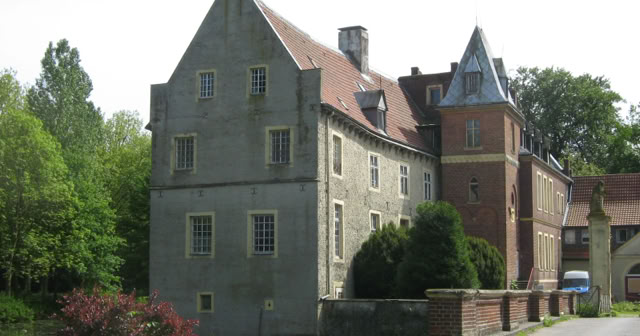
Exhibition "Toulouse-Lautrec and the stars of Montmartre" at Cappenberg Castle. Reflections from a Brazilian perspective
***
Topic
Culture and Ethics from the perspective of Intercultural Studies in the context of Franco-German relations and their irradiations in the Southern Hemisphere
1969-2009: 40 years of work renewing the theoretical framework of France-Brazil and Germany-Brazil studies
Multilateral Studies
France-Germany-Brazil
Alsace-Brazil Study Cycle
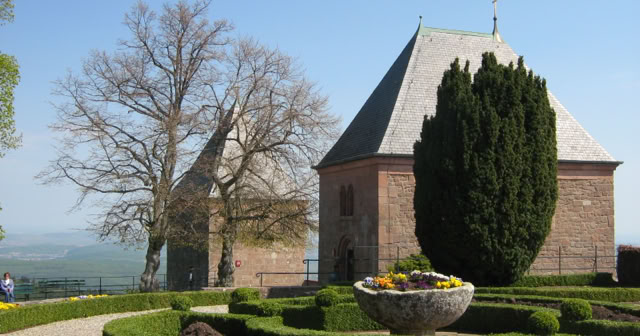
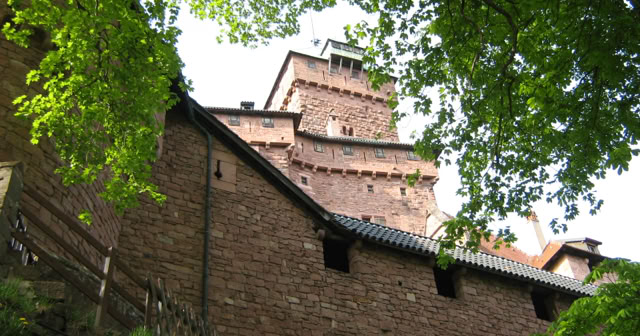
Haut-Koenigsbourg. Alsatian-Brazilian Studies. Encounters and interactions of Franco-German cultural spheres and their extensions
St. Odile. Mater Alsaciae. Paradigms of contemplative life and ethical reflection in European and Brazilian contexts
Barr. Franco-German tensions in Alsatian identity and their interference in Thought, Religious Studies and Spiritualism: Teutonism and Celticism. Édouard Schuré (1841-1929) and his reception in Brazil
Molsheim. Franco-German contexts in the Bach Movement and its extensions in Brazil. Alsatian Organs and the Organ Movement. Charles-Marie-Widor (1844-1937) and Albert Schweitzer (1875-1965)
Haut-Andlau. Crisis of Culture and its ethical causes. Rereading philosophical-cultural analyzes by Albert Schweitzer and "The Spirit of the Cathedrals" by Paulo Duarte (1899-1984)
Haguenau. Differences between language and identity in the example of Alsace-Lorraine and the French post-war policy of cultural diffusion
Dehlingen. Alsatian Jews and Alsatian immigrants in the cultural life of Brazil and Argentina. Valse des Alliées by the Brazilian Louis Henri (Levy) (1861-1935)
Strasbourg. Versailles Peace Conference. Alsace, Franco-German relations and the role of Brazil: Epitácio Pessoa (1865-1942)
Obernai. Catholic-French perspectives: Evolutionary scientism as the cause of Pan-Germanism and ethical-cultural regression. Paul Bourget (1852-1935) against Ernst Haeckel (1834-1919)
Saint-Hippolyte. In years of crisis: 1929 and 2009. Albert Schweitzer's Mysticism of Saint Paul and "Ethical Mysticism." Reflections from a Brazilian perspective
Mittelbergheim. Internalization in everyday culture and Ethics of Respect for Life in Africa and Brazil. The role of women in the dissemination and realization of A. Schweitzer's ideals
New Zealand-Australia-Europe-Brazil
Atlantic/Pacific Study Cycle III
Sydney/Melbourne. "Order and Progress" in Brazil and the British sphere. Analysis of ethical conceptions of the late 19th century in international contexts. 150 years of Samuel Alexander (1859-1938)
Bunbury, Perth, Hobart. Cultural consequences of the First World War in global contexts - Intensification of French cultural influence in the Southern Hemisphere
Burnie. Veneratio vitae: Relations between Man and other living beings in Ethics. Significance of A. Schweitzer's thought for countries of colonial formation marked by the destruction of Nature and extinction of species: Brazil and Australia
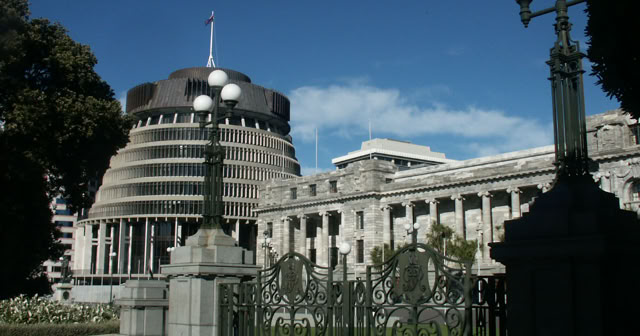
Christchurch and Wellington. St. Paul's Cathedral in Wellington and the reception of the Iberian missionary style in the Pacific
From Events
Porto Alegre, RS. Music Education in Service of Ethics. Lecture from the inaugural session of the Distance Learning Music Education Degree program at the Federal University of Rio Grande do Sul
Collaborations
Ester de Oliveira Gottschall: Jaroslav Jan Kaczmarczyk and Aleksandra Adamiec - Cooperation and exchange projects France-Poland-Germany-Brazil
***
Topic
Darwin Year 2009: Theory of Evolution and the theoretical-cultural perspective in international contexts: Europe-Brazil-Australia
Featured Institutions
Australian National Maritime Museum, Sydney. Brazil in the exhibition Charles Darwin - Voyages and ideas that shook the world
Tasmanian Museum, Hobart. Darwin in Hobart City in light of his experiences in South America
Multilateral Studies
Study Cycle of the Darwin Year 2009
Australia-Brazil
Sydney. Darwin in Australia and Brazil. Popular literature and intercultural historiography: Victor Wolfgang von Hagen (1908-1985)
Sydney. Pacific-Atlantic Relations in a History of Art in Global Contexts I: Conrad Martens (1801-1878)
Albany. Historical Sources of Ethnomusicology and Musicology with an Intercultural Orientation: Aborigines and Indians. Darwin and the Corroboree
Adelaide. The Presence of the Amazon in Adelaide: Victoria Regia. Robert (1804-1865) and Richard Schomburgk (1811-1891)
Adelaide. Australia and Brazil in the History of Evolutionism and Evolutionary Conceptions in Anthropology and Sociology. Ladislau Neto (1838-1894) and Eunápio Deiró
Melbourne. Victoria Regia and its Significance for Architecture and for the Cultural History of Industry and Commerce. Joseph Paxton (1803-1865) and the Crystal Palace
Melbourne. Australia and Brazil in Darwin. Brazil's Role in the Development of the Theory of Evolution
Melbourne and Sydney. Evolutionism and Religion. Reflections in Australia on a Prehistory with Biblical Foundations in Brazil: Raymundo Ulysses de Pennafort
New Zealand-Australia-Brazil
Pacific-Atlantic relations in a History of Art in global contexts II: Augustus Earle (1793-1838)
Great Britain-Australia-Nicaragua-Brazil
The Naturalist in transcontinental contexts in the 19th century: Thomas Belt (1832-1878)
"...the contemplation of nature...is one of the great sources of happiness"
Germany-Brazil
German-Brazilians in the history of the Theory of Evolution. Johann Friedrich Theodor Müller (Fritz Müller) (1822-1897)
***
Topic
Atlantic-Pacific Relations in Euro-Brazilian Cultural Studies
Featured Institutions
National Museum of Costa Rica. Prehistory, Archaeology and Current State of Indigenous Studies. Situations in Costa Rica and Brazil
Multilateral Studies
Panama - Brazil
Panama-Brazil-Europe in studies of cultural processes and relations. Approaches
The Panama Scandal, financial crisis, and geo-political-cultural reorientation in the Americas - From France to the USA and Jewish contexts
Interoceanic routes and the Amazon Valley. Visions of the tropical forest and cosmopolitan developments
Costa Rica - Brazil
Costa Rica - Brazil - Europe. Perspectives for cultural context studies
Coffee in the cultural studies of Costa Rica and Brazil: links and paradoxes
Musa sapientium: On the banana in cultural history and the banana as allegory
National Theatre of Costa Rica and the architectural-theatrical heritage of the Americas
Costa Rica and Brazil in musicological studies. Some aspects of international cooperation
Lyric, zarzuela, operetta, and cinema in the history of urban popular culture: Teatro Popular Melico Salazar
Colombia-Brazil
Cultural Studies Colombia/Brazil: Approaches
The Inquisition in Euro-Latin American Contexts and the Portuguese Jews in Cartagena
Afro-American Studies and Missiological History in Euro-Atlantic-Pacific Contexts: Pedro Claver SJ
Reviews
Ana Cecilia Barrantes de Bermejo: America/Spain in American Repertoire
María Mayela Padilla: Through the Trills of the Farm
Eduardo Oconitrillo: History of My Neighborhood. Yesterday's San José
Víctor Valembois: Another Christmas?
***
Topic
Communication in complex cultural contexts and systems theory
Featured Events
"Integration of the past into the present." From allegory to nature in theatrical reconstruction. Approximations between Lübeck and Porto Alegre for the 150th anniversary of the São Pedro Theater
"Early Music" in Latin America. On its renewing potential and interdisciplinary reinterpretation
Multilateral Studies
Germany-Brazil Cycle of Interdisciplinary and Systemic Reflections. 10 years since the death of N. Luhmann
Giessen. Inevitability and Compensation? The Role of Cultural Studies in Interdisciplinary Dialogue
Hohenlimburg. The "Usefulness" of Cultural Studies in International Cooperation
Klausen. The "Usefulness" of Philosophy in Interdisciplinary and Intercultural Debate
Witten. Multidisciplinarity in Euro-Brazilian Cultural Studies and Interdisciplinary Cooperation
Iserlohn. Intersubjectivity as a Metadisciplinary Category? Communication and Sociology
Koblenz. Consensus and/or Choice in Communicative Transactions
Lembeck. Second-Order Observation and "Seeing What Others Don't See"
Abtei Sayn. Differentiations in the Conception of Autopoiesis and Autopoetic Systems
Hagen. On Self-Organization from a Theoretical-Cultural Perspective
Ehrenbreitstein. System as Difference. Difference between system and surrounding environment