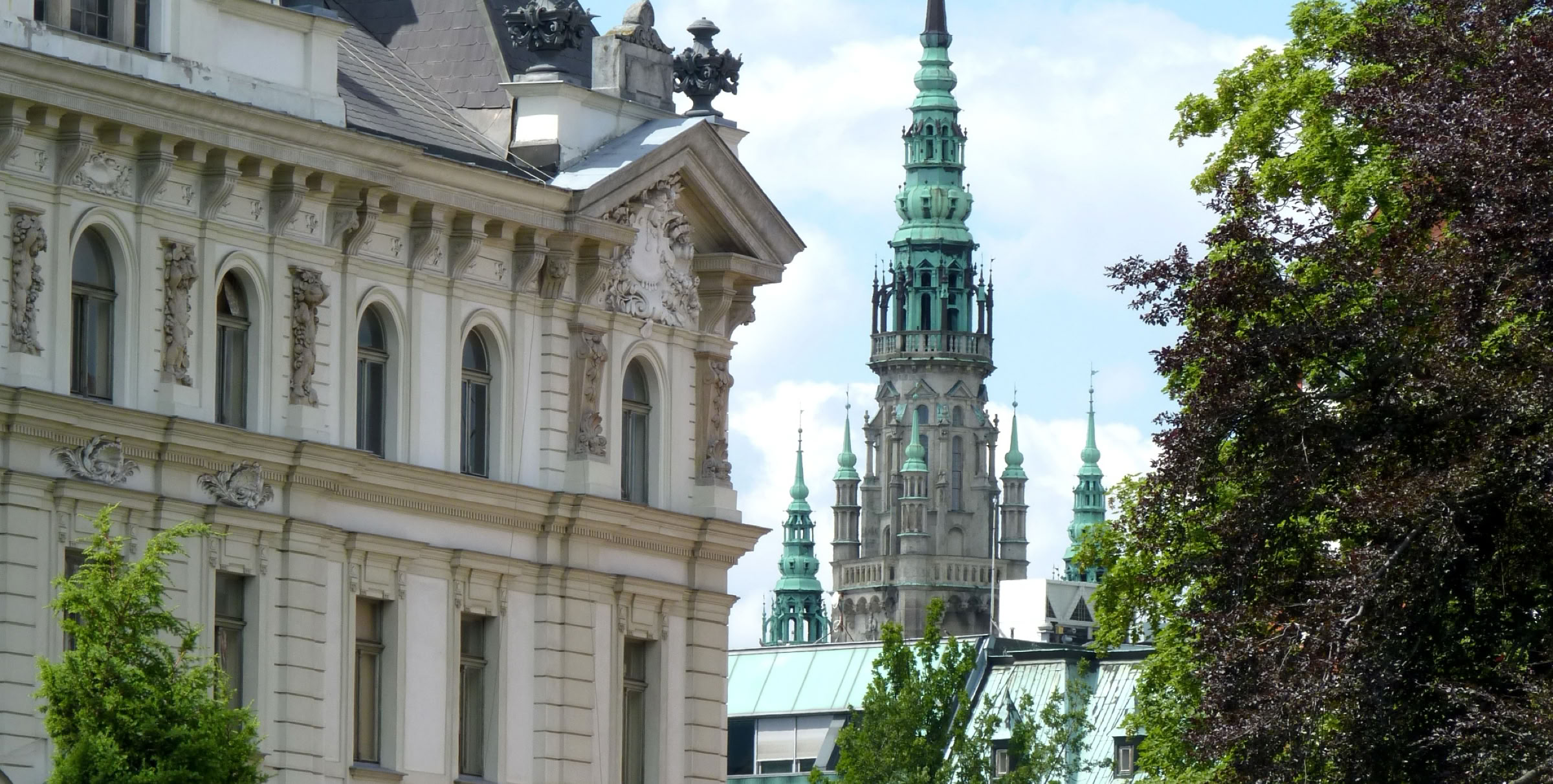
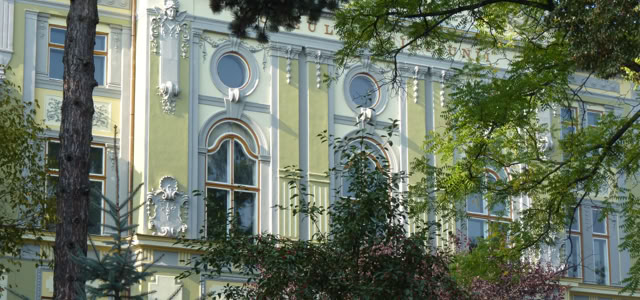
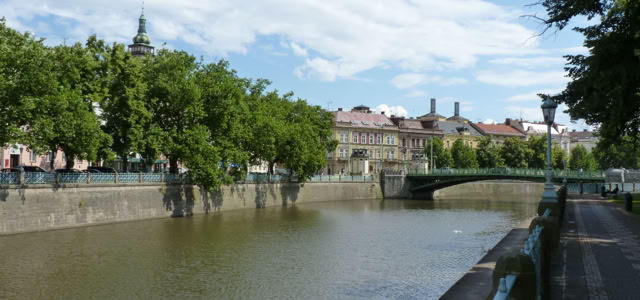
Reichenberg. Czech Republic 2010
Culture/Nature -Global Studies
Photo: A.A.Bispo©
ANNALS
2011
Studies of cultural processes in global contexts
using Euro-Brazilian relations as a frame of reference
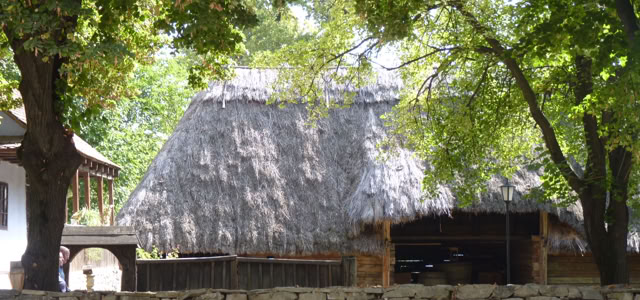
Dimitrie Gusti National Open-Air Museum. Romania 2010
Culture/Nature - Global Studies
Photo: A.A.Bispo©
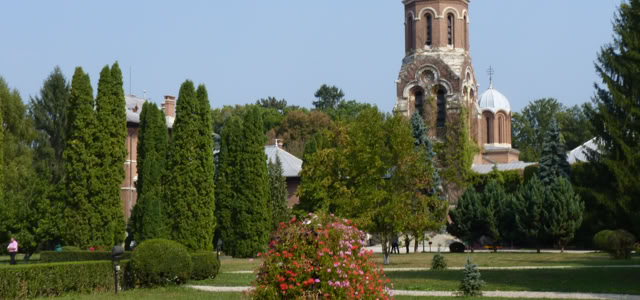
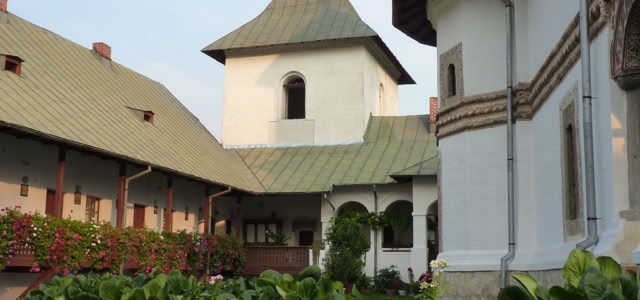
Curtea de Arges. Romania 2011
Culture/Nature - Global Studies
Photo: A.A.Bispo©
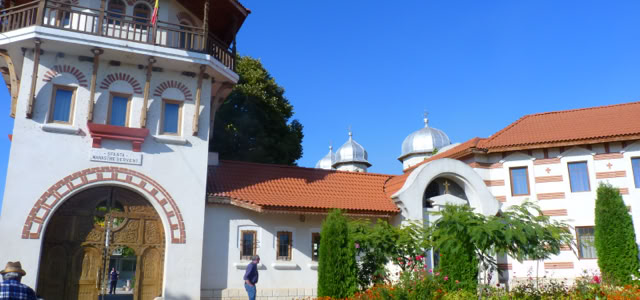
Govora. Romania 2011.
Culture/Nature - Global Studies
Photo: A.A.Bispo©
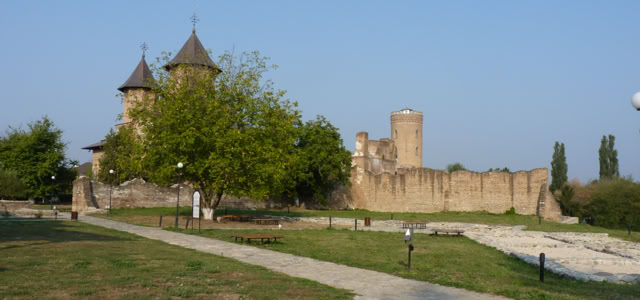
Targoviste. Romania 2011
Culture/Nature - Global Studies
Photo: A.A.Bispo©
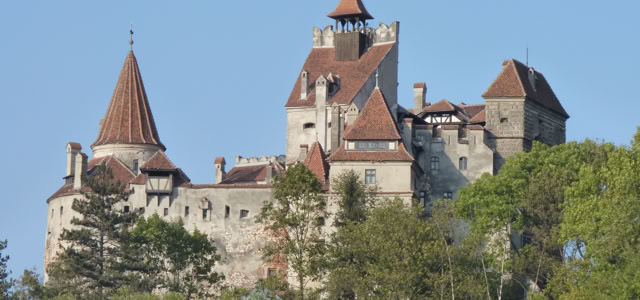
Bran. Romania 2011
Culture/Nature - Global Studies
Photo: A.A.Bispo©
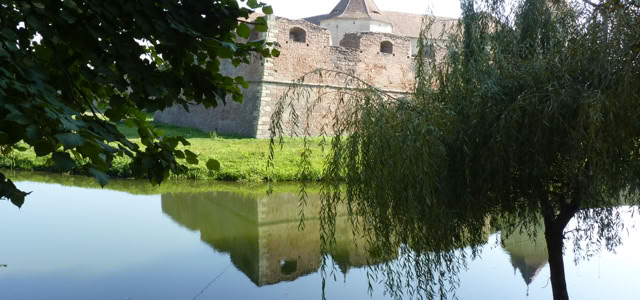
Fagaras. Romania 2011
Culture/Nature-Global Studies
Photo :A.A.Bispo©
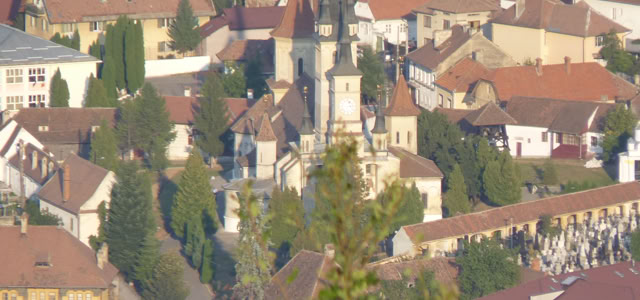
Hermannstadt. Romania 2011
Culture/Nature-Global Studies
Photo: A.A.Bispo©
Kronstadt. Romania 2011
Culture/Nature-Global Studies
Photo: A.A.Bispo©
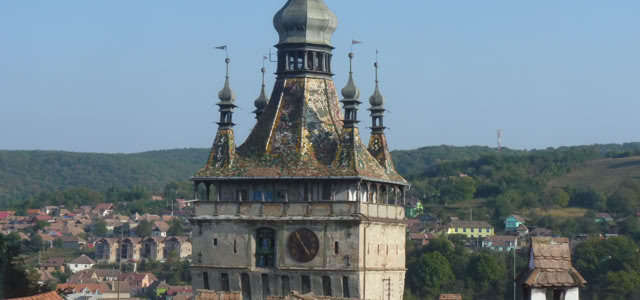
Schäßburg. Romania 2011
Culture/Nature-Global Studies.
Photo: A.A.Bispo©
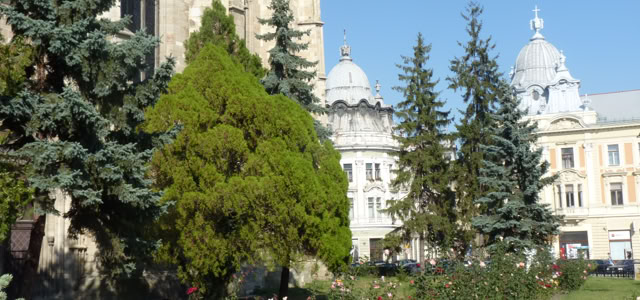
Klausenburg. Romania 2011
Culture/Nature-Global Studies
Photo A.A.Bispo©
Neumarkt. Romania 2011
Culture/Nature-Global Studies
Photo: A.A.Bispo©
Arbore. Romania 2011
Culture/Nature-Global Studies
Photo: A.A.Bispo©
Probota. Romania 2011.
Culture/Nature - Global Studies
Photo: A.A.Bispo©
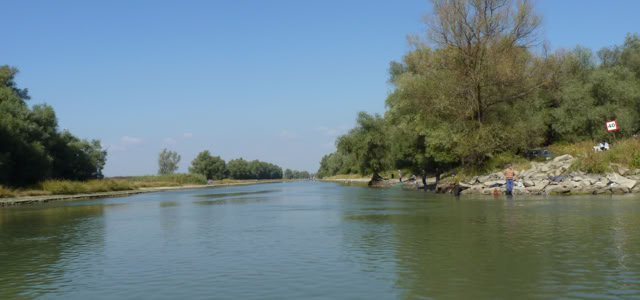
Danube Delta 2011
Culture/Nature
Photo: A.A.Bispo©
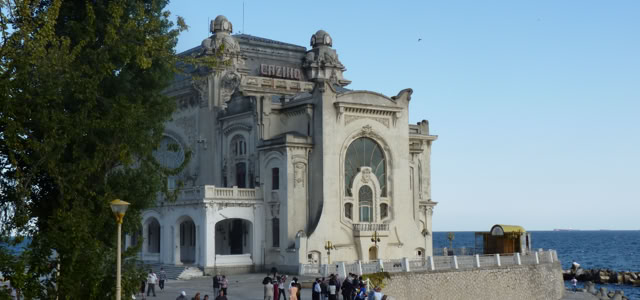
Constanta. Romania 2011
Culture/Nature
Photo: A,A.Bispo©
Dervent. Romania 2011
Culture/Nature
Photo: Aa.A.Bispo©
Königgrätz. Czech Republic 2011
Culture/Nature
Photo: A.A.Bispo©
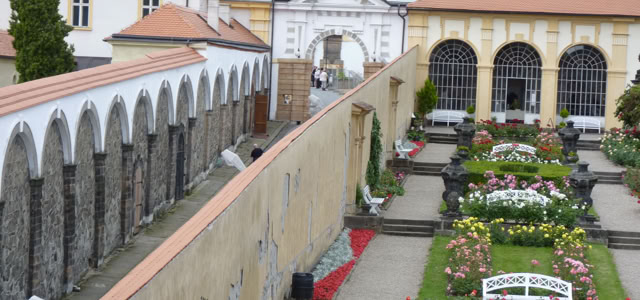
Decin. Czech Republic 2011
Culture/Nature
Photo: A.A.Bispo©
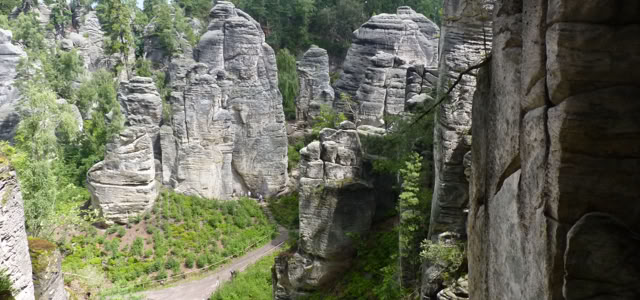
Prachovská. Czech Republic. 2011
Culture/Nature
Photo A.A.Bispo©
Turnau. Czech Republic. 2011
Nature/Culture
Photo A.A.Bispo©
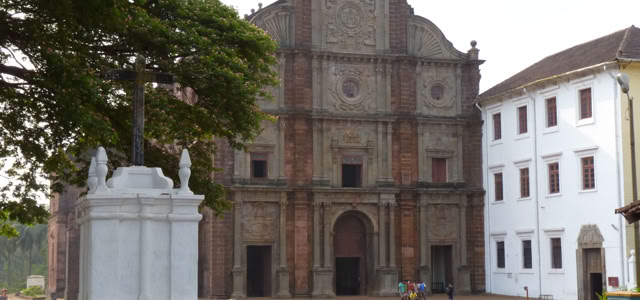
Goa. India. 2011
Culture/Nature - Global Studies
Photo: A.A.Bispo©
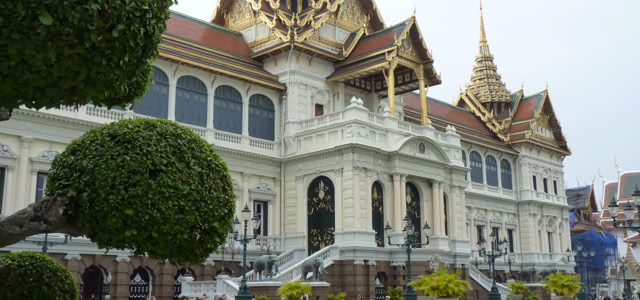
Bangkok.Thailand. 2011
Culture/Nature
Photo: A.A.Bispo©
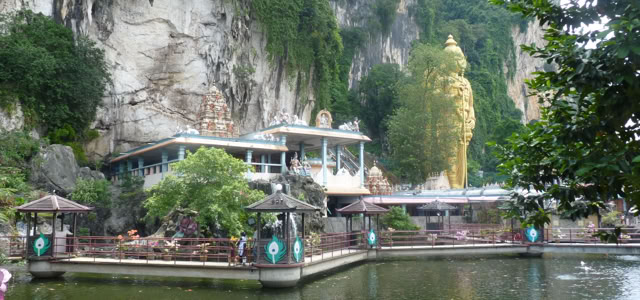
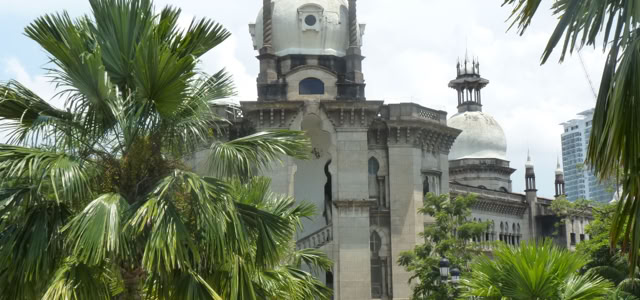
Kuala Lumpur. Malaysia. 2011
Culture/Nature
Photo: A.A.Bispo©
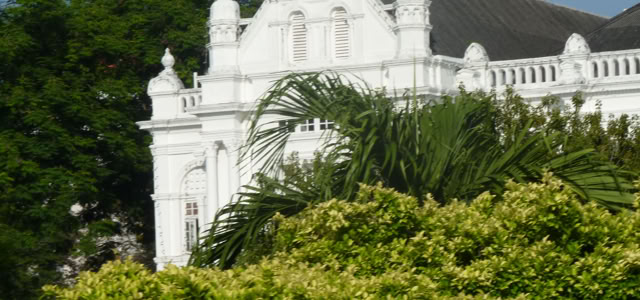
Penang. Malaysia. 2011
Culture/Nature
Photo: A.A.Bispo©
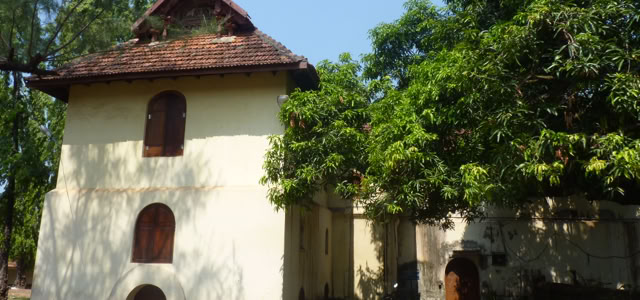
Cochim. India. 2011
Culture/Nature - Global Studies
Photo: A.A.Bispo©
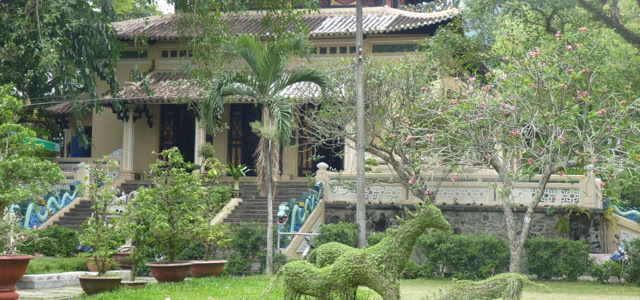
Ho Chi Minh City. Vietnam. 2011
Culture/Nature - Global Studies
Photo: A.A.Bispo©
Kuala Lumpur. Malaysia. 2011. Culture/Nature - Global Studies. Photo:A.A.Bispo©
Topic
Romania and Brazil. On "material" and "immaterial" cultural heritage in the formation of new generations
Multilateral themes
Transdanubia/Dobrogea Study Cycle
Tulcea. Danube Delta and Amazon Delta - approaches in light of the Culture/Nature binomial in terms of the transcontinental dimensions of the "Danubian cultural cluster"
Histria (Ἰστρίη). Archaeology of cultural processes of the Greek colonization world of the Black Sea and its repercussions on the cultural heritage of the West
Constanța. Foundations of image buildings and interactions of means of expression in Brazilian and Romanian perspectives. The lyre in the darkness and Ovid's exile in the Black Sea in the humanistic heritage
Adamclisti. Tropaeum Traiani as a terrifying landmark of the triumph over barbarism - Mars and the Romanians' identification with the Roman world
Ion Corvin and Dervent - The Christianization of the Black Sea land and the potential of images in the hagiographic tradition: the grotto of Saint Andrew by Ion Corvin and Saint Andrew "of the edge of the field" in Brazil
Study Cycle of Wallachia
Snagov. Images of cruelty and blood drinking in peoples associated with barbarism in the ancient world. From the "werewolf capital" in Brazil and Dracula in the image of Romania
Cortea de Arges. Orthodoxy, Romanian identity and the West. S. Neagoe Basarab (1481-1521) and his significance in international contexts. Symposium "Sfântului Neagoe Basarab Print al Pacii si al Culturii"
Târgoviște. Dimitrie Cantemir (1673-1723): geographer and musicologist between Europe, Turkey and Russia: his relevance in interdisciplinary studies of cultural processes. On the 110th anniversary of the birth and 20th anniversary of the death of Martin Braunwieser (1901-1991)
Bucovina Study Cycle
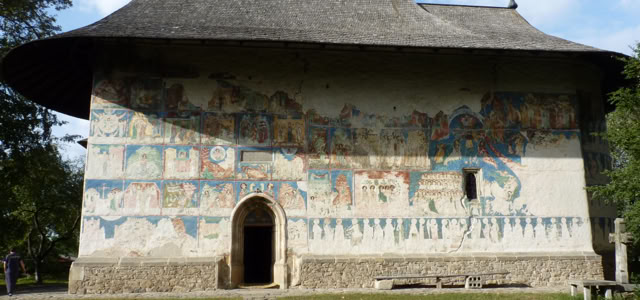
Voroneț. The "cords" in Brazilian traditions and the visual ordering of the Last Judgment in the external paintings of the "Eastern Sistine Chapel"
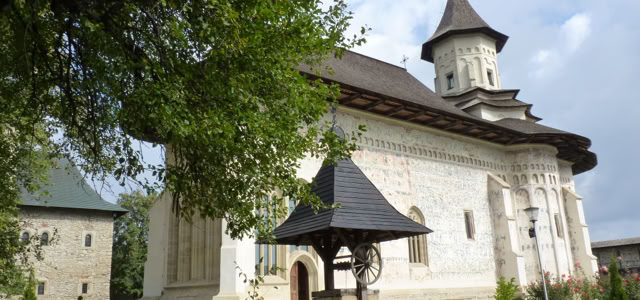
Probota. "Saint Nicholas of the Forest Clearing" and the overcoming of the world of darkness in the churches of Ștefan cel Mare/Stephen the Great (ca. 1433-1504) and Petru Rareș (ca. 1487-1546)
Arbore. Saint John the Baptist in the Deesis of the Moldau church panels and the meaning of the "left side" in studies of Brazilian cultural traditions
Sucevita. The celestial ladder of Johannes Climacus and the search for perfection in the pictorial representations of Bucovina and in the traditions of Brazil
Moldovita. The Siege of Constantinople in 626 on the walls of Bukovina churches and the struggles between Christians and Moors in Brazilian tradition
Humor. Dormition of Mary and the Akathistos Hymn: images in the hymn, hymn in images. Architectural, pictorial and musical heritage in their interrelations
Transylvania Study Cycle
Sibiu/Hermannstadt. Minorities, Heritage and Education in situations of ethnic and cultural plurality. Population groups of German descent in Brazil and Romania I: Historicity of Conceptions
Brașov/Kronstadt. Minorities, Heritage and Education in situations of ethnic and cultural plurality. Population groups of German descent in Brazil and Romania II: Reformation and Education
Feldioara. Minorities, Heritage and Education in situations of ethnic and cultural plurality. Population groups of German descent in Brazil and Romania III: Rural Dwellings
Homorod. Minorities, Heritage and Education in situations of ethnic and cultural plurality. Population groups of German descent in Brazil and Romania IV: Church-burghs
Sighișoara/Schäßburg. Minorities, Heritage and Education in situations of ethnic and cultural plurality. Population Groups of German Descent in Brazil and Romania V: Cities
Kerz/Cârta and Sibiu/Hermannstadt. Minorities, Heritage and Education in situations of ethnic and cultural plurality. Population Groups of German Descent in Brazil and Romania VI: Catholic sacred music
Saschiz/Saschitz. Minorities, Heritage and Education in situations of ethnic and cultural plurality. Population groups of German descent in Brazil and Romania VII: practices of the annual cycle
Sibiu/Hermannstadt. Traditional music as cultural heritage. From Ethnomusicology to a musicology of theoretical-cultural orientation: consequences for the heritage discussion. Reviewing the conceptions of Constantin Brăiloiu (1893-1958)
Institutions visited
Sibiu/Hermannstadt. The Museum of Transylvanian Civilization ASTRA on the 150th anniversary of the Asociaţiunii transilvane pentru literatura româna și cultura poporului (1861-2011). From ethnic museum to multicultural museum of a European region
Sibiu/Hermannstadt. Muzeul de Etnografie Universala "Franz Binder". Museum endowments as objects of cultural studies: collections of non-European peoples from the Austro-Hungarian period in Transylvania. Arthur Soterius von Sachsenheim (1852-1913)
Sibiu/Hermannstadt. Bruckenthal National Museum and Emil Sigerus Saxon Ethnographic and Folk Art Museum (1854-1947). Heritage awareness in populations of German descent in Romania and Brazil.
Iași. Alexandru Ioan Cuza University and Palace of Culture. Culture and the university in Moldau in the becoming of Romanianism and its relations with the Latin world.
Bukuresti/Bukareste. The Romană Academy and cultural diplomacy in relations between Romania, France and Brazil. Vasile Alexandrescu-Urechia (1834-1901), Louis Léon Prunol de Rosny (1837-1914) and Peter II.
Cluj-Napoca/Klausenburg. Babeș-Bolyai University. Culture and the University in Multilingual and Multiconfessional Situations: German-Romanian-Hungarian Complexes in Transylvania in their Relations with the Latin World
Bukuresti/Bukareste. Museum of the State. On the theoretical-cultural orientation in the consideration of architecture in heritage reflections in Romania and Brazil
Bukuresti/Bukareste. Athenaeum: George Enesco - links and parallels with Brazil. For its 130th anniversary
***
Topic
Bohemia and Brazil: Cultural Intertwinings: Baroque, Romanticism, German-Bohemians and Sudetenland in Brazil. The Austro-Hungarian multinational empire and the Czech national differentiation process. In the year of the death of Otto von Habsburg-Lothringen (1912-2011)
Multilateral Themes
Hruba-Skala/Groß Skal. In search of landscapes and horizons: on the provenance of immigrants in local studies of memory and oral history in Brazil
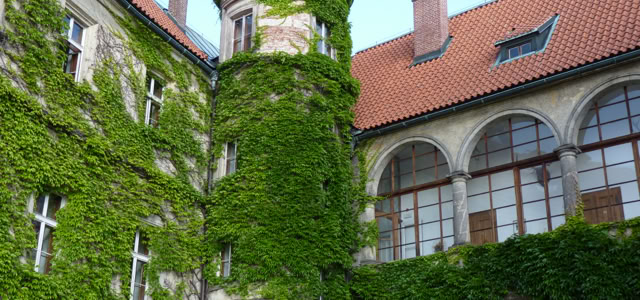
Liberec/Reichenberg. From Liberec/Reichenberg to São Bento do Sul: German Bohemians in the highlands of Santa Catarina. Situation 120 years ago according to the testimony of a visitor to the Eifel region
Liberec/Reichenberg. From Liberec/Reichenberg to Nova Petrópolis: German Bohemians in the Serra Gaúcha. Situation 120 years ago according to the testimony of a visitor to the Eifel region
Liberec/Reichenberg. Current state and perspectives of cultural studies of immigration: the Austro-Hungarian multinational complex and the present marked by globalization
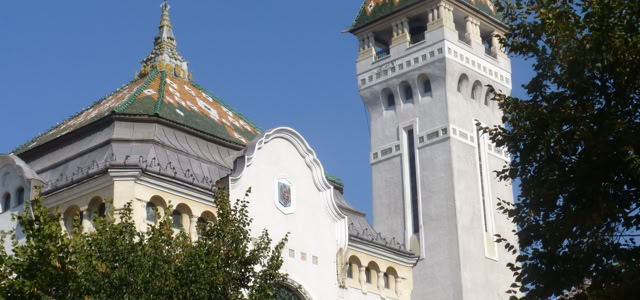
Liberec/Reichenberg. Per laborem ad honorem. On the work ethos of German-Bohemian settlers in Brazil based on an analysis of the architecture of the Liberec/Reichenberg Town Hall
Bohemians in Brazil: An analysis of the architecture of the Liberec/Reichenberg Town Hall
Jablonec/Gablonz. German Bohemians of Gablonz/Jablonec in the Iser Mountains in Brazil and band music in the processes of Sudeten German and Bavarian-Bohemian cultural identity
Jičín/Jitschin. Baroque in Bohemia and Baroque in Brazil I. The "city of Wallenstein" in its relations with political-cultural processes
Hradec Králové/Königgrätz. Baroque in Bohemia and Baroque in Brazil II: The recatholicization of Central Europe and its spread to the American continent. Bohemian Jesuits in the missions
Teplice-Šanov/Teplitz-Schönau. Johann Gottfried Seume's (1763-1810) *The Savage* - from his experience in America to the image of the indigenous person with noble sentiments
Antonio Gonçalves Dias (1823-1864) - translator of F. Schiller. Brazilian Indianism and German culture of Central Europe
Prachvoské Skály/Prachauer Felsen. Bohemia and the "bohemians" in Paris and Rio de Janeiro. Théophile Gautier (1811-1872) and the "beau sauvage" Artur de Oliveira (1851-1882)
Turnov/Turnau. Knowledge of Brazil in Bohemia I. Rio de Janeiro in Wolfgang Adolf Gerle's (1781-1846) *Life in Brazilian Society*
Turnov/Turnau. Knowledge of Brazil in Bohemia II. Wolfgang Adolf Gerle's (1781-1846) *The Black King in Rio de Janeiro*
Kost. Knowledge of Brazil in Bohemia III. Wolfgang Adolf Gerle's (1781-1846) *A Journey in Brazil*
Trosky-Český ráj. Knowledge of Brazil in Bohemia IV. Wolfgang Adolf Gerle's (1781-1846) *Customs and Character of Brazilians*
Děčín/Tetschen. Knowledge of Brazil in Bohemia V. Wolfgang Adolf Gerle's (1781-1846) *The People of Lucca in Brazil*
Hradec Králové/Königgrätz. Knowledge of Brazil in Bohemia VI. Santa Catarina and Rio Grande do Sul in Franz Heiderich's (1893) version of Adrian Balbi's (1782-1848) General Description of the Globe
Horice. The National in Music in its Links with Political-Cultural Processes in Central Europe I: On the Political Consciousness of Bedřich Smetana (1824-1884)
Česká Kamenice/Böhmisch Kamnitz. The National in Music in its Links with Political-Cultural Processes in Central Europe II. Antonin Dvórak (1841-1904): Position in the Political Scenario of the Dual Monarchy
Sobotka. The Indigenous Perspective in the Political and Cultural Transformations of Central Europe: The Socialist Era in Czechoslovakia - Václav Solč (1919-1995) and the Reception of Lewis Henry Morgen (1818-1881) in Marxism
Herrenhausfelsen. Music and Nature: The Stone Organ as a National Monument
***
Topic
Iceland/Brazil. Iceland as a "country of sagas" and the narratives of cultural heritage in light of the relationship between history and lore. Due to Iceland's special presence at the Frankfurt a.M. International Book Fair 2011
Multilateral Studies
Reykjavik Cycle
Þjóðmenningarhúsið - Icelandic Cultural Heritage Museum. Sagas and politics: narratives as historical documents in the foundation of national aspirations. For the 200th anniversary of the birth of Jón Sigurðsson (1811-1887)
Dómkirkjan - Cathedral. Sagas and psalms. From psalmodic referencing to the historical understanding of the narrated in Reformed views. From Psalm 90 to the Icelandic national anthem
Hallgrimskirkja and statue of Leif Eriksson (ca. 974-1020). The Nordic discovery of America in the saga as a historical monument within the Icelandic political context and within the framework of the cathedral of psalms
Árni Magnússon Institute in Iceland. Icelandic manuscripts and oral tradition sagas in the current Icelandic debate on the relationship between history and lore. Icelandic "antiquarian romanticism" and its significance for cultural studies
Menntaskólinn í Reykjavik - Gymnasium. Writing and orality, instruction and tradition. Re-creations of narratives in Icelandic perspectives and the mechanism of actualizing presentification in Euro-Brazilian studies
Alþjóðahús - Intercultural Center. The reception of Norse in Brazil and Icelandic criticism of the appropriation and instrumentalization of ancient narratives in the German national and National Socialist past
Listasafn Íslands - National Gallery of Iceland. Sagas and visual arts/Sagas and inherent images. Aesthetic issues in cultural studies of narratives and culturally oriented aesthetics
Einar Jónsson Museum (1874-1954). "A contemplative hermit rising from the sea between Europe and America." Image of Iceland in the visual arts and the role of culture in international relations and diplomacy
"Golden Circuit," West and South Iceland
Mosfellsbaer/Gljúfrasteinn. Halldór Laxness House-Museum. The historical and the fictional in the sagas. On the national ownership of narratives and human freedom in relation to the narrated. Music in the thought of Halldór Laxness (1902-1998)
Þingvellir. The separation of Europe and America on Icelandic soil and narrated images of a people who crossed the sea. The Alpingi and the stone of law as foundations of national identity
Oddi. Written culture and the Church. Latin education in Iceland within the framework of the seven liberal arts and its significance for the reading of ancient narratives
Skálholt. From Gregorian chant to evangelical hymns. Musical practice in the religious life of the Icelandic Middle Ages and its transformation with the Reformation
Saurbaer. Passionate Psalms of Hallgrímur Pétursson (1614-1674) in the light of the re-Christianization of his wife rescued from slavery in Africa
Hveragerðis, Bláa Lónið, Haukadalur and Laugarvatn. The image of Iceland and its nature in the past and present. Transformations in the perception of natural heritage with special consideration of geothermal springs and geysers. Carl Gottlob Friedrich Küchler (1869-1945) and Robert Bunsen (1811-1899)
Gulfoss. The vanished Seven Falls and the golden falls of Gulfoss. An example from Iceland for Brazil: Sigríður Tómasdóttir (1874-1957)
Institutions visited
Norraena Húsið and Þióð-minjasafn - Nordic House and National Museum of Iceland. The role of culture in Nordic relations and "navigation through time" in understanding and representing the past
Garðar, Akranes. Gardar museum area. The ocean in the lives of Icelanders and inter-Atlantic links. Religious song in the domestic life of communities marked by the sea
Landnámssetur and Safnahús Borgarfjaðar - Land Taking Center and Regional Museum of Bogarnes. The "Scandinavian-Germanic cycle" in the studies of Romanceiro in Portugal and Brazil. Reflections on the site of the Icelandic conquest and the saga of Egil
Snorrastofa, Reykholt - Research Centre and historical area of Reykholt. Snorri Sturluson (1179-1241) - The Discovery of America in the Saga of Olaf Tryggvason in Heimskringla. Occasions for cultivating sagas - Nordic practices (Snorralaug)
Sögusetrid, Hvolsvöllur - Center for Sagas. The ship and navigation in the sagas and their regional context. The fate of the old world marked by revenge. For the 1000th anniversary of the burning of Njáll's house.
Skógasafn - Museum of regional culture of Skógar. Gold at the foot of the rainbow of the Skógafoss waterfall: from the misunderstanding of narratives in their links with the change in historical conception related to the principle of sola scriptura
***
Topic
Goa and Cochin through Euro-Brazilian eyes. From Vasco da Gama to the four Asian lions: references and their transformations. Works of the A.B.E. in India for the 500th anniversary of the "reconquest" of Goa by Afonso de Albuquerque (1510)
Multilateral Studies
Cochin Cycle
Church of St. Francis. At the burial site of Vasco da Gama in Cochin: changes in political-cultural references in history. Fort Kochi and Franciscanism in the history of Indo-European relations. Indo-Antonian studies
Cathedral of Santa Cruz and Coonan Cross Church. Brazil as "Land of the Holy Cross" and the veneration of the cross in India. The Coonan Cross oath of Cochin as a reaction to Latinization
Archaeological Museum-Mattancherry Palace. Dutch in Northeast Brazil and in Cochin: Indo-Dutch monuments and images of cities and costumes in the Netherlands in the 17th century
Saint Anthony of Kalaoor, Old Church Museum of Edappaly. Lusitanian identity and the cult of Saint Anthony in Kerala in its relations with Saint George and Saint Sebastian. Indo-Antonian studies
Synagogues of Cochin and Chenamangalam. Jews in Malabar and their insertion into historical-cultural processes triggered by the Portuguese – white, black, and brown
Church of Kottakavu Ferona, Paravur. Problems of referencing the Catholicism of the "St. Thomas Christians" in the post-colonial era: Union of Malabar at the Synod of Diamper (1599) and its origins in the apostolic era
Syrian-Jacobite Church of St. Thomas (Cheriapally), North Paravur (Kottaikavu). The Syrian-Jacobite "St. Thomas Christians" of Malabar and the revitalization of Orthodoxy in the affirmation of Orientalism in the face of Western Christian militancy
Goa Cycle
Pangim Cathedral. The waters of the Mandovi River flowing into the Arabian Sea and the cult of the Immaculate Conception in India: Mermaids, sacred grounds, and nymphs in Goa
Church of Our Lady of the Rosary. The "Reconquest" assisted from the heights. Reading the language of architecture and art of the Rosary in Goa - Rosa mystica, Turris eburnea, Vas spirituale in Luso-Oriental expression
Church of Saint Catherine. Ethos of Goa and hospital tradition: Saint Catherine of Alexandria and the victory over a mercantile philosophy of life from the East
Goa Cathedral. Goa as a center of ecclesiastical jurisdiction in the East Indies and the architectural and historical-musical significance of its Cathedral
Church of Saint Francis. From humility and poverty to the sumptuousness of Franciscan expressions: The "empire of the Holy Spirit" in Goa
Church of Saint Anthony. Captain and head: the enlightened mind as guide and healing. Saint Anthony, Cosmas and Damian, and Our Lady of Fevers. Indo-Antonian Studies
Church of Bom Jesus I. Jesuit Studies and Cultural Studies in Brazil-India Relations: Aspects of a Debate
Church of Bom Jesus II. Xaverian Studies in Theoretical-Cultural Perspectives: Issues of Memorial Culture and Methods of Militancy. In the Mausoleum of St. Francis Xavier (1506-1552)
Church of Bom Jesus III. Jesuit studies and analysis of performative and musical-educational processes. College of São Paulo - Brazil and Goa
Church of São Caetano. The Baroque in India within the context of tensions between the Portuguese Patronage and the Propaganda Fide. Roman religious-cultural reception in Goa and the native Theatine clergy
Ruins of St. Augustine. Montefalco (Umbria) and Monte Santo of Goa: Augustinian Hermits in the East. On processions and motets of the Stations of the Cross in the Portuguese colonial world
Church of Santa Ana/Talauli. On the numinous of lowlands ravaged by monsum and the sense of phallic associations of the Feast of the Cucumbers in Santana de Talauli(m) - monument of the Indo-European Baroque
Institutions visited
The Indo-Portuguese Museum and Vasco da Gama Research Institute of Cochin. Indo-Portuguese Studies in Cochin from a Brazilian Perspective: Focusing on Pedro Álvares Cabral
Historical Museum of Pilar Seminary, All Indian Missions Seminary, Pilar-Goa. Museology and De-Europeanization in Cultural Studies of Christianity in Post-Colonial Contexts. Shifting Reference Points: From Santiago to São Tomé
***
Topic
Economics and political-cultural conceptions in studies of the Portuguese-speaking world. Reviewing links between colonialism and propaganda in authoritarian nationalism. Portugal-Africa-Germany-Brazil study cycle of the A.B.E., Frankfurt a.M. and other cities
Multilateral studies
Frankfurt a.M. Kaiserdom St. Bartholomew. Market and finance in their relations with Anschauungen - imagological issues. St. Bartholomew in the Holy Roman Empire and in the history of relations between Germany and Portugal
Frankfurt am Main. St. Bartholomew's Imperial Cathedral. Market and finance in relation to worldview - imagological issues. St. Bartholomew in the Holy Roman Empire and in the history of relations between Germany and Portugal
Gotha. Women and the German women's movement in their insertions in nationalist and colonialist currents in studies of the Portuguese-speaking world. The "German-Portuguese Cultural Exchange" of Elise Hermine von Hoppfgarten (1869-?) and the circle of Hedwig Heyl (1850-1934)
Frankfurt a.M. Mathilde Auguste Hedwig Fitzler Kömmerling (1896-1993) and the role of Brazil in the German women's movement. On the question of the "pre-discovery of Brazil by Portugal"
Hamburg. Luise Ey (1854-1936), Carolina de Michaelis (1851-1925), the German Institute of Coimbra and Bernard Schädel (1878-1926), the "Apostle of Portugal in Germany". Commemorations under the sign of the Luso-German exchange policy in 1934/35 (I)
Hamburg. Egmont Zechlin (1896-1992) and the history of the Discoveries in their links with the German historiographical debate: the 500 years of Colonial Policy. Commemorations under the sign of the Luso-German exchange policy in 1934/35 (II)
Lille. La mise en valeur des Colonies Portugaises de Elemér Böhm, the syndrome of the internationalization of territories and its consequences. Relations between International Law and Cultural Studies in the analysis of colonial processes
Geneva. The "colonial problem" and the League of Nations - conjectures of a German mandate in Angola and Mozambique and the creation of a Jewish state in Angola, redistributions and exchanges
Hildesheim. Hans Friedrich Blunck (1888-1961) and Oswald Theodor Baron von Hoyningen-Huene (1885-1963): the politics of National Socialist writing in its relations with studies of the Portuguese-speaking world. International meeting in Lisbon and homage at Camões' tomb (1935). Political-cultural significance of the question of Luso-Nordic links in a pre-discovery of America
Gotha. On the History of Science as an object of cultural studies and Science Studies. Reviewing the III Congress of the International Academy of History of Science in Portugal (1934) and Brazil's participation: Francisco Jaguaribe Gomes de Mattos
Grimma. Portuguese colonial reconstruction and German colonial revisionism. Ernst Gerhard Jacob (1899-1974): Portugal as a model of German Colonialism and the "Kolonialschuldlüge" of Heinrich Schnee (1871-1949)
Frankfurt a.M. Colonial policy from the perspective of the development of air transport. Fischer von Poturczyn: Africa as the "periphery" of Europe
Berlin. The Iberian and Ibero-American "Race Day" in Germany during the Third Reich. Reviewing a ceremony at the Ibero-American Institute in Berlin (1935): General Wilhelm Faupel (1873-1945), U.F.W. Joachim von Ribbentrop (1893-1946) and the "union of racial destiny"
Berlin. The "German-Portuguese Studies Community" and the academic exchange between Germany and Portugal in the 1930s. 260 Portuguese in Hamburg and Berlin. A. da Veiga Simões (1888-1954) and Alfons Hilka (1877-1939)
Berlin. Hitler and Portugal/Germany relations: a forgotten audience with Portuguese journalists (1935)
Frankfurt a.M. German analyses of the economy in the Portuguese colonies in the 1930s and their relations with Portuguese and Brazilian cultural studies - "Foreignization of the colonies" and national will. Sir Robert Williams (1860-1938)
Luso-African-German-Brazilian cycle in the Ennepe-Ruhr region for the 125th anniversary of Gevelsberg, birthplace of Willem Jaspert (1901-1941)
I. Gevelsberg. "Memory of Africa"? Meaning and problems of photojournalistic sources from the totalitarian past in studies of Portugal-Africa relations. 75 years of "Adventures and Experiences in Angola", by Willem Jaspert
II. Schwelm. German Images of Angola: Luanda, Lobito, Amboim, Katenga, Canda
III. Hattingen. Settlers and "Deutschtum" in Angola: Capungo Farm and Franconia in Kimbundu Lands
IV. Kemnade. Buren in Angola, European Traditions and Cultural Changes: The Last Mask of the Kaluimbi
V. Witten. Multicultural Situations on Angolan Railways - An Austrian-Brazilian Family
***
Topic
Cultural relations between Brazil and the United States in their links with European developments: moments of a century marked by two world wars
Multilateral topics
New York. "Americanism" and Americanization in light of identity transformation processes in immigration contexts and political-cultural reception in France and the Holy See. 2010: 200 years of Leo XIII (1810-1903)
New York. President Theodore Roosevelt's (1858-1919) expedition to Brazil in its relations with the debate on "Americanism" - Evolution and Dogma by John Augustine Zahm CSC (1851-1921)
New York. Bridges in economic and cultural history in Brazil/United States/Europe relations: José Carlos Rodrigues (1844-1923) and the Jornal do Commercio. 100th Anniversary of the Donation of the Benedicto Ottoni Collection to the National Library and 200th Anniversary of Cristiano Benedicto Ottoni (1811-1896)
New York. "Music, Money, and Happiness" - Success in music and how it is won. Henry Theophilus Finck (1854-1926) and Brazilian music "in an epic tone à la Liszt" in "making America". For the Liszt Year 2011
Melbourne (Australia)/New York. Percy Grainger (1882-1961), Anglo-Saxon identity, the Nordic and Americanity in immigration - Brazil's position. 50 years since the death of Percy Grainger
Boston. John Singer Sargent (1856-1925) and George Copeland Jr. (1882-1971): gay culture in the valorization of Latinity in France and the USA
New York. Management, marketing and ennoblements. Steinway pianos, Aeolian Hall, and the debut of Guiomar Novaes (1895-1979) in New York in 1915
Boston. "Cultural Diplomacy": Ignacy Jan Paderewski (1860-1941) and the "Paderewska of the Pampas" according to James Huneker (1860-1921). Brazilian Chopinism for the benefit of the Polish Victims Relief Fund
New York. Women in Brazil/United States cultural relations I. "Romanticism without romances" in New York: The Misses Masters' School and the Ladies' Morning Musical Club. Henrique Oswald's (1852-1931) Il neige at the Ritz-Carlton Hotel (1916)
New York. Habere et Dispertire. Beneficence and neo-patriotism of artists abroad. Brazilian recitals in favor of black youth and The New York Diet Kitchen Association (1917). 2010-1860: 150 years of Edward A. MacDowell (1860-1908)
Newark, New Jersey. Hebrew presence in processes of cultural diffusion and artistic promotion in the United States and Brazilian participation in Joseph A. Furstman's The World-Famous Artists' Series
New York. Brazil in the "golden years" of New York I. Liszt in the 1920 recital/landmark in the context of post-war cosmopolitan musical life I. Liszt Year 2011
New York. Brazil in the "golden years" of New York II. Fashion and the self-staged transformation of artists on the road to success: a Brazilian representing French culture
New York. Brazil in the "Golden Years" of New York III. Projection of individualities, popularity, popular songs and songwriters
New York. Brazil in the "Golden Years" of New York IV. Instrument trade and recording market in musical life: Guiomar Novaes and the Pianola Duo-Art
New York. Women in Brazil/United States Cultural Relations II. In Years of Depression: The Distinction of Beneficence. Choro No. 5 by Camargo Guarnieri (1907-1993) and the Aura of Liszt in the Bagby Morning Musical, Waldorf Astoria. Liszt Year 2011
New York. "We Have Always Had Competition From Germany". American analyses of trade relations with Latin America in the 1930s and their cultural consequences
East Hampton/Long Island. Women in Brazil/United States Cultural Relations III. Dorothy Quick (1900-1962) and the "sympathetic" relationship with refined female circles in East Hampton
New York. The Brazilian Information Bureau in its relations with the American Brazilian Association and the American Coffee Corporation - a Brazilian movement at the time of Getúlio Vargas's daughter's visit to the USA. 50 years since the death of Vera Kelsey (1891-1961)
Hollywood. Press, radio and cinema in Brazil/United States relations during the Second World War. Rereading the Linotype Bulletin after 70 years
New York. Women in Brazil/United States cultural relations IV: the strength of biculturalism in times of war: a particular cultural exchange in favor of American-Brazilian fraternity - the "Guiomar Novaes Prize" and Olga Samaroff-Stokowsky (1880-1948)
New York. Women in Brazil/United States Cultural Relations V. Memento at Carnegie Hall to the Man Who Remained Obscured: Octavio Pinto - Driving Force of Brazil/United States Relations
Rio de Janeiro/New York. From Brazil to the World Panorama of Music in the Post-War Period. Reinterpretation of Appreciations: From the American Perspective to American Readers. 70 Years: Eugene Szenkar (1891-1977) and the Brazilian Symphony Orchestra
Universities on Visit
UCLA, University of California, Los Angeles. From the University to its Insertion in Transatlantic Cultural Processes V: The Immigration of Jewish Artists and Intellectuals to the USA in the 1930s and the Presence of Brazil in the Musical Life of California. Otto Klemperer (1885-1973), Ernest Bloch (1880-1959) and Guiomar Novaes (1895-1979)