The year 2012, with regard to the theme of Culture/Nature in the global studies of the organization Brasil-Europa, its academy, and the Institute for the Study of Music Culture in the Portuguese-Speaking World, was marked by commemorations of historical dates and several current events of international significance. Hamburg's nomination as City of Science 2012, with the theme "Hansa meets Humboldt," heightened attention to trade relations and their importance for interactions and for the study of cultural processes on a global scale. This also served as a reminder of the 500th anniversary of the death of Americo Vespucci, after whom the New World is named. According to sources studied in the preceding years, contacts between the former Siam and Portugal began 500 years ago, a fact that should not be overlooked in the East/West Relations program from the perspective of Euro-Brazilian studies, and which also shifted the focus to the Far East. China's presence at the 2012 trade fair in Hanover further contributed to this interest.
China, Australia, and the South Pacific
The study of global cultural processes in their relationship to nature began with an extensive study cycle involving stays in China, Australia, and the islands of the South Pacific. In China, the group visited university institutions and museums in Beijing and engaged in discussions with international students about their studies and student life. A highlight was the visit to the observatory with its adjacent exhibition on European missionaries, who significantly influenced the development of astronomy, mathematics, and science in general, as well as the development of a cultural process through interactions with the West.
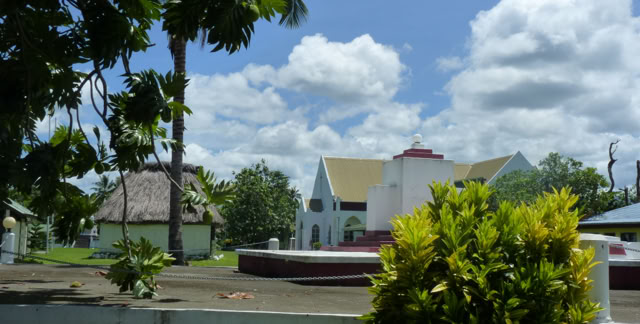
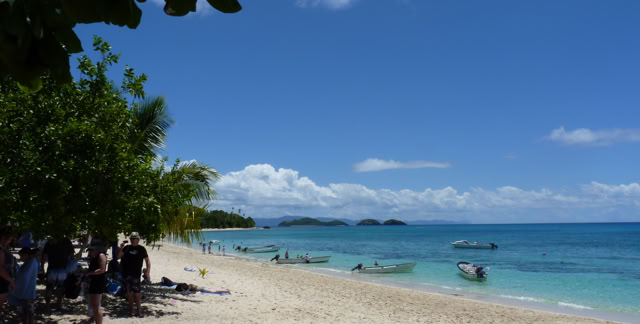
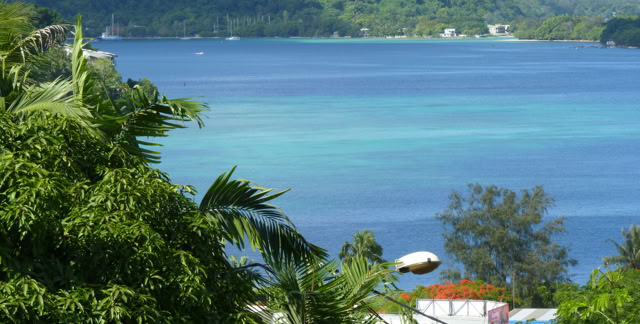
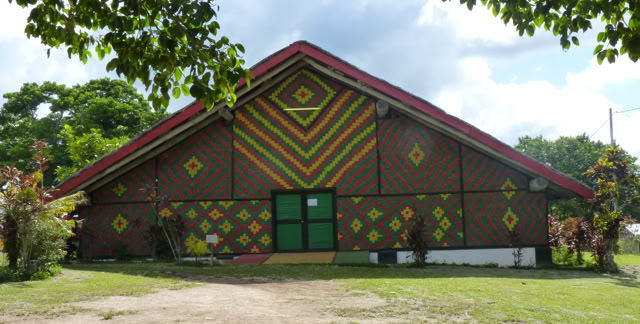
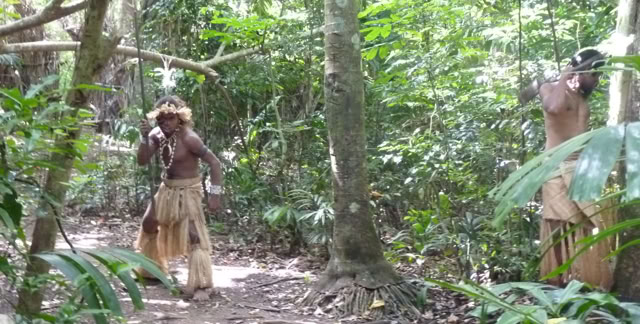
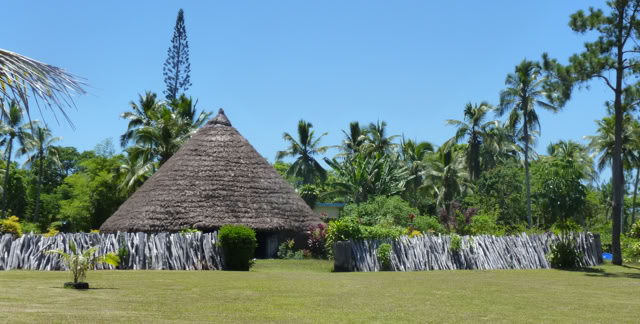
Following visits to institutions and discussions at museums in Sydney and excursions to recommended areas important for studying the relationship between culture and nature, the group traveled to several islands in the South Pacific. Islands in New Caledonia (Lifou, Noumea Ile des Pins) and Vanuatu (New Hebrides) in Melanesia (Porto Vila), Fiji (Viti Levu, Dravuni) and French Polynesia - Tahiti, Bora Bora, Moorea were visited.
The observations, studies, and discussions within institutions were conducted from the perspective of Euro-Brazilian studies. Comparisons were made regarding the natural world, past maritime voyages, and developments in missionary and colonial history in the Pacific Ocean region with regard to Brazil. These considerations built upon studies that began at the university level in São Paulo in the early 1970s. Internationally, they were developed from 1975 onward in cooperation with ethnologists from the Institute of Ethnology at the University of Cologne and the Rautenstrauch-Joest Museum. The studies in the South Pacific were realized through a project conceived in subsequent years in collaboration with ethnologists from Australia. Its main objective was to gain insights into the relationship between culture and nature from various perspectives: ethnologically within traditional cultures, and in the history of relations with Europe during the colonial period and in the present day.
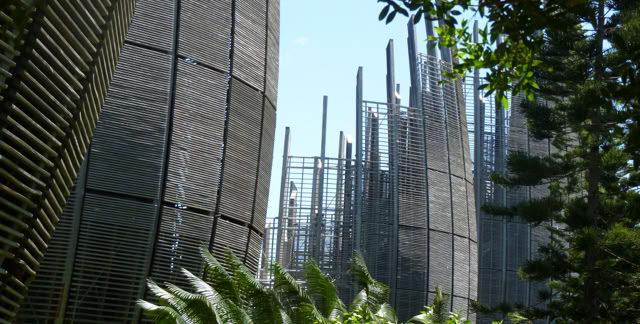
Museums, study centers, and university institutes were visited, and environmental protection initiatives were observed. In addition to exploring dance and music traditions in various locations, which were compared with those of Europe and Brazil, nature reserves, parks, and gardens were visited. Particular attention was paid to the relationship between architecture and urban design and the topography and vegetation. A highlight of these studies was the Tjibaou Cultural Center in New Caledonia.
England
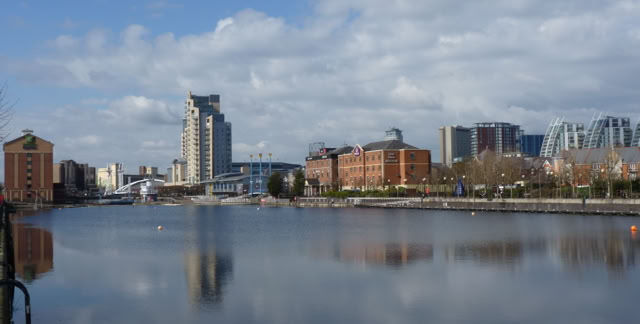
The impressions and findings from the observations and discussions in Beijing were subsequently to be explored in a European city with a significant Chinese community. This endeavor mirrored the beginnings of Chinese studies in Brazil in the 1970s, which were conducted from the perspective of Chinese expatriates and their neighborhoods, lifestyles, and traditions. Manchester was chosen because of the size and importance of its Chinatown. Furthermore, the studies in Manchester built upon those undertaken there at the start of the Euro-Brazilian cultural studies program in 1974. In this context, attention focused on the history of technology and industrialization, with its associated social upheavals and global repercussions. These themes are impressively addressed in Manchester's museums and contribute to an understanding of the theoretical approach of British Cultural Studies, which is increasingly shaping cultural research in Europe and Brazil.
Spain and Portugal
The considerations regarding the theoretical orientation of cultural studies, which were based on British Cultural Studies, were to be taken into account in other Western European countries with regard to the topic of culture/nature. As early as the 1960s, cultural researchers had recognized the need to renew perspectives and methods in empirical cultural and social research. Interest turned to everyday culture and spontaneous, undirected cultural expressions. It was to be determined whether these considerations and this approach, which primarily concerned folklore and ethnology, subsequently often referred to as European ethnology, had been received in Romance-language countries. These considerations and observations took place in Italy, France, Spain, and Portugal. Marseille and Valencia stood out in particular. The highlight of these visits and the entire program was the Parc des Arts and Sciences. Ciutat de les Arts i les Ciències - an outstanding architectural ensemble by the architects Santiago Calatrava and Félix Candela.
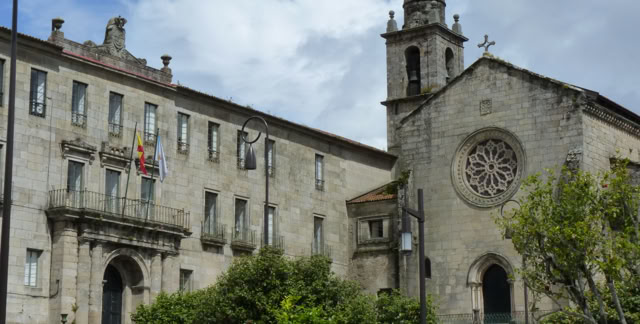
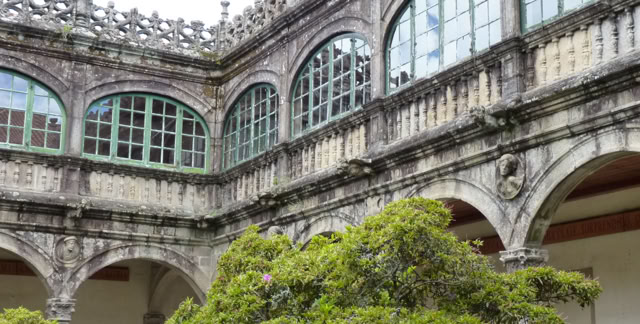
For the first time in Euro-Brazilian studies, cities in Galicia, including Vigo, were visited. This raised awareness of the importance of giving greater consideration to the relationship between Galicia and Brazil, which has been cultivated for decades within Galician migrant circles and their centers in cities like São Paulo.
In Portugal, the studies were able to draw on numerous studies conducted since 1974, as well as on the participation of Portuguese researchers in the Brazil-Europe organization. The central question was to what extent the new trends in cultural studies, which focus primarily on the present and everyday culture, interact with the tradition of cultural studies in Portugal, which is strongly oriented towards the past and high art or folk customs. Furthermore, the study explored the extent to which interest in the relationship between culture and nature, and thus in issues of environmental conservation and the worldview and understanding of humanity shaped by religion, had been awakened. The observations and discussions were based on visits to various institutions, museums, parks, and gardens. The design of urban green spaces was compared with that of Brazilian cities with a stronger presence of Portuguese immigrants.
England
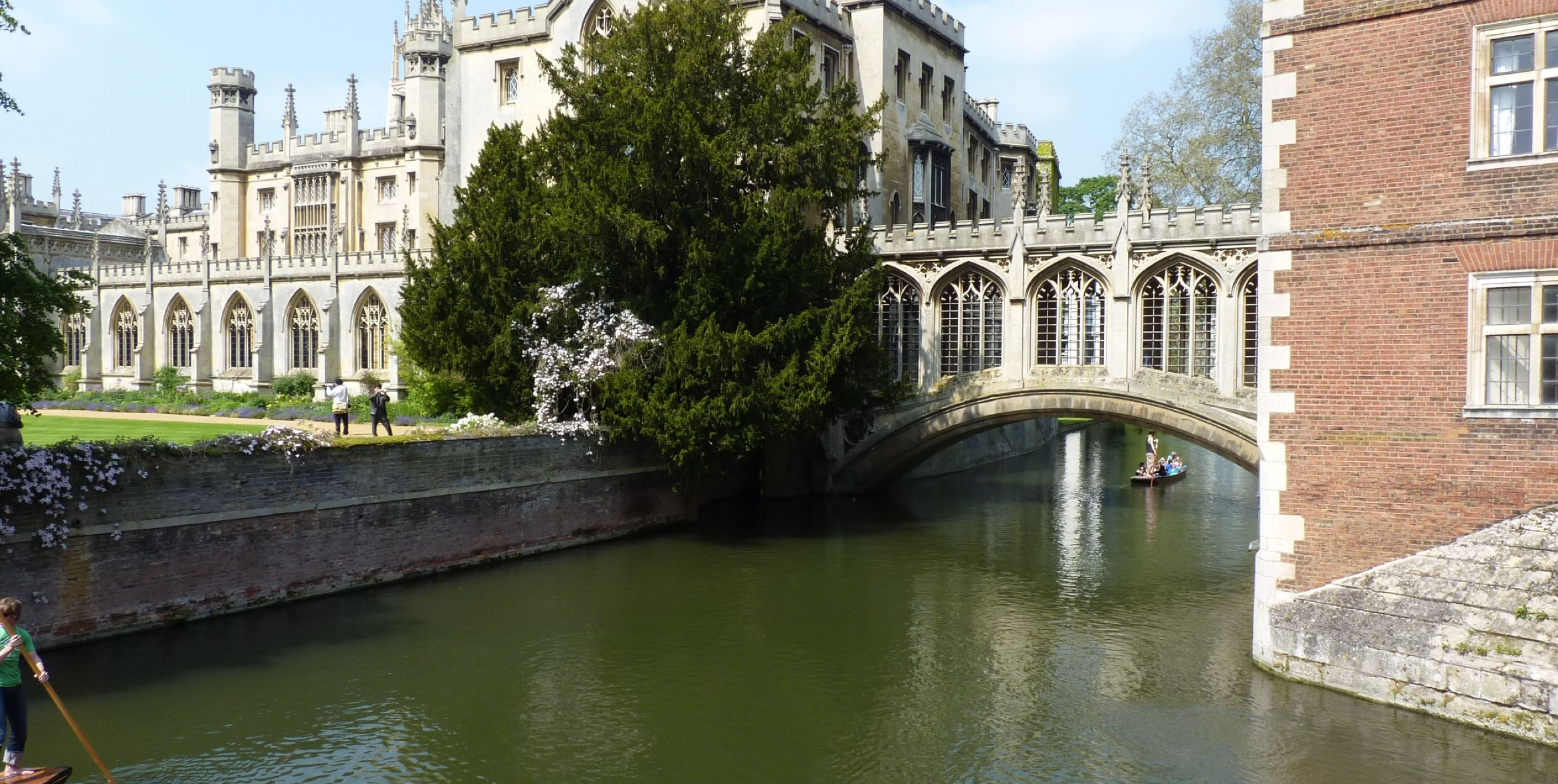
The results of these studies, observations, and experiences were evaluated during a second stay in England, building upon the insights gained in Manchester, a city steeped in the history of industrialization. Attention then turned to the centers of higher education, scholarship, and science. The Culture/Nature studies began at St. Edmunds Abbey with its historic garden (Bury St. Edmunds). The main objective of the program was to explore the institutions of Cambridge, the integration of their buildings into the landscape, and the paisagic design of the grounds, considering their significance for student life and, more broadly, for intellectual life and the development of thought and science.
Guernsey
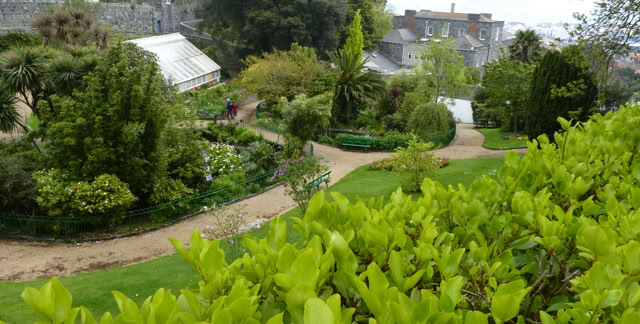
A particular focus of the inclusion of the island of Guernsey in the Culture/Nature program lay not only in the significance of the island's historical monuments, buildings, and arts, but also in the interplay of French and British influences that shape the location and culture of this Channel Island, which is politically subject not to the United Kingdom but to the British Crown as a self-governing territory.
Berlin
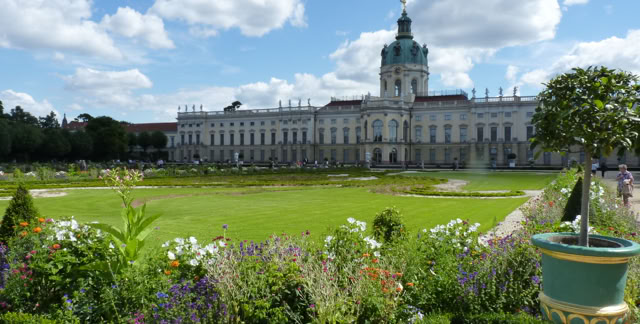
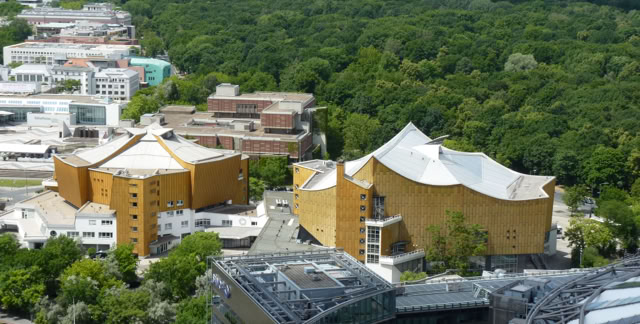
A new evaluation of the results of these study cycles took place in Berlin, where the organization Brasil-Europa maintains a research center. The occasion was the Macunaima 2012 event in the Brizer Garden, which ran from June 21 to August 5. Also prompted by the GrünBerlin initiative, several parks and green spaces in Berlin were examined. Particular attention was paid to the significance of landscape in painting and the depiction of cities and regions, which was reflected, among other things, in the examination of artworks in the rooms of Charlottenburg Palace.
Lahn
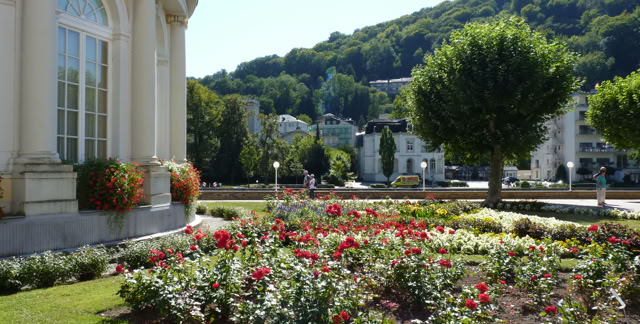
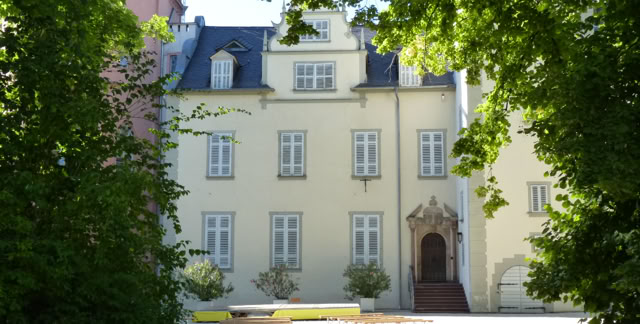
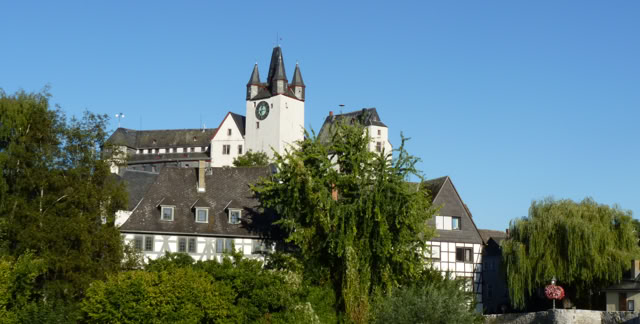
Among the regions of Germany that received special attention in the Culture/Nature program, the Lahn-Dill district in North Rhine-Westphalia stood out due to its historical ties to Brazil. The town of Bad Ems on the Lahn, a tributary of the Rhine, was the focus of interest. Research primarily focused on materials relating to Dom Pedro II's stay in this spa town with its rich cultural life. Comparisons were drawn with other spa towns and especially with Petrópolis regarding urban landscape design. Dietz and Nassau were also visited.
***
Topic
Freedom! The free man in the development of personality, in Science and Culture in international interactions. Reviewing the relationship between Freedom and economic-political Liberalism. Lübeck "City of Science 2012": Hansa meets Humboldt
Multilateral Studies
Berlin Study Cycle: Wilhelm von Humboldt (1767-1835)
The ideal of the formative process in Wilhelm von Humboldt in his theoretical assumptions in reception of ancient philosophical thought
"Form yourself and act in others according to what you are": Maxim and first commandment of true morality according to Wilhelm von Humboldt
The Word as activity (energeia), not as work (ergon), language as production, not as product: "Man as a singing animal" in the Linguistics of the "Theorist of Freedom"
Freedom and political and economic Liberalism. Relativizing the conception of the State in Wilhelm von Humboldt from the perspective of the free man who considers his own cultural conditioning
Lisbon Study Cycle: Henry Charles Lea (1825-1909)
Freedom as a crucial concept in Cultural Studies of the Portuguese-speaking world. The inquisitorial spirit, fanaticism, and intolerance implanted by preachers
Amsterdam Study Cycle: Benedict de Spinoza (1632-1677)
The Portuguese synagogue of Amsterdam as a monument to the freedom of de-conversion and the role of images: the model of Solomon's Temple by the Portuguese rabbi Jacob Judah Leon (1602-1675)
"The objective of the State is Freedom" according to Baruch/Benedict de Spinoza (1632-1677)
Nature is perfect and divine as it is. Freedom, a culture of affections and joy in the conduct of life according to Benedict de Spinoza
Cambridge Study Cycle: Bertrand Russell (1872-1970)
On the reception of Bertrand Russell (1872-1970) in Brazil: Scientific perspective in clarifying nuclear risks to Humanity versus religious obscurantism in the name of a spiritual conception of Man
Religions in present-day Cambridge university life and Bertrand Russell's (1872-1970) critique of religion as a factor hindering the development of Man and Science
Visiting Institutions
Humboldt Forum - the Humboldt Box on Berlin's 775th anniversary. Reflections from the perspective of Cultural Studies in Europe-Brazil relations
University of Cambridge. Excellence and Freedom - "Letting the world participate in Cambridge": international summer courses. Robert Burns (1759-1796), poet of love and freedom
The "Tree of Life" (Ets Haim) brotherhood of the Portuguese synagogue in Amsterdam and its library. The pursuit of knowledge, teaching and enlightenment in the cultural processes of Lusophone Jews: Felix Libertate!
***
Topic
Norway/Brazil. Nordic Lights and Midnight Sun: The North in the geocentric and logocentric worldview and analyses of nationalist reorderings of the cultural edifice in Norway-Brazil relations in service of an opening of visions
Multilateral Studies
Moments in the development of reflections on Brazil/Norway: Music and Nationalism in their romantic insertions from Alberto Nepomuceno (1864-1920). 30 years of encounter-audition at the Rheinische Musikschule/Konservatorium der Stadt Köln:
I. Approaches to the Bach and German Protestant liturgical movement in their links with Norway and Brazil. Heinrich von Herzogenberg (1843-1900) and Christian Capellen (1845-1916)
II. Institutional development of music education in Germany and the interest in traditional expressions in their links with Norway and Brazil. Arno Kleffel (1840-1913) and Edvard Grieg (1843-1907)
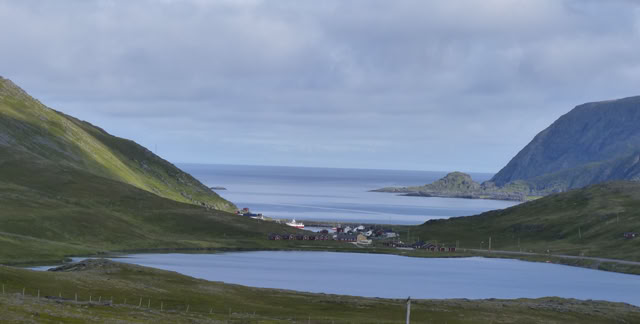
North Cape. The North Cape as an object of Cultural Studies. The fascination of travel to the land of the North as an international phenomenon and links between Nordic research and the scientific history of Brazil. August Christoph Carl Vogt (1817-1895) and Louis Agassiz (1807-1873)
North Cape. The presence of Brazil in the North Cape: The Christ the Redeemer of Rio de Janeiro in the childlike expression of the logocentric worldview. The Children of the Earth Prize
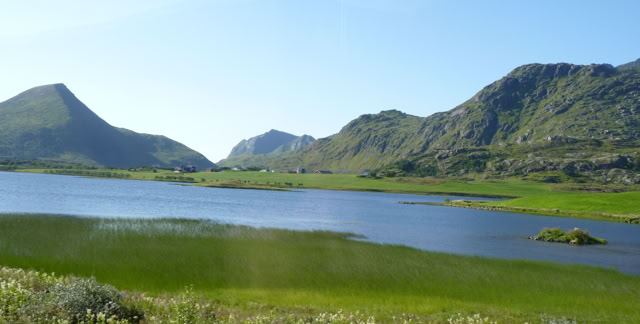
Lofotes. The northernmost fishing villages on the globe in the elucidation of international trade links and obscure food customs. The paths of cod to Italy, Portugal and Brazil and the image of Piscis Australis
Åndalsnes. Replacement of images as an indicator of transformations in the cultural edifice. From the boat in the nationalist ecclesiastical and secular tradition to the chapel-train of the Norwegian Ecclesiastical Affairs Service
Borg, Lofotes. Cultural archaeology and the problems of anachronistic procedures. Cinematography at the service of projecting images from the present to the past in the example of Borg's Wiking House
Magerøya. Sami people as indigenous people of Hyperborean lands and indigenous people in Brazil. From comparative ethnology to the analysis of mechanisms of cultural processes in transnational contexts
Trollstigen. The Troll in Norway and the Curupira and Caiapora in Brazil. From Folklore compared to the analysis of the cultural edifice and its transformations in transnational approaches
Stavanger. Seeing by hearing and hearing by seeing in the transformations of the cultural edifice. From historical references of empirical knowledge in the example of St. Swithin (ca. 800-862) to the "Auricular cartilage" of the Nordic Protestant Baroque
Stavanger. Norwegian emigration to the American continent and Reading as a cause. The "American fever" in Norway and Brazil: sending a scientific work to Pedro II
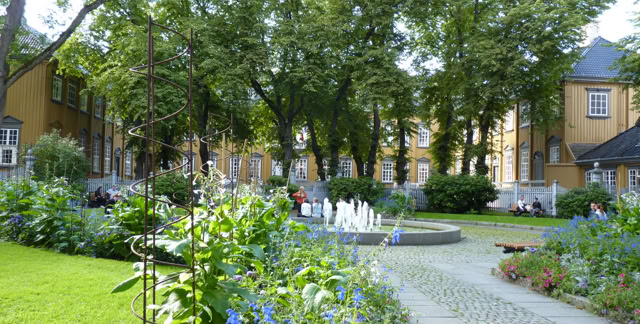
Trondheim. "Reconstructing what never was". The largest (neo-)Gothic cathedral in Northern Europe from the perspective of Unity in Diversity of elements no longer understood in the logocentric system. 125 years since the death of Heinrich Ernst Schirmer (1814-1887)
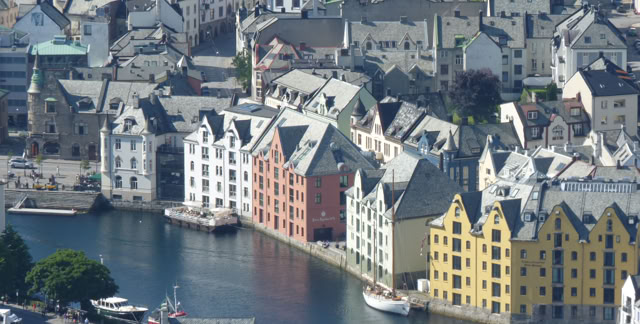
Ålesund. The strength of the land in the Reconstructed under the aegis of national aspirations. Reading exercises in the Nordic capital of Jugendstil (Art Nouveau)
Universities on visit
Trondheim. Cultural Studies in the tradition of Technical Schools. The Norwegian Scientific and Technical University (NTNU) and student life in Trondheim: "Rockheim" as a national center for the experience and research of popular music
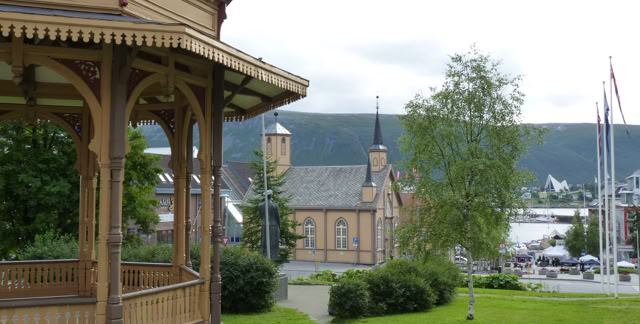
Tromsø. Research, Teaching, Economy and Social Processes in the Far North. Mobility in its relations with Gender - Extractive Industry and Indigenous Cultures. University of Tromsø
Tromsø. The political-cultural movement of the Sami in its relations with international processes of indigenous consciousness. Tromsø Museum: the oldest research center in Northern Norway
***
Topic
Italy-France-Spain-Portugal-Brazil. The scientific perspective in Cultural Studies in the service of Enlightenment. On the systemic foundations of Euro-Mediterranean-Atlantic cultural processes and their transoceanic extensions. 500 years since the death of Amerigo Vespucci (1451-1512)
Multilateral Studies
Study cycle in Valencia
The City of Sciences and Arts and the illumination of minds. Reading images and meanings of the ancient building of the vision of the world and of man in its links with time and space in the architecture and the city of the present and its dimensions
The Lonja de los Mercaderes as a Temple of Commerce and the Consulate of the Sea in the study of continuities and resurgences of visual orderings. Maritime customs and traditions of remote Mediterranean origins, codifications, and the Renaissance of ancient images
The Holy Chalice of Valencia Cathedral in the analysis of images in narratives serving to overcome the obscurantism of literal understandings. The Grail in Mediterranean-Atlantic interactions and its expressions in Romances and traditional popular representations
Study Cycle in Marseille
Marseille and the Hellenic Colonization of the West. The passionate union of the native Gypse with the navigator Protis as a type-image of the beginning of cultural processes and the foundation of colonial identities
Navigation in the emblematic program of the Bourse et Chambre de Commerce de Marseille. Euthymenes in the light of the paradigm of the Navigator who comes from the Ocean and West Africa according to images of ancient symbolic geography. Of Dionysus and Esus
Commerce in the emblematic program of the Bourse et Chambre de Commerce de Marseille. Pytheas and the path from the North towards Thule in the light of Hermes in interactions of images and historical facts
The merchant-traveler in the night of the West, the moon and light in sign language. From the cult of Artemis in Greek island colonies to Athena and Notre-Dame de la Garde
The irradiation of the knowledge of the Invincible and the sun as a luminary in sign language. From the worship of Apollo Python by Greek maritime merchants to Saint Victor of Marseille
Study Cycle in Lisbon
The complex imagery of the founding of Lisbon in the figure of the Navigator, underlying references to the Scriptures. The longing for Ulysses' return and the native woman's Fado
The Portal of Conceição Velha in downtown Lisbon from the perspective of Navigation/Commerce relations. Mercy to the navigating man on the sea of life and the Conception in the typological tension between Church and Synagogue
Universities on visit
Santiago de Compostela. From a theoretical-cultural perspective in the study of Compostelan conceptions and expressions. From the ends of the West, ascending Europe along its paths in the light of Hermes as a paradigmatic image
***
Topic
China and Brazil: Emerging Powers in Global Processes. Cultural Analyses in Clarifying Developments and Mentalities. Cycles in Beijing/Peking and Manchester for China's Participation in the 2012 Hannover Fair
Multilateral Studies
Beijing/Peking Study Cycle
Maritime Trade in Sino-Western Cultural Processes. Encounters of Traditional Expressions of Chinese and Portuguese Navigators: the Virgin of the Waters and Queen of Heaven on the Chinese Coast. 10 Years of Ningbo-Santos Twinning
Buddhism Applied to Sino-Western Relations: Possibilities and Problems of a Path of Cultural Rapprochement. Divine Compassion in the Far East and Our Lady of Mercy. Guanyin at the Lama Temple of the Palace of Peace and Harmony
The Confucian Path in "Becoming Chinese to Win Chinese Over". Friendship in the pursuit of knowledge through connections between Chinese thought and the philosophical tradition of the West. Temple of Confucius and Museum of the Imperial College.
Music in the Mental Influence of China. Eunuchs as Vehicles of Missionaries in the Untruthfulness of Human Relations: Do the Ends Justify the Means? Tomb of Mattheo Ricci (1552-1610), Beijing
The Grotto of Camões as a Sage par Excellence and Confucius of the West in Sino-English Landscapes and Romantic Transfigurations. From Literature to Intercultural Philosophy in the Studies of China/West Relations. Hill of Accumulated Elegance of the Imperial Garden
Women in Sino-European Relations. Human Rights and Images: the "Golden Lily" of the Crippled Feet and the Virgin of Fresh and Salt Waters in China and Brazil. Place of Imprisonment of the Imperial Concubine. Forbidden City
The Playful as a Task of Analysis in Service of Sino-Western Understanding. From the Peking Opera to the Parody of Bastiana in Macau, to Black Catarina in Brazil and to the Christy Minstrels. Liyun Theatre, Beijing/Peking
Ciclo de estudos de Manchester
After 15 years of ISMPS work in Hong Kong and Macau (1996) on the end of European sovereignties in China and the Portuguese Padroado in the Far East
- Changes in the cultural references of the Portuguese in the Far East during the expansion of British colonialism I. Sacred music in Hong Kong
- Changes in the cultural references of the Portuguese in the Far East during the expansion of British colonialism II. Sacred music in Macau
- Lyrical art in China and the teaching of Italian-oriented singing by Portuguese in Hong Kong: Il Guarany and Salvator Rosa by Antonio Carlos Gomes (1836-1896) in Kowloon
China/Europe/Americas relations under the sign of world trade and Liberalism. Transformations of geographical-cultural configurations and reference systems
- Emmarentia Anna Peter Van der Hoeven (1836-1865): The cultivation of music in the tradition of the commercial bourgeoisie of Rotterdam in Batavia and its repercussions in China during the revitalization of the Dutch East Indies trade
- Jews in the internationalization and professionalization of musical life in commercial centers of Europe, the Americas, and China. Rod Sipp, the disciple of Ignaz Moscheles (1794-1870), the Don Quixote of the piano
- Heroism and sentiment, patriotism and internationality: the role of Poland. Chopin in Manchester and China and the caressing of the keys by Anton de Kontsky (1817-1899): The Awakening of the Lion and the March to Camões
- Migrations to commercial centers and changes in traditional practices. From rural English processions of the Divine to band music in Manchester and the integration of Portuguese people into the British world of Hong Kong
- The musical trade of Portuguese people in Hong Kong within the cultural studies of internationalized popular music in China. Flute, mandolin and guitar, maxixes, tangos and polkas
Visiting Institutions
Beijing Ancient Observatory Museum. Astronomy in the relations between China and the West, its insertion into systems of scientific thought, and its significance for Cultural Studies
Beijing Bell and Drum Tower Museum. Time and calendar computation in the relations between China and the West and their relationship with missionary history. Johann Adam Schall von Bell S.J. (1592-1666)
Confucius Cultural Institute. Science, cultural self-analysis, and the primacy of character in the field of tensions between political ideology and philosophical tradition in the relations between China and the West. Reflections based on Mencius
***
Topic
Iconic Places with iconic events: Rio 92-Sydney 2012. Brazil and the South Pacific discovering and revealing themselves. Cultural dialogues with New Caledonia, Fiji, and Vanuatu
Multilateral Studies
Sydney Study Cycle
Discoveries and revelations, renovations and restorations. Paradoxies of New Worlds and historiographical buildings in the example of Pedro Fernandes de Queirós (1565-1614), the Portuguese discoverer of Oceania
Scenic World. Discovering the discovered and the discovered revealing themselves. A monument to Aboriginal expressions of welcome in the Blue Mountains. From Korrobori (Korroberye, Corroberie, Corroboree)
New Caledonia Study Cycle
Discovering Historical Values. Historiographical problems of cultural studies in worlds discovered by Europeans: New Caledonia and Amapá on the 200th anniversary of Louis-Marie-François Tardy de Montravel (1811-1864)
Libraries in their insertion in cultural processes. The thirst for reading in colonial situations and the role of patronage in the example of the Nouméa Library: Lucien Bernheim (1856-1917)
French historical perspective, Gallican identity and the cult of national saints in the Pacific. Joan of Arc (1412-1431) in New Caledonia on the 600th anniversary of her birth in the light of Euro-Brazilian studies
Rural and sugarcane life in Brazil and the South Pacific. Franco-British cultural interactions, interregional relations and expressions of tensions, crises and cultural imbalances. A Forgotten Source: Jules Garnier's Voyage a La Nouvelle-Calédonie (1863-1866)
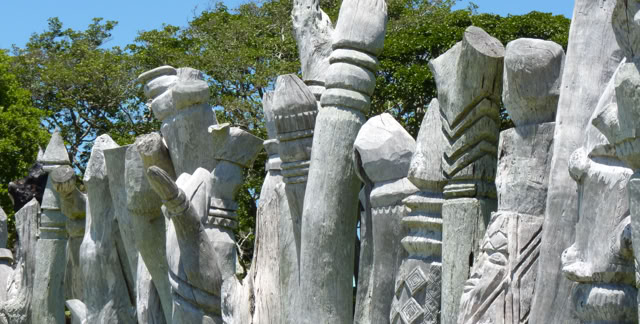
Missionaries who reveal their own cultural insertions in their works I: The redirection of totems by the Marist Brothers on Île des Pins - the "island closest to Paradise"
Missionaries who reveal their own cultural insertions in their works II: Saint John the Baptist in Nathalo and the Marian cult in Easo - from the romantic transplantation of the Middle Ages to the Îles Loyauté
Revealing hidden aspects of transformative mechanisms: forms of worship of the "cargo" type in Melanesia in differentiating approaches to religious expressions in Brazil
Intercultural dialogue in Lifou on Self-Revelation. On the meaning of the Kanak perspective for reflections on fundamental questions of Anthropology and Ethics. On cannibalism and carnivorism as degrees of barbarity
Empirical observation and the study of historical sources of Kanak music. New Caledonia-Brazil in Ethnomusicology and in the study of musical-cultural processes in global contexts I
The warriors of Île de Pins and the dances of Tapuios and Caboclos in Brazil. New Caledonia-Brazil in Ethnomusicology and in the study of musical-cultural processes in global contexts II
The Warrior Boys of Île de Pins and the Cabocolinhos of Brazil. New Caledonia-Brazil in Ethnomusicology and the study of musical-cultural processes in global contexts III
For "English eyes": from revealing oneself to showing oneself and being shown. From pilu pilu to magazine pictures for Australians in Nouméa. New Caledonia-Brazil in Ethnomusicology and the study of musical-cultural processes in global contexts IV
Fiji Study Cycle
Awake!: Methodist culture revealing itself? Wesleyanism in the South Pacific and the enthusiasm in musical manifestations in Fiji
Death and resurrection in combat dances in Fiji and the Kayapó of Brazil. Fiji-Brazil in Ethnomusicology and the study of musical-cultural processes in global contexts
The "Sleeping Giant" in Brazil and Fiji. Cultural Studies and Nature: Reflections Based on the Legacy of Raymond Burr (1917-1993)
Vanuatu Study Cycle
Vanuatu Revealing Itself: Celebrating Kanak Cultural Heritage. The Forest as a National Center of Culture and the Museum as a Forest
Hallelujah! Vanuatu Revealing Itself: Children as Bearers of Revelation. Cultural Results of Missionary Action and International Pacific Pop Culture in the Example of the Hebrides Islands
Visiting Institutions
Jean-Marie Tjibaou Cultural Center, New Caledonia. Revealing the Hidden Meaning of Plants in the Kanak Tradition and the Creative Process. "The Plant Man" in New Caledonian Art in Light of the Plant Union Movement in Brazil
University of the South Pacific, USP, Vanuatu Campus. Pan-Pacific Consciousness in University Teaching and Research in Light of the Pan-American Experience: Questions of Perspectives, Contradictory Images, and Coherence of Arguments in the Example of Fiji: "Les sauvages les plus sauvages"
The University of Fiji. Indo-Fijian culture as a result of colonial processes and the promotion of knowledge from the historical perspective of Vedic restoration - The Arya Pratinidhi Sabha in the South Pacific
Nasonal Miusium Blong Vanuatu. The Angklung Vanuatu-Indonesia Workshop and the international dimensions of a bamboo musical culture. Vanuatu and Brazil in Ethnomusicology and the study of musical-cultural processes in global contexts
***
Topic
Thailand, Vietnam, Malaysia and Brazil: internationalizations and science in global political-cultural processes. Under the sign of friendship: 500 years of Siam's links with Portugal in their significance for Euro-Brazilian studies
Multilateral Themes
Thailand Study Cycle
Venice of the Orient I. Starting from images and thinking about Recife: the Serenissima on the Adriatic and the city on the waters of Menaam - Culture/Nature, commerce and international relations. Royal Barge Museum, Bangkok
Venice of the Orient II. Memory, images and the influence of Ayutthaya in Bangkok. Portuguese in Siam and internationalization processes. Royal Barge Museum, Bangkok
Menam - mother of the waters. The Immaculate Conception and the Rosary in Luso-Siamese culture. Dominican spirituality and intercommunication of images: Chinese in the "city of angels". Church of the Rosary/Kalawar, Bangkok
Land rising from flowing waters, the mountain and the axis in the edifice of conceptions and images of Siam and the West. Wat Arun, Church of the Holy Cross and Calvary, Bangkok
Between fascination and confrontation with contrasts in the Americas and Southeast Asia. The scientist-diplomat Robert Hermann Schomburgk (1804-1865) in the reign of Mongkut/Rama IV (1804-1869) according to records by a German painter. Royal city, Wat Phra Kaeo
Utilitarianism, friendship with America, and Americanization in internationalization processes. A historical landmark: U.S. President Grant (1822-1885) in the reign of Chulalangkorn "The Great"/Rama V (1853-1910). National Museum, Bangkok
Resumption of continuities and recompositions in architecture and the arts. Reflecting on Historicism and Eclecticism in international contexts: the example of Siam. Chakri Maha Prasad and Wat Benchamabopitr, Bangkok
The white elephant in Siamese culture and its reception in the West. Presence and resignifications of images in Brazil: from the white elephant to the Jumbo Jet. Grand Palace, Bangkok
Thailand-Brazil in Ethnomusicology and the study of musical-cultural processes in global contexts. Music and internationalization: Siam according to the observations of an Austrian Navy officer. National Museum, Bangkok
Vietnam Studies Cycle
France in the history of internationalizing cultural relations - focusing on the former French Indochina from Brazil: questions of the constructed in the light of Catholic-restorative universality. Notre Dame Cathedral, Ho Chi Minh City
Vietnam-Brazil in Ethnomusicology and the study of musical-cultural processes in global contexts. Field of tensions: internationalism in ideology and the analysis of colonial consequences. Ho Chi Minh City Municipal Theatre
The international of political-ideological foundation and the cultural study of internationalizations. Questions of the current discourse on the internationalization of science - reflections in Ho Chi Minh City
Malaysian Studies Cycle
Western and Asian Religious Traditions in Internationalization Processes I. Marian devotion in Malaysia and its foundations in the actions of the Portuguese in Malacca. Cathedral of the Assumption, George Town, Penang
Western and Asian Religious Traditions in Internationalization Processes II. The worship of Kuan Yin in Malaysia. Temple of Kuan Yin and Kek Lok Si, George Town, Penang
Institutions visited
College and Assumption University, Bangkok. English as a language, cultural links with France and the Portuguese legacy. Internationalization of studies and historical-political-cultural insertions of institutions
Muzium Ngeri Pulau Penang. Popular music in internationalization processes during the Second World War and its consequences for the identity of cities: São Paulo and George Town
Pinang Peranakan Mansion. Chinese immigrants in internationalization processes - the "Straits Chinese"