BRASIL-EUROPA
GLOBAL STUDIES
CULTURE/NATURE

BRASIL-EUROPA
GLOBAL STUDIES
CULTURE/NATURE
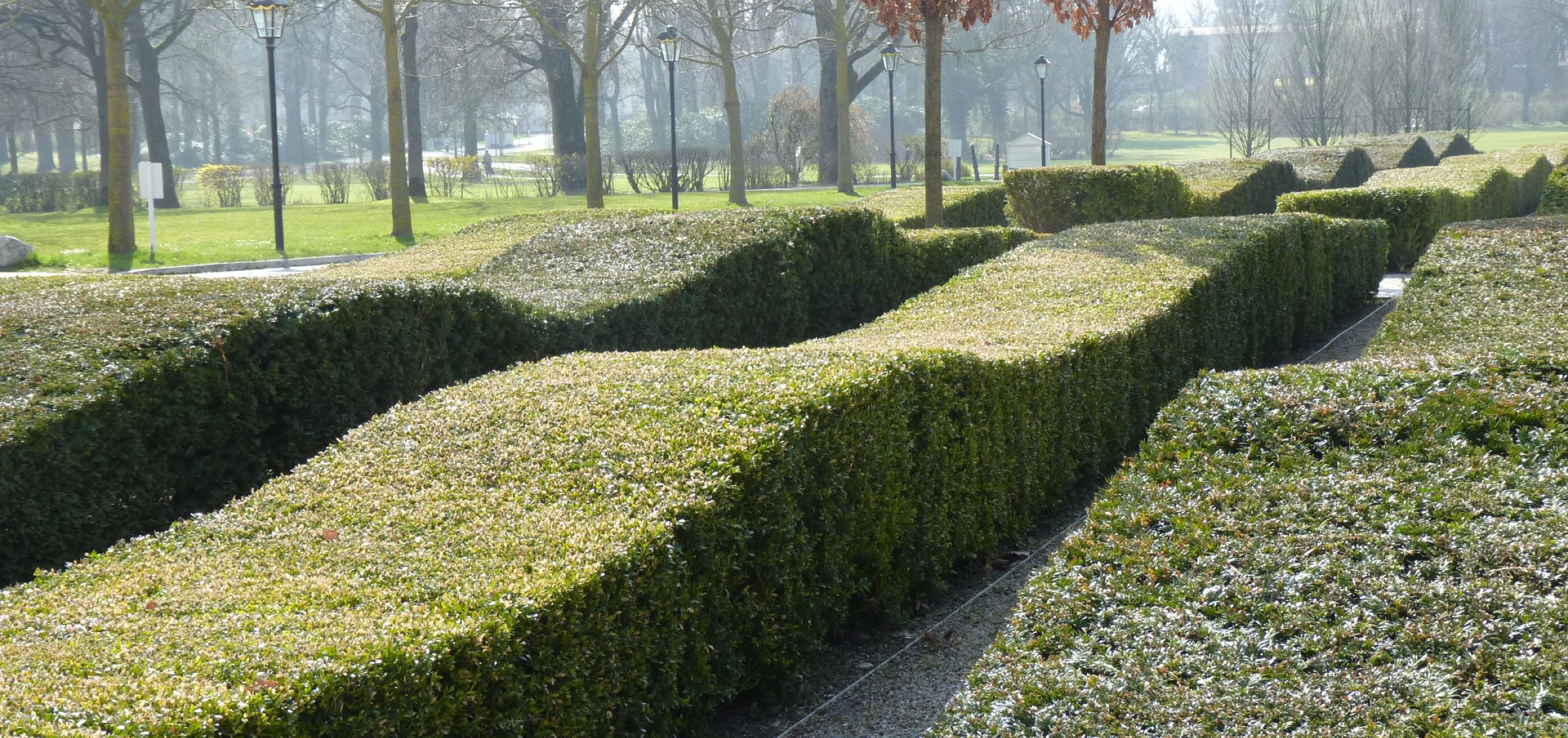
Bad Driburg, Germany 2014
Culture/Nature - Global Studies
Photo: A.A.Bispo©
2014
Studies of cultural processes in global contexts
using Euro-Brazilian relations as a frame of reference
The year 2014 in global studies within the Euro-Brazilian program was dedicated to balance sheets and revisions. In a session held in the German city of Bad Driburg, a renowned spa town for its natural qualities and landscape, the significance of reconsidering the themes addressed over the decades and their theoretical orientation was discussed, focusing on re-examining what has been accomplished and the circumstances that shaped them, as well as opening up new perspectives. Using archival materials, the study began with the start of Euro-Brazilian work initiated in Northern Germany. The contacts and studies were previously prepared in São Paulo with representatives from entities such as the Fakulty of Architecture of de University of São Paulo, the Faculty of Music and Artistic Education of the Musical Institute of São Paulo, the Museum of the Brazilian Folklore Association, the Bach Society, and the Collegium Musicum of São Paulo, and carried out in cooperation with personalities and institutions from Hamburg, Lüneburg, Bremen, and Hanover. Among other aspects, the Bach-Brazil project was initiated, dedicated to the study of Bach's movement in international contexts, as well as choral movement, always relating the studies to cultural contexts and processes in their relations with nature.
The contacts and studies in Berlin – then divided – were primarily marked, among other aspects, by questions of organological symbolism and by consideration of the history and problems concerning the state of Ibero-American studies.
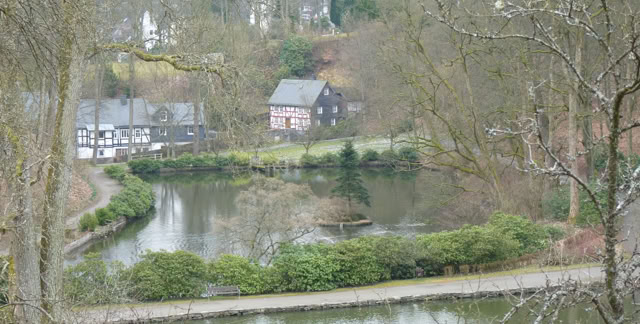
The beginnings of the study of Culture/Nature relations in Germany were recalled in 2014 during visits to forests and parks in the Wittgenstein region.
In the survey and examination of materials from the 1970s, the significance of studies concerning Richard Wagner and his connections to Brazil was particularly highlighted, particularly in light of the centenary of the Festival House. The presence of Emperor Pedro II at its inauguration in 1876 and his links to the Wagnerian movement were key considerations. The importance of studies on Wagner's work, his thought, and his problematic aspects was brought to the forefront in studies and colloquia held in Bayreuth, where relationships with conceptions of nature and the environment were also explored. Studies concerning 19th-century cultural processes in global contexts continued in Coburg and subsequently in Wiesbaden, where they were complemented by readings of works by the writer Gustav Freytag.
In 2014, particular emphasis was placed on the significance of the debates held in Cologne as part of a project dedicated to thel cultures of Latin America in the 19th century, and at the International Congress of Sacred Music in Bonn and Cologne in 1979, when Portuguese-speaking participants discussed the role played by Catholicism in transmitting a system of conceptions and visions of the world and of humankind of ancient origins to extra-European regions, thus establishing a virtual culture detached from nature of the southern hemisphere.
In studies conducted in sessions in Cologne and in cities near Cologne, we sought to analyze the philosophical and historiographical trends that marked the thinking of personalities who played an important role in the development of Lusophone cultural studies internationally, in particular the Portuguese Maria Augusta Alves Barbosa, on the occasion of her death, and the Azorean Armindo Borges, on the occasion of the celebration of his 80th birthday. Particular attention in these reconsiderations was given to the assumptions and realization of the International Symposium on Sacred Music and Brazilian Culture in São Paulo in 1981. Among other aspects, the Culture/Nature relationship in the visual language of instruments was highlighted, starting from the theme of Orpheus' Lyre in its Christian interpretation, its relationship with nature, and its permanence in the imagery of stringed instruments such as the viola and similar instruments.
Much of the discussion in 2001 focused on the problematic nature of ecclesiastical Restorationism in 19th-century cultural and educational processes and its extensions into the 20th century. Sources on the history of the actions of European religious figures marked by ultramontane conceptions in various regions of Brazil were examined in libraries and archives of missionary orders, particularly highlighting the actions of the Franciscans in Rio de Janeiro, São Paulo, Santa Catarina, and Rio Grande do Sul. The actions of these missionaries were explored in different cities and regional contexts. Studies conducted in 1975 at the Museum der Völker in Werl, a Franciscan center, were resumed.
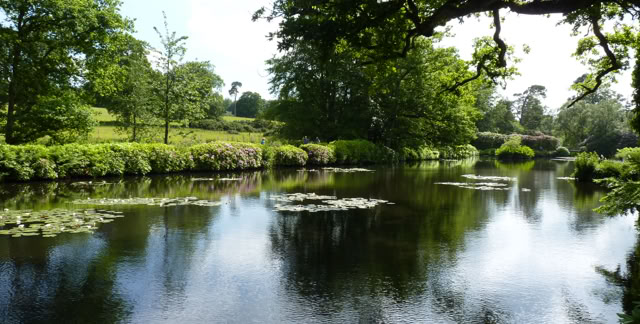
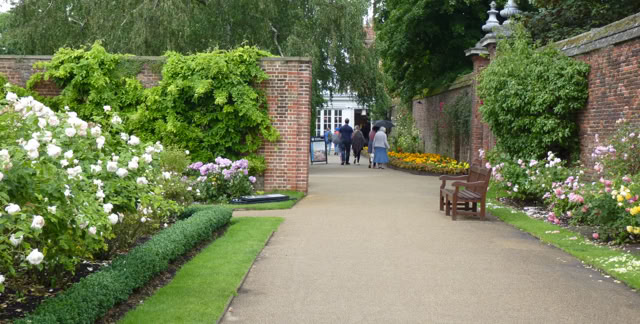
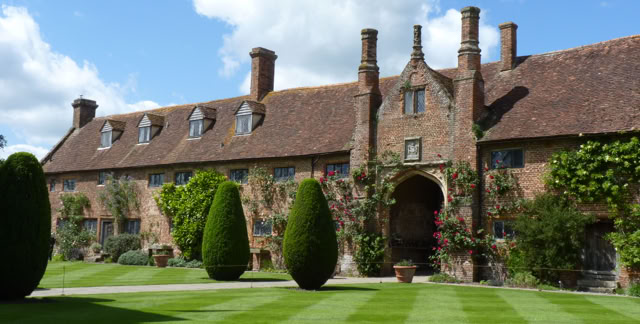
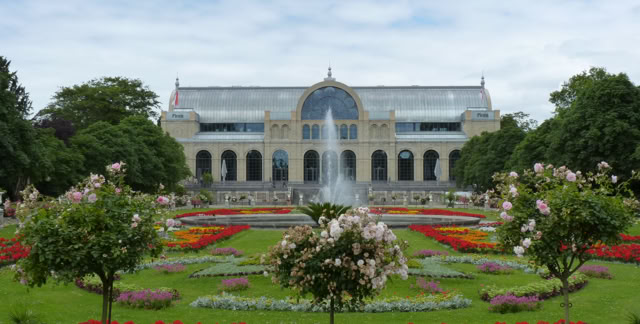
The main undertaking concerning the Culture/Nature theme within the scope of Euro-Brazilian studies was a visit to parks and institutions in Southern England. The results of these observations were subsequently discussed in a session at the Flora de Cologne.
The most extensive study cycles of 2014 were those in the Black Sea and Mediterranean regions. Numerous cities and institutions in various countries were visited as part of the Culture/Nature studies. The results were analyzed in subsequent years.
Bad Berleburg, Germany 2014
Culture/Nature - Global Studies
Topic: balance sheets, revisions, new orientations
Photo: A.A.Bispo©
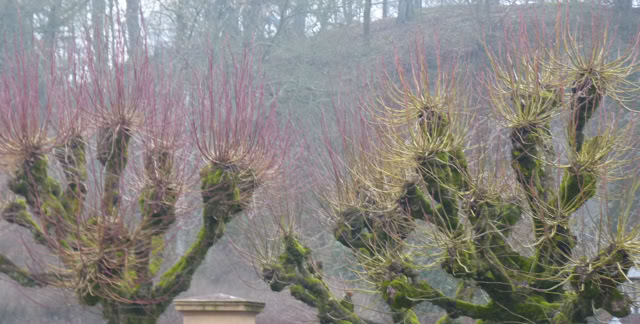
Bad Laasphe 2014. Germany
Culture/Nature - Global Studies
Topic: Gardening and Landscaping
Garden design and architecture in cultural processes
Photo: A.A.Bispo©
Scotney Castle.Sissinghurst Castle, England 2014
Culture/Nature - Global Studies
Topic: Gardening and Landscaping.
Garden design and architecture in cultural processes
Photo: A.A.Bispo©
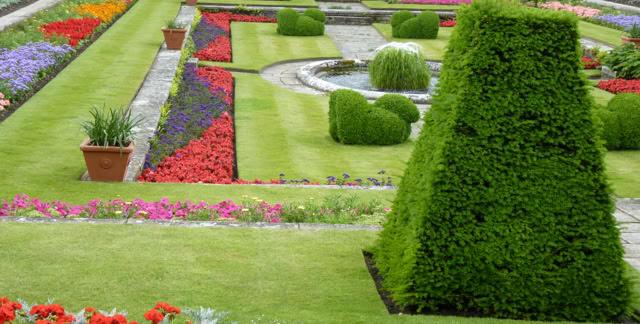
Hampton Court 2014. England
Culture/Nature - Global Studies
Topic: Gardening and Landscaping
Garden design and architecture in cultural processes
Photo: A.A.Bispo©
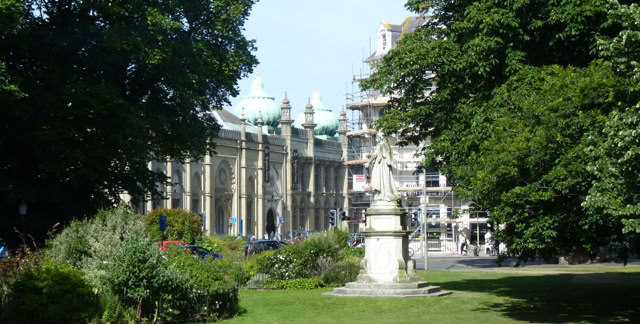
Brighton 2014. England
Culture/Nature - Global Studies
Topic: Gardening and Landscaping
Garden design and architecture in cultural processes
Photo: A.A.Bispo©
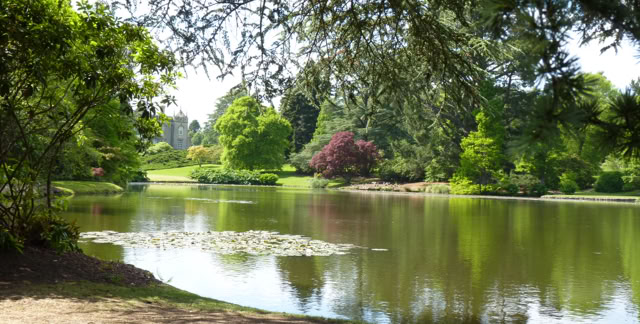
Sheffield 2014. England
Culture/Nature - Global Studies
Topic: Gardening and Landscaping
Garden design and architecture in cultural processes
Photo: A.A.Bispo©
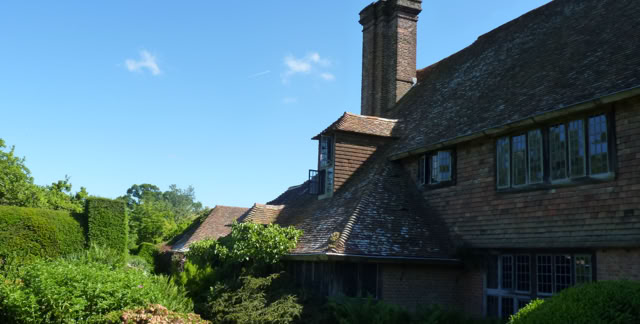
Great-Dixer-Gardens 2014. England
Culture/Nature - Global Studies
Topic: Gardening and Landscaping
Garden design and architecture in cultural processes
Photo: A.A.Bispo©
Hampton Court 2014. England
Culture/Nature - Global Studies
Topic: Gardening and Landscaping
Garden design and architecture in cultural processes
Photo: A.A.Bispo©
Sissinghurst Court 2014. England
Culture/Nature - Global Studies
Topic: Gardening and Landscaping
Garden design and architecture in cultural processes
Photo: A.A.Bispo©
Flora, Cologne. Germany 2014.
Culture/Nature - Global Studies.
Topic: Gardening and Landscaping
Garden design and architecture in cultural processes
Photo: A.A.Bispo©
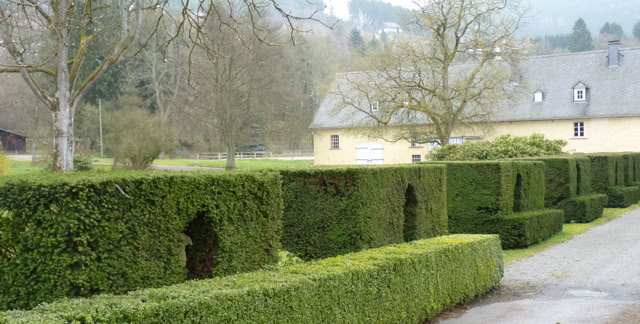
Schwarzenau.. Germany 2014
Culture/Nature - Global Studies
Topic: Gardening and Landscaping
Garden design and architecture in cultural processes
Photo: A.A.Bispo©
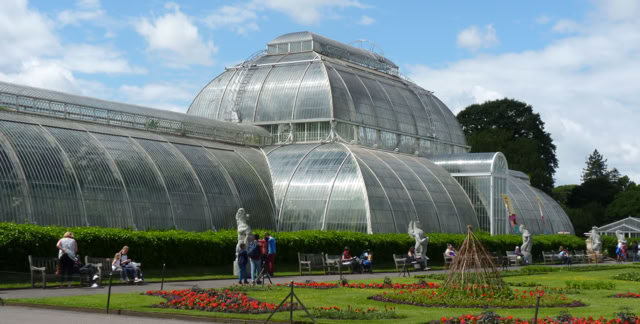
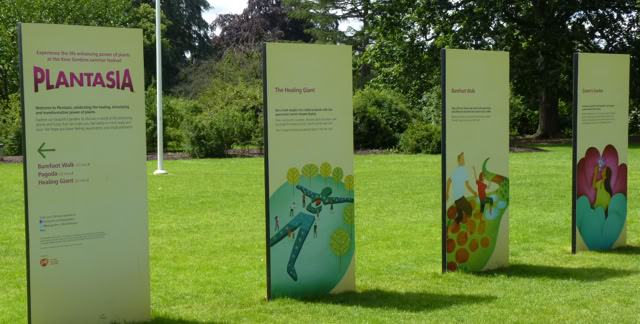
Kew Gardens. England 2014
Culture/Nature - Global Studies
Topic: Gardening and Landscaping
Garden design and architecture in cultural processes
Photo: A.A.Bispo©
Kew Gardens. England 2014
Culture/Nature - Global Studies
Topic: Gardening and Landscaping
Garden design and architecture in cultural processes
Photo: A.A.Bispo©
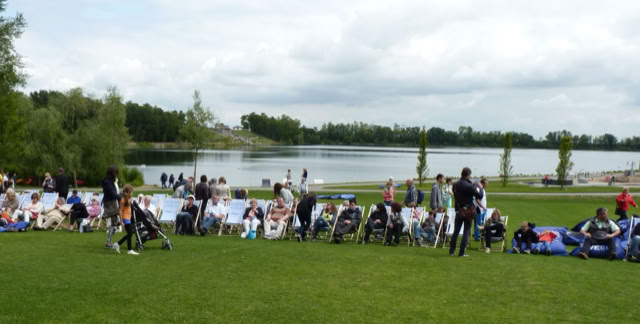
Zülpich, Germany. Landesgartenschau 2014
Culture/Nature - Global Studies
Topic: Gardening and Landscaping
Garden design and architecture in cultural processes
Photo: A.A.Bispo©
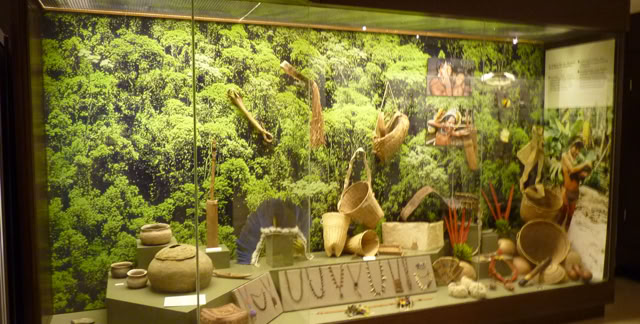
Werl. Forum der Völker, Germany 2014
Culture/Nature - Global Studies
Topic: Gardening and Landscaping
Garden design and architecture in cultural processes
Photo: A.A.Bispo©
Hamburg. Relations between practical music, research, and the musical life of universities | Lüneburg. Under the sign of Bach. Beginning of interactions between Brazil and Europe | Lüneburg. The choral movement in Brazil and its links with German singing associations | Hannover. Organ improvisation in dialogue with non-European cultures | Berlin. Instrumental issues in the centenary of Curt Sachs's Real Lexikon | Bayreuth. Brazil at the Centenary of the Bayreuth Festivals in 1976: - Pedro II at the Bayreuth Festivals of 1876. Bayreuther Blätter and N.J. Oesterlein; - Updates in the confrontation with Wagnerian problematics; - Wagner and Brazil in the mediation of E. Ferreira França Filho | Coburg. "A Day in the Fortress of Coburg" by Adolf Maersch | Wiesbaden. Gustav Freytag and Euro-Brazilian studies | Cologne. Brazil and the Musical Cultures of Latin America project in the 19th century | Cologne. The Rhenish Catholicism of Cologne and Euro-Brazilian studies | Bonn. Brazil at the VII International Congress of Sacred Music in Bonn | Cologne. Carnival in Brazil and the Carnival of Cologne
***
A program of Luso-Brazilian origin. Jorge Peixinho | Maria Augusta Alves Barbosa and the study of cultural processes: - Approaches from her German and Portuguese mentors; - Vincent Lusitano: A Portuguese Composer and Music Theorist of the 16th Century; - History and visions of historical images: mutability of approaches. J. Ch. Burckhardt; - Seeing music in links and relationships. History of Music in Portugal; - Art as an object of historical knowledge and the Renaissance; - The concept of current in the Musical Sciences of Portugal; - Ordering of History and paradoxes in the distinction between the conservative and the advanced; - Revealing the singular in lines throughout history; - Analyses of developments and not attributions of meaning to the past; - "Vincente Lusitano" in the sphere of the Reformation in Central Europe; - The North African Diocese of Ceuta and Olvença. D. Henrique Soares de Coimbra; - The conquest of Ceuta and the analysis of visions. Christians vs. Moors; - The Lamentations of Jeremiah in the opening of Portuguese and Brazilian reflections in Colonia; - Art Education in Portugal in light of the Brazilian experience; - The Draft Law Proposal for the National Plan for Art Education in Portugal; - The issue of the equivalence of art training schools to the University | Armindo Borges: 80 years. From the Azores to Rome, Germany and Portugal, in Canada and Brazil: - Culture and music at the Episcopal Seminary of Angra do Heroísmo; - The Cultural Institute of the Azores in Ponta Delgada and the first Weeks of Azorean Studies; - Portuguese Mission of Colonia and the Lusophone community of Toronto/Missasauga; - Institute for the Study of Musical Culture of the Portuguese-Speaking World | Armindo Borges: Duarte Lobo (156?-1646): - The Court in Évora; - The Church in Évora; - The University in Évora; - Music and Musicians in Évora
***
Lyre of Orpheus, Maracatu and Viola | Prioritization of the poor and cultural impoverishment | Church, research and cultural policy. José Maurício Nunes Garcia and Heitor Villa-Lobos | Sacred music of the colonial period and the processuality of Colonialism | Sacred music of the imperial period in the reconsideration of the century of Brazil's political emancipation | Sacred music in Brazil under the sign of liturgical-musical restoration and the Motu Proprio (1903) | Contemporary music with religious themes in Brazil | Sacred music in the present - Pontificate of John Paul II | Community Mass according to the Council - participatio activa and actuosa | The organ in the field of tensions of liturgical-musical reforms | Economic and patrimonial implications of ecclesial reforms | Vocal polyphony in its artistic and cultural significance and its function in worship
***
Academy vs. Convent: Secularization and Anti-secularization in German References | The Convent of Santo Antonio in Santos: Catholic Restoration in a Railway and Port Area | The Convent of Santo Antonio amidst Italian and Portuguese working-class communities | German Missionaries in Coffee-Growing and Immigration Regions | Religious and Moral Restorationism of Franciscans in Santa Catarina and its Links with the Rhineland and Westphalia | From College under the sign of the Syllabus Errorum to Center of German Franciscans | Immigrants from Veneto and Trento in Brazil and German Ultramontanism | Petrus Sinzig OFM and the Höschl Family. Franciscan Poverty and the Enrichment of Colonists | Thermal Waters, the Holy Spirit in Azorean Culture, and the Restorationist Catholicism of German Franciscans | Urban Transformations in Colonial Expansion and the Rhetoric of Franciscan Simplicity | Angelina (SC) and the Pilgrimage Tradition of Werl in Westphalia | From Mountain Regions to the Coast: Ultramontanism of German Missionaries and Acclimatization | German Cultural Struggle in Extensions in Brazil. Rhineland Education, Music, and Architecture | German Franciscans vs. "Fanatics" in the Contestado War
***
German Franciscans in Petrópolis under the Republic | Revitalization of the Santo Antonio Convent in Rio de Janeiro by German Franciscans | Traditionalist Catholicism in Northern Rio de Janeiro | German Franciscans, Religion and Morality in Rio de Janeiro | Franciscan Restoration in Alto Jacuí | Our Lady of Lourdes and the Pietà in European Colonization | The São Paulo-Rio Grande do Sul Railway in Cultural Processes in Alto Uruguai | Polish and Ukrainian Catholics under the Assistance of German Franciscans | The São Luís de Tolosa College. Bukovina and German Franciscans | Indigenous Peoples and Questions of Missionary Priorities of German Franciscans in Paraná
***
Music and Arts Education in Brazil and its international resonance | Folklore research in São Paulo in interaction with Germany | German-Brazilian Music Week 1982 | Brazil-Germany in Education and Research. Music | The image of Brazil as a question of Education and Research | Science-oriented music teaching and Musicology directed at cultural processes | Possibilities and limits of a musicological orientation to Music Education | Musical reception and its didactics. Verbalization in music and arts teaching | Culture as an ethical postulate of the individual and the State | Advent, Christmas, and Epiphany in Cultural Studies and Music Pedagogy | Pastorals in Cultural Studies and Comparative Music Pedagogy | Modesty as a philosophical and human principle in research and as an object of teaching | International dimensions of Gregorian chant in Brazil | Gregorian chant at the 1st Germany-Brazil Music Forum