BRASIL-EUROPA
GLOBAL STUDIES
CULTURE/NATURE
BRASIL-EUROPA
GLOBAL STUDIES
CULTURE/NATURE
2015
Studies of cultural processes in global contexts
using Euro-Brazilian relations as a frame of reference
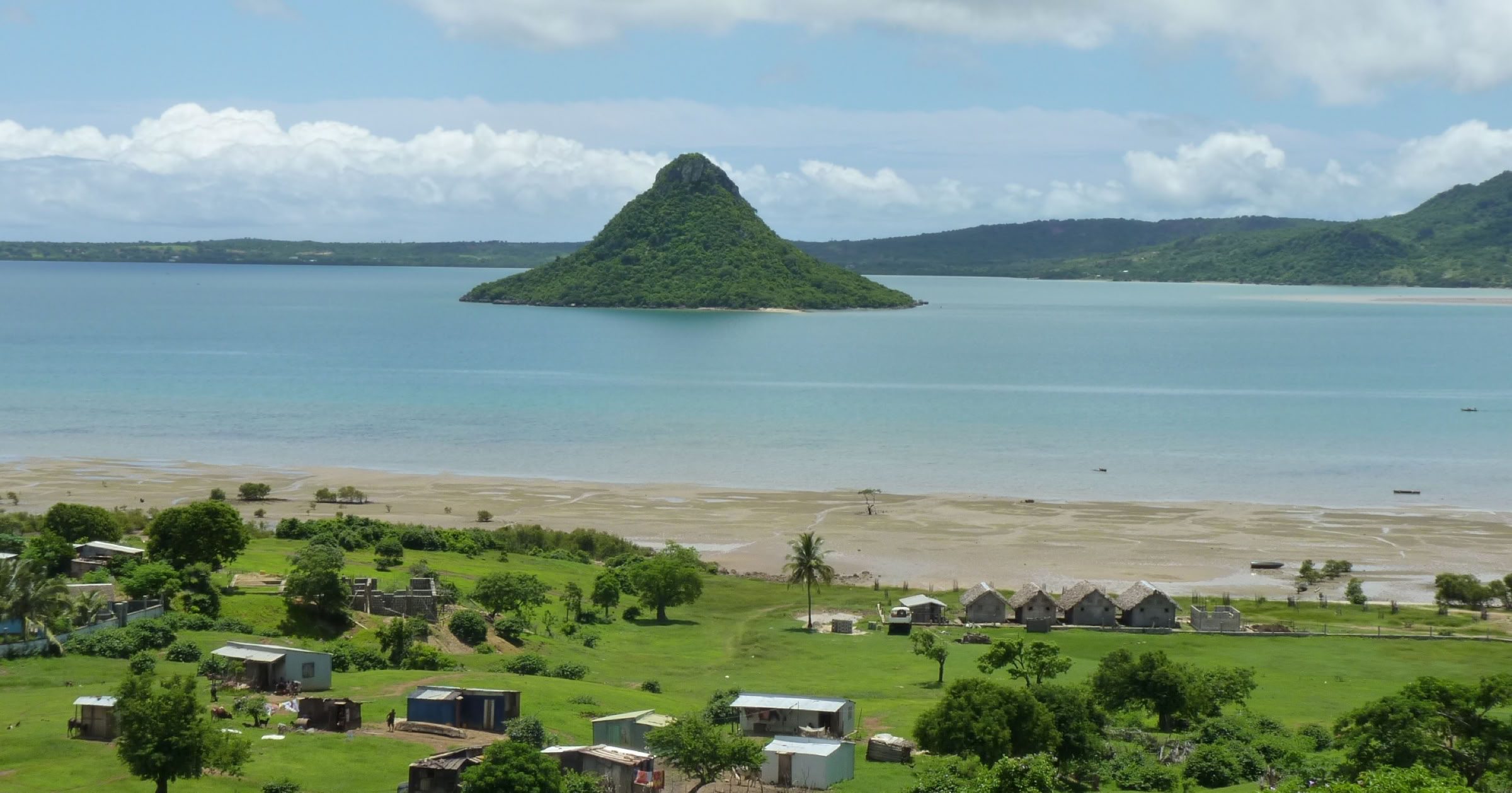
Madagascar
2015
Culture/Nature - Global Studies
in the commemorative year of the 450th anniversary of Rio de Janeiro
Photo: A.A.Bispo©
The year 2015 in Cultural Studies in global contexts was marked by the celebration of Rio de Janeiro's 450th anniversary. The studies began 2014 at the National Library of Belgium in Brussels with a survey of literature and documents concerning Belgium's diplomatic and cultural relations with Brazil in the late 19th and early 20th centuries. Among the aspects considered, issues concerning the image of Rio de Janeiro in representing Brazil abroad and the role played by culture, arts, and music were highlighted. The theme of Culture/Nature in global contexts was addressed through studies of world expositions and landscaping in the urban configuration of Brussels and the restructuring of the city of Rio de Janeiro. Conceptions of evolution and artistic-cultural trends of the Belle Époque were considered in relation to each other. Among the topics discussed, those relating to climatology in the context of colonial studies, as well as sanitation in cities such as Brussels, Antwerp, and Rio de Janeiro, stood out. Conferences on Brazil at the Sorbonne University in Paris were analyzed for their significance to the history of Brazilian studies in Europe and Euro-Brazilian relations.
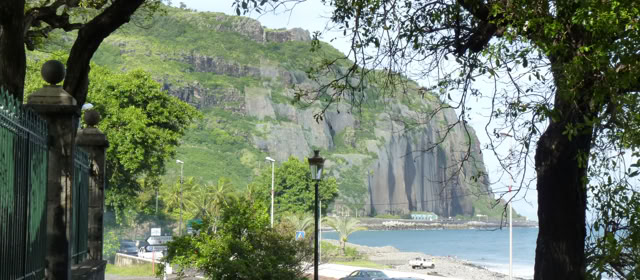
The studies on the relationship between culture and nature in global contexts were initiated in 2015 on islands in the Indico Ocean. The interactions between East and West since the Age of Discovery were the central focus. These were discussed during meetings at various institutions. Culture/nature in art became the subject of dialogues with the artist Gerard Devoud in the Seychelles. The comparison of Sugarloaf Mountain in Diego Suarez, Madagascar, with Sugarloaf Mountain in Rio de Janeiro prompted a closer examination of the developments initiated by the Portuguese during the Age of Discovery. Parallels between dance and music traditions in the islands and those of Brazil opened new perspectives for transnational folklore research. Relationships with European powers during the colonial period, as well as with Africa in the context of the slave trade, were analyzed in parallel with Brazil. The presence of France, particularly in Mauritius and Réunion, was given special attention. The observations and results of the dialogues were subsequently processed in sessions in Bavaria.
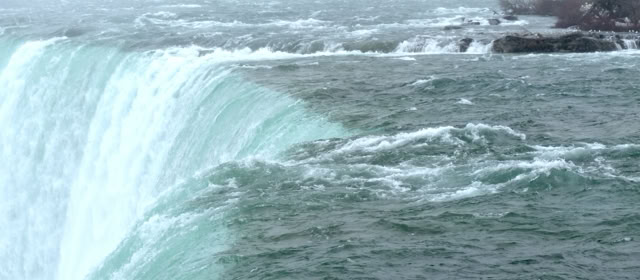
The Culture/Nature studies in international contexts were subsequently continued in North America. These studies were also conducted in the context of the 450th anniversary of the founding of Rio de Janeiro. The role of extraordinary natural formations in cultural processes and the image of regions were examined, using Niagara Falls and the Rio landscape with Sugarloaf Mountain as examples. Parallels and relationships between North and South America in the context of the opening up of new regions in the search for material wealth shaped the discussions in Alaska. These discussions were based on studies conducted in Acre and Rondônia. In both contexts, the problems of the indigenous populations were discussed, a topic of general interest to ethnological and cultural studies. The observations and results of these discussions were subsequently reviewed and documented in sessions in Bavaria and at the Brazil-Europe study center in Brazil.
In Germany, the second half of 2015 was marked by studies conducted in Meiningen and Coburg. In both cities, cultural developments of the 19th century, viewed from the perspective of Euro-Brazilian studies, were the focus of discussions during visits to museums and exhibitions. In Meiningen, the emphasis was primarily on musical connections, while in Coburg, the focus was on the historical ties between ruling families and Brazil. In Coburg, in particular, the theme of culture/nature was highlighted by an exhibition there. The results of these studies were subsequently discussed at meetings in Bavaria and further developed into written reports
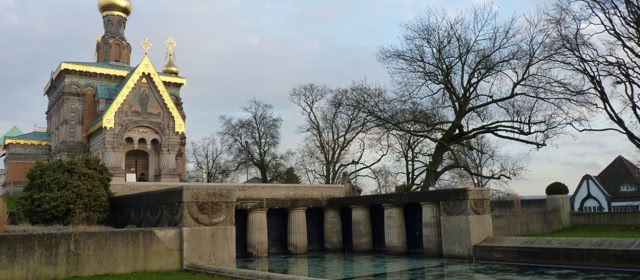
The final studies of 2015 were shaped by a re-reading of Hermann Keyserling's "South America Meditations". This and other works by these German philosopher influenced study visits to the Baltic countries and subsequently to Darmstadt in Hesse. These reflections aligned with the East/West study program and focused thematically on processes of humanization and dehumanization in society, philosophy, science, and cultural psychology. These questions also influenced the subsequent work, which was again carried out in Bavaria. This time, the focus shifted to the personality and architectural works of King Ludwig II in their relationship to the landscape.
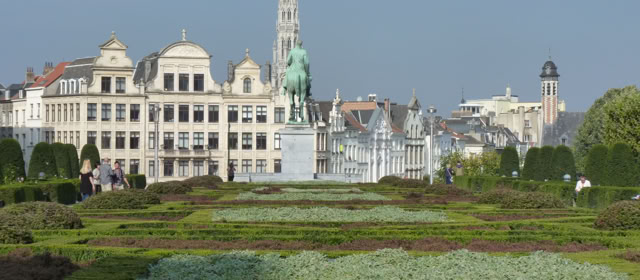
Brussels
The 2015 Culture/Nature studies in global contexts were prepared using bibliographic research conducted at the National Library of Belgium in Brussels in 2014
Photo: A.A.Bispo©
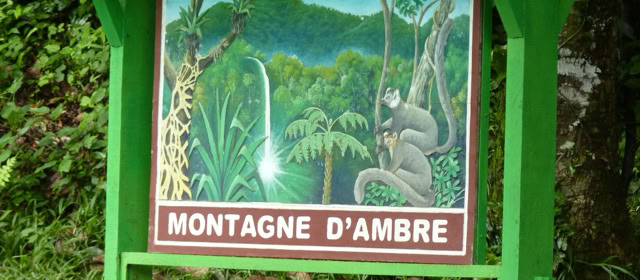
Madagascar 2015
Culture/Nature - Global Studies,
Parc National Montagne d'Ambre
Photo: A.A.Bispo©
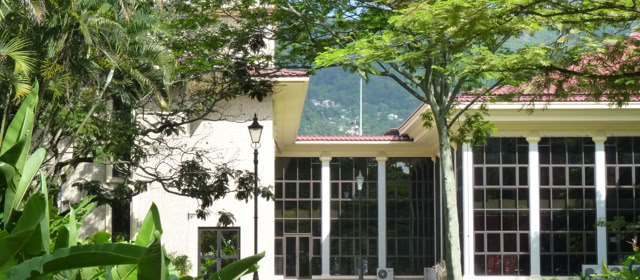
Victoria 2015
Culture/Nature - Global Studies Colloquium at the National Library
Photo: A.A.Bispo©
Seychelles 2015
Culture/Nature - Global Studies
Photo: A.A.Bispo©
Canada-Brazil 2015
Culture/Nature - Global Studies in the commemorative year of the 450th anniversary of Rio de Janeiro
Photo: A.A.Bispo©
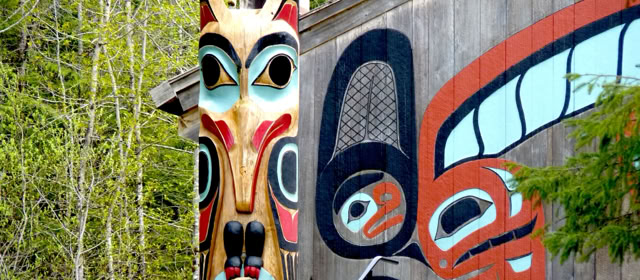
Alaska-Brazil 2015
Culture/Nature - Global Studies
in the commemorative year of the 450th anniversary of Rio de Janeiro
Photo: A.A.Bispo©
Coburg-Brazil 2015
Culture/Nature - Global Studies
in the commemorative year of the 450th anniversary of Rio de Janeiro
Photo: A.A.Bispo©
Darmstadt 2015
Studies of the work of the philosopher H. Graf Keyserling. Culture/Nature - Global Studies
Photo: A.A.Bispo©
Rio de Janeiro and Brazil's representation in Belle Époque Europe | Sur L‘Evolution d‘une Ville du Nouveau-Monde | "The metamorphosis of Rio de Janeiro" | Rio de Janeiro and the routes of penetration into Brazil | Climatology at the service of Brazil's reputation and colonization | The sanitation of Rio, drainage in Antwerp and sanitation in Brussels | Rio de Janeiro and music in Brazil at the Centenary of J. Haydn in Vienna in 1909 | Rio de Janeiro, music in Brazil and the United States | Brazilian Studies at the Sorbonne and Oliveira Lima's cultural diplomacy | Brazilian Studies at the Sorbonne. Evolution, future of Latin culture and French culture | Rio de Janeiro in Brazilian Studies. University of Paris in 1910 | German-Brazilians and the transformation of Rio de Janeiro's image | Avenida Central and the image of Rio de Janeiro | German-Brazilians, the image of Rio and World War I
***
Antsirinana/Diégo Suarez and Rio de Janeiro: 1. Guanabara in Madagascar 2. The novel by Diogo Soares 3. Missionary history in Brazil and Madagascar 4. Military constructions in the Atlantic and Indian Oceans | French Antarctica in Brazil and French East in Madagascar | Waters of the Atlantic, Indian, and Maria Oceans | Carnival in Rio and the Donia Carnival in Madagascar | Flora and fauna in Madagascar and Brazil | Folklore and Ecology. The Kalanoro of Mont Passot and the Curupira | Ida Pfeiffer in Brazil and Madagascar | Madagascar in Rio. Oscar Pfeiffer | Madagáscar no Rio: o relato de viagem de Ida Pfeiffer (1797-1858) elaborado por Oscar Pfeiffer (1858) | Piano in Brazil and Madagascar | Opening up and Europeanization in the 19th century: Brazil and Madagascar | Women in cultural processes in Brazil and Madagascar | Germany, Brazil, and Madagascar in the 1930s | Instruments and images in Brazil and Madagascar | Sega in the Indian Ocean and Latin culture | The Sakalava in Madagascar Olodum
***
The Indiico islands in Portuguese navigation, discoveries, and missions | Brazil in colonization and the history of slavery in the Mascarene Islands | Archival science and Creole studies. Colloquium in Victoria, Mahé | Creolophony, Creoleness, Creolism | Culture and agriculture - plant acclimatization in colonial history | Brazil and the Indico in landscape painting. Musée Léon-Dierx, Saint-Denis | History of Art and International Creole Studies | La France chrétienne in Brazil and the Indicc | Gérard Devoud. Colloquium at the Val Mer Art Gallery, Mahé | Living in harmony with the tropics | Côco-de-Mar - coconut breakers in India and coconuts music in Brazil | Music and dance in Creole identity | Hispanics in Creole culture | British colonialism and post-colonialism in the Indian Ocean | Post-colonial Creole studies and post-Apartheid South Africa
***
Sugar Loaf Mountain and Brazil's image in political contexts | Sugar Loaf Mountain in Brazil's cultural reception in Europe | Toronto - home of Sir Henry Pellat's “Casa Loma” and Rio de Janeiro | Light & Power Company Ltd. and metaphors of light | The Rio de Janeiro Tramway, Light & Power Company em Toronto | Seeing Rio from a tram in travel literature and images of Brazil | Dance and nature in Rio. Maud Allan in Toronto | Symphonic concerts and aesthetic education in Rio de Janeiro | The Brazilian Women's Legion and politics | Triumphal Fantasy on the Brazilian National Anthem by L M. Gottschalk | Historical milestones in music in Canada/Brazil relations | The Patriotic Concert of the Women's Musical Club (1917) | Concert by E.P. Johnson and Guiomar Novaes (1924) | American Legion Dance and Paul Whitemann's Jazz Orchestra at the Hotel Gloria | Patriotic pianists and music education under female leadership | Music and theater entrepreneurs in political and cultural contexts | Brazil's presence in German-Canadian communities in Ontario
***
|
Gold trails: Minas and Klondike | The gold rush in Brazil in the historical and cultural contexts of the 1930s | Madeira-Mamoré and White Pass and Yukon: 1. Die Gummibahn by Franz Caspar 2. Railway museums in Porto Velho and Skagway | Bands in Brazil and Alaska | Music and aviation in Brazil and Alaska. The march "Edu" by J. Antão Fernandes | Prostitution, music, dance, gambling, and drinking in rush regions | Culture/Nature in North/South relations in the Americas | Transepocality of bandeirantismo and Freemasonry in rush regions | The physiognomy of indigenous peoples in museums in Canada and Alaska: 1. Royal Ontario Museum 2. Tongass Forests Center Ketchikan | Masks in Vancouver and indigenous cultural transformation | Identity and art of the First Nations in British Columbia and Alaska: 1. Totem Heritage Center, Ketchikan 2. Saxman Village's Totem Park 3. Totem Poles, Stanley, Vancouver | Europe, Brazil, and the North Pacific in travel literature
***
What is the correct conception of living nature? | German-Baltic cultural debate and the “South American Meditations” | Darmstadt, Brazil, and Keyserling's “School of Wisdom” | Mutability and diversity of views and the spirit in the creation of realities | The reptilian nature of South Americans in Keyserling's Cultural Psychology | The gold of humanizing values | The imagological problem of the appropriation of spiritual goods | Violence in the system of conceptions and images in West/East relations | Warm blood - human warmth and being at home in "my country” | The handling of evil in strategy and politics | Death and the underground in man | "Gana" as a cause of improvisation in South America | The delicacy, diplomacy, and susceptibility of Brazilians | The order of ideas and images and the emotional order in humanizing progress | The hypertrophied ego of the self-important man | The entry of the spirit into consciousness and guiding images | The freedom of image creation | The playful vision in the humanizing process