BRASIL-EUROPA
GLOBAL STUDIES
CULTURE/NATURE
BRASIL-EUROPA
GLOBAL STUDIES
CULTURE/NATURE
Azores - Faial Island
Culture/Natture - Global Studies
2018
2018
Studies of cultural processes in global contexts
using Euro-Brazilian relations as a frame of reference
The year 2018 was marked by major cycles of international studies conducted in the Azores, the Mediterranean islands, South Africa, Northern South America, Central America/Caribbean and Southeast Asia. Attention was directed to the significance of these contexts in the history and present of transnational relations: the Azorean islands in the Atlantic space, the Mediterranean islands in relations between the Near East and the West, the Cape of Storms/Good Hope in the history of the Discoveries, Cartagena de las Indias and the Panama Canal between the Atlantic and the Pacific, Caribbean islands in their significance for transatlantic-inter-American interactions, concluding with activities in Southeast Asia, with particular attention to Singapore. Euro-Brazilian studies in Europe were conducted at the headquarters of the Brazil-Europe Academy in North Rhine-Westphalia, at its study center in Bavaria, in other regions and cities, as well as in Northern Italy.
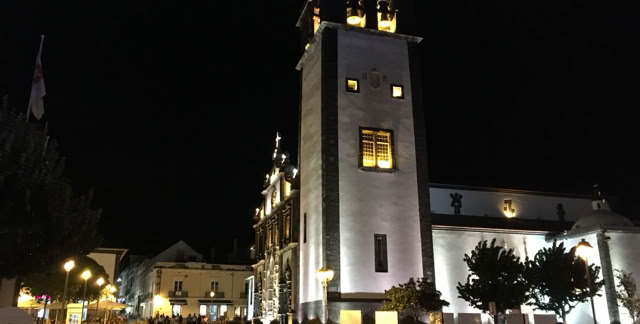
Ponta Delgada
Culture/Nature in Global Studies
Topic: Azores in cultural processes in global relations
2018
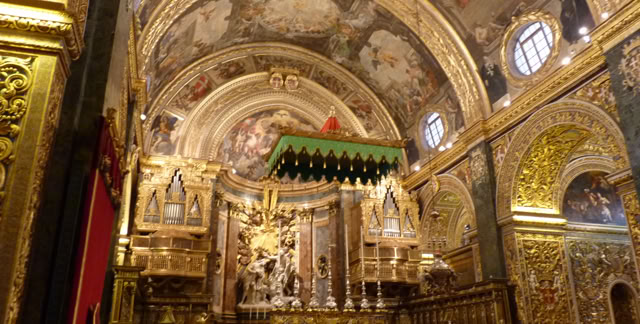
La Valetta, Malta
Culture/Nature in Global Studies
Topic: Insular Mediterranean
2018
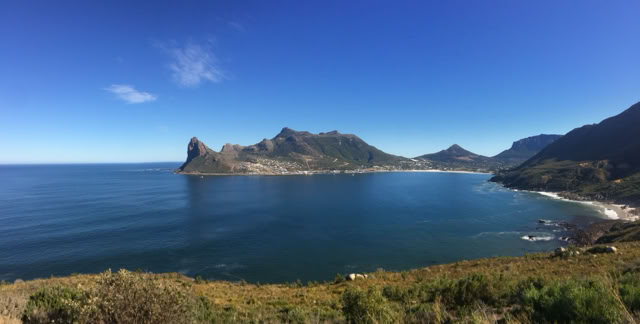
South Africa
Culture/Nature in Global Studies 2018
Topic: Crossing borders and spheres
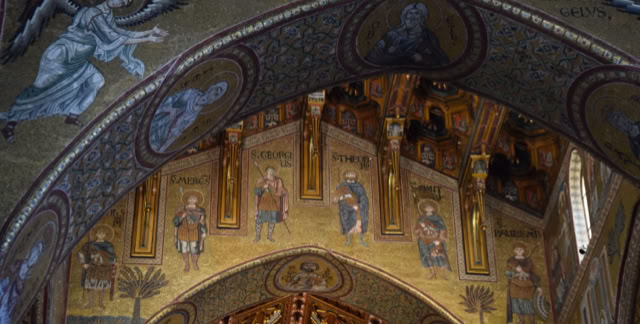
Sicilia
Culture/Nature in Global Studies
Topic: Insular Mediterranean
Palermo, Catania 2018
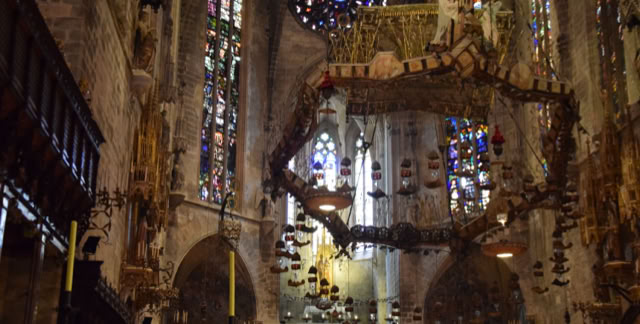
Mallorca
Topic: Insular Mediterranean
2018
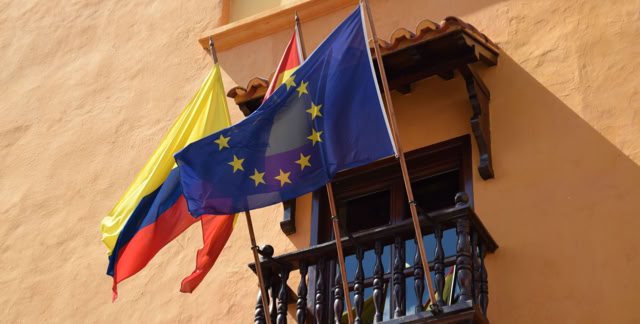
Cartagena de las Indias
Colombia.Culture/Nature in Global Studies.
Topic: Colombia/Panama/ Costa Rica - Brazil
2018
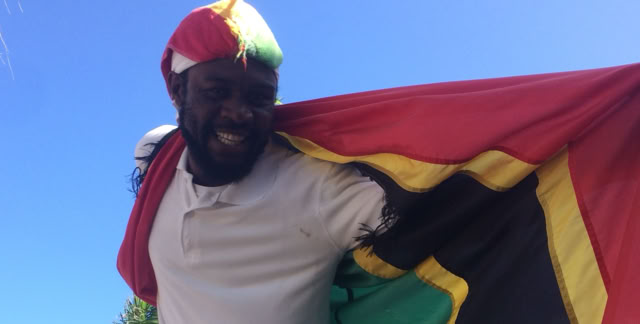
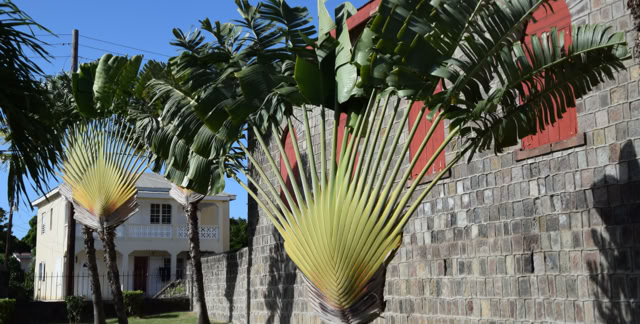
St. Kitts
Topic: Caribbean & Brazil - Studies of traditions:
Christmas, Carnival
2018
St.Kitts. Culture/Nature in the Global Studies. Topic Caribbean
Emigration, Immigration and Re-immigration. Museology of emigration | Historical sources and empirical cultural studies - rereading Gaspar Frutuoso's "Saudades da Terra" | Images in traditional narratives: the giant Almourol | O Antiphons. From Rorate to Rogate in traditional expressions | Franciscanism in cultural processes: Teresa da Anunciada | Missionary history in Azores-Brazil cultural relations. The Baroque and the Sea: José de Anchieta and Antonio Vieira | Visual language and instruments: the angel with the violin | 19th century - testimonies of Austrian Navy officers | The Antarctic expedition of 1911
The Atlantic islands in geographical and ethnographic literature | Intercontinental air communications. The transatlantic crossing in 1919
Santo Cristo dos Milagres and its presence in São Paulo
The Azores in global ecclesiastical processes of the 19th and 20th centuries | Study of cultural processes in daily life and handicrafts in Brazil and the Azores | Identity/sustainability | From local to global: MiratecArts - communicating through artistic language
***
The Order of the Knights of St. John | The Inquisition in cultural processes | Missionary actions of the past and their effects - Holy Week | Revitalization of traditions during the Catholic Restoration of the 19th and 20th centuries
Foundations of cultural processes in the Mediterranean: Taormina Theatre Museum | Islamic-Christian syntheses and symbioses? The "Norman-Arab-Byzantine style" | The biblical narrative in the mosaics of Monreale
The Reconquista in medieval Christian expansion. Raimundus Lullus OFM | The submerged chapel of the Palma de Mallorca cathedral
***
Voices for Human Rights. The Cape Cultural Collective (CCC) | Transforming ourselves as we transform the World. The "rainbow" city | Bo-Kaap. Colors, crossings and gentrification | Music and musical instruments in cultural interactions: I) Characterizing attributes of the South African "native" in street musicians | II) The debate on the marimba in São Paulo's Congadas | Hemeliggaam or The attempt to be here now. Man/Environment and Skies | Transplantations and acclimatizations in colonial space | From the Cape of Storms to the Cape of Good Hope
The "St. Gregory's Standard" in Port Elizabeth. The memory of Bartolomeu Dias (ca. 1450-1500)
"Cowboy Beach" in São Brás Bay - Mossel Bay. First records of native South Africans
The Reformed Church of the Netherlands in colonial processes | Huguenots in the Cape region | Missions of the Brethren or Herrnhuter in the Bohemian and Moravian tradition: I) Georg Schmidt (1709-1785) in South Africa | II) Theophilus Salomo Schumann (1719-1760) among the Arawaks
Pioneer movements in colonial expansions. The Voortrekker in southern Africa | De-Europeanizations exemplified by Pretoria
Overcoming racial divisions in parallels with America and the Caribbean
Urban bankruptcies in different contexts
Caracol State Park and the Blyde River Canyon | The tragedy of species extinction. Kruger National Park and Mozambique
***
The image of the desert in the Augustinian hermit tradition in Hispanic America | The Nunc dimittis in the language of images, festivals and dances - the cumbia | Witchcraft combated by the Inquisition in Cartagena de Indias: the "cabrón" | Science and philosophy in the language of images: Saint Catherine of Alexandria | "Being at home" in worn-out urban situations
Colón and Santos - sister cities | Portuguese knowledge of the world and the first attempts to cross the isthmus | The "altar of gold": visual language in the Augustinian tradition | Pluriethnicity and multiculturalism in urban developments: gentrification and heritage recovery | Heart and lyre. The nativity scene in the Oratory of San Felipe Neri
Costa Rica/Brazil Studies - Culture/Nature relations | Tortuguero - the "Amazon of Costa Rica" | Costa Rican bananas in the current context of Brazilian interest in Chiquita | Parallels between Puerto Limón and Porto Velho | Urbanism and architecture. Puerto Limón
***
Dominican Academy of Sciences | Dominicans in Caribbean cultural studies | The Magnificat and the visual language of traditional festivities | Merengue and Dominican identity
St. Kitts and Nevis & Brazil in cultural processes | Agriculture and cultural processes in the Antilles and North America in parallel with Brazil | French vs. English in the history of the Antilles | Masquerades in St. Kitts, U.S. Virgin Islands and Reisados in Brazil
Antigua & Brazil in the study of architecture and cities | Gilberto Freyre (1900-1987) remembered in Antigua | From the "Old Time Christmas Festival" to Carnival. The steel drums of Trinidad to Antigua
The recovery of the socio-critical sense of Carnival and the "satin" Carnival | Poetry, diplomacy and music | Memorial to the Slave Trade and Slavery
Debates with Olive Lewin (1927-2013), the "cultural ambassador" | The house of the "white witch", Montego Bay
***
Religious tolerance: creation of “English cemeteries” in Colonial Brazil