BRASIL-EUROPA
GLOBAL STUDIES
CULTURE/NATURE

BRASIL-EUROPA
GLOBAL STUDIES
CULTURE/NATURE
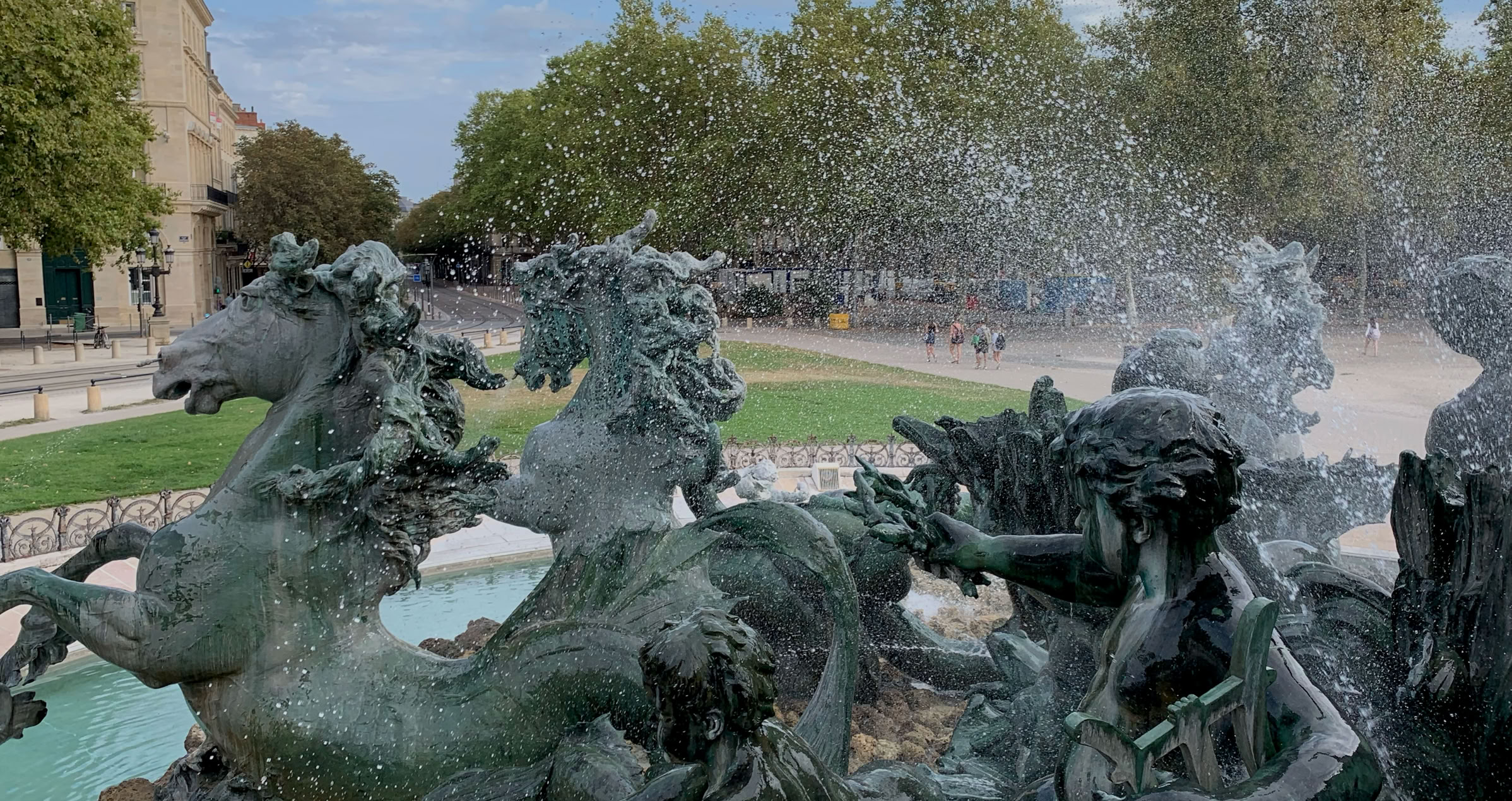
Bordeaux 2019.
Culture/Nature - Global Studies
Photo: A.A,Bispo©
2019
Studies of cultural processes in global contexts
using Euro-Brazilian relations as a frame of reference
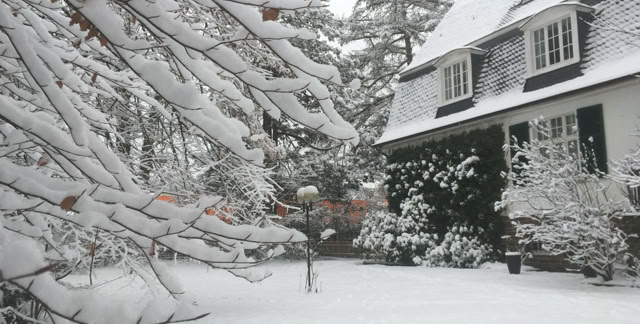
Dieringhausen, Oberberg, North Rhine-Westphaliua. Germany 2019
Brazil-Europe Academy.
Photo: A.A.Bispo©
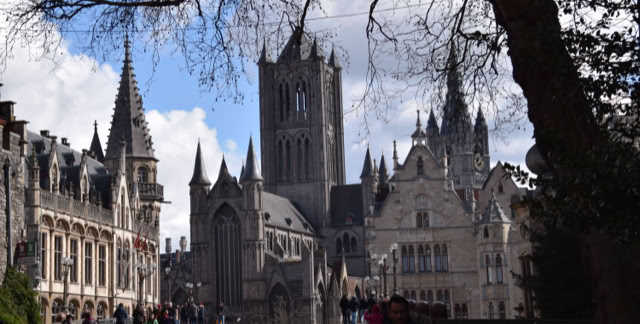
Gent. Belgium. 2019
Culture/Nature - Global Studies
Photo: A.A.Bispo©
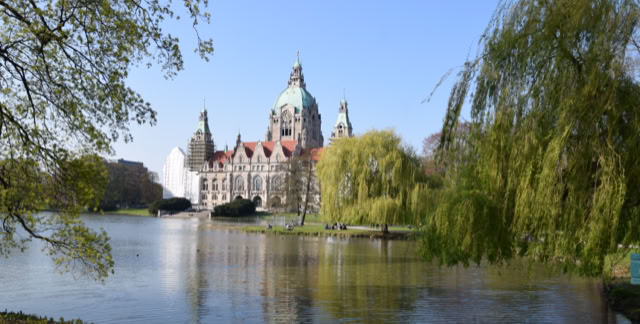
Hanover. Lower Saxony 2019
Culture/Nature - Global Studies
Photo: A.A.Bisoo©
Berlin. 2019
Culture/Nature - Global Studies
Photo: A.A.Bispo©
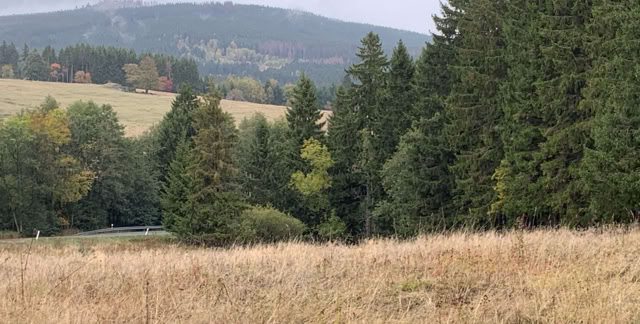
Harz - low mountains ranges Germany.
Lower Saxony, Saxony-Anhalt, Turingia 2019
Culture/Nature - Global Studies
Photo A.A.Bispo©
Bad Grund, Harz. Germany 2019
Culture/Nature - Global Studies
Photo: A.A.Bispo©
Hannoversch-Münden. South Lower Saxony 2019.
Culture/Nature - Global Studies
Photo: A,A,Bispo©
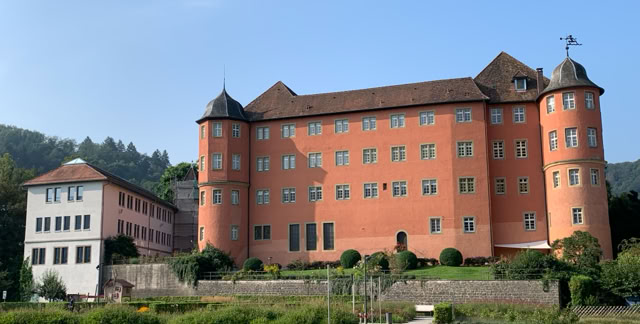
Wiesentheid. Franconia. Bavaria 2019
Culture/Nature - Global Studies
Photo: A.A.Bispo©
Steyel Missions house. Netherlands 2019
Culture/Nature - Global Studies
Photo: A.A.Bispo©
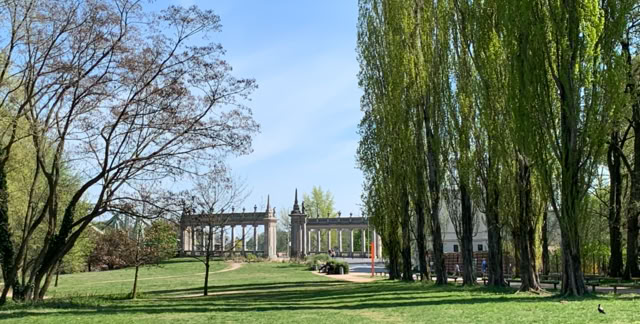
Potsdam. Brandenburg. Germany 2019
Culture/Nature - Global Studies
Photo: A.A.Bispo©
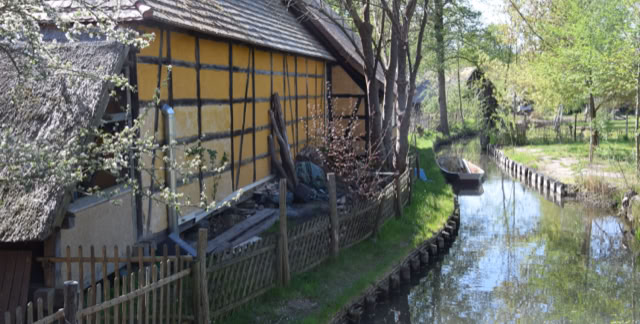
Lehde. Brandenburg. Germany 2019
Culture/Nature - Global Studies
Photo: A.A.Bispo©
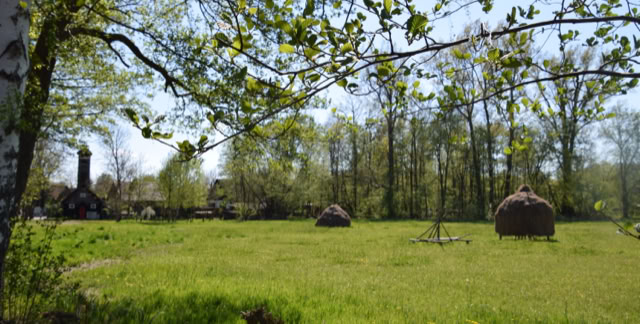
Spreewald. Lübbenau. Brandenburg. Germany 2019
Culture/Nature - Global Studies
Photo: A.A.Bispo©
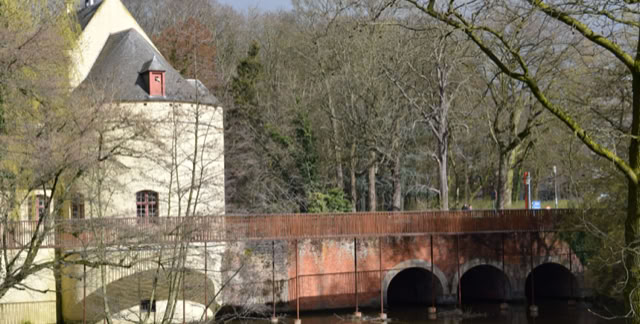
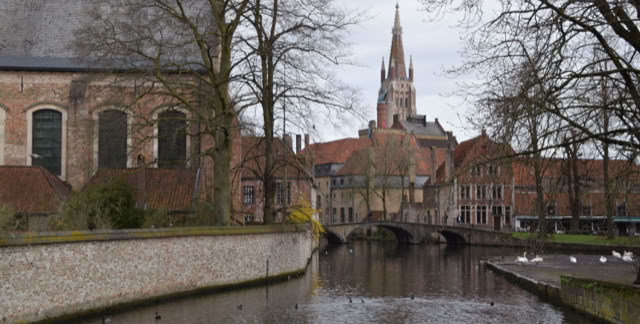
Brügge. Belgium 2019
Culture/Nature - Global Studies
Photo: A.A.Bispo©
Königslutter. Lower Saxony. Germany 2019
Culture/Nature - Global Studies
Photo: A.A.Bispo©
Wolfenbüttel. Lower Saxony. Germany 2019. Culture/Nature - Global Studies
Photo: A.A.Bispo©
Bordeaux. France 2019
Culture/Nature - Global Studies
Photo: A,A,Bisoo©
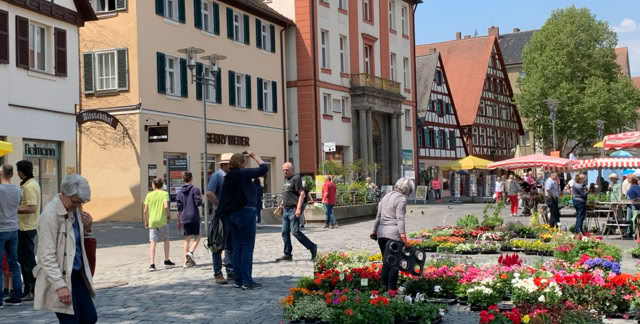
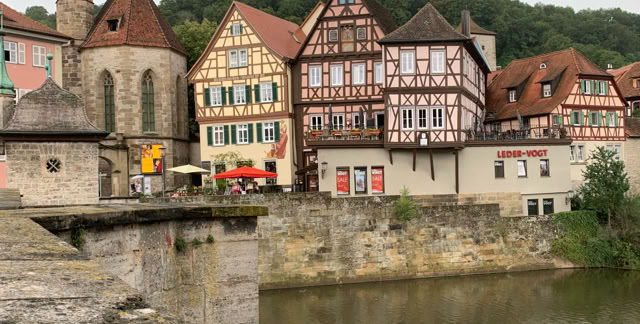
Miltenberg. Lower Franconia. Bavaria 2019
Culture/Nature - Global Studies
Photo: A.A.Bispo©
Brügge. Belgium 2019
Culture/Nature - Global Studies
Photo: A.A.Bispo©
Tetzelstein. Lübbenau. Spreewald. Brandenburg. Germany 2019 Culture/Nature - Global Studies
Photo :A.A.Bispo©
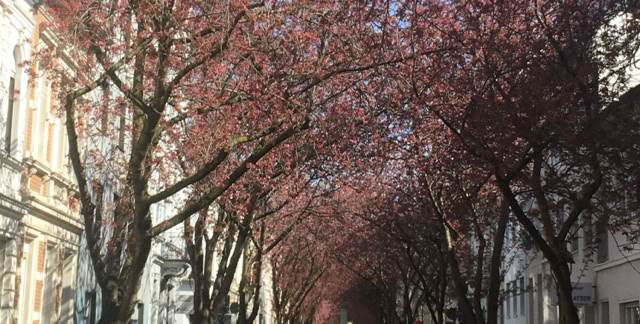
Bonn. Germany 2019
Culture/Nature - Global Studies
Photo: A.A.Bispo©
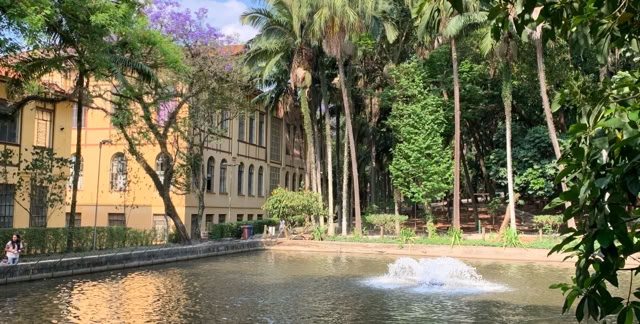
São Paulo. Fernando Costa Parc. Água Branca. Brazil. 2019
Culture/Nature - Global Studies
Photo: A.A.Bispo©
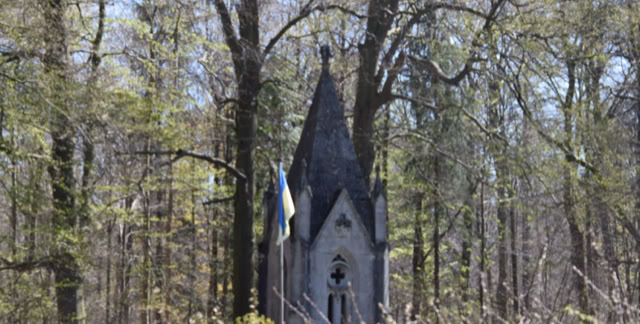
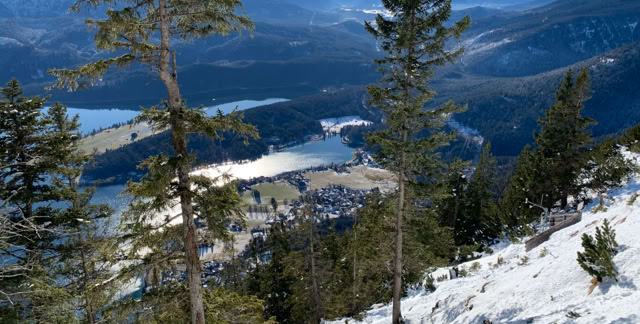
Herzogstand. Walchensee. Bavaria 2019
Culture/Nature - Global Studies.
Photo: A.A.Bispo 2019©
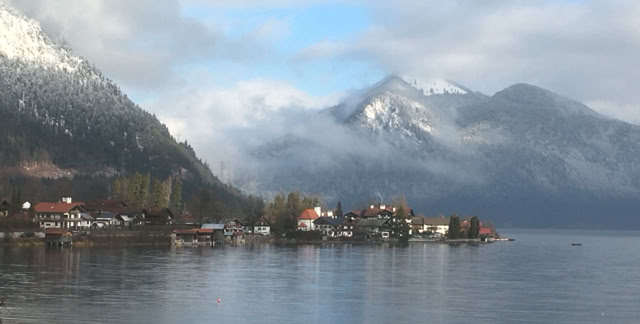
Walchensee. Kochel am See. Bavaria 2019
Culture/Nature - Global Studies
Photo: A.A.Bispo©
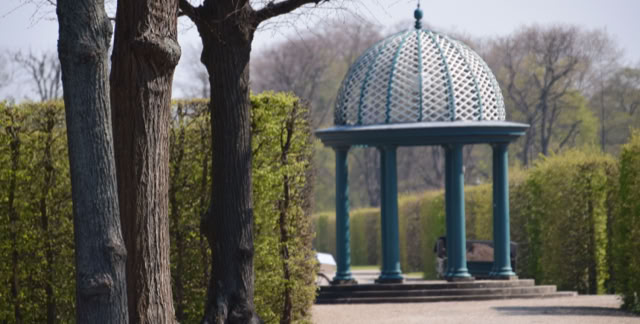
Herrenhäuser Gardens. Lower Saxony. 2019
Culture/Nature - Global Studies
Photo: A.A.Bispo©
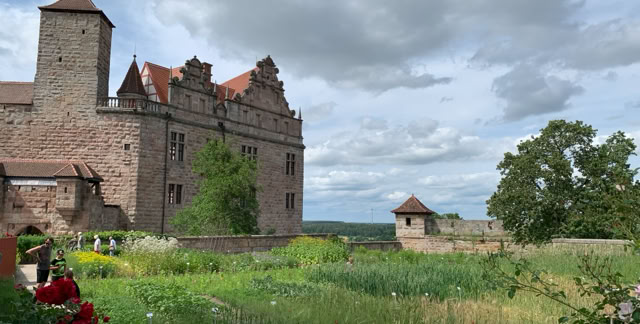
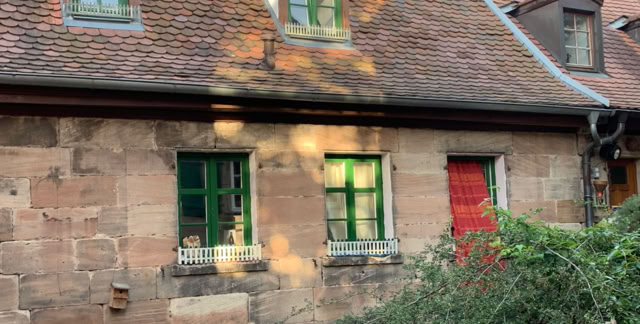
Cadolzburg. Bavaria 2019
Culture/Nature - Global Studies
Photo: A.A.Bispo©
Fürth. Bavaria 2019
Culture/Nature - Global Studies
Photo A.A.Bispo©
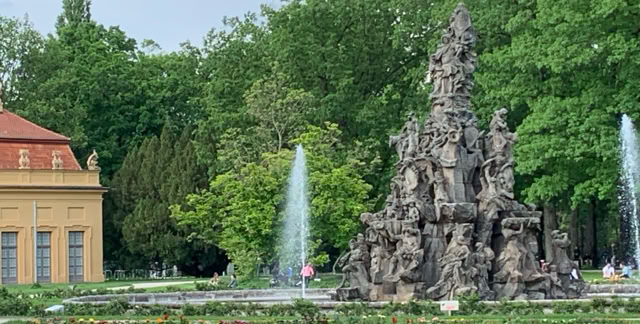
Erlangen.Bavaria 2019
Culture/Nature - Global Studies
Photo: A.A.Bispo©
Schwabach. Bavaria 2019
Culture/Nature - Global Studies
Photo: A.A.Bispo©
Donauwörth. Bavaria 2019
Culture/Nature - Global Studies
Photo: A.A.Bispo©
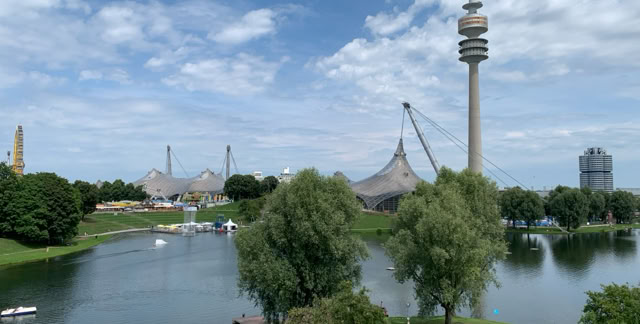
Munich. Bavaria 2019
Culture/Nature - Global Studies
Photo: A.A.Bispo©
Schwäbisch-Hall. Baden Württenberg 2019 Culture/Nature - Global Studies
Photo: A.A.Bispo©
Künzelsau. Baden Württenberg 2019
Culture/Nature - Global Studies
Photo: A.A.Bispo©
Osterode. Harz. Lower Saxony. 2019
Culture/Nature - Global Studies
Photo: A.A.Bispo©
Wernigerode, Harz. Saxony-Anhalt. 2019
Culture/Nature - Global Studies.
Photo: A.A.Bispo©
Ibirapuera Parc. São Paulo. Brazil 2019
Culture/Nature - Global Studies
Photo: A.A.Bispo©
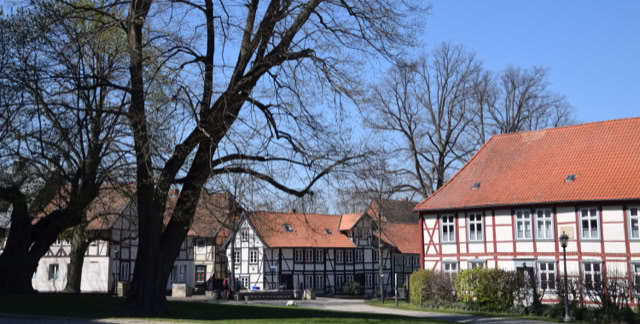
The 2019 study program began with a lecture on Euro-Brazilian activities in 2018 and the projects planned for 2019, followed by a reception at the Brazil-Europe Study Center in North Rhine-Westphalia. The first more extensive study cycle took place in Lower Saxony during the month of April. In Hanover, the studies on the theme of culture/nature commenced in the Herrenhäuser Gardens, which had already been the subject of art historical studies in previous years. The capital city of Hanover and its surrounding area, which has played a significant role in the development of Euro-Brazilian studies since 1974, were primarily examined in 2019 from the perspective of architecture, expressionist art, and urban paisagism. The New Town Hall and its park with the lake provided a basis for reflections on the relationships and interactions between architecture, visual art, and landscape design.
The study route, originating in Hanover, leads to the towns of Helmstedt, Königslutter, Tetzelstein, and Wolfenbüttel. In Helmsted, The rich historical architecture was examined in relation to the surrounding landscape and waterways. The consideration of Romanesque buildings from this perspective culminated in the Imperial Cathedral of Königslutter, originally built as a Benedictine abbey.
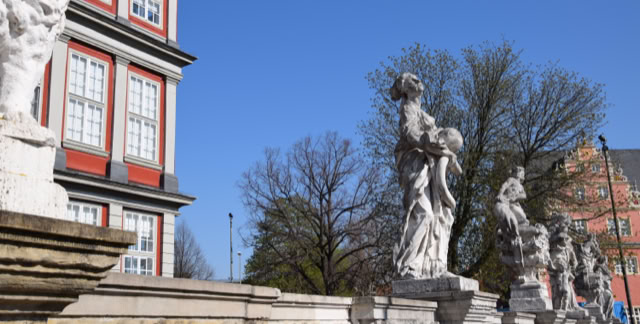
In Tetzelstein am Elm, near Braunschweig, the focus was on the relationship between culture and nature, specifically the narrative surrounding the Dominican friar Johann Tetzel, considered one of the instigators of the Reformation through the sale of indulgences. The main destination of the excursion in this region was Wolfenbüttel, with its museum housing valuable manuscripts and art works, which had already been visited in the 1970s as part of Euro-Brazilian cultural and musicological studies. From the perspective of the town's history, its origins in a 10th-century settlement at a specific location on the Oker River, prompted reflections on the town's relationship to the landscape. The buildings documented Wölfenbüttel's outstanding importance until the mid-18th century as a center of intense cultural life, scholarship, and art.
A key element of the 2019 Culture/Nature program was the visit to the Lehde Open-Air Museum in Lübbenau in the Spreewald region, which is significant for ethnological studies of the Sorbs and Wends. The observations of the farmsteads on site were further explored during the visit to the Spreewald Museum in Lübbenau.
Of the studies that followed a stay in Berlin and Potsdam as part of the Berlin-Brazil program, those conducted in Baden Württemberg and Bavaria in May and June stood out. The city of Erlangen, with its palace gardens and botanical garden, proved particularly fruitful for the Culture/Nature study program. In Schwabach, the Apothecary Garden, the Wöhrwiese with the garden design along the city wall were particularly noteworthy in this regard.
Reflections and insights gained from these visits to cities and institutions were gathered during a stay at the Center for Euro-Brazilian Studies at Walchensee. From here, the study focused on culture/nature in a global context. The destinations visited included Wallgau, Krün, Achenkirch, Achensee, Gerlos Pass, Krimml, landscapes such as the upper Isar Valley, Schliters, the Sylvenstein Reservoir, the Zillertal Valley, Vorderri, Wiesing, and Alpspitz.
In June, Cadolzburg, with its castle and adjacent gardens, and Fürth were on the itinerary, complementing the Middle Franconia studies that had begun in Erlangen. The visit to Fürth was characterized, among other things, by reflections on urban development in different historical periods, as expressed in the city's architecture.
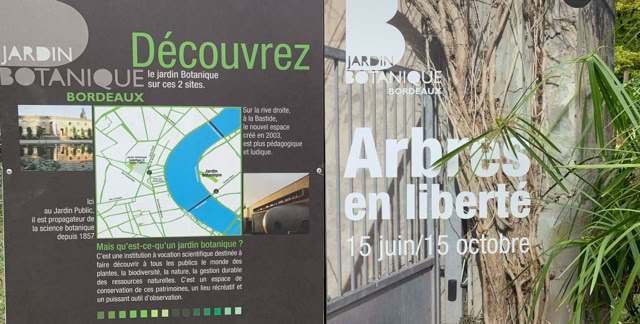
The observations and reflections in Bordeaux were among the topics that generated the most interest during the subsequent discussions in Brazil. The sessions at the study center in the interior of São Paulo, in the Mantiqueira Mountains region, were followed by a large-scale survey of monuments and recordings of historical buildings, squares, and gardens in the capital city of São Paulo. This undertaking aimed to update knowledge, identify new developments, and built upon a project on reading and perceiving the city and the cultural significance and experience of urban space, initiated in 1969 at the Faculty of Architecture and Urbanism at the University of São Paulo.
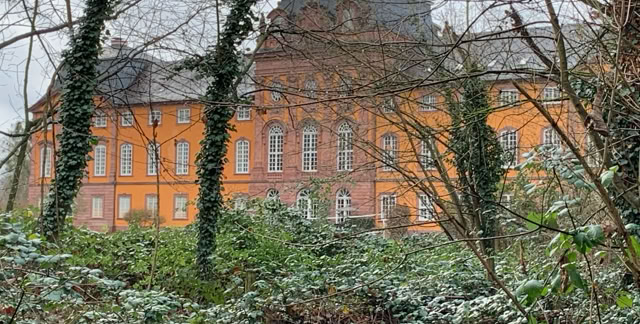
The studies in the mountainous region of the Serra da Mantiqueira were followed by studies in the mountainous region of Central Germany, with particular attention to the Harz Mountains and their landscape. Visits included Bad Grund, Clausthal-Zellerfeld (which had already been visited in the 1970s), Tölz, Osterode, and Wernigerode. This cycle ultimately encompassed Göttingen, Hannoversch Munden, Korbach, and Ziegenhagen.
In Hesse, in November 2020, further visits were made to towns in the Lahn-Dill district, with particular emphasis on the town of Herborn, focusing on its historical architecture in relation to the landscape.
Die Aufmerksamkeit richtet sich am Ende des Jahres auf Orten in der Region Unterfranken, genauer in der sogenannten Maindreieck im Kreis Kitzinger. Diese Region war seit den 70er Jahren besucht worden vor allem wegen der Benediktiner Abtei Münsterschwarzach, ein Zentrum der Pflege und Erforschung des Gregorianischen Chorals. 2019 solltem historische Städten der Region vor allem im Rahmen des Programms Kulture/Natur in ihrer Einbettung in die Landschaft beachtet werden. Gepriesen wegen ihre malerischen Aussehen, kleine Städten wie Wiesentheil und Prichsenstadt sollte Anregungen geben zu Überlegungen über die Natur in der Malerei und die Malerei in der Natur bzw. die Betrachtung der Natur von Augen des Malers sowohl in der europäischen als auch in der Kunstgeschichte als auch in Brazilien geben.
The reflections focused on the relationships between architecture, visual representations, music, and landscape, with particular attention to the works of the painter Balthazar Neumann in churches, including those in Münsterschwarzach, the Franconian pilgrimage church of Gößweinstein, and Wiesentheid, where the Church of St. Mauritius was built according to Neumann's plans. The studies on the theme of Culture/Nature in global contexts began in Bavaria in 2019. The focus is on locations in the Lower Franconia region, specifically in the so-called Main Triangle in the Kitzingen district. This region had been visited since the 1970s, primarily because of the Benedictine Abbey of Münsterschwarzach, a center for the preservation and research of Gregorian chant.
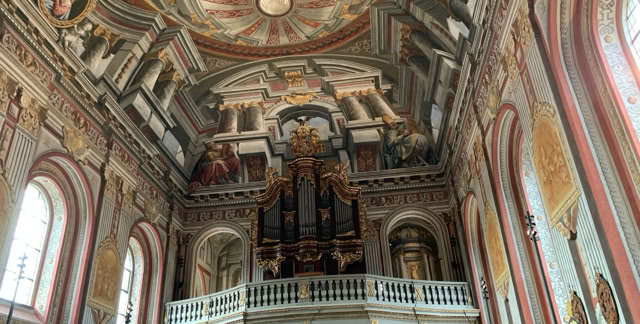
In 2019, the region's historic towns, particularly within the framework of the Culture/Nature program, were to be considered in terms of their integration into the landscape. Praised for their picturesque appearance, small towns like Wiesentheid and Prichsenstadt were intended to provide inspiration for reflections on nature in painting and painting in nature, or rather, the view of nature through the eyes of the painter, both in European and Brazilian art history. These reflections focused on the relationships between architecture, visual representations, music, and landscape, with particular attention to the works of the painter Balthasar Neumann in churches, including the church in Münsterschwarzach. Among the major religious buildings are the Schönborn Chapel in Würzburg, the monastery church in Münsterschwarzach, the Franconian pilgrimage church in Gößweinstein, and in Wiesentheid, where the Church of St. Mauritius was built according to plans by Balthasar Neumann. This church is richly decorated with illusionistic frescoes by Giovanni Francesco Marchini and is also known for its historic organ. The city of Miltenberg am Main received special attention in the studies on the topic of culture/nature.