BRASIL-EUROPA
GLOBAL STUDIES
CULTURE/NATURE

BRASIL-EUROPA
GLOBAL STUDIES
CULTURE/NATURE
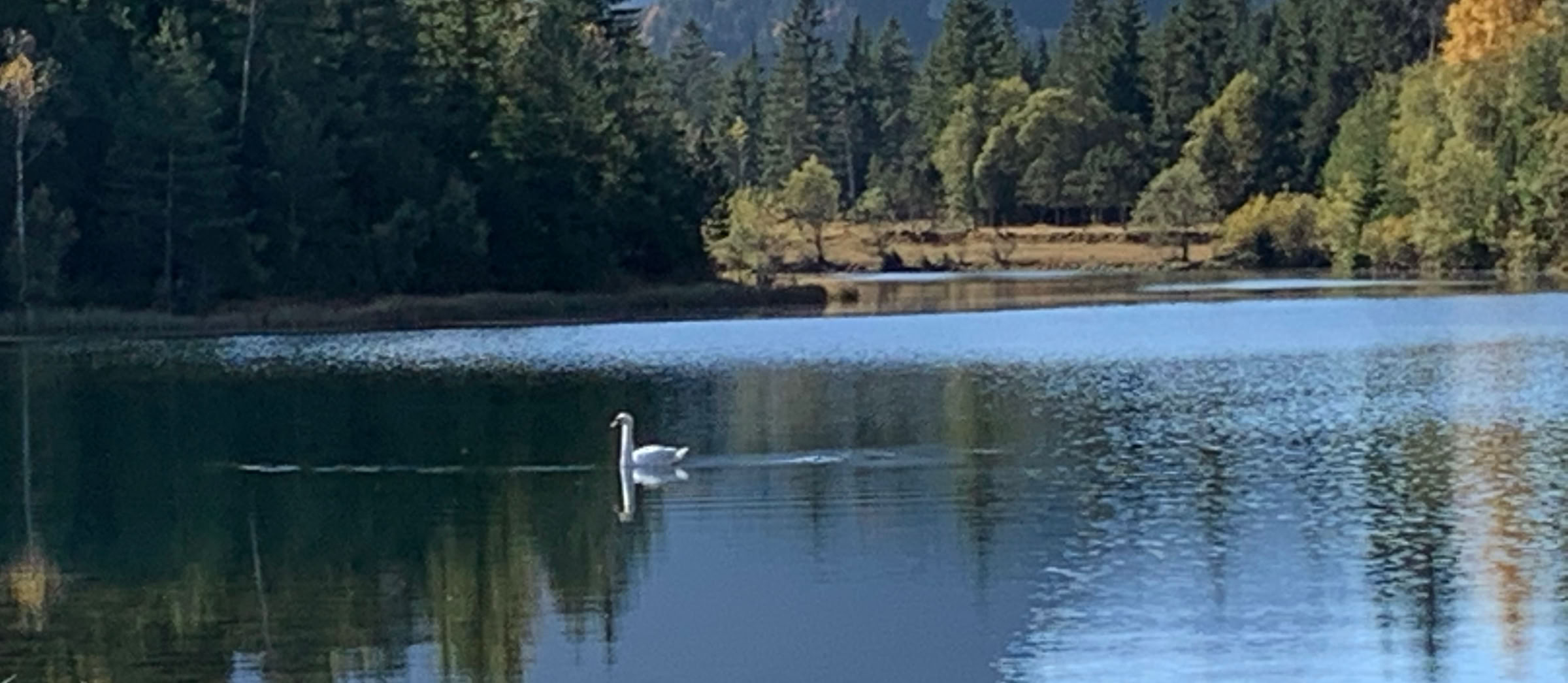
Krün. Bavaria 2021
Culture/Nature - Global Studies
Photo: A.A.Bispo©
2021
Studies of cultural processes in global contexts
using Euro-Brazilian relations as a frame of reference
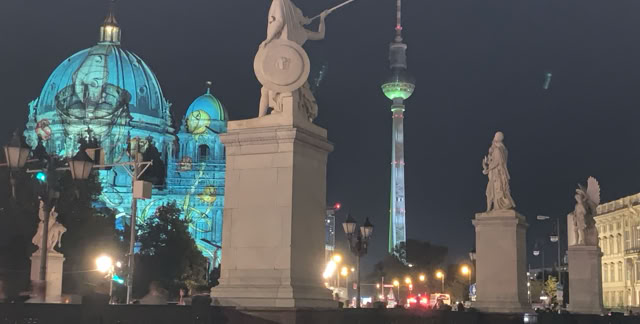
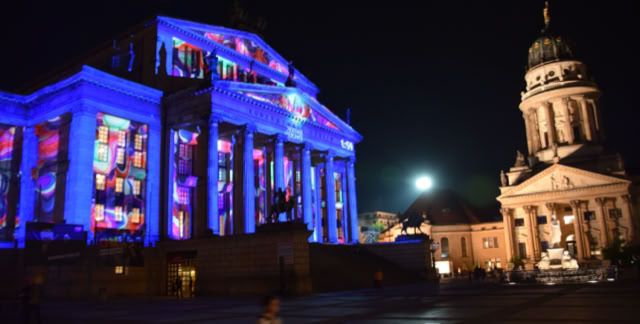
Berlin 2021. Project Berlin-Brazil
Culture/Nature - Global Studies
Topic: Festival of Lights
Photo: A.A.Bispo©
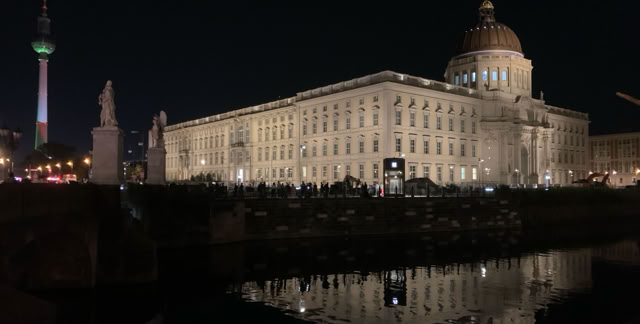
Berlin 2021. Project Berlin-Brazil
Culture/Nature - Global Studies
Topic: Festival of Lights
Photo: A.A.Bispo©
Berlin 2021. Project Berlin-Brazil
Culture/Nature - Global Studies
Topic: Festival of Lights
Photo: A.A.Bispo©
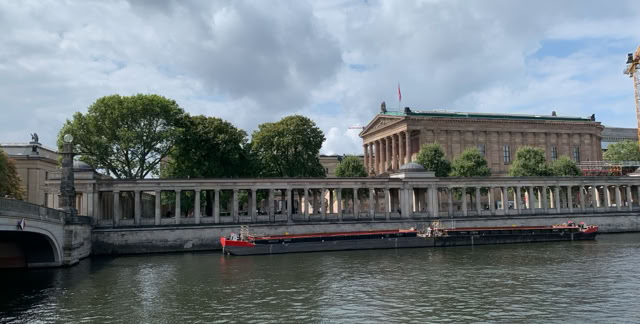
Berlin 2021. Museum Island
Culture/Nature - Global Studies
Topic: Parcs and gardens of Berlin
Photo: A.A.Bispo©
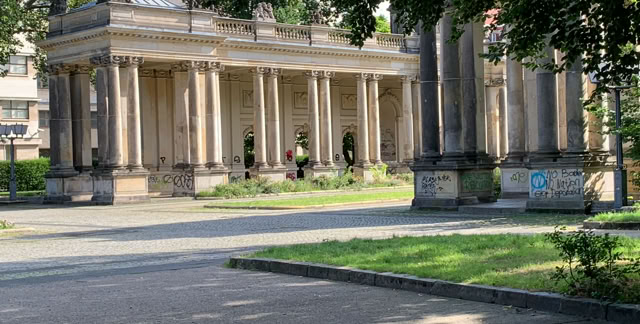
Berlin 2021. Kleist-Park
Culture/Nature - Global Studies
Topic: Parcs and gardens of Berlin
Photo: A.A.Bispo©
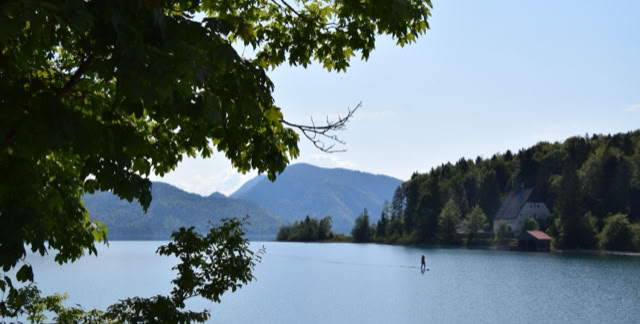
Walchensee. Bavaria 2021
Culture/Nature - Global Studies
Photo: A.A.Bispo©
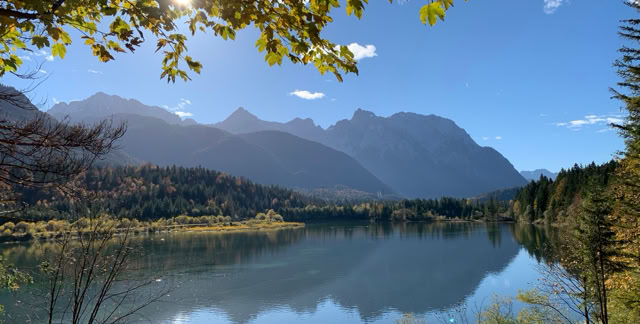
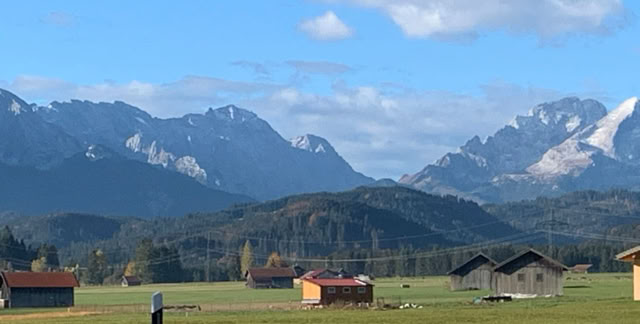
Krün, Bavaria 2021
Culture/Nature - Global Studies
Photo: A.A.Bispo©
Wallgau Bavaria 2021
Culture/Nature - Global Studies
Photo: A.A.Bispo©
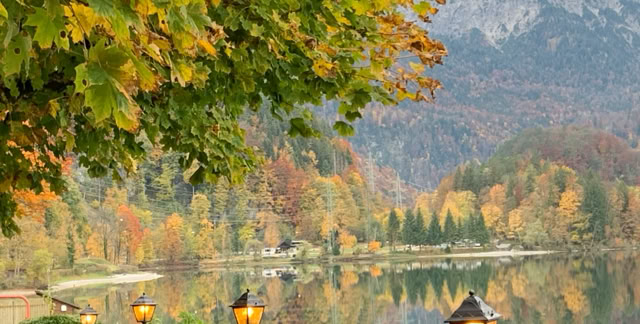
Kochel am See. Bavaria 2021
Culture/Nature - Global Studies.
Photo: A.A.Bispo©
Mittenwald. Bavaria 2021
Culture/Nature - Global Studies
Photo: A.A.Bispo©
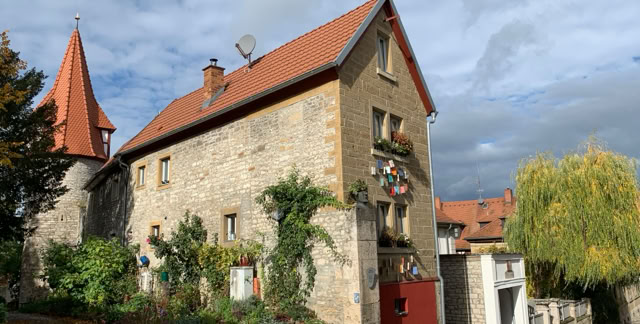
Marktbreit, Bavaria 2021
Culture/Nature - Global Studies
Photo: A.A.Bispo©
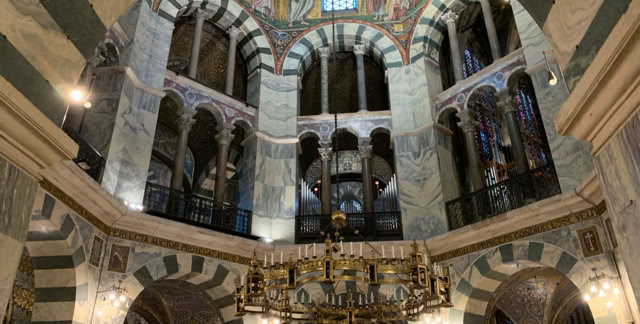
Aachen/Aix la Chapelle. Germany 2021
Culture/Nature - Global Studies
Photo: A.A.Bispo©
Krün, Bavaria 2021
Culture/Nature - Global Studies
Photo: A,A.Bispo©
Garmisch-Partenkirchen. Bavaria 2021
Culture/Nature - Global Studies
Photo: A.A.Bispo©
Kranzberg. Bavaria 2021
Culture/Nature - Global Studies
Photo: A.A.Bispo©
Jachenau.Bavaria 2021
Culture/Nature - Global Studies
Photo: A.A.Bispo©
Benediktbeuren. Bavaria 2021
Culture/Nature - Global Studies
Photo: A.A.Bispo©
Due to the COVID-19 pandemic and the lockdown, the Global Studies program of the Brazil-Europe academic community was limited to archival work at its study center in North Rhine-Westphalia (January and June) and to exams at its locations in Bavaria (May and October) and Berlin (August and September). From these locations, or while traveling between them, several cities were visited, which provided limited opportunities to continue studies within the Culture/Nature program, mostly outdoors.
The library and archive work, which began in 2020, continued. The holdings of the library, document collections, and sound archive of the Academy of Brazil-Europe and the Institute for the Study of Musical Culture of the World of Portuguese Language, located in Germany, continued to be organized, cataloged, and indexed. The preparation of annual reports for the planned publication of annals also continued. This work served a documentation project that would include reports on the Academy's conferences, as well as symposia, congresses, colloquia, and educational events in which the institutions participated.
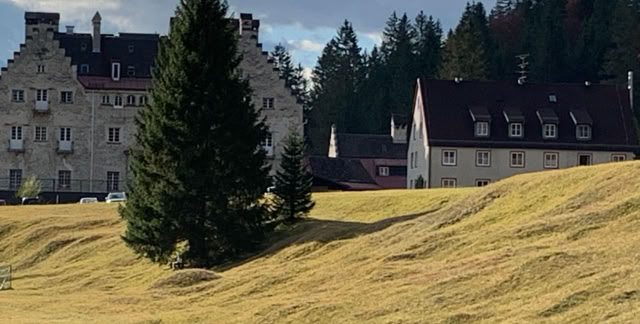
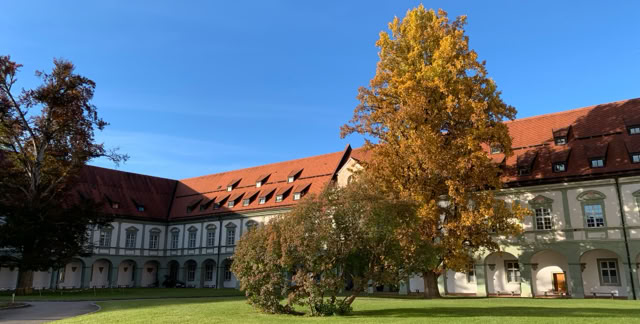
The organized, cataloged, and partially digitized materials of the archive, library, and sound archive were used during the retreat in Bavaria to develop texts for planned publications and for the websites of the Brasil-Europa organization. The work was carried out in closed sessions at Walchensee, a lake of the town of Kochel am See. Discussions and exchanges of ideas took place during field excursions to the neighboring communities of Krün, Mittenwald, Garmisch-Partenkirchen, Bad Tölz, and Benediktbeuren. To a limited extent, museums, institutes, churches, and other historical monuments were visited, providing inspiration for cultural studies related to Euro-Brazilian themes. Among these, the Richard Strauss Institute in Garmisch-Partenkirchen, the Museum of Musical Instruments in Mittenwald, Elmau Castle with the historic Krenzbach Castle, and Benediktbeuren Abbey were particularly noteworthy.
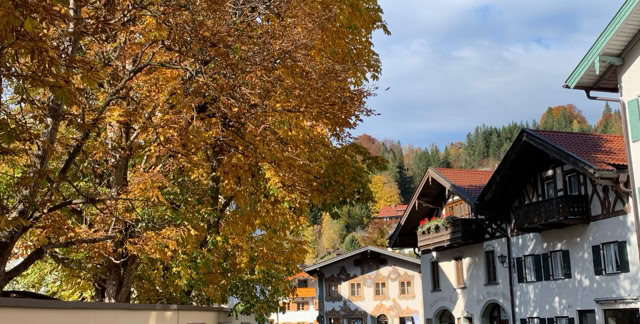
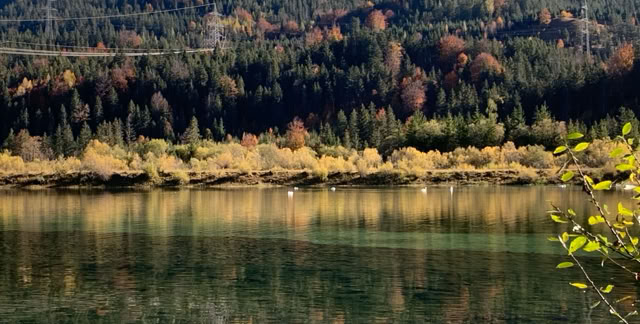
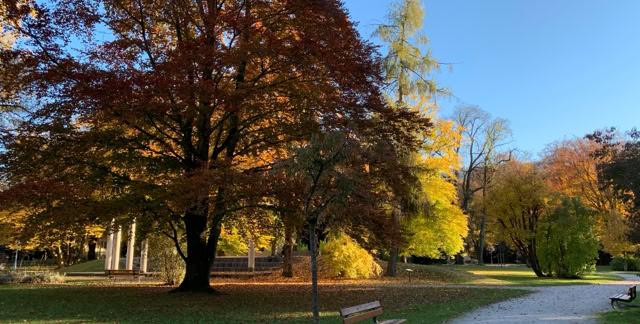
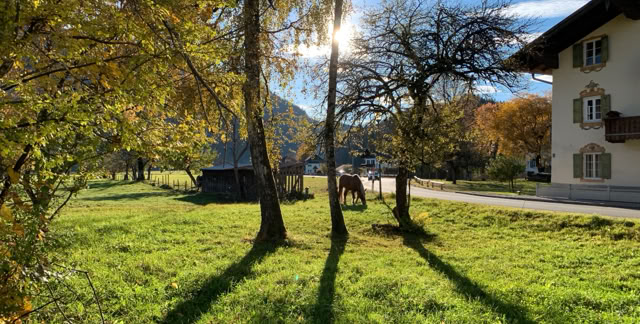
The necessity of spending most of one's time outdoors necessitated observations of nature and the role of the alpine landscape in the history and layout of cities, as well as their culture and traditions. These observations were also compared with architecture, urban designs, and traditions brought to Brazil by german migrants, which shape the image of cities and landscapes, particularly in the states of Santa Catarina and Rio Grande do Sul, but also in cities like Campos de Jordão in the state of São Paulo. The problematic nature of this decoupling of forms of expression and lifestyle developed in alpine landscapes to regions with different natural characteristics and qualities was also considered.
In Berlin, studies were reviewed that had been published under the title "Berlin in the Light" in the journal Revista Brasil-Europa ( n° 124, 2010:2). These studies were based on private collections of documents from individuals who significantly contributed to the establishment of Portuguese-Brazilian studies in Germany in the 1930s. The studies documented at that time provided important foundations for analyzing the history of German-Brazilian relations within their political context, as well as for process-oriented cultural research in a global context.
The topic was brought to the forefront by the Festival of Lights in Berlin, when the city and important historical buildings were illuminated with projections. As part of the Culture/Nature program, several of Berlin's parks were examined in terms of their history and significance in characterizing and shaping neighborhoods, as well as contributing to the quality of life. Among them, the Tiergarten/English Garden, Volkspark Schöneberg, Rudolf-Wilde Park, Heinrich-Lassen Park, Kleist Park, and architecturally outstanding squares such as Viktoriaplatz stood out.
The focus was on the role of Berlin's urban landscape design in the perception of the city, its districts within their history, and in the identification of its inhabitants. These reflections served as a reminder of the Nova Difusão movement's autumn festival in São Paulo, which, 50 years ago, was a variation on the Warsaw Autumn Festival, an internationally significant event for contemporary music, and was guided by the premise that contemporaryity in all cultural fields must be viewed in its relationship to the environment.
The theme of culture/nature in studies of cultural processes in global contexts was also shaped in 2021 by considerations developed in the city of Aachen/Aix-la-chapelle. Attention was focused on Aachen Cathedral, which, primarily due to the figure of Charlemagne, is of fundamental importance for the study of cultural processes in medieval Europe and remains a timeless presence in the folk traditions of Brazil. The focus was on the relationships between history and landscape, architecture and the environment, and the transmission of these interactions, ideas, and images in regions with other characteristics of the Southern Hemisphere. It was also taken into account that Aachen was historically known for its thermal springs.