BRASIL-EUROPA
GLOBAL STUDIES
CULTURE/NATURE
BRASIL-EUROPA
GLOBAL STUDIES
CULTURE/NATURE
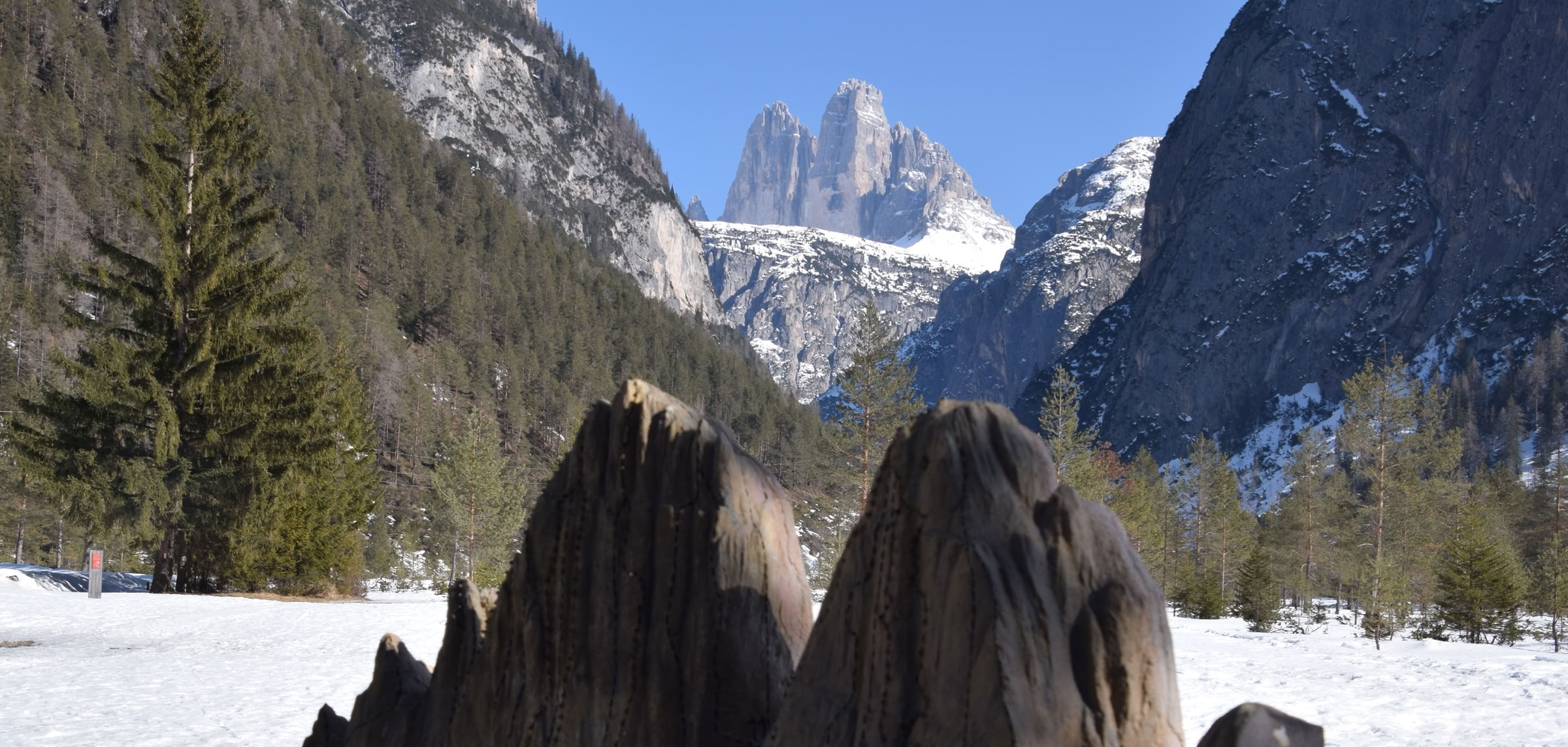
Dolomiites 2022
Culture/Nature - Global Studies
Photo: A.A.Bispo©
2022
Studies of cultural processes in global contexts
using Euro-Brazilian relations as a frame of reference
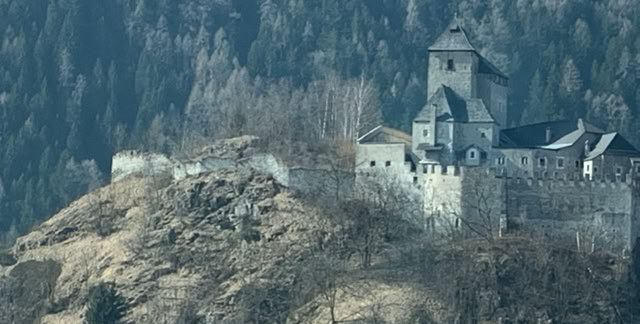
Freienfeld. Brenner. Italia 2022
Culture/Nature - Global Studies
Photo A.A.Bispo©
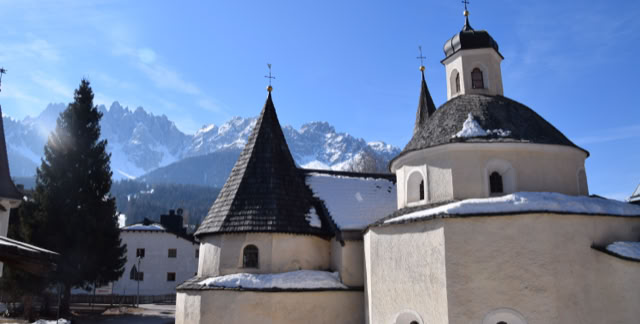
Innichen. Italia 2022
Culture/Nature - Global Studies
Photo:A.A.Bispo©
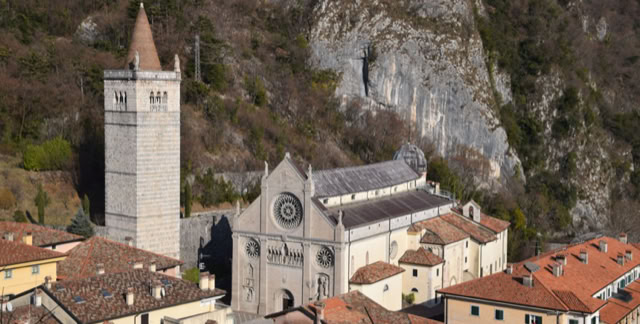
Gemona. Italia 2022
Culture/Nature - Global Studies
Photo: A.A.Bispo©
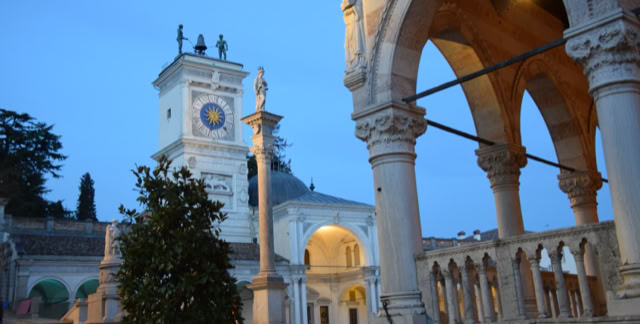
Udine.Italia 2022
Culture/Nature - Global Studies
Photo: A.A.Bispo©
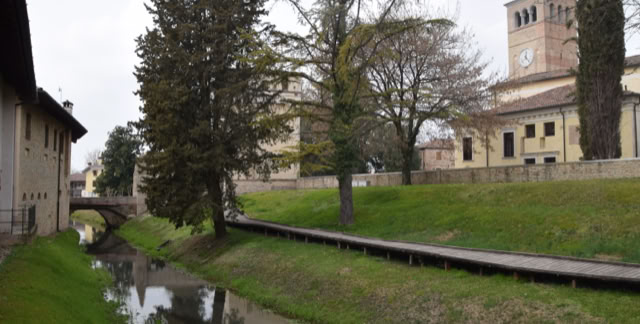
Sesto al Reghana. Italia 2022
Culture/Nature - Global Studies
Phone: A.A.Bispo©
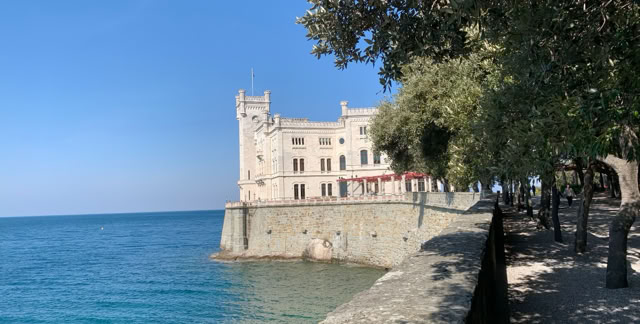
Palace Miramare. Trieste. Italia 2022
Culture/Nature- Global Studies
Photo: A.A.Bispo©
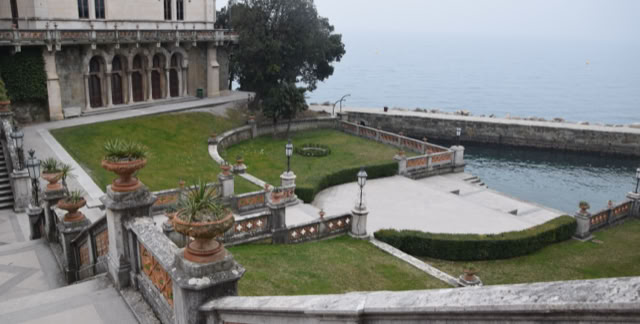
Parc Palace Miramare. Italia 2022
Culture/Nature - Global Studies
Photo: A.A.Bispo©
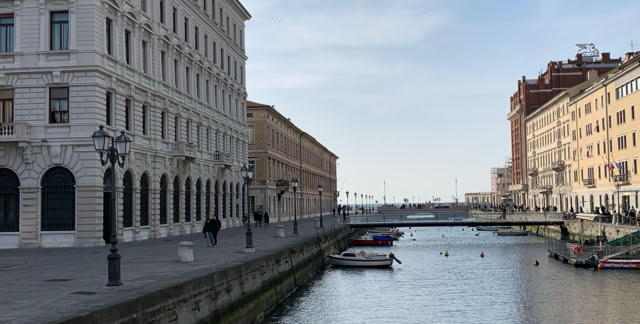
Trieste.Italia. 2022
Culture/Nature - Global Studies
Photo: A.A.Bispo©
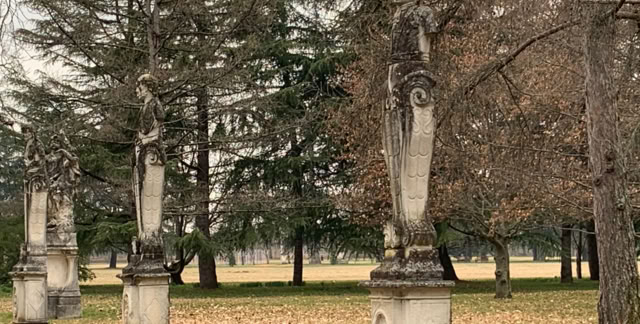
Villa Manino. Italia. 2022
Culture/Nature - Global Studies
Photo: A.A.Bispo©
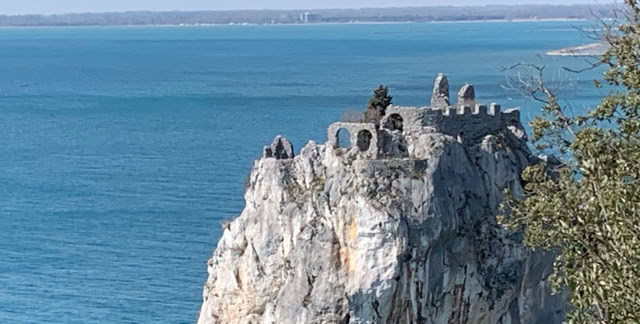
Duino-Aurisina. Italia 2022
Culture/Nature-Global Studies
Photo: A.A.Bispo©
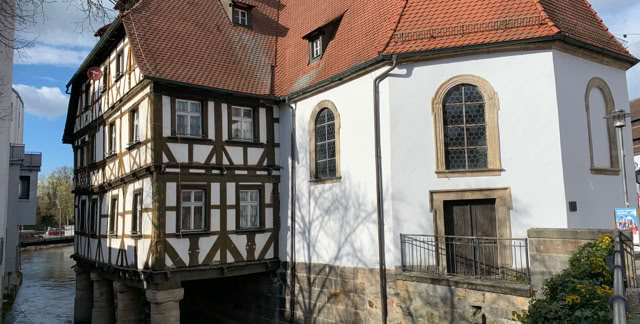
Forschheim. Bavaria 2022
Culture/Nature - Global Studies
Photo: A.A.Bispo©
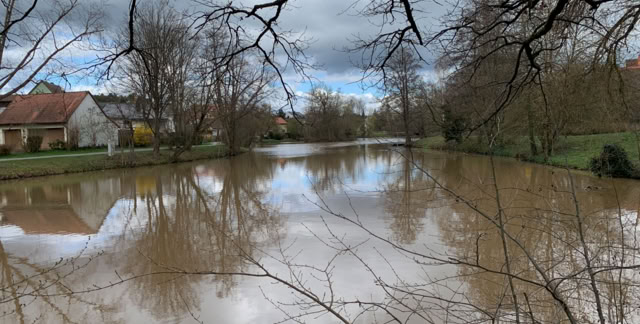
Hilpoltstein. Bavaria 2022
Culture/Nature -Global Studies
Photo: A.A.Bispo©
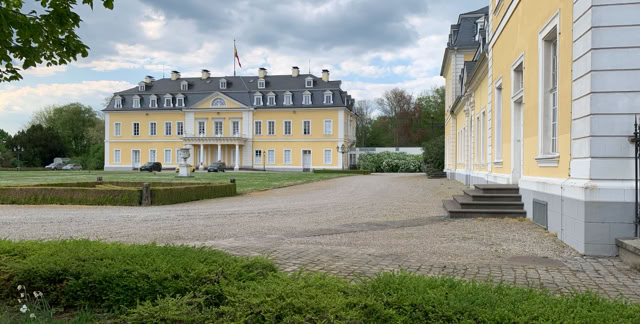
Neuwied. Rhine-Palatinate. 2022
Culture/Nature - Global Studies
Photo: A.A.Bispo©
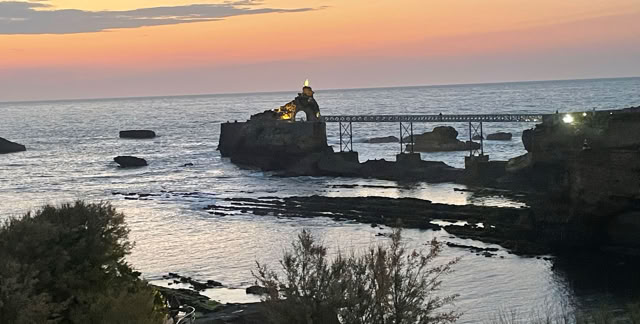
Biarritz. France 2022
Culture/Nature - Global Studies
Photo: A.A.Bispo©
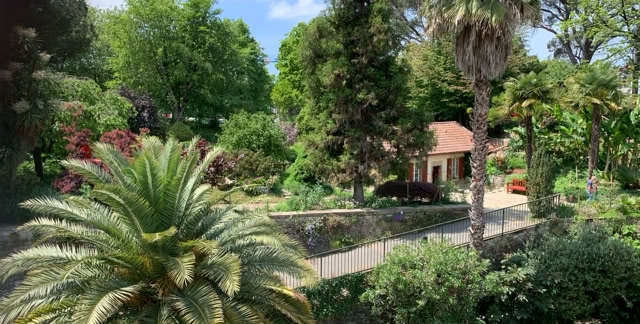
Bayonne. France 2022.
Culture/Nature - Global Studies
Photo: A.A.Bispo©
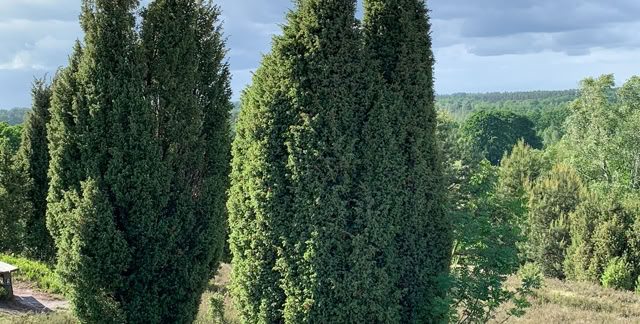
Lüneburger Heide. Lower Saxony 2022
Culture/Nature - Global Studies.
Photo: A.A.Bispo©
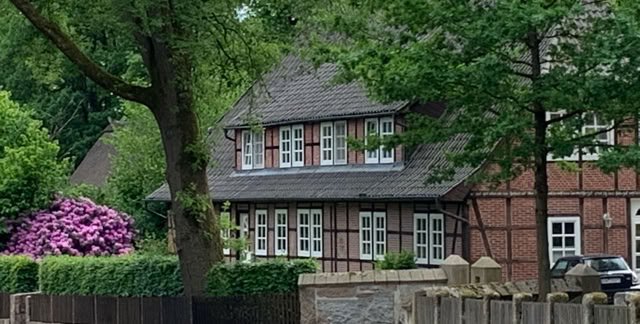
Bispingen. Lower Saxony. 2022
Culture/Nature-Global Studies
Photo: A.A.Bispo©
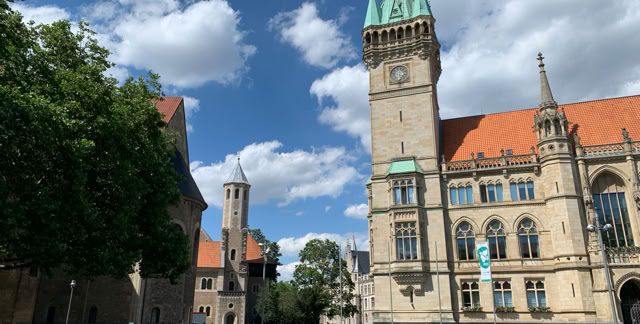
Braunschweig. Lower Ssxony. 2022
Culture/Nature- Global Studies
Photo: A,A,Bispo©
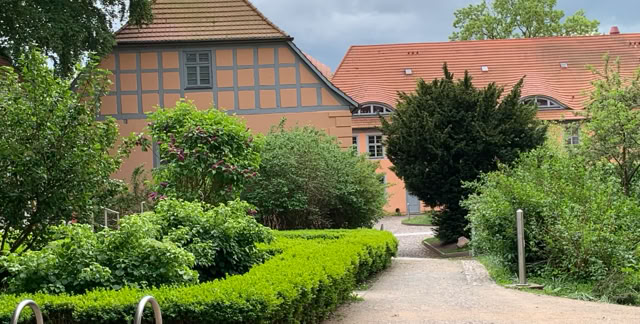
Rügen Bergen. Meklenburg- Vorpommern Culture/Nature - Global Studies
Photo: A.A.Bispo©
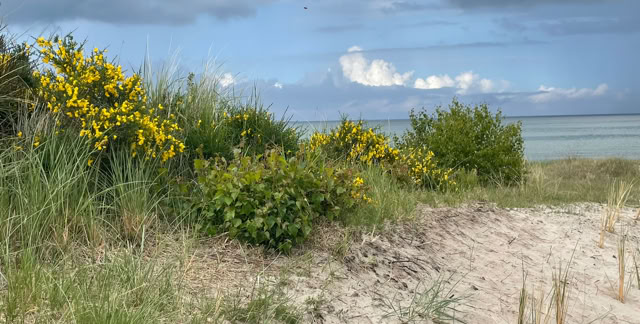
Rügen. Juliusruh. Mecklenburg-Vorpommern
Culture/Nature - Global Studies
Photo: A.A.Bispo©
Rügen Sellin. Mecklenburg-Vorkommern 2022
Culture/Nature - Global Studies
Photo: A.A.Bispo
Rügen. Mecklenburg-Vorpommern 2022
Culture/Nature-Global Studies
Photo: A.A.Bispo©
Bad Doberam. Mecklenburg-Vorpommern 2022
Culture/Nature-Global Studies
Photo: A.A.Bispo©
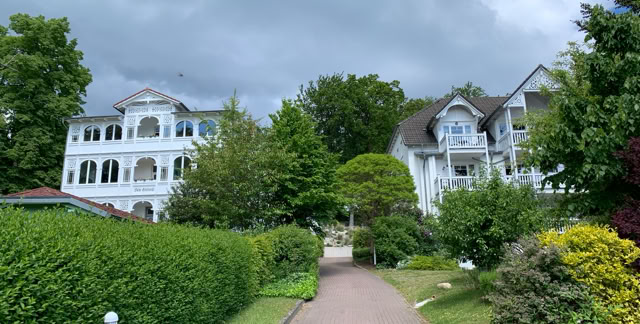
Kühlungsborn. Mecklenburg-Vorpommern 2022
Culture/Nature-Global Studies
Photo: A.A.Bispo©
Heiligendamm. Meckenburg-Vorpommern 2022
Culture/Nature - Global Studies
Photo: A.A. Bispo©
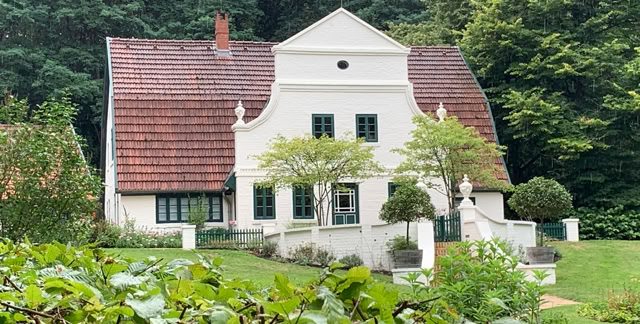
Worpswede. Lower Saxony 2022
Culture/Nature - Global Studies
Photo: A.A.Bispo©
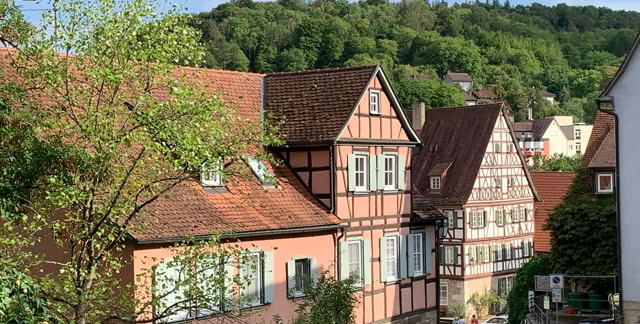
Creglingen, Baden-Württemberg 2022
Culture/Nature - Global Studies
Photo: A.A.Bispo©
Weikersheim, Baden-Württemberg 2022 Culture/Nature - Global Studies
Photo: A.A.Bispo©
Hildesheim, Lower Saxony 2022
Culture/Nature-Global Studies
Photo: A.A.Bispo©
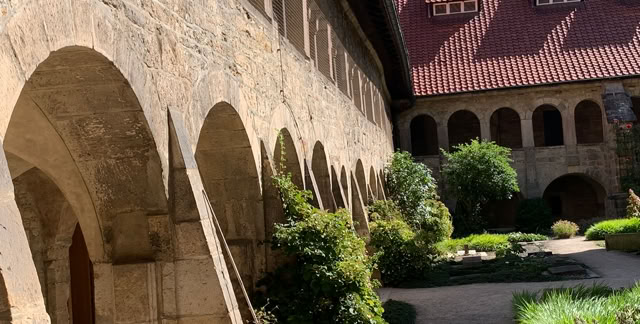
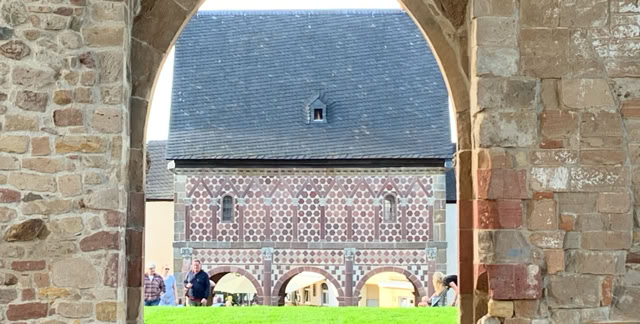
Lorsch, Hesse 2022
Culture/Nature - Global Studies
Photo: A.A.Bispo©
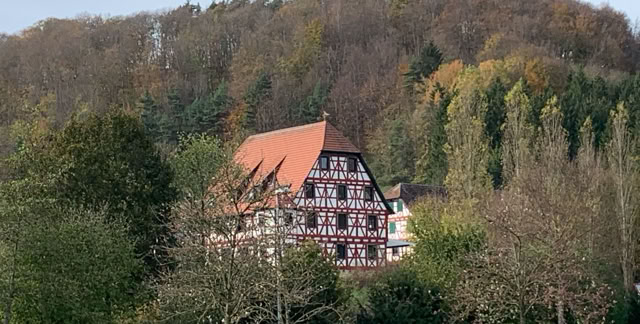
Gruibingen, Baden-Württenberg 2022
Culture/Nature-Global Studies
Photo: A.A.Bispo©
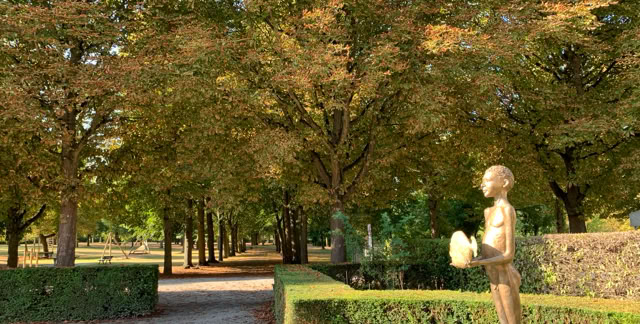
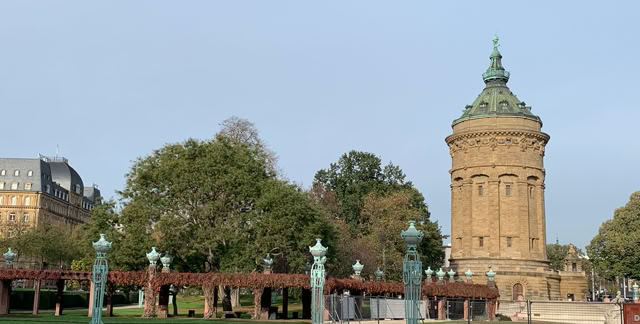
Mannheim 2002
Culture/Nature - Global Studies. Photo A.A.Bispo©
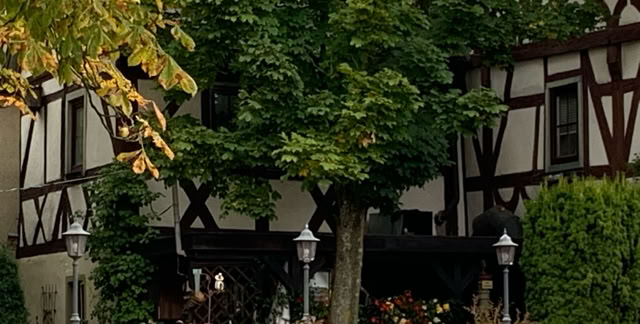
Marktbreit. Baviera 2022
Culture/Nature - Global Studies
Photo: A.A.Bispo©
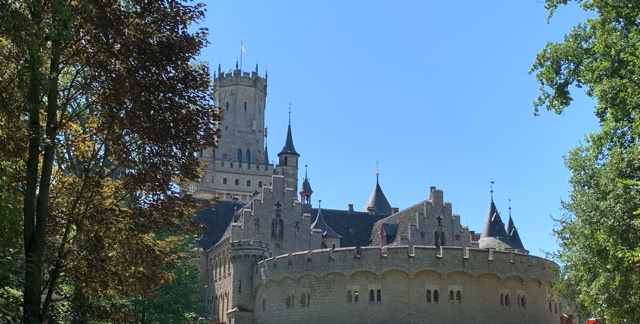
Marienburg. Lower Ssaxony 2022.
Culture/Nature - Global Studies. Photo: A.A.Bispo©
Oberickelsheim 2022
Culture/Nature - Global Studies
Photo: A.A.Bispo©
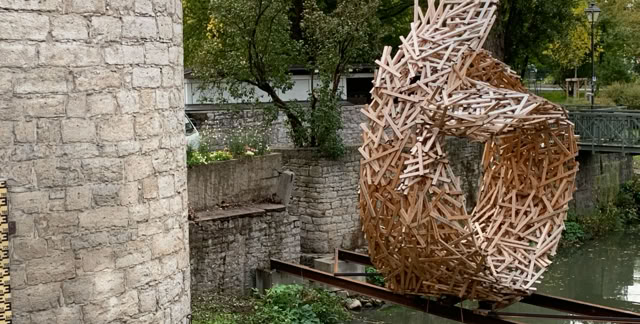
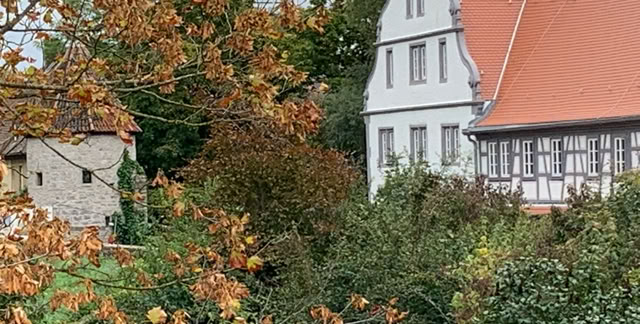
Ochsenfurt 2022
Culture/Nature - Global Studies
Photo: A.A.Bispo©
In 2022, cultural studies in global contexts from a Euro-Brazilian perspective were conducted in regions and cities of Germany, Italy, Austria, Switzerland, and France. These studies continued to be hampered by the restrictions imposed due to the Covid crisis. Meetings, gatherings, and the holding of events, study exkursions, and cycles were avoided. In many respects, 2022 was a year of crisis, marked by the Russian invasion of Ukraine on February 24th. In Brazil, a political shift occurred with the election of a new president, which had significant consequences for the academic community as well. Hopes for new perspectives, the restoration of cooperation with institutions, and the overcoming of ideologically driven barriers fulfilled expectations. Despite all the critical and even dramatic events, the studies and reflections were characterized by ideals and positive future prospects.
The year 2022 began with a retreat at the studies site of the Brazil-Europe Academy at Walchensee in Upper Bavaria, where the goals and procedures for the following months were discussed. Given the ongoing Covid restrictions, it was decided to conduct studies in neighboring German cities, in Switzerland, Austria, and Northern Italy. In many respects, the activities could build upon the results of previous studies, stays, and institutions. However, the focus was primarily on the relationship between culture and nature/environment in the Karwendel and Dolomite mountains, their villages and ways of life, on the Friuli region, and particularly in Trieste. Observations from a Euro-Brazilian perspective required studies and analyses of historical developments and interactions across different eras and changes in state structures, with particular attention to the 19th and 20th centuries.
Attention was focused primarily on the movement towards the unification of Italy in the past, the tensions with Austria, the First and Second World Wars, and immigration in its various phases, which had consequences for Latin America and especially for Brazil. The Brenner Pass served as a reference point for examining these global connections in cities such as Cortina d'Ampezo, Toblach, Artegna, Innichen, Sappada, Udine, Cividale del Friuli, Palmanova, Gradisca, Sesto al Reghena, and Trieste. In the Trieste region, visits included Villa Manin, Duino, and subsequently Oberdrauburg, Paluzza, Achensee, Hopfgarden, Jochberg, and Kitzbühel.
Trieste was the main focus of the Italian studies in 2022. The reason for this special attention was Trieste's significance in its affiliation with Austria and Italy, the Southeast European, German, and Slavic-influenced sphere of the former multi-ethnic state Austria/Hungary, and within the Latin and Romance world. This makes Trieste, as an important port city, of extraordinary importance for cultural studies of maritime culture and global interactions. One reason for Trieste's significance from a Euro-Brazilian perspective was also the emigration of prominent figures from Trieste's formerly large Jewish population to Brazil, where they played a vital role in cultural and musical life, particularly in São Paulo. The presence of these Italian-speaking emigrants has long been recognized as a requirement for a nuanced analysis in Italian-Brazilian cultural studies. The special significance of Trieste for the history of Latin America in relations with Europe in the 19th century is evident in the tragic life story of Maximilian as Emperor of Mexico, who also had close ties to Brazil.Accordingly, the visit to Miramar Castle and its park took on special significance from the perspective of the Culture/Nature studies, as Maximilian had a pronounced interest in botany, landscape architecture, and garden design. From Trieste, neighboring towns and cities in the Austrian territories were also considered from this perspective.
Following these study cycles in the Dolomites and Trieste, German towns in the Bavarian region of Upper Franconia were visited, with the focus here again on the relationship between culture and landscape, as well as on environmental issues. In the south of this region, Forschheim was examined from urban and architectural-historical perspectives, while Hilpoltstein in the Roth district of Middle Franconia was considered from the perspective of the relationship between its old historical town center and the surrounding green environment. Gößweinstein in Upper Franconia, as a pilgrimage site, motivated reflections on the relationship between religion and the auratic qualities of the landscape. This examination of the landscape culminated at Pottenstein in the Bayreuth district with its rock formations. A highlight of the route of visited cities from the perspective of the studies culture/nature was Neuwie in Rhineland-Palatinate, where a significant animal park in the district of Heimbach-Weis on the edge of the Rhine-Westerwald nature park directed considerations towards animal life and animal rights within the framework of an environmentally oriented cultural research.
Neuwied's extraordinary importance for Euro-Brazilian studies lies in the figure and work of Prince Maximilian of Wied-Neuwied (1782–1867), naturalist and ethnologist, whose expedition (1815–1817) studied flora, fauna, and indigenous peoples, shaping science and cultural history in Brazil and Europe. In Neuwied, a link was forged to the discussions about Archduke Ferdinand Maximilian – Maximilian I of Mexico – that took place in Trieste.
In the discussions held in Trieste and Neuwied, which focused on personalities and developments in the German-speaking world of the 19th century, the need to consider intra-European interconnections, human, intellectual, and artistic relationships, and transnational interactions was emphasized, particularly those that overcame barriers between the French and German-speaking worlds.
These processes of transcending barriers were central to the discussions in Biarritz, a seaside resort on the Gulf of Bycaia frequented by aristocrats and influential figures in politics, culture, literature, science, and music, including Empress Elisabeth (Sissi) of Austria and Emperor Napoleon III of France, and a center of cosmopolitan life. For 19th-century cultural studies that focus on transcending borders, the study of Biarritz, with its Rocher de la Vierge, is indispensable—also from a Euro-Brazilian perspective. The considerations in the cultural studies in their relation to the landscape also included the Bayonne in Pyrénées-Atlantiques in the Nouvelle-Aquitaine region, where attention was focused on Occitan and the interactions with the Basque and, in general, Iberian cultural and linguistic area.
In June 2022, cities and institutions in northern Germany and Brandenburg were the destinations of studies in which knowledge and contacts were updated, now primarily from the perspective of the Culture/Nature relationship. The cycle began in the Lüneburg Heath, where the Culture/Nature study program started in 1974. Meetings were held in Bispingen. Of the cities revisited, Lüneburg, Soltau, and Celle stood out from this perspective of their connection to the landscape. The main focus was on Worpswede, another city visited at the beginning of the Culture/Nature project in 1974. Worpswede was also known in Brazil, particularly in German-Brazilian circles, for its artists' colony, as a model of an aesthetic and perspective that connected artistic creation with nature. A highlight of the activities in 2022 was also the visit to the city of Braunschweig, the largest after Hanover, and which was also important in the cultural history of Brazil in the past.
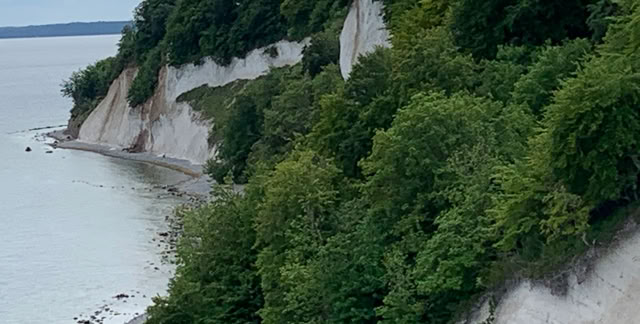
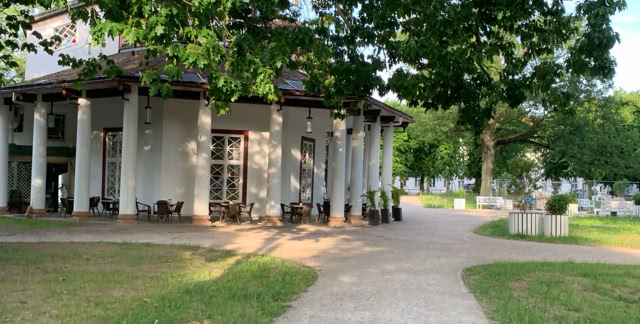
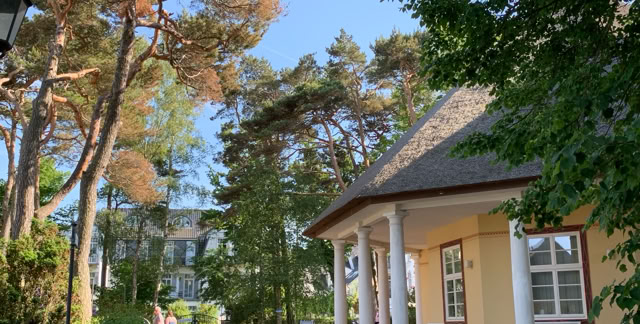
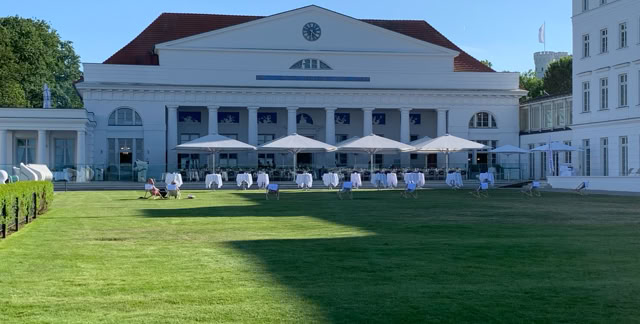
The results of these observations and encounters were discussed and documented in writing during a retreat at the Brazil-Europe Academy's study center on the Baltic Sea. These reflections were further explored during excursions to towns such as Kühlungsborn, Neubukow, Bastorf, Heiligendamm, Bad Doberan, Malchow, and Rerik. With a particular focus on the relationship between culture and nature, visits to Rügen, including Rügen-Bergen, Rügen-Juliusruh, and Rügen-Jasmund, were undertaken. One aspect of the reflections concerned the architecture of the seaside resorts in relation to the coastal landscape.
Special attention was also given to the Mecklenburg Lake District within the framework of the Culture/Nature program. Among the places visited were Waren/Müritz and Neubrandenburg.
Other regions of Germany considered in the 2022 Culture/Nature studies included Hesse with the historic Mürzenberg Castle, Lorsch, and Baden-Württemberg, particularly its Franconian-influenced areas such as Creglingen in the Main-Tauber district, with special attention paid to the Tauber Valley and its significance in shaping the landscape. In Mannheim, a city of outstanding importance for Euro-Brazilian studies since 1975 due to its musical history, existing knowledge was updated, with a particular focus on urban design and its parks.
The final months of 2022 were again dedicated to visits to cities and institutions in Bavaria, with the main focus here, too, on the theme of Culture/Nature. The cities were already familiar from previous study visits, such as Würzburg and Marktbreit in Lower Franconia.
At the end of the year, the results of the activities and observations in the various regions of Germany were evaluated at the Academy's study locations at Lake Walchesee, and a summary was drawn up.