BRASIL-EUROPA
GLOBAL STUDIES
CULTURE/NATURE

BRASIL-EUROPA
GLOBAL STUDIES
CULTURE/NATURE
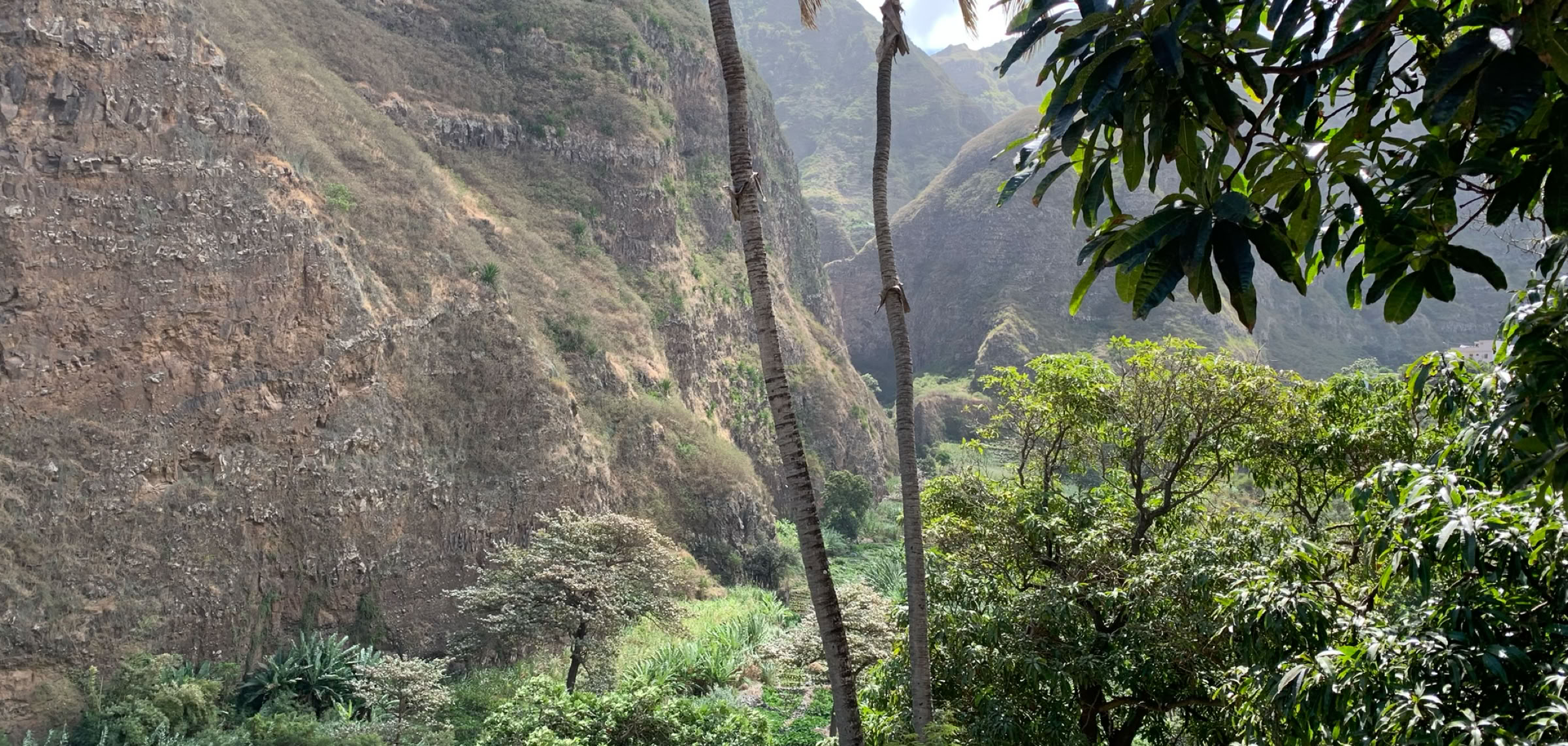
Santo Antão Island. Cabo Verde 2023
Culture/Nature - Global Studies
Photo: A.A.Bispo©
2023
Studies of cultural processes in global contexts
using Euro-Brazilian relations as a frame of reference
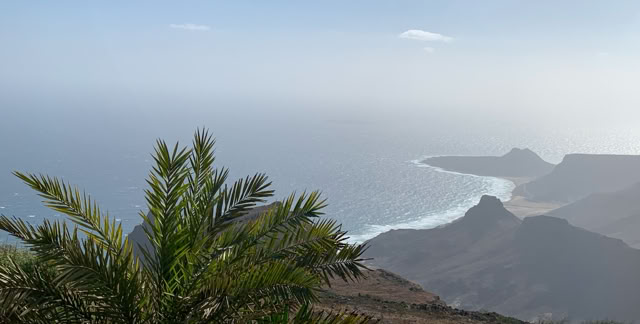
S. Vicente Island. Cabo Verde 2023
Culture/Nature - Global Studies
Photo A.A.Bispo©
Calheta. Maio Island. Cabo Verde 2023
Culture/Nature - Global Studies
Photo: A.A.Bispo©
Santiago Island. Cabo Verde 2023
Culture/Nature - Global Studies.
Photo: A.A.Bispo©
Santo Antão Island. Cabo Verde 2023
Culture/Nature - Global Studies
Photo: A.A.Bispo©
Santiago Island. Cabo Verde 2023
Culture/Nature - Global Studies
Photo: A.A.Bispo©
Santo Antão Island. Cabo Verde 2023
Culture/Nature - Global Studies
Photo: A.A.Bispo©
Gorée Island. Senegal 2023
Culture/Nature - Global Studies
Photo: A.A.Bispo©
Gorée Island. Senegal 2023
Culture/Nature - Global Studies
Photo: A.A.Bispo©
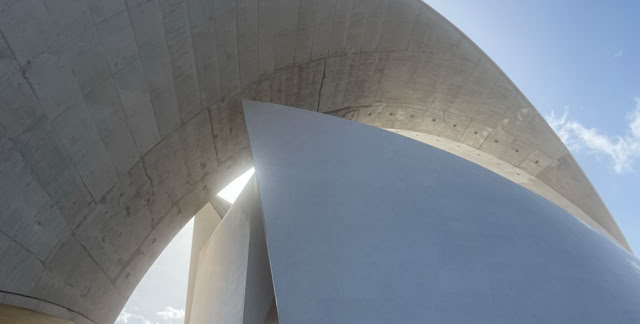
La Laguna. Tenerife 2023
Culture/Nature - Global Studies
Photo: A.A.Bispo©
Santa Cruz. Tenerife 2023
Culture/Nature - Global Studies
Photo: A.A.Bispo©
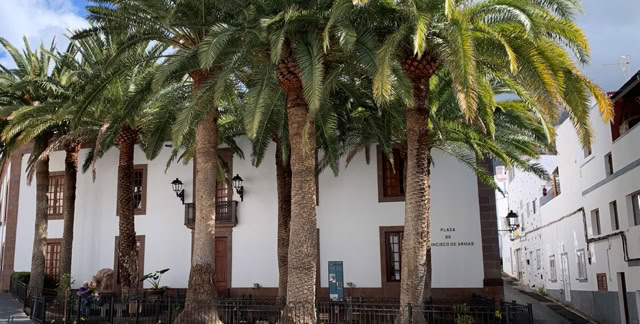
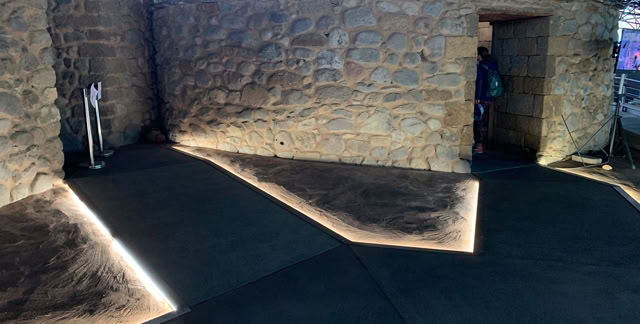
Agaete. Canary Island 2023
Culture/Nature - Global Studies
Photo: A.A.Bispo©
Gáldar. Canary Islands 2023
Culture/Nature - Global Studie
Photo: A.A.Bispo©
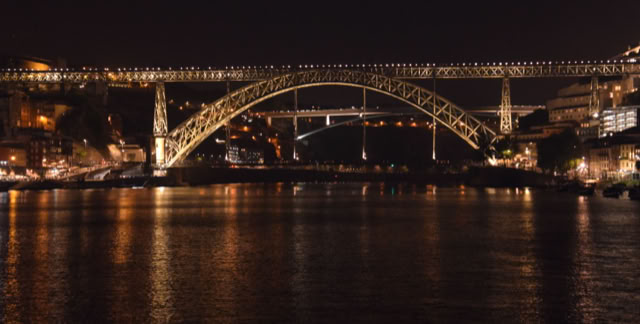
Porto. Portugal 2023
Culture/Nature - Global Studies
Photo: A.A.Bispo©
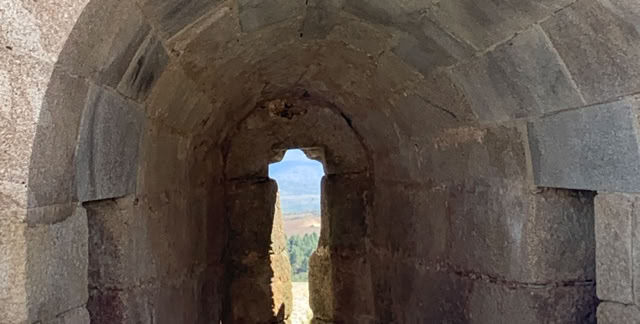
Castelo Rodrigo. Portugal 2023
Culture/Nature - Global Studies
Photo: A.A.Bspo©
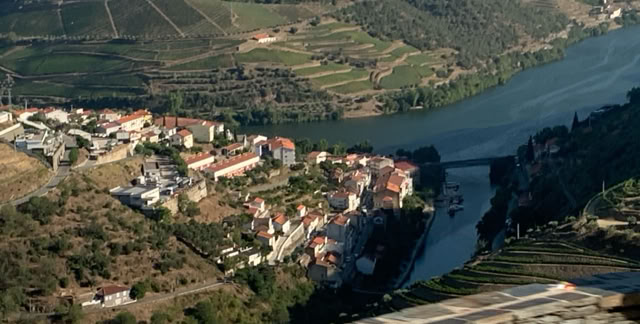
Douro. Portugal 2023
Culture/Nature - Global Studies
Photo: A.A.Bispo©
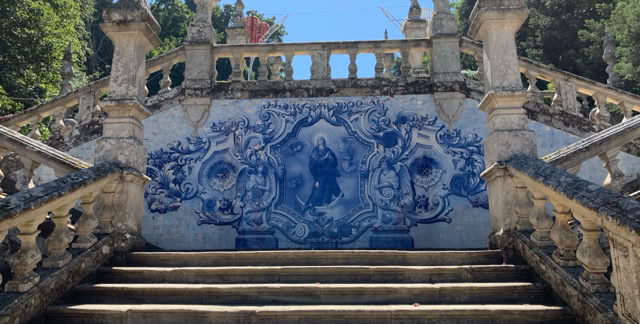
Lamego. Portugal 2023
Culture/Nature - Global Studies
Photo A.A.Bispo©
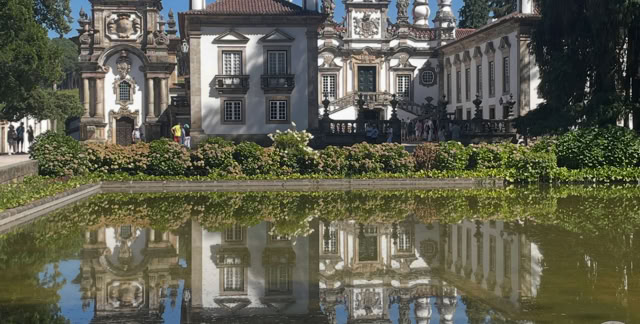
Mateus palace gardens. Portugal 2023
Culture/Nature - Global Studies
Photo: A.A.Bispo©
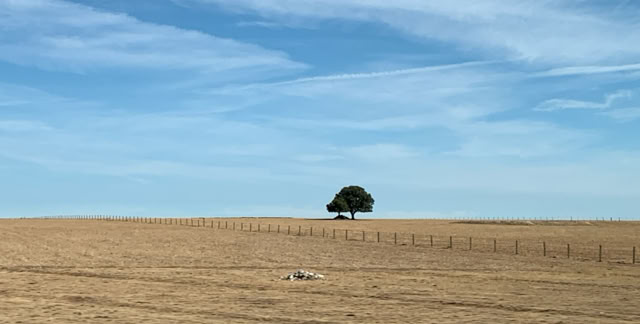
Kastilien-Léon. Spain 2023
Culture/Nature - Global Studies
Photo: A.A.Bispo©
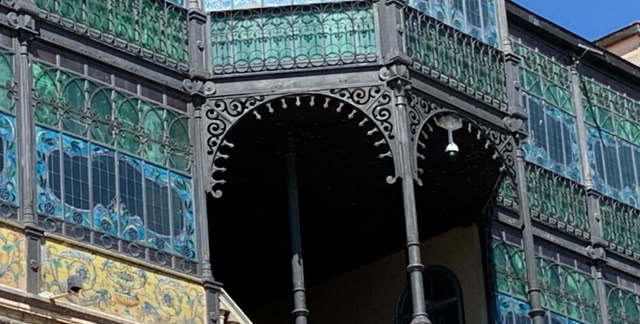
Salamanca. Spain 2023
Culture/Nature - Global Studies
Photo: A.A.Bispo©
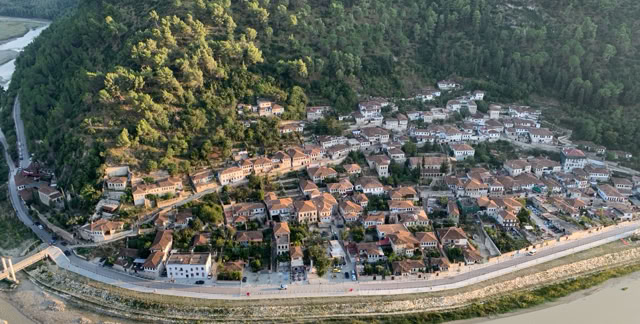
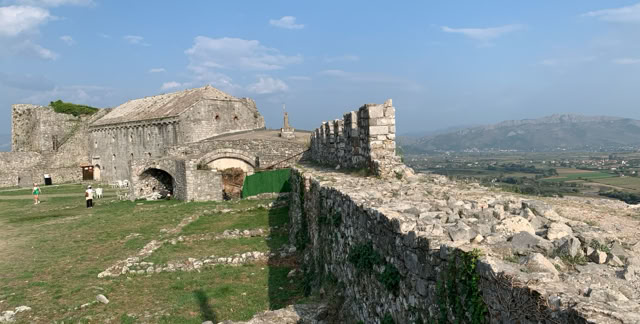
Berat. Albania 2023
Culture/Nature - Global Studies
Photo: A.A.Bispo©
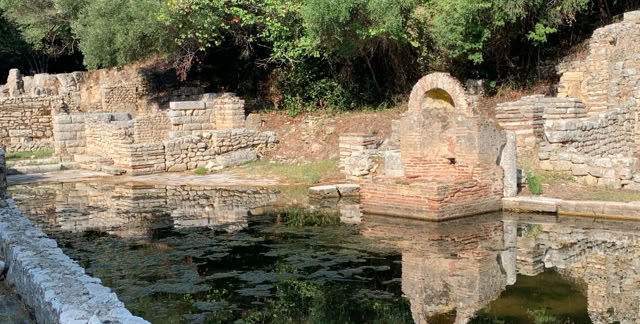
Butrint. Albania 2023
Culture/Nature - Global Studies
Photo: A.A.Bispo©
Shkoder. Albania 2023
Culture/Nature - Global Studies
Photo: A.A.Bispo©
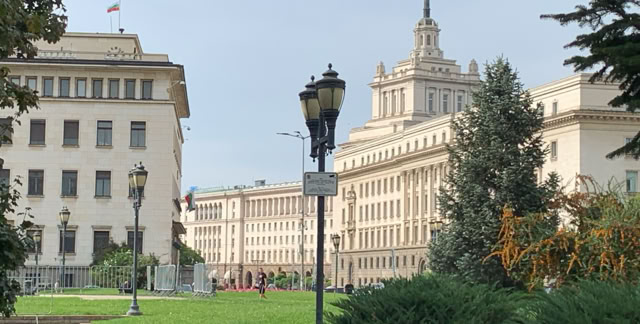
Sofia. Bulgaria 2023
Culture/Nature - Global Studies
Photo A.A.Bispo©
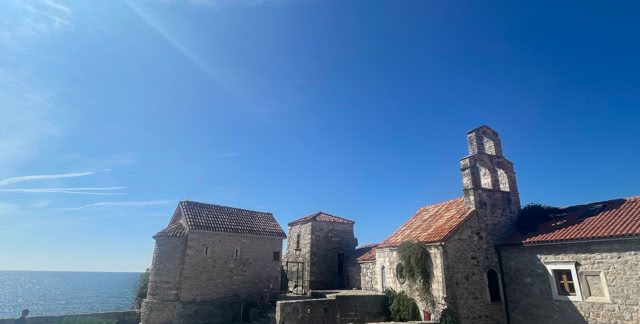
Budva.Montenegro 2023
Culture/Nature - Global Studies
Photo: A.A.Bispo©
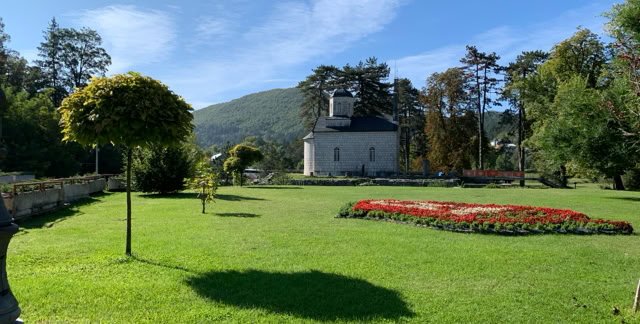
Cetinje. Montenegro 2023
Culture/Nature - Global Studies
Photo: A.A.Bispo©
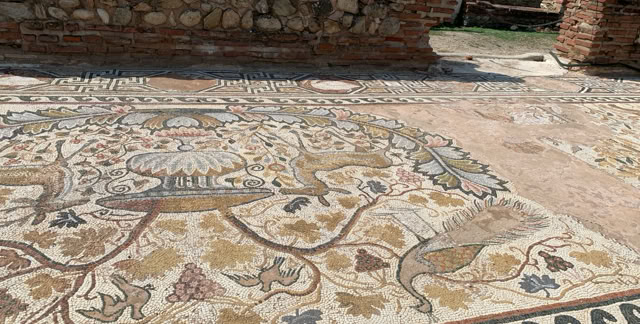
Bitola. North Macedonia 2023
Culture/Nature - Global Studies
Photo: A.A.Bispo©
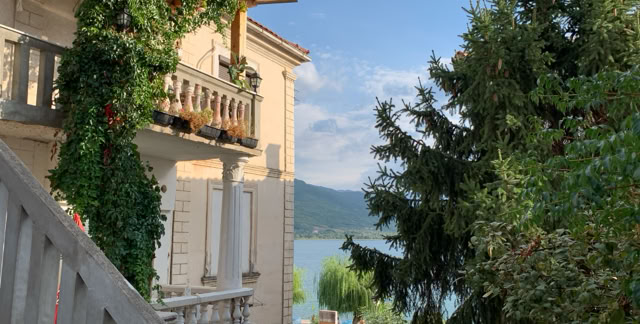
Ohrid. North Macedonia 2023
Culture/Nature - Global Studies
Photo: A.A.Bispo©
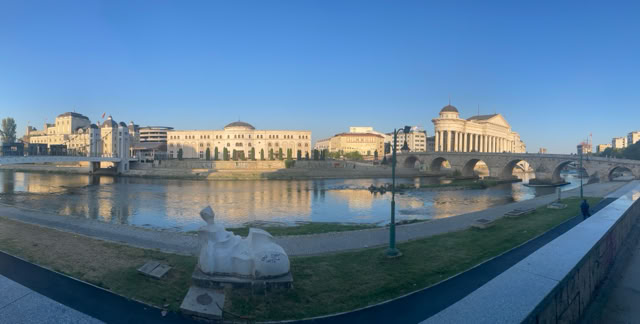
Skopje. North Macedonia 2023
Culture/Nature - Global Studies
Photo: A.A.Bispo©
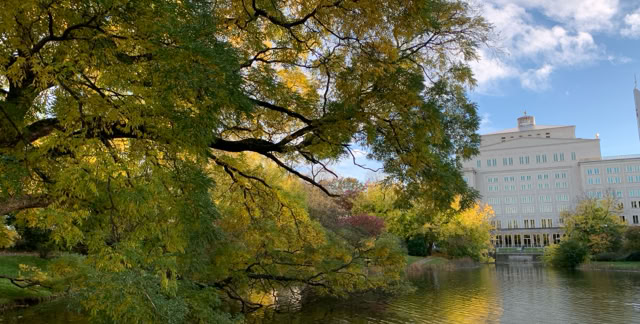
Leipzig. Germany 2023
Project Bach/Brazil 50th Year
Photo: A.A.Bispo©
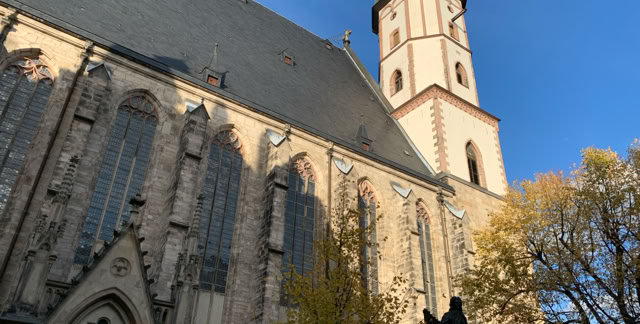
Leipzig. Germany 2023
Culture/Nature - Global Studies
Photo: A.A.Bispo©
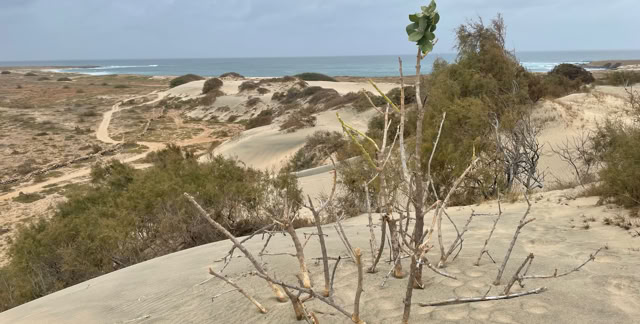
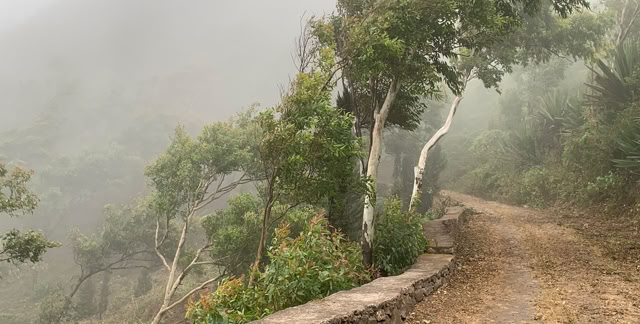
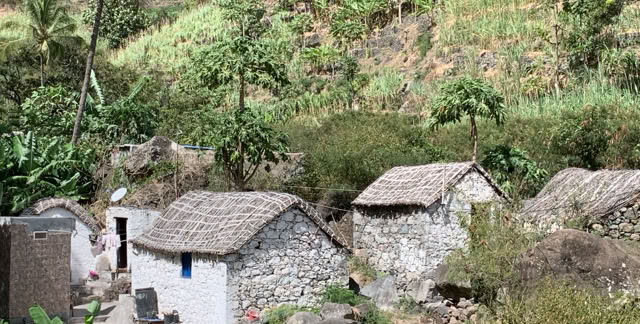
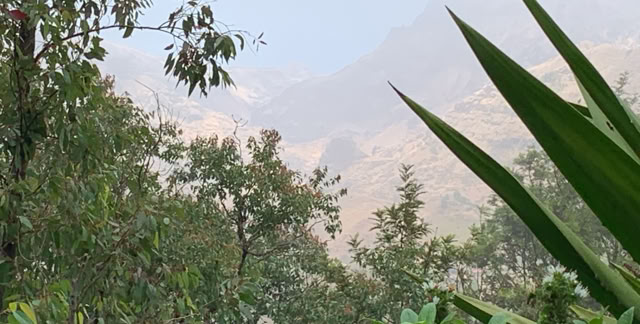
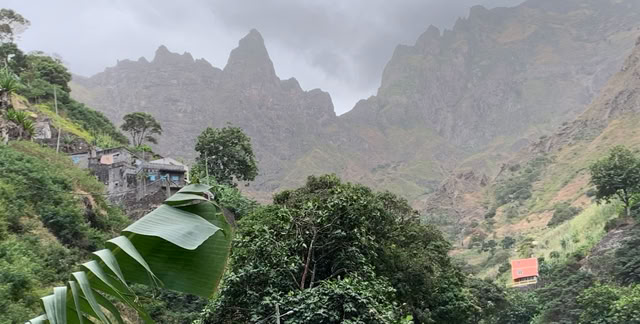
The 2023 study of Culture/Nature in Cultural Processes in Global Contexts began in Cape Verde and Senegal. The primary aim of the travel to Cape Verde was to update knowledge gained in Mindelo on São Vicente in 2013. The goal was to strengthen contacts with institutions and individuals involved in the cultural, artistic, and musical life of the region and to discuss developments and trends of the past ten years. Attention was focused on the relationship between culture and nature, developments in nature conservation and reforestation, nature reserves, and life in towns and villages within their environments, leading to extensive excursions into the interior of São Vicente, Santo Antão, Maio, and Santiago.
Among the most important destinations were the Cova Natural Park, Paul e Ribeira Torre, and the Portuguese-supported Delgadin: Fire and Water project in Santo Antão. On Maio, festival traditions and music, as well as the production of wooden bowls, were observed in comparison with the results of folkloric studies in Brazil. In Calheta, contacts were established with a cultural and environmental initiative for international cooperation. On Santiago, discussions were held with institutions in Praia that had already been visited in 2013, including lecturers from the Liceu.
The studies focused primarily on Assomada, a town considered the rural center of Cape Verde and a cultural heritage site. The town's historical buildings were compared with those of inland Brazil. Discussions about cultural projects took place at the Norbeerto Tavares Cultural Center, founded in 2008. Along the Eixo Oriental, observations were made regarding the environment and projects related to nature culture and ecotourism, the restoration of trails, particularly in the Serra da Malagueta, the Rebelados community (Espinho Branco) to Xaxa and Hortelão, and the Miradouro de Ponta Curral viewpoint. The study also included the Frada National Monument (Roque de Gon-Gon), the protected landscape of Ribeira Principal, and Gongon, all of which are of scenic, geological, and rural significance.
From a botanical perspective, the Botanical Garden Barbosa in Cape Verde was of particular interest. The former, notorious prison of Tarrafal, significant for its political history, was also visited. In the study of Cape Verdean cultural traditions, the Batuque culture was discussed in particular, based on recent published research and in light of Batuque studies in Brazil.
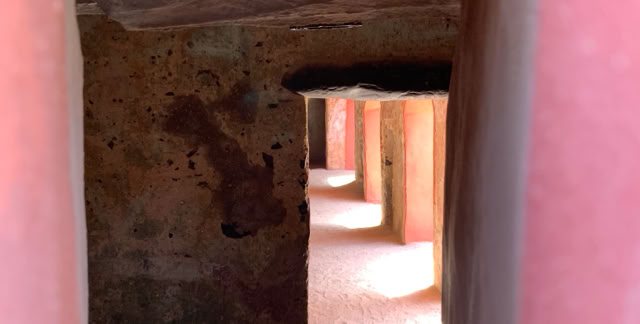
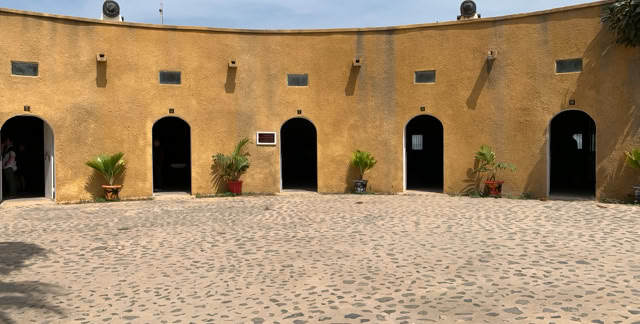
The visit to Senegal primarily served to continue the debates on the history of slavery that had been taking place in Cape Verde. Accordingly, attention was focused mainly on Île de Gorée off the coast of Senegal, with its House of Slaves. Here, the problems of the history of the slave trade, which have occupied process-oriented cultural studies for decades, were brought to the forefront. During the visit, discussions were held with graduates of Cheikh Anta Diop University in Dakar, in which insights uncovered over decades through studies of the historical documentation of the Age of Discovery within the framework of process-oriented cultural studies in a global context were also discussed. In Dakar, interest was primarily directed toward the cityscape and buildings that bear witness to the former French colonial period.
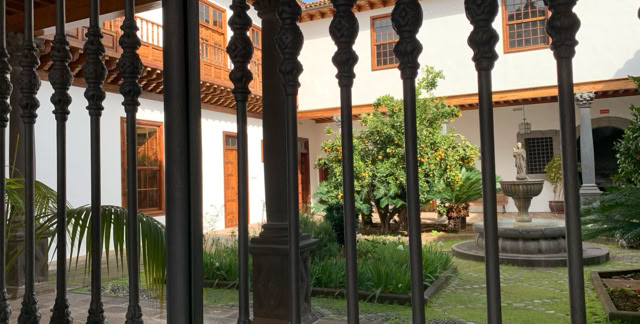
In connection with studies in Cape Verde and Senegal, the islands of Tenerife and Gran Canaria were also visited. These visits allowed for the review and updating of knowledge acquired in previous years within the framework of the Mediterranean/Atlantic study program from a Euro-Brazilian perspective. In 2023, several visits to these islands focused primarily on the relationship between culture and nature. From this perspective, the layout of villages and cities within the topography, as well as, in many cases, the landscape features of gardens and parks, were examined. Among the places visited, the Canary Islands of Las Palmas, Agaete, Gáldar, Teide, and Santa Cruz, and La Laguna on Tenerife, stood out.
The results of these studies in the Atlantic region were subsequently analyzed and evaluated in Germany at the study center of the Brazil-Europe Academy in North Rhine-Westphalia. Visits to neighboring towns such as Gräfrath and Remscheid, as well as locations in the Weserbergland region, provided opportunities for reflection. Preparations then began for the next large-scale study cycles, which were to be held in Hamburg and at the Academy's study center on the Baltic Sea, also including towns such as Kühlungsborn, Rerik, Bad Doberan, Heiligendamm, and Kröpelin. Further preparations followed in Berlin, where current issues provided inspiration for the subsequent study cycles, which were then discussed at the Brazil-Europe Academy's study center in Brazil. During this stay in Brazil, the primary focus was also on continuing the digitization of historical archival materials, which would form the basis for publications in the coming years. In Brazil, preparations were also made with the involvement of Portuguese researchers for the study cycle, which took place in Porto and other cities in the Douro region and Spain in August 2023.
In 2024, the 50th anniversary of the first Luso-Brazilian cultural and musicological study program, which was implemented in Portugal and Spain in 1973/74 and significantly contributed to subsequent developments, was commemorated. To mark this occasion, Porto was to be revisited in 2023, a city that has always played a vital role in the study of cultural processes within global contexts and was the focus of an international conference of the Académie Brasil-Europe as Porto, European Capital of Culture. The focus of the studies in 2023 was to be on questions concerning the relationship between culture and nature in the Douro region. Visits were planned to towns and cities such as Barca de Alba, Caldas de Aregos, Castelo Rodrigo, Lamego, Pinhão, and Porto Regua. Following the 1973 program, Spain, specifically the city of Salamanca, was then to be included. Here, reference was made to 'studies conducted on migrants from Spain at the Faculty of Music and Art Education of the São Paulo Music Institute'.
Another large-scale study cycle of the Brazil-Europe Academy led to the countries of Southeast Europe: Bulgaria, North Macedonia, Greece, Albania, and Montenegro. In various contexts, aspects of the relationship between culture and nature were primarily considered, and the location of cities, their integration into the landscape, as well as reserves, parks, and gardens were visited. In Bulgaria, Sofia was visited; in North Macedonia, Bitola, Ohrid, and Scopie; in Albania, Berat, Butrint, Girokasterji, Korca, Saranda, Durrës, Kavaje, Kruja, and Shkodër were visited; and in Montenegro, Budva, Cetinje, Kotor, and Podgorica were visited.
1974 also marked the 50th anniversary of the start of the international Bach/Brazil project, which began in 1974 in the Bach city of Lüneburg. The fundamental importance of this project, initiated by the Bach Society of São Paulo, stems from the history and tradition of Brazil-Europe studies, which are closely linked to the Bach movement in its various contextualizations. To commemorate this occasion, a visit to Leipzig and St. Thomas Church was made in November 2023. During this visit, the group recalled the studies and conferences on the topic, as well as the 1984 visit to Bach sites and institutions in cities such as Erfurt and Eisenach in the former GDR.