BRASIL-EUROPA
GLOBAL STUDIES
CULTURE/NATURE

BRASIL-EUROPA
GLOBAL STUDIES
CULTURE/NATURE
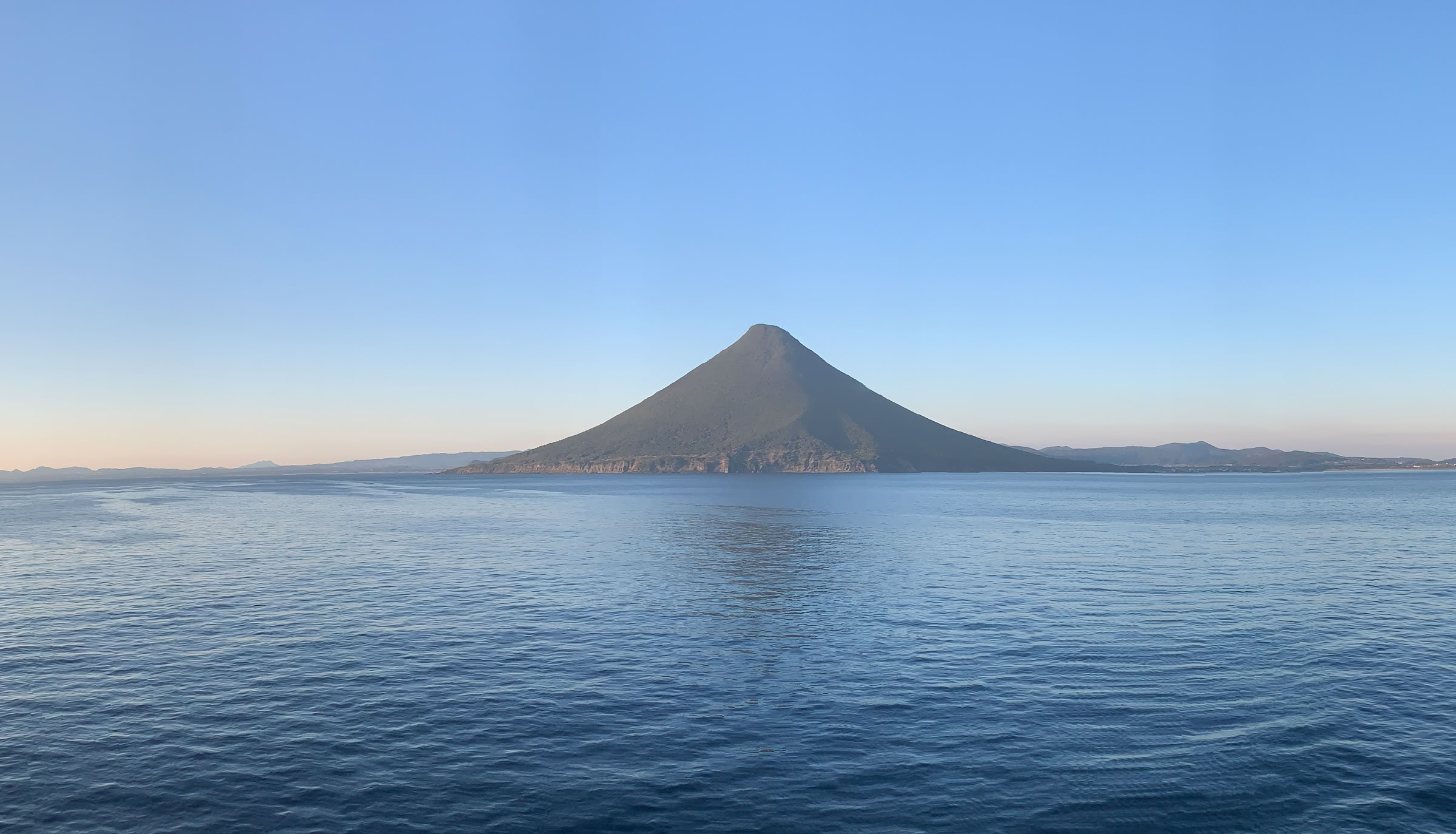
Kagoschima. Japan 2024
Culture/Nature - Global Studies
Photo: A.A.Bispo ©
2024
Studies of cultural processes in global contexts
using Euro-Brazilian relations as a frame of reference
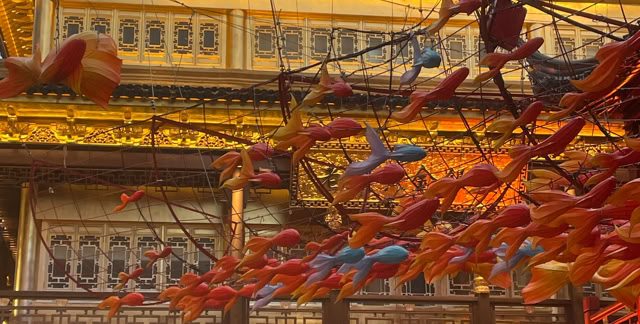
Shangai. China 2024
Culture/Nature - Global Studies
Topic: Shanghai in international relations - urban developments and landscapes.
Photo: ©A.A..Bispo
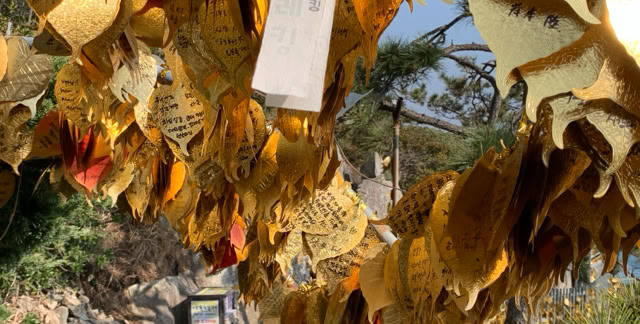
Busan Corea 2024
Culture/Nature - Global Studies
Topic: Urban Developments and Landscape Design.
Observations based on studies of Korean migrants in Brazil.
Photo: ©A.A..Bispo
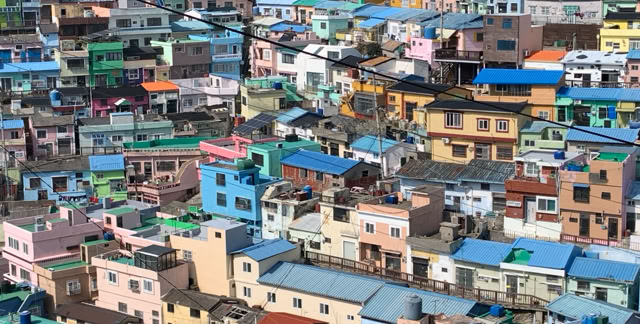
Busan Corea 2024
Culture/Nature - Global Studies
Topic: Urban Developments and Landscape Design. Observations based on studies of Korean migrants in Brazil.
Photo: ©A.A.Bispo
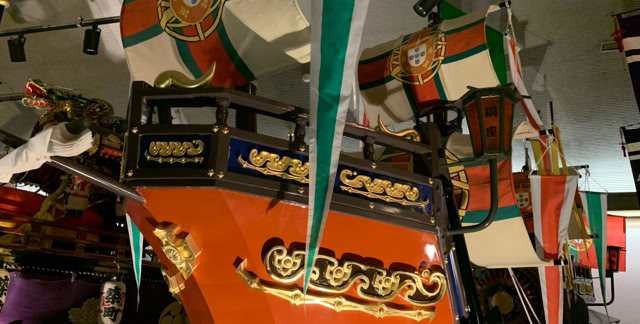
Nagasaki. Japan 2024
Culture/Nature - Global Studies.
Topic: Sino-portugiesie Relations
Photo: ©A.A.Bispo
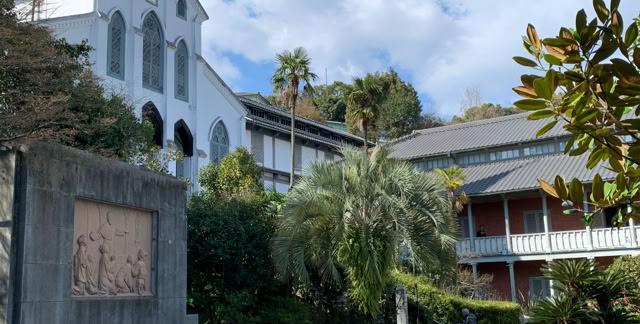
Nagasaki. Japan 2024
Culture/Nature - Global Studies
Topic: Christian missionary history. Veneration of the Martyrs of Japan.
Christianization and cultural processes in a global context.
Photo ©A.A.Bispo
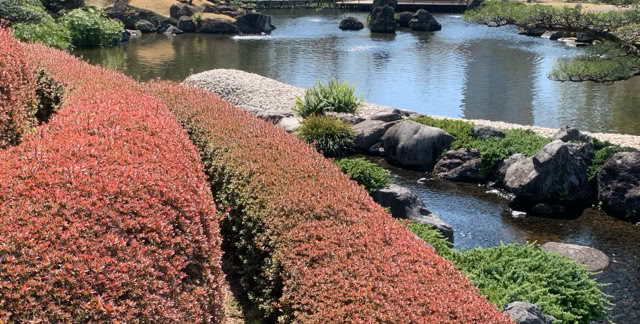
Fukuoka. Japan 2024
Culture/Nature - Global Studies
Topic: Religion, Garden Design and its Place in the Landscape.
Views and Perspectives.
Photo: A.A.Bispo©
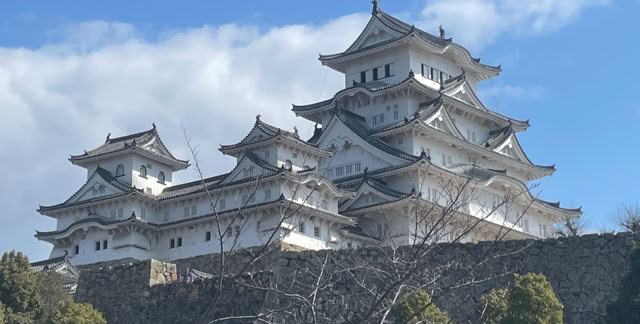
Himeji. Japan 2024
Culture/Nature - Global Studies
Topic: Architectural History and Landscape
Photo: © A.A.Bispo
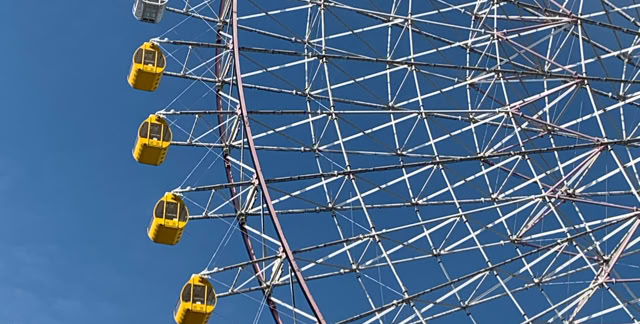
Osaka, Japan 2024
Culture/Nature - Global Studies
Topic: City, Landscape from an aerial perspective
Photo: © A.A.Bispo
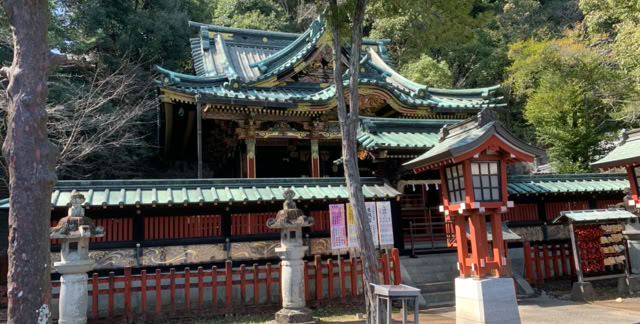
Shizuoka, Japan 2024
Culture/Nature - Global Studies
Topic: The gardens of Shizuoka in international paisagism and floristry
Photo: © A.A. Bispo
Shizuoka, Japan 2024
Culture/Nature - Global Studies
Topic: Spiritual Qualities in the Perception of Nature.
Temples and the Environment
Photo: © A.A. Bispo
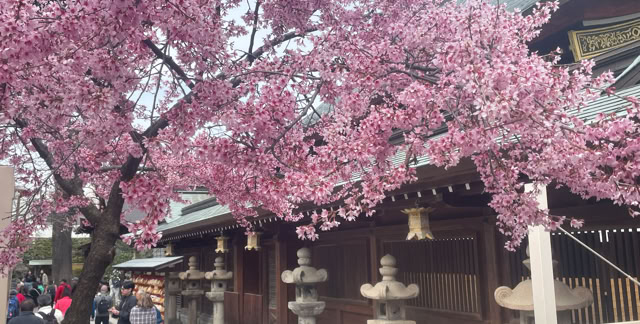
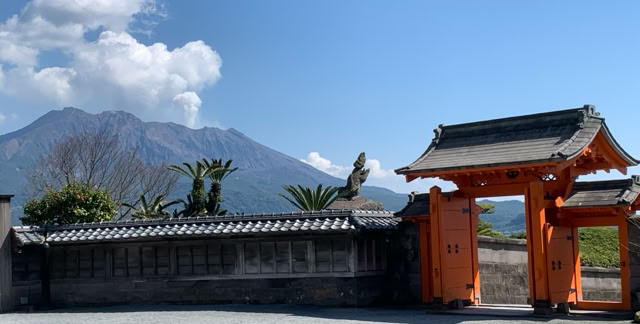
Kagoshima. Japan 2024
Culture/Nature - Global Studies
Topic: Vulcanoes and Paisagism
Photo: © A.A. Bispo
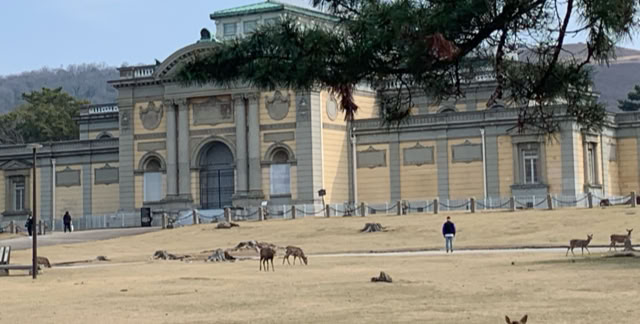
Nara. Japan 2024
Culture/Nature - Global Studies
Topic: Urban Landscape Architecture, Parks, Gardens, and Animals
Photo: © A.A.Bispo
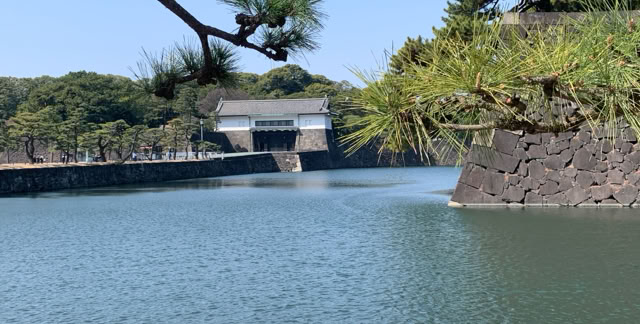
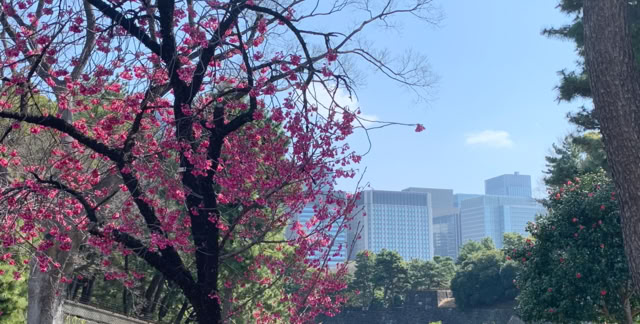
Tokyo. Japan 2024
Culture/Nature - Global Studies
Topic: Paisagism, Tradition and Modernity in the Metropole
Photo: © A.A.Bispo
Tokyo. Japan 2024
Culture/Nature - Global Studies
Topic: Paisagism, Tradition and Modernity in the Metropole
Photo: © A.A.Bispo
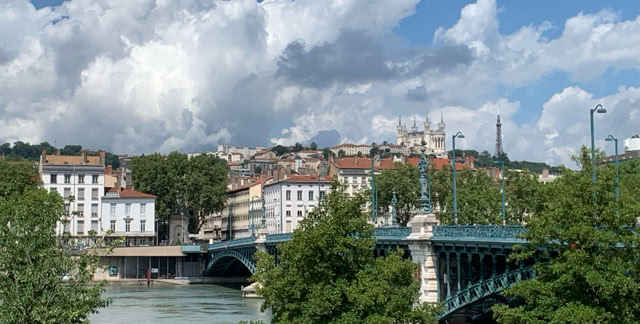
Lyon. France 2024
Culture/Natural - Global Studies
Topic: Marian devotion in the Rhône region compared to Marian worship in cities on rivers in Latin America
Photo: A.A.Bispo ©
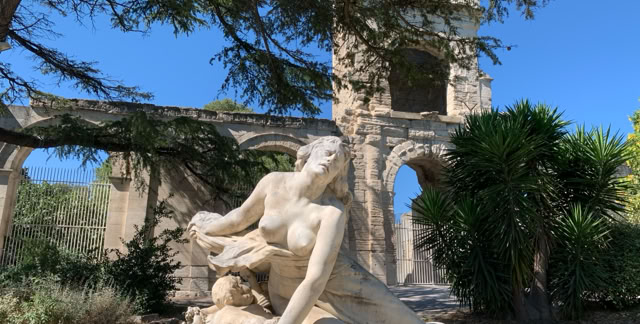
Arles. France 2024
Culture/Nature - Global Studies
Topic: Paisagism and residuals of the past
Photo: © A.A.Bispo
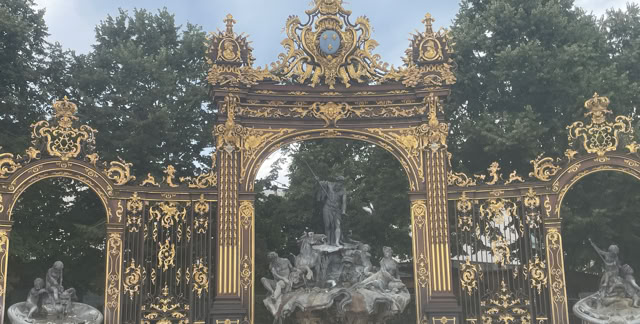
Nancy, France 2024
Culture/Nature - Global Studies.
Topic: Garden Art, Ornamentation and Light in Urban Paisagism
Photo: © A.A.Bispo
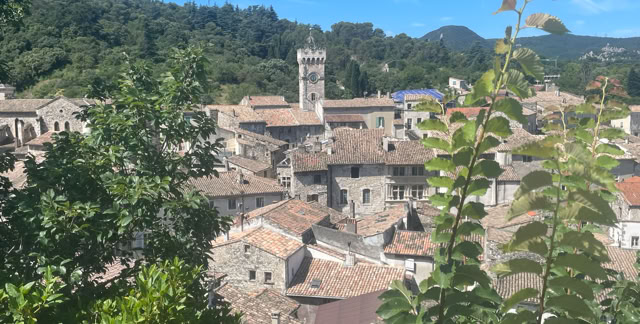
Viviers. France 2024
Culture/Nature - Global Studies
The Ardèche in architectural studies in its relationship to the landscape
Photo ©A.A.Bispo
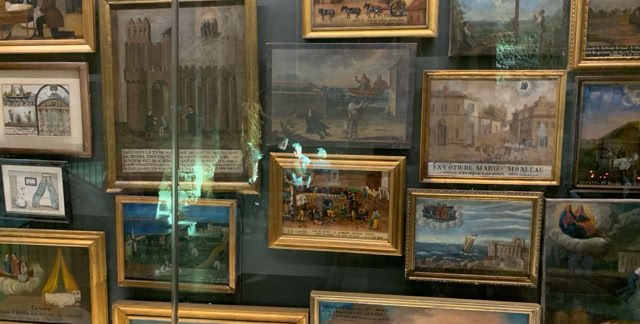
Saintes Maries de la Meer, France 2024
Culture/Nature - Global Studies
Topic: The Marys in Hagiography,
Legend and the Image of the Sea in the Perception of the Landscape and in Folk Traditions
Photo: ©A.A.Bispo
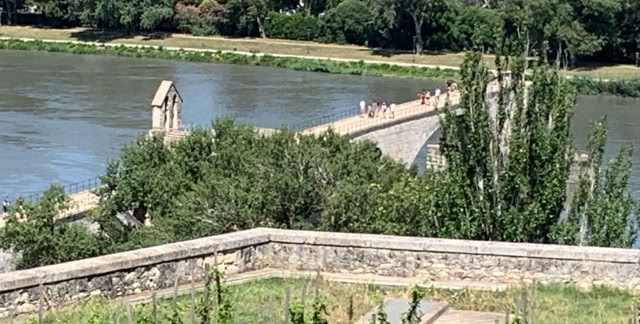
Avignon. France 2024
Culture/Nature and Global Studies
Topic: On the Bridge of Avignon in Urban Landscape and Traditions in France and Brazil
Photo: ©A.A.Bispo
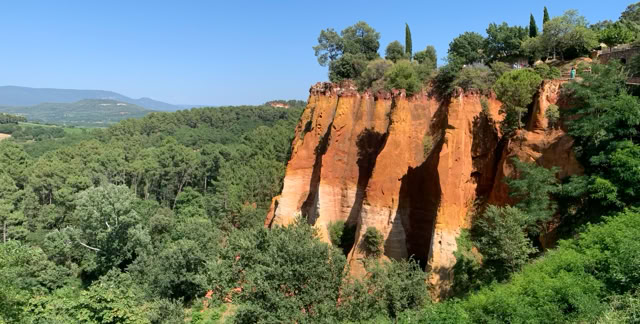
Roussillon, France 2024
Culture/Nature - Global Studies
Topic: Color in the Landscape and Urban Paisagism
Photo: ©A.A.Bispo
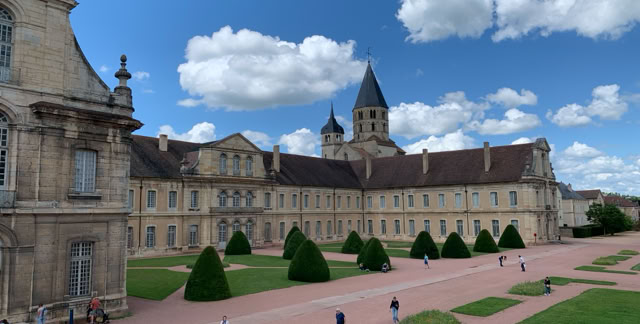
Cluny, France 2024
Culture/Nature - Global Studies
Topic: Landscape, Garden Art, Spiritual Life
Photo: ©A.A.Bispo
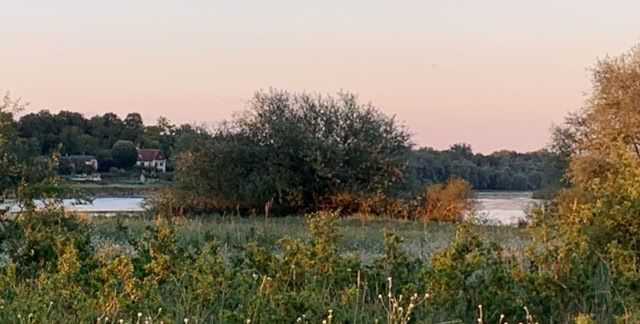
Cuffy. Burgundy, Loire. France 2022
Culture/Nature - Global Studies
Topic: The Le Bec d'Allier nature reserve
Photo: ©A.A.Bispo
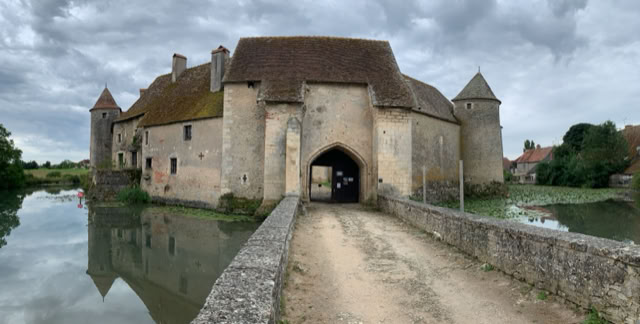
Sagonne, Cher in the Centre-Val de Loire region. France 2024
Culture/Nature - Global Studies
Topic: Medieval architecture, village life and landscape
Photo: ©A.A.Bispo
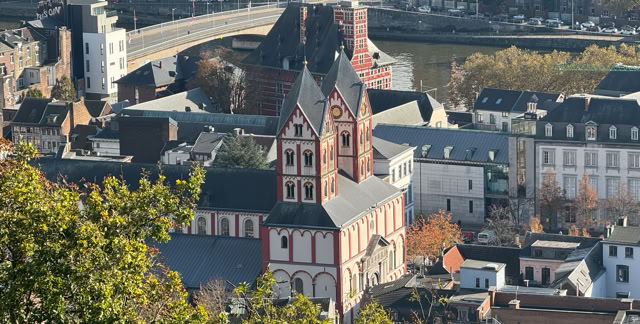
Lüttich. Belgium 2024
Culture/Nature - Global Studies
Topic: Upgrading urban qualities in industrial cities
Photo: A.A.Bispo ©
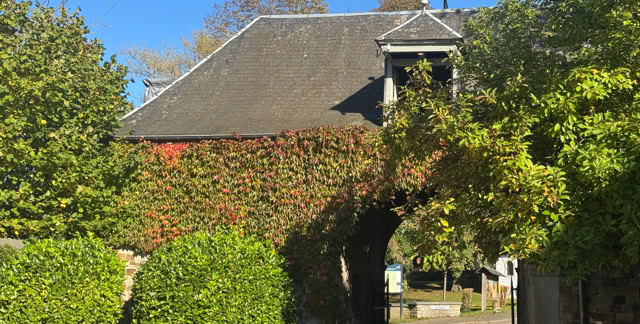
Thor Castle, Belgium.
Culture/Nature - Global Studies
Topic: Castles in the Liège region
Photo: A.A.Bispo©
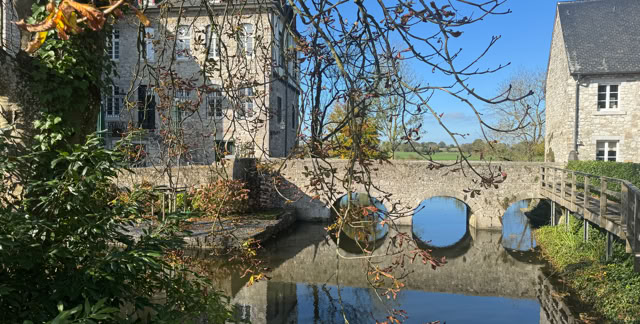
Libermé Castle. Belgium. 2024
Culture/Nature - Global Studies
Topic: Castles in the Liège region.
Photo: A.A.Bispo©
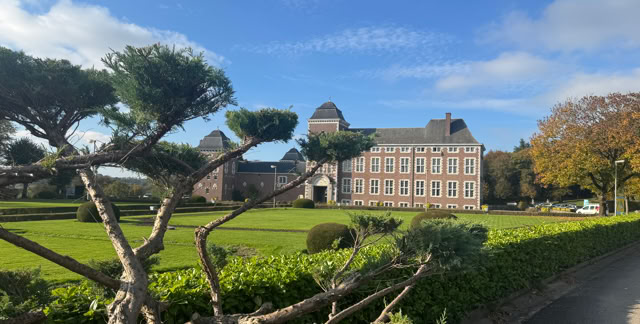
Wegimont Castle. Belgium 2024
Culture/Nature - Global Studies
Topic: Castles in the Liège region
Photo: A.A.Bispo©
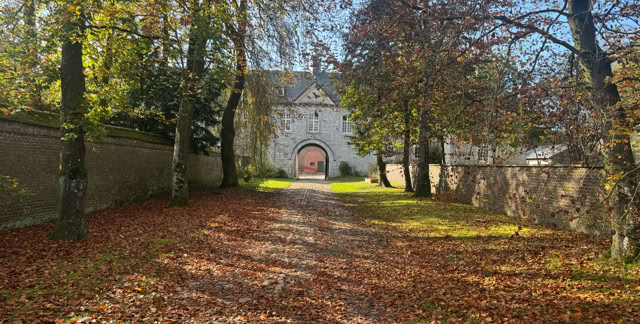
Ruyf Castle. Belgium. 2024
Culture/Nature - Global Studies
Topic: Castles in the Liège region
Photo: A.A.Bispo©
Joanópolis. Brazil. 2024
Culture/Nature - Global Studies.
Photo: A.A.Bispo©
In 2024, studies of global connections and processes were conducted in Germany, Japan, China, Korea, Brazil, France, Belgium and Luxembourg. These studies are part of a history of cultural studies that originated in Brazil in the 1960s and continued in Europe from 1974 onward. Through observations, discussions, and site visits in various Eastern and European countries, studies that had been ongoing for decades were able to continue. The planning and preparation of the year's study program took place in workshops held at Walchensee in Bavaria at the beginning of 2024. The focus was on the East/West program of the academic organization Brasil-Europa.
This program, developed since the 1970s with the support of specialists from various institutions in Cologne, such as the Japanese Cultural Institute, the Rautehstrauch-Joest Museum, the Institute of Ethnology and the Institute of Musicology at the University of Cologne, as well as the China Center in St. Augustin near Bonn, was based on research and experiences with Japanese, Chinese, and Koreans and their descendants in São Paulo. Studies of Asian migrant groups played a significant role in the renewal of cultural studies and the introduction of ethnomusicology at the Faculty of Music and Art Education in São Paulo since the mid-1960s. The studies conducted at that time were reviewed during the preparation of the 2024 program, and the topics they addressed were discussed at the sessions in the countries visited.
The China Studies, based in Hong Kong, serves to recapitulate and update knowledge gained in 1996 during the handover of the former British Crown Colony to China. At that time, institutions in Hong Kong and Macau were visited, and colloquia and archival research were conducted, providing the basis for publications, courses in Germany, and an international symposium in Portugal. Now, approximately 30 years later, the project aims to assess the developments that have occurred under the changed political circumstances.
The China studies of 2024 focused on Shanghai. The city's significance for understanding relations and interactions between the Far East and the West has long been recognized. The presence of Europeans and their institutions in this important trading center was examined based on historical sources. The aim of the 2024 study was, among other things, to identify the buildings constructed at that time for European trade activities and cultural life, and to assess their impact on the changing urban landscape. The primary focus was on observing the urban environment and comparing these observations with knowledge gained from previous visits to Beijing and its institutions.
In Korea, the final projects presented by students in 1974 to pupils from Korean migrant families in São Paulo were recalled. Attention was also focused on urban developments and the gentrification of spontaneously emerging and expanding hillside neighborhoods, which were considered analogous to some unplanned settlements in Brazilian cities. Urban landscaping along the coast of the port city of Busan was also examined.
In 2024, several cities in Japan were visited: Tokyo, Nagasaki, Kagoshima, Fukuoka, Himeki, Nara, Osaka, Shimizu/Shizuoka, Yokohama, and Kamakura. In each context, aspects of decades of Japanese studies were addressed. Among them, she highlighted those who were important for the history of the presence of Europeans in Japan since the time of discovery. In particular, the visit to the church and museum of the early Christianization in the 16th century and of the martyrs of Japan fulfilled a long-held desideratum.
In all the cities visited, attention was focused on the relationship between architecture and nature, as well as landscape and garden design. Among the many parks and gardens surrounding temple complexes, those of Kagoshima stood out. The park in Nara, with its free-roaming animals, received particular attention.
At the Brazil-Europe Study Center in the Mantiquera Mountains in São Paulo, archival work and the digitization of sources continued. This work served to preserve the documents collected in research since the 1960s. Among these were materials on the culture, art, and music of Japanese, Chinese, and Koreans and their descendants in São Paulo, which were also re-examined.
The knowledge gained in Japan, China, and Korea was subsequently discussed in Cologne and Berlin. These meetings primarily served to prepare for upcoming projects in France. These studies were also intended to update knowledge acquired since
The studies primarily focused on the Franco-German Forum of 1983 and the colloquium on cultural anthropology held in France in 1985. Numerous cities and institutions were visited, including Nancy, Viviers, Aix-en-Provence, Arles, Saintes-Maries-de-la-Mer, Port-Saint-Louis, Avignon, Gordes, Roussillon, Tain-l'Heremitage, Tournon, Lyon, Cuffy, Mâcon, Pérouges, Nevers, Sagonne, Mehun-sur-Yèvre, Sousmes, Vierzon, Aubigy-sur-Nère, La Chapelle-d'Angillomn, Maupas, Sancerre, Villenauxe-la-Grande, Épernya, and Verviers. In all these contexts, the focus remained on the theme of culture/nature, and thus also on landscape and reserves, urban landscape design, parks, and garden art.
The knowledge gained in France was assessed in a study session on the Baltic Sea coast at the study locations for members of the organization Brazil-Europe in the region of Kühlungsborn.
At the end of October 2025, Liège and its surroundings commemorated European cultural studies that began in the 1970s in cooperation with Belgian scholars. The urban development of Liège as a university city and cultural center was examined. The city's parks and surrounding areas, including Wégimont Castle, were visited, focusing on the relationship between culture and nature.