BRASIL-EUROPA
GLOBAL STUDIES
CULTURE/NATURE
BRASIL-EUROPA
GLOBAL STUDIES
CULTURE/NATURE
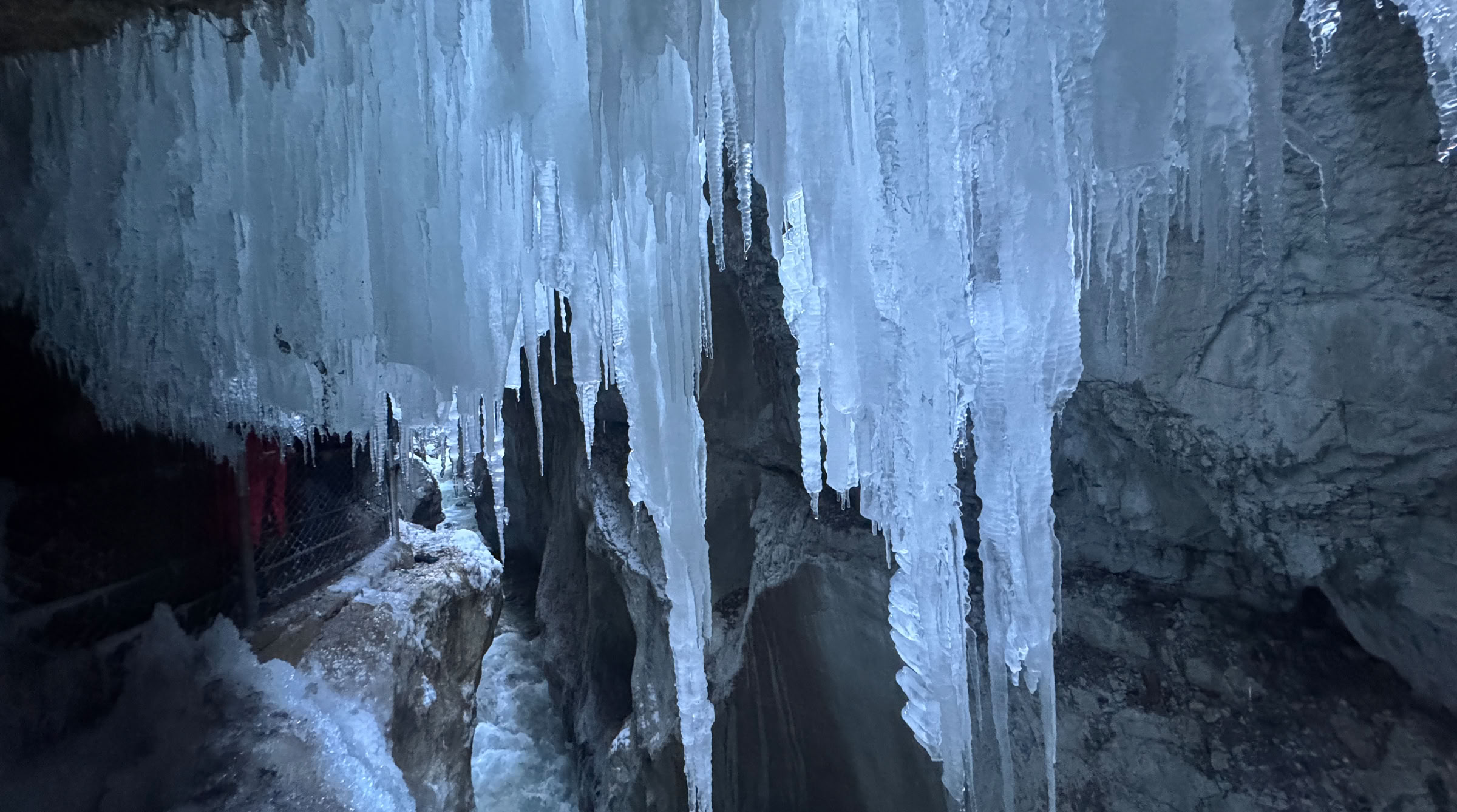
Partnachklamm, Bavaria, Germany 2024/25
Culture/Nature - Global Studies
Topic: Opening of the commemoration year 2025
1825/1975/1985
2025
Studies of cultural processes in global contexts
using Euro-Brazilian relations as a frame of reference
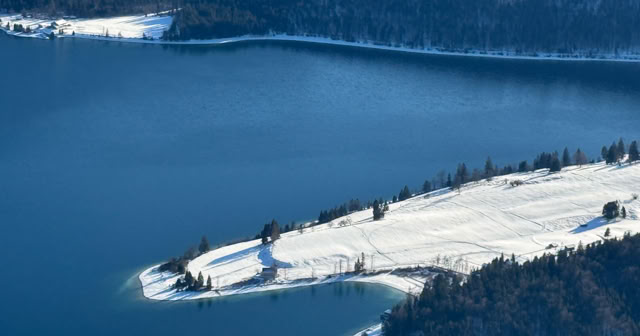
Herzogstand, Walchensee, Bavaria 2024/25
Culture/Nature - Global Studies
Topic: Opening of the commemoration year 2025
1825/1975/1985
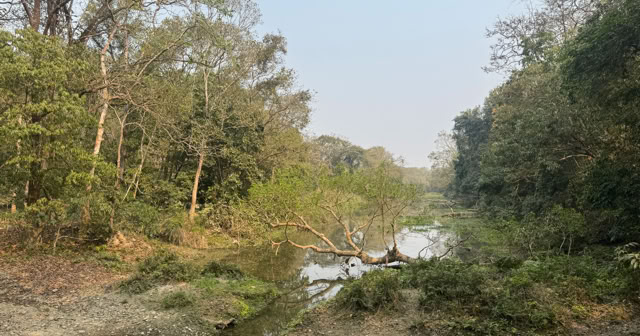
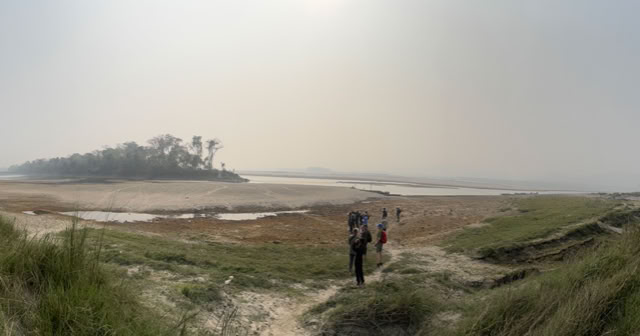
Chitwan National Park. Nepal 2025
Culture/Nature - Global Studies
Topic:Nature reserves in comparative studies
from the perspective of Brazil
Photo: A.A.Bispo©
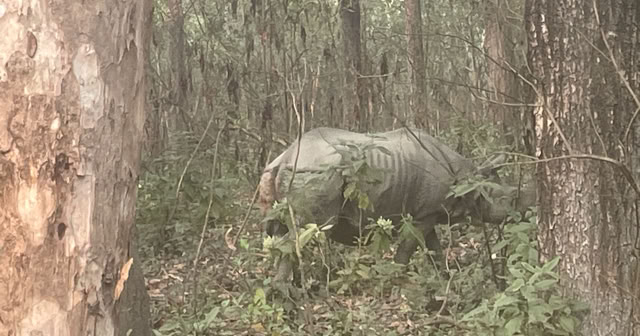
Chitwan National Park. Nepal 2025
Culture/Nature - Global Studies
Topic: Nature reserves in comparative studies
from the perspective of Brazil
Photo: A.A.Bispo©
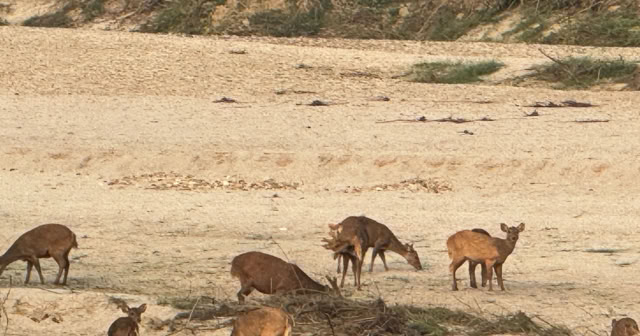
Chitwan National Park. Nepal 2025
Culture/Nature - Global Studies
Topic: Nature reserves in comparative studies
from the perspective of Brazil
Photo: A.A.Bispo©
Chitwan National Park. Nepal 2025
Culture/Nature - Global Studies
Topic:Nature reserves in comparative studies from the perspective of Brazil
Photo: A.A.Bispo©
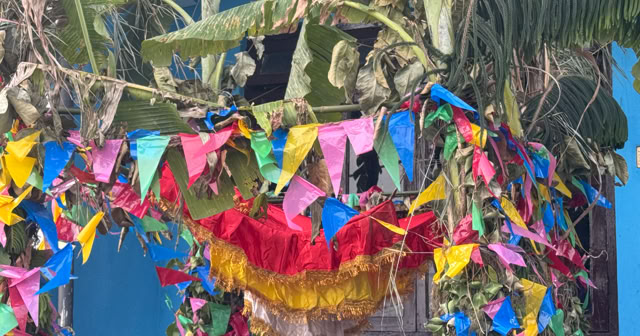
Gandakij, Nepal 2025.
Culture/Nature - Global Studies
Topic; Vegetation, Religion, Traditions
Photo: A.A.Bispo©
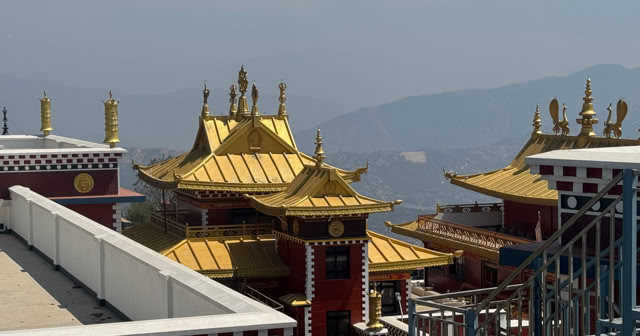
Bagmati. Nepal 2025
Culture/Nature - Global Studies
Topic: Architecture, Religion and Landscape
Photo: A.A.Bispo©
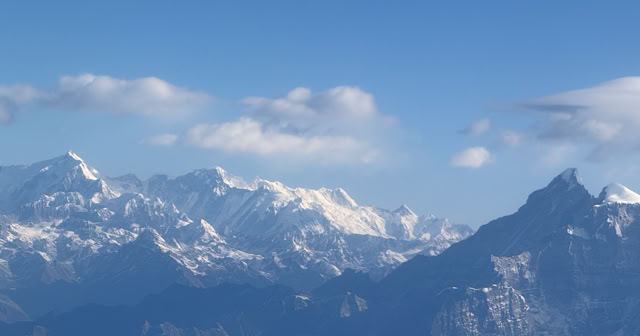
Himalaya, Nepal 2025
Culture/Nature - Global Studies
Topic: Mountain peoples and comparative cultural studies
Photo: A.A.Bispo©
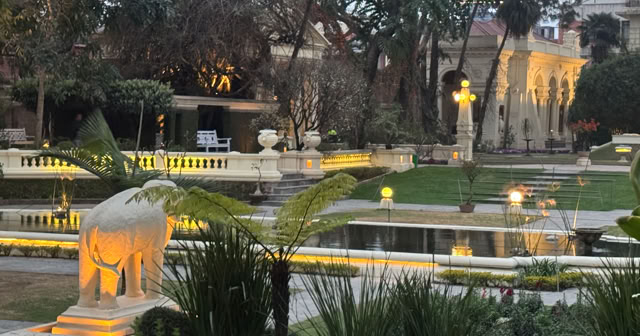
Kathmandu, Nepal 2025
Culture/Nature - Global Studies
Topic: Urban gardens, architecture and literature in East/West cultural relations
Photo: A.A.Bispo©
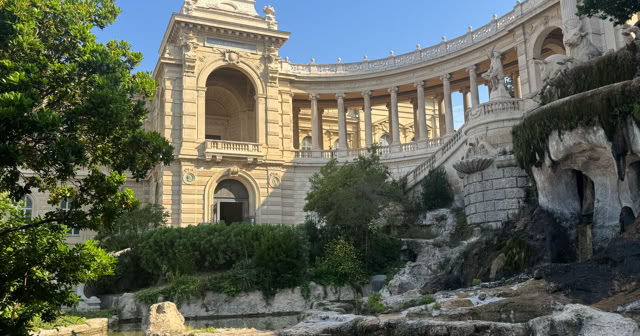
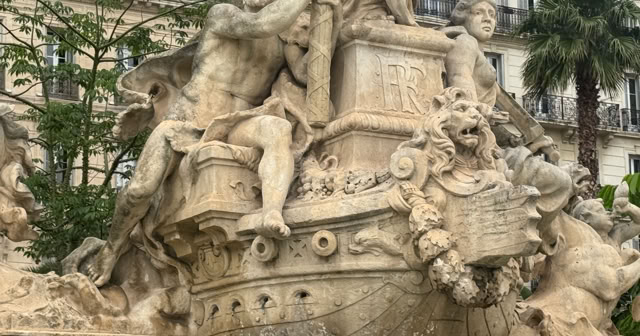
Marseille, France 2025
Culture/Nature - Global Studies
Topic: The Mediterranean region in international relations studies.
Photo: A.A.Bispo©
Toulon, France 2025
Culture/Nature - Global Studies
Topic: The Mediterranean region in international relations studies
Photo: A.A.Bispo©
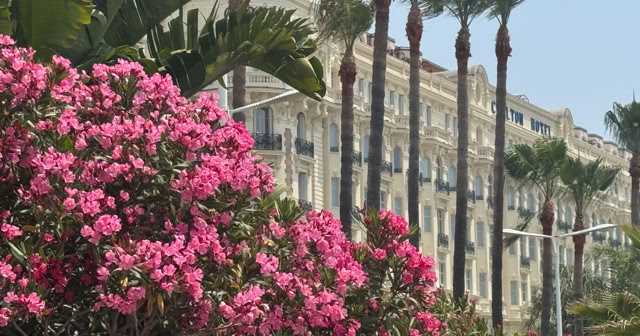
Cannes, France 2025
Culture/Nature - Global Studies
Topic: The Mediterranean region in international relations studies
Photo: A.A.Bispo©
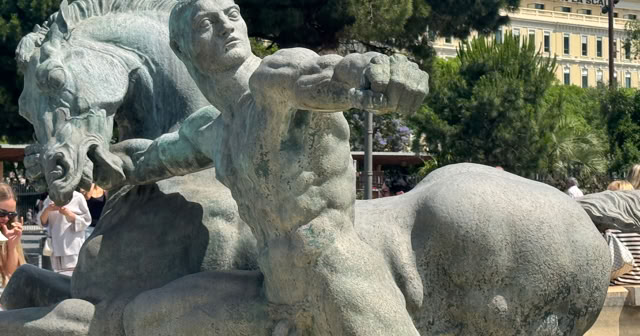
Nice, France 2025
Culture/Nature - Global Studies.
The Mediterranean region in international relations studies
Photo: A.A.Bispo©
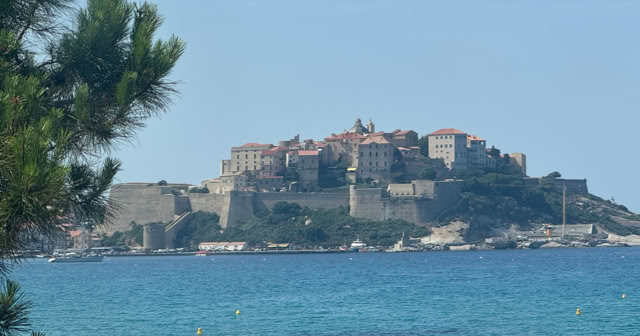
Calvi, Corsica 2025
Culture/Nature - Global Studies
Topic: Columbus and Corsican culture in the history of discovery
Photo: A.A.Bispo©
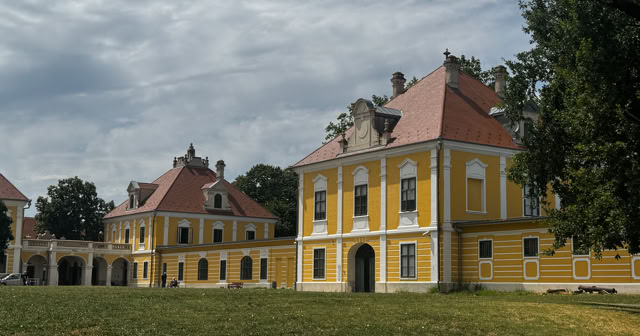
Vukovar, Croatia 2025
Culture/Nature - Global Studies
Topic: Landscape and Reconstruction of Architecture
Photo: A.A.Bispo©
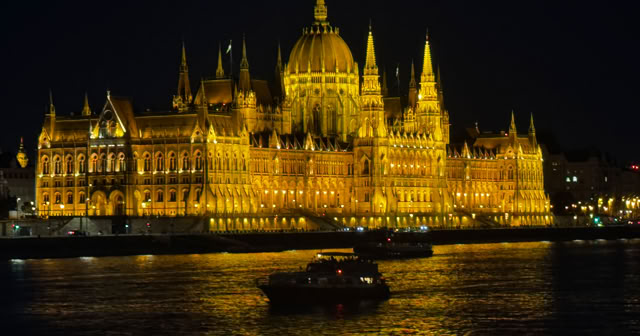
Budapest, Hungary 2025
Culture/Nature - Global Studies
Topic: Austro-Hungarian Dual Monarchy and Brazil
Photo: A.A.Bispo©
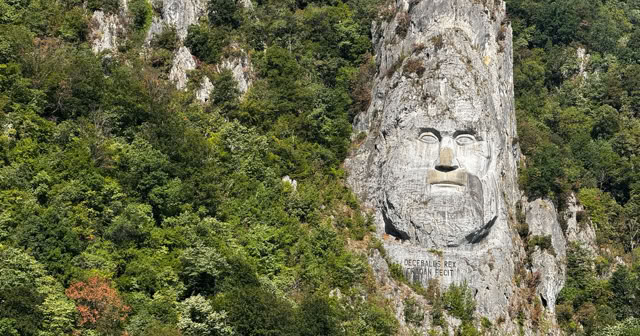
Romania 2025.
Culture/Nature - Global Studies
Topic: Docebalus rex
Photo: A.A.Bispo©
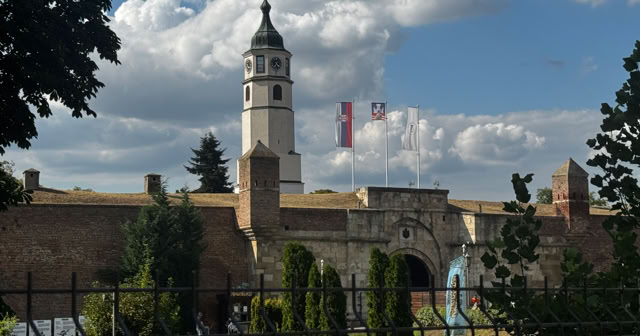
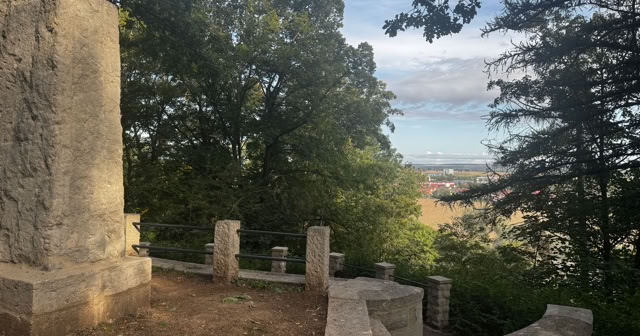
Belgrad, Serbia 2025
Culture/Nature - Global Studies
Photo: A.A.Bispo©
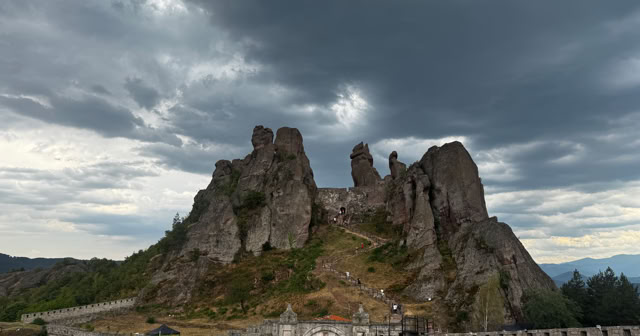
Belograditschik, Bulgaria 2025
Culture/Nature - Global Studies
Photo: A.A.Bispo©
Turnu Severin. Romenia.
Culture/Nature - Global Studies
Photo: A.A.Bispo©
Bratislava. Slowakia 2025
Culturte/Nature - Global Studies
Photo: A.A.Bispo©
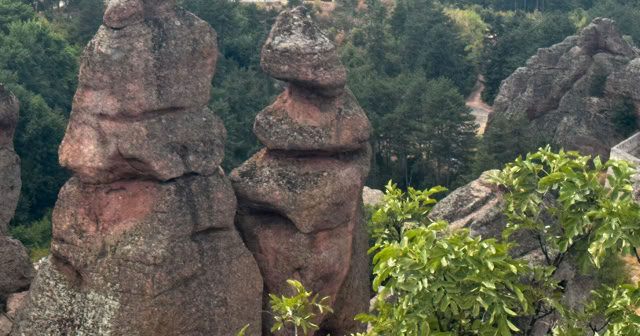
Belogradischik, Bulgaria 2025
Culture/Nature - Global Studies
Topic: Cultural processes in the Balkans
in their relationship to the landscape
Photo: A.A.Bispo©
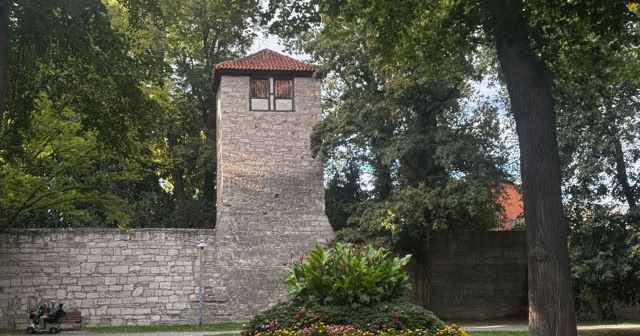
Mühlhausen, Turingia 2025
Culture/Nature - Global Studies
Topic: Nationalpark Hainich
Photo: A.A.Bispo©
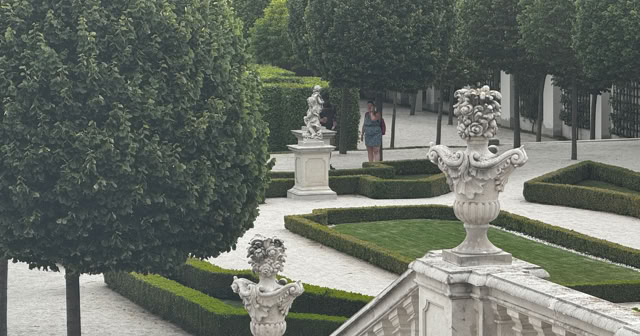
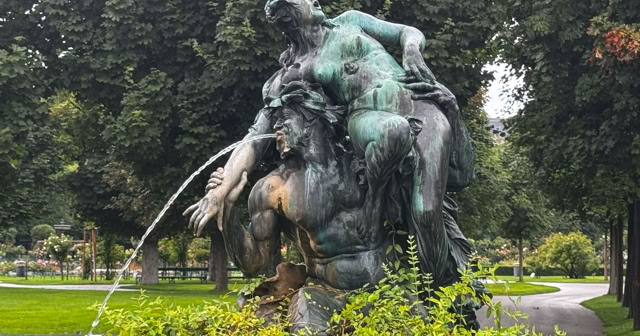
Viena. Austria 2025
Culture/Nature - Global Studies
Topic: urban landscaping, culture, mythology, poetry
Photo: A.A.Bispo©
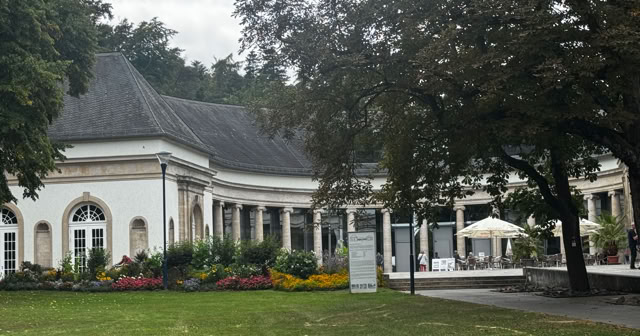
Bad Wildungen. Hessen. Germany 2025
Culture/Nature - Global Studies
Photo: A.A.Bispo©
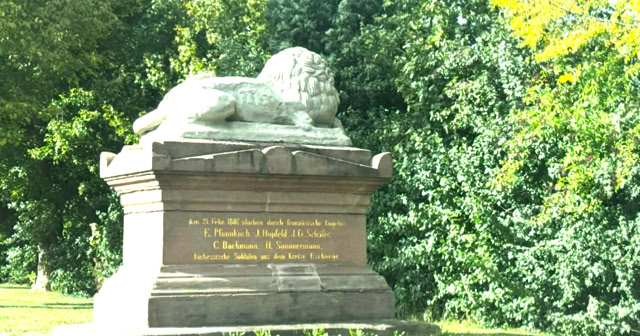
Eschwege. Hessen. Germany 2025
Culture/Nature - Global Studies
Photo A.A.Bispo©
Mühlhausen. Turingia. 2025
Culture/Nature - Global Studies
Photo: A.A.Bispo©
Nordhausen. Turingia 2025
Ciulture/Nature - Global Studies
Photo: A.A.Bispo©
Stolberg. Saxony-Anhalt. Germany 2025
Culture/Nature - Global Studies
Photo A,A,Bispo©
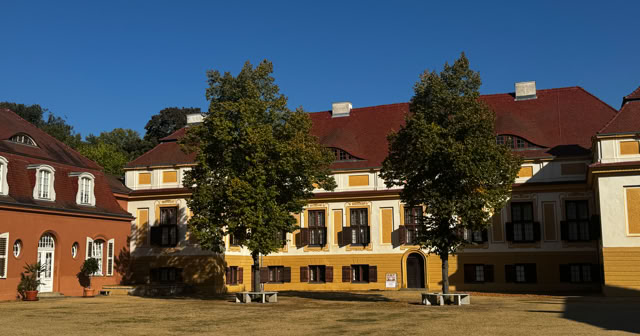
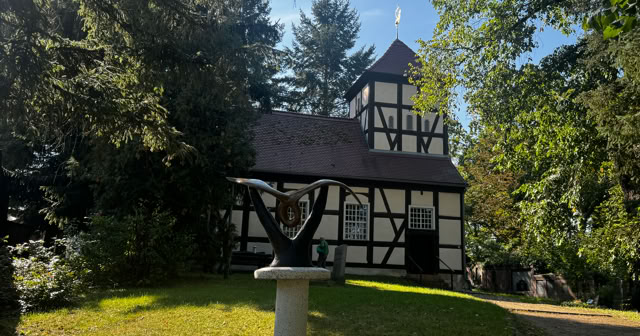
Caputh. Brandenburg 2025
Culture/Nature - Global Studies
Photo: A.A.Bispo©
Ferch. Brandenburg 2025
Culture/Nature - Global Studies
Photo: A.A.Bispo©
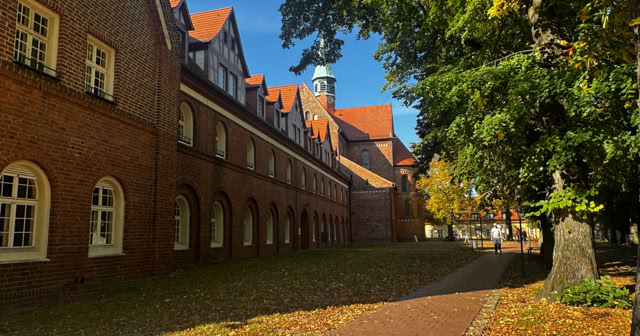
Lehnin. Brandenburg 2025
Culture/Nature - Global Studies
Photo A.A.Bispo©
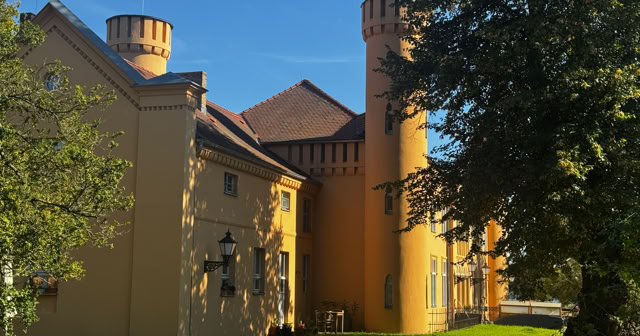
Petzow. Brandenburg. 2025
Culture/Nature - Global Studies
Photo: A.A.Bispo©
Berlin. Louise Victora Place. 2025
Culture/Nature - Global Studies.
Photo: A.A.Bispo©
Berlin. Kleist Parc. 2025
Culture/Nature - Global Studies
Photo: A.A.Bispo©
The year 2025 was marked by commemorations that thematically defined the study of cultural processes in global contexts.
In 2025, the Institute for the Study of Music Culture in the Portuguese-Speaking World celebrated its 40th anniversary, marking the 40th anniversary of an institution dedicated to music research focused on cultural processes and, reciprocally, to the analysis of cultural processes with music as a guiding principle. The research focuses on global studies conducted from the perspective of Lusophone contexts and their interactions. This mission and the development of this theoretical approach, which dates back to the 1960s in Brazil, as well as the work accomplished over this long period, were commemorated in study retreats and events held in Walchensee, Bavaria.
The natural magnificence of this region contributed to the decision to focus the main emphasis of the studies and events of the commemorative year on the Culture/Nature program. This commemorated 50 years of studies conducted in international collaborations in various European cities in 1975. Some of the cities visited at that time, which hold particular significance, were selected: Speyer with its Imperial Cathedral, the site of the opening of the first Euro-Brazilian symposium in Europe 1989, as well as Worms and Alzey. Subsequently, research and discussions of documents relating to the work of these past half-century took place in the archives of the Academy of Brazil-Europe in North Rhine-Westphalia.
Large-scale study cycles in various global contexts defined the year 2025. These corresponded to research programs of the Brazil-Europe Organization. The studies on the theme of Orient/Occident in 2025 looked back on 50 years of ethnological and cultural studies of Southeast Asia, which began in 1975 at the Institute of Ethnology and the Rautenstrauss-Joest Museum in Cologne. To mark this 50th anniversary, a study cycle was conducted in Nepal in 2025. This served to expand and deepen studies already carried out in India, other Southeast Asian countries, and China. Among the places visited were Kathmandu, Bagmati, Bhaktapur, Gandaki, Panauti, Patan, and Pokhar.
The focus was on processes and their interactions originating in Nepal, with particular attention to the relationship between culture and nature. Key aspects of the studies included visits to the Chitan Nature Reserve in the primeval forest region bordering India, as well as the Himalayas. Of significance for cultural studies in a global context is the research conducted in Nepal through international collaborations on the lifestyles and traditions of peoples living in mountainous regions of various countries.
As part of the Mediterranean/Atlantic study program, studies were conducted in southern France and Corsica. The theme of culture/nature initially defined the study visit to Marseille. This focus also shaped the reflections and observations in cities along the French Riviera, such as Toulon, Saint-Tropez, Nice, and Villefranche, which had already been considered in previous studies from other perspectives. The studies of the Mediterranean islands, which had also been the subject of several studies during the 50th anniversary of the Euro-Brazilian Program, were expanded to include Minorca and Corsica. While Corsican cities had already provided the basis for studies and colloquia within the framework of Euro-Mediterranean studies in previous years, in 2025 the focus shifted primarily to Ajaccio and Calvi.
The focus was primarily on the significance of Corsican seafarers for the history of discovery and the relationship between Europe and the American continent. The observations and reflections in the city where Columbus's memory is celebrated opened up new perspectives on the history of the discovery of America. As at the International Congress for the Columbus Year in Rio de Janeiro in 1992, attention was mainly focused on Genoa and Spain. The recognition of the need to give greater consideration to the culture, traditions, social development, and mentality of the Corsicans in analyses of intercontinental relations has since shaped historiography and cultural and demo-scientific approaches in Ibero-American studies.
This year marked the 200th anniversary of the birth of Brazilian Emperor Pedro II, a prominent figure in Brazilian history. His erudition and wide-ranging philosophical, scientific, and cultural interests, along with his support of academic institutions and figures in intellectual life, art, and music in Brazil and Europe, place him at the forefront of Euro-Brazilian cultural relations and, indeed, of the history of science and art in general. This bicentenary was celebrated particularly from the perspective of the Culture/Nature research program. Attention was focused on the region of the former Austro-Hungarian Empire, which is closely linked to Brazilian history in many respects. Vienna was visited by Pedro II during his European tour in 1876.
His mother was the Austrian Archduchess Leopoldina, the first Empress of Brazil, which also explains the close familial, scientific, and artistic ties between Brazil and the Danube region. The observations and reflections carried out in 2025 in the area of the former multi-ethnic state of the Dual Monarchy were able to build upon previous studies and relationships, with a particular focus on the environment and natural conditions in the context of cultural-historical processes since antiquity, and especially in the 19th century. In this sense, not only nature reserves but also archaeological sites, landscapes, architecture and landscaping, parks and gardens in cities, as well as relevant institutions and museums, were visited in cities in Austria, Slovakia, Croatia, Bosnia, Serbia, and Romania.
A key element of the Culture/Nature 2025 program in Germany was a visit to Germany's largest remaining primeval forest, the Hainich National Park in western Thuringia, located in the triangle formed by the towns of Eisenach, Bad Langensalza, and Mühlhausen. This visit also included visits to towns in the state of Saxony-Anhalt, particularly those in the Harz Mountains, to commemorate the first visits to the region 50 years ago and to observe the impact on the landscape and culture of the disease that has ravaged the coniferous forests in recent years.
In Berlin, the commemorative publication for the 200th anniversary of Pedro II's birth was published in October 2025. This work presents musicological and cultural studies on 19th-century Brazilian musicians as well on the reception of works by European composers, based on historical sources discovered since the 1960s and held in the archives of the Organization Brasil-Europa. As part of the program's cultural/nature focus, the Havel lakes of Potsdam, the capital of Brandenburg, and its surrounding towns were visited: Jungfernsee, Lehnitzsee, and Weißer See.
The publication for Pedro II's bicentenary was distributed and discussed with members of his family living in Baden and on Lake Tegernsee. The composers and works discussed in the publication were presented at the annual general meeting of the Institute for the Study of Musical Culture of the Portuguese-Speaking World, which was held at Lake Walchensee.